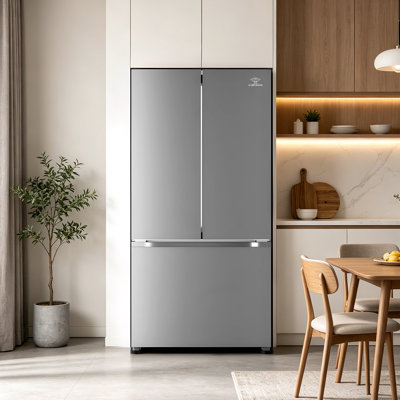
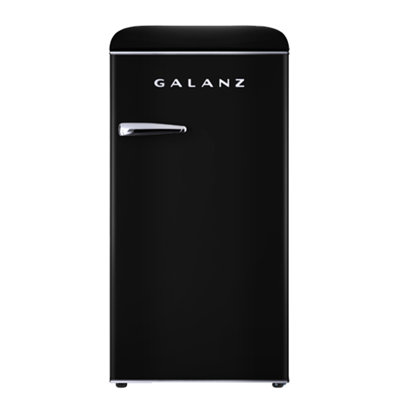
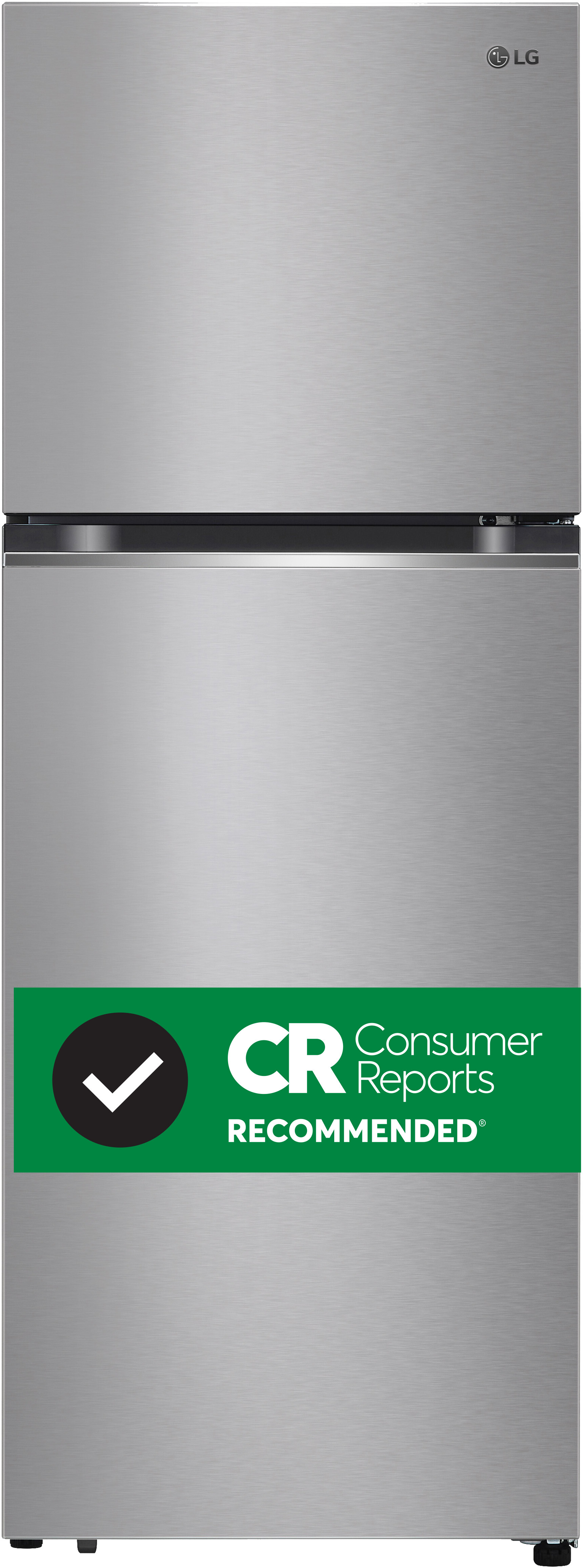
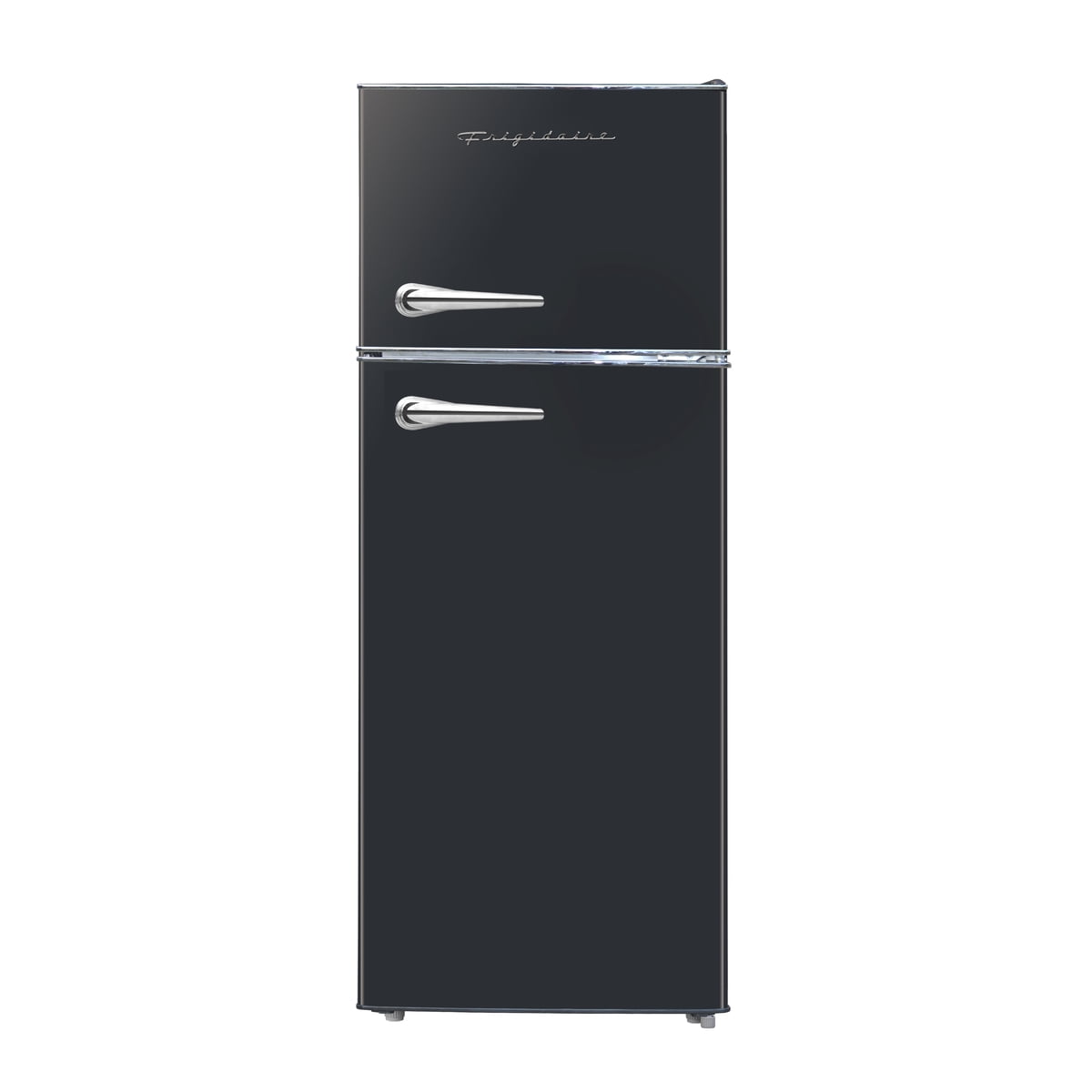
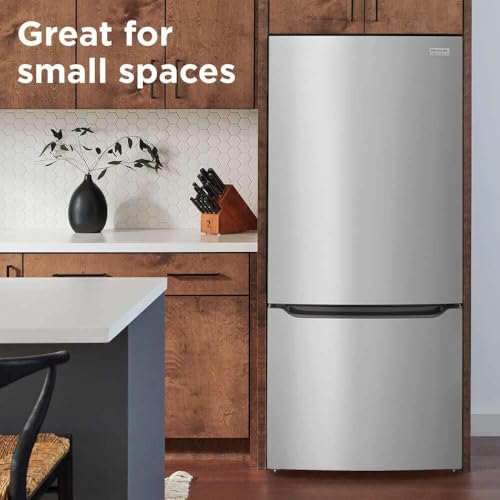
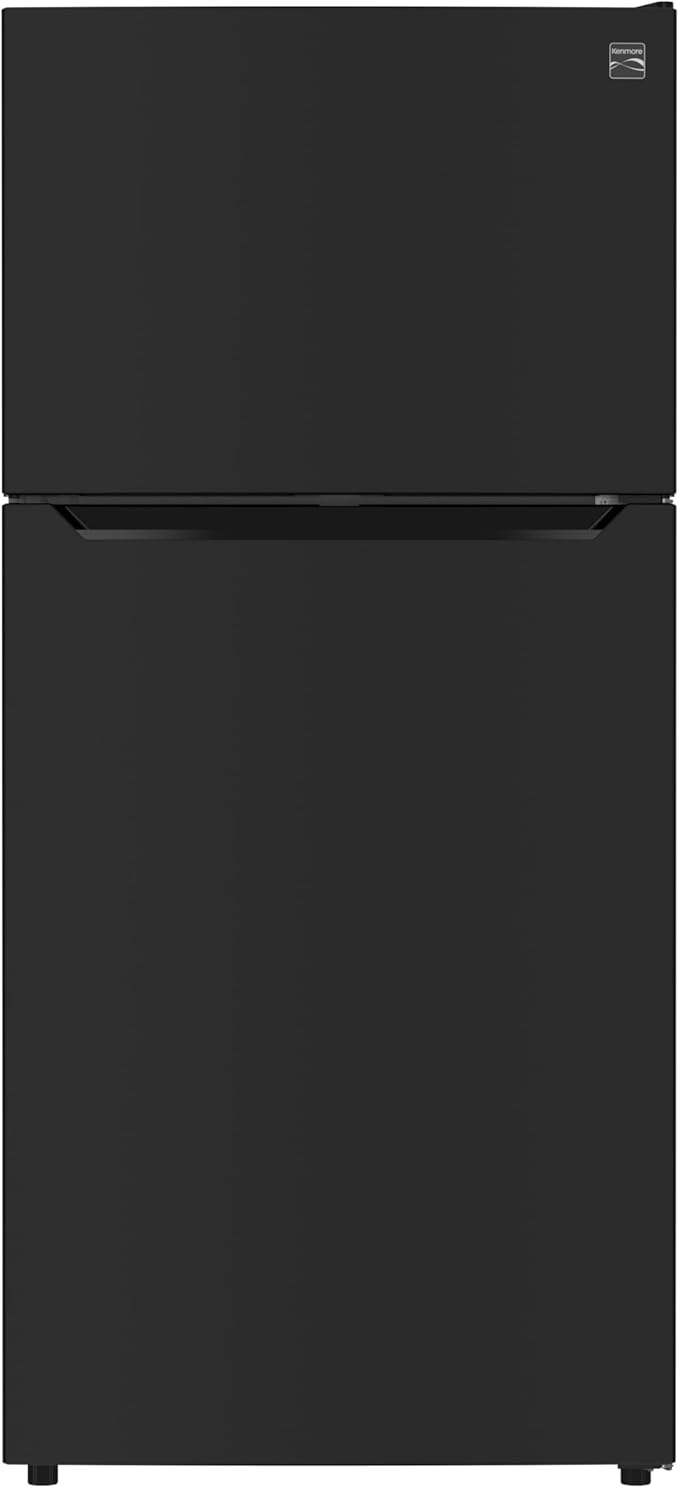
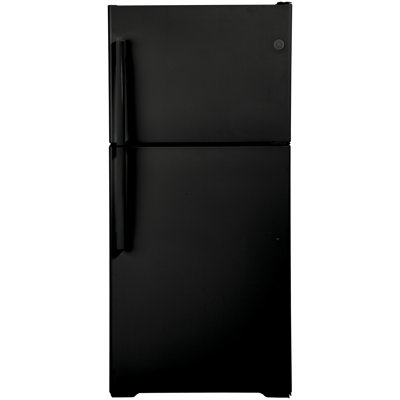
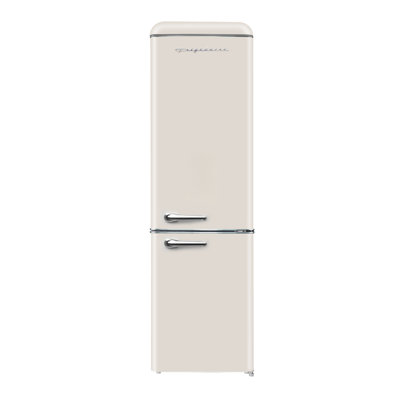
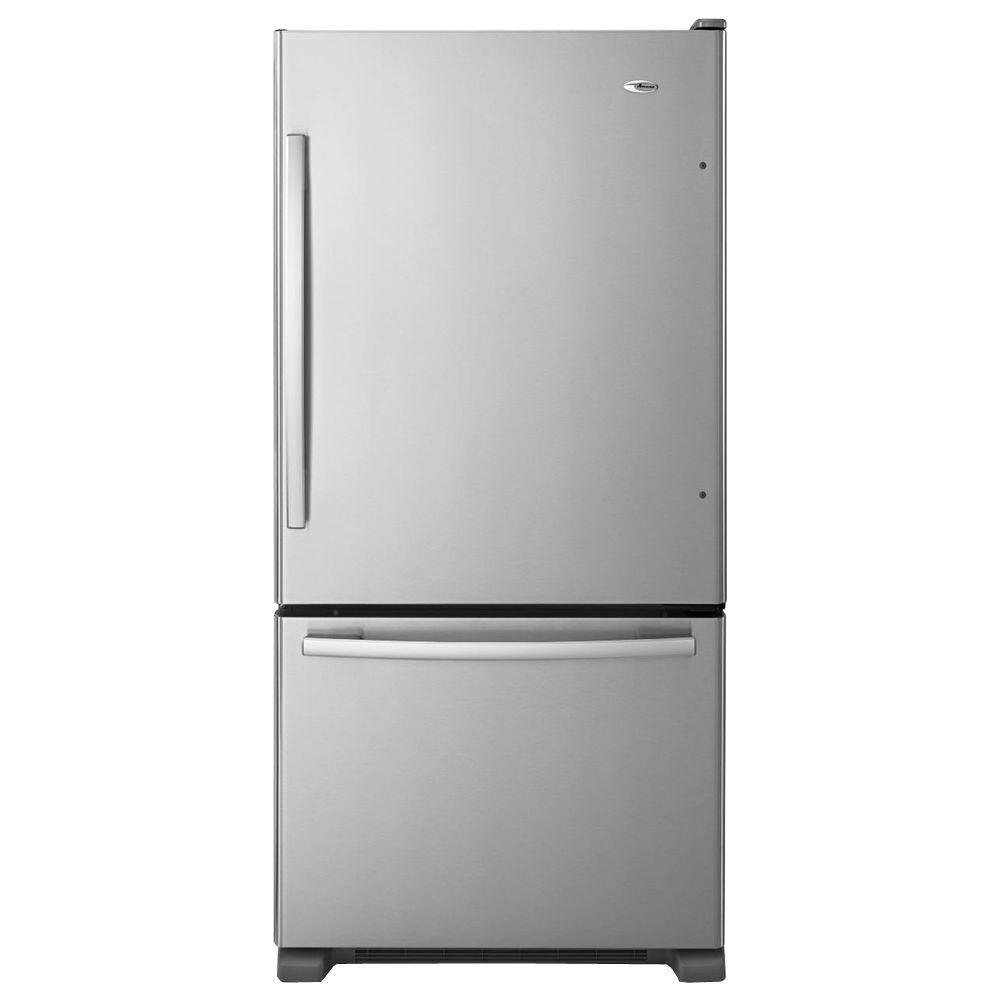
An energy efficient refrigerator and a retro fridge represent opposite design priorities in the appliance market. The energy efficient model maximizes cooling performance per watt using modern technology — inverter compressors, high-density insulation, intelligent defrost, and Energy Star certification. The retro fridge maximizes visual appeal with mid-century styling — rounded corners, chrome accents, bold colors, and vintage proportions. How do their energy profiles compare? The answer matters more than most retro fridge buyers expect.

Engineering Generations
Energy efficient refrigerators use current-generation cooling technology. Variable-speed inverter compressors adjust output in real time. Multi-layer foam insulation minimizes heat transfer. Electronic thermostats maintain precise temperatures. LED lighting generates minimal heat. Smart defrost cycles activate only when frost is detected. Every component is engineered for minimum energy consumption.

Retro fridges vary widely in their internal engineering. Premium retro brands (Smeg, Big Chill) use modern compressor systems and insulation inside the vintage shell — the outside looks 1950s, the inside performs like a modern fridge. Budget retro brands may use older-style compressor technology with less efficient insulation and mechanical thermostats. The engineering quality behind the retro exterior determines the actual energy performance.
Annual Energy Consumption
| Appliance | Capacity | Annual kWh | Annual Cost |
|---|---|---|---|
| ES Modern Top Freezer (18 cu ft) | 18 cu ft | 300 - 420 kWh | $39 - $55 |
| ES Modern French Door (25 cu ft) | 25 cu ft | 420 - 600 kWh | $55 - $78 |
| Retro Compact (Galanz, 3.5 cu ft) | 3.5 cu ft | 220 - 360 kWh | $29 - $47 |
| Retro Mid-Size (7-10 cu ft) | 7 - 10 cu ft | 280 - 450 kWh | $36 - $59 |
| Retro Full-Size (Smeg, 10-12 cu ft) | 10 - 12 cu ft | 300 - 450 kWh | $39 - $59 |
| Retro Full-Size (Big Chill, 18-20 cu ft) | 18 - 20 cu ft | 400 - 600 kWh | $52 - $78 |
Premium retro fridges with modern internals (Smeg, Big Chill) use energy comparable to modern Energy Star models of similar capacity. A Smeg at 10-12 cu ft uses $39 to $59 per year — similar to an ES 18 cu ft top freezer despite holding less food. The efficiency gap exists because Smeg models have less interior volume per unit of exterior size (thicker walls for the rounded retro shape) and may not carry Energy Star certification.

Budget retro compact fridges (Galanz, Frigidaire retro) at 3.5 cu ft use $29 to $47 per year — high relative to their small capacity. A modern ES compact fridge of the same volume uses 15 to 25 percent less energy.

Energy Per Cubic Foot
| Appliance | Cost Per Cu Ft Per Year |
|---|---|
| ES Modern Top Freezer (18 cu ft) | $2.17 - $3.06 |
| ES Modern French Door (25 cu ft) | $2.20 - $3.12 |
| Retro Compact (3.5 cu ft) | $8.29 - $13.43 |
| Retro Mid-Size (8 cu ft) | $4.50 - $7.38 |
| Retro Full-Size Smeg (11 cu ft) | $3.55 - $5.36 |
| Retro Full-Size Big Chill (19 cu ft) | $2.74 - $4.11 |
Modern Energy Star fridges are 20 to 60 percent more efficient per cubic foot than retro models. The gap is largest with budget retro compacts (4 to 6 times less efficient per cu ft than a modern full-size) and smallest with premium retro full-size models (only 15 to 30 percent less efficient). Size — not just technology — drives the per-cubic-foot difference. Larger units are inherently more efficient regardless of style.
Why Retro Fridges Use More Energy Per Cubic Foot
Shape inefficiency. The rounded retro body wastes interior volume — curves create dead space inside that squared modern interiors do not. A retro fridge with 11 cu ft of usable space may occupy the same exterior dimensions as a modern fridge with 14 cu ft. You cool more exterior surface area per cubic foot of storage.
Insulation compromise. The retro body shape makes it harder to apply uniform thick insulation. Curved panels require custom-cut foam pieces that may have thinner spots at the curves. Modern flat-panel fridges use uniform foam injection for consistent insulation thickness.
Compressor technology. Budget retro models use fixed-speed compressors that cycle fully on and off. Premium retro models (Smeg, Big Chill) use modern compressor technology that closes this gap.
Missing Energy Star. Many retro models do not pursue Energy Star certification — the niche market and design-first positioning do not incentivize manufacturers to meet the certification threshold. Without the certification target driving design optimization, energy efficiency may not be prioritized.
The Style-Efficiency Trade-Off
Choosing a retro fridge over a modern Energy Star model of equivalent capacity costs approximately $10 to $30 more per year in electricity. Over a 12-year fridge lifespan, that is $120 to $360 in additional energy cost — the price of vintage style. For most retro fridge buyers, this is a fully acceptable trade-off. The aesthetic value of a mint green Smeg or a cherry red Big Chill in the kitchen far exceeds $20 per year in perceived value.
The trade-off is steeper with budget retro compacts. A $100 Galanz retro fridge that costs $40 per year in energy versus a $120 modern compact at $25 per year means the retro fridge costs $150 more in energy over 10 years than the modern equivalent — more than the purchase price difference. Budget retro buyers should factor energy into the value equation.
Energy Star in the Retro Category
Energy Star retro models exist but are uncommon. Big Chill offers some Energy Star certified models in their full-size line. Galanz has introduced a few Energy Star compact retro models. Smeg does not typically pursue Energy Star certification for the US market (their primary market is European, with different efficiency standards). When available, an Energy Star retro model closes the efficiency gap to near-modern levels.
10-Year Energy Costs
| Appliance | 10-Year Energy | Purchase Price | Total 10-Year Cost |
|---|---|---|---|
| ES Top Freezer (18 cu ft) | $390 - $550 | $700 | $1,090 - $1,250 |
| Retro Smeg (11 cu ft) | $390 - $590 | $2,000 | $2,390 - $2,590 |
| Retro Big Chill (19 cu ft) | $520 - $780 | $4,000 | $4,520 - $4,780 |
| Retro Galanz (3.5 cu ft) | $290 - $470 | $350 | $640 - $820 |
The retro premium is overwhelmingly in the purchase price, not the energy cost. A Smeg's 10-year energy ($390-$590) is comparable to a modern ES fridge ($390-$550). The $1,300 difference in total 10-year cost between a Smeg and a modern top freezer is almost entirely the appliance price gap — not the energy gap. Energy efficiency is not a strong argument for or against retro fridges. Style and capacity are the real decision factors.
Who Should Choose Which
Choose an energy efficient modern refrigerator if maximum capacity per dollar and minimum operating cost are your priorities. The modern fridge delivers the most cold storage at the lowest combined purchase and energy cost. It is the rational appliance choice.
Choose a retro fridge if visual style, kitchen personality, and design statement are your priorities. Accept the modest energy premium ($10-$30/year) as the cost of aesthetic joy. Premium retro brands with modern internals minimize the efficiency gap. Budget retro compacts carry a steeper relative energy penalty — factor it into the value calculation.
Shop at Fridge.com
Compare energy efficient refrigerators and retro fridges at Fridge.com. Filter by Energy Star certification, annual kWh, style, color, and price to find the fridge that balances efficiency and personality for your kitchen.