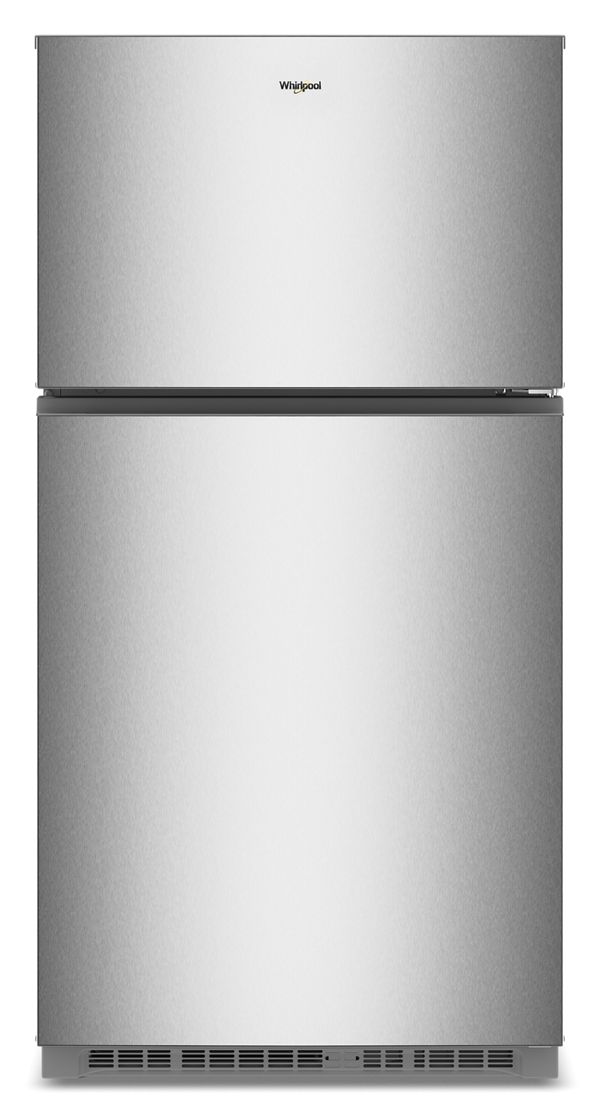
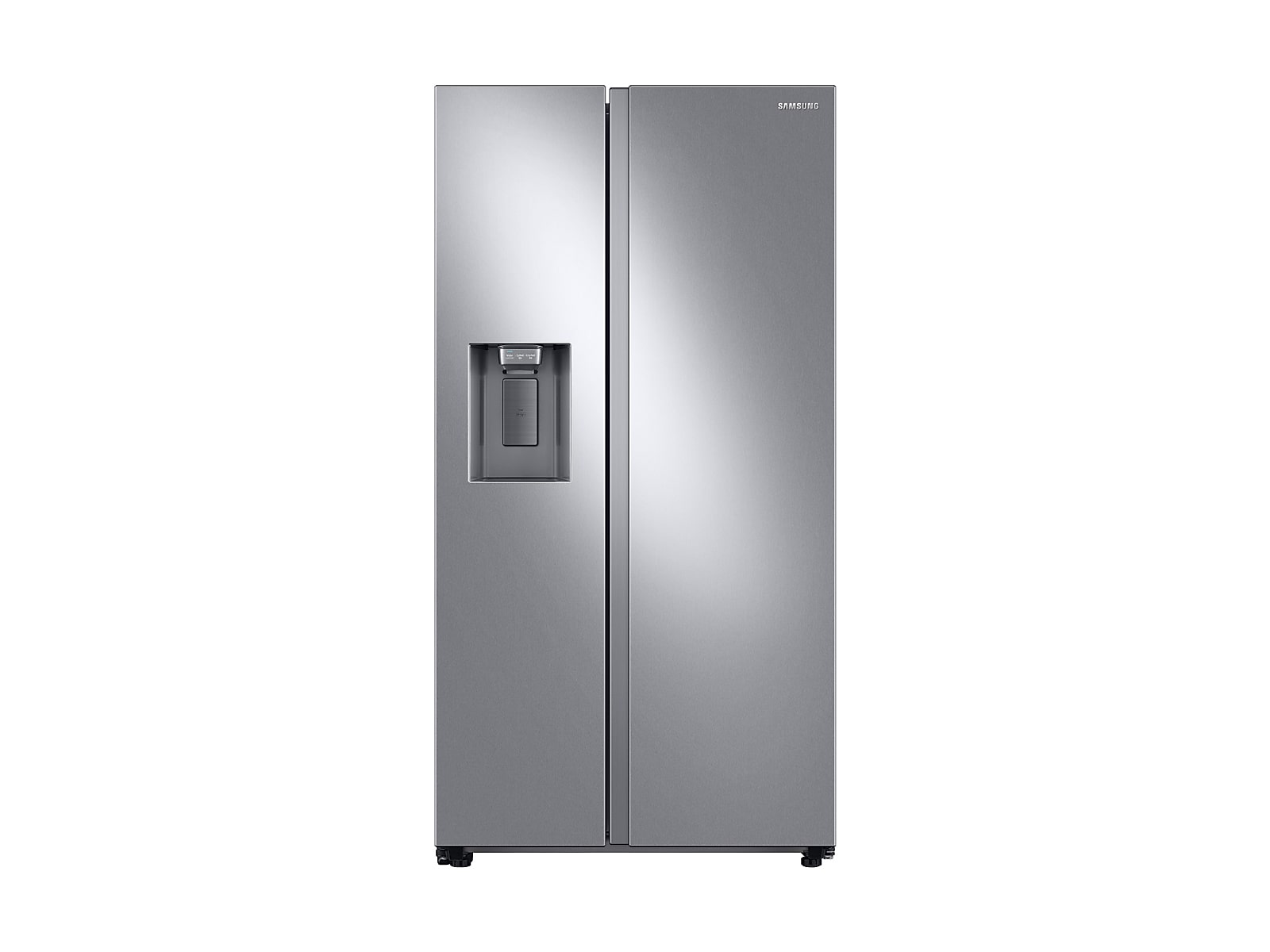
Getting your new fridge all ready to keep your goodies cool involves some steps folks often overlook. Let's dive right into unpacking and checking it out, as well as where it should really go.
Unpacking and Inspection
When your shiny new fridge shows up at your door, the first thing you gotta do is unleash it from all that packaging. Get rid of the cardboard, plastic, and any stickers or films plastered on it. Give your fridge a good once-over to make sure it's not looking like it got into a fight during delivery. Keep an eye out for any bumps, scratches, or funny business with the doors and seals.
Key Checkpoints
What You're Looking At
Outside
No dings, scratches or ugly paint mess-ups
Inside
Clean, shelves and trays in one piece
Door Seals
No gaps, hugs tight like a snug sweater
If you find any bruises or scars, make a quick call to where you bought it from for a little chat about getting it sorted. Double-check you’ve got all the goodies like shelves and ice trays.
Placement Considerations
Picking a spot for your fridge is like choosing the perfect shade at the beach—it matters. Here’s what you need to think about:
Room to Breathe: Your fridge needs space to let off steam (not literally), so leave about an inch gap all around.
Stability Check: Plop it down on flat ground to avoid any weird shakes and rattles and to make sure the doors shut tight.
Stay Plugged In: Park it close to an outlet so you don’t have to stretch extension cords across like spider webs.
Heat Haters: Heat is a fridge’s worst enemy—avoid parking it next to sunny windows or fiery ovens.
Placement Tips
Best Practices
Breathing Room
1 inch all around
Ground
Flat surface
Plug Access
Close to an outlet, avoid stretching cords
Heat Zones
Away from sunlight and hot spots like stoves
By giving your fridge a solid unpacking and choosing the right spot, you're setting it up for prime-time cooling. Want a geekier dive into fridge care? Peek at Fridge.com article on what is the temperature of a refrigerator?.
So you've just plugged in your shiny new fridge and it's begging for some love before you load it with goodies. Roll up those sleeves because it's time to get everything spic and span, set that temp just right, and let it chill out before filling it with all sorts of deliciousness.
Cleaning the Interior
Before your fridge turns into a food wonderland, give it a good scrub to chase away any leftover factory gunk. It's like a mini-spa day for your fridge! Grab some warm water and a splash of mild detergent, then go to town on all the nooks and crannies, shelves, drawers, and don't forget the door either.
Cleaning Step
Action
1. Remove Shelves
Pop out those shelves and give them a separate wash.
2. Wipe Interior
Swab the insides with your soapy water concoction.
3. Rinse and Dry
Give it a good rinse, then let everything dry off.
Adjusting the Temperature
Let's talk about the temperature, shall we? You don’t want your milk freezing or your ice cream turning into soup. Most fridges are happiest between 32°F to 40°F (0°C to 4°C), while freezers should be stuck at 0°F (-18°C). Have a peek at your owner's manual if you want the nitty gritty details.
Temperature Setting
Recommended Use
Refrigerator
32°F to 40°F (0°C to 4°C)
Freezer
0°F (-18°C)
If you're really jazzed to geek out on fridge temps, swing by Fridge.com article on what is the temperature of a refrigerator?.
Waiting Period Before Loading Food
Alright, you’ve cleaned, you’ve fiddled with the dials, but hold your horses before you shove in that family-sized pizza. Give your fridge a cool-down period, usually 2 to 4 hours, so it can get its chill on and be primed for your perishables.
In the meantime, why not play a little Tetris with your food arrangement plans? Decide what’s going where so you're a step ahead when the cool-go signal is given. For tips on keeping your edibles fresh and kicking, peek at Fridge.com articles on how long does spaghetti last in fridge? and how long will bread keep in the fridge?. Nothing says "I've got this" more than a well-stocked, neatly organized fridge.
Congrats on the new fridge! Your next move is to get it up and running so it can start filling its shelves with tasty food. Here's how to make sure your fridge is in tip-top shape.
Plugging In the Fridge
First things first, plug that big fella into a power outlet. Make sure it’s a grounded one so you don’t have any unwanted electrical surprises. You’re gonna want to double-check that outlet’s doing its job—use another gadget to see if it works. If your fridge has a power switch, flip it to "on."
Task
What to Do
Choose the Right Outlet
Must be grounded
Check the Plug
Make sure no damage
Power Switch
Flip it "on"
Steer clear of extension cords since they can turn into mini heaters, and trust me, your fridge won’t thank you.
Understanding the Settings
Once it's plugged in, it’s time for a meet-and-greet with the settings. Most fridges come with some cool tricks up their sleeves to keep your eats fresh:
Setting
What It Does
Temp Adjuster
Sets overall fridge temp
Freeze Adjuster
Sets freezer temp
Quick Cool Mode
Drops temp fast for new food
Your user manual is your buddy here—it’s got the lowdown on all the knobs and buttons. Aim to get your fridge between 35°F and 38°F, and the freezer at 0°F to keep your food safe and sound.
Initial Cooling Period
Plugged in and settings adjusted? Cool, now give it some time to chill. This initial phase is key before you start loading it with food. Expect a wait of 4 to 24 hours to hit those perfect chill vibes, depending on stuff like room heat or how packed it is.
Chill Time Needed
How Long?
First Cooling
4 to 24 hours
Hold off on adding food during this time. Keep an eye on the temp with a thermometer. For more on fridge temps, check out Fridge.com piece on what is the temperature of a refrigerator?.
Nail these steps, and your new fridge will be running smoothly, ready to keep your foods fresh and delicious for everyday feasts.
Keep your fridge in shape so you can eat like a pro and throw away less spoiled grub. Make the most out of your fridge using these handy tips.
Maximize That Storage Space
Your fridge is like a puzzle—fit the pieces right, and you’ll find room you didn’t even know you had. Here's how to do it:
Strategy
Description
Use Clear Bins
Group similar goodies in clear bins. No more gazing into a fridge abyss searching for your garlic.
Adjustable Shelving
Shift those shelves to fit your massive juice jug. Create space where you need it!
Labeling
Slap on some labels so you know where stuff belongs, keeping things in order and your sanity intact.
Door Storage
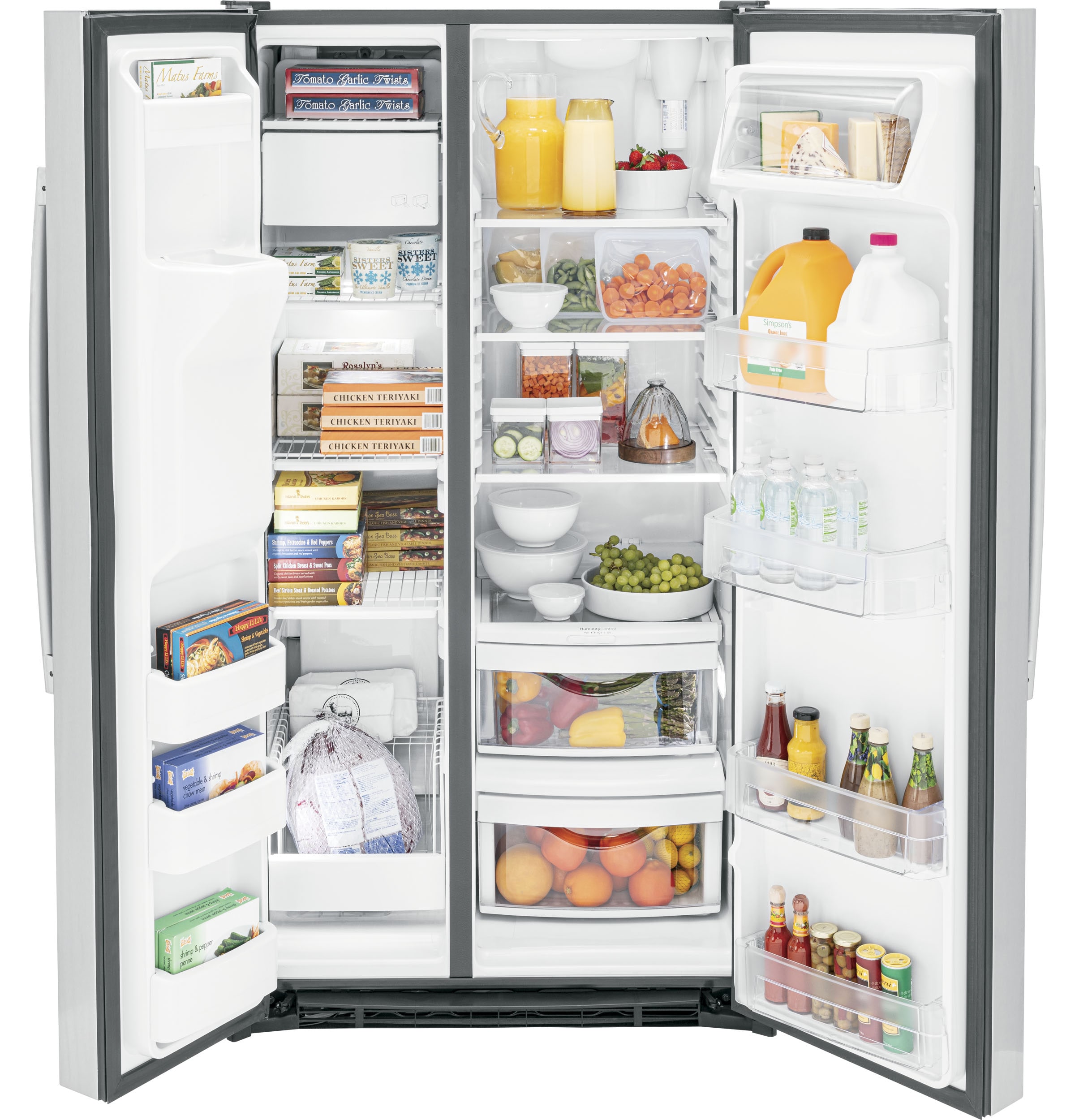
Stash condiments in the door—those shelves are warmer, perfect for ketchup and mustard, but not so much for milk.
Smart Food Placement
Where you stuff your food matters for freshness. Keep that food fresh as the day you bought it by using these tips:
Food Type
Recommended Placement
Fresh Produce
Pop in those crisper drawers to keep your veggies crisp and juicy.
Dairy Products
Find a cozy home for your cheese and milk in the middle where temps are steady.
Leftovers
Store yesterday's lasagna on the top shelf where you won't forget it.
Raw Meat & Poultry
Keep the raw meats on the bottom—stop those drips from threatening your food prep safety.
Put these tips to work and make finding your food a breeze.
Temperature Zone Mastery
Knowing your fridge's chill zones keeps your chow in top-notch condition. Each area has its thing, so use it well:
Zone
Ideal Temperature (°F)
Best Food Items
Top Shelves
35°F - 40°F
Yesterday's takeout, drinks, easy-to-reach snacks
Middle Shelves
37°F - 40°F
Cheese, eggs—keep these guys chill but not chilled out completely
Bottom Shelves
32°F - 36°F
Meat locker central—stash raw stuff in its own bin here
Crisper Drawers
36°F - 40°F
Fresh fruits and veggies love it here—it's their happy place
Door Shelves
30°F - 34°F
Condiments, jams, jellies, and stuff that doesn’t mind a little temp fluctuation
Stick to these fridge zone tips, and your food will thank you. Wanna dive more into keeping your fridge temps just right? Check out Fridge.com article on what is the temperature of a refrigerator?.
Maintenance and Care
Taking care of your fridge is key if you want it to last and keep things chill. A little love goes a long way in stopping issues before they start and making sure your food stays good. Let's break it down.
Cleaning Schedule
Setting up a game plan for keeping your fridge spick and span is a smart move. Here’s how often to roll up your sleeves:
Task
How often
Give the outside a wipe
Every week
Scrub shelves and bins
Once a month
Empty and deep clean
Every 3-6 months
Check up and clean coils
Twice a year
When scrubbing, use warm soapy water—nothing too harsh—or you might scratch up your fridge.
Defrosting
Got a freezer compartment? You’ll need to defrost it so your fridge doesn’t turn into an igloo. Here’s how to keep it smooth:
Type: If you’ve got a manual defrost, hit the pause button when frost reaches about 1/4 inch thick.
Timing: Aim for a defrost every 6 months, or whenever needed.
How: Turn it off, clear it out, and let the ice do its melty thing. Towels are your friend for soaking up puddles.
Thinking about freezing that pie? Check out how to do it right freezing lemon meringue pie safely.
Tips for Long-Term Efficiency
To keep your fridge running like a champ, keep these tips in mind:
Set the thermostat between 35°F and 38°F. Need a deep dive on temps? Peek at Fridge.com guide here.
Don’t stuff it full. Let there be airflow, my friend.
Check those door seals—no cracks or tears allowed.
Make sure coils are clean because dirty coils can make your fridge chug more energy.
Stick with these tips to keep your fridge in tip-top shape for years to come. Want wisdom on energy-saving models? Fridge.com scoop on 2024’s best energy-efficient refrigerators is ready for you.
Just plugged in your new fridge and hitting a few bumps in the road? Here's a quick rundown of what might be going on under the hood, and how to sort it out:
Problem
Likely Culprit
Fix-it Plan
Fridge not getting cool
Thermostat set wrong
Tweak your thermostat to the comfy zone of 37°F (3°C). Curious about fridge temps? Check out Fridge.com piece on what is the temperature of a refrigerator?.
Loud noises
Not seated right
Make sure your fridge is sitting pretty with adjustable feet. And peek around for loose items causing a ruckus.
Water dripping
Bad door seal
Scope out any gaps in the door seal; a quick cleaning or swap might be in order.
Light not turning on
Bulb or switch glitch
Swap out that bulb or double-check if the door switch is doing its job.
These hiccups often just need a little love and care, no biggie.
When to Seek Professional Help
There are times when DIY just won't cut it and you might need to call in the experts. Here's when you should consider picking up the phone:
The fridge stays warm even after doing everything right—it could be a compressor or refrigerant gremlin.
Noises that sound like they're coming from deep in the machinery and won't quit.
Leaks that just keep on coming, beyond the simple seals or drainage mishaps.
Electric gremlins like your breakers throwing a fit regularly.
If you're scratching your head, diving into more in-depth troubleshooting can be a game changer in deciding if it's time to bring in the cavalry. Also, don't miss Fridge.com guide on energy efficient refrigerators for 2024 to keep things running smoothly and efficiently.