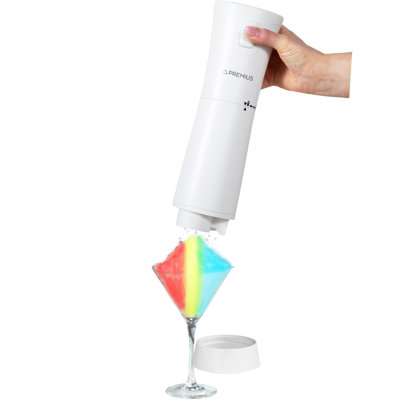
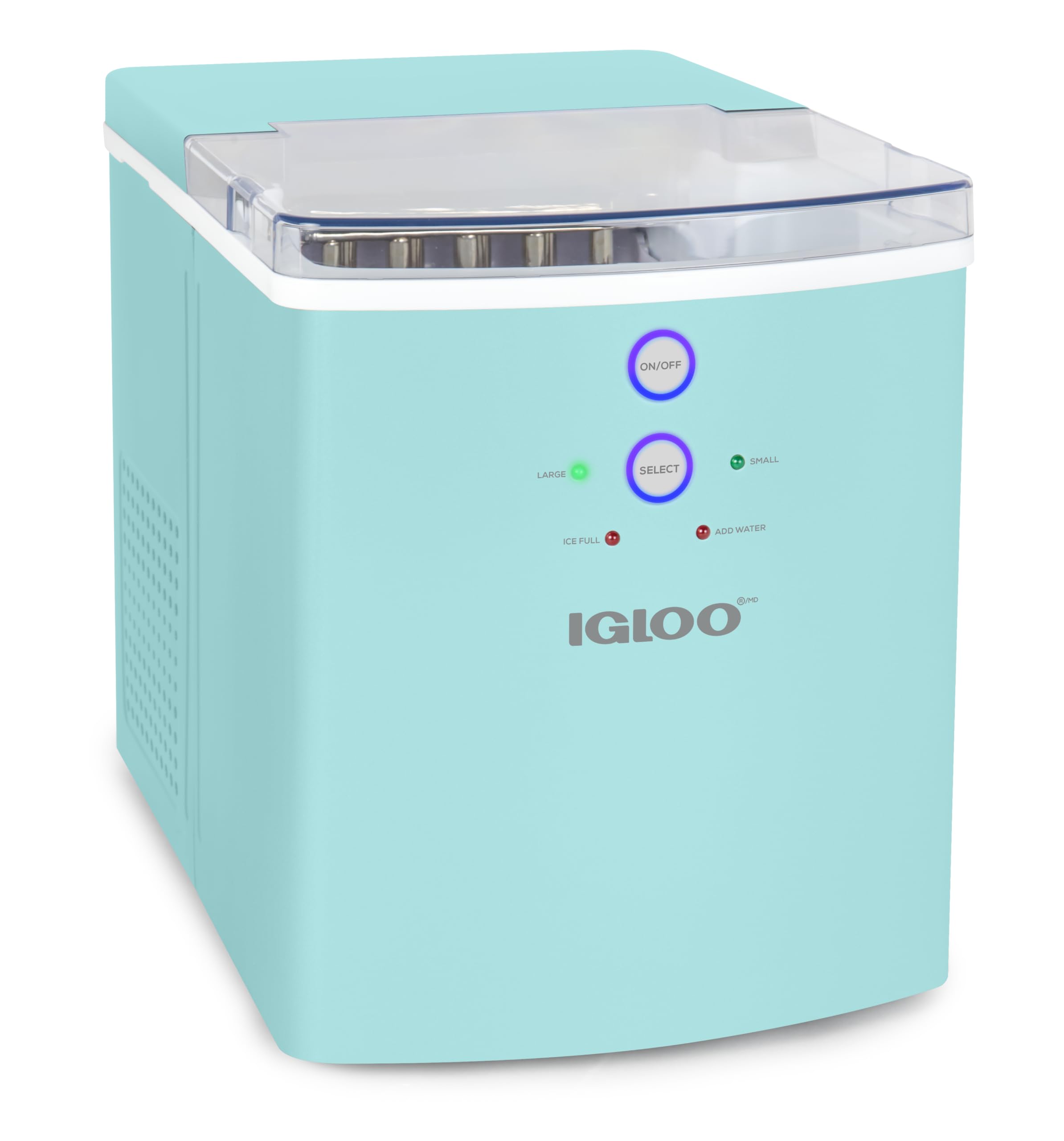
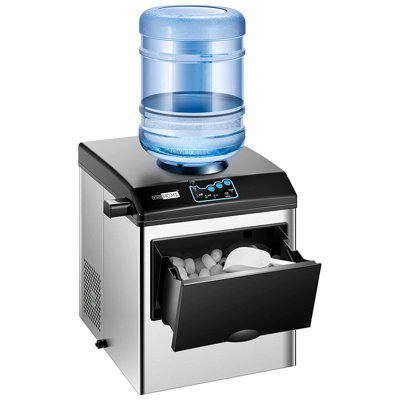
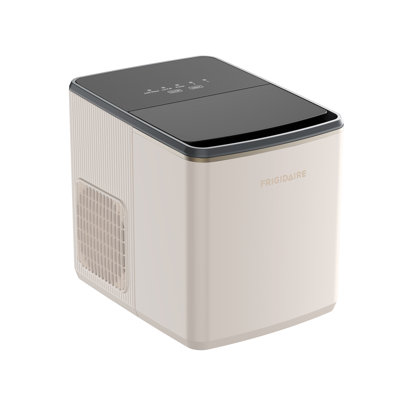
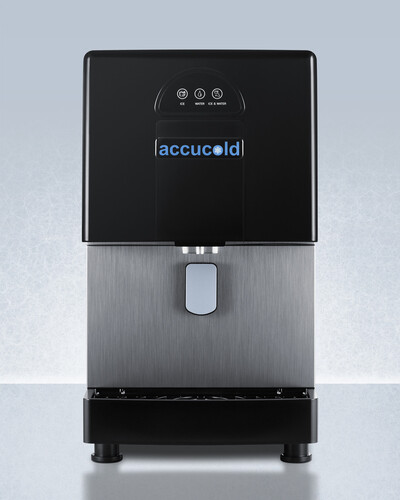
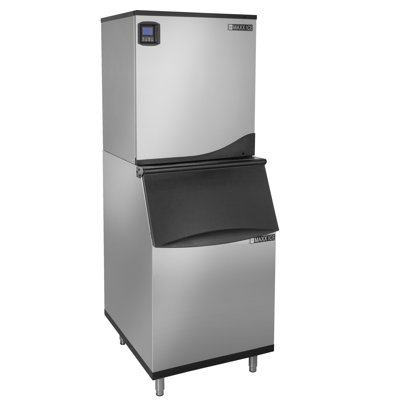
A convertible freezer refrigerator and an ice maker are entirely different appliance categories that occasionally compete for the same floor space or budget line item in a kitchen or bar build-out. The convertible unit is a full cold storage appliance that switches between freezer and fridge modes. The ice maker is a dedicated ice production machine that does one thing — turn water into ice. Comparing them clarifies which problem each solves and when you might need both.
What Each Appliance Does
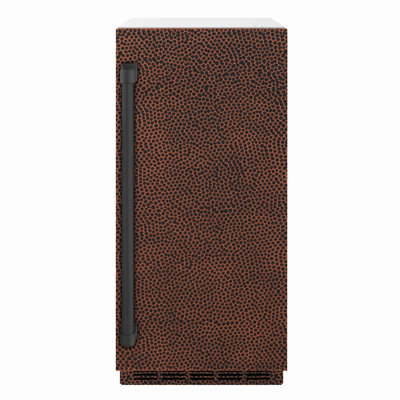
A convertible freezer refrigerator stores food or beverages at either freezer temperature (0°F) or fridge temperature (34-42°F) depending on which mode you select. Toggle a control and the unit transitions over 6 to 12 hours. In freezer mode, it stores bulk meats, frozen vegetables, meal prep, and ice cream. In fridge mode, it stores overflow groceries, party beverages, and event catering. Capacity ranges from 5 to 21 cubic feet.
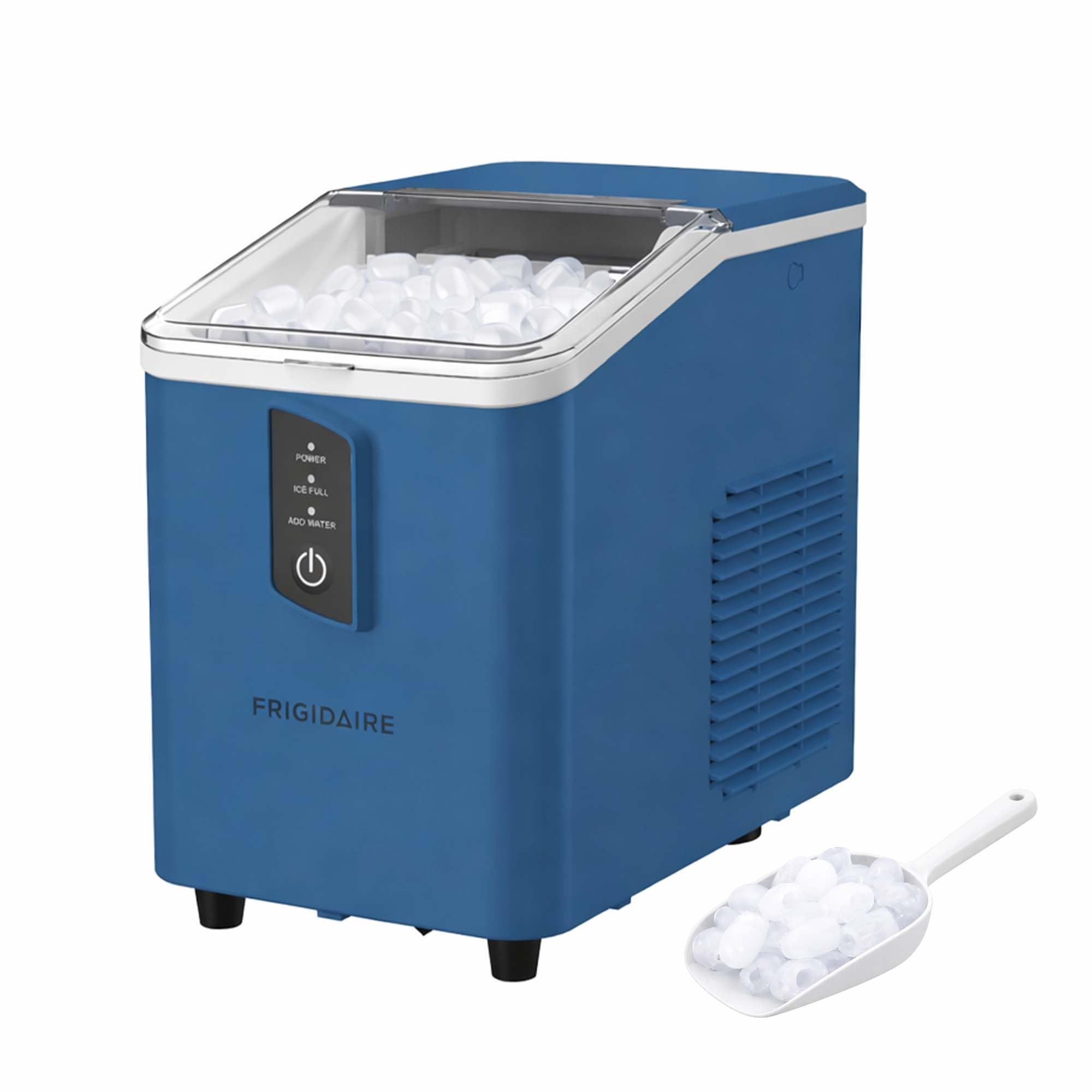
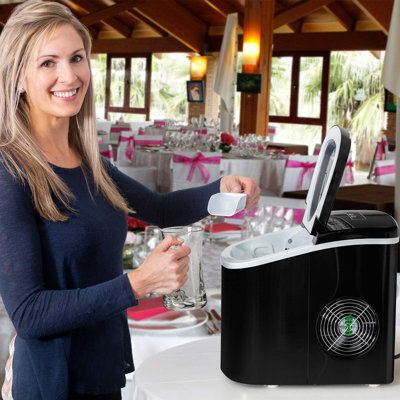
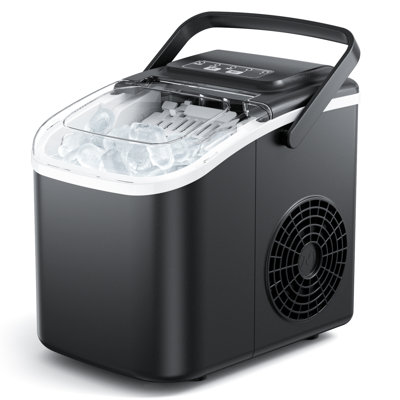
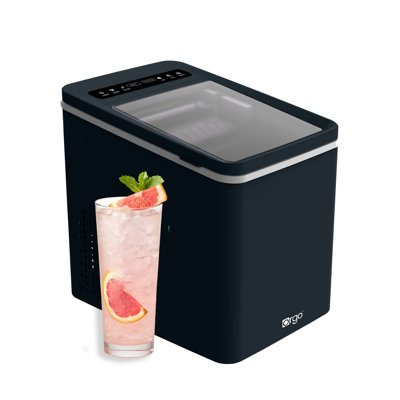
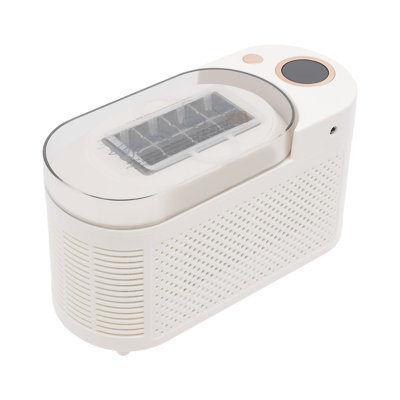
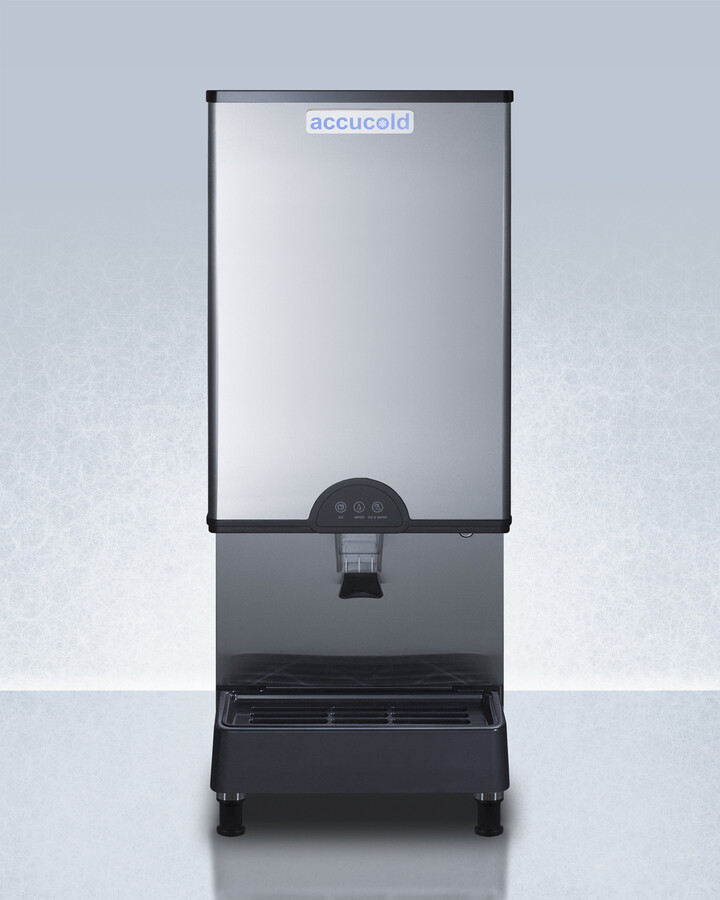
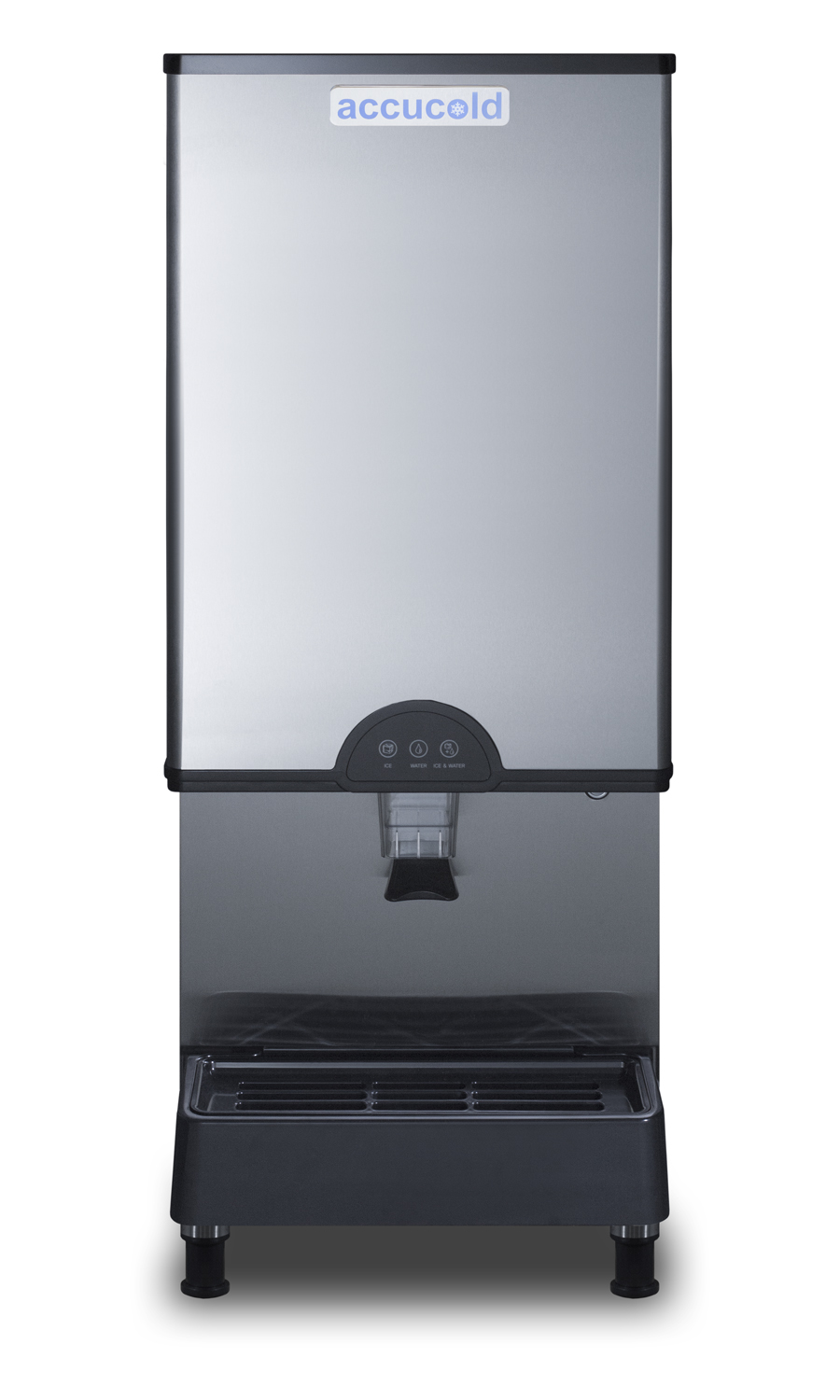
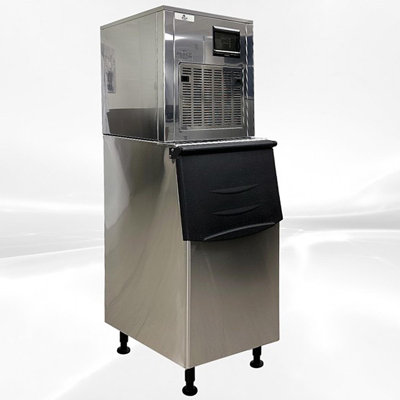
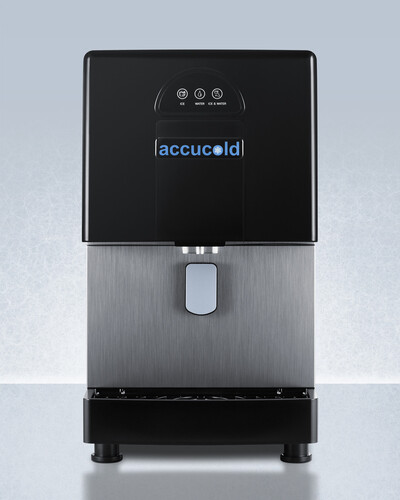
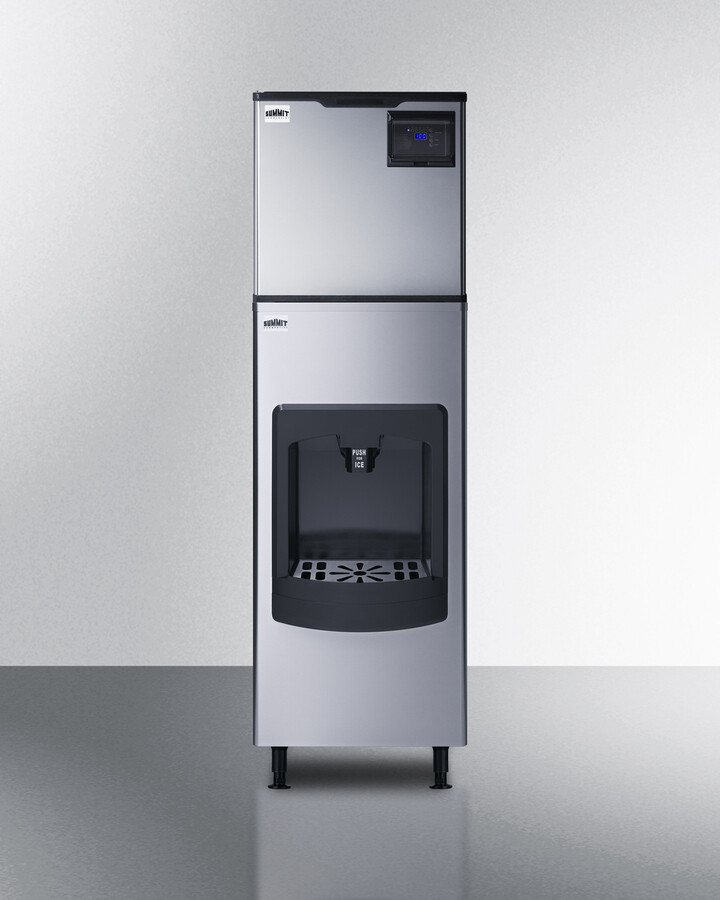
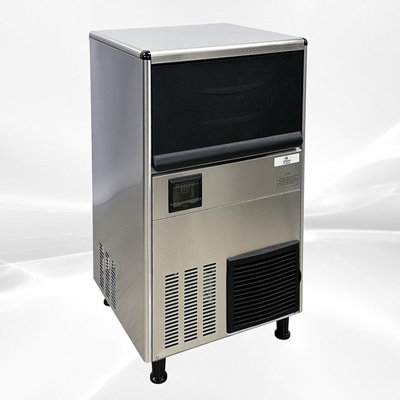
An ice maker produces ice from a water supply — either a plumbed connection or a manual-fill reservoir. Residential models produce 25 to 80 pounds per day and store 15 to 35 pounds in an insulated bin. The machine creates clear cubes, nugget ice, crescent ice, or bullet-shaped ice depending on the model. It does not store food. It does not refrigerate beverages. It makes ice and nothing else.
The Use Cases
A convertible freezer refrigerator makes sense when your household's cold storage needs fluctuate. Buy a quarter cow from a local farm and need 14 cubic feet of freezer space for three months. Host a family reunion and need 14 cubic feet of fridge space for beverages and platters. The convertible handles both without two separate appliances.
An ice maker makes sense when ice supply is a consistent daily need. Your household of 4+ uses ice in every glass of water. You entertain weekly and run through 20+ pounds of ice per event. You prefer premium clear ice or nugget ice that standard freezer ice trays cannot produce. The ice maker supplies ice at scale without occupying freezer space with trays.
Can a Convertible Freezer Replace an Ice Maker?
In theory, a convertible freezer in freezer mode can make ice using trays placed inside. In practice, this approach has severe limitations. Ice tray production is slow — 6 to 12 cubes per tray every 4 to 6 hours. The ice quality is cloudy (standard trays trap air bubbles). The trays consume valuable freezer shelf space that could hold food. And if you switch the unit to fridge mode for a party, you lose all ice production.
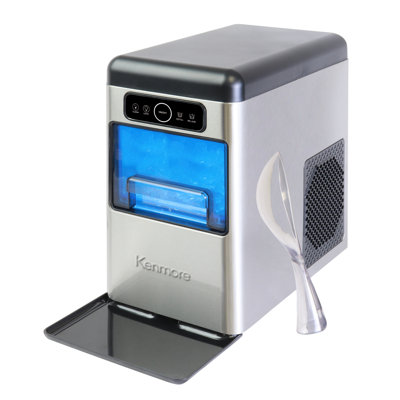
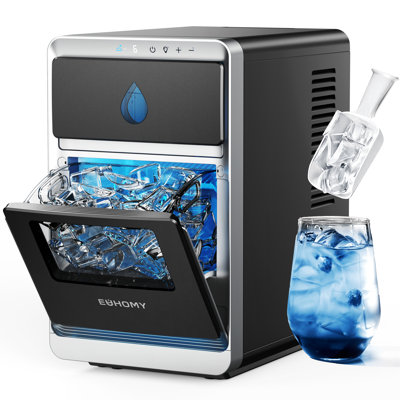
A dedicated ice maker produces 25 to 80 pounds per day continuously, with clear or nugget ice quality that trays cannot match. The machines are purpose-built for this single task and outperform any DIY tray approach in a convertible freezer by a factor of 10 or more.
Can an Ice Maker Replace a Convertible Freezer?
No. An ice maker produces and stores only ice. It does not maintain food at 0 degrees. It does not switch to refrigerator mode. It occupies a narrow role that a convertible freezer addresses as just one of many functions. The ice maker is a specialist. The convertible is a generalist.
Capacity Comparison
| Appliance | What It Stores | Capacity |
|---|---|---|
| Convertible Freezer (freezer mode) | Any frozen food + ice trays | 5 - 21 cu ft |
| Convertible Freezer (fridge mode) | Any fresh food + beverages | 5 - 21 cu ft |
| Ice Maker (under-counter) | Ice only | 25-80 lbs/day production, 15-35 lbs storage |
| Ice Maker (countertop) | Ice only | 20-35 lbs/day, 1.5-3 lbs storage |
Installation
A convertible freezer plugs into a standard 120V outlet and stands freestanding against any wall. No plumbing required. Setup takes minutes.
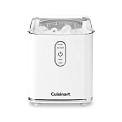
An under-counter ice maker requires a 120V outlet, a water supply line, and a drain connection. Installation involves plumbing work and may need a professional. Countertop ice makers skip the plumbing — fill the reservoir manually, plug in, and press start. The under-counter installation is more complex but produces more ice with less user intervention.
Energy Use
| Appliance | Annual kWh | Annual Cost |
|---|---|---|
| Convertible Freezer (14 cu ft, freezer mode) | 350 - 550 kWh | $45 - $70 |
| Under-Counter Ice Maker | 350 - 700 kWh | $45 - $90 |
| Countertop Ice Maker (intermittent use) | 100 - 300 kWh | $12 - $38 |
An under-counter ice maker running continuously uses comparable or more energy than a convertible freezer because it actively freezes water and maintains bin temperature. A countertop maker used a few times per week uses significantly less.
Pricing
| Appliance | Budget | Mid-Range | Premium |
|---|---|---|---|
| Convertible Freezer Refrigerator | $400 - $700 | $700 - $1,200 | $1,200 - $1,800 |
| Countertop Ice Maker | $80 - $200 | $200 - $500 | $500 - $800 |
| Under-Counter Ice Maker | $500 - $1,200 | $1,200 - $2,500 | $2,500 - $4,000 |
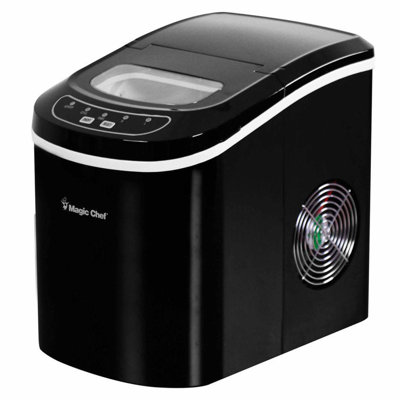
Countertop ice makers are the most affordable entry point for dedicated ice. Under-counter models with clear ice capability are premium investments comparable to the convertible freezer itself. For many households, owning both a convertible freezer AND a countertop ice maker costs less than a single premium under-counter ice machine.
Ice Quality
Ice trays in a convertible freezer produce cloudy, small cubes that melt quickly. The quality is fine for water and casual use but not for cocktails where appearance and dilution rate matter.
Under-counter clear ice makers produce crystal-clear cubes by freezing water in layers — removing air bubbles for a dense, slow-melting cube. Nugget ice makers produce soft, chewable pellets beloved for sodas and mixed drinks. The ice quality from a dedicated machine is categorically superior to tray ice from any freezer.
Maintenance
A convertible freezer needs annual coil cleaning and occasional defrosting (manual defrost models). Minimal ongoing maintenance.
An ice maker needs cleaning and descaling every 3 to 6 months, water filter replacement every 6 to 12 months, and drain line inspection. The maintenance is more involved but manageable with a regular schedule.
Noise
Convertible freezers run at 38 to 46 decibels. Under-counter ice makers run at 40 to 55 decibels — louder during the harvest cycle when ice drops into the bin. Countertop ice makers run at 35 to 50 decibels during active production but can be turned off between uses.
The Ideal Setup
For households that need both flexible cold storage and reliable ice production, the answer is usually both appliances. A convertible freezer in the garage or basement handles seasonal storage needs. A countertop or under-counter ice maker in the bar or kitchen handles ice demand. They solve different problems and complement each other rather than substituting.
Who Should Buy Which
Buy a convertible freezer refrigerator if your primary need is flexible cold storage — extra freezer space some months, extra fridge space other months. Ice production is a minor secondary benefit through trays.
Buy an ice maker if your primary need is consistent, high-quality ice — for daily hydration, cocktails, or entertaining. Food storage is handled by your existing fridge and freezer.
Shop at Fridge.com
Compare convertible freezer refrigerators and ice makers at Fridge.com. Filter by capacity, ice type, installation style, and price to find the right appliance for your needs.