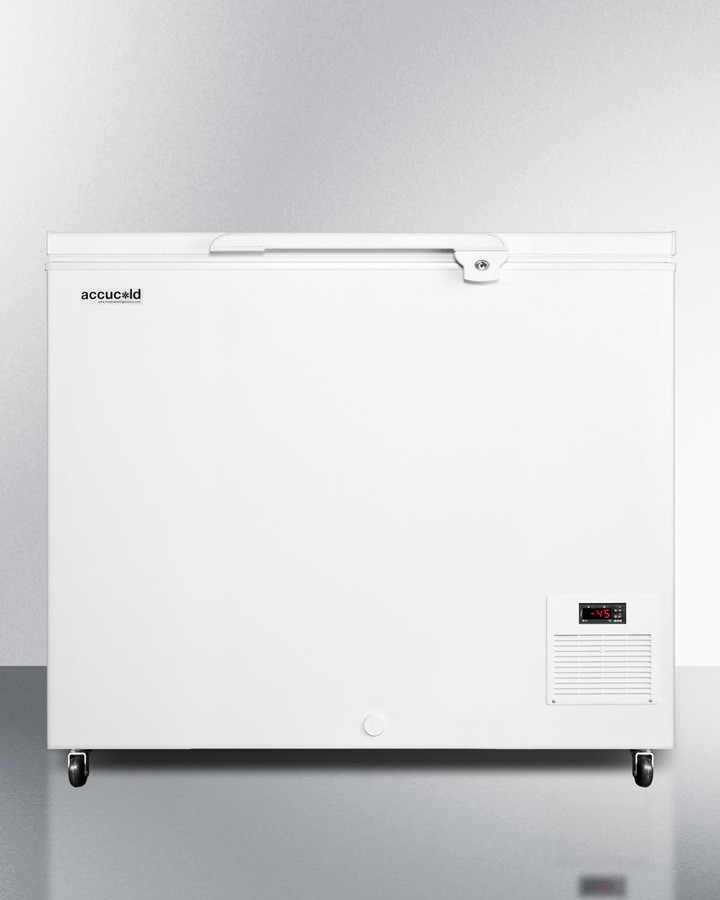
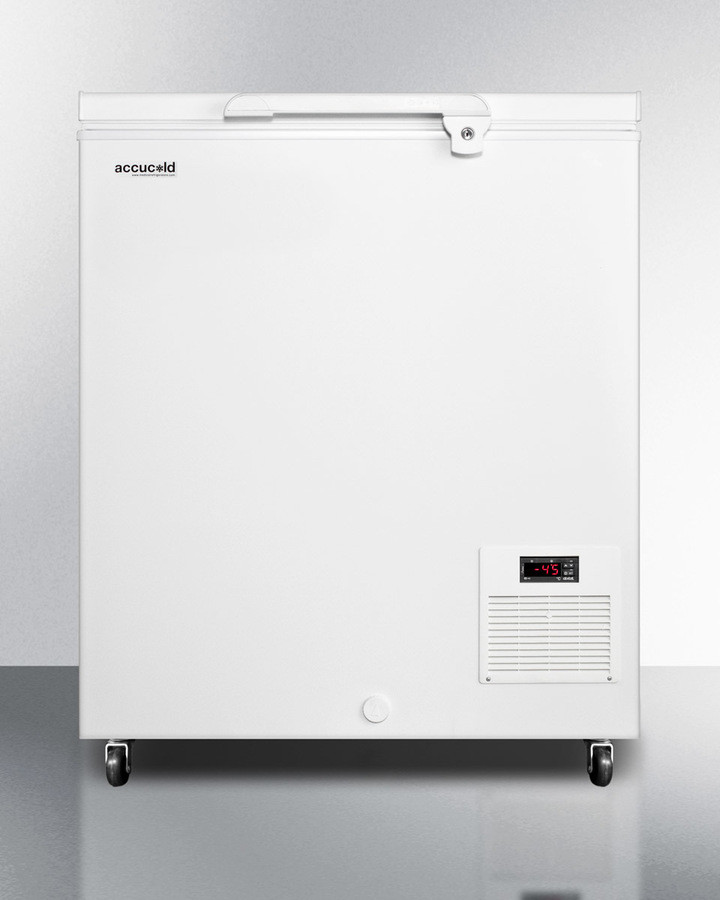
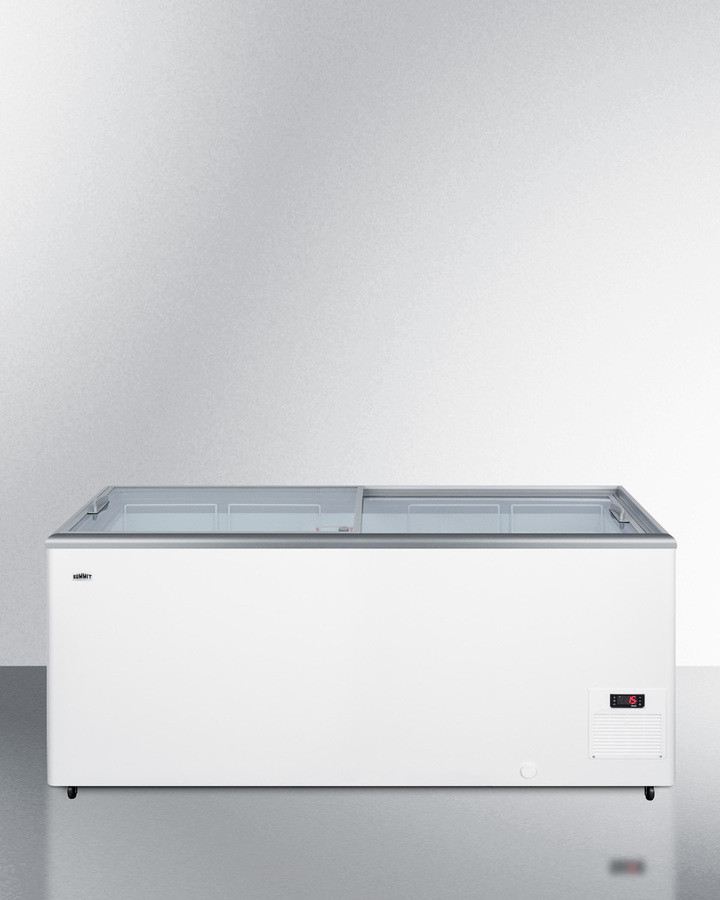
A built-in freezer and a chest freezer represent the two most different approaches to frozen food storage available in residential cooling. The built-in freezer is a premium column unit that integrates flush with kitchen cabinetry for a seamless custom look. The chest freezer is a utilitarian top-opening box built for maximum frozen storage at minimum cost. This guide covers every practical difference between these two fundamentally different appliances.
Design Philosophy
A built-in freezer is an architectural kitchen element. It sits flush with 24-inch-deep cabinetry, accepts custom door panels matching the surrounding woodwork, and extends to full cabinet height at 80 to 84 inches tall. The compressor mounts on top, hidden behind a matching panel. From the outside, a built-in freezer can be nearly invisible — a tall cabinet door that happens to open to frozen storage. Brands like Sub-Zero, Thermador, Monogram, and Viking build these units for high-end kitchen renovations.
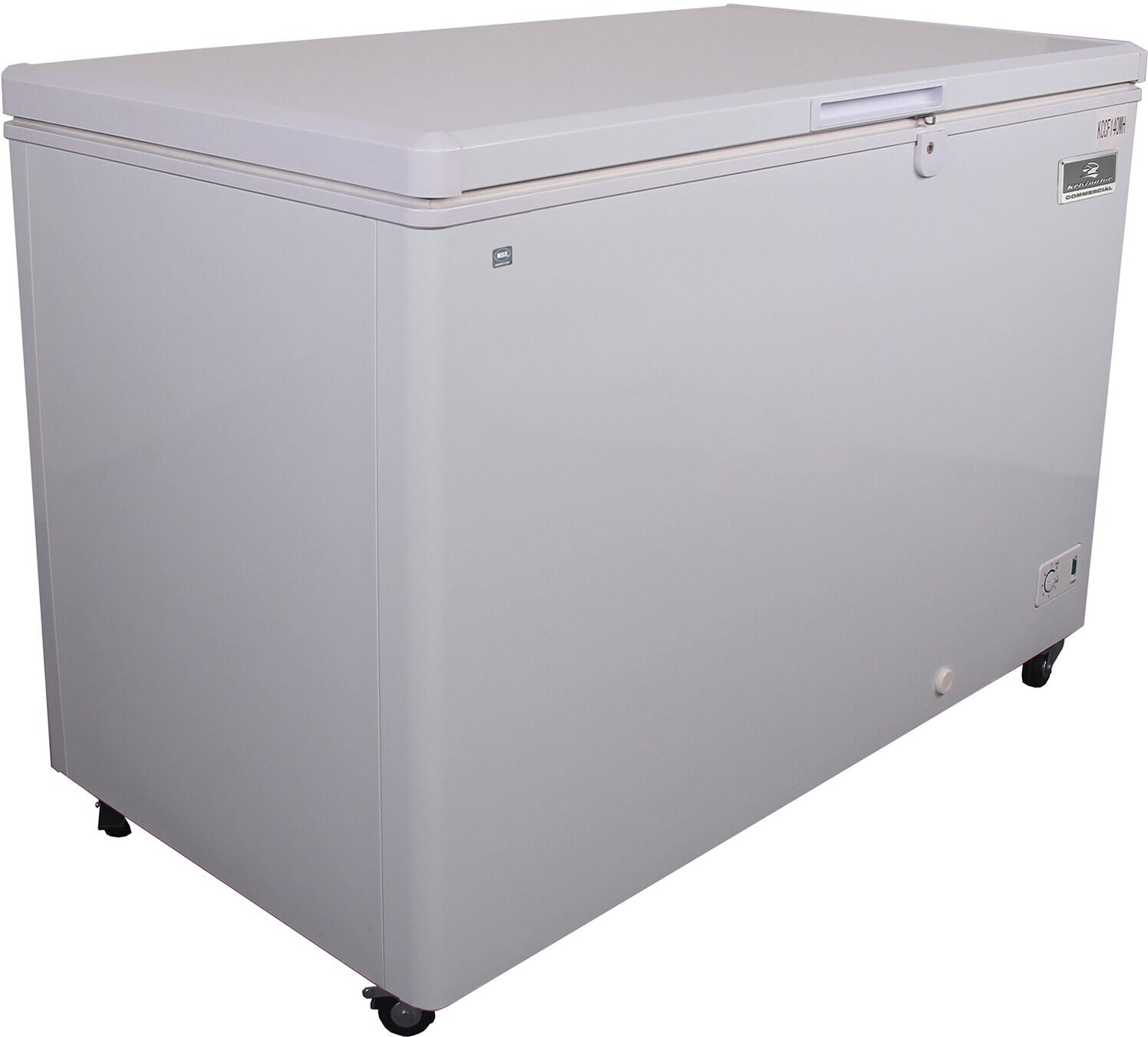
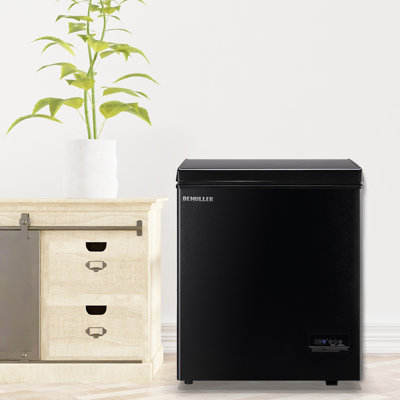
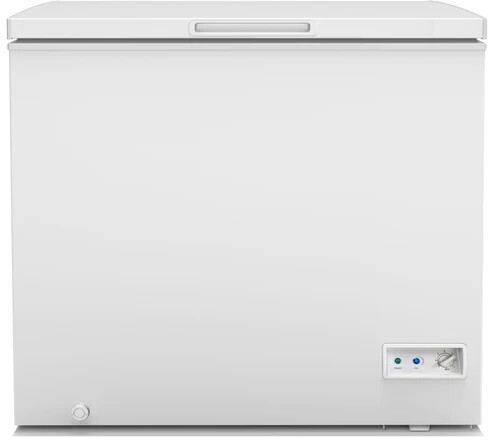
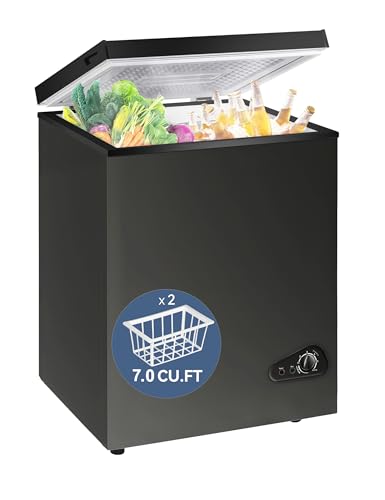
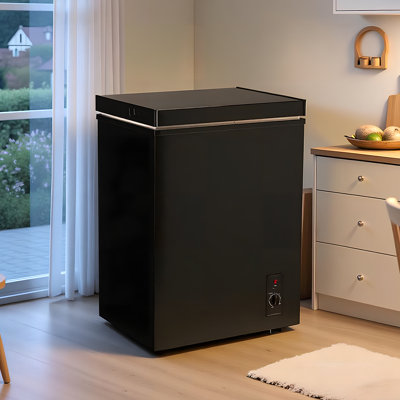
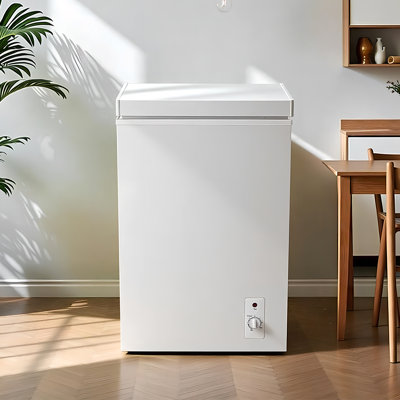
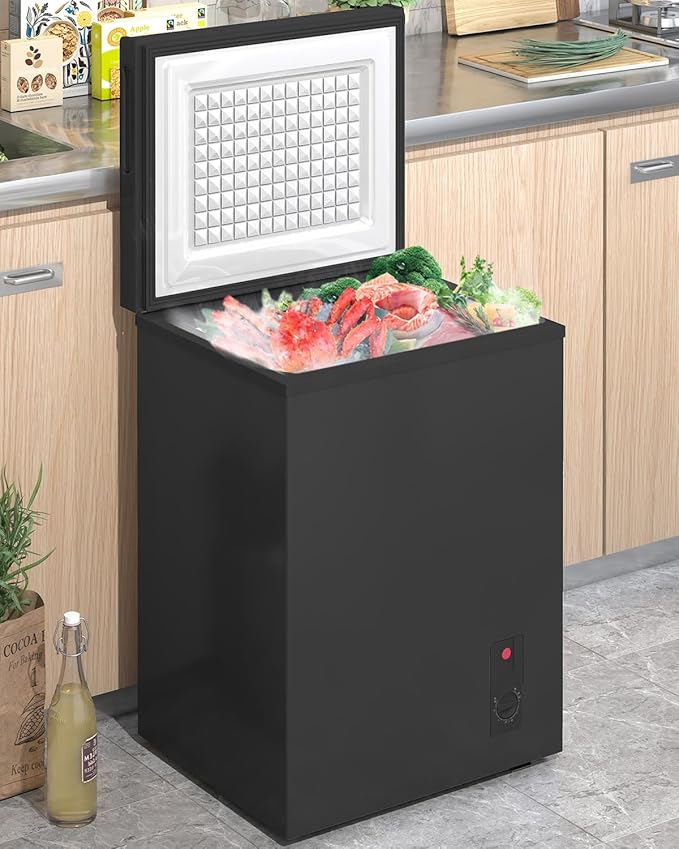
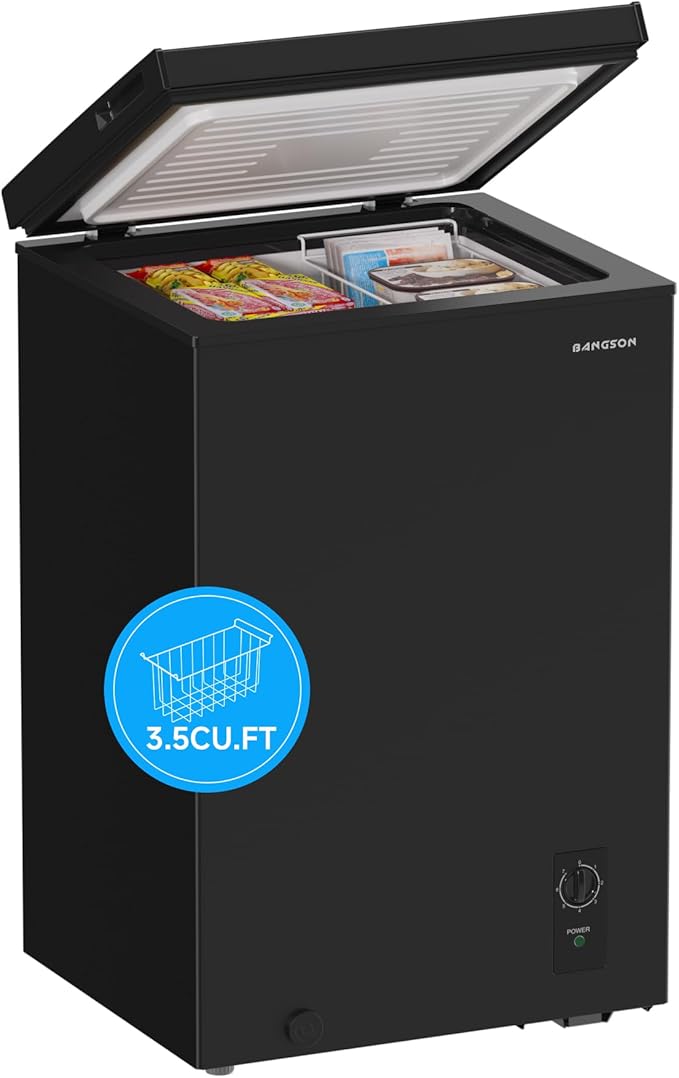
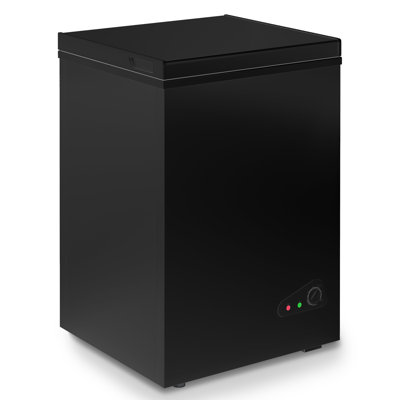
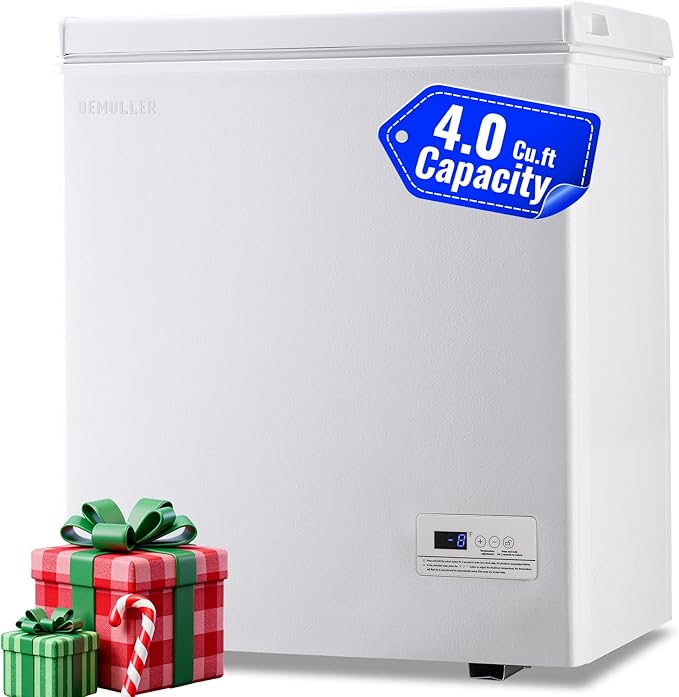
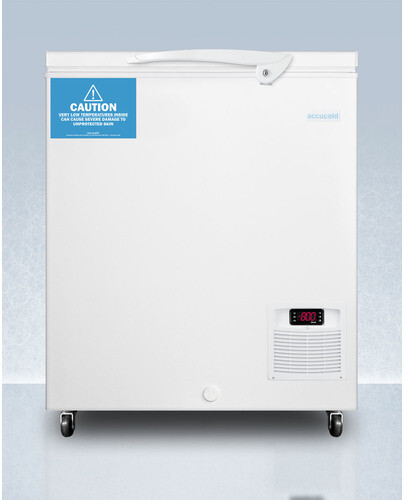
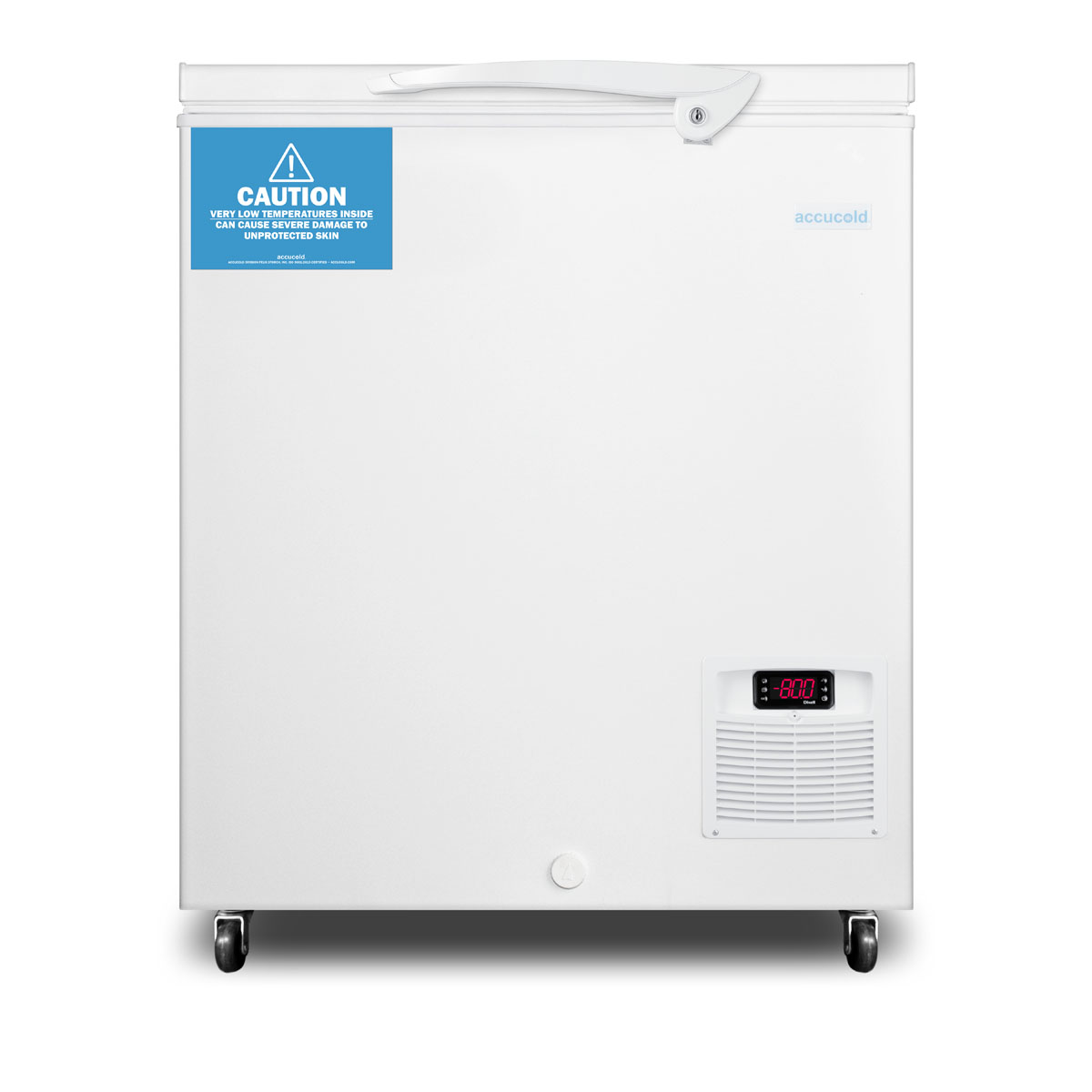
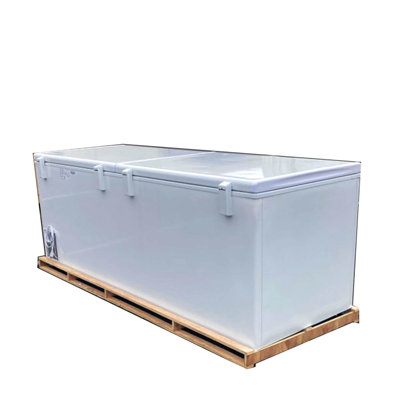
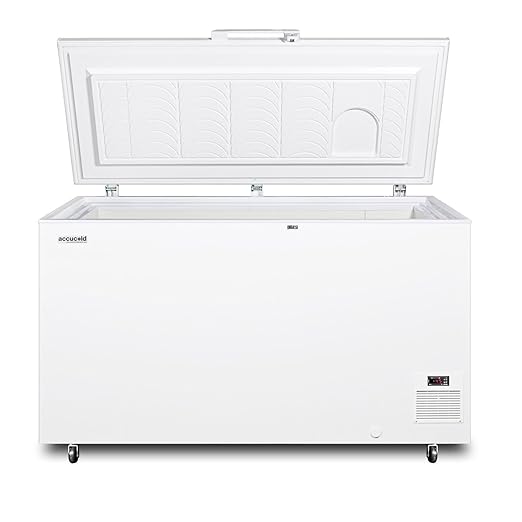
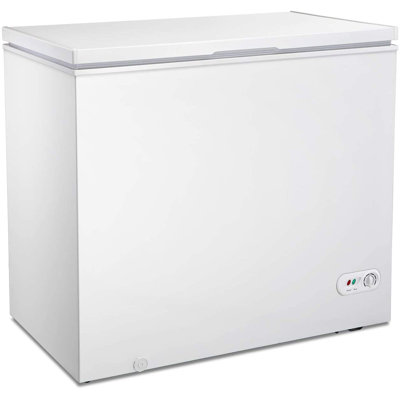
A chest freezer is a standalone appliance with no pretense of kitchen integration. A rectangular insulated box with a top-opening lid, typically white or stainless steel, sitting in a garage, basement, utility room, or large pantry. It does one thing — keep food frozen as efficiently as possible — and does it better than almost any other freezer format.
Dimensions and Capacity
| Type | Width | Height | Depth | Capacity |
|---|---|---|---|---|
| Built-In Freezer Column | 18 - 36 inches | 80 - 84 inches | 24 inches | 8 - 20 cu ft |
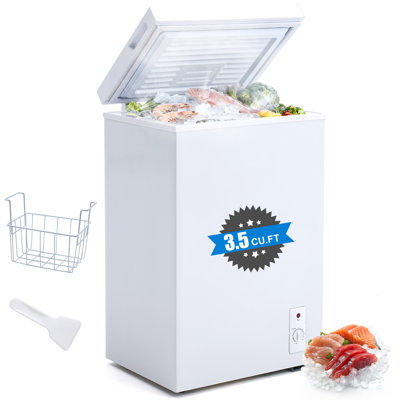
| Chest Freezer (small) | 22 - 37 inches | 32 - 36 inches | 20 - 24 inches | 3.5 - 7 cu ft |
| Chest Freezer (large) | 37 - 73 inches | 32 - 36 inches | 24 - 30 inches | 7 - 25 cu ft |
A built-in freezer column delivers strong capacity within a narrow, tall footprint that fits into a kitchen cabinet run. A large chest freezer matches or exceeds the built-in's capacity in a low, wide footprint that sits against a garage or basement wall. The built-in uses vertical space. The chest freezer uses floor space.
Organization and Access
Built-in freezers use upright front-opening access with pull-out drawers on full-extension ball-bearing slides, adjustable door bins, and sometimes adjustable shelving between drawer sections. Every item is visible and reachable from the front without bending or digging. Organization is intuitive — drawers for different food categories, bins for small items, and door shelves for frequently used items. This is the closest thing to a walk-in freezer organization system available in residential form.
Chest freezers are open cavities. One or two hanging wire baskets near the top provide limited upper-level organization. Everything else stacks in the deep well below. Finding a specific item buried at the bottom requires moving items on top. Labeling, clear bags, and a rotation system help, but chest freezers will never match the organizational convenience of a built-in column. The trade-off is raw capacity — the open cavity wastes zero space on drawer slides, rails, and dividers.



Temperature Performance
Built-in freezer columns maintain 0 degrees Fahrenheit with commercial-grade sealed systems. Sub-Zero models use dedicated compressors independent from any paired refrigerator column. Temperature sensors in multiple locations maintain consistency across all drawers. Air purification systems remove ethylene gas and bacteria. The temperature control is the tightest available in residential freezers — typically holding within 1 to 2 degrees of setpoint.
Chest freezers maintain minus 10 to 0 degrees with excellent consistency due to their inherent design advantage — cold air sinks, so opening the top lid releases minimal cold air compared to opening a front door. The thick insulation on all six sides (including the lid) retains temperature for hours during a power outage. A chest freezer keeps food frozen for 24 to 48 hours without power, compared to 12 to 24 hours for a front-opening built-in. This makes chest freezers the safest option for long-term frozen food preservation in areas with unreliable power.
Energy Efficiency
| Type | Annual kWh | Estimated Annual Cost |
|---|---|---|
| Built-In Freezer (18-inch column) | 350 - 500 kWh | $45 - $65 |
| Built-In Freezer (36-inch column) | 450 - 700 kWh | $55 - $90 |
| Chest Freezer (5 cu ft) | 100 - 200 kWh | $12 - $25 |
| Chest Freezer (15 cu ft) | 200 - 350 kWh | $25 - $45 |
Chest freezers are dramatically more energy efficient. The top-opening design, thick insulation, and simple compressor system consume a fraction of the energy per cubic foot compared to built-in columns. A 15 cubic foot chest freezer uses less energy than an 18-inch built-in column with half the capacity. The energy advantage is the chest freezer's strongest practical argument.
Pricing
| Type | Unit Cost | Installation | Custom Panels | Total |
|---|---|---|---|---|
| Built-In Freezer Column | $4,000 - $12,000 | $500 - $2,000 | $500 - $2,000 | $5,000 - $16,000 |
| Chest Freezer | $150 - $800 | $0 (plug in) | N/A | $150 - $800 |
The price difference is the most dramatic in the entire freezer market. A built-in column with installation and custom panels costs 10 to 100 times more than a chest freezer of similar capacity. The built-in commands this premium for flush kitchen integration, front-access organization, precise temperature control, and luxury brand engineering. The chest freezer delivers raw frozen storage at the lowest cost per cubic foot available in any freezer format.
Defrosting
Built-in freezer columns are frost-free. An automatic defrost cycle periodically melts ice buildup on the evaporator coil and drains the water. You never need to manually defrost. The convenience comes with a slight energy penalty — the defrost heater adds to annual energy consumption.
Most chest freezers are manual defrost. Ice accumulates on interior walls over months and needs removal once or twice per year. Unplug, open the lid, let ice melt (4 to 8 hours), wipe down, and restart. The manual process is inconvenient but eliminates the defrost heater, contributing to the chest freezer's superior energy efficiency. Some newer chest freezers offer frost-free operation at a price premium.
Noise
Built-in freezer columns run at 38 to 44 decibels. The compressor sits on top, enclosed by cabinetry that dampens sound. In an open-concept kitchen, the noise is comparable to a standard refrigerator.
Chest freezers run at 38 to 44 decibels but cycle less frequently due to superior insulation. Between cycles, a chest freezer is completely silent. The intermittent operation means less total noise exposure over time. In a garage or basement, noise is not a factor.
Lifespan
Built-in freezer columns last 15 to 20 years. The commercial-grade compressor, sealed system, and premium construction justify the long service life. Authorized service networks handle repairs, though parts and labor cost more than standard appliance service.
Chest freezers last 10 to 20 years — some of the longest lifespans in home appliances. The simple design with a single compressor, thermostat, and insulated box has very few failure points. Manual defrost models are even more durable because they eliminate the defrost timer, heater, and drain — common failure points in frost-free appliances.
Who Should Buy Which
Buy a built-in freezer column if you are building or renovating a high-end kitchen and want integrated frozen storage with front-access organization that matches your cabinetry. The built-in is for kitchens where aesthetics and convenience justify a luxury appliance investment.
Buy a chest freezer if you need affordable, efficient, high-capacity frozen storage in a garage, basement, or utility room. The chest freezer is for households that buy meat in bulk, freeze garden harvests, store meal prep batches, or simply need more frozen storage than a kitchen fridge's freezer section provides.
Many high-end homes have both — a built-in column for daily frozen items in the kitchen and a chest freezer in the garage for bulk storage and overflow.
Shop at Fridge.com
Compare built-in freezer columns and chest freezers at Fridge.com. Filter by capacity, dimensions, brand, and price to find the frozen storage solution that fits your space and budget.