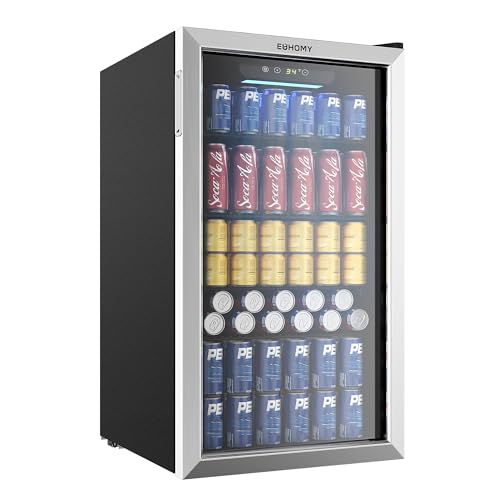
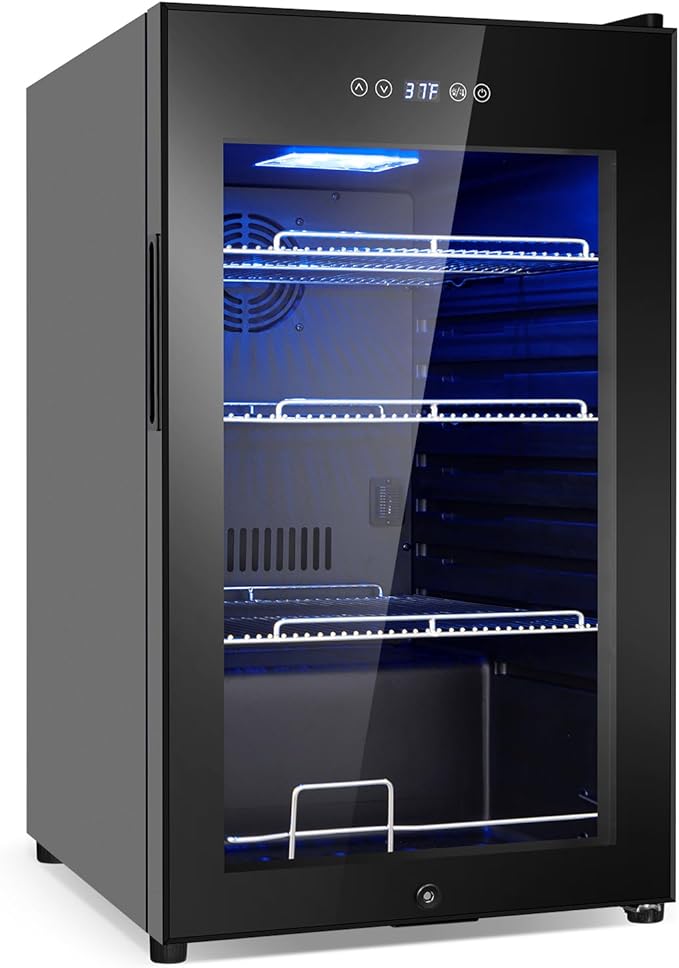
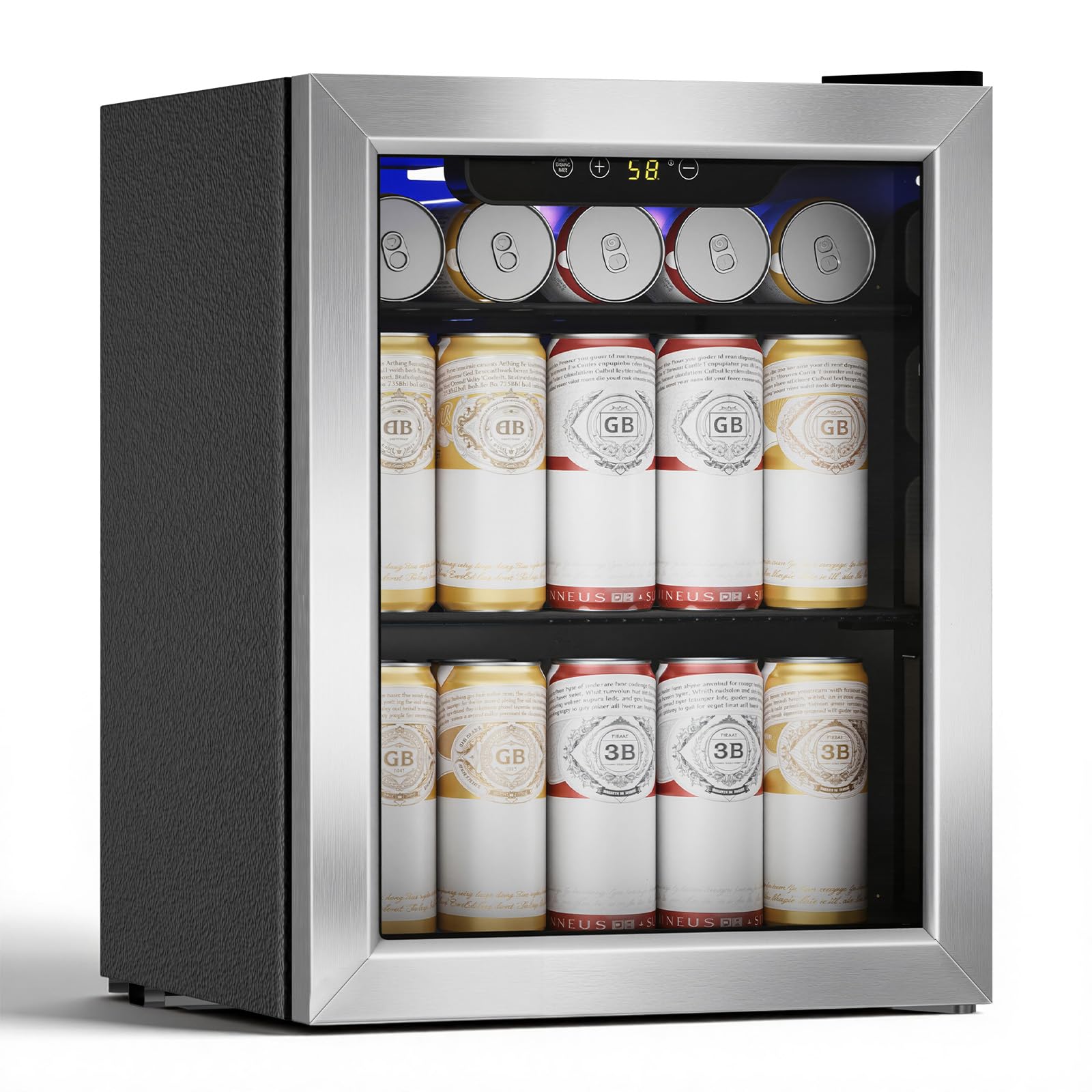
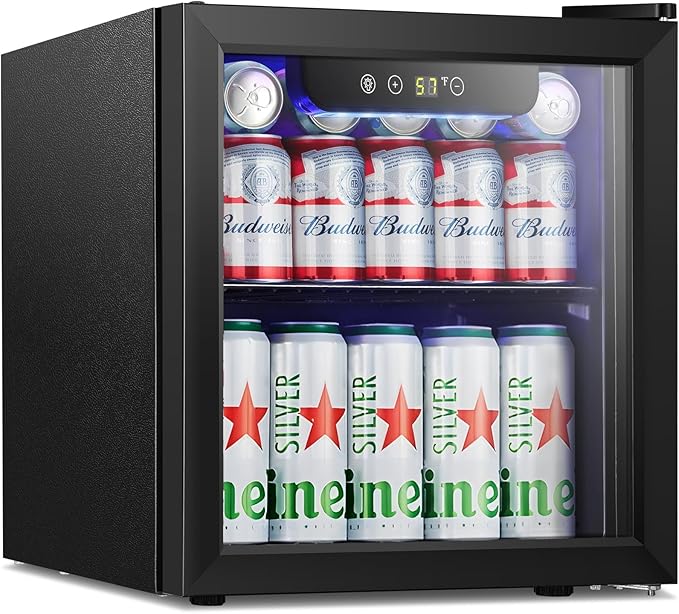
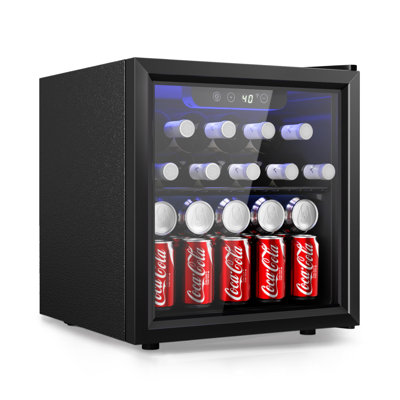
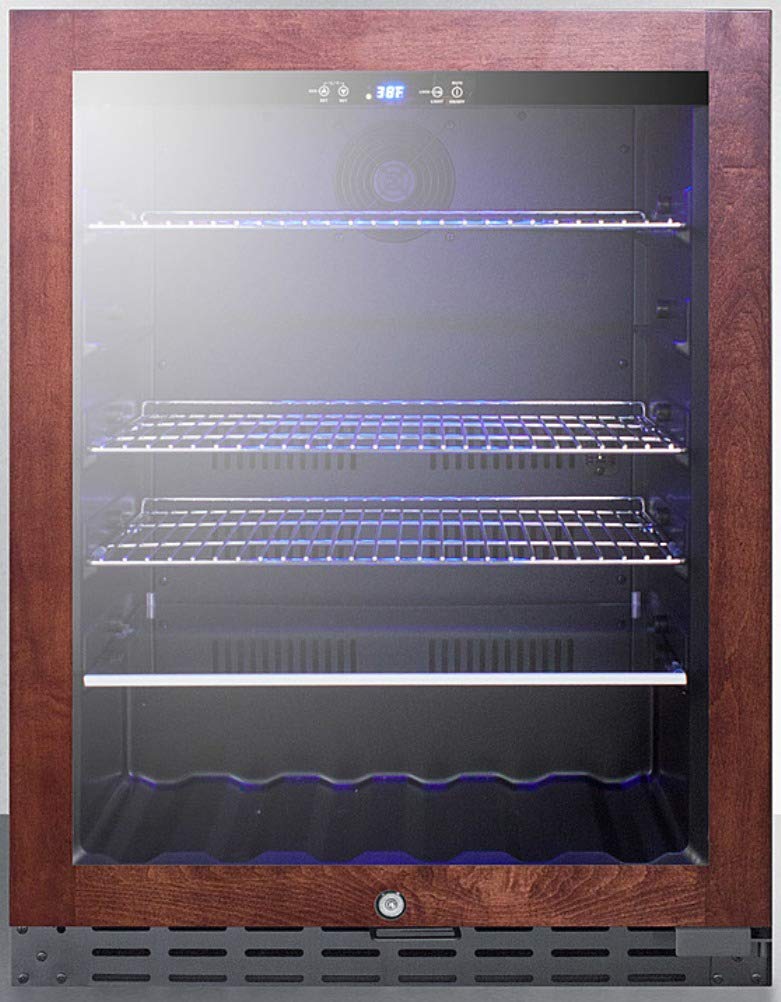
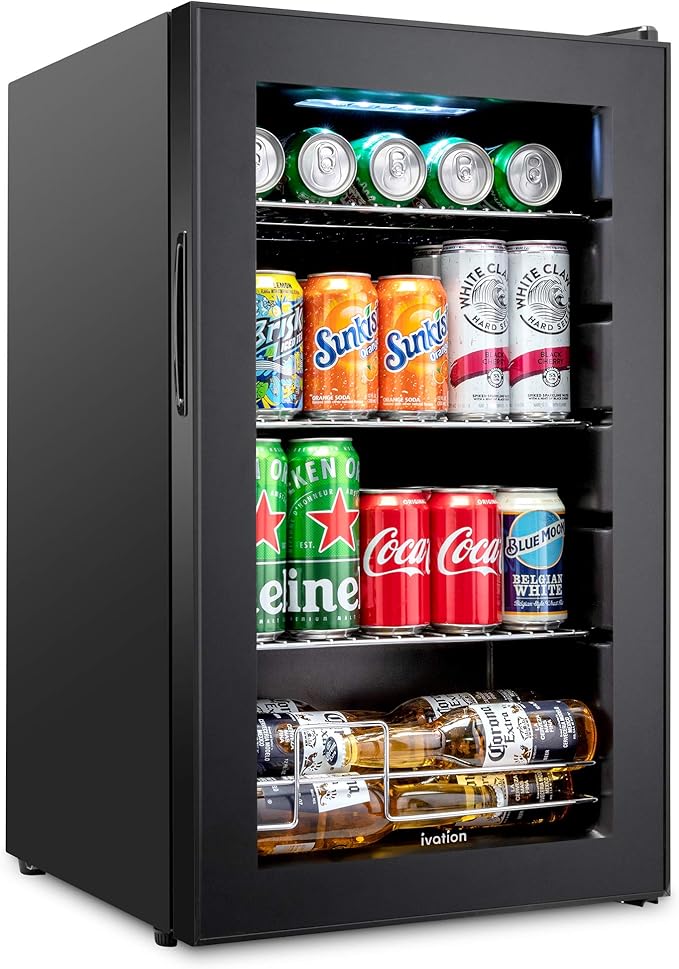
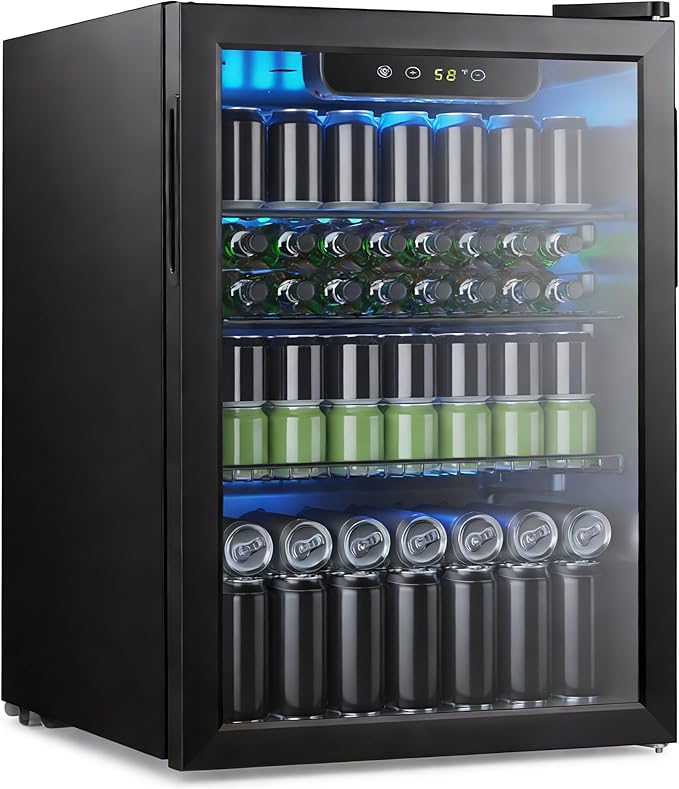
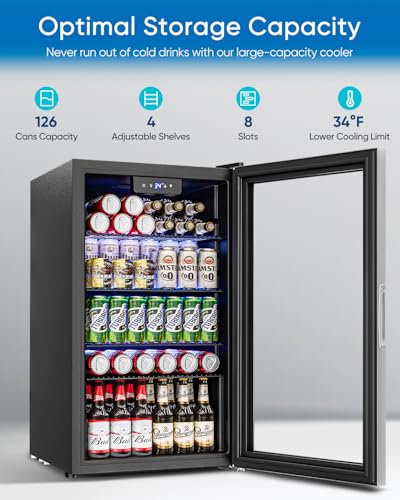
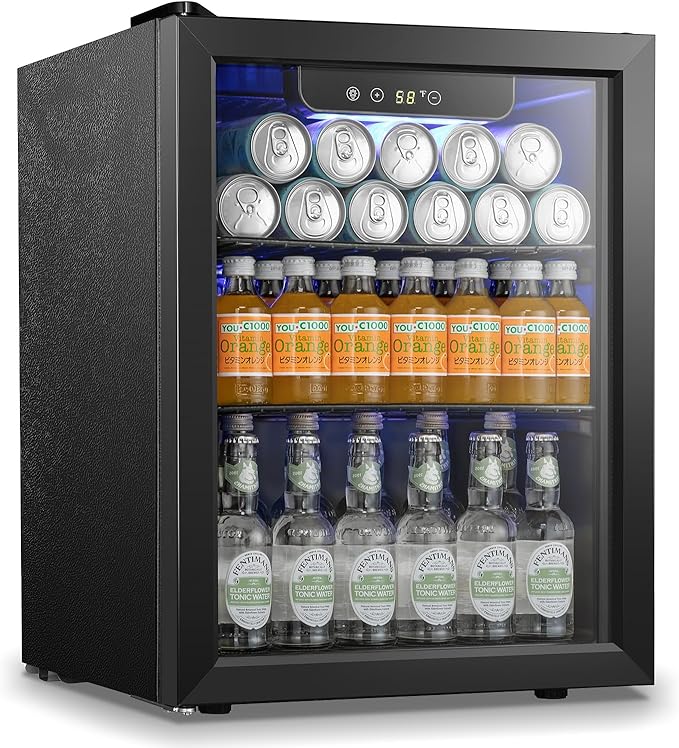
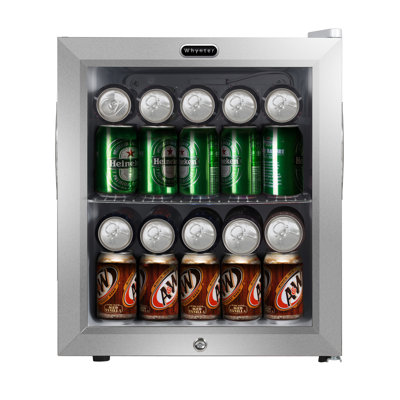
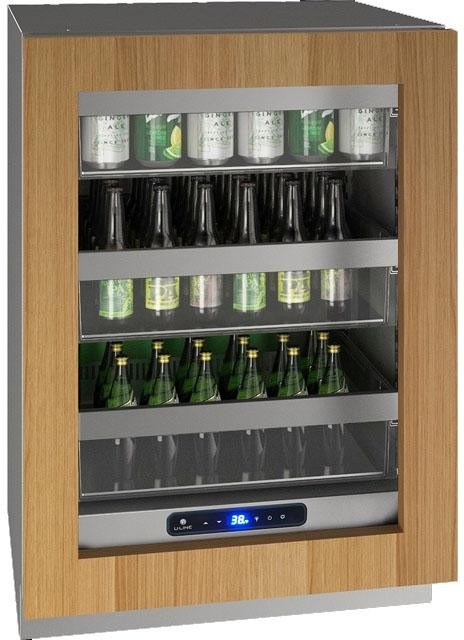
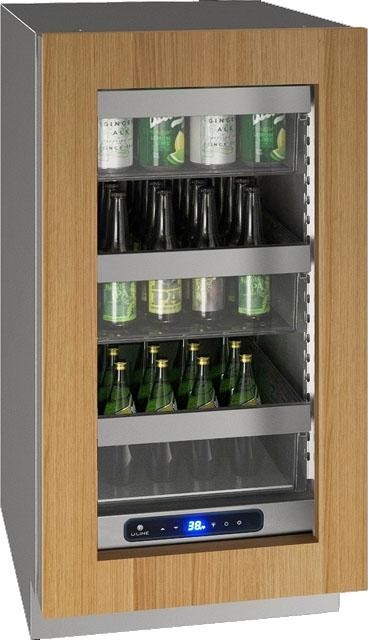
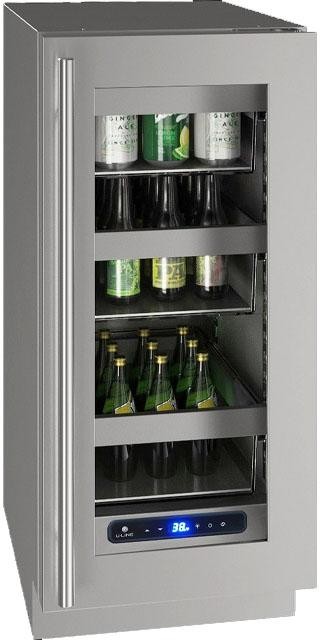
A beverage fridge and a wine chiller both keep drinks at controlled temperatures behind glass doors, but they target fundamentally different drink categories. The beverage fridge cools everything — sodas, beer, water, juice, energy drinks, and wine at quick-serve temperatures. The wine chiller is a precision instrument built exclusively to store wine at conditions that preserve flavor, aroma, and aging potential. This comparison covers every meaningful difference between the two.
Temperature Philosophy
A beverage fridge runs cold — 34 to 45 degrees Fahrenheit. The goal is ice-cold drinks ready to serve immediately. Sodas and beers taste best between 34 and 40 degrees. Water and juice are refreshing at 36 to 42 degrees. This temperature range works for white wine in a pinch but is far too cold for red wine and below the ideal storage temperature for any wine intended to age.
A wine chiller operates in a warmer range — 45 to 65 degrees. White wines store and serve best at 45 to 52 degrees. Red wines need 55 to 65 degrees. Sparkling wines sit at 40 to 50 degrees. Dual-zone wine chillers run two independent temperature sections, so whites and reds coexist at their ideal temperatures in the same unit. The precision matters because temperature directly affects how wine tastes — too cold mutes aroma and flavor compounds, too warm accelerates aging and degrades delicate profiles.
Humidity and Cork Protection
Beverage fridges do not control humidity. The standard refrigeration cycle actively removes moisture from the air. This low-humidity environment (30 to 40 percent) is fine for sealed cans and bottles but harmful to corked wine. Low humidity dries cork over months, causing it to shrink and allow air into the bottle. Oxidized wine tastes flat, vinegary, and stale.
Wine chillers maintain 50 to 70 percent relative humidity — the range that keeps natural cork moist and sealed. Some models use passive humidity trays, beechwood shelving that absorbs and releases moisture, or charcoal-filtered recirculation systems. This environmental control is the single most important technical difference between the two appliances for anyone storing wine longer than a few days.
Vibration Control
Beverage fridges use standard compressors that produce normal levels of vibration. Vibration does not affect canned beer, soda, or bottled water. The compressor cycles on and off throughout the day, and the resulting movement is irrelevant to the contents.
Wine chillers address vibration specifically. Compressor-based wine chillers mount the compressor on rubber isolation pads and use vibration-dampened shelving. Thermoelectric wine chillers eliminate the compressor entirely — a solid-state Peltier element cools with zero moving parts and zero vibration. Vibration matters for wine because it disturbs sediment in aging reds and can accelerate chemical reactions that alter flavor. For wines stored more than a few weeks, vibration control is a meaningful quality factor.
Shelving Design
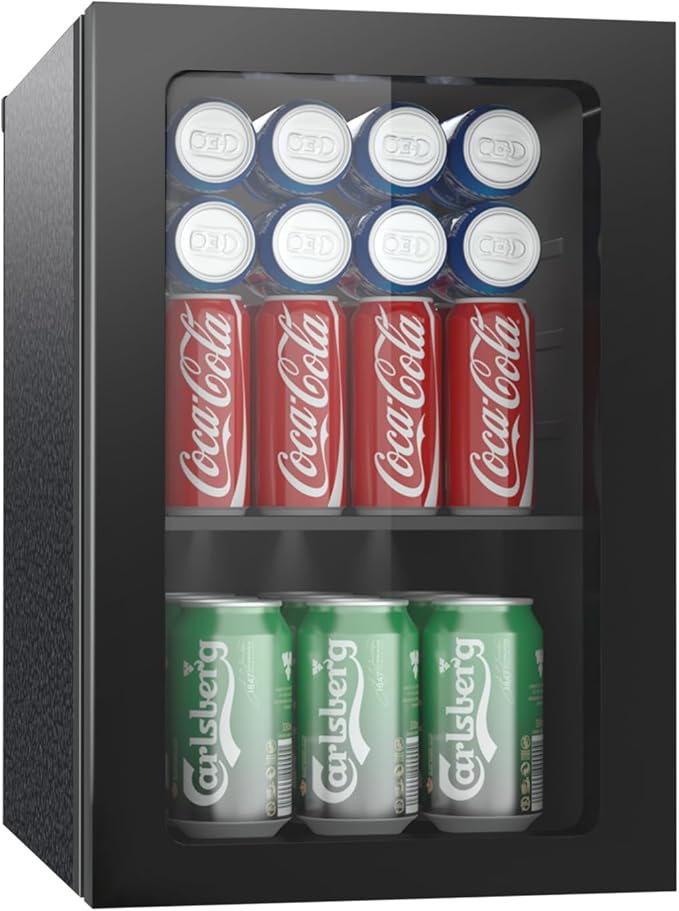
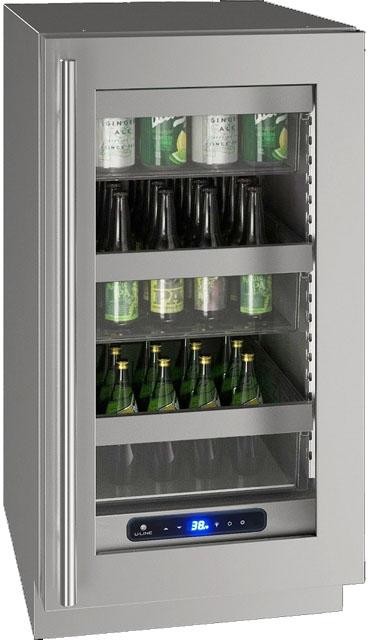
Beverage fridge shelving holds drinks upright. Tiered can racks angle cans forward. Flat shelves support bottles standing upright, six-packs, and cartons. Door bins add additional can and bottle storage. The layout is designed for grab-and-go access with maximum container count per shelf.
Wine chiller shelving holds bottles on their sides. Contoured wood or chrome racks cradle bottles horizontally to keep wine in contact with the cork. Slide-out shelves let you read labels and select specific bottles without disturbing neighbors. Some models feature presentation shelves that angle one row of bottles forward for display. The horizontal storage is not just aesthetic — it is functionally necessary for cork-sealed wines.
UV Protection
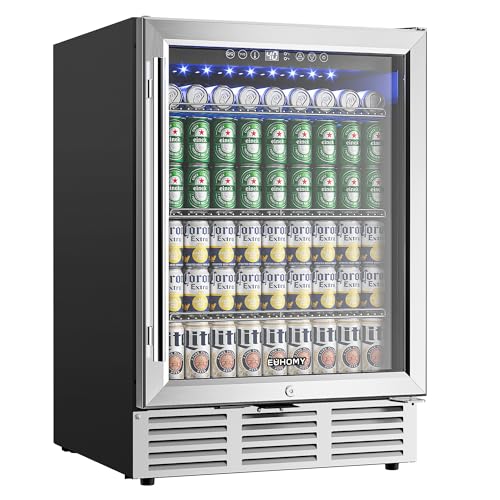
Beverage fridges use standard tempered glass doors. Some models include light tinting, but UV protection is not a priority because UV light does not damage canned beer, soda, or water in sealed opaque containers.
Wine chillers use UV-resistant tinted glass — double-pane tempered glass with coatings that filter harmful UV wavelengths. UV light degrades the organic compounds responsible for wine's color, aroma, and flavor. Even indirect sunlight through a window can damage wine over weeks of exposure. The tinted glass on a wine chiller protects the collection while still allowing visibility.
Capacity
| Type | Compact | Mid-Size | Full-Size |
|---|---|---|---|
| Beverage Fridge | 60 - 100 cans | 100 - 150 cans | 150 - 180+ cans |
| Wine Chiller | 6 - 20 bottles | 20 - 50 bottles | 50 - 200+ bottles |
Capacity metrics differ because containers differ. A 120-can beverage fridge might hold 15 to 20 wine bottles if you remove can racks and lay bottles flat — but the shelving is not designed for it and bottles may roll or rest insecurely. A 30-bottle wine chiller holds exactly 30 standard Bordeaux bottles — Burgundy and Champagne bottles are wider and reduce effective count by 20 to 30 percent.
Energy Use
| Type | Annual kWh | Estimated Annual Cost |
|---|---|---|
| Beverage Fridge (120-can) | 200 - 350 kWh | $25 - $45 |
| Wine Chiller (30-bottle, compressor) | 100 - 200 kWh | $12 - $25 |
| Wine Chiller (20-bottle, thermoelectric) | 80 - 150 kWh | $10 - $18 |
Wine chillers use less energy because they cool to a warmer target temperature. A beverage fridge maintaining 36 degrees works harder than a wine chiller maintaining 55 degrees. Thermoelectric wine chillers are the most efficient but limited to small capacities and moderate ambient temperatures.
Pricing
| Type | Budget | Mid-Range | Premium |
|---|---|---|---|
| Beverage Fridge | $150 - $400 | $400 - $800 | $800 - $1,800 |
| Wine Chiller | $100 - $350 | $350 - $900 | $900 - $3,000+ |
Small thermoelectric wine chillers are the cheapest entry point. Premium wine chillers with dual zones, wood shelving, UV glass, and commercial-grade compressors exceed the cost of most beverage fridges. The premium reflects the specialized engineering required for proper wine preservation.
Noise Comparison
Beverage fridges with compressors run at 38 to 45 decibels. The cycling compressor produces a consistent hum.
Thermoelectric wine chillers run at 25 to 35 decibels — nearly silent. Compressor-based wine chillers run at 35 to 42 decibels with damped mounting. For placement in dining rooms, living rooms, or bedrooms, the thermoelectric wine chiller is the quietest option available in consumer refrigeration.
Dual-Purpose Considerations
Some buyers consider using a beverage fridge for wine or a wine chiller for general beverages. Neither substitution works well. A beverage fridge set to 36 degrees stores wine too cold — muting flavor and stressing cork. A wine chiller set to 55 degrees stores beer and soda too warm — nobody wants a 55-degree beer. The temperature mismatch is fundamental and cannot be resolved by adjusting settings on either unit.
Dual-zone beverage centers that split the interior into a cold zone (34-40°F) and a warm zone (45-50°F) offer the best compromise for mixed drink households. The cold zone handles sodas and beer. The warm zone handles white wine. Red wine still needs a warmer setting than most dual-zone beverage centers provide.
Who Should Buy Which
Buy a beverage fridge if you drink a variety of cold beverages — beer, sodas, water, juice, seltzers — and want them ice-cold and accessible. Wine is a secondary consideration stored short-term for immediate consumption.
Buy a wine chiller if you collect wine, store bottles for more than a week, or care about serving wine at correct temperatures. Even a small collection of 12 bottles benefits from proper storage conditions that a beverage fridge cannot provide.
Serious drink enthusiasts often own both — a beverage fridge for cold daily drinks and a wine chiller for the collection.
Shop at Fridge.com
Compare beverage fridges and wine chillers at Fridge.com. Filter by capacity, zone configuration, cooling type, and price to find the right cooler for your drink preferences.