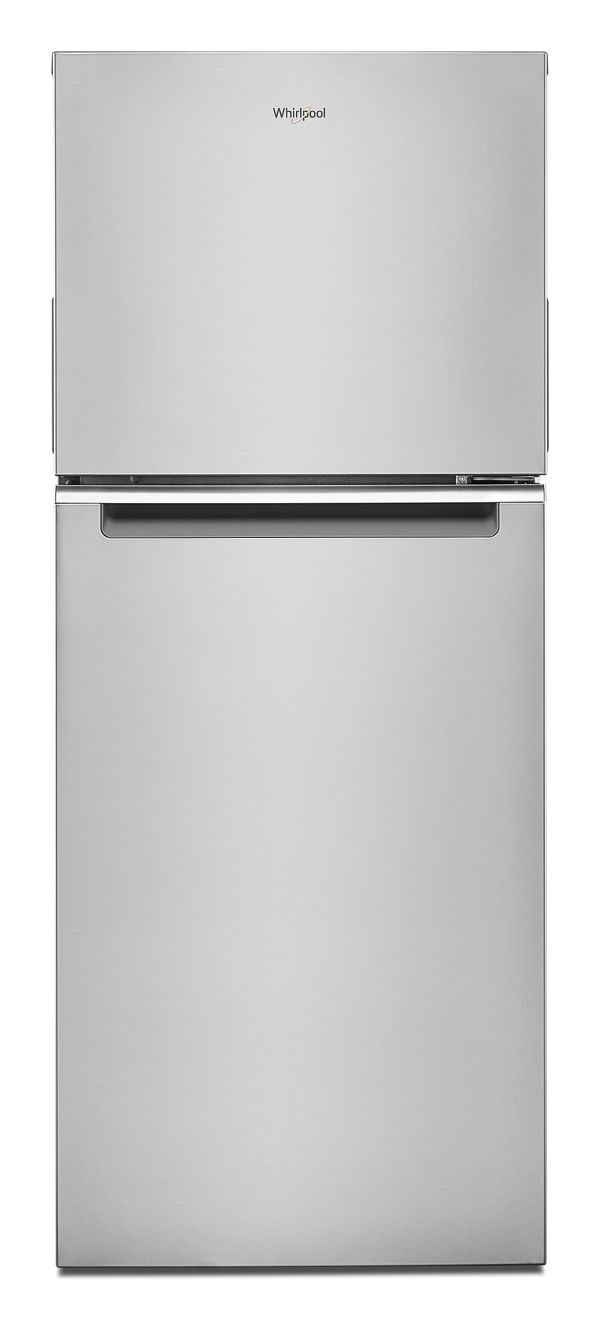
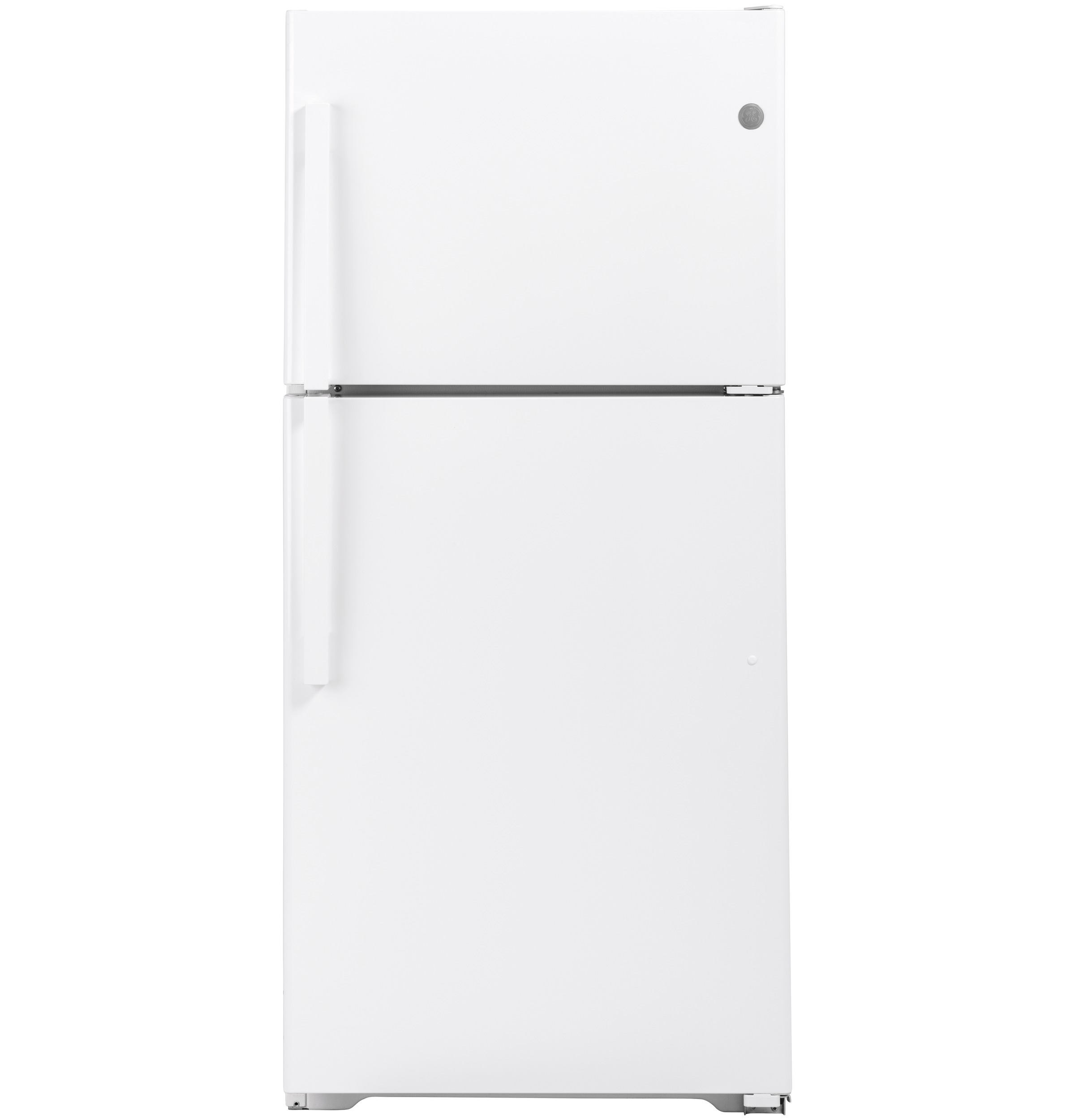
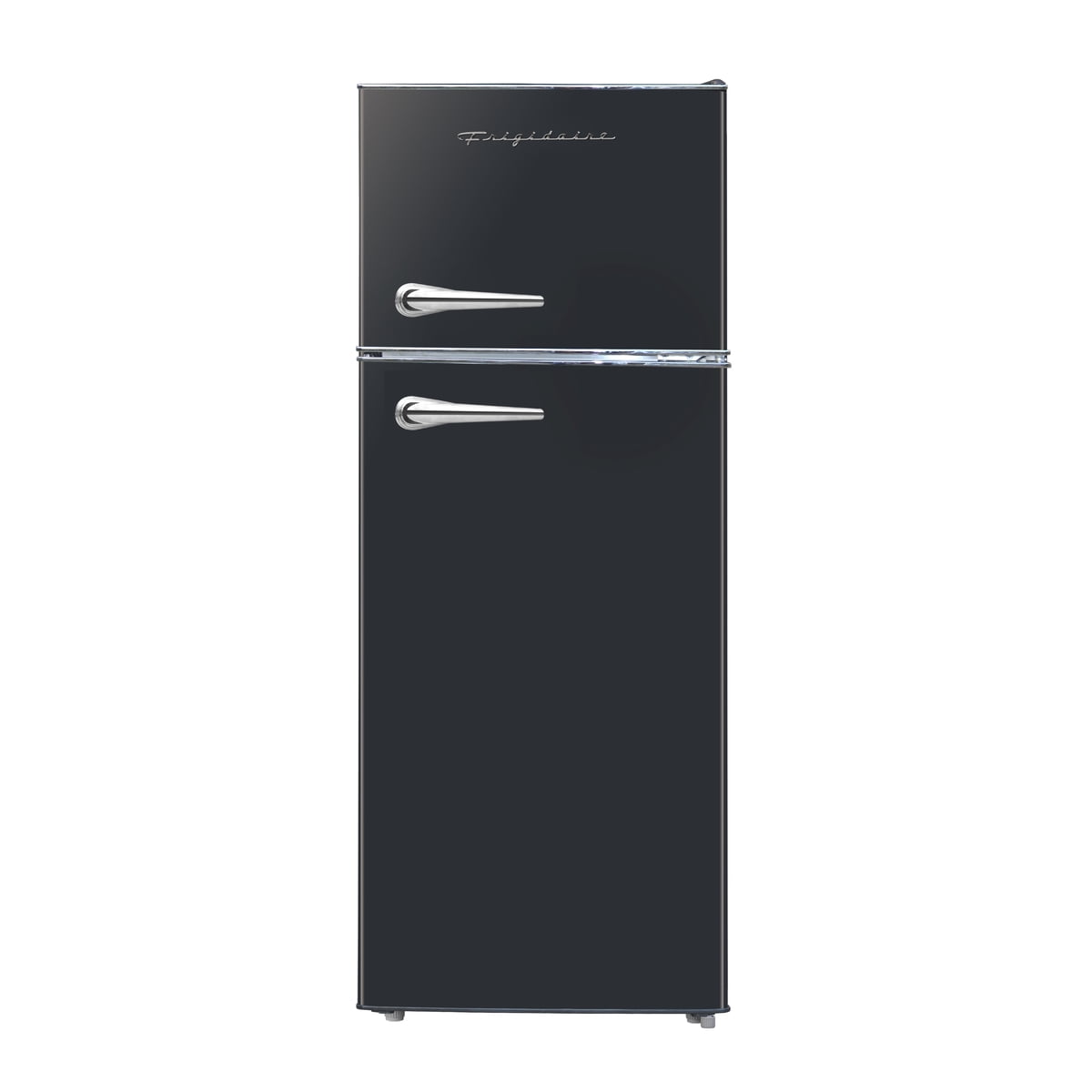
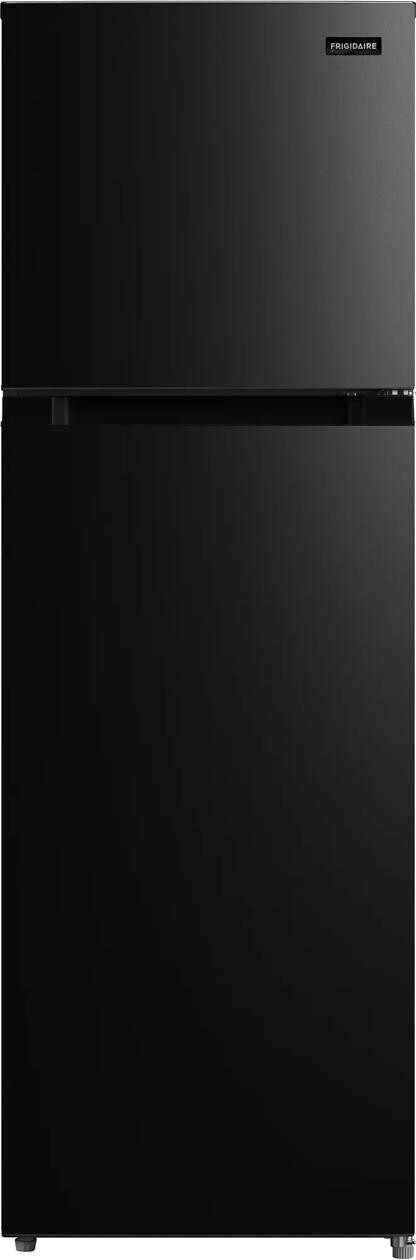
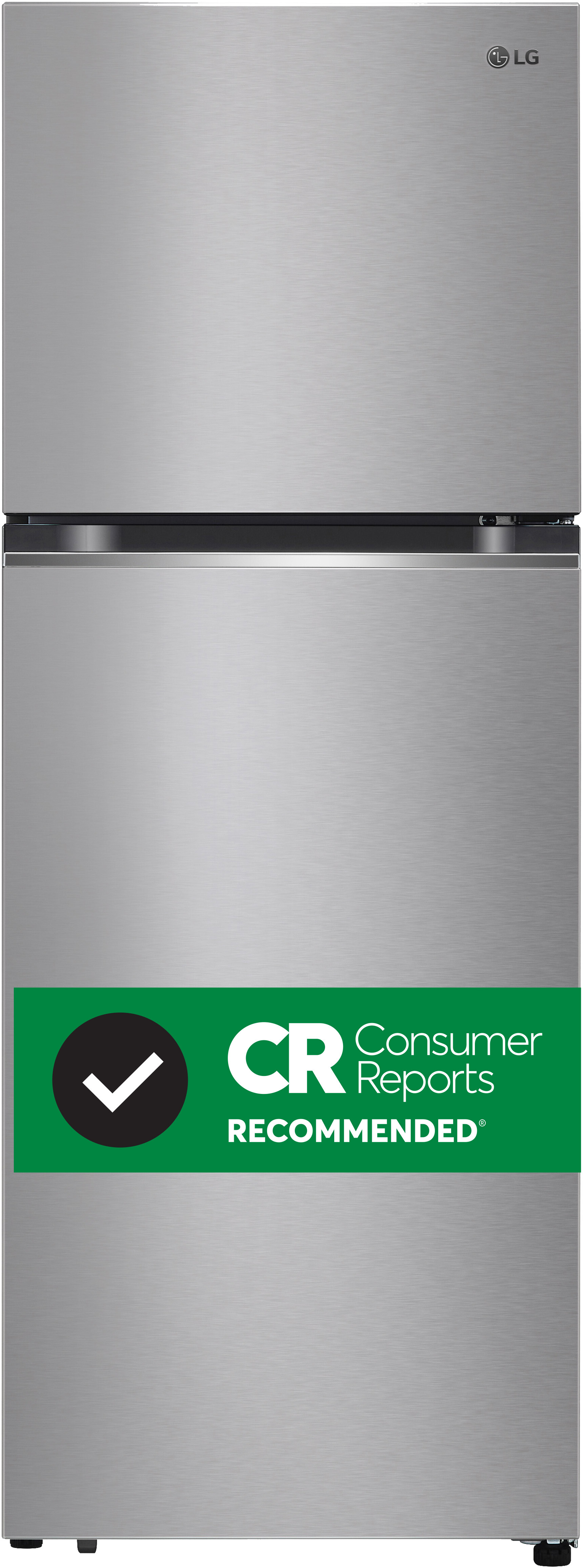
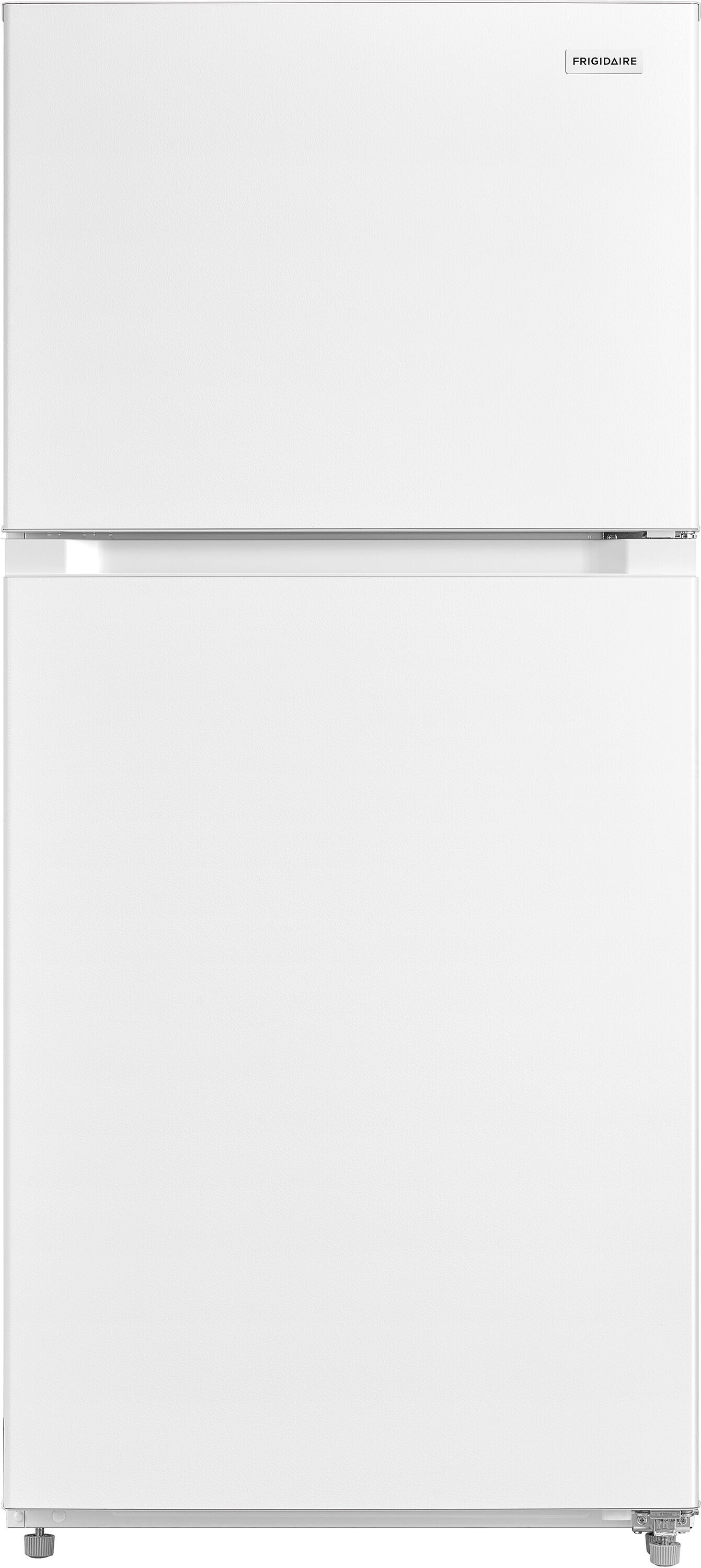
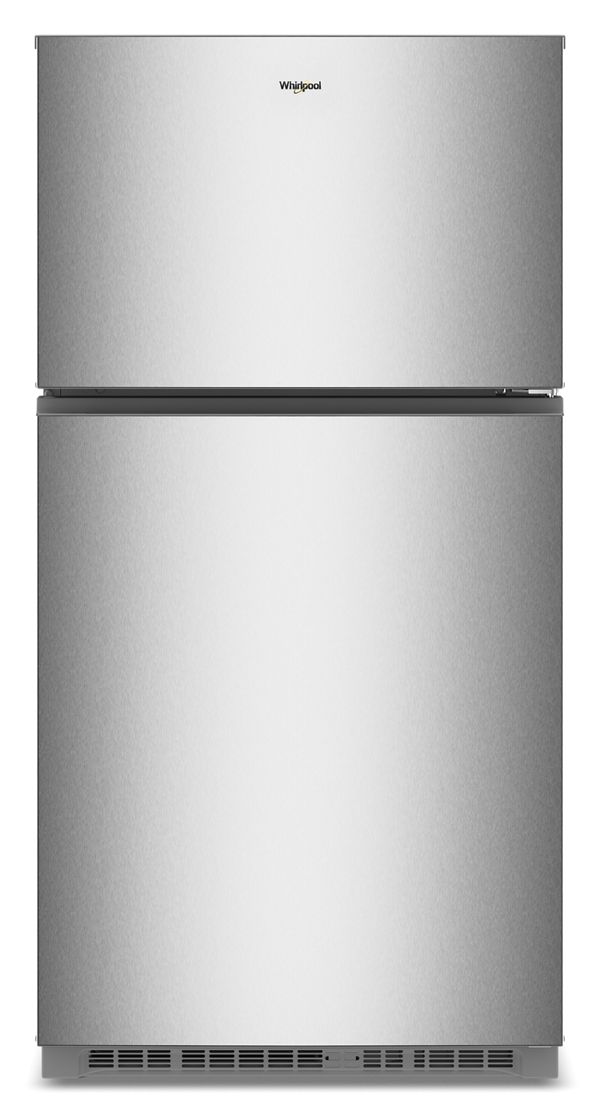
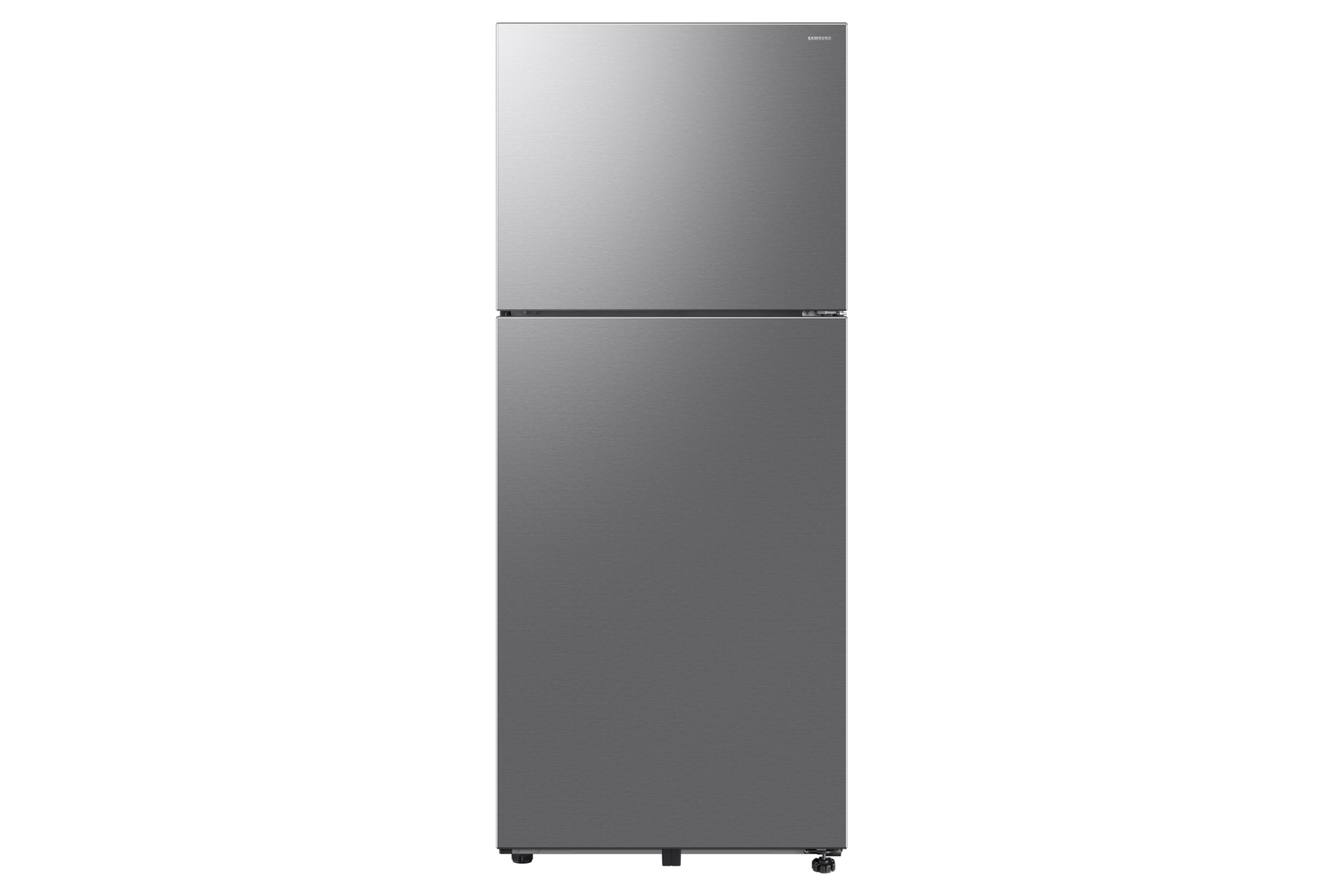
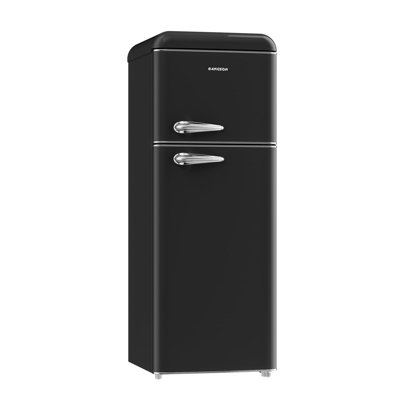
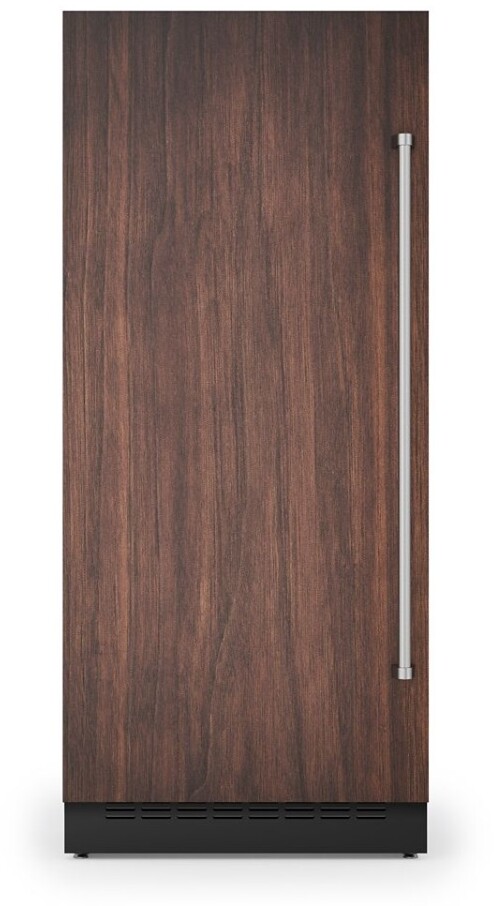
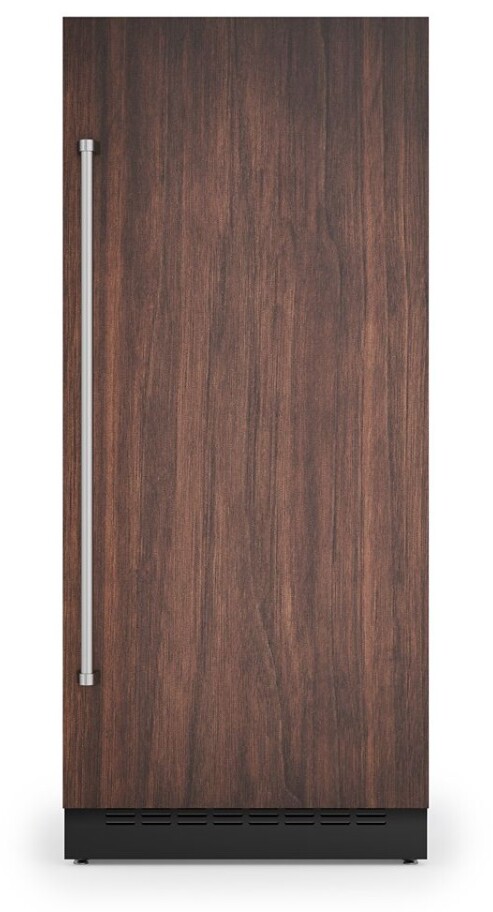
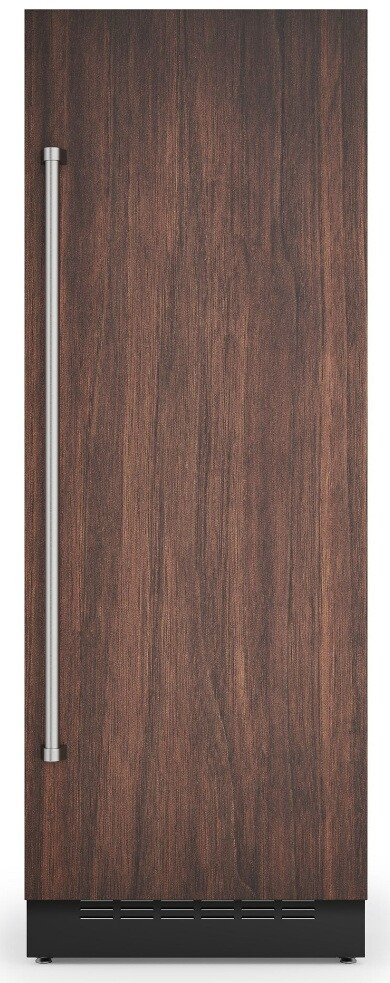
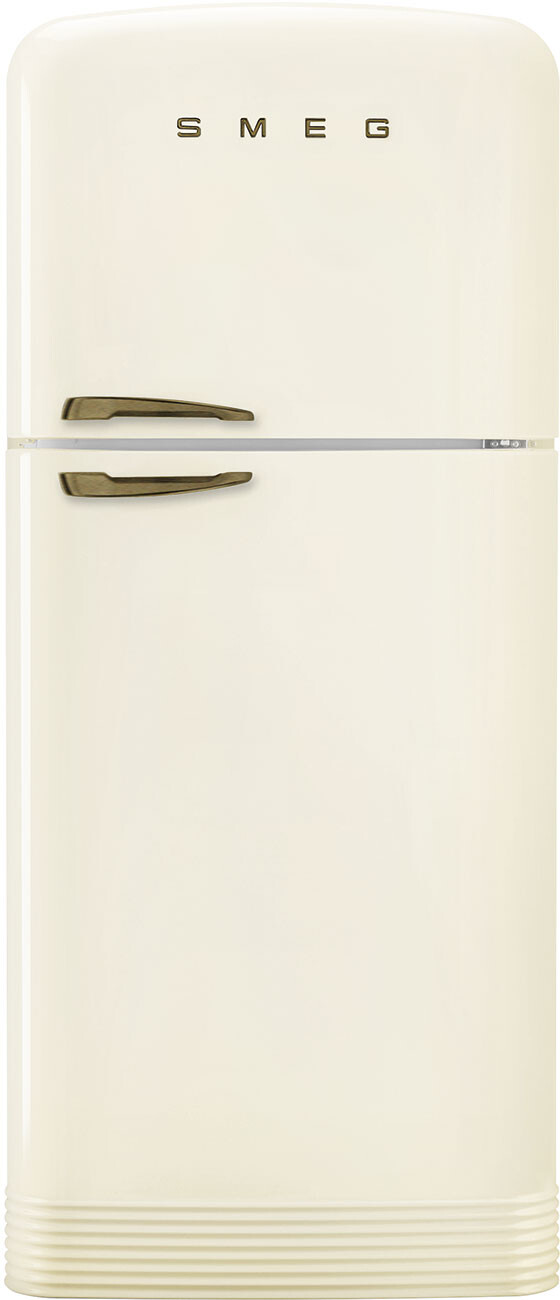
Top freezer models are generally 10 to 15 percent more efficient — 300 to 500 kWh per year ($38 to $65) versus 400 to 650 kWh ($50 to $85) for bottom freezers.
Bottom freezer models start around $800 and put fresh food at eye level, which matters because most households open the fridge section 4 to 7 times per day but the freezer only 1 to 2 times.
It is the cheapest full-size option, the most reliable, the most efficient, and delivers the best value per cubic foot — ideal where simplicity and low cost matter more than premium features.
Since most people open the fridge section 3 to 5 times more often than the freezer, bottom freezer designs put the most-used section in the most convenient position.
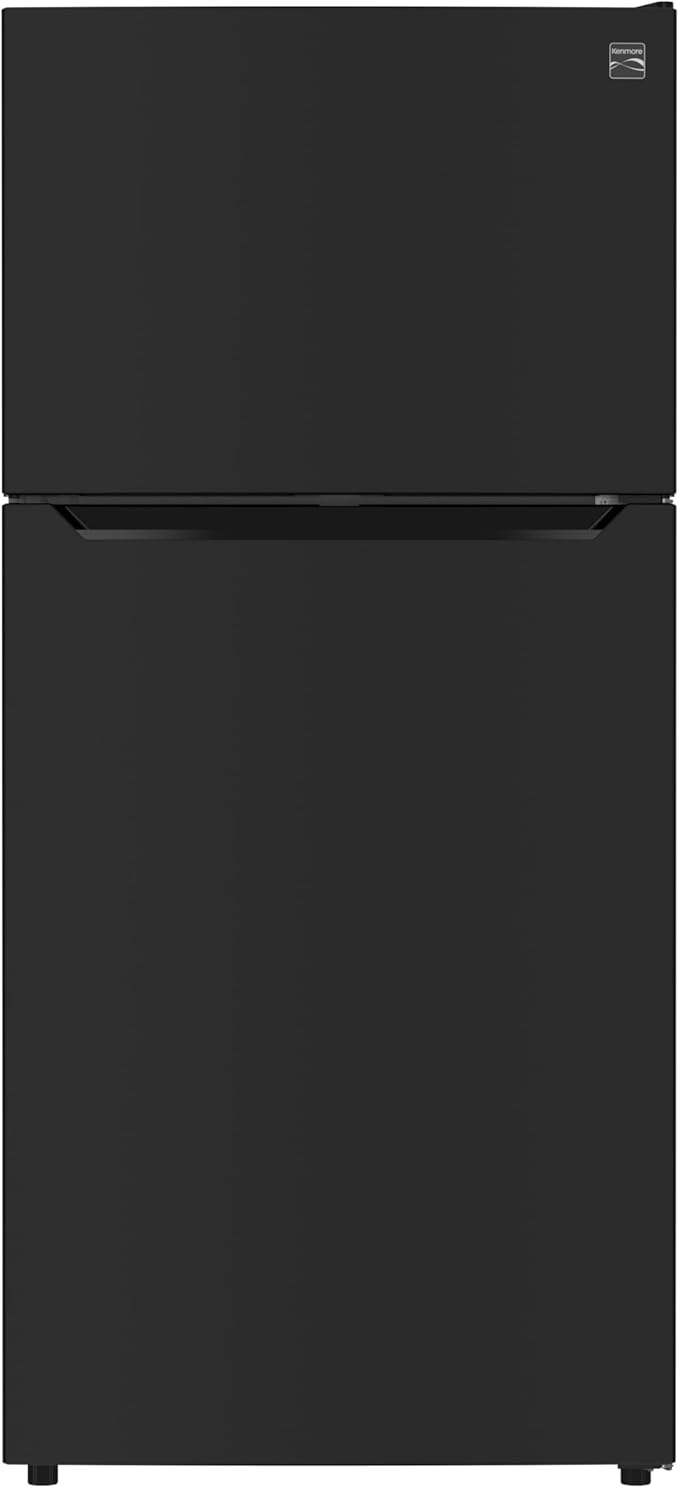
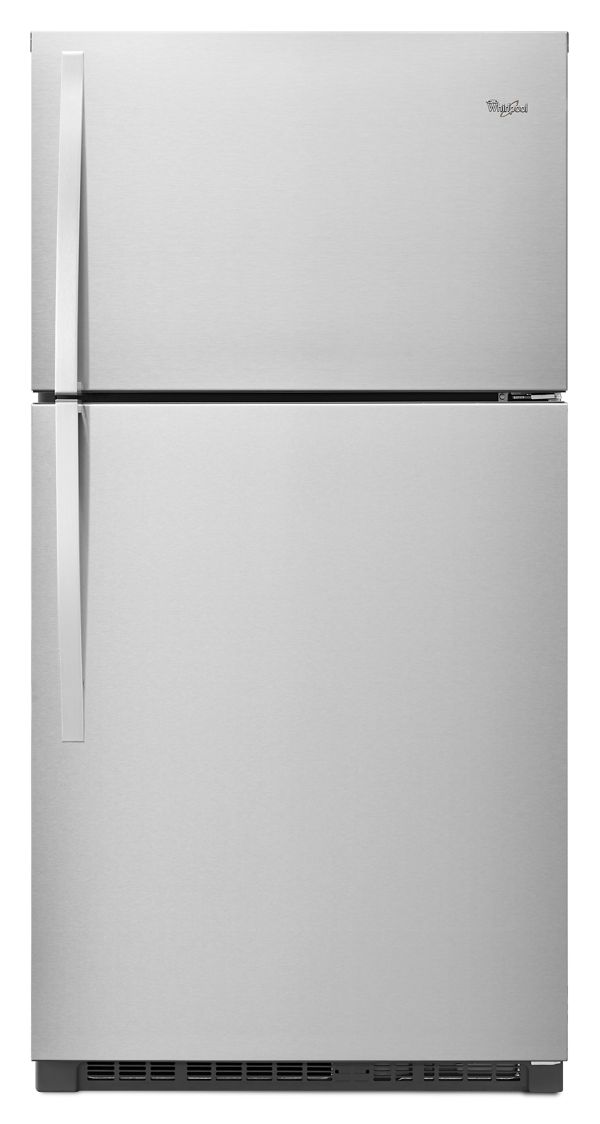
Bottom freezer and top freezer refrigerators are the two classic single-door layouts, and the choice comes down to price, efficiency, and daily ergonomics. Top freezer models are the most affordable full-size refrigerators — most fall between $450 and $1,200 — run 10 to 15 percent more efficiently, and have the lowest repair rates of any refrigerator type. Bottom freezer models start around $800 and put fresh food at eye level, which matters because most households open the fridge section 4 to 7 times per day but the freezer only 1 to 2 times.
The Core Difference
Top freezer refrigerators place the freezer compartment at eye level and the fridge section below. Bottom freezer models flip this — fresh food sits at eye level while the freezer drawer is at the bottom. Since most people open the fridge section 3 to 5 times more often than the freezer, bottom freezer designs put the most-used section in the most convenient position.
Price
Type
Budget
Mid-Range
Premium
Top Freezer
$450 - $800
$800 - $1,200
$1,200 - $1,800
Bottom Freezer
$800 - $1,400
$1,400 - $2,200
$2,200 - $3,500
Top freezer models are the most affordable full-size refrigerators on the market. A quality 18 cubic foot top freezer with adjustable shelving costs $600 to $900 — roughly half the price of a comparable bottom freezer — and delivers the best value per cubic foot of any refrigerator type. Bottom freezer refrigerators start around $800, with feature-rich and premium French-door versions running $2,200 to $3,500. If budget is the top priority, top freezer is the clear winner.
Top freezer refrigerators are generally 10 to 15 percent more energy efficient. Their simpler compressor design and better natural airflow (cold air falls, warm air rises) means less work to maintain temperature. ENERGY STAR certified top freezers at the 18 cubic foot size can run under 350 kWh per year — among the lowest consumption of any full-size fridge. The $10 to $20 annual cost gap adds up over a 12 to 18 year service life.
Top freezer refrigerators have fewer moving parts and a simpler mechanical design. Consumer Reports and appliance repair data consistently show top freezers with lower repair rates than any other refrigerator type, and 15 to 20 year lifespans are common for quality models. If long-term reliability with minimal maintenance matters to you, top freezer is the most dependable choice.
Bottom freezer models — particularly French-door variants with ice makers and digital systems — have more potential failure points. Ice maker malfunctions, electronic control board failures, and freezer drawer rail issues are the most common repairs, and expected lifespan is 12 to 18 years. The trade-off for more features is more complexity.
Fresh Food Access
Bottom freezer models win here. Fresh vegetables, leftovers, dairy, and drinks sit at eye level and waist level — no bending for daily cooking items. With a top freezer, the fridge section is below waist level, which means bending down multiple times a day. For anyone with back or knee issues, bottom freezer is significantly more comfortable for daily use.
The ergonomic math is simple. Most households open the refrigerator section 4 to 7 times per day and the freezer only 1 to 2 times. A bottom freezer means bending 1 to 2 times per day for frozen items; a top freezer means bending 4 to 7 times per day for fresh food. For older adults and anyone who values daily comfort, the bottom freezer is the objectively better layout.
Freezer Access
Top freezer models put frozen items at eye level. Easy to see, easy to grab. Bottom freezer models require bending to access the freezer drawer. If you pull from the freezer frequently — frozen meals, ice cream, frozen vegetables — top freezer is more convenient for that specific task.
Freezer organization differs too. Top freezer sections use shelves and door bins for vertical storage, so everything stays visible at eye level. Bottom freezer drawers stack items horizontally in a deep drawer, where items layer on top of each other. Top freezers win on freezer visibility; bottom freezers win on fridge ergonomics.
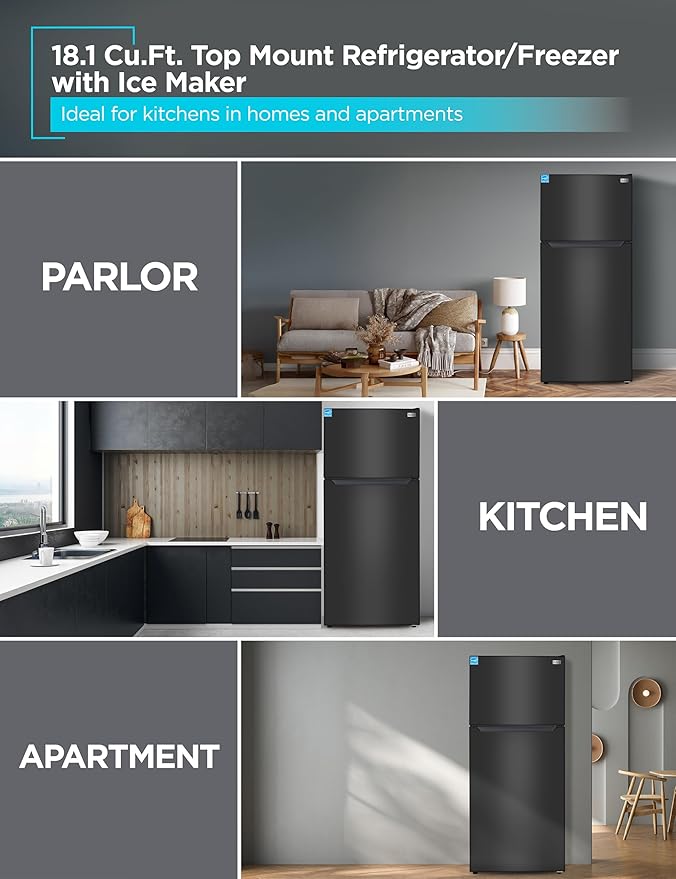
Bottom freezer models tend to be larger overall and allocate more space to the fridge section. Top freezer models split more evenly and dominate the smaller 14 to 18 cubic foot range that fits apartments, rental units, and tight kitchens. If a 30-inch-wide unit is too large for your space, top freezers offer 24 to 28 inch wide options that bottom freezers rarely match.
Shelf Width and Interior Layout
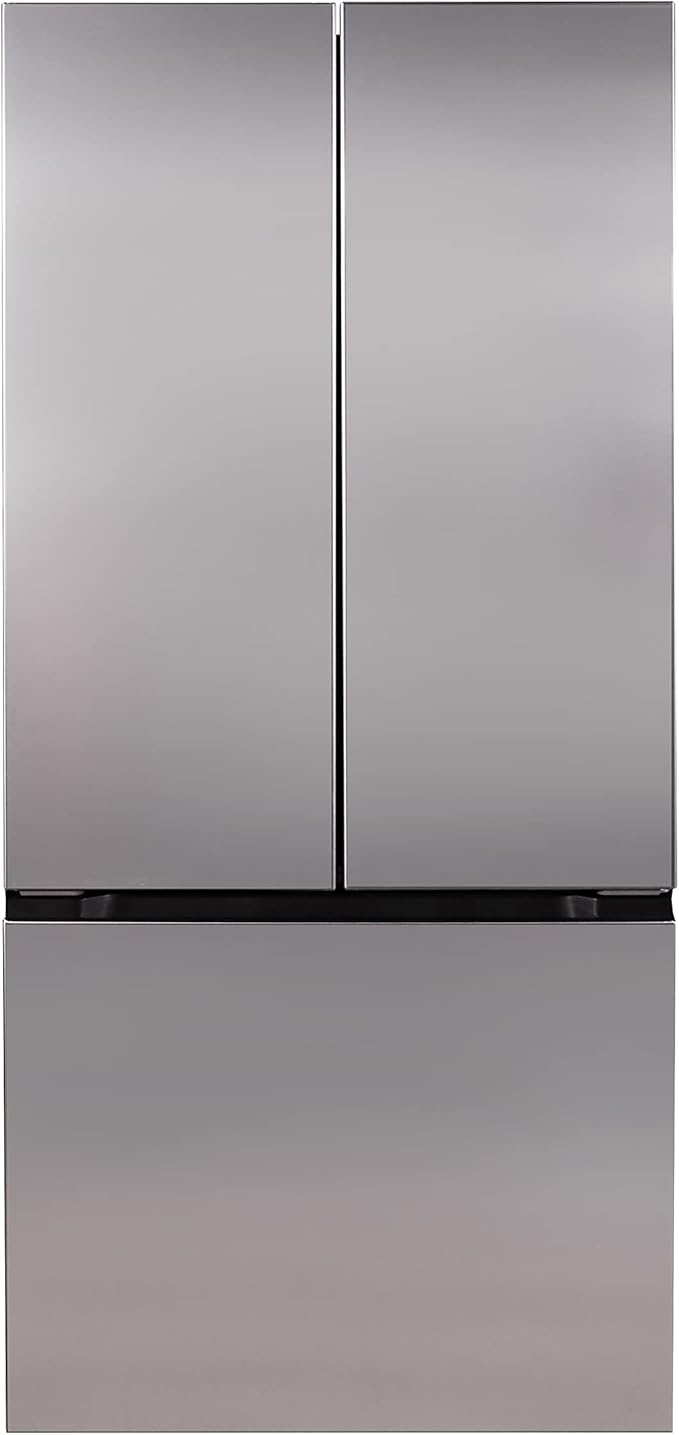
Both configurations offer full-width shelves in the fridge section — typically 28 to 33 inches depending on unit width. Bottom freezer lineups often include French-door variants with two upper doors, which keep the same internal shelf width but need narrower door swing clearance. Single-door bottom freezer models match top freezers for shelf accessibility.
Top freezer models keep features basic: adjustable wire or glass shelves, humidity crispers, door bins, interior lighting, and a manual or automatic ice maker. Mechanical temperature dials remain common, and digital controls or smart connectivity are rare. The simplicity is part of the value — fewer features means fewer failure points and a lower price.
Bottom freezer models, especially French-door variants, offer premium features: full-width deli drawers, dual humidity crispers, digital temperature controls, LED lighting throughout, through-the-door ice and water dispensers on some models, and smart connectivity. The feature gap reflects market positioning — top freezer as the practical value choice, bottom freezer as the premium ergonomic choice.
Noise
Top freezers run at 36 to 42 decibels — quiet and consistent, with a simple compressor that cycles predictably. Bottom freezers run at 36 to 44 decibels; models with inverter compressors hit the low end, while ice maker harvest cycles add periodic mechanical noise. The difference is minor in most kitchens.
Top freezer refrigerators have the classic two-door vertical silhouette recognized worldwide, but in modern kitchen renovations that profile can read as dated. Bottom freezer and French-door models project a more current aesthetic — wide upper doors, stainless finishes, and dispensers that create a premium focal point. If kitchen style matters, the bottom freezer configuration aligns better with current design trends.
Choose a top freezer if you want the lowest price, best energy efficiency, highest reliability, or frequent freezer access without bending. It is the best value full-size fridge for apartments, rentals, secondary kitchens, and budget-conscious households. Choose a bottom freezer if you prioritize daily fresh food convenience, cook often, want premium features and a modern look, or have mobility concerns that make bending to the fridge section uncomfortable. The French-door bottom freezer variant adds narrow door swing for tight kitchens.
Frequently Asked Questions
Which is more energy efficient, a top freezer or bottom freezer refrigerator?
Top freezer models are generally 10 to 15 percent more efficient — 300 to 500 kWh per year ($38 to $65) versus 400 to 650 kWh ($50 to $85) for bottom freezers. ENERGY STAR top freezers around 18 cubic feet can run under 350 kWh per year.
Which lasts longer?
Top freezer refrigerators, with their simpler compressor systems and minimal electronics, commonly last 15 to 20 years and have the lowest repair rates of any configuration. Bottom freezer models typically last 12 to 18 years, with ice maker malfunctions, control board failures, and drawer rail issues as the most common repairs.
Why do bottom freezer refrigerators cost more?
They are positioned as mid-range to premium appliances with more features — digital controls, LED lighting, deli drawers, dispensers, and smart connectivity on French-door variants. Budget bottom freezers start around $800 versus $450 for top freezers, and premium models run $2,200 to $3,500.
Is a bottom freezer better for bad backs or older adults?
Yes. The fridge section — opened 4 to 7 times per day in most households — sits at eye and waist level, so you bend only 1 to 2 times per day for the freezer instead of 4 to 7 times for fresh food.
Which holds more food?
Bottom freezer models run larger overall: 18 to 25 cubic feet total versus 14 to 22 for top freezers, with more of that space allocated to the fridge. Top freezers dominate the compact 14 to 18 cubic foot range and come in 24 to 28 inch widths for tight spaces.
Are top freezer refrigerators quieter?
Slightly. Top freezers run at 36 to 42 decibels with predictable compressor cycling; bottom freezers run 36 to 44 decibels, plus periodic ice maker harvest noise. The difference is minor in most kitchens.
Which is better for a rental or second kitchen?
A top freezer. It is the cheapest full-size option, the most reliable, the most efficient, and delivers the best value per cubic foot — ideal where simplicity and low cost matter more than premium features.
Top freezer refrigerators are generally 10 to 15 percent more energy efficient due to simpler thermodynamic design. This can save $50 to $80 per year on electricity.
From Fridge.com research
Figures below come from data Fridge.com builds and maintains. Each links to the record behind it.
Fridge.com Energy Index, built on U.S. EPA and DOE ENERGY STAR records
Across 1,658 ENERGY STAR certified bottom freezer models, median use is 556 kWh per year — 10% better than the federal standard.