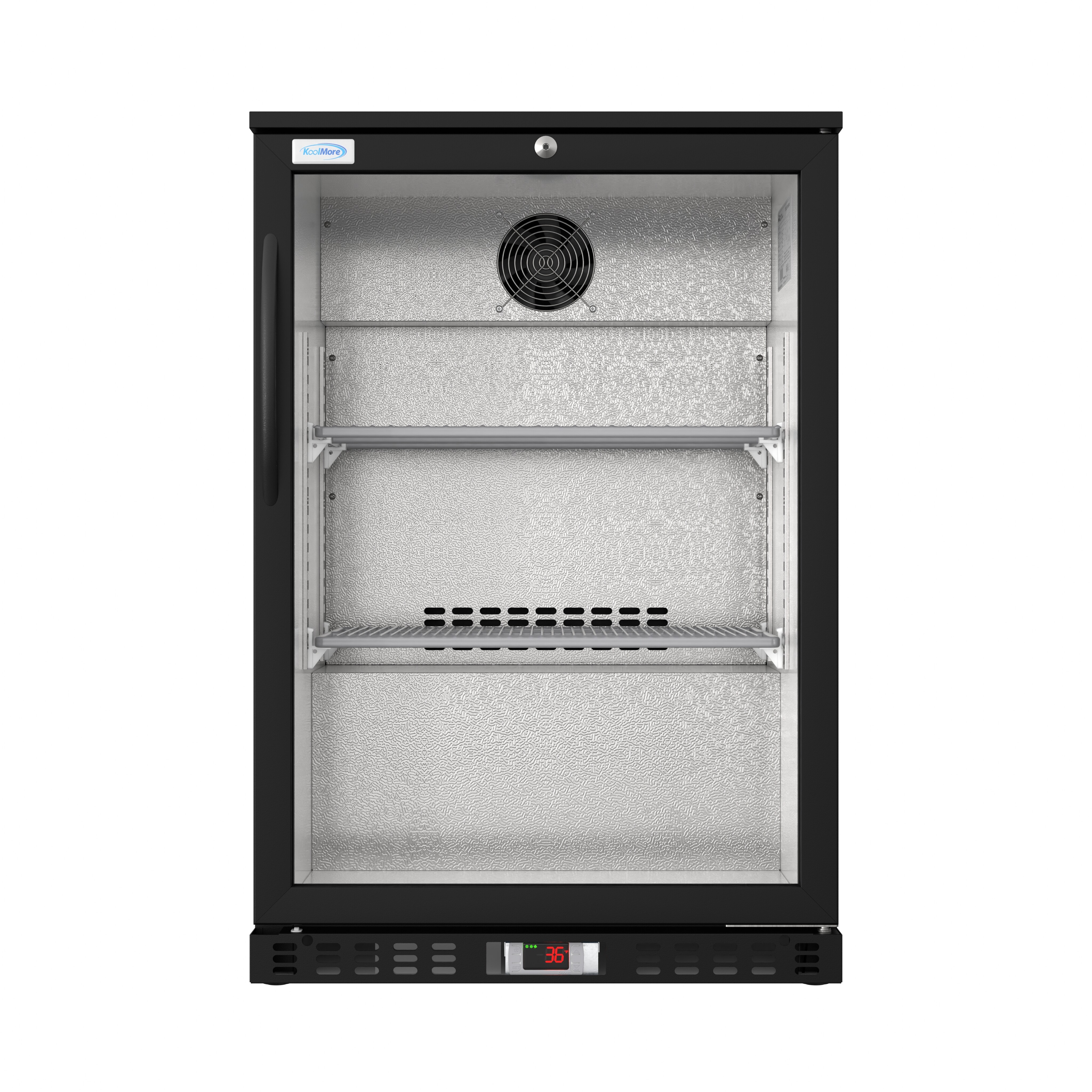
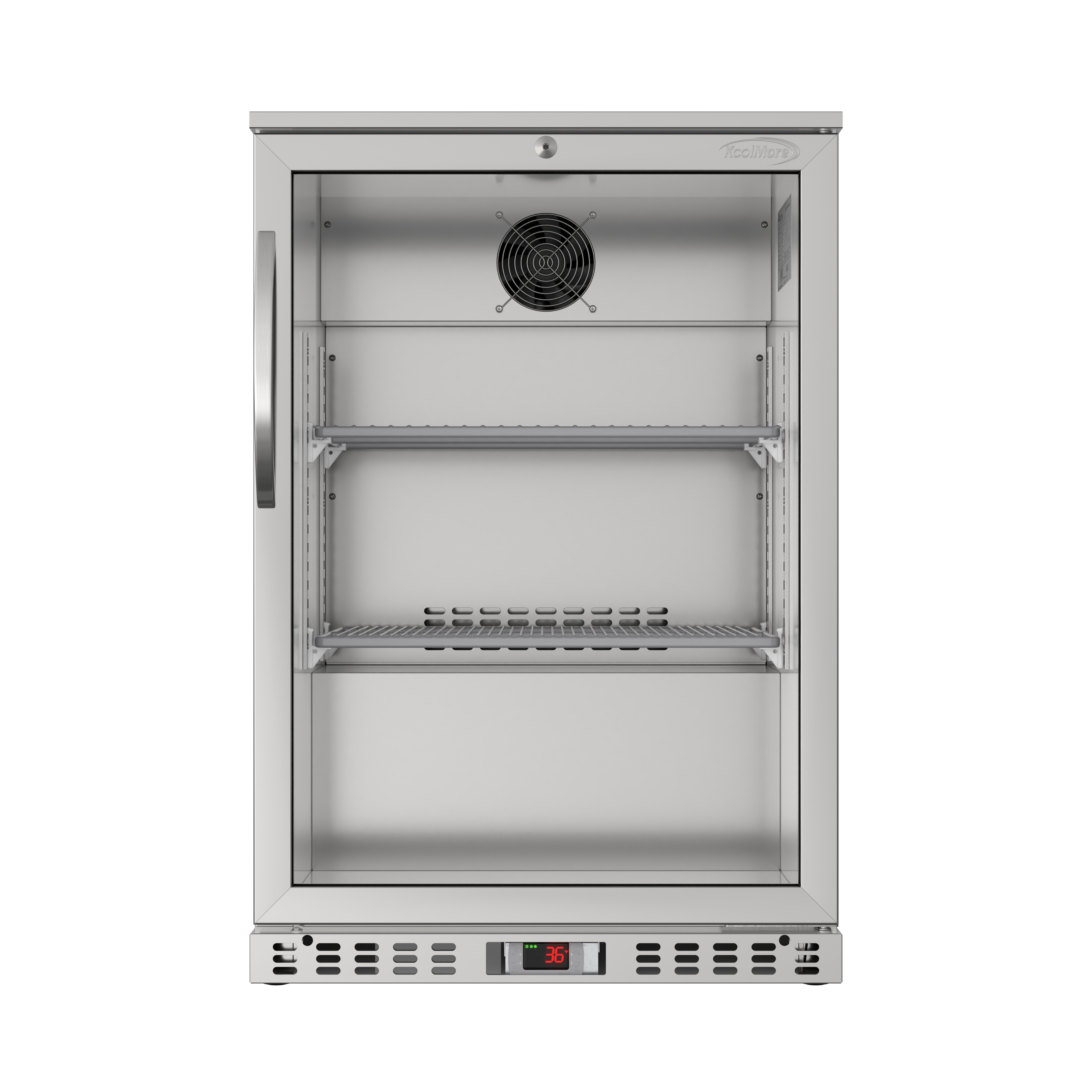
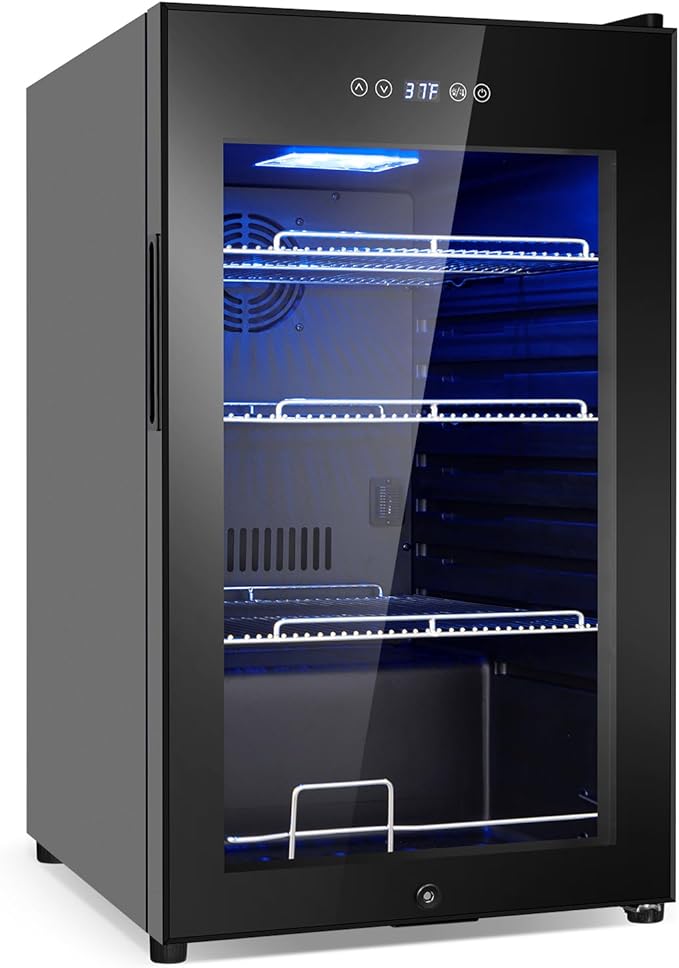
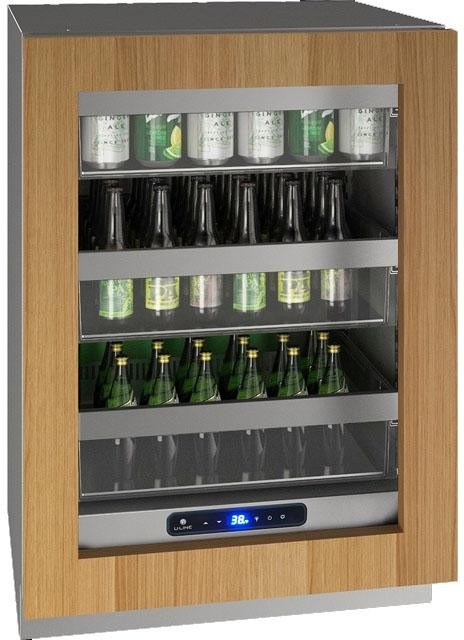
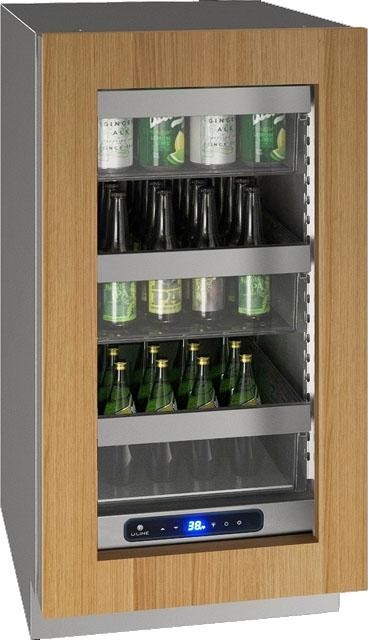
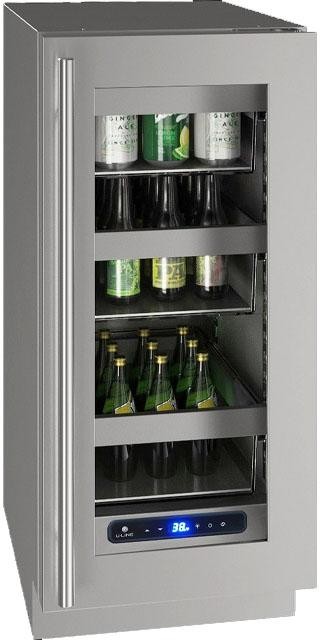
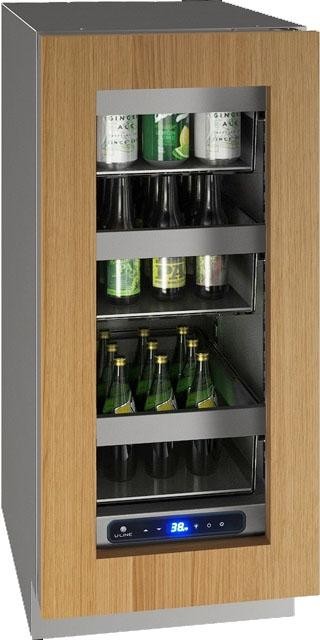
A beverage center and a kegerator both serve the home bar and entertaining crowd, but they approach drink service from completely different angles. A beverage center is a compact, temperature-controlled cabinet that stores cans, bottles, and cartons of any cold beverage. A kegerator is a specialized dispensing system that stores and serves draft beer from a pressurized keg. This guide covers every practical difference between the two so you can decide which belongs in your setup.
How Each Works
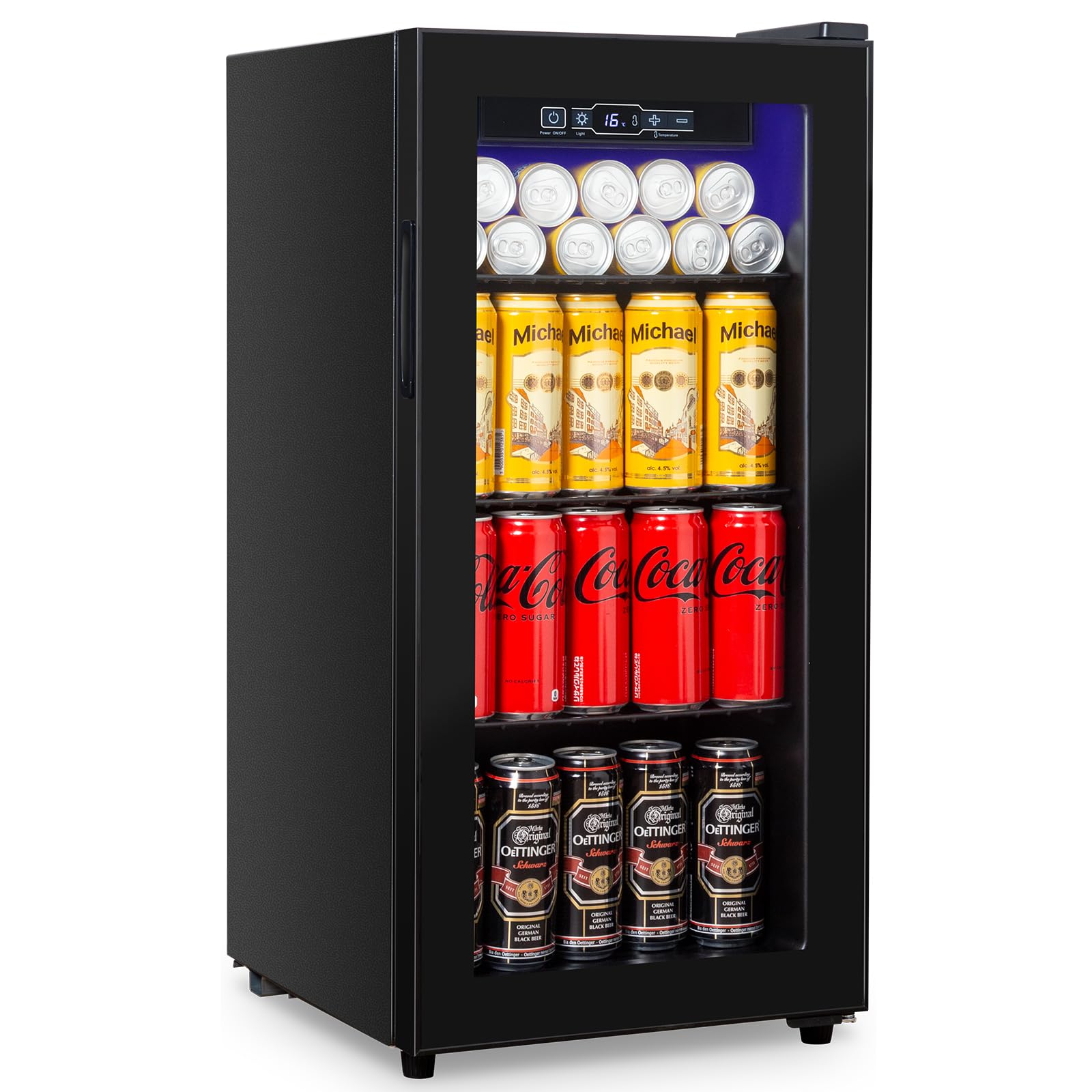
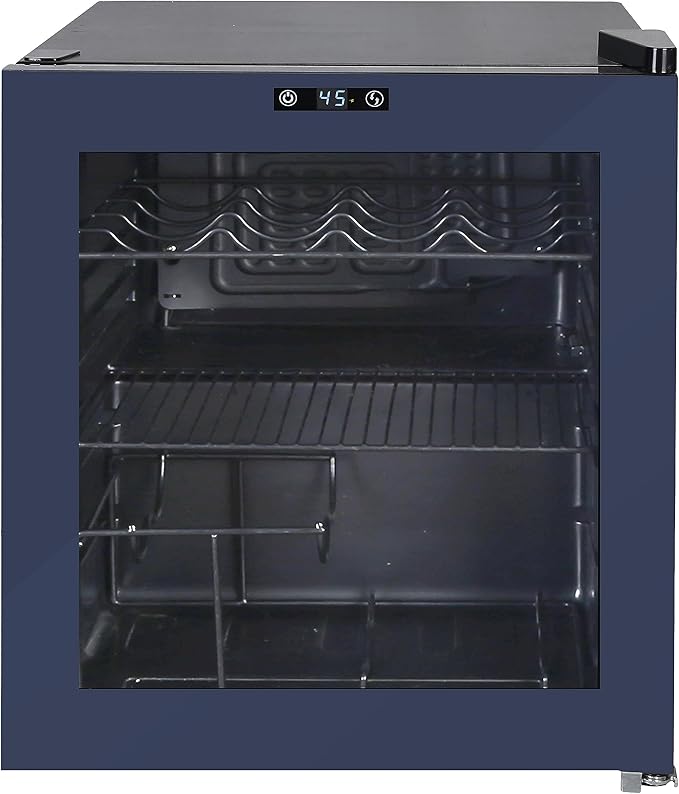
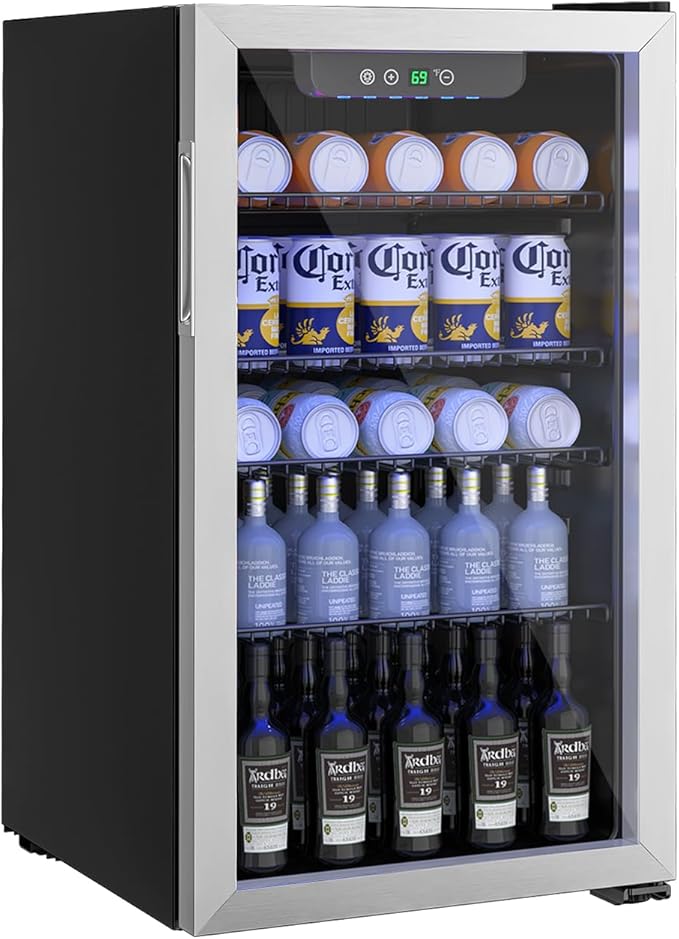
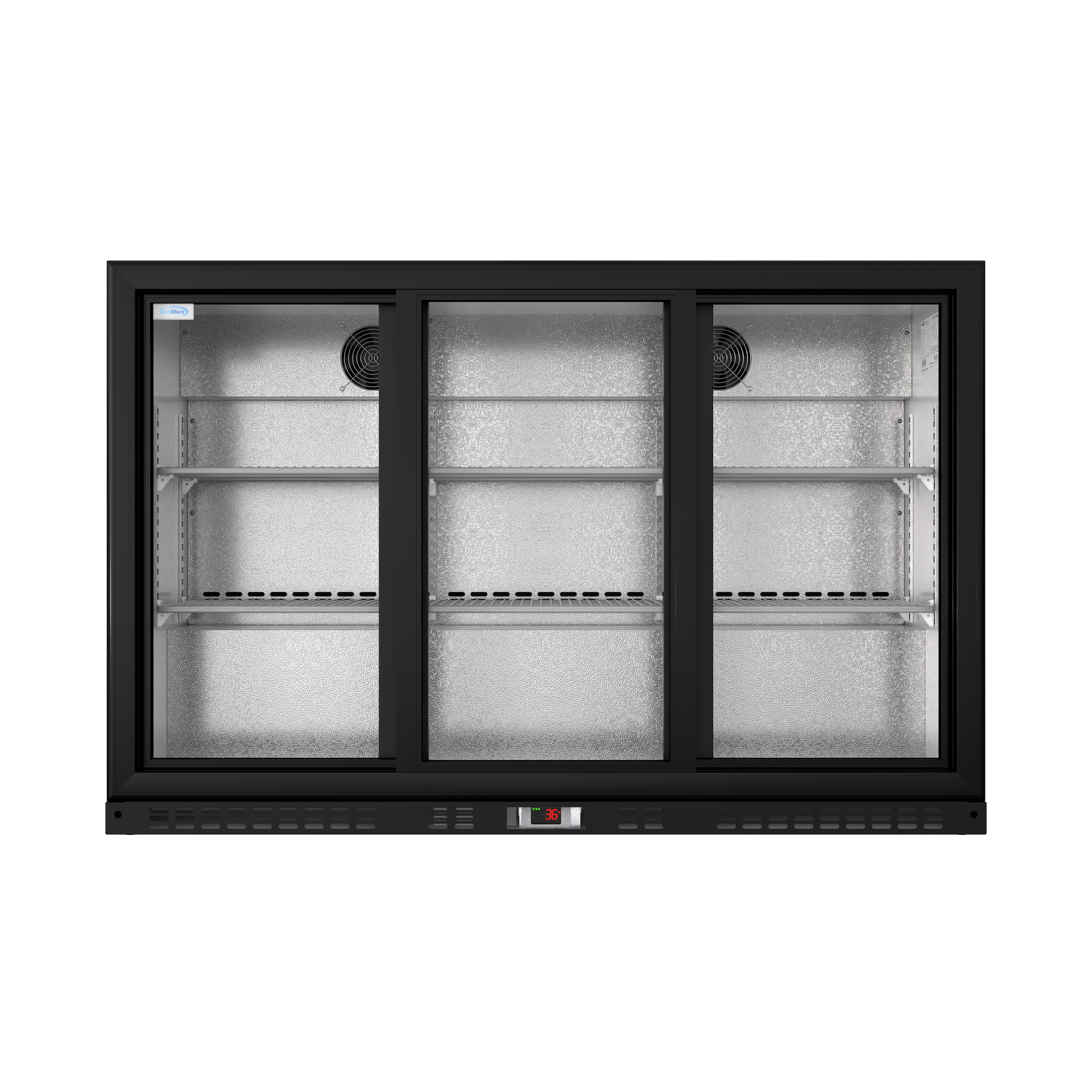
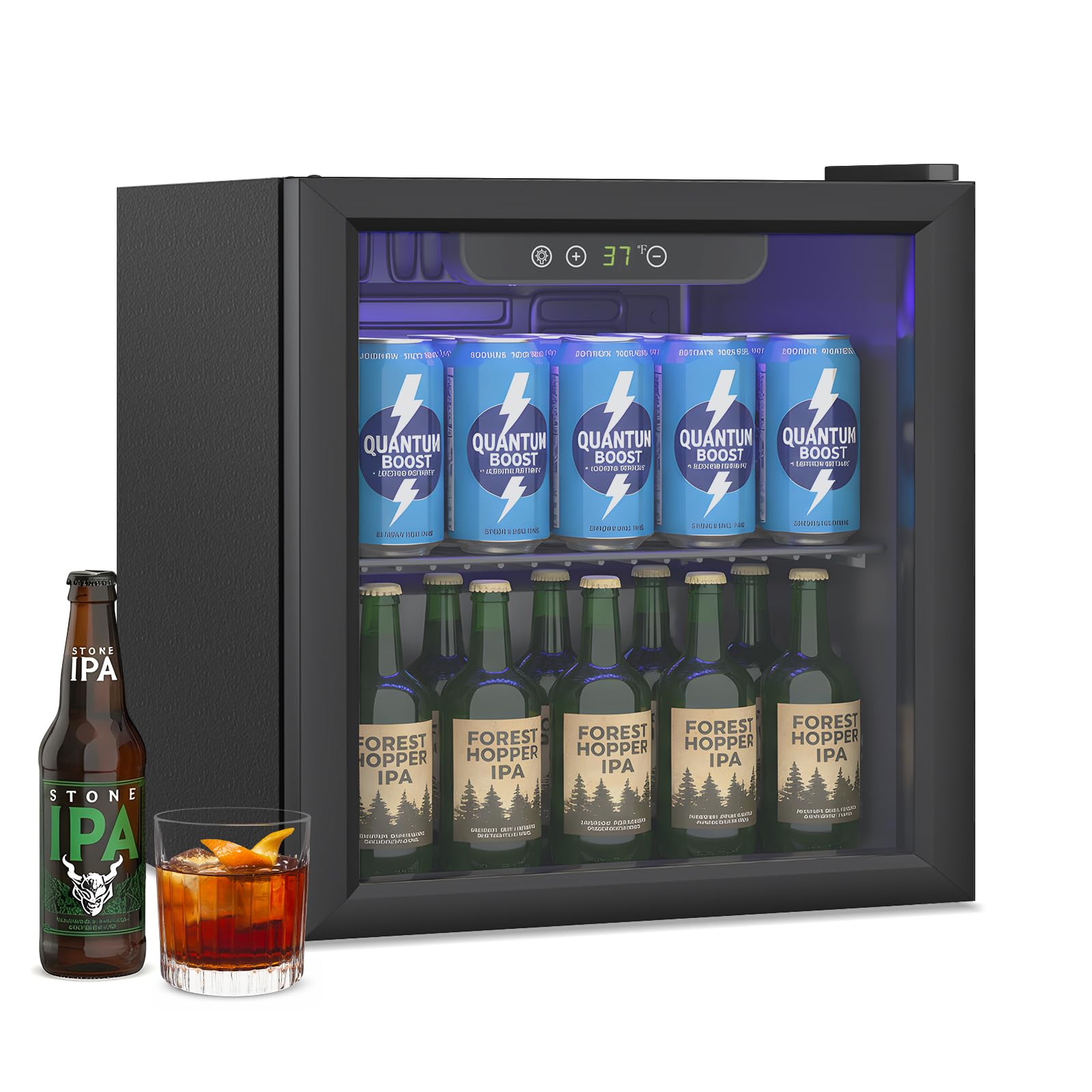
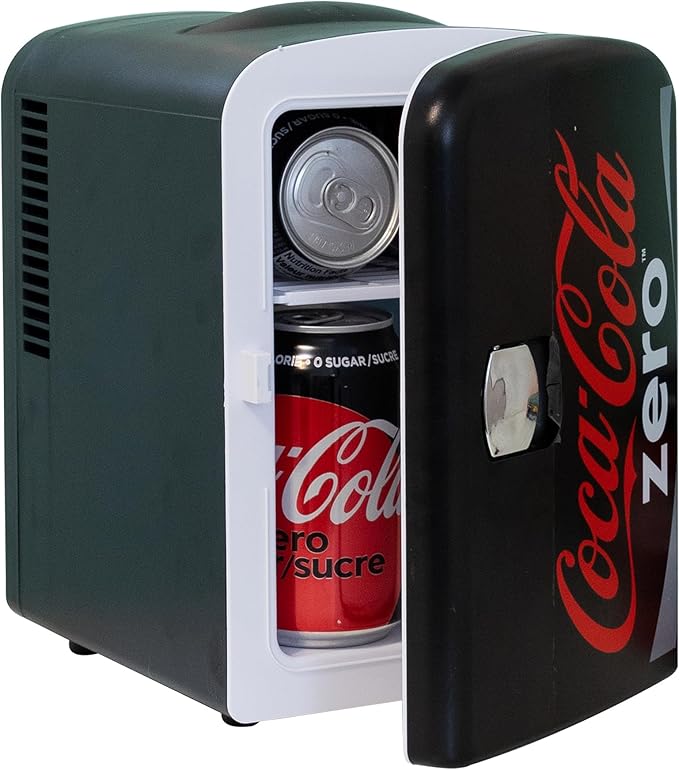
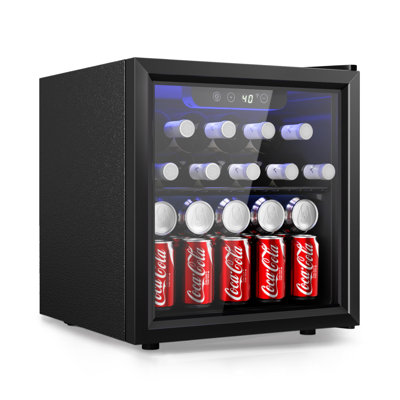
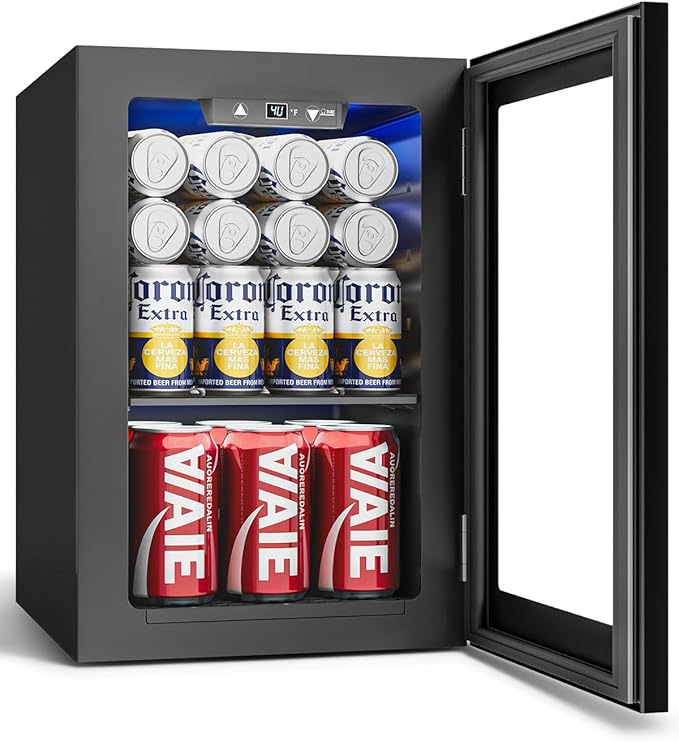
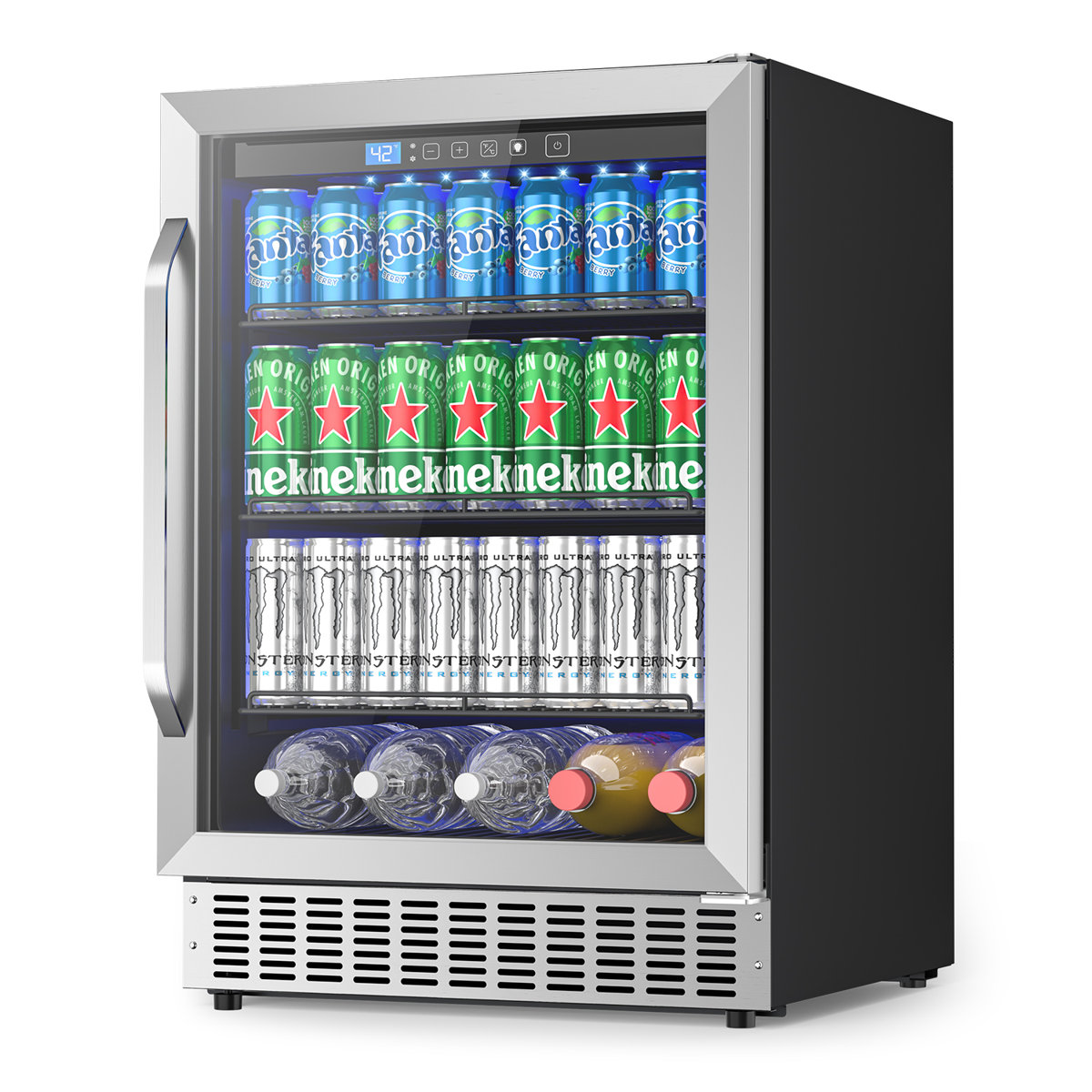
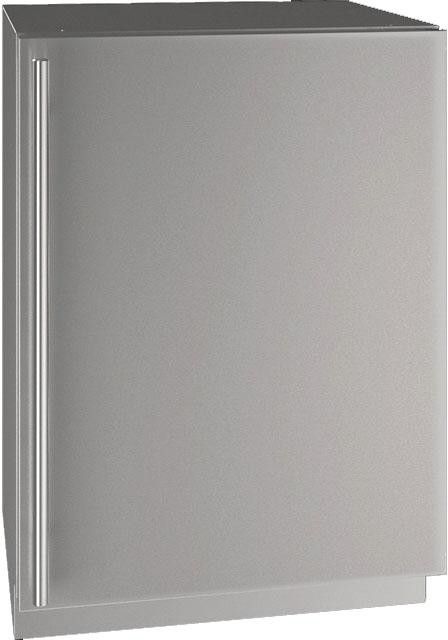
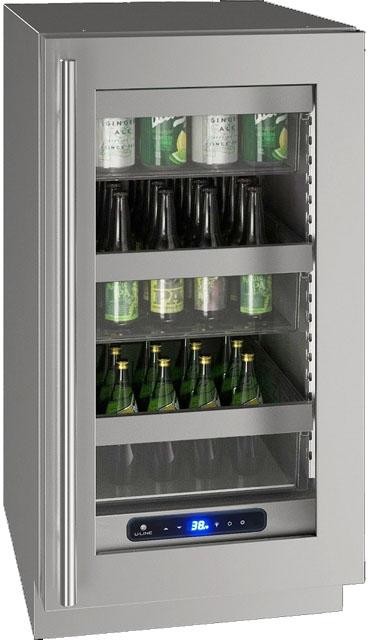
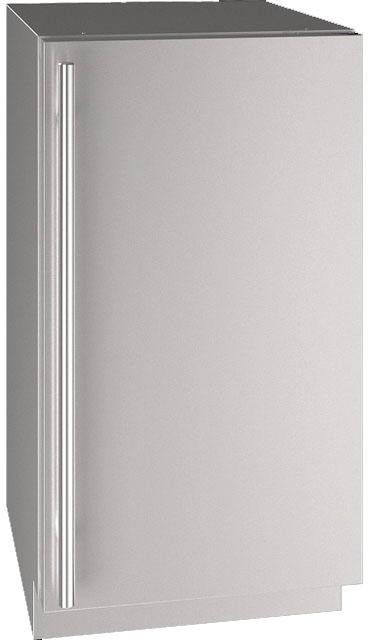
A beverage center operates like a small refrigerator tuned for drink storage. It cools the interior to 34 to 50 degrees Fahrenheit using a standard compressor system. You load it with pre-packaged drinks — beer cans, soda bottles, water, juice, wine, energy drinks, or anything else that comes in a can or bottle. Open the door, grab your drink, close the door. The appliance is purely a storage and cooling device.
A kegerator is a refrigerated cabinet with a CO2 dispensing system built in. A full, quarter, or sixth-barrel keg sits inside the unit. A CO2 tank pressurizes the keg through a coupler, pushing beer up a draft line and out through a tap handle mounted on top. You pour fresh draft beer directly into a glass — the same system used in bars and restaurants. The kegerator maintains keg temperature at 36 to 38 degrees and CO2 pressure at 10 to 14 PSI for proper carbonation.
Beverage Variety
A beverage center handles anything that fits on a shelf. Stock it with craft beer cans, imported bottles, sparkling water, cold brew coffee, kombucha, wine, or any combination. The variety is unlimited because you are storing pre-packaged, individually portioned drinks. Switch from a summer seltzer lineup to a winter craft beer rotation by simply restocking the shelves.
A kegerator dispenses one or two beers at a time — one from each tap. Dual-tap kegerators can hold two sixth-barrel kegs or one half-barrel keg, giving you two draft options. That is the extent of the variety unless you swap kegs. Homebrew kegerators with Cornelius (corny) kegs can push versatility further by tapping homebrewed beer, cold brew coffee, kombucha, or sparkling water, but each keg line is still limited to one beverage.
The per-drink economics favor the kegerator for beer specifically. A half-barrel keg (15.5 gallons, approximately 165 twelve-ounce pours) costs $100 to $250 depending on the brewery and style. That works out to $0.60 to $1.50 per beer. A twelve-pack of the same craft beer in cans typically costs $15 to $22, or $1.25 to $1.83 per beer. Over the life of the kegerator, the per-pour savings on draft beer are significant for regular drinkers.
A beverage center does not change the per-drink cost of canned or bottled beverages. You pay retail for every item you put in it. The savings come from bulk purchasing — cases at wholesale clubs — rather than from the appliance itself.
Draft beer from a properly maintained kegerator tastes different from canned or bottled beer. The sealed keg system prevents light exposure and oxidation — the two main enemies of beer flavor. A keg stored at proper temperature with correct CO2 pressure stays fresh for 6 to 8 weeks after tapping. Craft breweries increasingly keg their best releases specifically because the keg format preserves hop character and delicate flavors better than cans.
Canned beer in a beverage center stays fresh according to the brewery's date code, typically 3 to 6 months from packaging. Modern canning technology with low dissolved oxygen levels makes canned beer excellent, but it still does not match the freshness of a recently filled keg from a local brewery. If you live near craft breweries that fill growlers or sell kegs directly, a kegerator gives you the freshest possible beer at home.
A half-barrel kegerator holds more beer than a 120-can beverage center, all in a single keg. But the beverage center offers variety — 120 cans can represent 10 different beers. The kegerator offers volume and quality for one or two selections.
Space and Installation
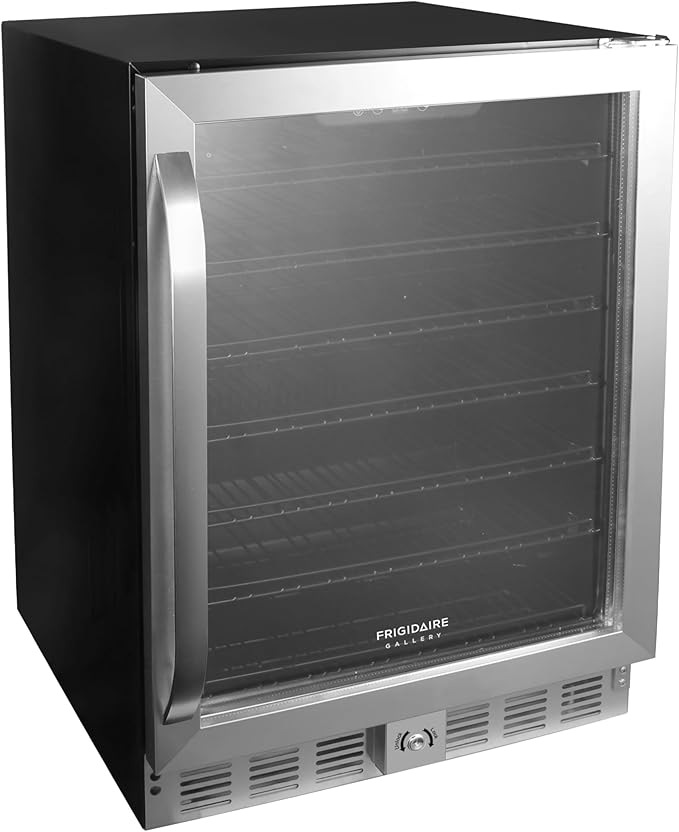
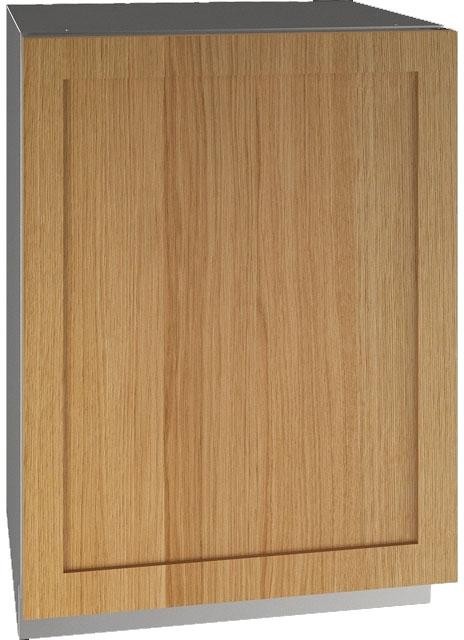
Beverage centers come in under-counter (15 to 24 inches wide) and freestanding formats. Built-in models use front ventilation for flush cabinetry installation. The only requirement is a standard 120V outlet. No plumbing or gas connections needed. Installation takes minutes.
Kegerators come in similar form factors — freestanding full-size units, under-counter built-ins, and outdoor models. The unit itself plugs into a 120V outlet. However, you also need to manage the CO2 tank, regulator, draft lines, and tap tower. The CO2 tank sits inside or behind the unit. Draft lines need cleaning every 2 weeks. The tap tower mounts on top of the kegerator or through the countertop in built-in installations. The footprint is similar to a beverage center, but the draft system adds operational complexity.
A beverage center requires almost zero maintenance. Wipe down the shelves, vacuum the condenser coils once a year, and check the door seal. No lines to clean, no tanks to refill, no couplers to manage.
A kegerator demands regular upkeep. Draft lines need cleaning every two weeks with a beer line cleaning solution to prevent bacterial growth and off-flavors. The CO2 tank needs refilling or exchanging every 2 to 4 kegs (a 5-pound tank handles roughly 6 to 8 half-barrel kegs). Couplers and faucets need periodic disassembly and cleaning. Gaskets and O-rings wear out and need replacement. A dirty draft system ruins beer quality — the maintenance is non-negotiable if you want beer that tastes right.
Kegerators cost more upfront because of the draft dispensing hardware — CO2 tank, regulator, coupler, tap tower, and draft lines. The ongoing cost includes CO2 refills ($15 to $25 per exchange), cleaning supplies, and replacement parts. A beverage center has virtually no ongoing costs beyond electricity.
Energy Use
Appliance
Annual kWh
Estimated Annual Cost
Beverage Center
200 - 350 kWh
$25 - $45
Kegerator
250 - 450 kWh
$32 - $55
Kegerators use slightly more energy because they cool a denser thermal mass (a full keg of liquid) and maintain tighter temperature requirements. The difference in annual cost is modest — $5 to $15 per year.
Both appliances operate at similar noise levels — 35 to 45 decibels for compressor-based units. The kegerator may produce brief additional sound when pouring (CO2 flow and liquid movement through lines), but this is not a significant noise factor.
A kegerator is a centerpiece. Guests pour their own draft beer from a chrome tap — it creates an experience that a beverage center cannot replicate. The ritual of pulling a tap handle and watching a pint fill with fresh draft beer is a social and visual event. For home bars, man caves, and outdoor kitchens where entertaining is a priority, the kegerator adds theater.
A beverage center is practical but not theatrical. It is the behind-the-scenes workhorse that ensures every guest finds something they want — beer, soda, water, or wine — organized and cold. For diverse guest lists with varied drink preferences, the beverage center is more accommodating.
Who Should Buy Which
Buy a beverage center if you drink a variety of beverages, prefer canned and bottled options, want minimal maintenance, and need flexibility to change your drink selection frequently. It is the better choice for households where not everyone drinks beer.
Buy a kegerator if you are a dedicated beer drinker, prefer draft quality, homebrew your own beer, or entertain beer-focused gatherings regularly. The upfront and maintenance investment pays off in per-pour savings and superior beer quality over time.
Compare at Fridge.com
Browse beverage centers and kegerators. Filter by size, tap configuration, price, and installation type to find the right fit for your bar.
Frequently Asked Questions
Yes. A half-barrel keg yields about 165 twelve-ounce pours at $0.60 to $1.50 each, while the same craft beer in cans costs $1.25 to $1.83 per can. Over time, the kegerator pays for itself in per-pour savings for regular beer drinkers. Compare kegerator models at Fridge.com.
Free tool
Beverage Cooler Size Calculator
Free interactive tool from Fridge.com — get a quick answer while you read.