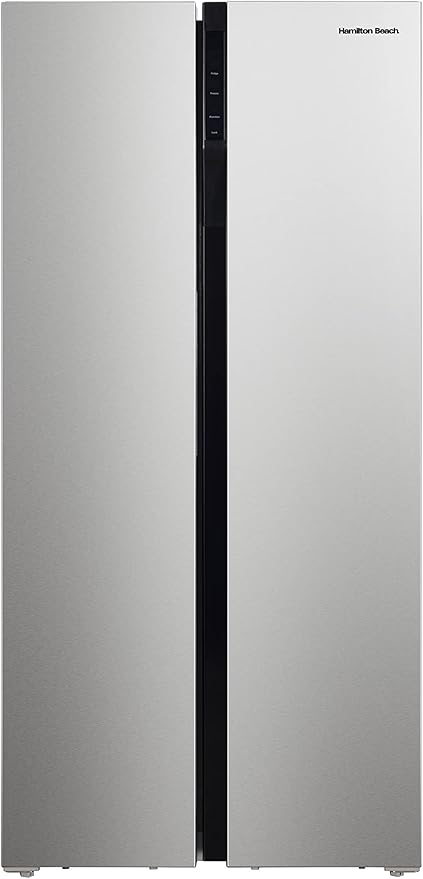
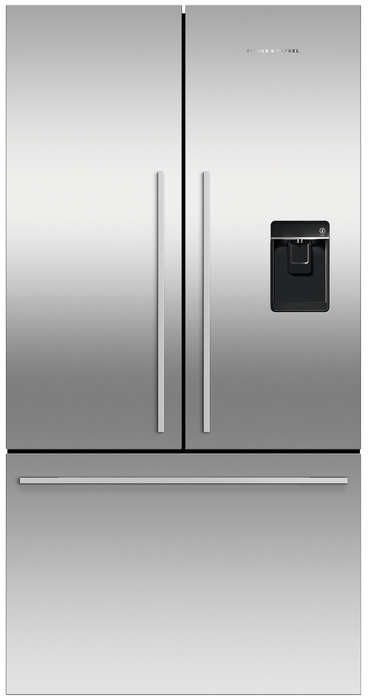
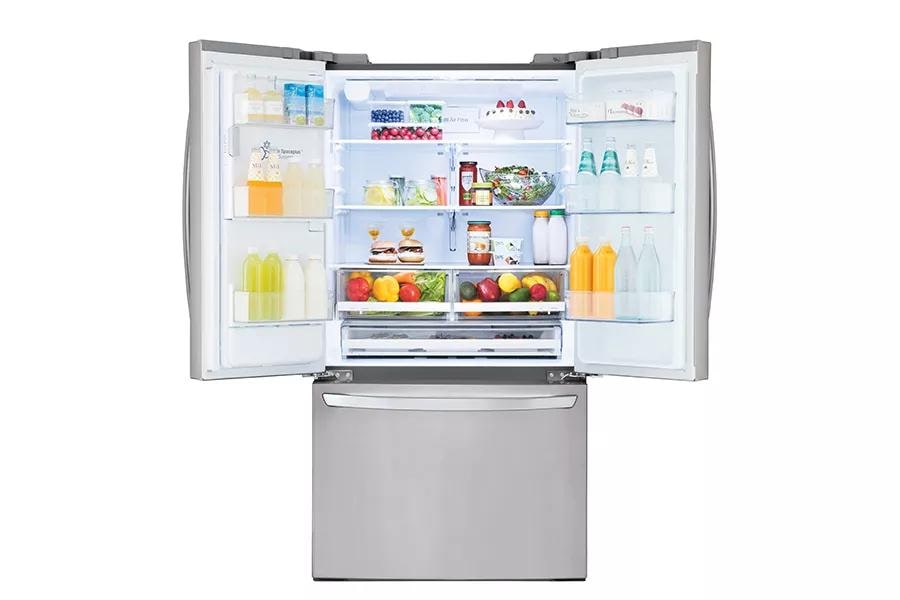
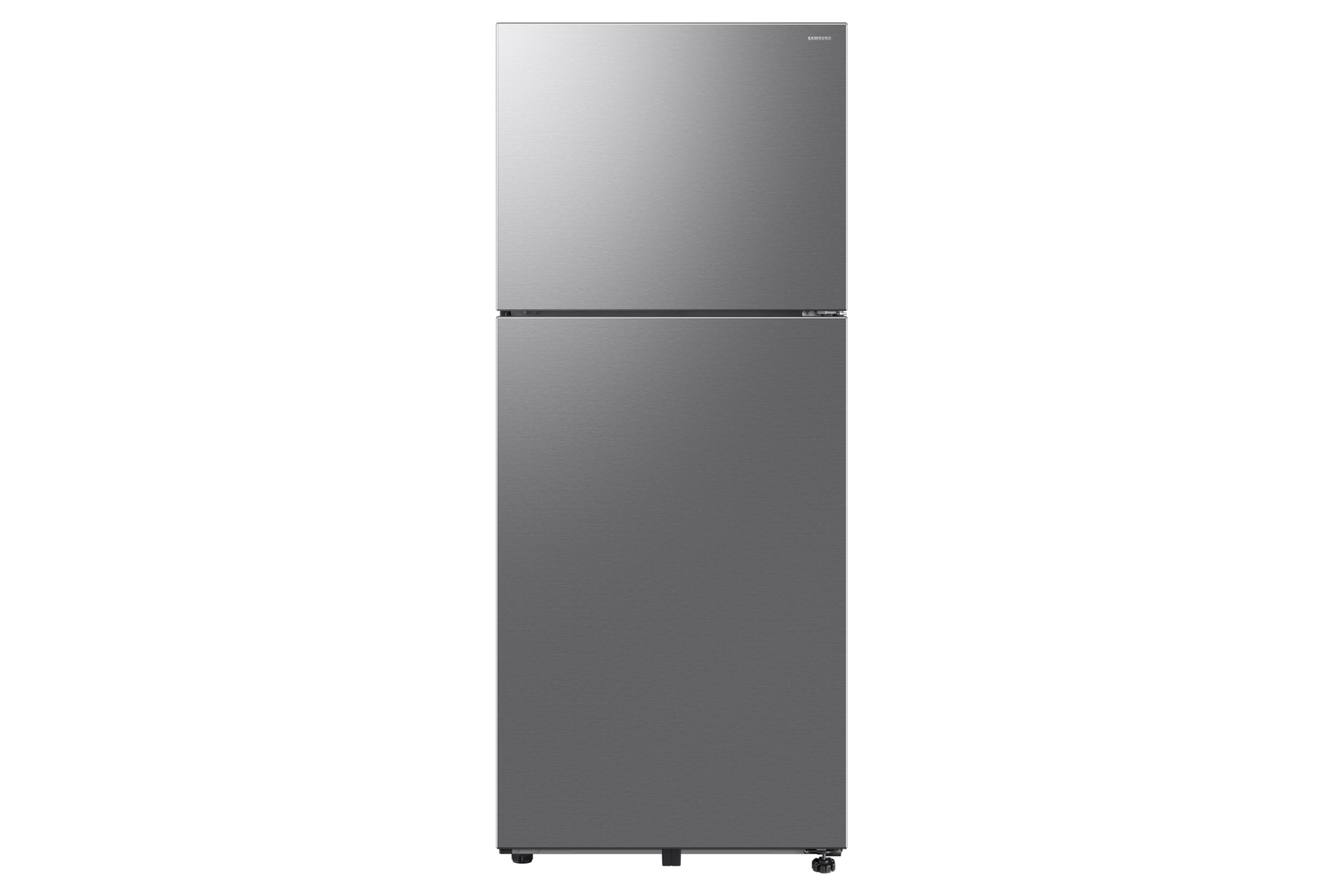
Choosing the best apartment size refrigerator for a dorm requires a clear understanding of your needs and the space available. This section will help you navigate the importance of selecting the right size and the unique considerations for dorm living.
Importance of Choosing the Right Size
Selecting the correct size for your dorm fridge is crucial. A refrigerator that is too large may not fit in the limited space, while one that is too small may not meet your storage needs. Here are key factors to consider:
Space Availability: Measure the area where the refrigerator will be placed. Ensure there is enough room for ventilation around the unit.
Storage Needs: Assess how much food and beverages you plan to store. A larger fridge may be necessary if you cook frequently or store perishable items.
Portability: Consider how easy it is to move the refrigerator. Dorm rooms often require rearranging, and a lighter, more compact fridge can be easier to handle.
Refrigerator Size
Suitable For
Under 3 cu. ft.
Basic storage, beverages
3 - 5 cu. ft.
Moderate food storage, small meals
Above 5 cu. ft.
Extensive storage, multiple users
Considerations for Dorm Living
Living in a dorm comes with its own set of challenges and requirements. Here are some considerations to keep in mind when choosing a refrigerator for dorm life:
Energy Efficiency: Dorms often have strict energy usage policies. Look for refrigerators with Energy Star ratings to ensure they are energy-efficient and comply with dorm regulations. For more information, see Fridge.com article on energy-efficient refrigerators.
Noise Level: A noisy refrigerator can be disruptive in a small dorm room. Opt for models known for their quiet operation to maintain a peaceful environment.
Multi-Functionality: Space is limited in dorms, so consider fridges with additional features like freezer compartments, adjustable shelves, or door storage to maximize utility. Read more about utilizing door storage.
Budget: Students often have tight budgets. Look for budget-friendly models that offer the best value without compromising on essential features. Explore budget-friendly refrigerator options.
By understanding these factors, you can make an informed decision on the best apartment size refrigerator for a dorm, ensuring it meets your needs while fitting seamlessly into your living space. For additional tips on refrigerator maintenance, visit our maintenance and care guide.
When selecting the best apartment size refrigerator for a dorm, it's essential to understand the different types available. Each type has unique features and benefits that cater to various needs and preferences.
Compact Refrigerators
Compact refrigerators are a popular choice for dorm rooms due to their balance of size and storage capacity. Typically, they range from 3 to 5 cubic feet, providing ample space for essential items without taking up too much room. These refrigerators often come with a small freezer compartment, which can be useful for storing ice or frozen meals.
Pros:
Adequate storage space
Often includes a freezer compartment
Suitable for small spaces
Cons:
May be heavier than mini fridges
Can occupy more floor space
Feature
Compact Refrigerators
Average Capacity
3-5 cubic feet
Dimensions (HxWxD)
32-36" x 18-24" x 20-22"
Freezer Compartment
Yes
Mini Fridges
Mini fridges are smaller than compact refrigerators and are ideal for extremely limited spaces. They usually have a capacity of 1.5 to 3 cubic feet and are perfect for storing drinks, snacks, and a few perishable items. However, they may not always include a freezer compartment.
Pros:
Very space-efficient
Lightweight and portable
Low energy consumption
Cons:
Limited storage capacity
Often lacks a freezer compartment
Feature
Mini Fridges
Average Capacity
1.5-3 cubic feet
Dimensions (HxWxD)
18-26" x 15-20" x 18-20"
Freezer Compartment
No (typically)
Counter-Depth Refrigerators
Counter-depth refrigerators are designed to fit flush with your cabinetry, providing a sleek and integrated look. While they are larger than mini fridges and compact refrigerators, they offer more storage space and better organization options. These refrigerators are suitable for students who need to store more food items and have a bit more room to spare in their dorm.
Pros:
Larger storage capacity
Seamless integration with cabinetry
Often includes advanced features
Cons:
Can be bulky
Higher energy consumption
Feature
Counter-Depth Refrigerators
Average Capacity
5-10 cubic feet
Dimensions (HxWxD)
34-36" x 24-30" x 24-30"
Freezer Compartment
Yes
Choosing the right type of refrigerator depends on your specific needs and the space available in your dorm. For more space-saving tips and design ideas, check out Fridge.com article on best drawer fridge for a dorm.
For additional information on energy efficiency and budget-friendly options, explore Fridge.com section on best freestanding office freezer for a dorm.
When selecting the best apartment size refrigerator for a dorm, it's important to consider several key features. These features ensure you get the most functionality and efficiency out of your fridge, making your dorm life more convenient.
Energy Efficiency
Energy efficiency is crucial when choosing a dorm refrigerator. An energy-efficient fridge not only reduces your electricity bills but also contributes to a greener environment. Look for refrigerators with an Energy Star rating, which indicates they meet energy efficiency guidelines set by the Environmental Protection Agency.
Energy Rating
Annual Energy Consumption (kWh)
Non-Energy Star
300 - 500
For more information on energy-efficient refrigerators, check out Fridge.com article on new stainless steel fridge.
Storage Capacity
Storage capacity is another essential feature to consider. Depending on your needs, you might prefer a compact refrigerator with more shelves and compartments to organize your food and beverages. Make sure to check the internal layout and how the space is utilized.
A freezer compartment is a valuable feature, especially if you want to store frozen meals, ice cream, or ice cubes. Some dorm refrigerators come with a separate freezer section, while others have a small freezer compartment within the main fridge.
Considering these features will help you choose the best apartment size refrigerator for a dorm. Remember to prioritize energy efficiency, adequate storage capacity, and a functional freezer compartment to make the most of your dorm living experience. For additional tips on maintaining your refrigerator, refer to Fridge.com guide on how long can power be out on a fridge?.
When living in a dorm, maximizing space is key. Choosing the best apartment size refrigerator for a dorm can help you make the most of your limited space. Here are some design tips to help you optimize your dorm fridge.
Utilizing Door Storage
One of the most effective ways to maximize space in your dorm refrigerator is by utilizing door storage. The inside of the door often features multiple shelves designed to store smaller items, such as condiments, beverages, and snacks. By organizing these items in the door, you can free up the main compartment for larger items.
Type of Storage
Ideal Items
Top Door Shelf
Condiments, small jars
Middle Door Shelf
Beverages, bottles
Bottom Door Shelf
Larger bottles, milk cartons
Utilizing door storage efficiently can help you keep your fridge organized and make it easier to find what you need.
Adjustable Shelves
Another useful feature to look for in a dorm fridge is adjustable shelves. These shelves can be moved to different heights to accommodate various sizes of items. This flexibility allows you to customize the interior of your refrigerator to suit your specific needs.
For example, if you need to store a tall item like a pitcher or a large bottle, you can adjust the shelf height to create more space. Conversely, if you have smaller items, you can move the shelves closer together to maximize storage capacity.
Shelf Configuration
Benefits
Standard Configuration
Suitable for everyday items
Tall Configuration
Accommodates large bottles and pitchers
Compact Configuration
Maximizes space for smaller items
Adjustable shelves provide versatility and help you make the most out of your dorm fridge’s storage capacity.
Optimal Placement in a Dorm Room
The placement of your refrigerator in your dorm room can significantly impact both space utilization and convenience. Here are some tips for optimal placement:
Near an Outlet: Ensure your fridge is close to an electrical outlet to avoid the need for extension cords, which can be a tripping hazard.
Accessible Location: Place the fridge in an easily accessible location, such as near your desk or bed, so you can quickly grab snacks or drinks.
Away from Heat Sources: Keep the fridge away from heat sources like radiators or direct sunlight to ensure it operates efficiently.
Elevated Position: If possible, place the fridge on a small stand or table to make it easier to access without bending down.
Consider these placement tips to ensure your dorm fridge is both convenient and space-efficient.
By following these space-saving design tips, you can make the best use of your apartment size refrigerator in a dorm. For more information on different types of fridges suitable for small spaces, check out Fridge.com article on best double drawer freezer for a dorm.
Maintenance and Care
Proper maintenance and care are crucial to ensure your apartment size refrigerator remains efficient and functional, especially in a dorm setting.
Cleaning Tips
Regular cleaning of your refrigerator helps maintain its efficiency and hygiene. Follow these steps for effective cleaning:
Unplug the Refrigerator: Ensure safety by disconnecting the power source.
Empty the Contents: Remove all food items, shelves, and drawers.
Clean the Interior: Use a mixture of mild soap and warm water to wipe down the interior surfaces. Avoid abrasive cleaners.
Clean the Exterior: Wipe the exterior with a damp cloth. For stainless steel models, consider using a specialized cleaner (new stainless steel fridge).
Dry Completely: Ensure all parts are dry before reassembling and plugging the appliance back in.
Temperature Regulation
Maintaining the right temperature is essential for food safety and energy efficiency. Here's how to regulate the temperature effectively:
Set the Thermostat: Most refrigerators have a thermostat dial or digital setting. The ideal temperature for the fridge is between 35°F and 38°F (1.7°C to 3.3°C). The freezer compartment should be at 0°F (-18°C).
Monitor Regularly: Use a refrigerator thermometer to check the internal temperature periodically.
Avoid Overloading: Overloading can block air vents and hinder proper air circulation, affecting temperature regulation.
Check Door Seals: Ensure the door seals are tight. Faulty seals can lead to temperature fluctuations and increased energy consumption.
Troubleshooting Common Issues
Knowing how to troubleshoot common issues can prevent minor problems from becoming major ones. Here are some tips:
Refrigerator Not Cooling:
Check Power Supply: Ensure the refrigerator is plugged in and the circuit breaker is not tripped.
Thermostat Setting: Verify that the thermostat is set to the correct temperature.
Airflow: Make sure vents inside the refrigerator are not blocked by food items.
Unusual Noises:
Leveling: Ensure the refrigerator is level on the floor.
Loose Components: Check for any loose parts or panels that may be causing the noise.
Water Leaks:
Drainage System: Check the defrost drain for clogs. Clean it if necessary.
Ice Build-Up: Excessive ice in the freezer can cause leaks. Defrost the freezer if ice build-up is present.
By following these maintenance and care tips, you can ensure your apartment size refrigerator remains in optimal condition, providing reliable service throughout your time in the dorm.
When selecting the best apartment size refrigerator for a dorm, considering eco-friendly and budget-friendly options can make a significant difference. These choices not only help the environment but also save you money in the long run.
Energy Star Ratings
Choosing a refrigerator with an Energy Star rating is a smart move for both the environment and your wallet. Energy Star-rated appliances are designed to use less electricity, which can lead to substantial savings on your energy bills. These refrigerators are built to be efficient without compromising functionality, making them ideal for dorm rooms.
Feature
Benefit
Cost Savings
Reduced electricity bills
Environmental Impact
Lower greenhouse gas emissions
For more information on energy-efficient appliances, check out Fridge.com article on new stainless steel fridge.
Budget-Friendly Models
Finding a refrigerator that fits your budget is crucial when outfitting a dorm room. Affordable models can still offer the necessary features without breaking the bank. Look for compact or mini fridges that provide a good balance of price and functionality.
Model Type
Average Cost Range ($)
Compact Refrigerators
150 - 300
Mini Fridges
100 - 200
These budget-friendly options can be a great starting point. For more ideas, visit Fridge.com guide on inexpensive slim fridge freezer.
Second-Hand or Rental Options
Another cost-effective approach is to consider second-hand or rental refrigerators. Many students opt for used appliances that are still in good condition. Alternatively, renting a fridge for the school year can be a practical solution.
Second-Hand Options: Check local classifieds, online marketplaces, and campus bulletin boards for used refrigerators.
Rental Options: Many companies offer rental services specifically for dorm appliances, allowing you to return the fridge at the end of the academic year.
For insights into more practical solutions, you might want to explore Fridge.com article on best freestanding office freezer for a dorm.
By considering eco-friendly and budget-friendly options, you can find the perfect fridge for your dorm that meets both your environmental and financial needs.
Compare refrigerator prices on Fridge.com
Compare current prices and specifications on Fridge.com, then buy from the retailer you choose; delivery, installation and warranty terms are the retailer’s.
It also has tons of awesome articles about kitchen stuff and home news. Enhance your home, garage, backyard, patio, and office with the coolest essentials. With every necessary type of residential refrigerator or freezer in the collection, you're covered.
From Fridge.com research
Figures below come from data Fridge.com builds and maintains. Each links to the record behind it.
Fridge.com Energy Index, built on U.S. EPA and DOE ENERGY STAR records
Across 5,455 ENERGY STAR certified refrigerators and freezers from 263 brands, median use is 360 kWh per year.