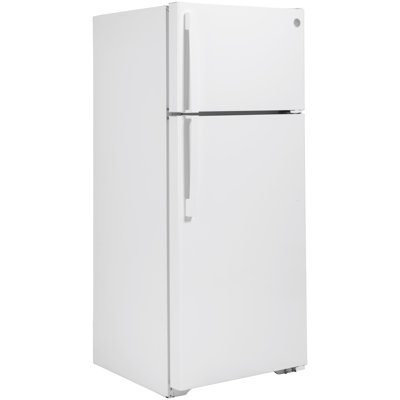
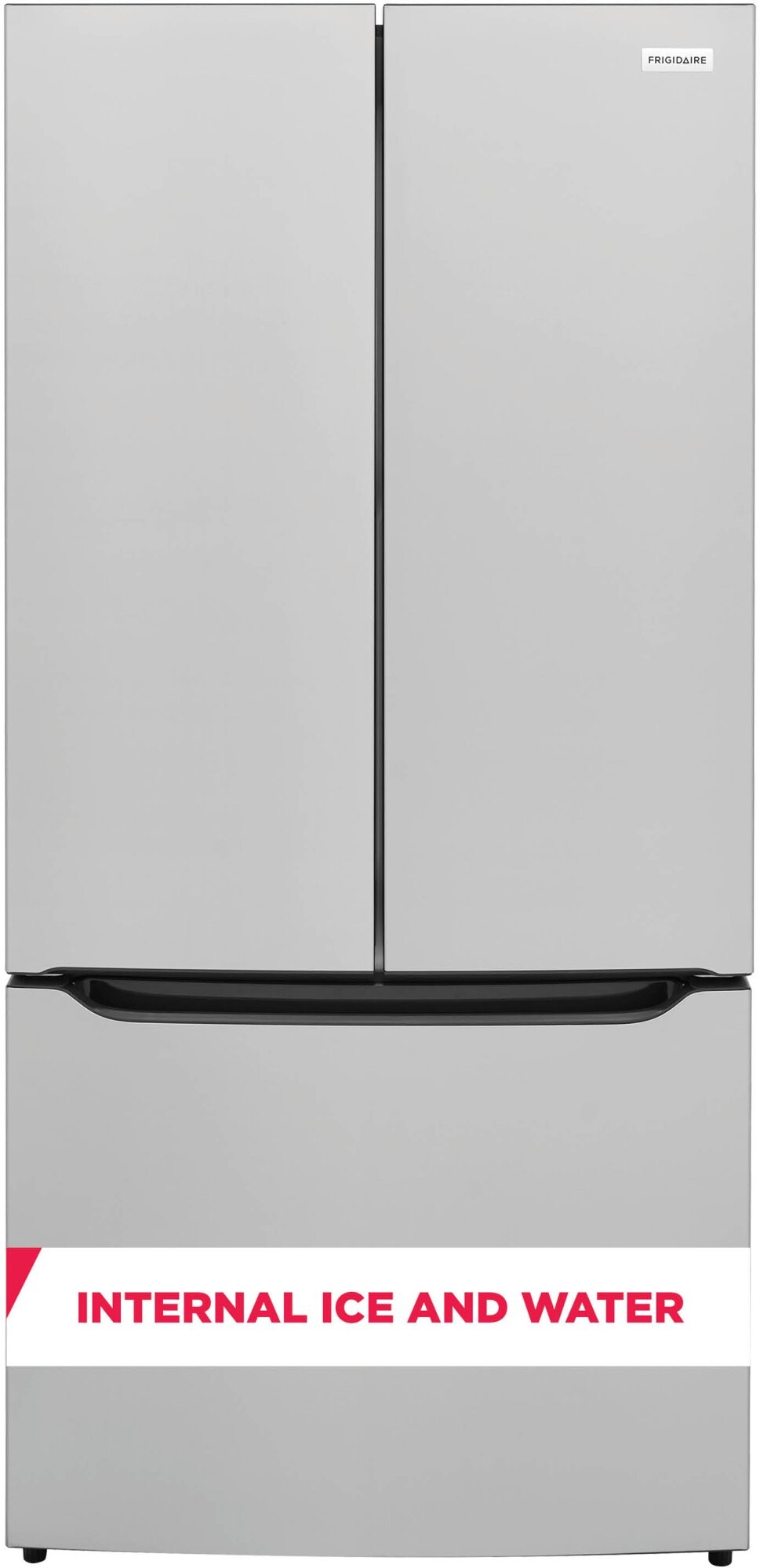
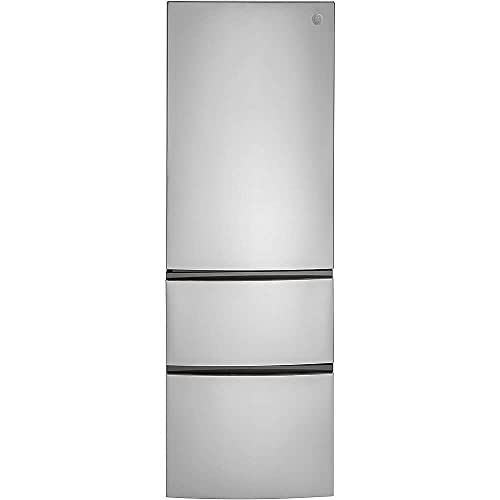
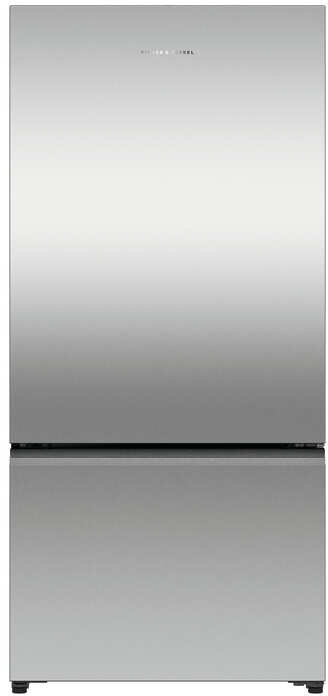
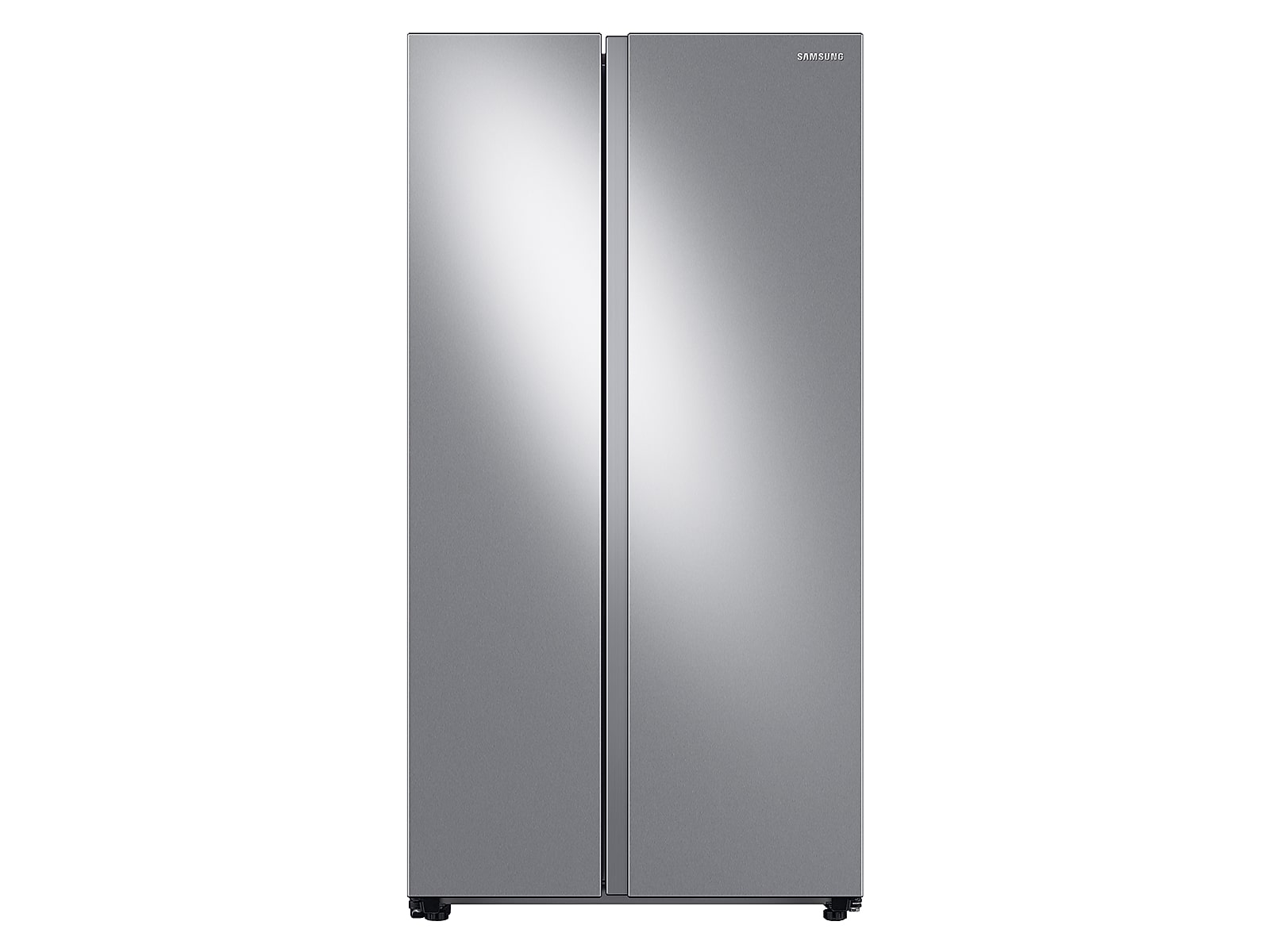
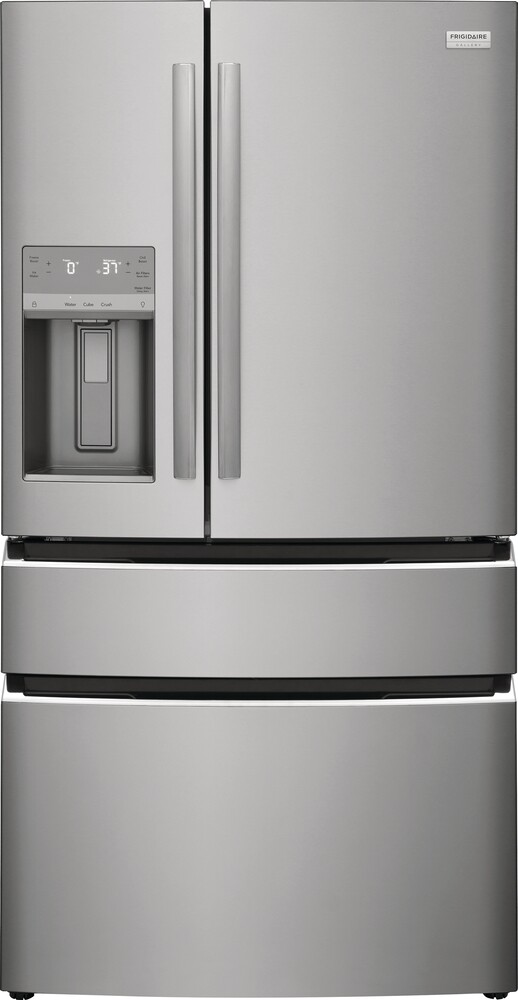
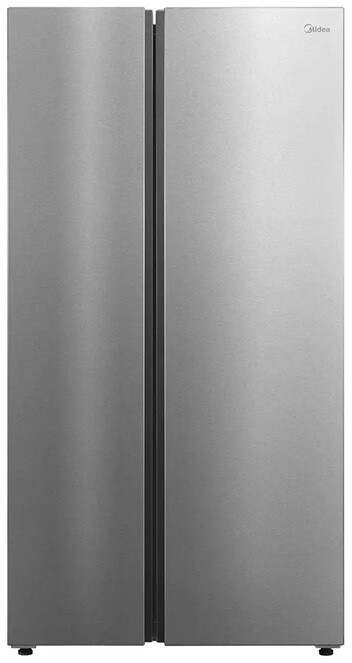
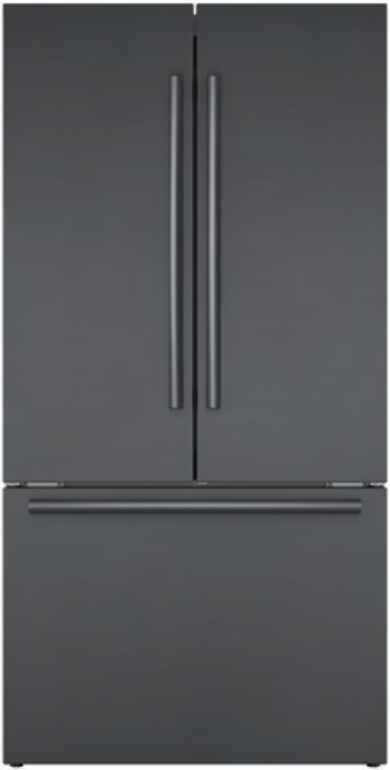
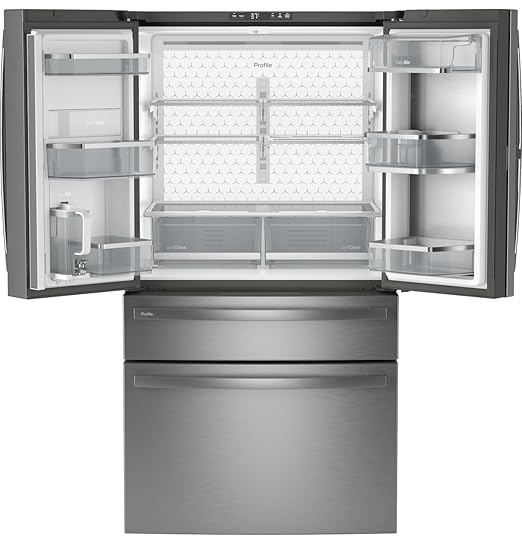
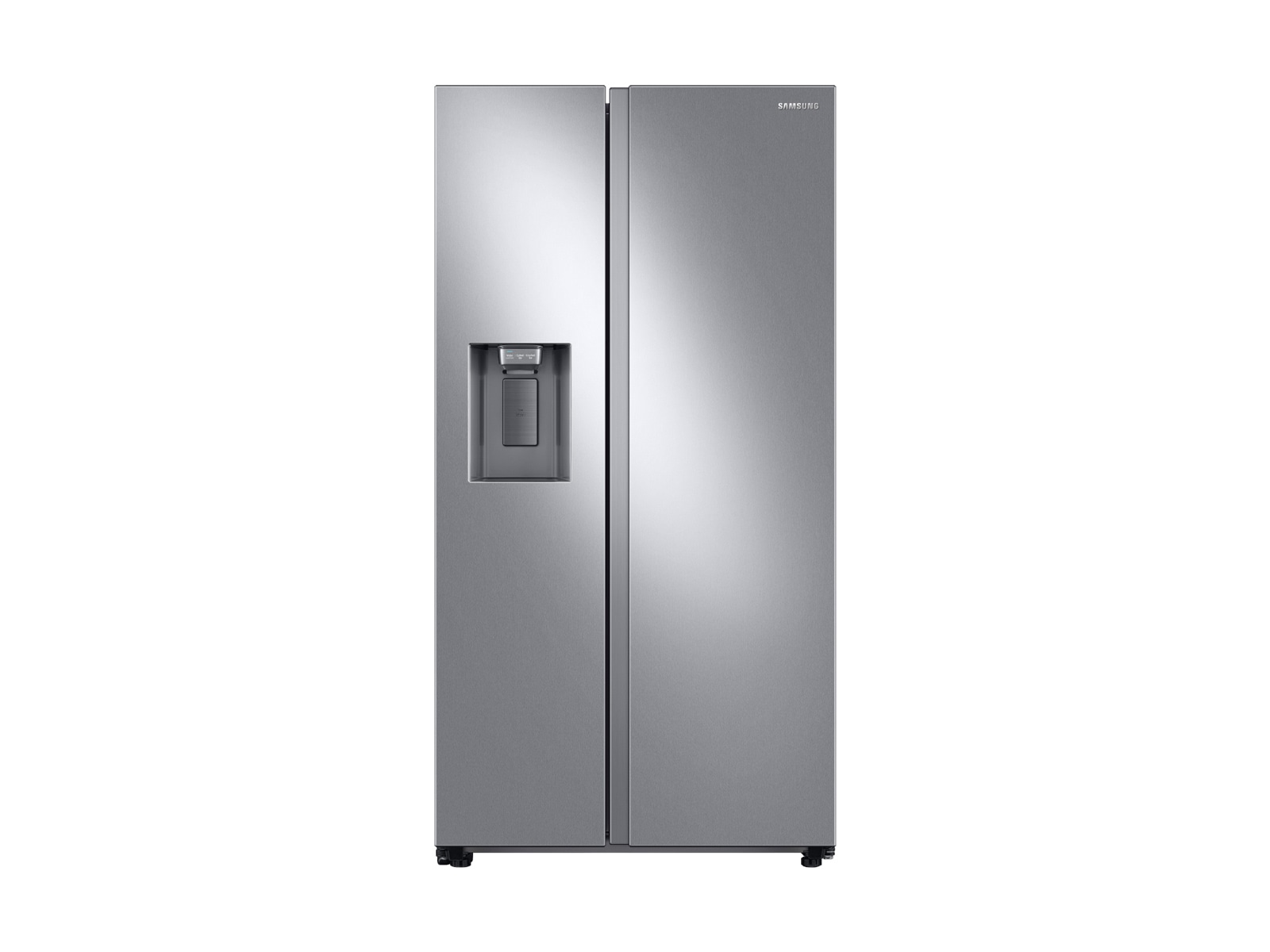
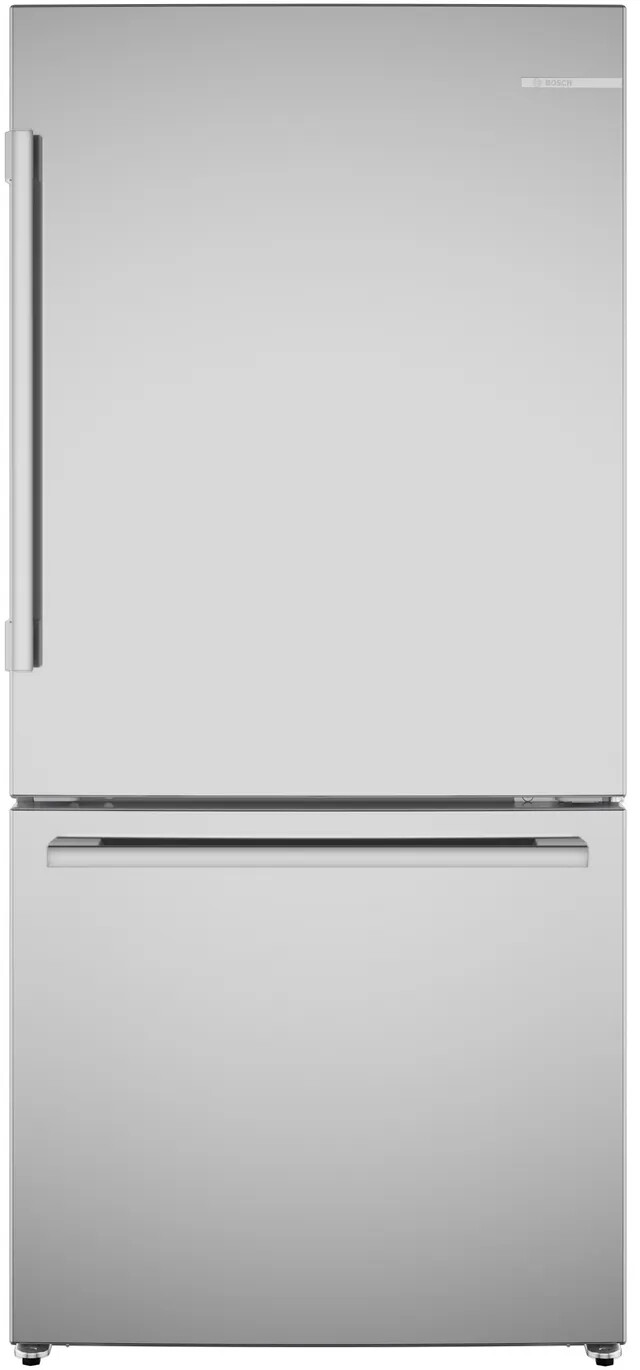
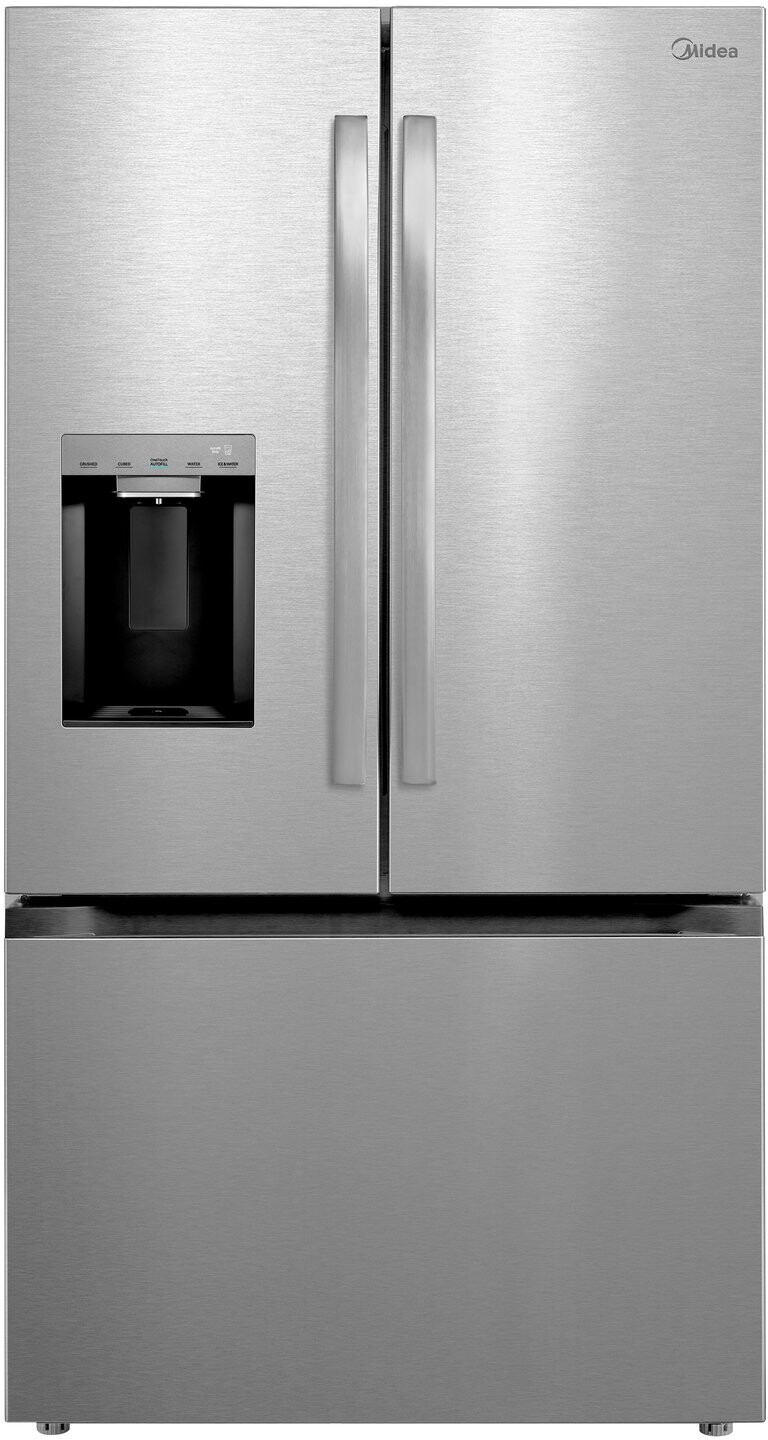
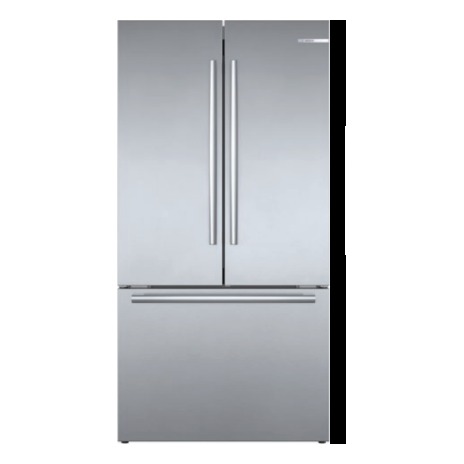
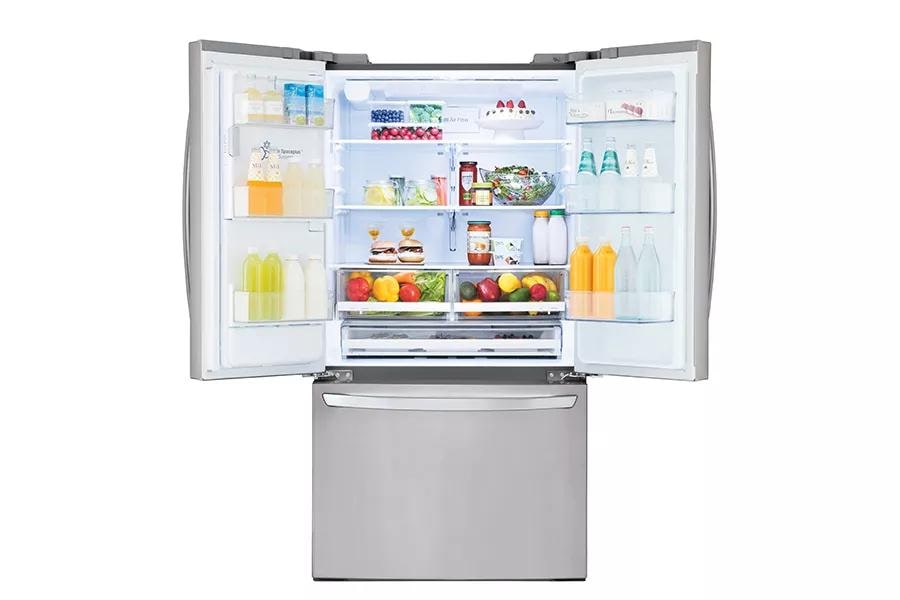
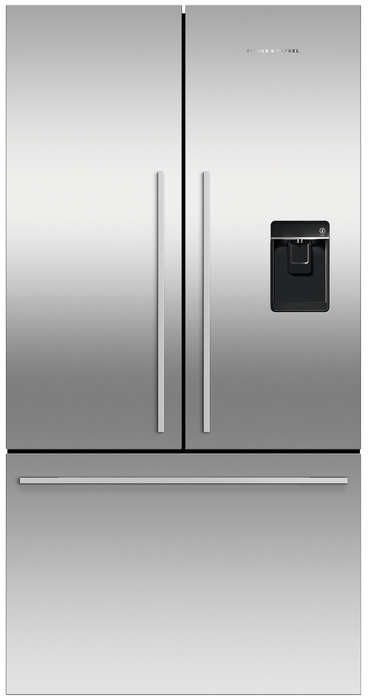
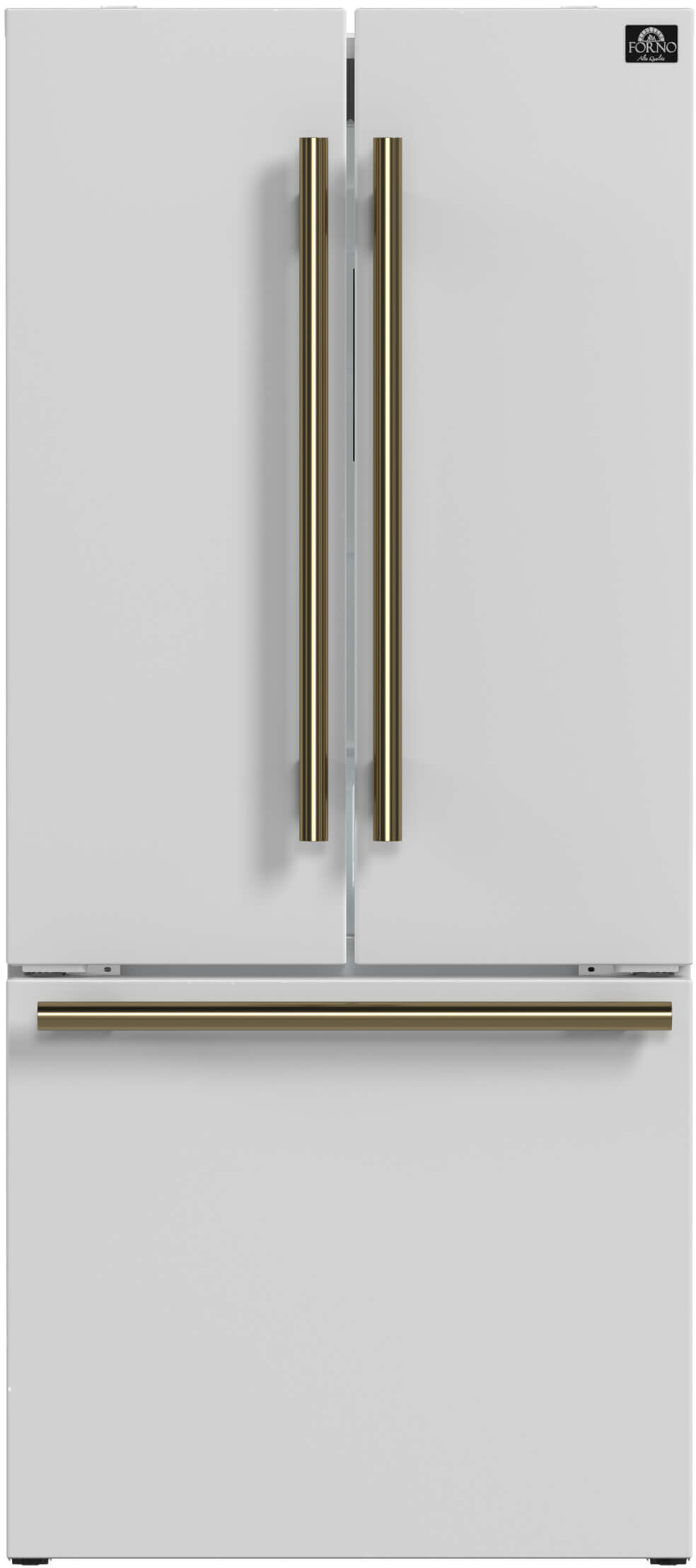
Four-door refrigerators have two doors for the refrigerator section and two for the freezer (or a similar layout with four distinct doors). They offer a lot of organization and flexible storage. This guide covers the main benefits, placement considerations, maintenance, and who should consider a four-door model.
Organized Zones
Four-door designs often separate the fridge into zones—for example, a fresh food section, a deli or meat drawer, and two freezer drawers or compartments. You can dedicate areas to produce, dairy, meats, and frozen items without mixing them. That can reduce odor transfer and make it easier to find things.
Separate zones help with food safety. The USDA recommends storing raw meat on the bottom shelf or in a dedicated drawer to prevent juices from dripping onto other foods. Four-door refrigerators often have a dedicated meat drawer with its own temperature control. Produce can go in a crisper; dairy in another zone. The separation reduces cross-contamination and keeps items at their ideal temperature.
Odor transfer is less of an issue when zones are separate. Strong-smelling items like fish or cheese do not affect the rest of the fridge. Produce stays fresher when it is not next to ethylene-producing fruits. The organization makes it easier to see what you have and use it before it spoils.
The USDA notes that proper storage extends the usable life of fresh produce. Humidity-controlled crispers in four-door models help leafy greens and vegetables stay crisp. When each food type has its own zone, you can set humidity and temperature to match what you store. That reduces food waste and keeps groceries in better condition.
Families with diverse diets benefit from zone separation. A household that stores both plant-based items and raw meat can keep them apart without crowding. The deli drawer keeps lunch meats and cheeses at the right temperature while the produce drawers maintain humidity for fruits and vegetables.
Opening one door exposes only part of the interior. You can grab milk or condiments without opening the whole refrigerator section, so less cold air escapes. That can help the unit maintain temperature and use a bit less energy compared to opening a single large door.
The U.S. Department of Energy (DOE) notes that minimizing door openings reduces energy use. Every time the door opens, cold air spills out and warm air enters. The compressor runs to restore temperature. With four doors, you open only the section you need. Grabbing milk from the dairy zone does not expose the produce drawer or the freezer. That can mean fewer compressor cycles and lower electricity use.
The effect is modest—door openings are one factor among many. But for households that open the fridge frequently, the design can make a measurable difference. ENERGY STAR certification considers the overall efficiency of the unit; four-door models can meet the criteria when well designed.
The U.S. Energy Information Administration (EIA) reports that refrigeration accounts for a significant share of residential electricity use. Any design that reduces compressor run time—including smaller door openings—helps control that cost. Four-door refrigerators are not inherently more efficient than two-door models, but the zone-based access can offset some of the energy use from frequent openings.
Temperature stability also improves when less warm air enters. The USDA recommends keeping refrigerators at 40°F or below for food safety. When you open only one zone, the rest of the fridge stays cold. That helps maintain consistent temperatures and reduces the risk of items warming into the danger zone during busy meal prep.
Flexible Freezer Access
With two freezer doors or drawers, you can organize frozen food by type or use. One drawer might hold everyday items; the other might hold long-term storage. You open only what you need, which can reduce frost and improve efficiency.
Dual freezer drawers let you separate frequently used items (ice, frozen meals, ice cream) from long-term storage (bulk meat, garden produce). You open the everyday drawer often and the storage drawer rarely. That reduces cold air loss from the storage section and can help maintain temperature.
Organization is easier with two freezer compartments. You can dedicate one to meat, one to vegetables and prepared foods, or one to everyday items and one to bulk. The USDA provides guidelines for how long different foods maintain quality in the freezer; organizing by type helps you rotate stock and use items within those time frames.
The USDA recommends 0°F or below for freezer storage. Four-door freezers maintain that temperature; the dual-drawer design simply makes access more convenient. When you reach for ice or a frozen dinner, you do not expose the long-term storage drawer. That keeps bulk items colder and reduces frost buildup from repeated warm-air exposure.
Meal preppers and gardeners who freeze in bulk benefit from the separation. One drawer can hold weekly meal prep and convenience foods; the other can hold seasonal produce, hunting harvests, or sale items. Labeling and dating packages in each drawer helps you use items before quality declines.
Capacity and Space
Four-door refrigerators are usually large—24 to 28+ cubic feet. They suit families or anyone who wants maximum capacity and organization. They take more floor space and cost more than two-door or three-door models. Measure your kitchen and budget before you commit.
Four-door models are typically 36 inches wide or more. They need a large kitchen opening and space for the doors to swing. The capacity justifies the footprint—24 to 28 cubic feet holds a lot of food. For large families, serious meal preppers, or anyone who stocks up, the capacity is a major benefit.
Price is higher than two-door or three-door models. You are paying for the extra doors, zones, and features. Compare the cost to the value of the organization and capacity. For some households, it is worth it; for others, a simpler design is sufficient.
The DOE measures refrigerator capacity in cubic feet using standardized procedures. Numbers are comparable across brands. A 28-cubic-foot four-door offers roughly 14 to 16 cubic feet of refrigerator space and 10 to 12 cubic feet of freezer space, depending on the layout. That is enough for a family of five or six with room for bulk purchases.
Delivery and installation require planning. Four-door units are heavy and wide. Ensure doorways, hallways, and the kitchen opening can accommodate the unit. Some models require a 36-inch-wide opening plus clearance for the doors to open 90 degrees or more.
Four-door refrigerators must meet the same U.S. Department of Energy (DOE) efficiency standards as other refrigerators. ENERGY STAR certifies units that exceed the criteria. The design—opening only the section you need—can reduce cold air loss compared to a single large door. The U.S. Energy Information Administration (EIA) reports that refrigeration accounts for a share of residential electricity use; an efficient four-door model helps control that. Check the EnergyGuide label for estimated yearly kWh when comparing.
Larger capacity means more to cool. A 28-cubic-foot four-door uses more electricity than a 18-cubic-foot two-door, all else equal. But per cubic foot, a well-designed four-door can be efficient. The key is choosing the right size for your needs—do not buy more capacity than you will use.
ENERGY STAR models use 15 to 20 percent less energy than the minimum federal standard. At typical electricity rates reported by the EIA, a 25-cubic-foot four-door might cost $80 to $120 per year to run. An ENERGY STAR model at the low end of that range can save $15 to $25 annually compared to a non-certified unit.
Clean condenser coils and a good door seal reduce run time. The DOE notes that dirty coils can increase energy use by 10 to 30 percent. Four-door units have more doors and seals to maintain; check each gasket periodically for wear or damage.
Four-door refrigerators need a wide opening—typically 36 inches or more. Measure the space before you buy, including clearance for the doors to swing. Built-in models may require custom cabinetry; freestanding units need floor space and ventilation at the back and sides.
Leave 2 to 4 inches at the back and 1 to 2 inches on the sides for airflow. Blocking vents causes the compressor to overwork and can shorten the unit's life. The manual specifies exact clearances. Ensure the unit is level; an unlevel refrigerator can affect door alignment and cooling.
Consider the delivery path. Four-door units are heavy and may not fit through narrow doorways or tight turns. Measure doorways, hallways, and stairwells if the unit will go to a basement or second kitchen. Some retailers offer white-glove delivery that handles placement and setup.
Four-door refrigerators require the same basic maintenance as other refrigerators. Clean the condenser coils every 6 to 12 months. Vacuum or brush the coils to remove dust; dirty coils increase energy use and reduce cooling performance. The DOE recommends this as a key step for efficiency.
Check all four door seals periodically. A worn gasket lets cold air escape and makes the compressor run more often. Wipe the gaskets with a damp cloth and inspect for cracks or gaps. Replace damaged seals to restore efficiency.
Wipe the interior occasionally and clean spills promptly. Use a mild cleaner; avoid abrasive products that can damage shelves or drawers. Keep the refrigerator at 37–40°F and the freezer at 0°F. The USDA recommends these temperatures for food safety and quality.
Who Should Consider Four-Door
Four-door refrigerators suit large families, serious home cooks, and anyone who wants maximum organization. They require a wide kitchen opening—typically 36 inches—and a budget that supports the premium. If you have the space and the need for 24 to 28 cubic feet with flexible zones, a four-door is worth considering. If you have a smaller household or limited space, a two-door or three-door model may be the better fit. Match the appliance to your habits and kitchen.
Households that cook from scratch and store a lot of fresh produce benefit from the zone separation. The crispers and deli drawer keep items at the right temperature and humidity. Families that buy in bulk or meal prep for the week can use the dual freezer drawers to separate everyday items from long-term storage.
When to skip a four-door: if your kitchen opening is under 36 inches, if you live alone or as a couple and do not need 24+ cubic feet, or if budget is a primary constraint. A well-designed French door or bottom-freezer model may offer similar organization in a smaller footprint at lower cost.
Renters should consider whether a four-door will fit in a future apartment or home. Freestanding units can move with you, but the size limits placement options. Homeowners planning a kitchen remodel can design around a four-door from the start.
Benefits of four-door refrigerators include organized zones for produce, dairy, meat, and frozen food; less cold air loss when opening only one section; flexible dual freezer access; and large capacity (24 to 28+ cubic feet). They suit big kitchens and households that want maximum organization. Consider placement, ventilation, and maintenance when choosing. For more help comparing models and current prices, you can browse four-door refrigerators.
Frequently Asked Questions
Two doors for the fridge section and two for the freezer (or similar). Often 24–28+ cu ft with organized zones.