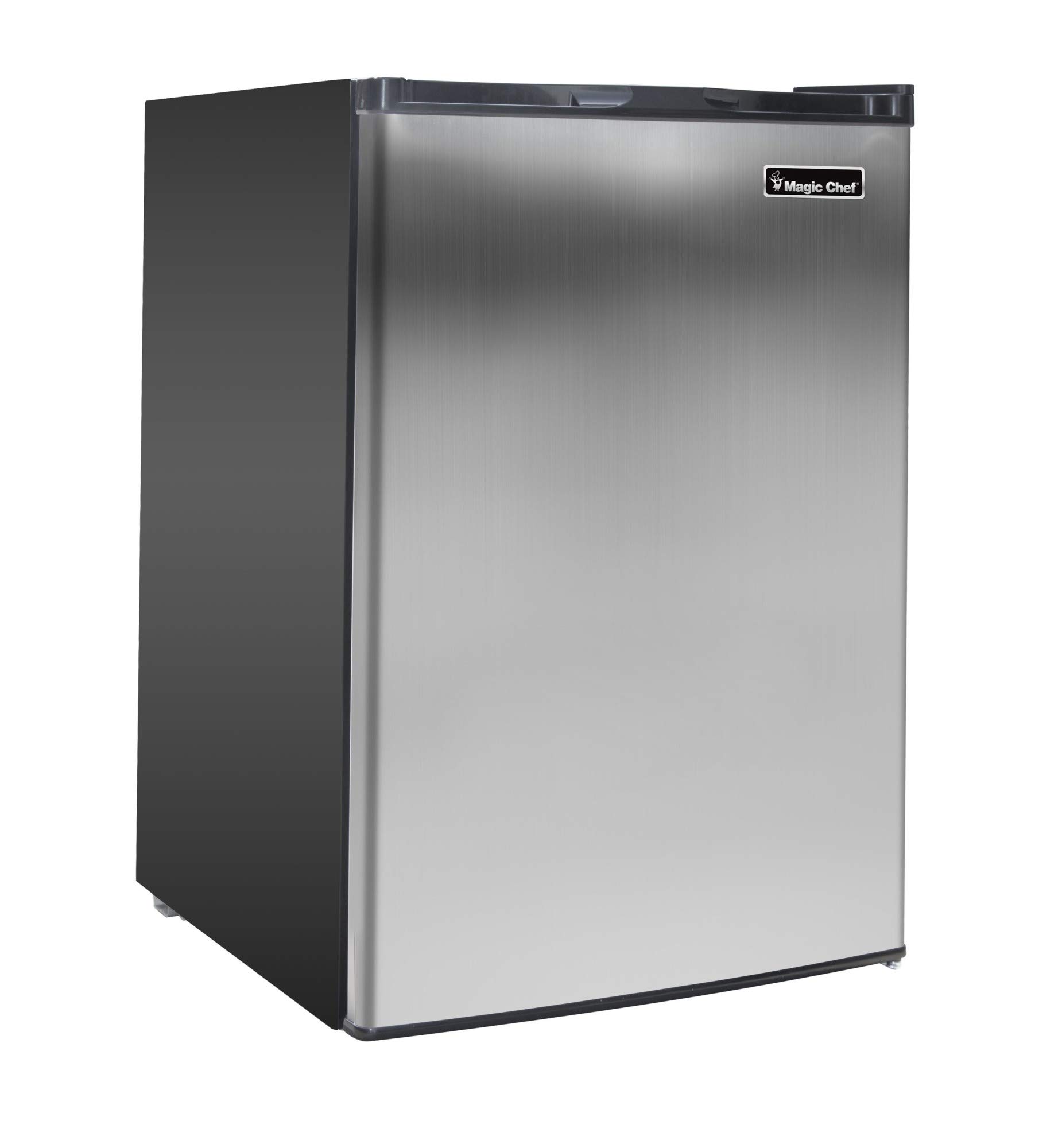
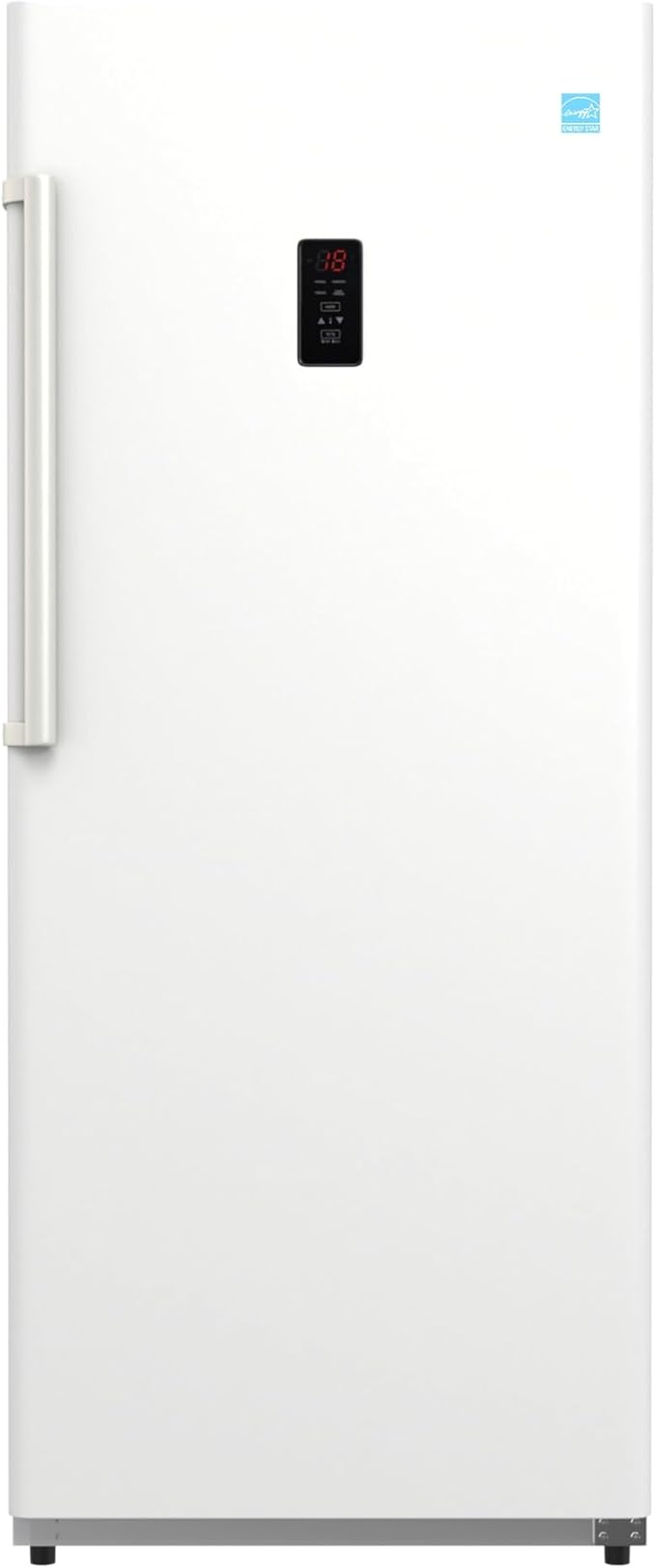
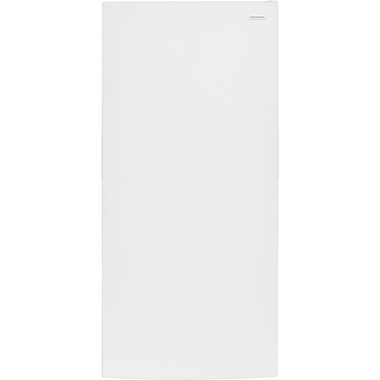
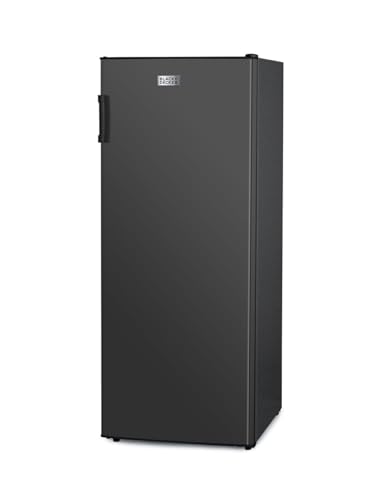
However, it's important to note that auto defrost freezers may consume more energy compared to manual defrost models due to the heating element's operation.
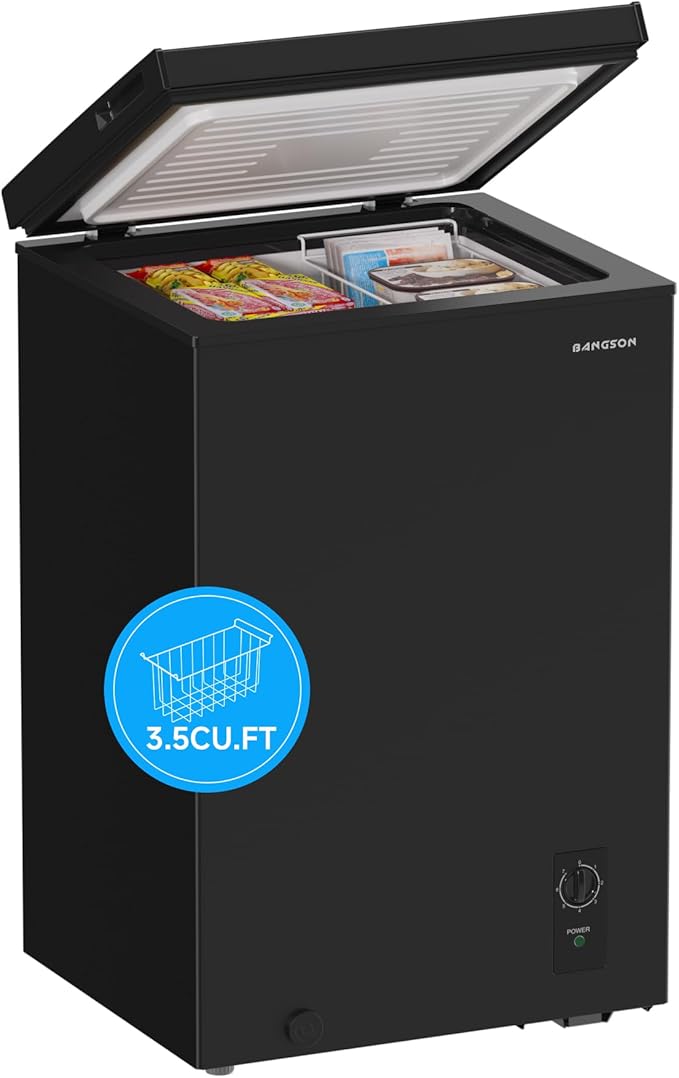
These freezers are designed with a top-opening lid and a spacious interior, making them ideal for storing bulk items and larger quantities of food.
These freezers are known for their efficient use of space and ability to maintain a colder temperature for longer periods, which is ideal for long-term storage.
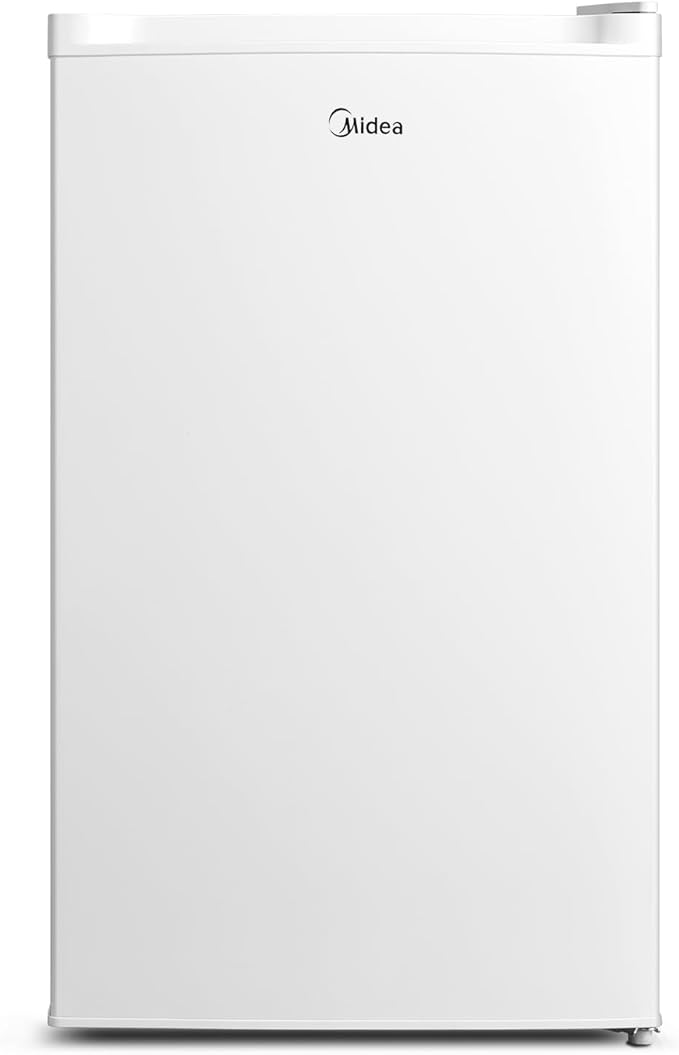
Small deep freezers, on the other hand, are more compact and ideal for limited storage needs, such as in apartments or small homes.
When it comes to choosing the right freezer for your needs, understanding the different types available is essential. Here, Fridge.com will explore the key features and benefits of auto defrost freezers and small deep freezers.
Auto Defrost Freezer Overview
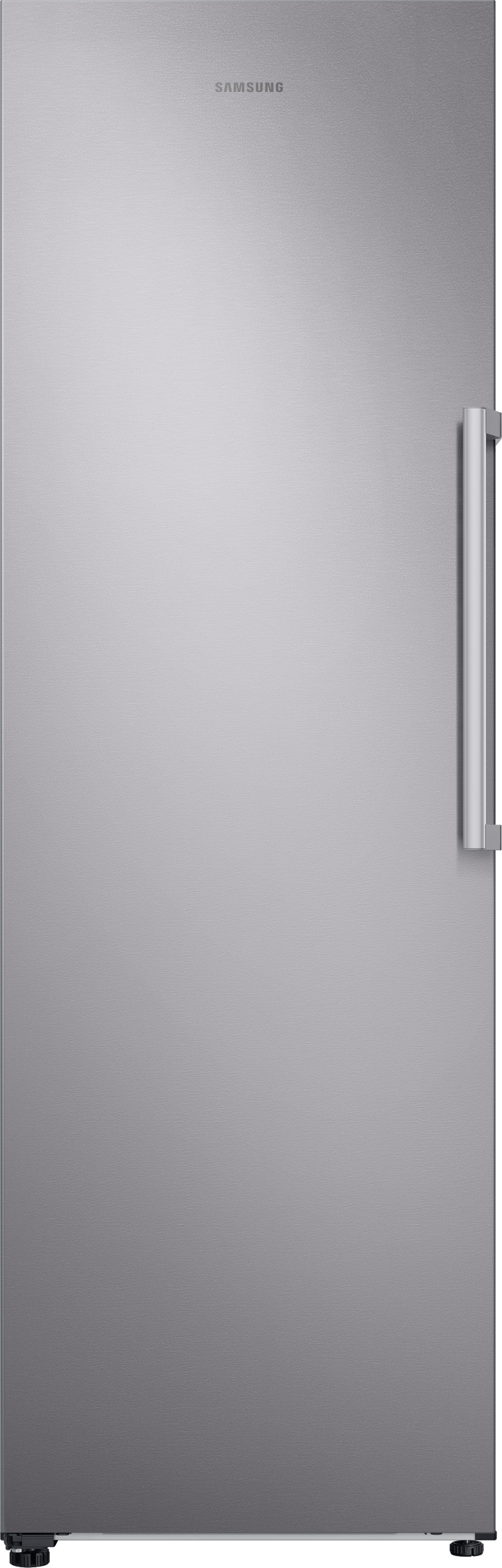
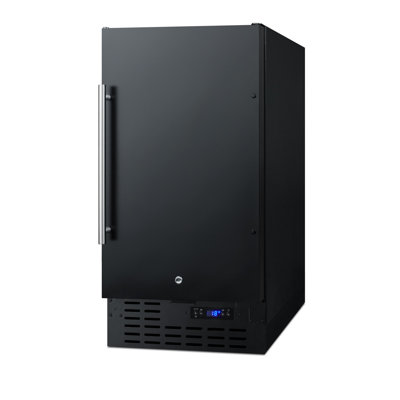
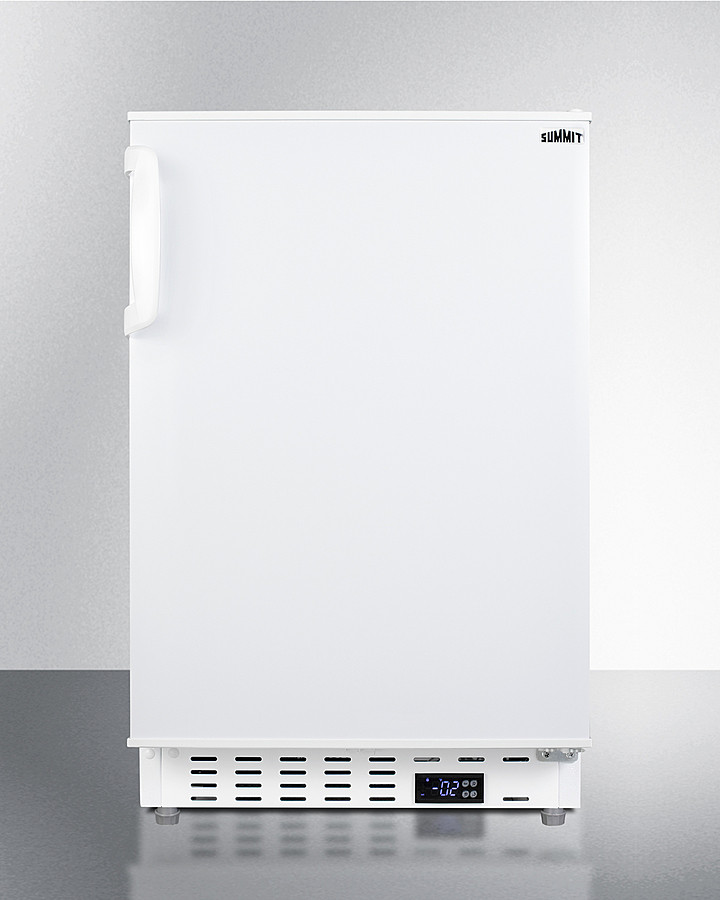
Auto defrost freezers are designed to automatically remove frost build-up, making maintenance easier for you. These freezers use a heating element to periodically melt away any ice accumulation, which is then drained out of the unit. This feature ensures that the freezer remains frost-free, which can help maintain the efficiency and performance of the appliance.
Auto defrost freezers are typically more convenient for users who prefer low-maintenance appliances. They are suitable for a variety of settings, including homes, offices, and small businesses. However, it's important to note that auto defrost freezers may consume more energy compared to manual defrost models due to the heating element's operation.
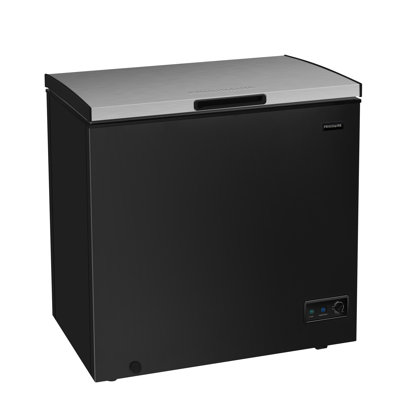
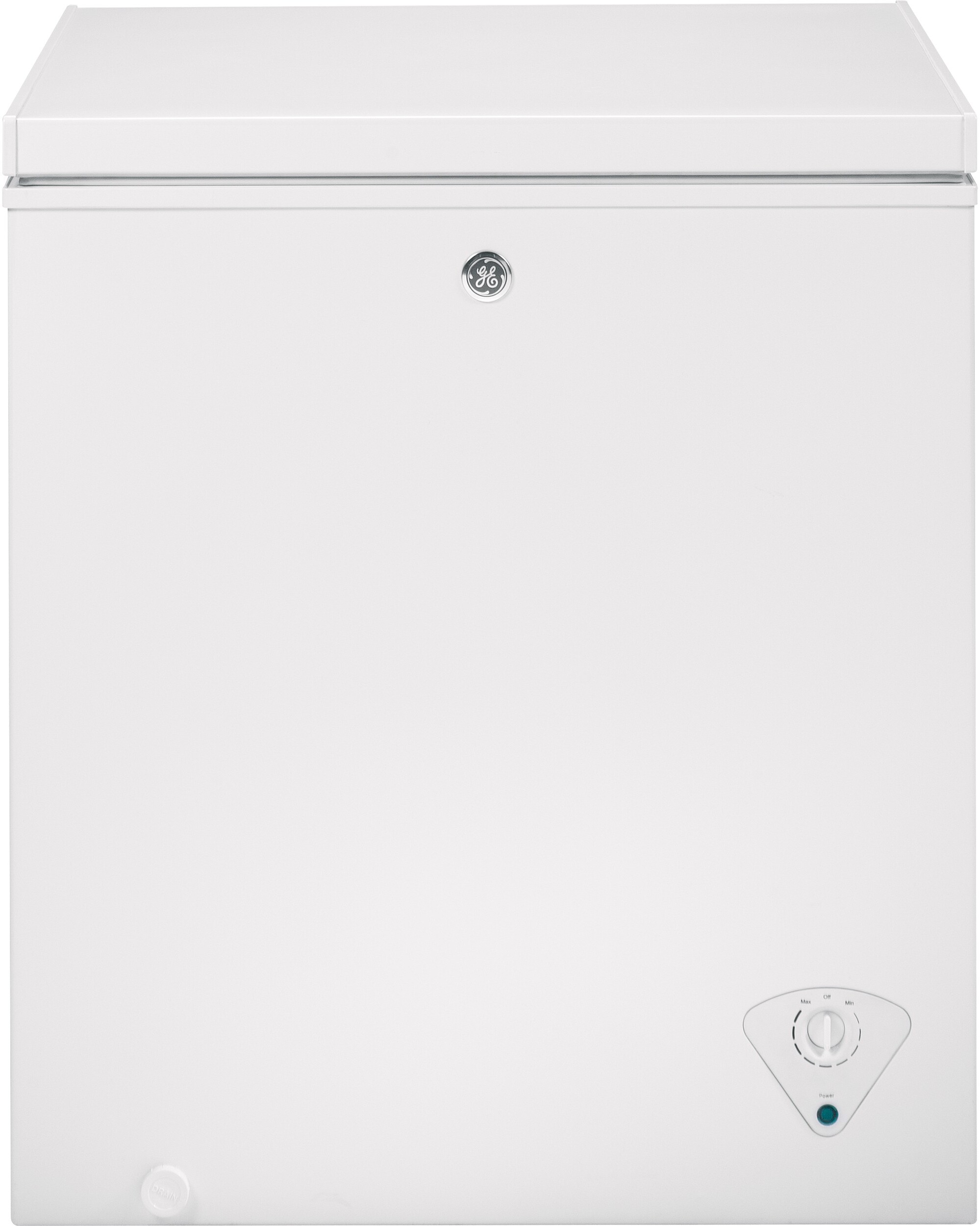
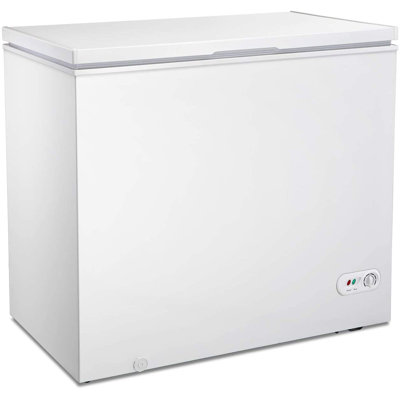
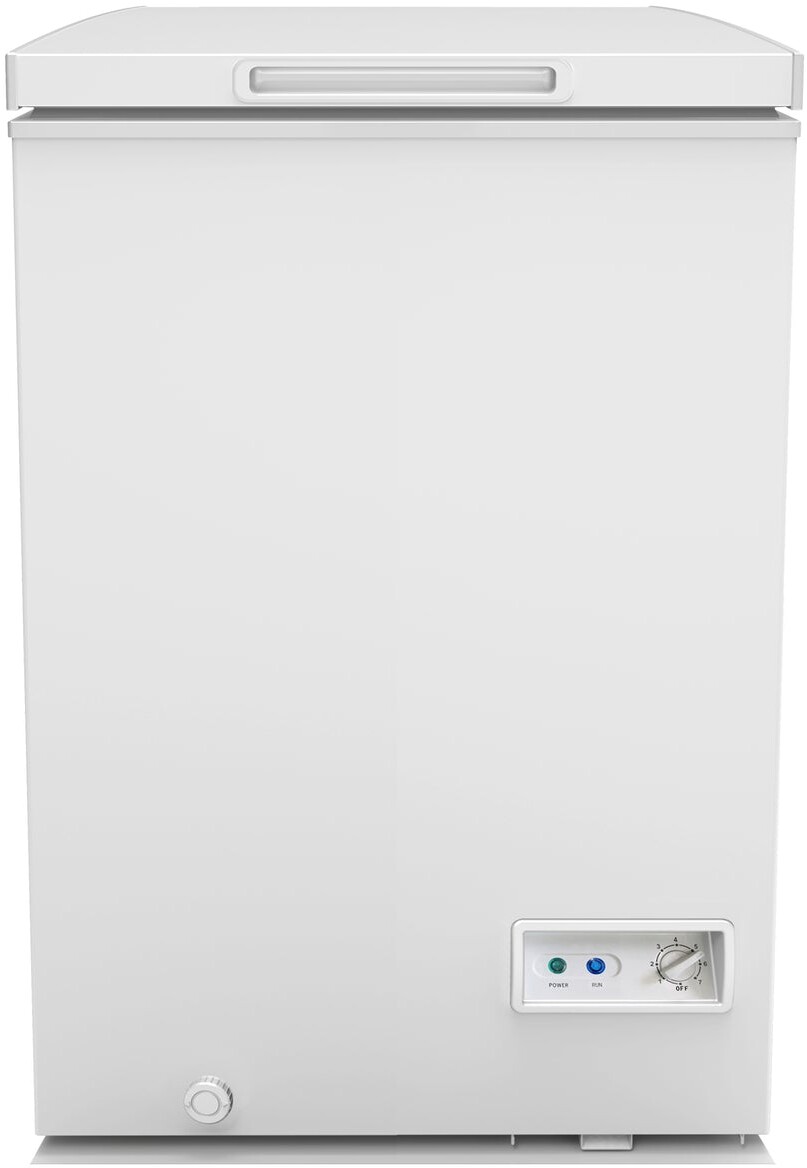
Small deep freezers, also known as chest freezers, are compact and efficient appliances that offer ample storage space for your frozen goods. These freezers are designed with a top-opening lid and a spacious interior, making them ideal for storing bulk items and larger quantities of food.
One of the key advantages of small deep freezers is their ability to maintain lower temperatures for extended periods, which helps preserve the quality and freshness of your food. These freezers usually require manual defrosting, which involves periodically removing ice build-up by turning off the unit and allowing the ice to melt.
Small deep freezers are a great choice for individuals who need extra storage space and are willing to invest a bit of time in regular maintenance. They are particularly popular in homes with larger families, cabins, and outdoor settings.
Understanding the differences between auto defrost freezers and small deep freezers can help you make an informed decision based on your specific needs and preferences. Whether you prioritize convenience or storage capacity, there is a freezer type that can meet your requirements.
When comparing an auto defrost freezer to a small deep freezer, understanding their features and functions is essential to make an informed decision.
Auto Defrost Freezer Functions
An auto defrost freezer, as the name suggests, comes with an automatic defrosting feature. This means the freezer periodically warms up just enough to melt any frost that has formed on the coils, which is then drained away. This eliminates the need for manual defrosting and helps maintain optimal performance.
Key functions of an auto defrost freezer include:
Automatic Defrosting: Prevents frost build-up and maintains efficiency.
Consistent Temperature: Ensures an even and stable cooling environment.
Convenient Maintenance: Reduces the need for manual defrosting.
Energy Consumption: May use more energy due to the defrost cycle.
Feature
Description
Defrosting Method
Automatic
Temperature Stability
High
Maintenance Frequency
Low
For more insights on how an auto defrost freezer compares to other types, you can read Fridge.com article on auto defrost freezer Vs. undercounter freezer.
Small Deep Freezer Functions
A small deep freezer, also known as a chest freezer, is typically more compact and requires manual defrosting. These freezers are known for their efficient use of space and ability to maintain a colder temperature for longer periods, which is ideal for long-term storage.
Key functions of a small deep freezer include:
Manual Defrosting: Requires periodic manual defrosting to remove frost build-up.
Temperature Retention: Excellent at maintaining low temperatures, even during power outages.
Storage Capacity: Efficient use of space for bulk storage.
Energy Consumption: Generally more energy-efficient due to less frequent defrost cycles.
Understanding these features and functions will help you decide whether an auto defrost freezer or a small deep freezer is better suited to your needs. Whether you're a homeowner, chef, or someone who loves to entertain, choosing the right freezer can make a significant difference in your food storage and convenience.
When deciding between an auto defrost freezer and a small deep freezer, understanding their capacity and size differences is essential. This can help you choose the right freezer for your needs.
Capacity Comparison
The capacity of a freezer determines how much food you can store. Auto defrost freezers and small deep freezers come in various sizes, but they generally serve different purposes. Here’s a comparison:
Freezer Type
Typical Capacity (Cubic Feet)
Auto Defrost Freezer
10 - 20
Small Deep Freezer
3 - 9
Auto defrost freezers typically offer larger capacities, making them suitable for households needing to store significant amounts of food. Small deep freezers, on the other hand, are more compact and ideal for limited storage needs, such as in apartments or small homes.
Size Differences
The size of the freezer is another critical factor, especially if you have limited space. Below is a comparison of the typical dimensions:
Freezer Type
Average Dimensions (Inches)
Auto Defrost Freezer
60 - 70 (H) x 30 - 33 (W) x 29 - 32 (D)
Small Deep Freezer
32 - 34 (H) x 20 - 22 (W) x 24 - 28 (D)
Auto defrost freezers are generally taller and wider, occupying more space. Small deep freezers, with their compact dimensions, fit well in tight spaces like garages or utility rooms. For those interested in outdoor installations, you might want to explore Fridge.com article on outdoor island with fridge.
When comparing these options, consider your storage needs and available space. For those with smaller living areas, a small deep freezer may be more practical. However, if you need to store more items, an auto defrost freezer could be the better choice. For more information on freezer options, check out Fridge.com article on auto defrost freezer Vs. undercounter freezer.
Proper maintenance and cleaning are essential for ensuring the longevity and efficiency of your freezer. Here are some tips for maintaining and cleaning both auto defrost freezers and small deep freezers.
Maintenance Tips for Auto Defrost Freezers
Auto defrost freezers come with a built-in defrosting mechanism, making them easier to maintain compared to manual defrost models. However, regular maintenance is still necessary to keep them running smoothly.
Check Seals and Gaskets: Ensure the door seals and gaskets are in good condition to prevent cold air from escaping. Replace them if they show signs of wear.
Clean the Interior: Wipe down the interior surfaces with a mixture of mild soap and water. Avoid using abrasive cleaners.
Remove and Organize Contents: Periodically remove all items and organize them to avoid overcrowding, which can hinder airflow.
Vacuum Condenser Coils: Clean the condenser coils at least twice a year to maintain optimal cooling efficiency.
Monitor Temperature Settings: Keep an eye on the temperature settings to ensure your freezer is operating within the recommended range.
Maintenance Tips for Small Deep Freezers
Small deep freezers, often requiring manual defrosting, need a different approach to maintenance and cleaning.
Defrost Regularly: Manually defrost the freezer when ice buildup reaches 1/4 inch thick. Turn off the freezer and allow the ice to melt naturally.
Clean the Drain: Ensure the defrost drain is clear to prevent water from accumulating.
Wipe Down Surfaces: Clean the interior with a cloth soaked in a solution of baking soda and water. This helps remove odors and stains.
Check Door Seals: Inspect the door seals and gaskets for any signs of damage and replace them if necessary.
Organize Contents: Organize the contents to prevent overloading and ensure proper air circulation.
Maintenance Task
Auto Defrost Freezer
Small Deep Freezer
Check Seals and Gaskets
✓
✓
Clean the Interior
✓
✓
Remove and Organize Contents
✓
✓
Vacuum Condenser Coils
✓
✗
Monitor Temperature Settings
✓
✓
Defrost Regularly
✗
✓
Clean the Drain
✗
✓
For more detailed information on how to maintain other types of freezers, visit Fridge.com articles on auto defrost freezer Vs. undercounter freezer and best fridge for national watermelon day. Proper maintenance can extend the life of your freezer and ensure it operates efficiently.
Energy Efficiency and Cost
When deciding between an auto defrost freezer and a small deep freezer, energy efficiency and cost are important factors to consider. Each type of freezer has its own energy consumption characteristics and associated costs.
Energy Efficiency of Auto Defrost Freezers
Auto defrost freezers are designed to reduce the buildup of frost automatically, which can be convenient for maintenance. However, this feature can affect the energy efficiency of the freezer. The auto defrost mechanism requires additional energy to periodically melt the frost and remove it, leading to higher energy consumption compared to manual defrost models.
Feature
Auto Defrost Freezer
Average Annual Energy Consumption (kWh)
400 - 600
Typical Operating Cost per Year ($)
50 - 75
While auto defrost freezers may consume more energy, they offer the convenience of lower maintenance. If energy efficiency is a priority, you might want to explore other options, such as manual defrost models. For more information, see Fridge.com article on the auto defrost freezer Vs. undercounter freezer.
Energy Efficiency of Small Deep Freezers
Small deep freezers, also known as chest freezers, are generally more energy-efficient compared to auto defrost models. This is because they do not have the auto defrost mechanism, which means they consume less energy overall. The design of deep freezers, with their top-opening lids and better insulation, also contributes to their energy efficiency.
Feature
Small Deep Freezer
Average Annual Energy Consumption (kWh)
200 - 400
Typical Operating Cost per Year ($)
25 - 50
Small deep freezers are a cost-effective choice for those looking to minimize energy consumption. However, they do require manual defrosting, which can be a more labor-intensive process.
When choosing between an auto defrost freezer and a small deep freezer, consider your priorities in terms of energy efficiency, maintenance, and overall cost. Each type has its own advantages, and understanding these differences can help you make an informed decision. For more tips on selecting the right freezer for your needs, visit Fridge.com article on 5 door refrigerator Vs. office freezer.
By considering energy efficiency and cost, you can select the freezer that best fits your lifestyle and budget. Keep in mind other factors such as capacity, size, and maintenance requirements to make the most informed choice. For additional insights, explore Fridge.com articles on best fridge for national dessert month and best fridge for national watermelon day.
Selecting the appropriate freezer for your requirements involves considering various factors that ensure it meets your specific needs. This section will guide you through the essential aspects to consider and help you make an informed decision between an auto defrost freezer and a small deep freezer.
Factors to Consider
When choosing between an auto defrost freezer and a small deep freezer, several key factors should be taken into account:
Storage Needs
Assess the amount of food you need to store. An auto defrost freezer may offer more convenience for frequent access, while a small deep freezer can provide more storage space for bulk items.
Space Availability
Measure the available space in your home. Auto defrost freezers are typically more compact and can fit in tighter spaces, making them suitable for apartments and smaller homes. Small deep freezers, on the other hand, may require more space due to their larger capacity.
Maintenance Preferences
Consider how much time and effort you're willing to invest in maintenance. Auto defrost freezers require less manual defrosting, reducing the need for regular cleaning. Small deep freezers, however, may need periodic manual defrosting, which can be more labor-intensive.
Energy Efficiency
Evaluate the energy consumption of each freezer type. Auto defrost freezers generally consume more energy due to the defrosting mechanism. Small deep freezers are often more energy-efficient, which can result in lower electricity bills.
Cost
Compare the initial purchase price and long-term operating costs. Auto defrost freezers might have a higher upfront cost but offer convenience in maintenance. Small deep freezers tend to be more affordable initially but may incur higher maintenance costs over time.
Factor
Auto Defrost Freezer
Small Deep Freezer
Storage Needs
Convenient for frequent access
Better for bulk storage
Space Availability
Compact, fits smaller spaces
Requires more space
Maintenance Preferences
Less manual defrosting
Requires manual defrosting
Cost
Higher upfront cost
More affordable initially
Making an Informed Decision
To make the best choice between an auto defrost freezer and a small deep freezer, consider your lifestyle, household size, and specific requirements. Here are some scenarios to help guide your decision:
If you have limited space and prefer low-maintenance appliances, an auto defrost freezer might be the better option. It fits well in smaller areas and reduces the need for frequent manual defrosting.
If you have a larger household or need to store bulk amounts of food, a small deep freezer could be more suitable. Its greater storage capacity and energy efficiency make it ideal for families who buy in bulk or preserve large quantities of food.
For those who prioritize energy savings and don't mind occasional manual defrosting, a small deep freezer offers a cost-effective solution with lower long-term energy costs.
By evaluating these factors and considering your specific needs, you can choose the freezer that best fits your lifestyle and storage requirements. For more insights and comparisons, explore articles like auto defrost freezer Vs. undercounter freezer and best fridge for national dessert month to broaden your understanding.
Compare prices on Fridge.com
Compare current prices and specifications on Fridge.com, then buy from the retailer you choose; delivery, installation and warranty terms are the retailer’s.
It also has tons of awesome articles about kitchen stuff and home news. Enhance your home, garage, backyard, patio, and office with the coolest essentials. With every necessary type of residential refrigerator or freezer in the collection, you're covered.
Free tool
Auto Vs. Manual Defrost Cost Calculator
Free interactive tool from Fridge.com — get a quick answer while you read.