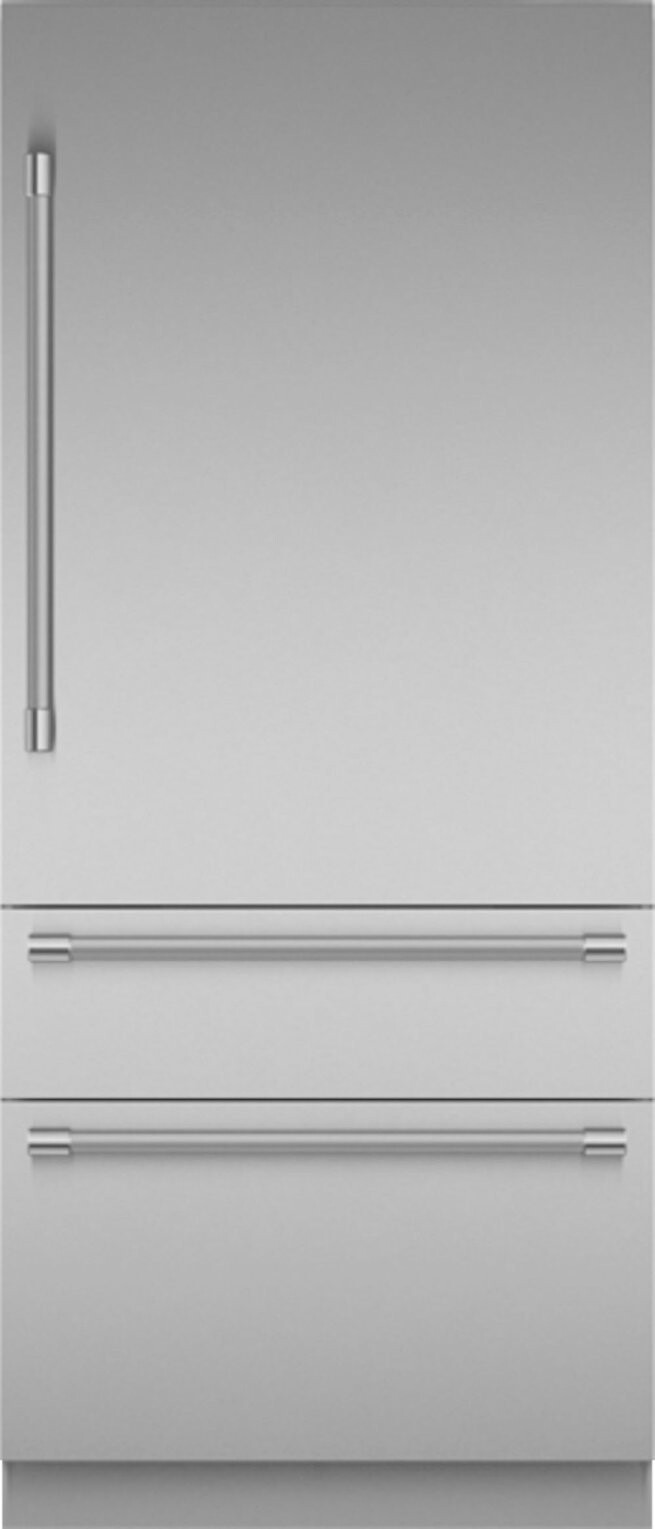
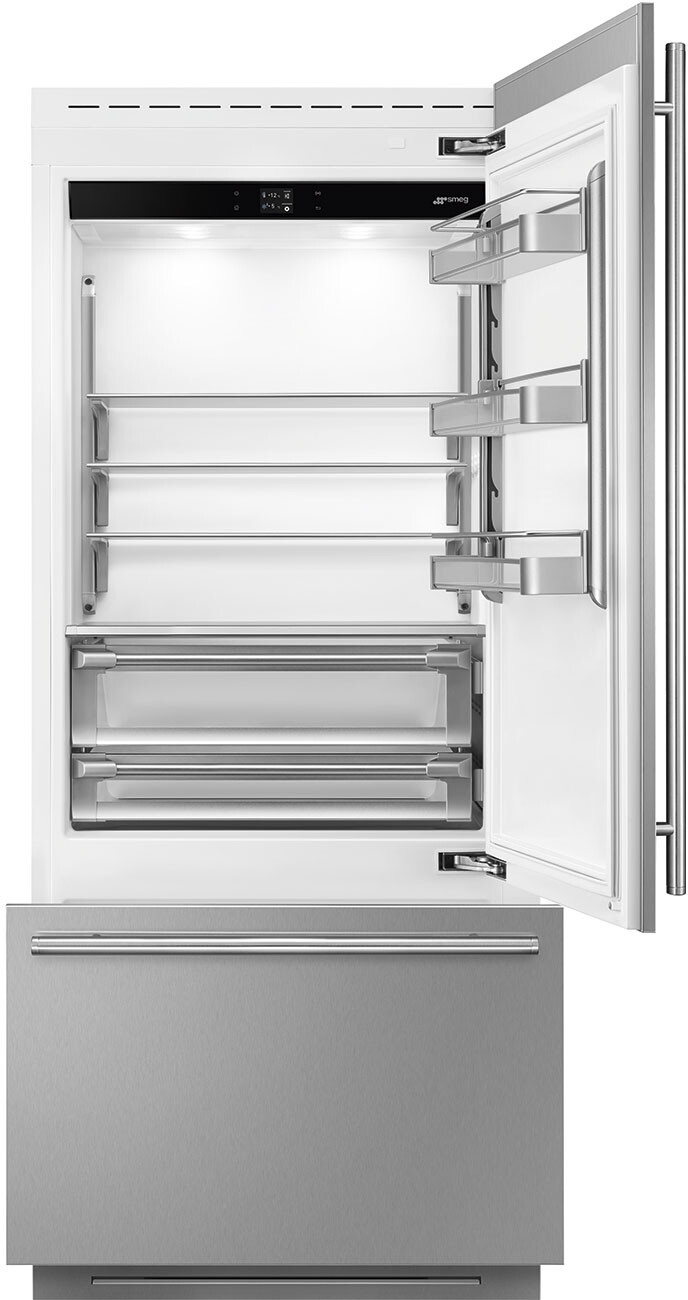
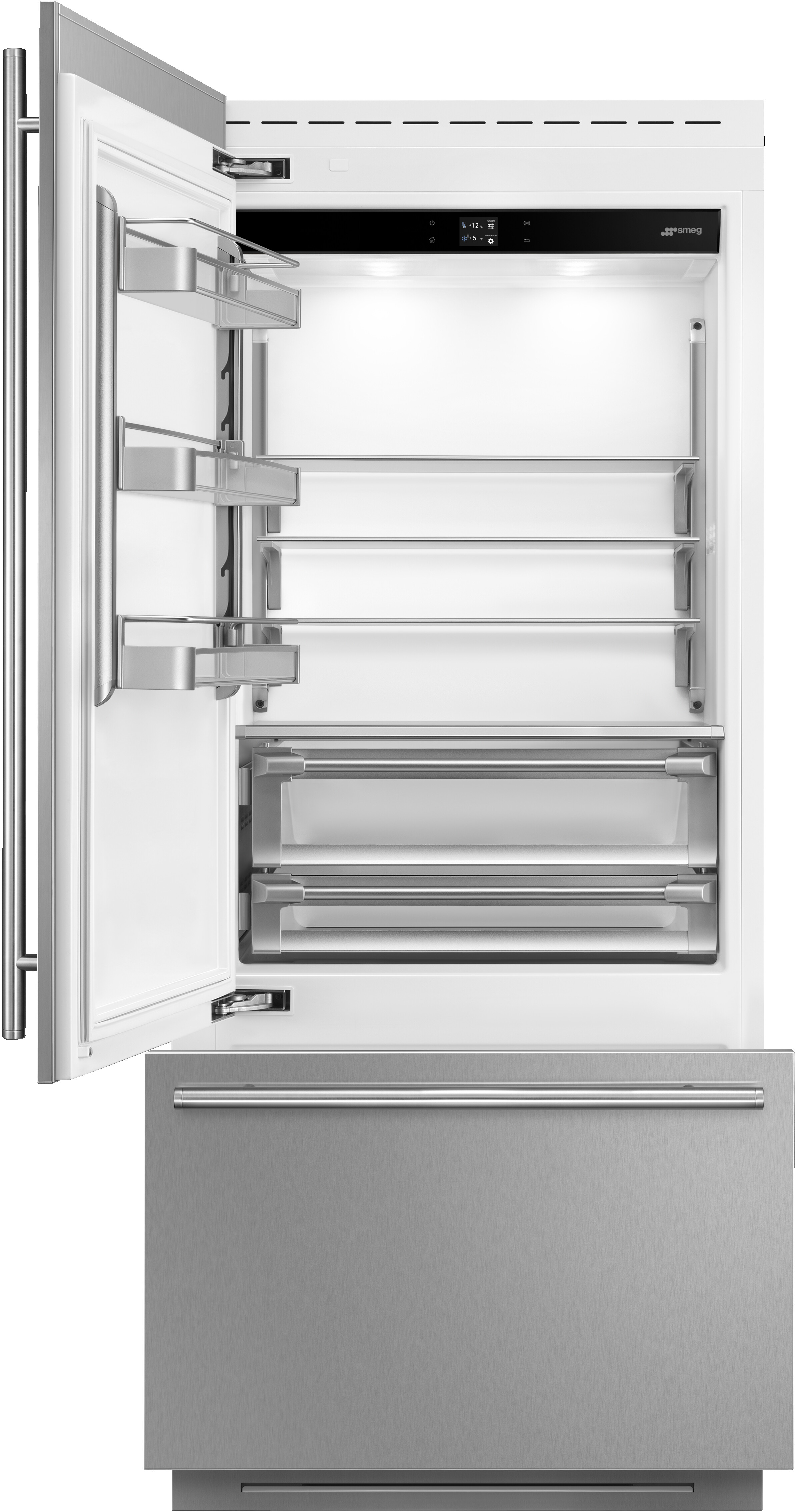
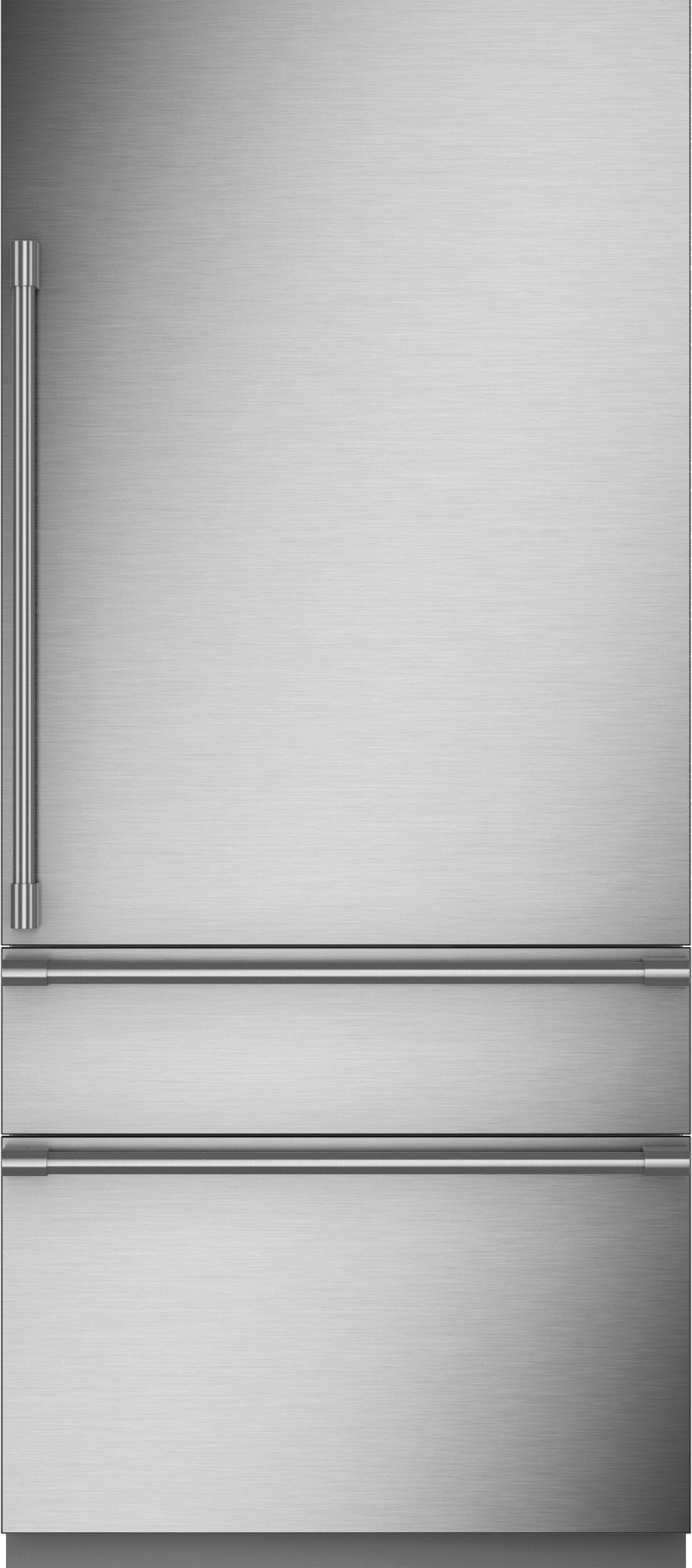
When choosing between a bottom freezer refrigerator and a reach-in freezer, understanding their unique features and benefits is essential. Each type of refrigeration option offers distinct advantages that cater to different needs and preferences.
Introduction to Bottom Freezer Refrigerators
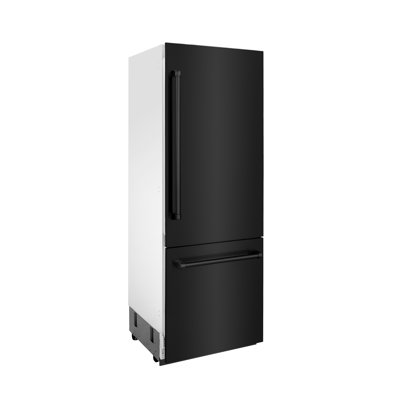
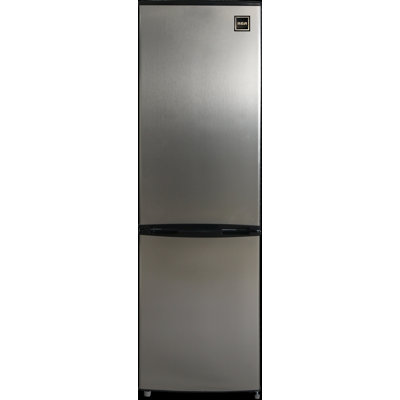
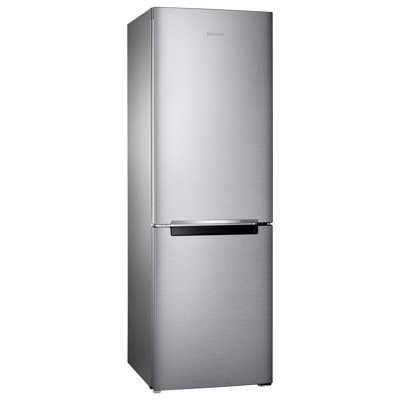
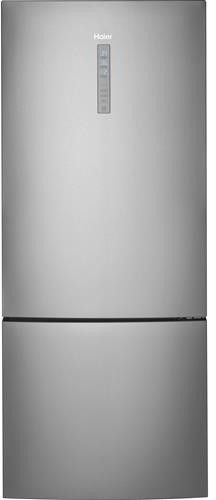
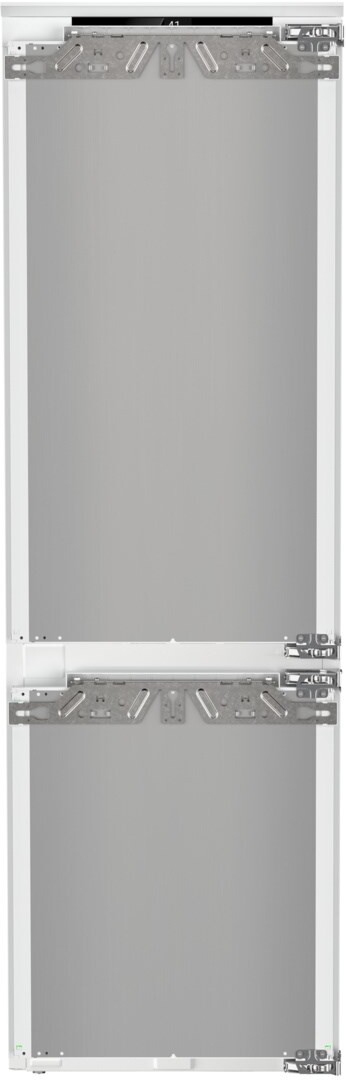
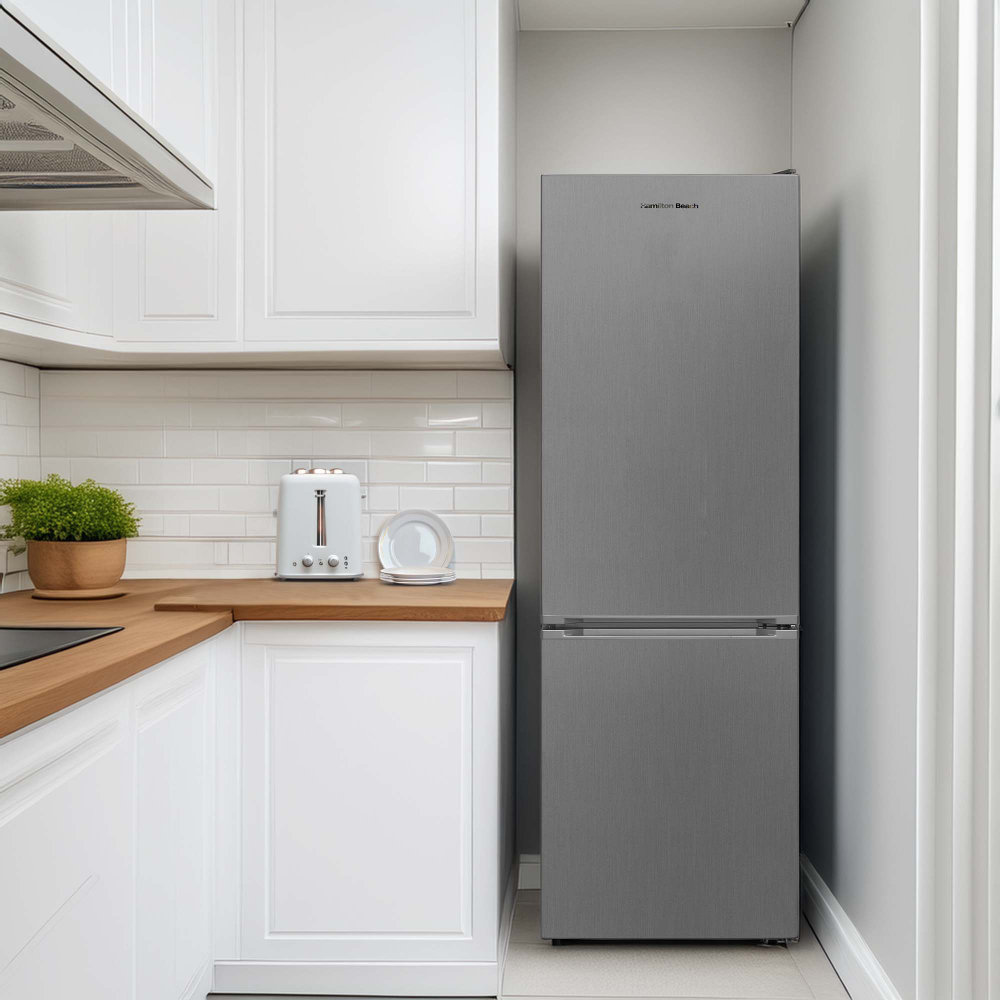
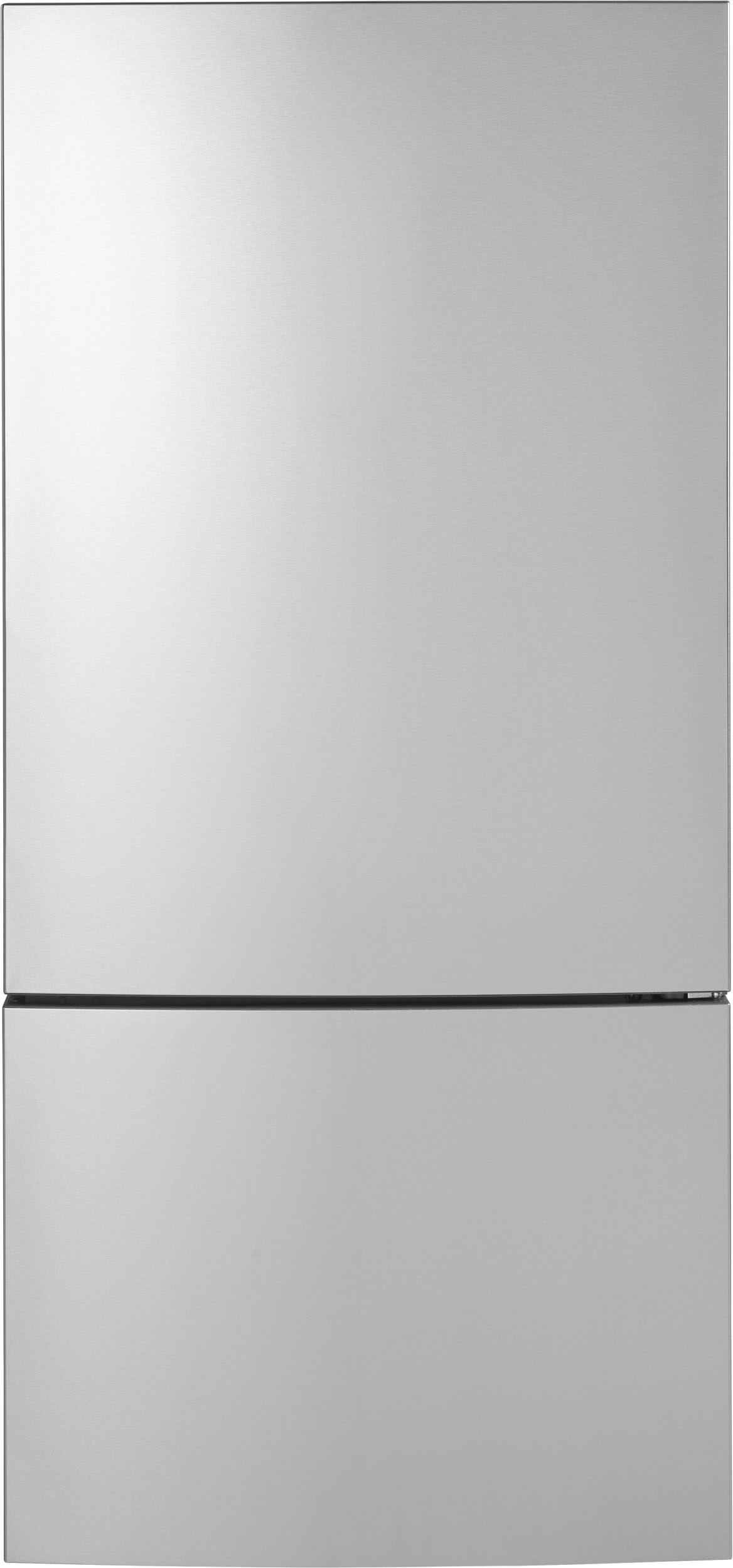
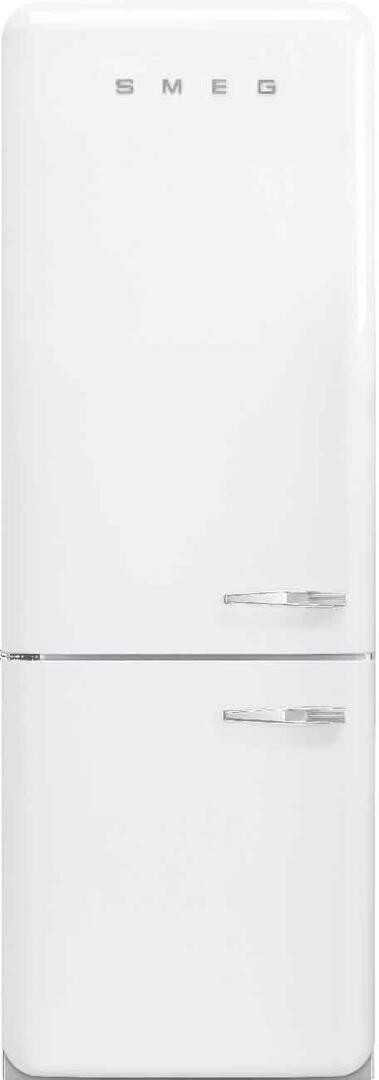
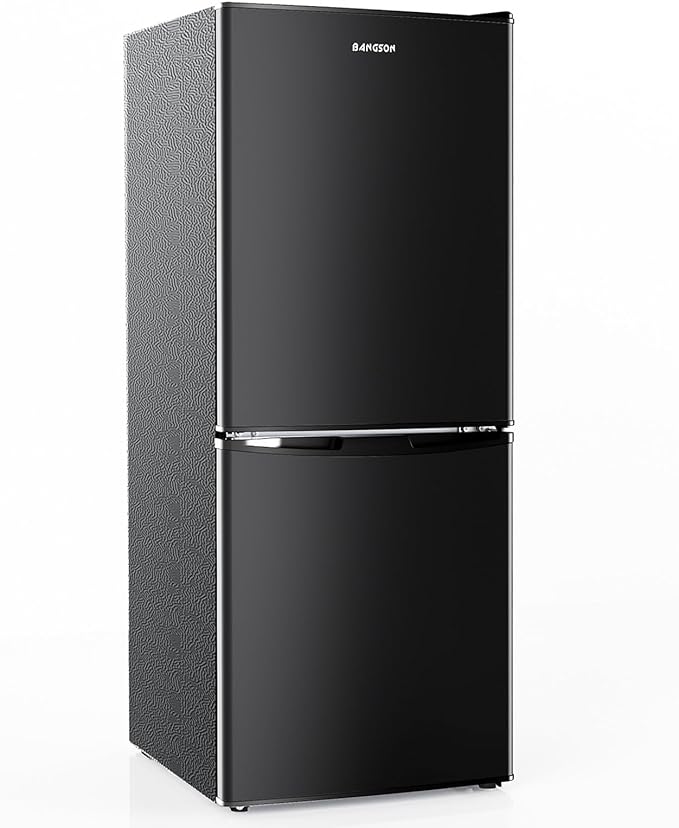
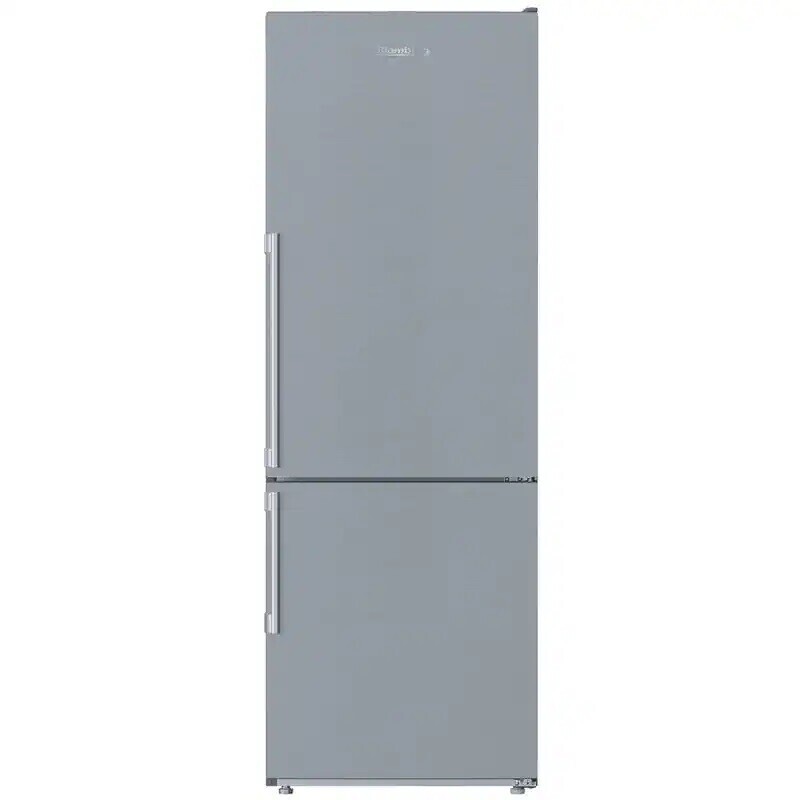
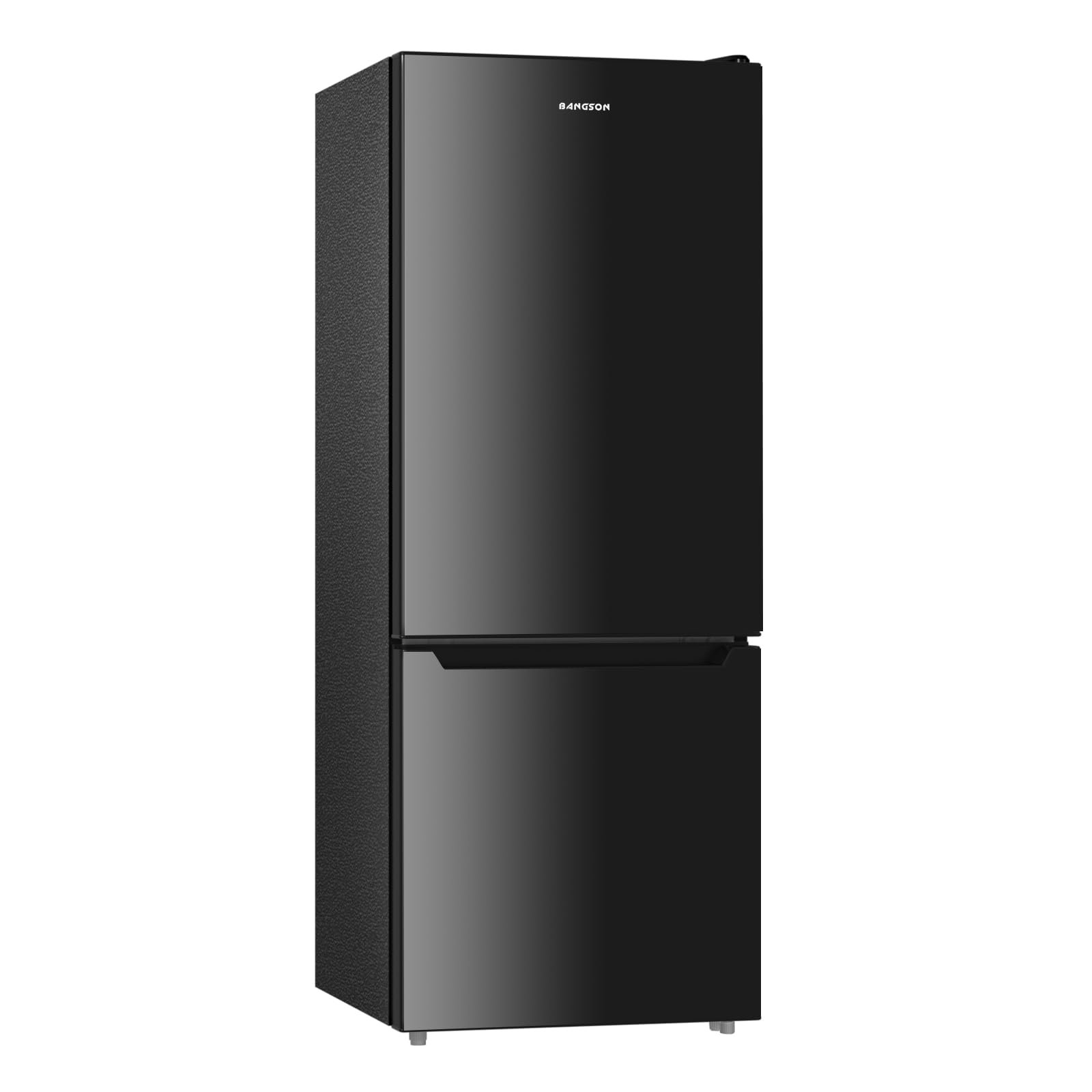
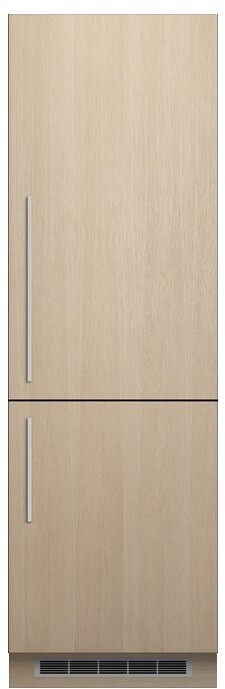
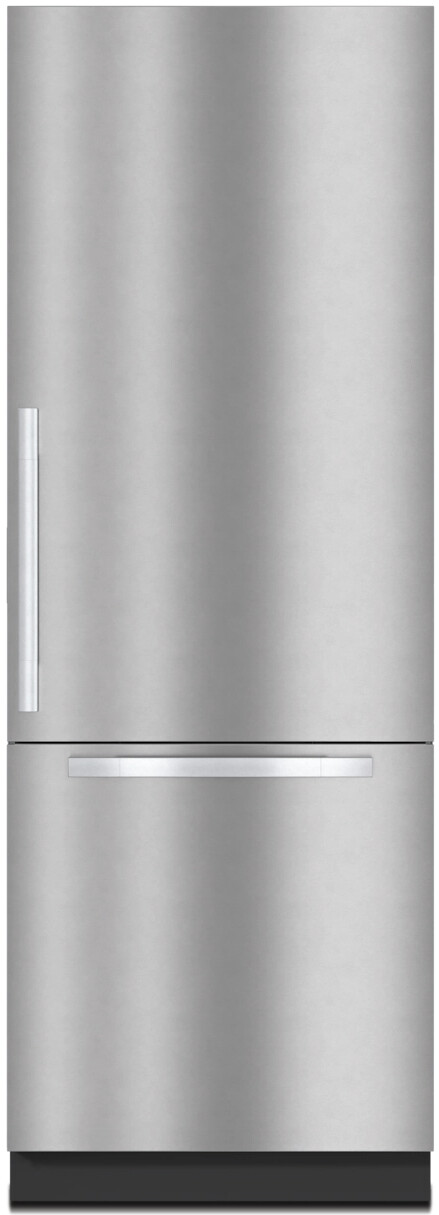
A bottom freezer refrigerator is designed with the freezer compartment located at the bottom of the unit. This configuration places the refrigerator section at eye level, making it easier to access frequently used items without bending down.
Bottom freezer refrigerators are popular in households due to their ergonomic design and efficient use of space. They often come with various features such as adjustable shelves, door bins, and crisper drawers that enhance food organization and storage flexibility.
Introduction to Reach-In Freezers
Reach-in freezers are standalone units designed specifically for freezing food items. These freezers typically have one or more doors that open outward, allowing easy access to the interior storage space.
Reach-in freezers are commonly used in commercial settings like restaurants and grocery stores, but they can also be beneficial for home use, especially for those who need additional freezer space. They offer a large storage capacity and are often equipped with adjustable shelves and temperature controls to accommodate different freezing needs.
When comparing a bottom freezer refrigerator to a reach-in freezer, it's essential to understand the design and layout of each appliance. These features can significantly impact your user experience and the suitability of each option for your needs.
Features of Bottom Freezer Refrigerators
Bottom freezer refrigerators are known for their unique design, where the freezer compartment is located at the bottom of the unit. This layout offers several advantages, making it a popular choice for many homeowners.
Ergonomics: The bottom freezer design places the refrigerator section at eye level, making it easier to access frequently used items without bending over.
Storage Drawers: These refrigerators often feature pull-out drawers or baskets in the freezer compartment, allowing for better organization and easy access to frozen goods.
Shelving: Adjustable shelves in the refrigerator section provide flexibility for storing items of various sizes and shapes.
Door Storage: Multiple door bins and compartments offer additional space for smaller items, condiments, and beverages.
Feature
Bottom Freezer Refrigerator
Ergonomic Design
Yes
Pull-Out Freezer
Yes
Adjustable Shelves
Yes
Door Storage
Yes
Features of Reach-In Freezers
Reach-in freezers are designed primarily for storage and quick access to frozen items. They are commonly used in commercial settings but can also be found in residential homes, especially for those who require extra freezer space.
Vertical Storage: Reach-in freezers have a vertical design, with shelves or racks that allow for efficient use of space and easy organization.
Single or Double Doors: Depending on the size, reach-in freezers may have single or double doors, enabling quick access to contents.
Temperature Control: These freezers often come with precise temperature control settings to keep your food at the optimal freezing point.
Durability: Designed for heavy-duty use, reach-in freezers are built to withstand frequent opening and closing, making them highly durable.
Feature
Reach-In Freezer
Vertical Storage
Yes
Multiple Doors
Yes (Single/Double)
Temperature Control
Yes
High Durability
Yes
Understanding these design and layout features can help you determine whether a bottom freezer refrigerator or a reach-in freezer is the best fit for your needs. For more comparisons, check out Fridge.com article on beverage cooler Vs. refrigerator freezer combo and black stainless refrigerator Vs. small refrigerator.
When comparing a bottom freezer refrigerator to a reach-in freezer, it's essential to consider storage capacity and organization. Each type of appliance offers unique storage solutions that cater to different needs and preferences.
Comparing Storage Space in Bottom Freezer Refrigerators
Bottom freezer refrigerators are designed with the freezer compartment located at the bottom of the unit, while the refrigerator section is positioned at eye level. This design prioritizes the accessibility of frequently used fresh food items, making it convenient for everyday use.
Feature
Bottom Freezer Refrigerator
Average Capacity (cu. ft.)
18 - 25
Refrigerator Compartment
12 - 16
Freezer Compartment
6 - 9
Shelving
Adjustable shelves, door bins, crisper drawers
Freezer Organization
Pull-out drawers, baskets
The bottom freezer compartment typically consists of pull-out drawers or baskets, allowing for easy organization and access to frozen items. This setup minimizes the need to bend down frequently, as most of the commonly used items are stored within easy reach in the refrigerator section.
Comparing Storage Space in Reach-In Freezers
Reach-in freezers, on the other hand, are standalone units designed solely for freezing. They are often used in commercial settings or by individuals who require additional freezing capacity beyond what a standard refrigerator-freezer combo can offer. Reach-in freezers are available in various sizes and configurations to suit different storage needs.
Feature
Reach-In Freezer
Average Capacity (cu. ft.)
15 - 30+
Number of Shelves
3 - 8
Organizational Features
Fixed or adjustable shelves, bins, baskets
Door Configuration
Single or double doors
Accessibility
Full-length door for easy access
Reach-in freezers typically have more extensive storage capacity compared to bottom freezer refrigerators. They are equipped with multiple shelves, bins, and baskets to help organize frozen goods efficiently. The full-length door design allows for easy access to all items stored within the freezer, making it simple to locate and retrieve specific items.
By understanding the storage capacity and organization options available in bottom freezer refrigerators and reach-in freezers, you can make an informed decision based on your specific needs and preferences. Whether you prioritize the convenience of a bottom freezer refrigerator or the extensive storage capacity of a reach-in freezer, both options offer unique benefits to enhance your kitchen or storage space.
When choosing between a bottom freezer refrigerator and a reach-in freezer, accessibility and convenience are key factors to consider.
Accessibility of Bottom Freezer Refrigerators
Bottom freezer refrigerators are designed with the fresh food compartment at eye level, making it easy to access frequently used items. The freezer compartment is located at the bottom, which might require you to bend down to reach frozen foods. However, many models come with pull-out drawers or baskets, allowing for easy organization and access.
Feature
Bottom Freezer Refrigerator
Fresh Food Compartment
Eye Level
Freezer Compartment
Bottom, Pull-Out Drawers
Bending Required
Yes, for Freezer
Organization
Drawers/Baskets
Accessibility of Reach-In Freezers
Reach-in freezers offer a straightforward design where all compartments are easily accessible without much bending. The shelves are typically adjustable, allowing you to customize the space according to your storage needs. These freezers are ideal for organizing a large number of frozen items, making it easy to find what you need quickly.
Feature
Reach-In Freezer
Fresh Food Compartment
N/A
Freezer Compartment
Eye Level
Bending Required
Minimal
Organization
Adjustable Shelves
Both options have their own set of advantages based on your specific needs and preferences. For more information on how these options compare, you can explore similar articles such as beverage cooler Vs. refrigerator freezer combo or black stainless refrigerator Vs. small refrigerator.
Energy Efficiency
Energy efficiency is a crucial aspect to consider when comparing refrigeration options. Both bottom freezer refrigerators and reach-in freezers have their own energy consumption patterns, which can impact your utility bills and environmental footprint.
Energy Efficiency of Bottom Freezer Refrigerators
Bottom freezer refrigerators are designed with the freezer compartment located below the refrigerator section. This layout can contribute to energy efficiency in several ways:
Temperature Stability: The freezer section at the bottom maintains a consistent temperature, which helps reduce energy consumption. Cold air naturally falls, meaning the freezer's cold air doesn't interfere with the refrigerator compartment above.
Compressor Efficiency: The compressor, often located near the bottom of the refrigerator, operates more efficiently due to its proximity to the freezer compartment. This arrangement reduces the workload on the compressor, leading to lower energy usage.
Modern Features: Many bottom freezer refrigerators come with energy-saving features such as LED lighting, advanced insulation, and variable speed compressors. These features help to minimize energy consumption.
Feature
Energy-Saving Benefit
LED Lighting
Consumes less energy than traditional bulbs
Advanced Insulation
Maintains internal temperature more effectively
Variable Speed Compressor
Adjusts cooling based on need, reducing energy use
Reach-in freezers are designed primarily for commercial use but are also popular in larger households. These freezers have distinct energy efficiency characteristics:
Insulation Quality: Reach-in freezers are typically well-insulated to maintain low temperatures, which helps in reducing energy consumption.
Door Design: The design of the doors can influence energy efficiency. Solid doors tend to be more energy-efficient than glass doors because they provide better insulation.
Cooling System: Reach-in freezers often use powerful cooling systems to maintain a consistent temperature, which can be both a benefit and a drawback in terms of energy use. The key is to find models that balance powerful cooling with energy-saving technology.
Feature
Energy-Saving Benefit
High-Quality Insulation
Reduces the loss of cold air
Solid Doors
Provide better insulation than glass doors
For more insights on different types of freezers, check out Fridge.com article on compact freezer Vs. compact refrigerator.
Understanding the energy efficiency of both bottom freezer refrigerators and reach-in freezers can help you make an informed decision that suits your needs. For further comparisons, visit Fridge.com article on apartment size refrigerator Vs. reach in freezer.
Proper maintenance is key to ensuring the longevity and efficiency of your refrigeration units. Both bottom freezer refrigerators and reach-in freezers have specific maintenance needs that, when addressed, can enhance their durability.
Maintenance Tips for Bottom Freezer Refrigerators
Keeping your bottom freezer refrigerator in top shape involves regular cleaning and proper handling. Here are some tips to help you maintain your appliance:
Regular Cleaning: Remove any expired or unused items from the refrigerator and freezer compartments regularly. Wipe down the interior surfaces with a mixture of mild detergent and warm water.
Defrosting: Although many modern refrigerators are frost-free, it's essential to check for any frost build-up and defrost if necessary.
Check Seals: Inspect the door seals for any cracks or wear. A tight seal ensures the refrigerator maintains the proper temperature and operates efficiently.
Condenser Coils: Clean the condenser coils located at the back or bottom of the fridge at least twice a year. Dust and debris can hinder the refrigerator's cooling efficiency.
Temperature Settings: Ensure the temperature is set correctly. The refrigerator should be at or below 40°F (4°C) and the freezer at 0°F (-18°C).
Reach-in freezers require specific upkeep to maintain their performance and longevity. Follow these steps to keep your reach-in freezer in optimal condition:
Routine Cleaning: Clear out expired or unused items regularly. Clean the interior with a mild detergent and warm water to prevent mold and odor build-up.
Defrosting: Periodically check for ice build-up and defrost as necessary to ensure efficient operation.
Inspect Seals: Examine the door seals for any signs of damage. A proper seal is crucial for maintaining the freezer's internal temperature.
Condenser Maintenance: Clean the condenser coils twice a year to remove dust and debris that can affect cooling efficiency.
Temperature Monitoring: Regularly check the temperature settings. The freezer should maintain a consistent 0°F (-18°C) to ensure food safety.
By following these maintenance tips, you can ensure that both bottom freezer refrigerators and reach-in freezers operate efficiently and have a longer lifespan. For more information on different types of refrigerators and freezers, check out Fridge.com articles on basement refrigerator Vs. beer keg cooler and compact freezer Vs. compact refrigerator.
Compare prices on Fridge.com
Compare current prices and specifications on Fridge.com, then buy from the retailer you choose; delivery, installation and warranty terms are the retailer’s.
It also has tons of awesome articles about kitchen stuff and home news. Enhance your home, garage, backyard, patio, and office with the coolest essentials. With every necessary type of residential refrigerator or freezer in the collection, you're covered.
Free tool
Food Storage Calculator
Free interactive tool from Fridge.com — get a quick answer while you read.