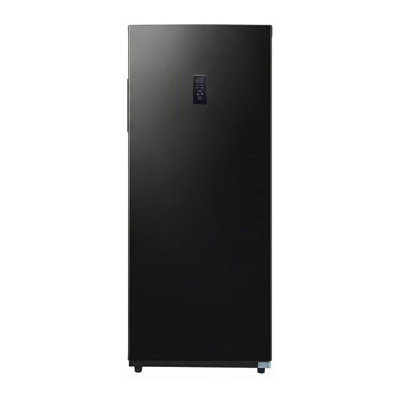
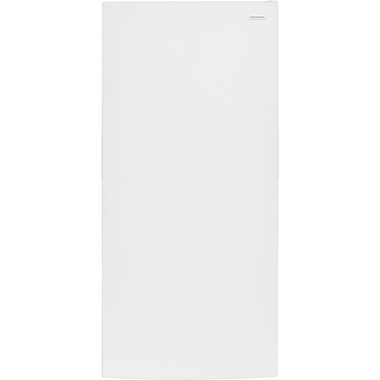
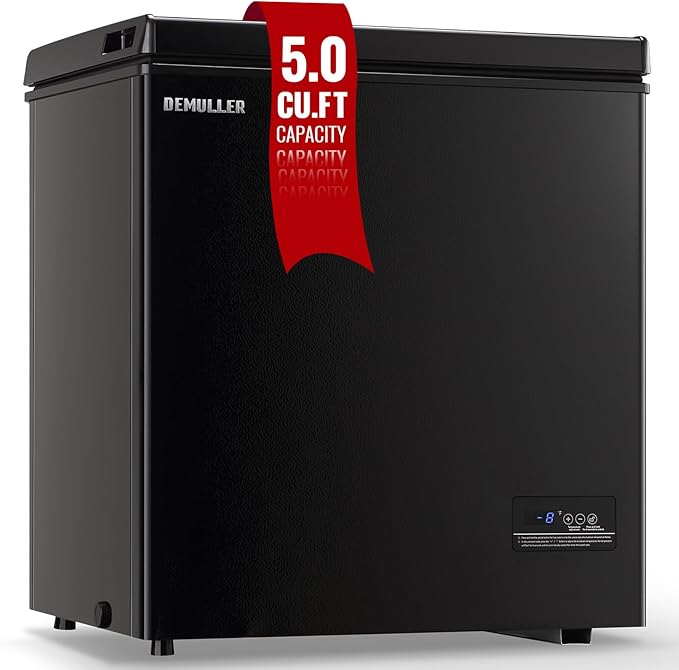
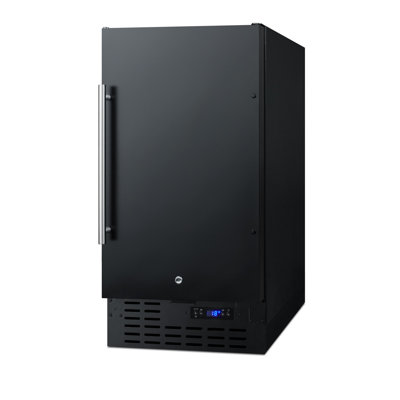
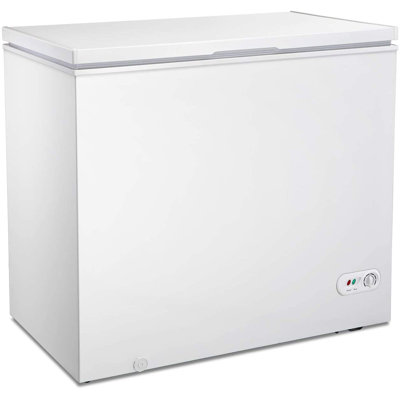
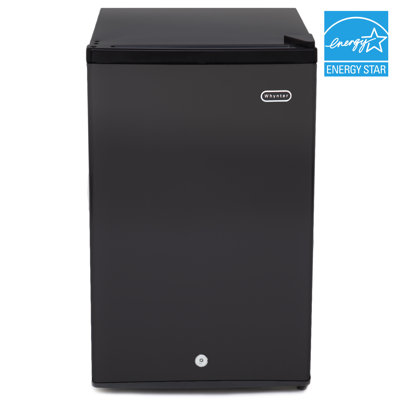
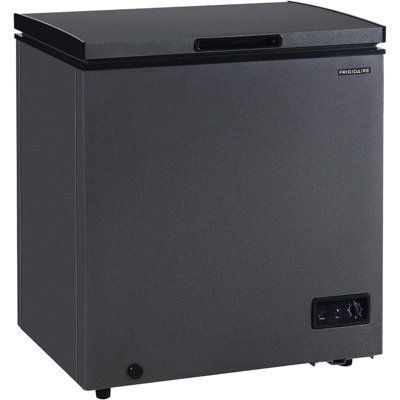
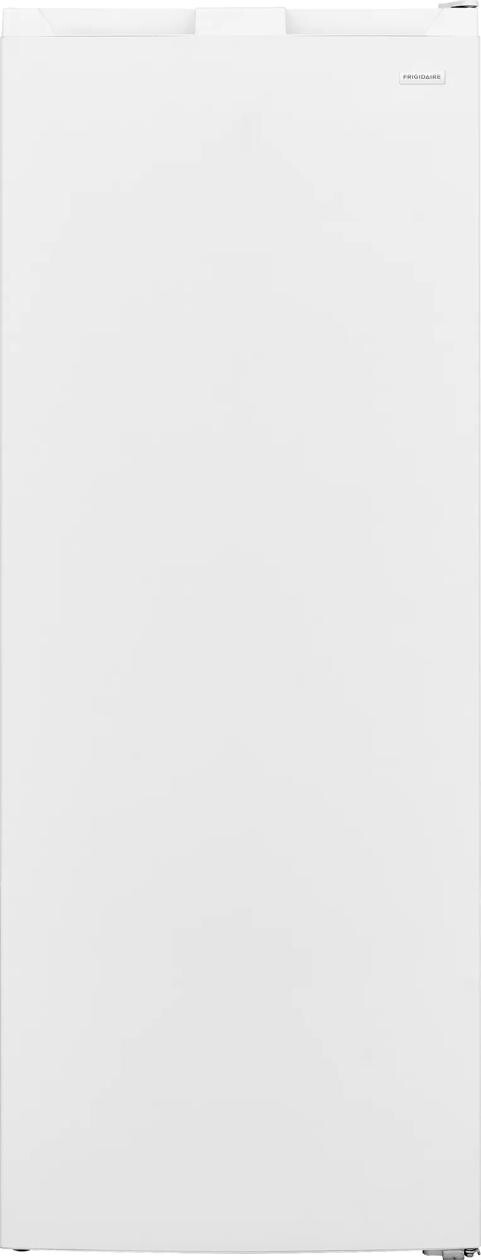
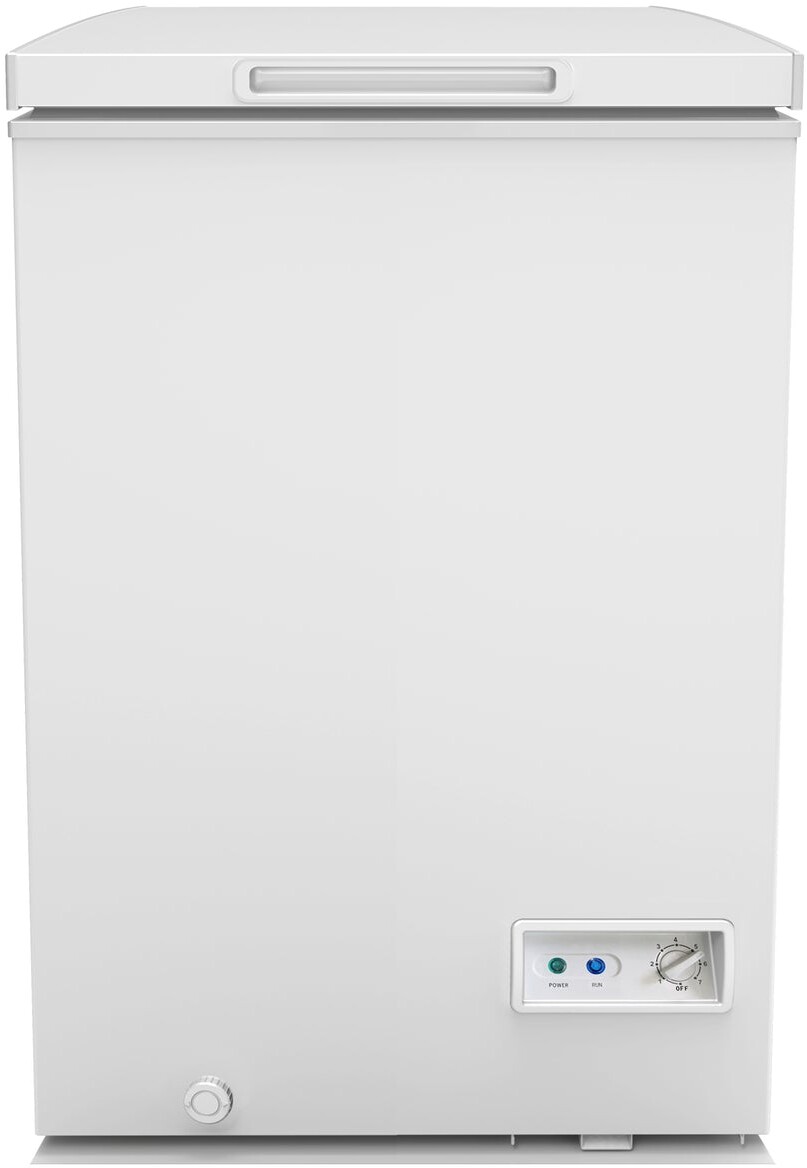
When deciding between an apartment size refrigerator and a reach-in freezer, it's crucial to understand the differences and benefits each offers. This section provides an overview to help inform your choice.
Importance of Refrigeration
Refrigeration is essential for preserving food, maintaining its freshness, and preventing spoilage. Whether you are a foodie, a chef, or simply someone who enjoys hosting gatherings, the right refrigeration option can make a significant difference in your kitchen's efficiency and functionality.
Apartment Size Refrigerator Overview
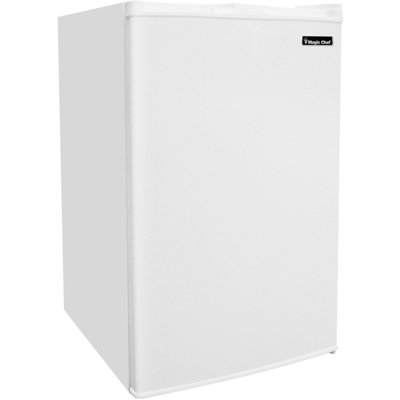
An apartment size refrigerator is designed to fit smaller spaces, making it ideal for apartments, condos, tiny homes, and other compact living arrangements. Despite its smaller size, it typically includes both refrigeration and freezing compartments, allowing for versatile food storage.
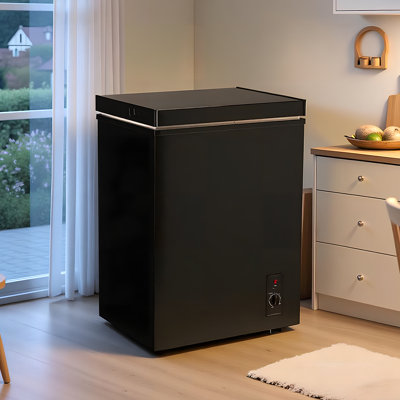
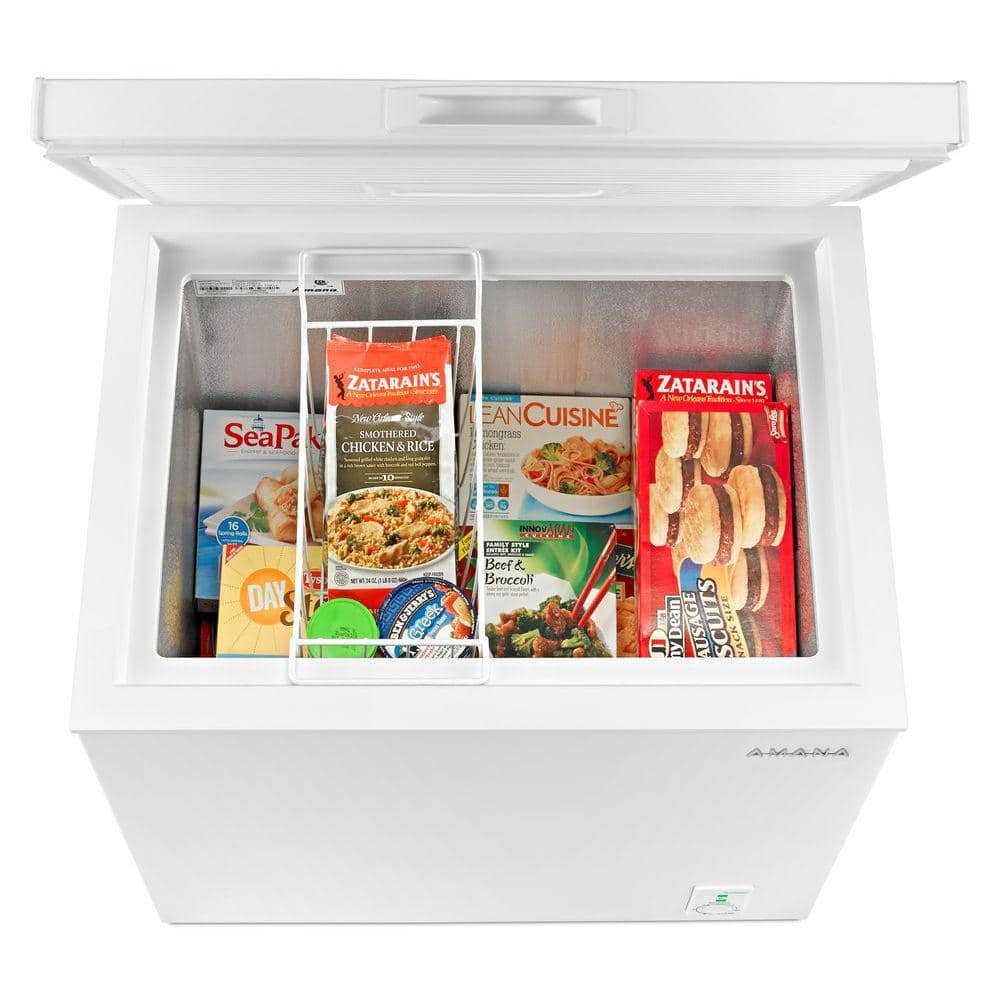
A reach-in freezer is a standalone unit primarily for freezing. It offers larger capacity compared to the freezer section of a standard refrigerator, making it suitable for those who need more space for frozen goods.
Choosing between an apartment size refrigerator and a reach-in freezer depends on your specific needs and space constraints. The following sections will delve deeper into size, capacity, installation, energy efficiency, and costs to help you make the best decision for your situation.
Size and Capacity Considerations
When comparing an apartment size refrigerator with a reach-in freezer, it's essential to understand the distinct features and capacities of each appliance. This will help you determine which one suits your needs best.
Apartment Size Refrigerator Features
An apartment size refrigerator is designed to fit smaller spaces while offering ample storage for your daily essentials. These refrigerators are compact yet efficient, providing both refrigeration and freezing options in one unit.
Features:
Dimensions: Typically range from 18 to 24 inches in width, 30 to 60 inches in height, and 20 to 30 inches in depth.
Capacity: Usually offers between 7 to 14 cubic feet of storage.
Compartments: Includes separate compartments for fresh food and frozen items, with adjustable shelves and door bins for flexible storage.
Energy Efficiency: Modern models are designed to be energy-efficient, consuming less power compared to larger refrigerators.
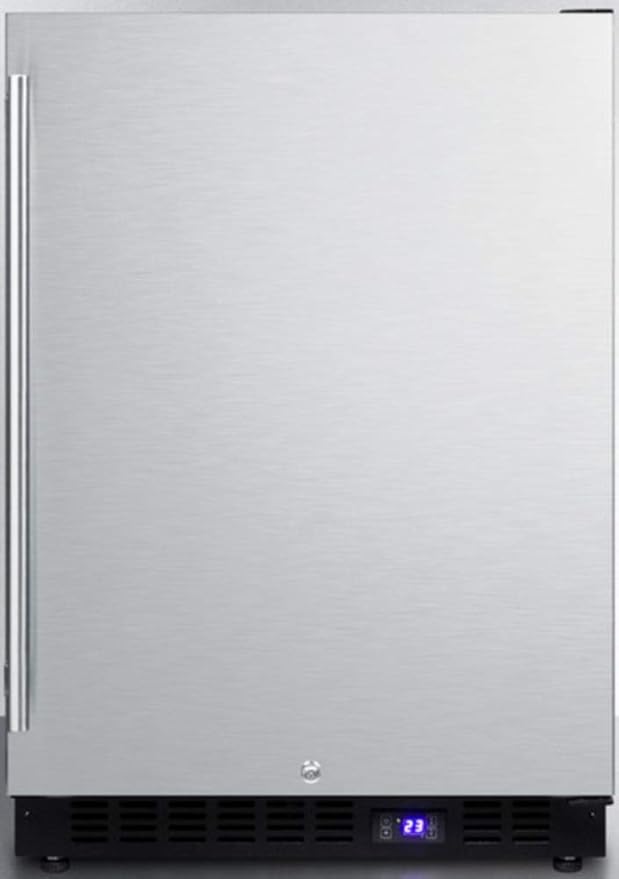
A reach-in freezer is ideal for those who require significant freezing capacity. These freezers are designed for easy access and organization of frozen goods.
Features:
Dimensions: Usually range from 28 to 36 inches in width, 60 to 80 inches in height, and 24 to 36 inches in depth.
Capacity: Offers between 15 to 30 cubic feet of storage.
Compartments: Often includes adjustable shelves and baskets to help organize your frozen items efficiently.
Temperature Control: Provides precise temperature settings to ensure optimal storage conditions for your frozen goods.
Understanding the size and capacity considerations of both apartment size refrigerators and reach-in freezers will help you make an informed decision based on your storage needs and space constraints. For additional comparisons, explore Fridge.com articles on compact freezer Vs. compact refrigerator and garage refrigerator Vs. reach in refrigerator.
When choosing between an apartment size refrigerator and a reach-in freezer, understanding the installation and placement requirements is crucial. Here, Fridge.com breaks down what you need to know.
Installing an Apartment Size Refrigerator
Installing an apartment size refrigerator involves a few key considerations. These compact units are designed to fit into smaller spaces, making them ideal for apartments, condos, and small kitchens.
Location: Choose a location that is close to a power outlet and has adequate ventilation. Ensure there's enough space around the unit for air circulation.
Measurement: Measure the available space accurately. Leave at least 1-2 inches of space around the refrigerator for proper airflow.
Leveling: Ensure the fridge is level to prevent any operational issues. Most units come with adjustable feet to help with this.
Power Supply: Plug the unit into a dedicated electrical outlet. Avoid using extension cords.
Feature
Requirement
Space Around Unit
1-2 inches
Electrical Outlet
Dedicated
Ventilation
Adequate
For more tips on choosing the right refrigerator, check out Fridge.com article on black stainless refrigerator Vs. small refrigerator.
Placing a Reach-In Freezer
Placing a reach-in freezer involves different considerations due to its larger size and different usage scenarios. These freezers are often used in garages, basements, or commercial settings.
Location: Choose a location that can support the weight and size of the freezer. Ensure it's near a power source and away from direct sunlight.
Measurement: Measure the space to ensure the freezer will fit comfortably. Account for door swing and access.
Leveling: Level the freezer using the adjustable feet to ensure optimal performance.
Power Supply: Use a dedicated electrical outlet. Do not use extension cords or power strips.
Feature
Requirement
Space Around Unit
3-5 inches
Electrical Outlet
Dedicated
Door Swing
Adequate space for opening
For more information on different types of refrigeration options, visit Fridge.com article on compact freezer Vs. compact refrigerator.
Choosing between an apartment size refrigerator and a reach-in freezer depends on your specific needs and available space. Both have their advantages and installation requirements, so consider these factors carefully before making a decision. For additional guidance, see Fridge.com article on basement refrigerator Vs. beer keg cooler.
Energy Efficiency and Maintenance
When choosing between an apartment size refrigerator and a reach-in freezer, understanding their energy efficiency and maintenance needs can help you make an informed decision.
Energy Efficiency of Apartment Size Refrigerators
Apartment size refrigerators are designed to be compact and efficient, making them ideal for smaller spaces such as apartments, condos, and office break rooms. These refrigerators typically consume less energy compared to full-size models, but their efficiency can vary based on features, usage, and design.
Feature
Energy Consumption (kWh/year)
Standard Apartment Refrigerator
300 - 500
Compact Model
150 - 300
To maximize energy efficiency:
Look for Energy Star certified models.
Ensure proper ventilation around the unit.
Regularly clean the condenser coils.
Keep the door seals in good condition to prevent cold air leaks.
Explore more about narrow refrigerator Vs. stainless look refrigerator for additional insights into energy-efficient options.
Maintenance Tips for Reach-In Freezers
Reach-in freezers are a popular choice for storing large quantities of frozen goods, whether in a home, garage, or commercial setting. Proper maintenance is crucial to ensure optimal performance and longevity.
Clean Condenser Coils: Dust and debris on the coils can reduce efficiency. Clean them every three to six months.
Check Door Seals: Ensure door gaskets are intact and sealing properly to avoid energy loss.
Monitor Temperature: Use a thermometer to ensure the freezer is maintaining the correct temperature.
Maintenance Task
Frequency
Defrosting
As needed
Cleaning Condenser Coils
Every 3-6 months
Checking Door Seals
Monthly
Monitoring Temperature
Weekly
For more tips on maintaining other refrigeration units, visit Fridge.com articles on compact freezer Vs. compact refrigerator and garage freezer Vs. tall refrigerator.
By understanding the energy efficiency and maintenance requirements of both apartment size refrigerators and reach-in freezers, you can make a more informed decision that suits your specific needs.
Cost Comparison
Initial Cost of Apartment Size Refrigerators
When considering the initial cost of apartment size refrigerators, it's essential to weigh various factors such as brand, features, and capacity. Generally, these compact refrigerators are designed to fit into smaller spaces, making them ideal for apartments, condos, and other limited spaces.
Feature
Cost Range ($)
Basic Model
150 - 300
Mid-Range Model with Additional Features
300 - 600
High-End Model with Advanced Technology
600 - 1,200
The initial investment in an apartment size refrigerator tends to be lower than that of larger models, making them an attractive option for those on a budget. For more comparisons between different types of refrigerators, check out Fridge.com article on black stainless refrigerator Vs. small refrigerator.
Initial Cost of Reach-In Freezers
Reach-in freezers are typically larger and more robust, designed to store a significant amount of frozen goods. They are commonly used in commercial settings but can also be a valuable addition to homes with ample space and high storage needs.
Feature
Cost Range ($)
Basic Single Door Model
500 - 1,000
Mid-Range Double Door Model
1,000 - 2,500
High-End Multi-Door Model with Advanced Features
2,500 - 5,000
The initial cost of reach-in freezers can be significantly higher than apartment size refrigerators due to their larger capacity and additional functionalities. If you're interested in a detailed comparison of freezers, see Fridge.com article on bottom freezer refrigerator Vs. reach in freezer.
Choosing between an apartment size refrigerator and a reach-in freezer depends on your specific needs and budget. For those looking for more compact and cost-effective options, an apartment size refrigerator might be the best choice. On the other hand, if you require extensive frozen storage, a reach-in freezer could be the better investment. For further guidance on finding the right refrigeration solution, explore Fridge.com article on compact freezer Vs. dorm fridge.
When deciding between an apartment size refrigerator and a reach-in freezer, various factors should influence your decision. Each option offers distinct advantages, and understanding your specific needs will help you make an informed choice.
Factors to Consider
Several key factors can help determine whether an apartment size refrigerator or a reach-in freezer is best for you:
Space Availability:
Measure the available space to ensure your chosen appliance fits comfortably.
Consider door clearance and ventilation requirements.
Storage Needs:
Assess the volume of items you need to store.
Determine if you need more freezer or refrigerator space.
Usage:
Identify the primary use – daily essentials, long-term storage, or specific items like beverages or frozen goods.
Energy Efficiency:
Compare the energy consumption of both options.
Look for Energy Star-rated models to minimize utility costs.
Budget:
Evaluate the initial cost and potential long-term savings.
Consider maintenance and repair expenses.
Factor
Apartment Size Refrigerator
Reach-In Freezer
Space Requirement
Compact
Larger footprint
Storage Capacity
Balanced
High freezer capacity
Primary Use
Daily essentials
Long-term storage
Initial Cost
Moderate
Typically higher
Making the Best Decision for Your Space
To make the best decision for your space, assess your specific needs and lifestyle:
Small Living Spaces:
If you live in an apartment, condo, or tiny home, an apartment size refrigerator may be ideal due to its compact size and balanced storage.
High Freezer Demand:
For those who prioritize freezing over refrigeration, such as chefs or families storing bulk items, a reach-in freezer offers substantial capacity.
Flexible Storage:
If versatility is key, consider a model with adjustable shelves and compartments.
Energy Concerns:
For energy-conscious individuals, compare the energy efficiency ratings and look for models with advanced features like auto-defrost and energy-saving modes.
For more detailed comparisons, check Fridge.com articles on bottom freezer refrigerator Vs. reach in freezer and garage refrigerator Vs. reach in refrigerator. These insights can further guide you in making a well-informed decision based on your unique requirements.
Compare prices on Fridge.com
Compare current prices and specifications on Fridge.com, then buy from the retailer you choose; delivery, installation and warranty terms are the retailer’s.
It also has tons of awesome articles about kitchen stuff and home news. Enhance your home, garage, backyard, patio, and office with the coolest essentials. With every necessary type of residential refrigerator or freezer in the collection, you're covered.
From Fridge.com research
Figures below come from data Fridge.com builds and maintains. Each links to the record behind it.
Fridge.com Energy Index, built on U.S. EPA and DOE ENERGY STAR records
Across 5,455 ENERGY STAR certified refrigerators and freezers from 263 brands, median use is 360 kWh per year.