The USDA recommends keeping refrigerators at 40°F or below and freezers at 0°F or below for food safety.
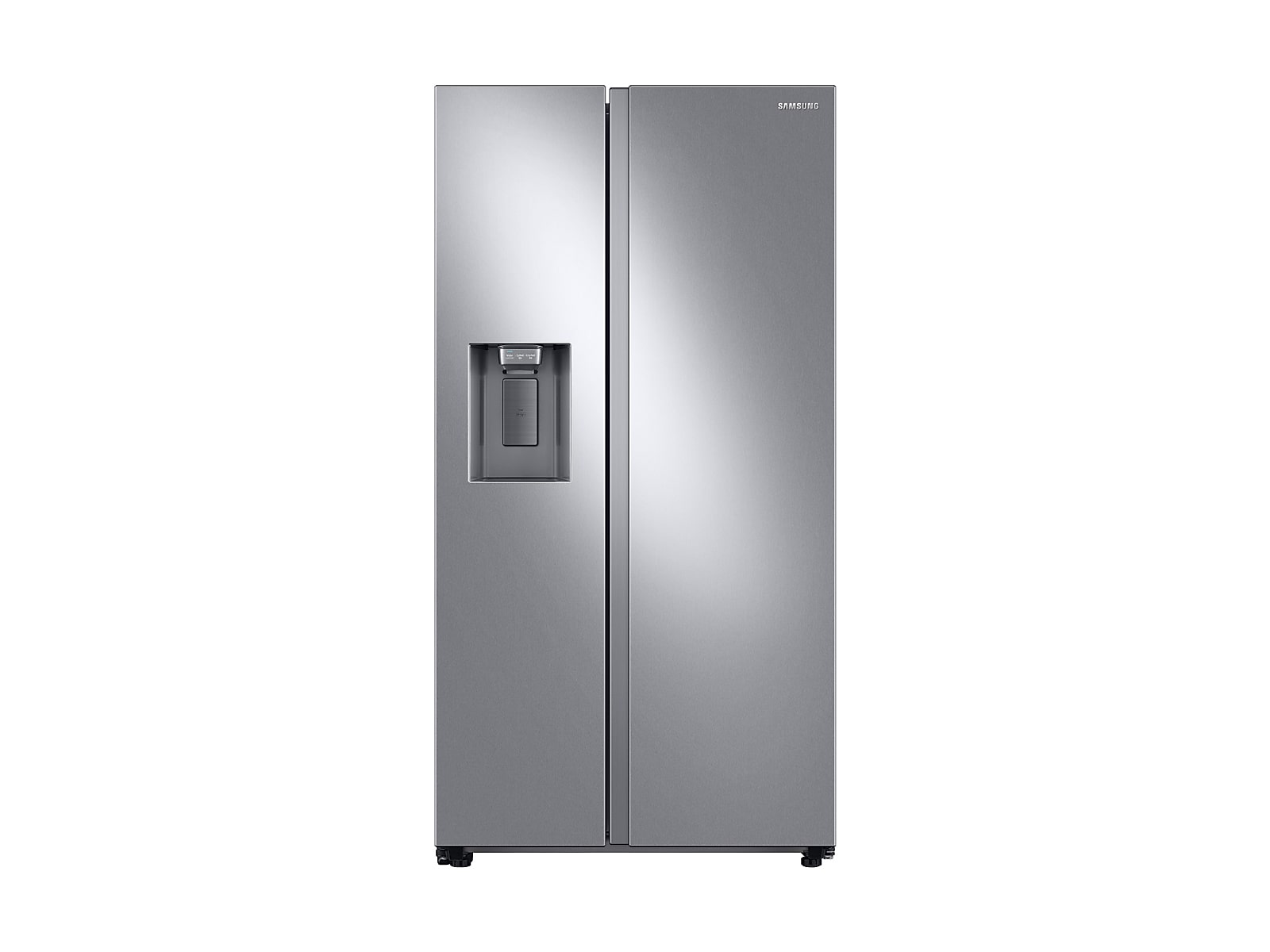
Standard full-size refrigerators are usually 22 cubic feet and up, 30 to 36 inches wide, and 30 to 34 inches deep.
Department of Energy (DOE) uses capacity-based categories for efficiency standards: compact (under 7.75 cu ft), small (7.75 to 10 cu ft), and standard (over 10 cu ft).
Standard refrigerators need a wide opening—usually at least 30 inches, and 36 inches for the largest models—plus depth for the cabinet and door, and height for the unit and top clearance.
Choosing between an apartment refrigerator and a standard full-size refrigerator comes down to space, household size, and how you use the fridge. Apartment units are built to fit small kitchens and narrow doorways; standard-size refrigerators offer more capacity and more features but require a larger opening and a delivery path that can accommodate them. This guide compares the two so you can decide which type fits your situation.
What Counts as Apartment vs. Standard Size
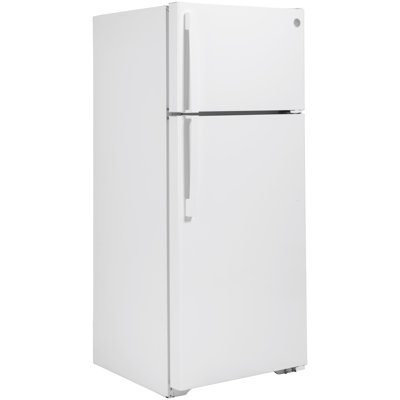
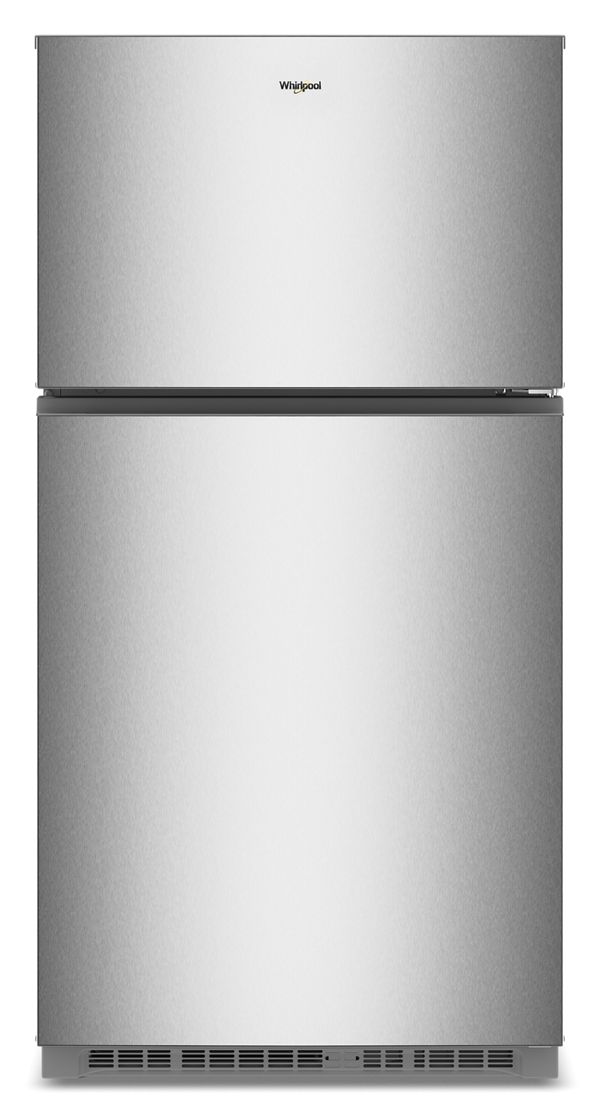
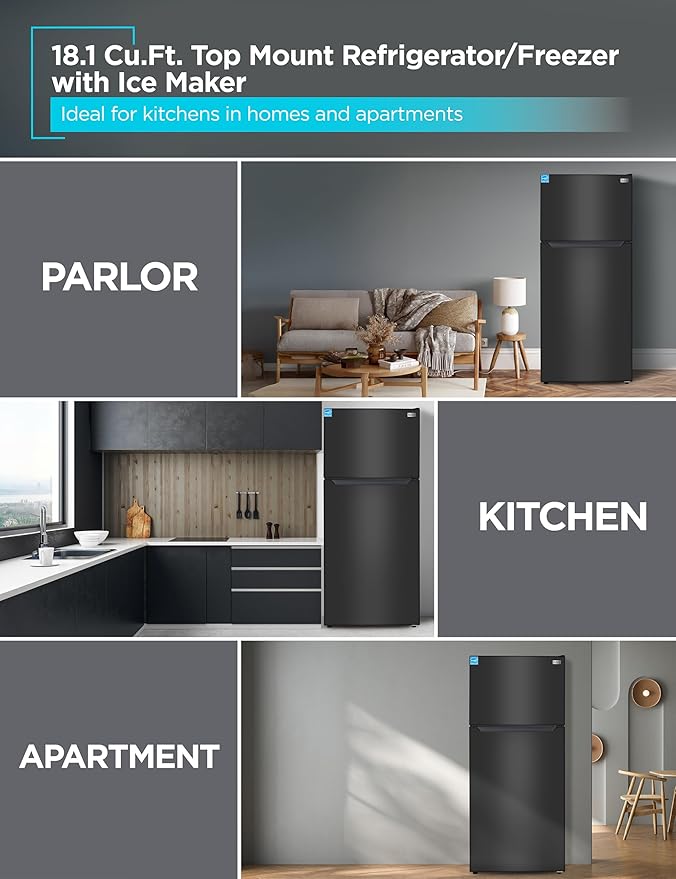
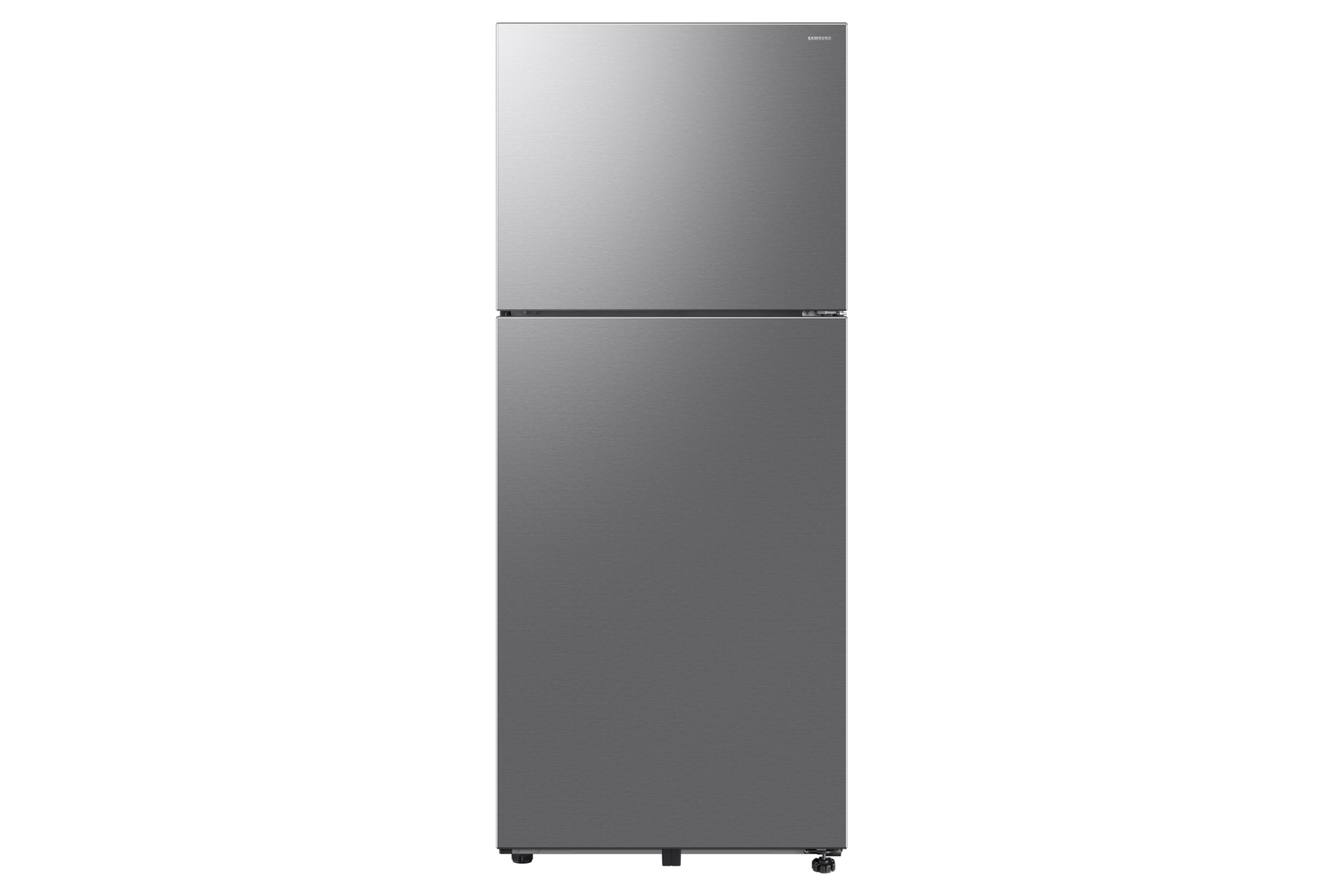
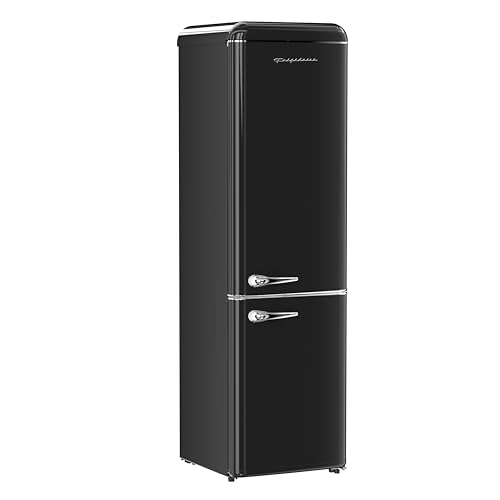
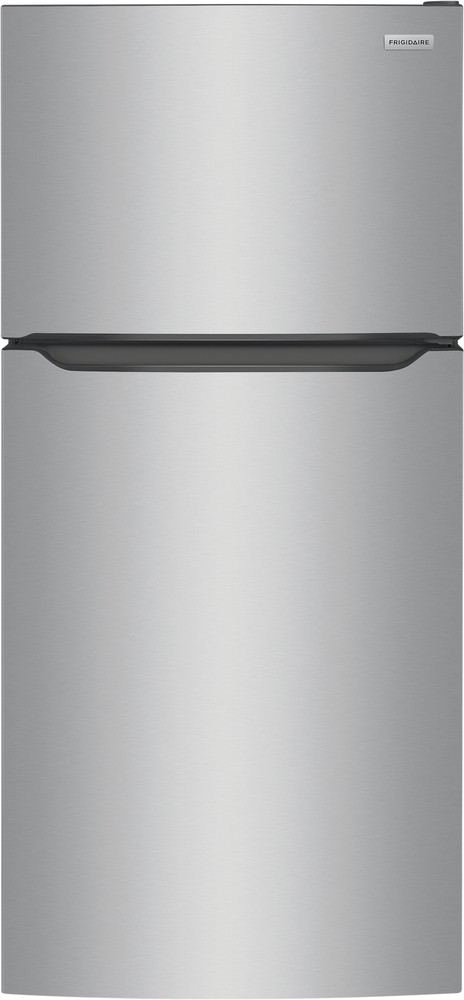
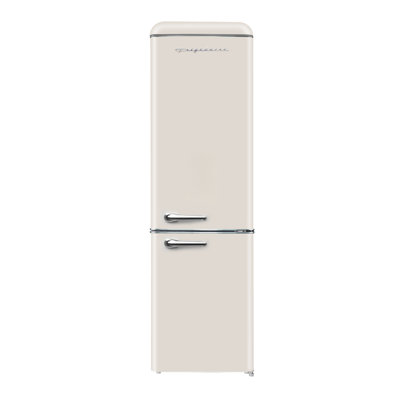
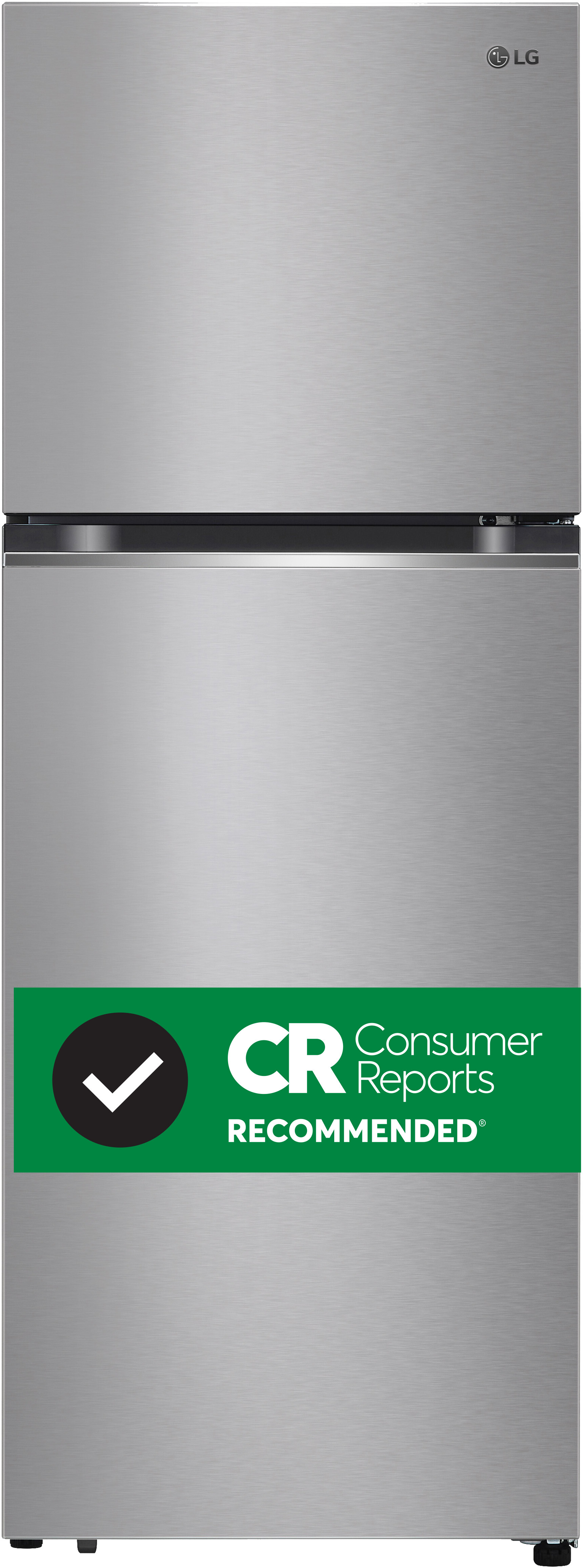
There is no single industry definition, but in practice an apartment refrigerator is one designed for small kitchens: typically under 18 cubic feet in capacity, 24 to 30 inches wide, and 24 to 28 inches deep (often called "apartment depth" or "slim depth"). Standard full-size refrigerators are usually 22 cubic feet and up, 30 to 36 inches wide, and 30 to 34 inches deep. They are 66 to 70 inches tall; many apartment refrigerators are a few inches shorter. Apartment units are built to fit in spaces where a full-size fridge would not fit or would dominate the room.
The U.S. Department of Energy (DOE) uses capacity-based categories for efficiency standards: compact (under 7.75 cu ft), small (7.75 to 10 cu ft), and standard (over 10 cu ft). Apartment refrigerators typically fall into the standard category by capacity but are built to apartment dimensions. The distinction matters for delivery, fit, and feature availability—not for regulatory classification.
Manufacturers sometimes use "apartment depth" to mean 24 to 28 inches from front to back, versus "standard depth" of 30 to 34 inches. That 4- to 6-inch difference can determine whether a unit fits in a galley kitchen or alcove. Always verify the exact dimensions before buying.
Space and Dimensions
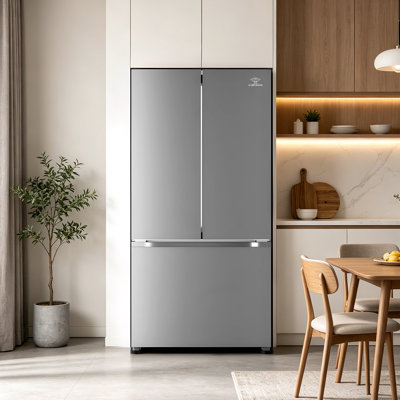
Standard refrigerators need a wide opening—usually at least 30 inches, and 36 inches for the largest models—plus depth for the cabinet and door, and height for the unit and top clearance. In a small or galley kitchen, that can mean the fridge is the dominant feature and blocks traffic. In an apartment with a narrow building door or hallway, getting a full-size refrigerator delivered can be impossible.
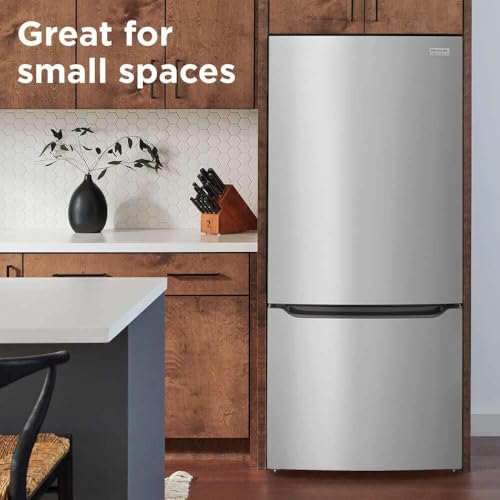
Apartment refrigerators are built for 24- to 30-inch openings and shallower depth. They fit in galley kitchens, studios, and alcoves where a full-size unit would not. They also fit through narrow doors and up stairs more easily, which matters for renters and older buildings. If your space or your delivery path is limited, an apartment refrigerator may be the only option that fits.
Door swing clearance is another factor. A standard refrigerator door may need 36 inches or more of clearance to open fully; an apartment unit with a 24-inch width needs less. In a tight kitchen, that can mean the difference between being able to access shelves and bins easily and having to squeeze past a partially open door.
Delivery logistics matter for renters. Many apartment buildings have elevators with weight and size limits, or stairs with tight turns. A 24-inch-wide apartment refrigerator is easier to maneuver than a 36-inch French door unit. Some delivery services charge extra for stairs or difficult access; a smaller unit can reduce those costs.
Standard refrigerators offer 22 to 28 cubic feet or more. That is enough for a large family, bulk shopping, and plenty of freezer space. Apartment refrigerators typically offer 10 to 18 cubic feet. For one or two people who shop every few days, 10 to 14 cubic feet is often sufficient. For three or more people or anyone who stocks up on frozen food or beverages, 14 to 18 cubic feet may be the minimum, and a standard-size fridge might be preferable if space allows.
If you have the space for a standard refrigerator but are trying to save money or energy, remember that a larger fridge uses more electricity and costs more to buy. Choosing the smallest size that meets your needs—whether that is an 18-cubic-foot apartment unit or a 22-cubic-foot standard—reduces both.
The USDA recommends keeping refrigerators at 40°F or below and freezers at 0°F or below for food safety. Both apartment and standard refrigerators can maintain these temperatures; the difference is how much food they hold. A half-full refrigerator is less efficient than one that is well-stocked but not overcrowded, because the mass of stored food helps stabilize temperature when the door opens. Match capacity to your actual usage so the fridge is neither empty nor crammed.
Freezer capacity varies within both categories. An apartment refrigerator might have 3 to 5 cubic feet of freezer; a standard unit might have 6 to 10 cubic feet or more. If you rely on frozen meals, bulk meat, or ice, check the freezer capacity specifically—it is often the limiting factor for smaller households that want to stock up.
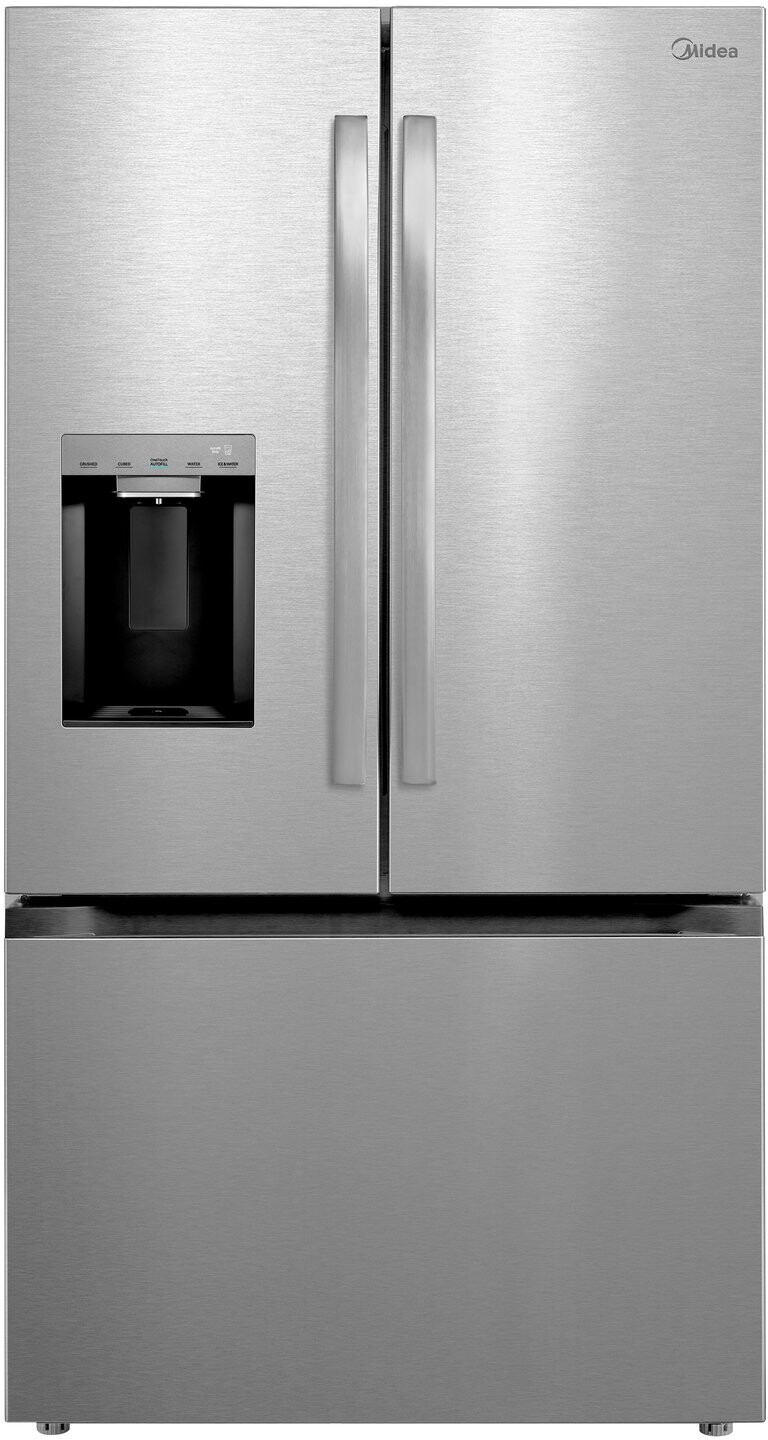
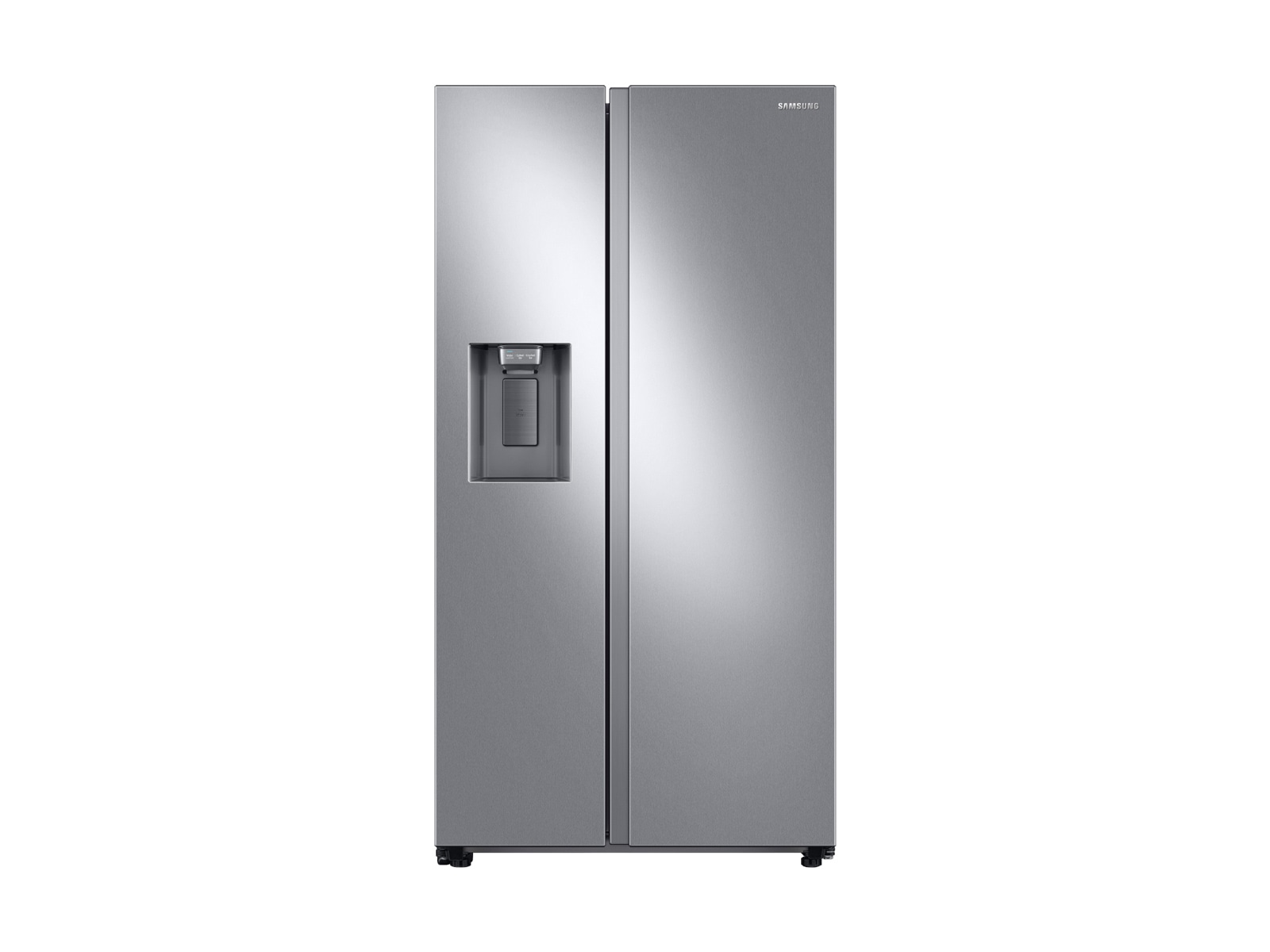
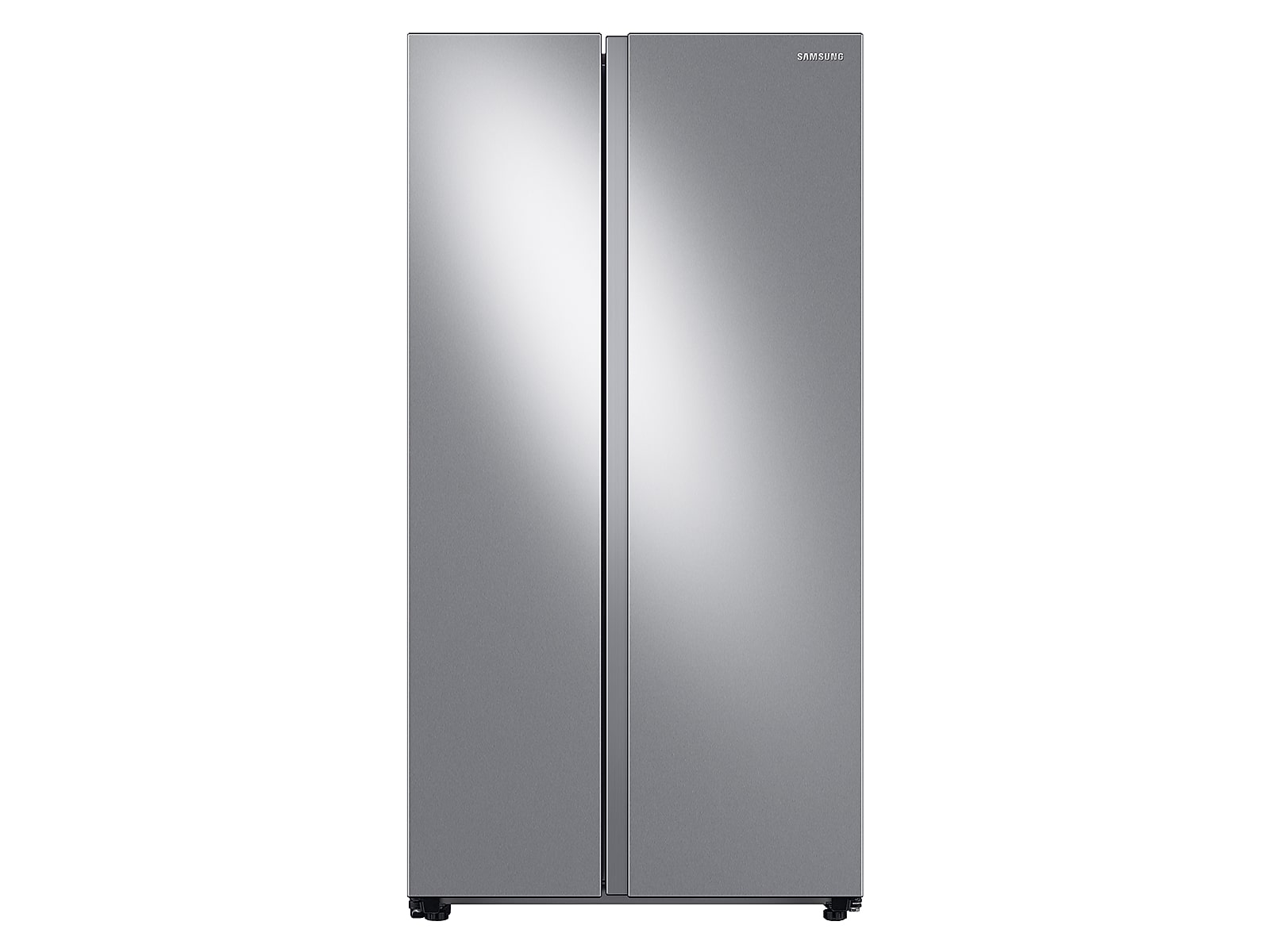
Standard refrigerators often include ice makers, water dispensers, multiple drawers, and smart connectivity. Apartment refrigerators are usually simpler: top-freezer or bottom-freezer, basic shelves and door bins, and manual or automatic defrost. Some apartment-size models do offer ice makers or a single drawer; the selection is smaller. If you want through-the-door ice and water, a French door or side-by-side design, or a large freezer drawer, you will likely need a standard-size unit and the space to put it.
Humidity-controlled crispers, adjustable shelves, and door bins are common in both categories. The difference is that standard refrigerators often have more of them—multiple drawers, full-width shelves, and specialized compartments. Apartment refrigerators prioritize space efficiency over feature count.
Smart features—Wi-Fi connectivity, internal cameras, touchscreens—are rare in apartment refrigerators. They add cost and complexity, and the target buyer for an apartment unit often prioritizes reliability and value. If smart features matter, you will need to look at standard-size models.
Energy Use
Smaller refrigerators use less energy in absolute terms because they cool less volume. An apartment refrigerator might use 200 to 350 kWh per year; a standard-size unit might use 400 to 600 kWh or more. Per cubic foot, efficiency varies by model and age. New ENERGY STAR units in both size classes are much more efficient than older units. If you are comparing an apartment fridge to a standard fridge, use the EnergyGuide label or the Energy Cost Calculator at Fridge.com to estimate yearly cost for your local rate so you can weigh capacity and features against running cost.
The U.S. Energy Information Administration (EIA) reports that refrigeration accounts for a significant share of residential electricity use. Choosing an ENERGY STAR model in either size class can reduce that share. The yellow EnergyGuide label on each unit shows estimated yearly kWh and how it compares to similar models—use it to compare apartment and standard units side by side.
Older refrigerators—especially those from before 2001—use far more energy than current models. DOE efficiency standards have tightened over time. If you are replacing an old unit with either an apartment or standard refrigerator, you will likely see a noticeable drop in electricity use regardless of which size you choose.
When to Choose an Apartment Refrigerator
Choose an apartment refrigerator if your kitchen opening is 30 inches wide or less, your depth is limited to 28 inches or so, or your building has narrow doors or stairs that rule out a full-size unit. Also choose one if you live alone or with one other person and do not need more than 10 to 18 cubic feet. Apartment refrigerators cost less to buy and run and fit more easily in small spaces and through tight delivery paths.
Renters often choose apartment refrigerators because they may move and want a unit that fits a variety of spaces. A 24-inch-wide refrigerator is easier to place in a new apartment than a 36-inch unit. Lower purchase price also matters when the appliance may not move with you or when the landlord provides the unit.
If you cook infrequently, eat out often, or shop in small batches, an apartment refrigerator can hold everything you need without wasted space. Oversized refrigerators cost more to run and can encourage food waste by making it easy to forget items in the back.
Choose a standard refrigerator if you have a 30- to 36-inch opening, 30 or more inches of depth, and a delivery path that can accommodate a large unit. Choose one if your household is larger or you want more freezer space, through-the-door ice and water, or a French door or side-by-side layout. Standard refrigerators offer more capacity and more features at the cost of more space and higher purchase and operating cost.
Families with children, frequent entertainers, or anyone who shops at warehouse clubs and buys in bulk will benefit from the extra capacity. A standard refrigerator can hold multiple gallons of milk, large platters, and party trays that would not fit in an apartment unit.
If you are buying for a home you own and plan to stay for years, investing in a standard refrigerator with the features you want can pay off. The higher upfront cost spreads over a decade or more of use, and the convenience of ice, water, and extra space may be worth it.
Summary
Apartment refrigerators fit small kitchens and tight delivery paths and typically offer 10 to 18 cubic feet with simpler features. Standard refrigerators offer 22 cubic feet and up, more features, and require more space. Match your choice to your opening, your household size, and how you use the fridge. Compare both types by dimensions, capacity, and energy use at Fridge.com to find the right fit.
Frequently Asked Questions
Apartment refrigerators are typically under 18 cu ft, 24–30 in. wide, and 24–28 in. deep. Standard refrigerators are 22+ cu ft, 30–36 in. wide, and 30–34 in. deep. Apartment units fit small kitchens and tight delivery paths.