At that rate, a refrigerator using 300 kWh per year costs roughly $48 annually.
A less efficient unit using 450 kWh costs about $72—a difference of $24 per year, or $240 over a 10-year lifespan.
Apartment top-freezer refrigerators typically offer 10 to 18 cubic feet total, with the freezer making up about one-quarter to one-third of that.
If you pay your own electric bill, choosing an ENERGY STAR top-freezer apartment refrigerator can save $20 to $50 or more per year compared to an older or less efficient unit.
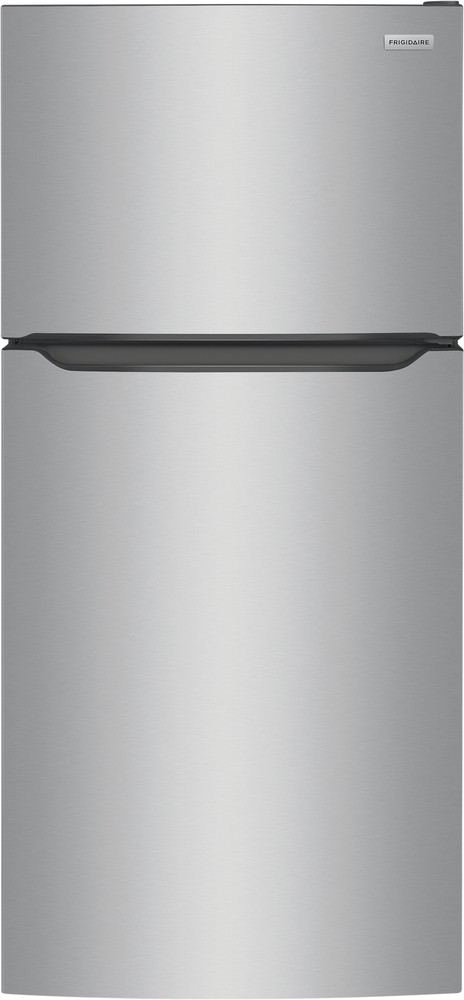
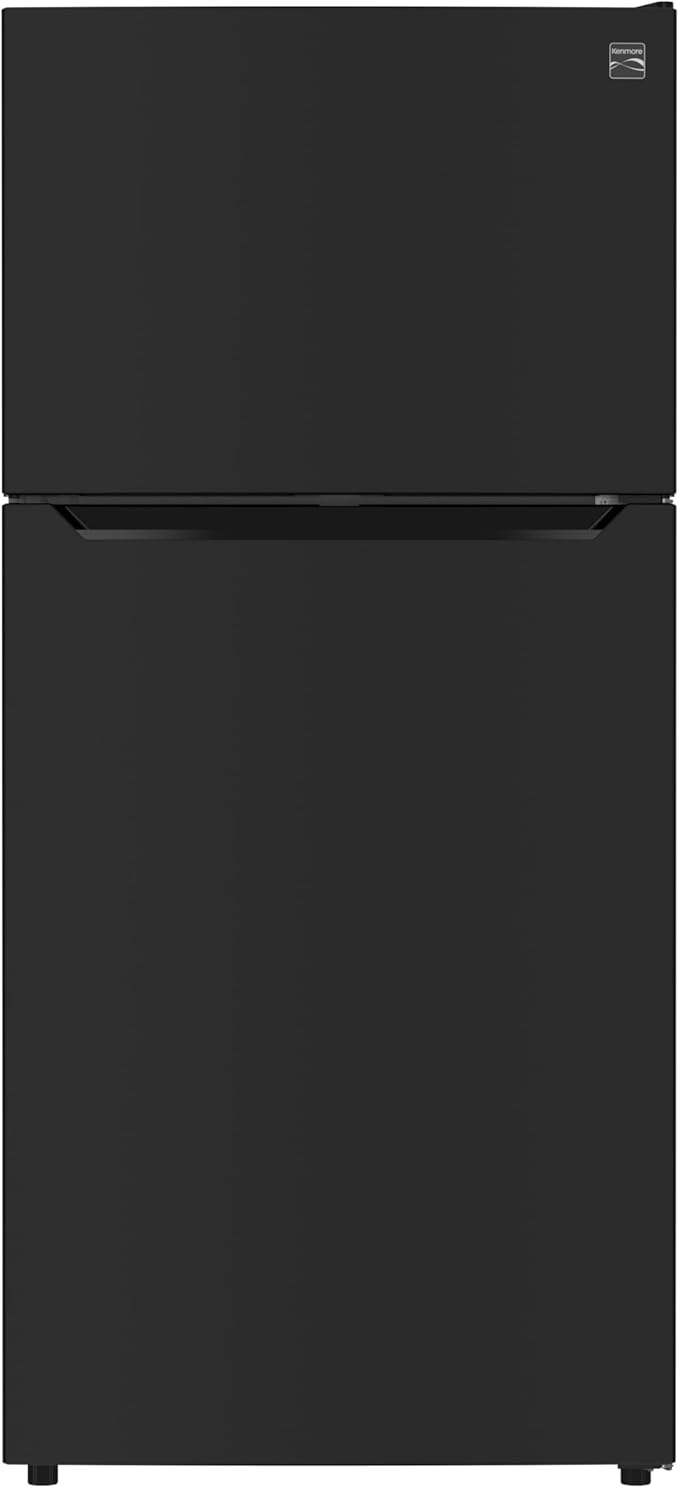
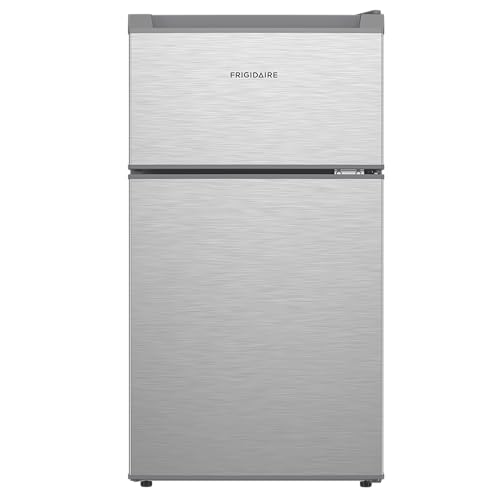
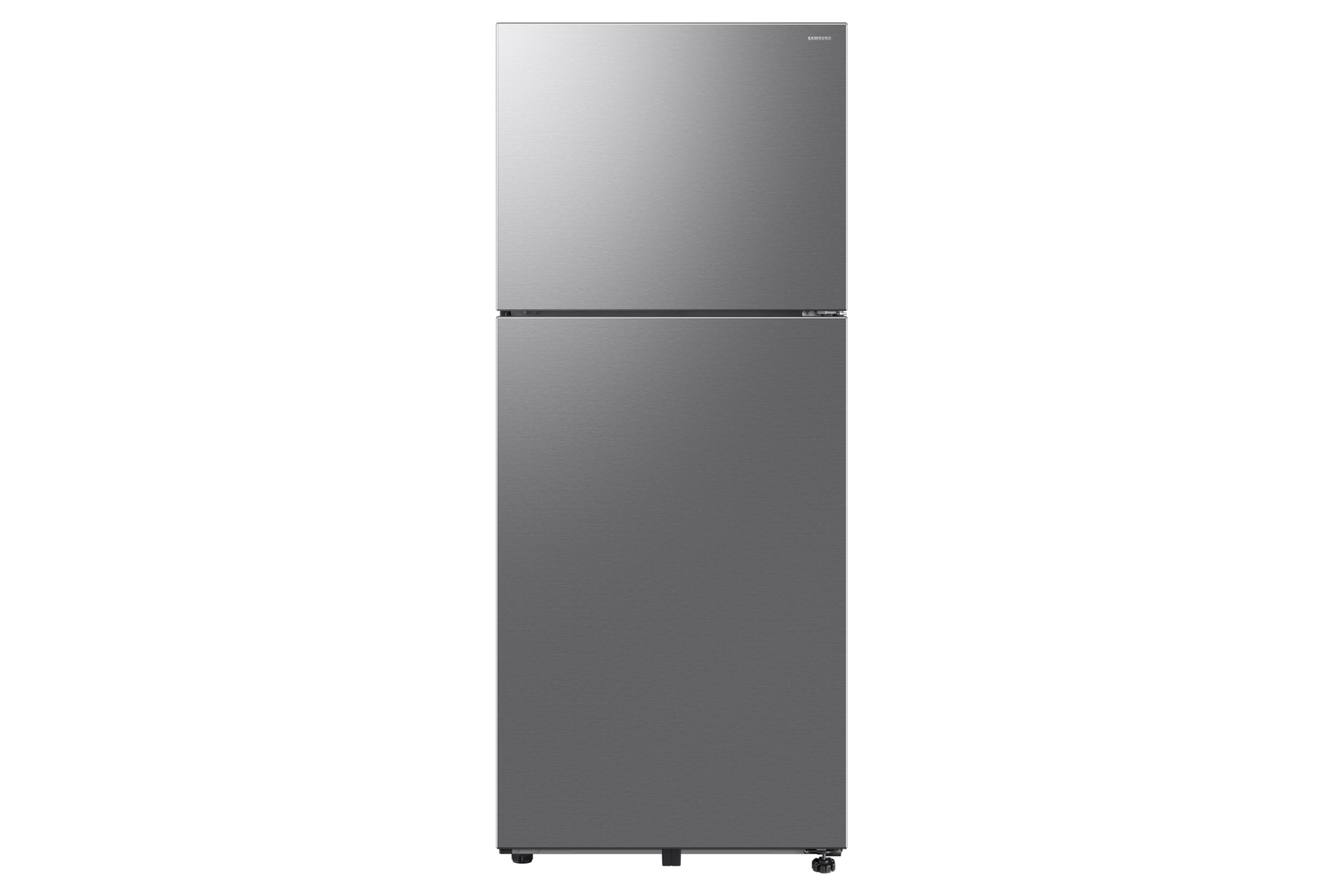
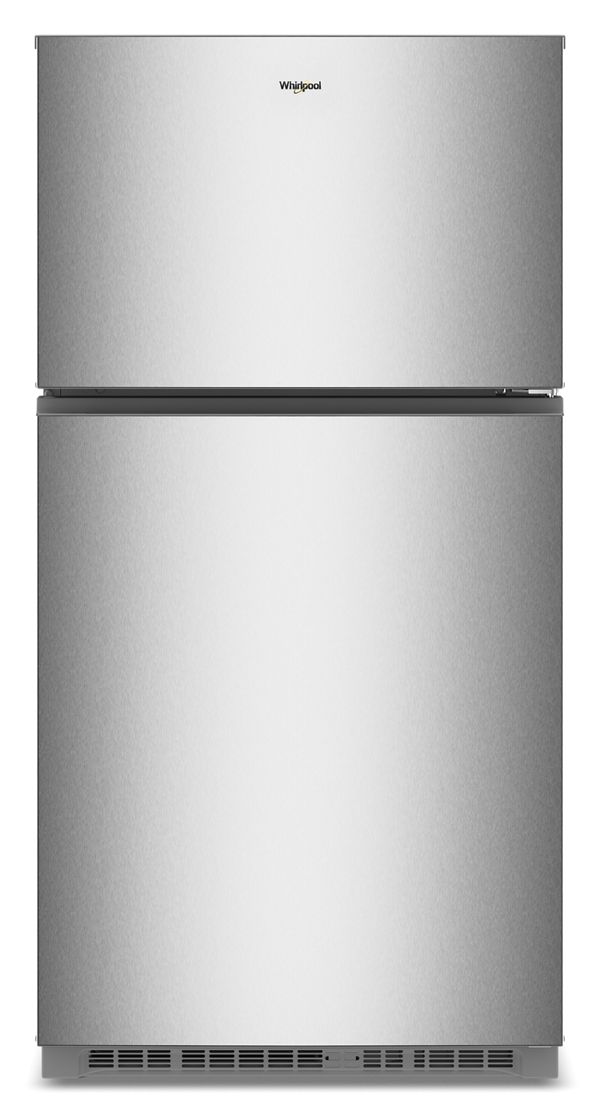
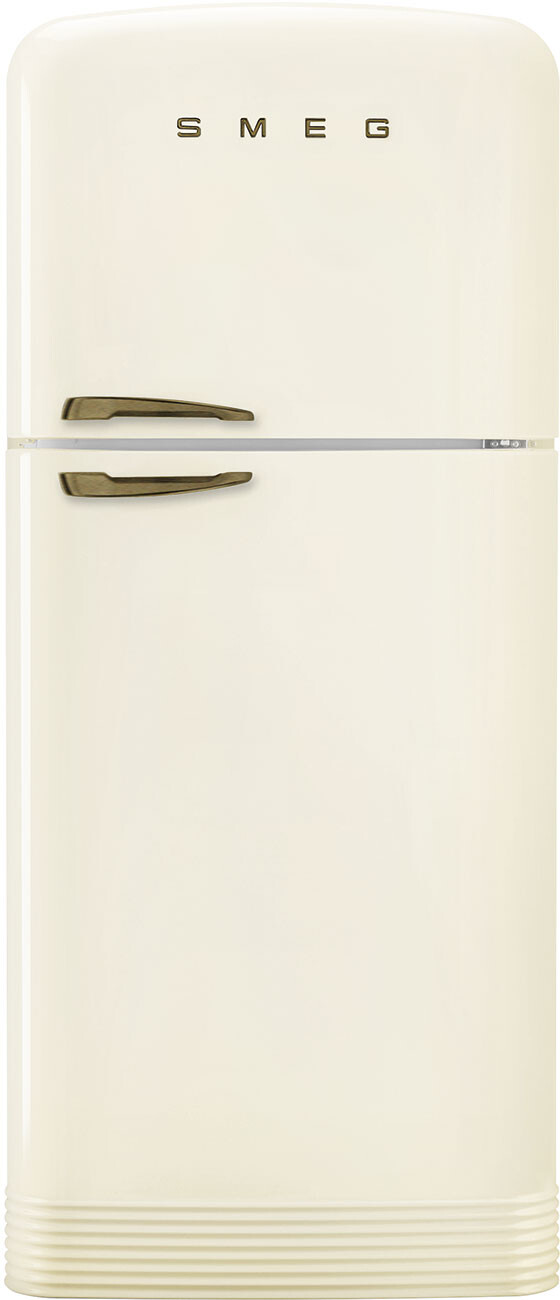
Top-freezer refrigerators—with the freezer compartment above the refrigerator section—remain one of the most common layouts for apartment and compact units. They are simple, reliable, and often the most energy-efficient configuration for a given size. If you are shopping for an apartment refrigerator and want straightforward cooling without the cost or complexity of a bottom-freezer or French door design, a top-freezer model is a solid choice. This guide covers the pros and cons of apartment refrigerators with a top freezer, what to look for when you compare models, and how they stack up on capacity, efficiency, and price.
Why Top-Freezer Suits Apartments
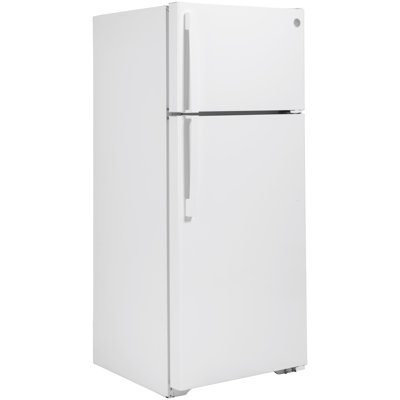
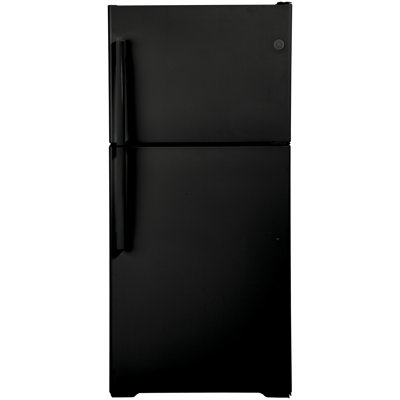
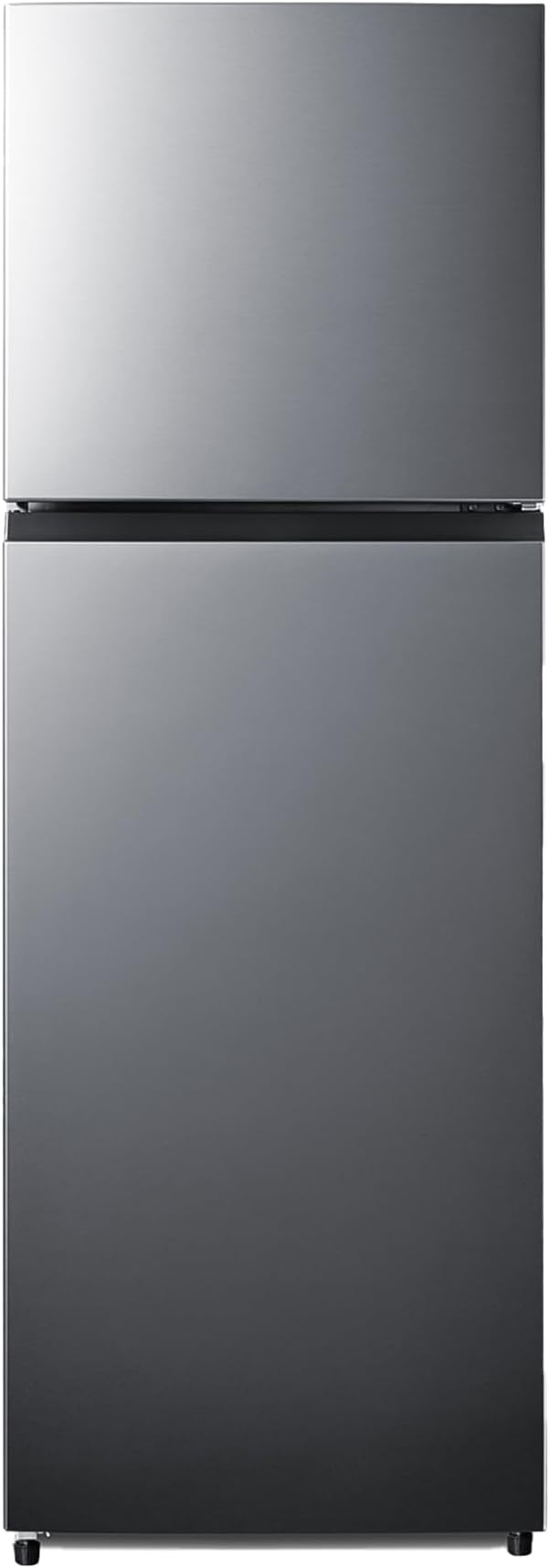
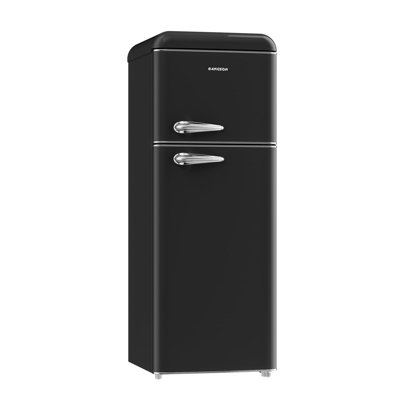
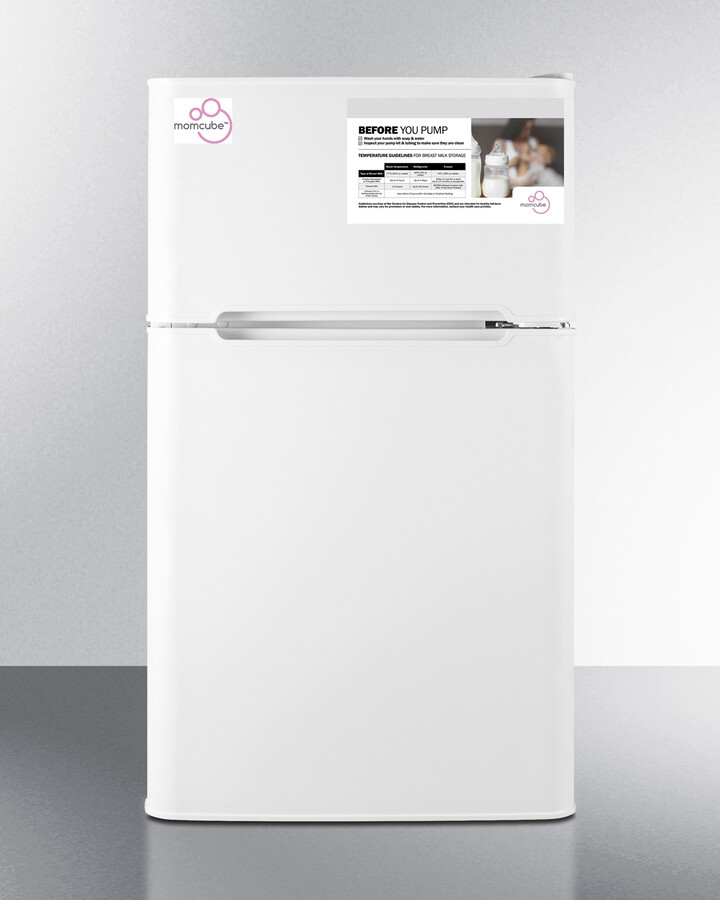
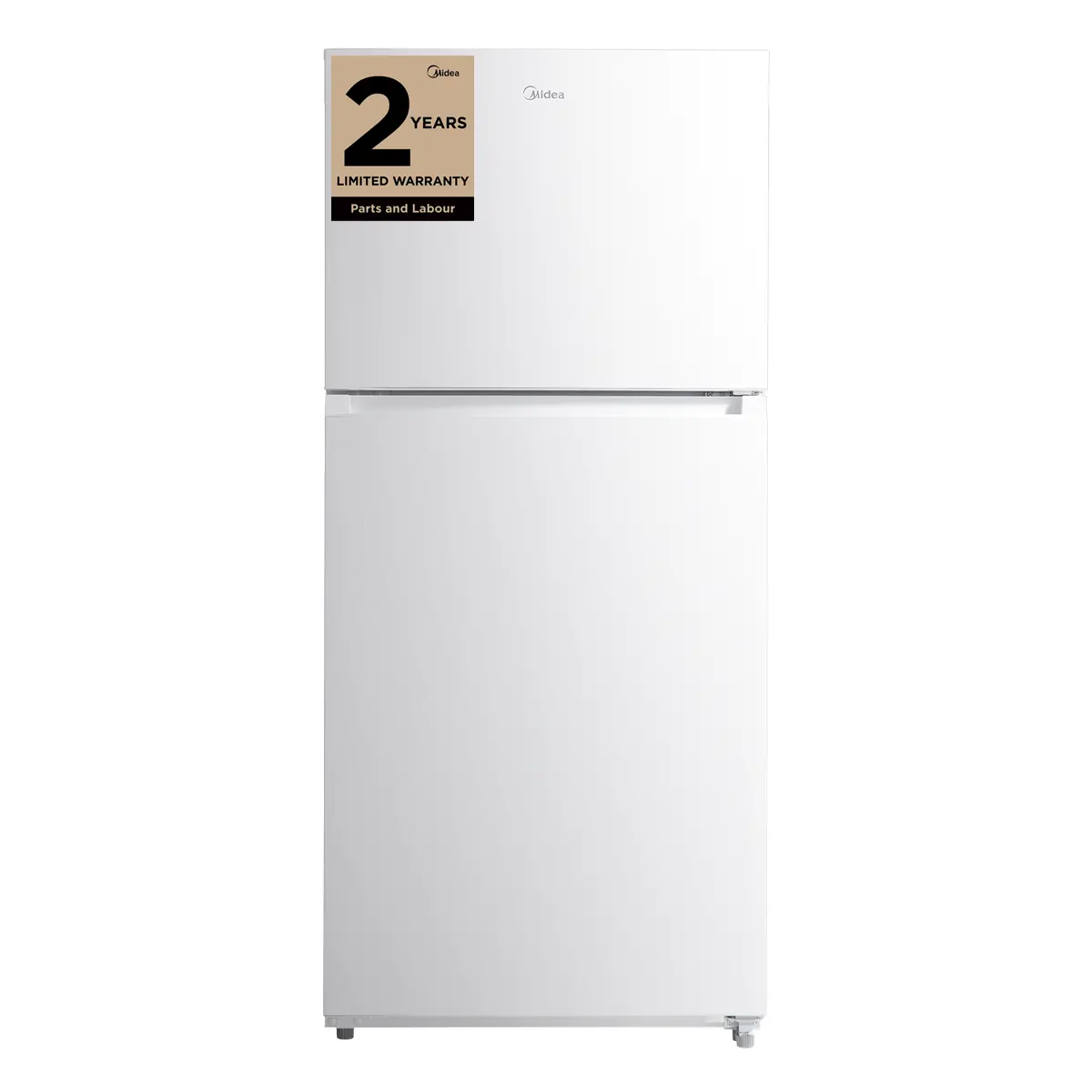
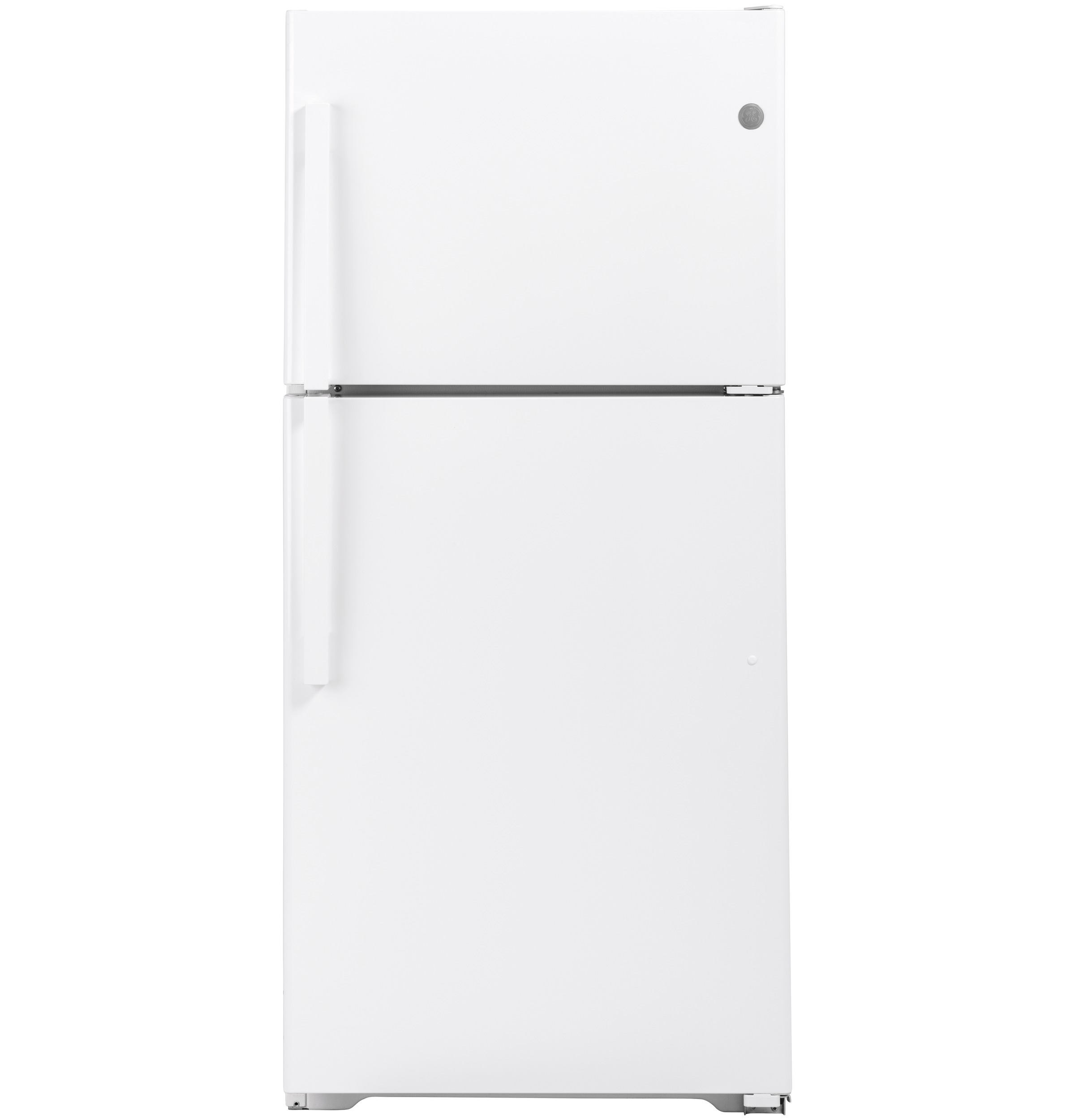
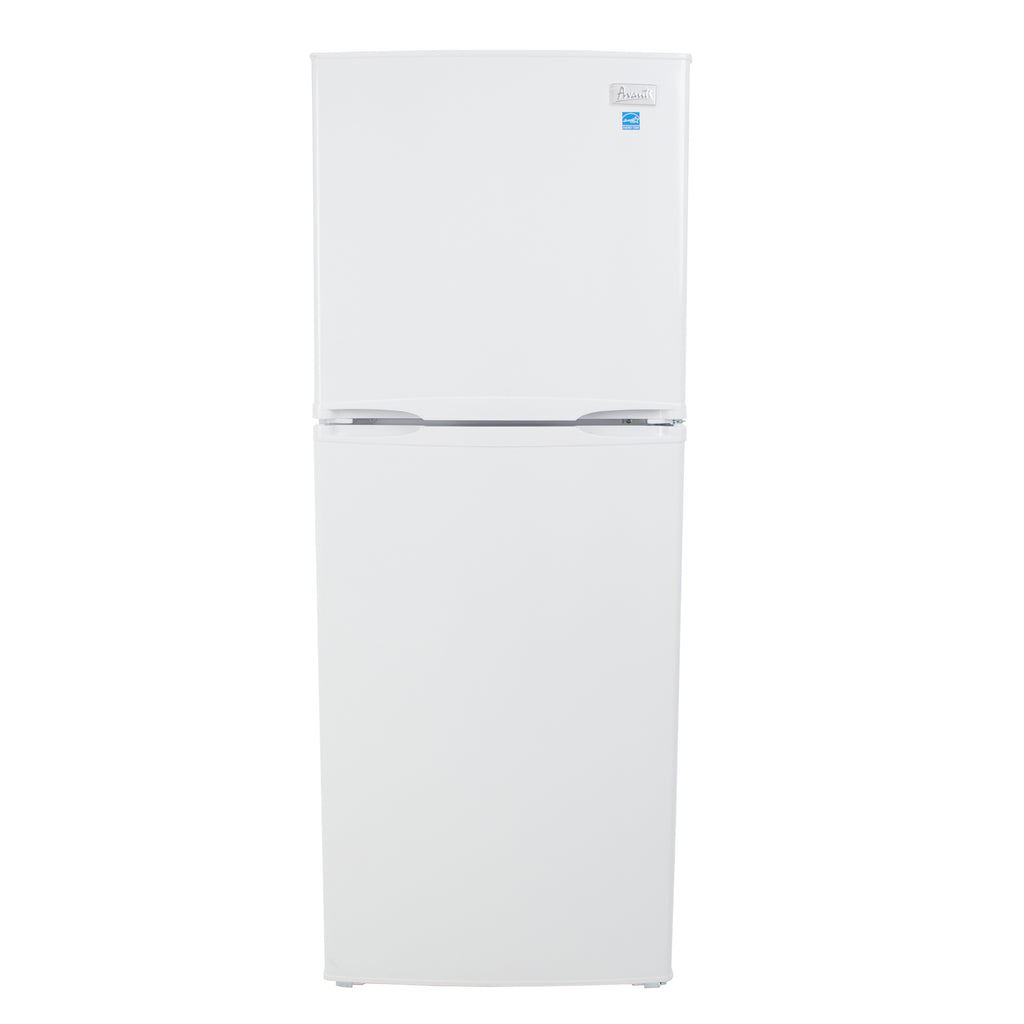
Top-freezer refrigerators have a single refrigerator door and a single freezer door stacked above it. The layout has been used for decades and is easy to manufacture, so it is available in narrow widths and shallow depths that fit small kitchens. Many 24- and 26-inch-wide apartment refrigerators are top-freezer models because the design does not require the extra width needed for two side-by-side doors or a wide freezer drawer. For renters and anyone with limited space, that means more options in the 10- to 18-cubic-foot range that actually fit the opening.
Top-freezer units also tend to use less energy than side-by-side or French door refrigerators of the same capacity. The freezer is a single block at the top, with one door and one seal, so there is less cold air loss when you open the fridge section. The compressor and condenser are usually at the back or bottom and are straightforward to service. For an apartment where you want reliable cooling and low energy bills without paying for premium features, a top-freezer apartment refrigerator is a practical choice.
The U.S. Department of Energy (DOE) sets test procedures and efficiency standards for refrigerators. Compact refrigerators—those under 7.75 cubic feet—and small refrigerators—7.75 to 10 cubic feet—have separate efficiency tiers. Many apartment top-freezer models fall into the 10- to 18-cubic-foot range, which DOE classifies as standard refrigerators. The simpler mechanical design of top-freezer units often allows them to meet ENERGY STAR thresholds more easily than multi-door configurations with more seals and compartments.
Renters and condo owners often face constraints that favor top-freezer designs: narrow doorways, stairwells, and elevator size limits. A 24-inch-wide top-freezer unit can fit through a 28-inch doorway with room to spare; a 36-inch French door refrigerator cannot. Delivery and installation are simpler when the unit is compact and the design is familiar to movers and installers.
Apartment top-freezer refrigerators typically offer 10 to 18 cubic feet total, with the freezer making up about one-quarter to one-third of that. The refrigerator section is at eye level and below, so you do not have to bend as much for everyday items. The freezer is above; you reach up to access frozen food. Some people find the freezer harder to organize because it is a single compartment without drawers, but for basic frozen storage—ice, a few meals, ice cream—it is usually enough.
Shelves in the refrigerator section are often adjustable so you can fit tall bottles or large containers. Door bins hold gallons, condiments, and beverages. If you need more freezer space relative to refrigerator space, a top-freezer design gives you a dedicated freezer compartment without the complexity of a bottom drawer. When you compare models, check the cubic feet of the freezer and the refrigerator separately if the specs list them; that tells you how the space is split.
DOE capacity measurements follow standardized procedures so that cubic-foot ratings are comparable across brands. The interior volume includes shelves, door bins, and crisper drawers; it reflects usable space, not an empty box. A 14-cubic-foot apartment top-freezer might have roughly 10 cubic feet of refrigerator space and 4 cubic feet of freezer. That split works well for households that use the fridge more than the freezer for daily items.
Organization in a top-freezer unit is straightforward: keep frequently used items on the upper shelves and in the door, and use the lower shelves and crisper for produce and leftovers. The freezer may have one or two wire baskets to separate items; some models have a shelf. Without separate freezer drawers, you may need to stack or group items, but for modest freezer use this is rarely a problem.
Energy Efficiency
ENERGY STAR sets efficiency criteria for compact and small refrigerators, including top-freezer models. Because the top-freezer design is simple and has fewer seals than a French door or side-by-side unit, many apartment top-freezer refrigerators meet or beat the ENERGY STAR limit for their size class. The EnergyGuide label on each model shows estimated yearly electricity use in kWh and compares it to similar refrigerators. When you shop, compare the kWh number: a lower value means lower energy use and lower bills.
If you pay your own electric bill, choosing an ENERGY STAR top-freezer apartment refrigerator can save $20 to $50 or more per year compared to an older or less efficient unit. Over the life of the fridge, that adds up. Use the Energy Cost Calculator at Fridge.com to estimate annual cost for your local electricity rate so you can compare models by both purchase price and running cost.
The U.S. Energy Information Administration (EIA) reports that the average U.S. residential electricity price was about 16 cents per kWh in 2024. At that rate, a refrigerator using 300 kWh per year costs roughly $48 annually. A less efficient unit using 450 kWh costs about $72—a difference of $24 per year, or $240 over a 10-year lifespan. For apartment dwellers who pay utilities, that savings matters.
ENERGY STAR certification means the model meets strict efficiency criteria set by the U.S. Environmental Protection Agency and DOE. The criteria are updated periodically; newer models must meet tighter limits. When comparing, look for the ENERGY STAR logo and the yellow EnergyGuide label, which shows estimated yearly energy consumption and how the model compares to others in its class.
Top-freezer apartment refrigerators are widely available in widths that fit small kitchens (24 to 30 inches). They are usually the least expensive configuration per cubic foot, so you get more capacity for your budget. They tend to be energy-efficient, reliable, and easy to use. The freezer is always in the same place—up top—so there is no learning curve. Repairs and parts are commonly available because the design has been around for so long. If you move, a top-freezer unit is straightforward to clean and transport.
The mechanical simplicity of top-freezer units means fewer parts that can fail. There are no ice maker mechanisms in the door, no water filters to replace, and no complex drawer mechanisms. That translates to lower maintenance and often longer service life. Many technicians are familiar with top-freezer repairs because the layout has been standard for decades.
For households that prioritize value over features, a top-freezer apartment refrigerator delivers. You get a real freezer, adjustable shelves, and door storage at a lower price point than bottom-freezer or French door models of similar capacity. The tradeoff is convenience features like through-the-door ice, but for many renters and small-household users, that tradeoff is acceptable.
The main drawback is that the freezer is above the refrigerator. If you have mobility issues or are short, reaching into the freezer can be awkward. The freezer is often a single compartment without separate drawers, so organization is less flexible than in a bottom-freezer drawer. Top-freezer models rarely offer through-the-door ice or water; if you want those features, you usually need a different configuration or a larger unit. Aesthetically, some renters prefer the look of a bottom-freezer or French door fridge, but those are less common in apartment sizes and cost more.
Another consideration is that the freezer can become a "black hole" for items—without drawers or clear zones, things get buried and forgotten. Using labeled bins or baskets can help, but the single-compartment design does require more discipline to keep organized. Frost can also build up in manual-defrost models, though many apartment top-freezer refrigerators now use automatic defrost.
If you cook frequently and use the freezer often, the repeated bending and reaching may become tiresome. For occasional freezer use—ice, a few frozen meals, ice cream—it is usually fine. For heavy freezer users who prefer everything at waist level, a bottom-freezer or French door design may be worth the extra cost and space if it fits your kitchen.
What to Look For When You Shop
Check the dimensions first: width, depth, and height, plus required clearances for door swing and rear ventilation. Then compare capacity (total cubic feet and, if listed, freezer vs. refrigerator). Look at the EnergyGuide label for estimated kWh and ENERGY STAR certification. Consider shelf adjustability, door bin layout, and whether the freezer has one or more baskets or shelves. If you care about noise, read reviews or check the manual for decibel ratings—apartment kitchens often put the fridge close to living or sleeping areas.
Price varies by brand, size, and features. Basic 10- to 12-cubic-foot top-freezer apartment refrigerators start around $200 to $400; 14- to 18-cubic-foot models with better organization or quieter operation can run $400 to $700 or more. Compare options by size, efficiency, and price at Fridge.com so you can narrow the list to models that fit your space and budget.
Verify the door swing direction—some models allow you to reverse the hinge so the door opens toward the other side. That can matter in a tight kitchen where the fridge is next to a wall or another appliance. Also check whether the unit requires a water line for an ice maker if you are considering a model that has one; many apartment refrigerators do not include ice makers.
Read reviews for noise levels, especially if the fridge will sit near a bedroom or living area. Some units run quietly; others have noticeable compressor hum or defrost cycles. Apartment walls are often thin, so a quieter model can make a real difference in daily comfort.
Apartment refrigerators with a top freezer are a practical choice for small kitchens: they fit narrow openings, use energy efficiently, and cost less per cubic foot than most other configurations. The freezer is above the refrigerator, which can be less convenient for some users but keeps the design simple and reliable. When you shop, match dimensions to your space, compare capacity and energy use, and look for ENERGY STAR. For side-by-side comparisons of top-freezer apartment refrigerators by size, efficiency, and price, use the filters.
Frequently Asked Questions
Top-freezer apartment refrigerators tend to use less energy than side-by-side or French door units of the same size because they have fewer seals and less cold air loss. Many meet ENERGY STAR for their size class.