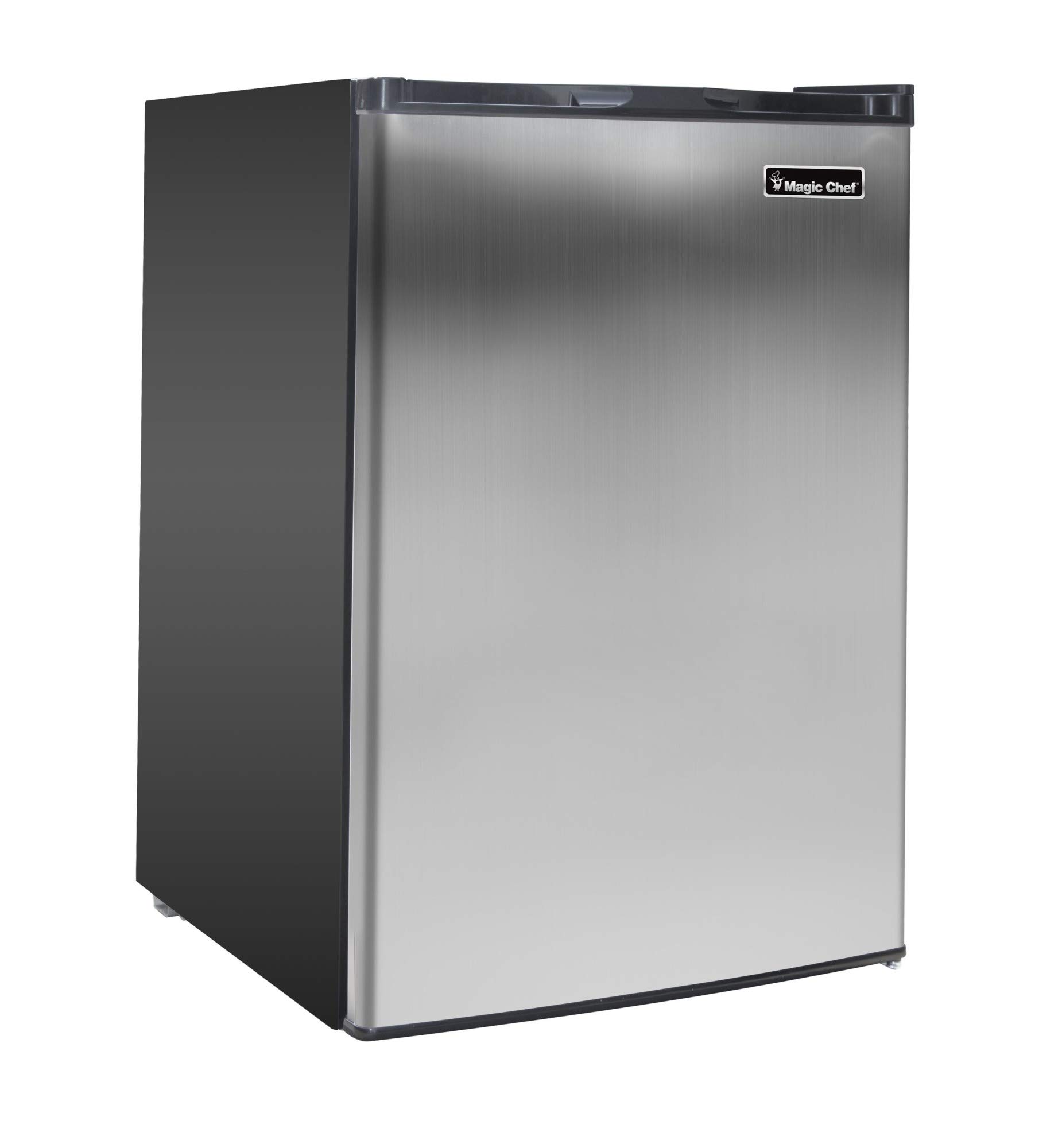
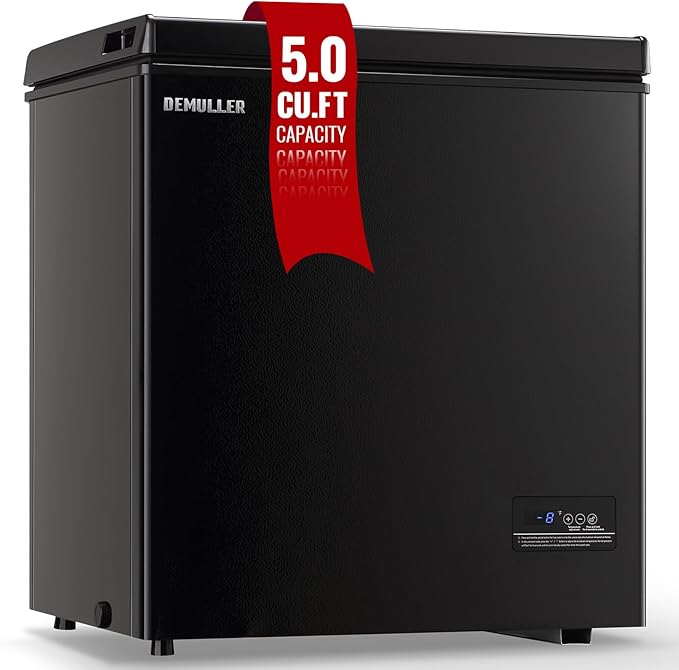
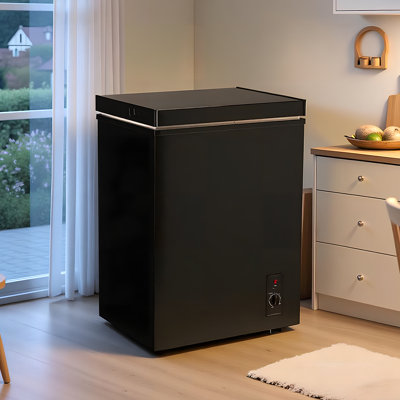
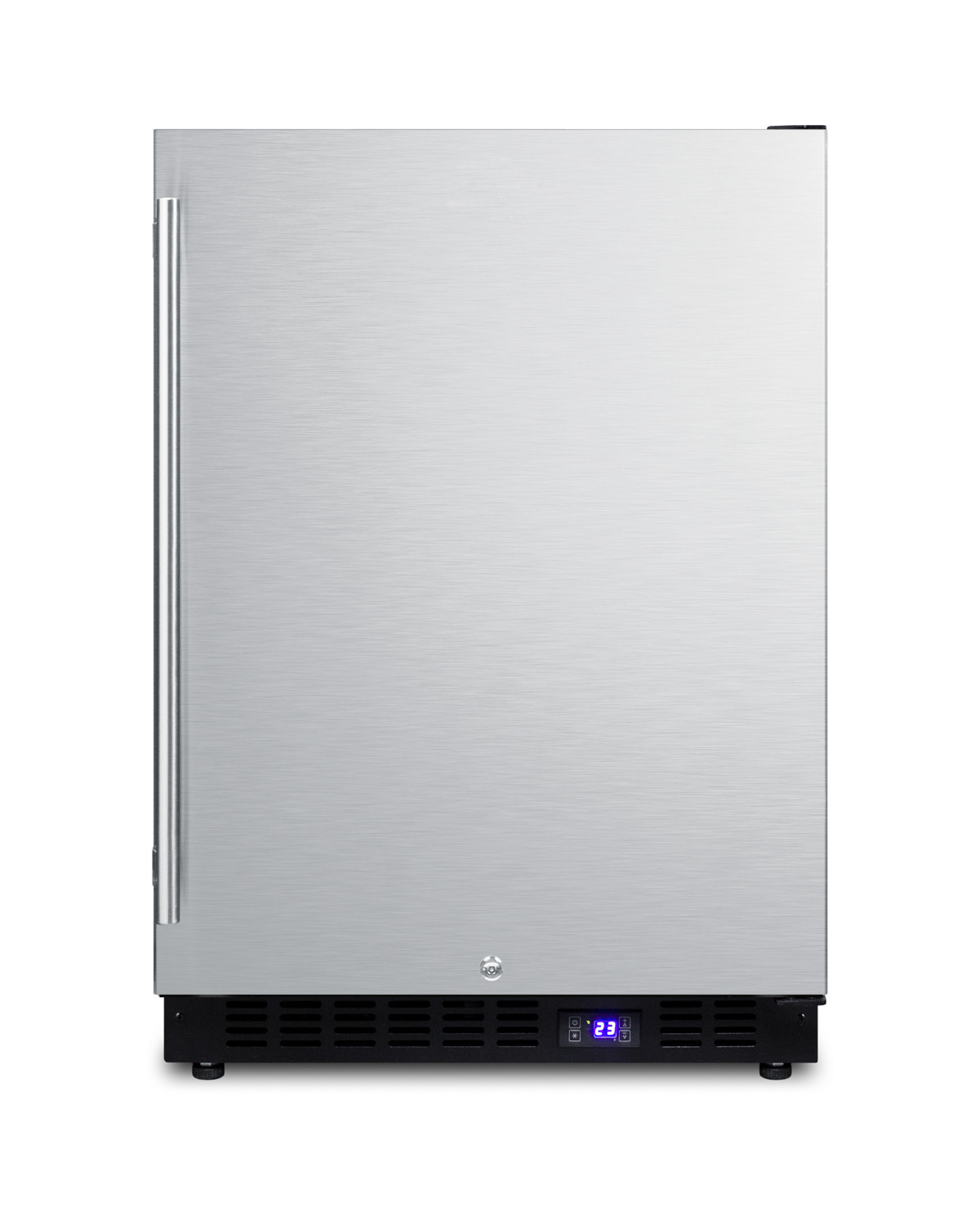
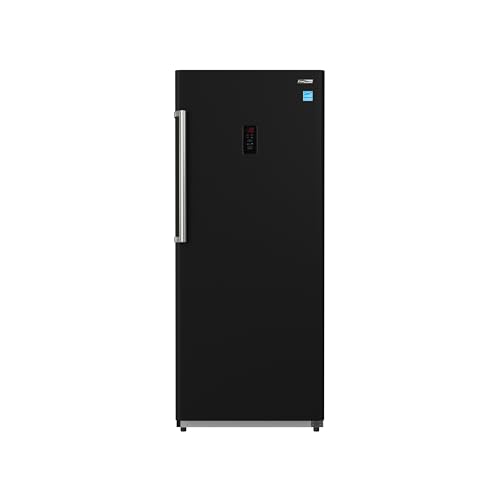
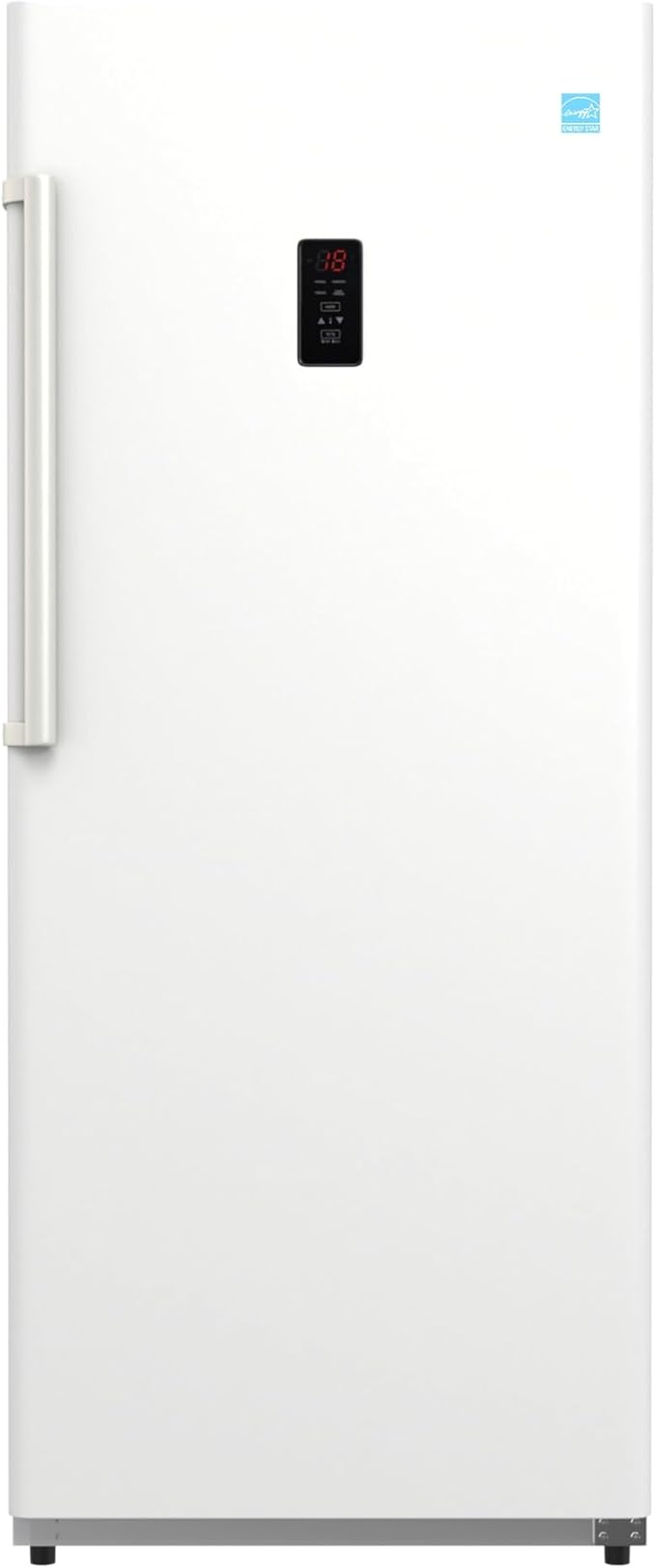
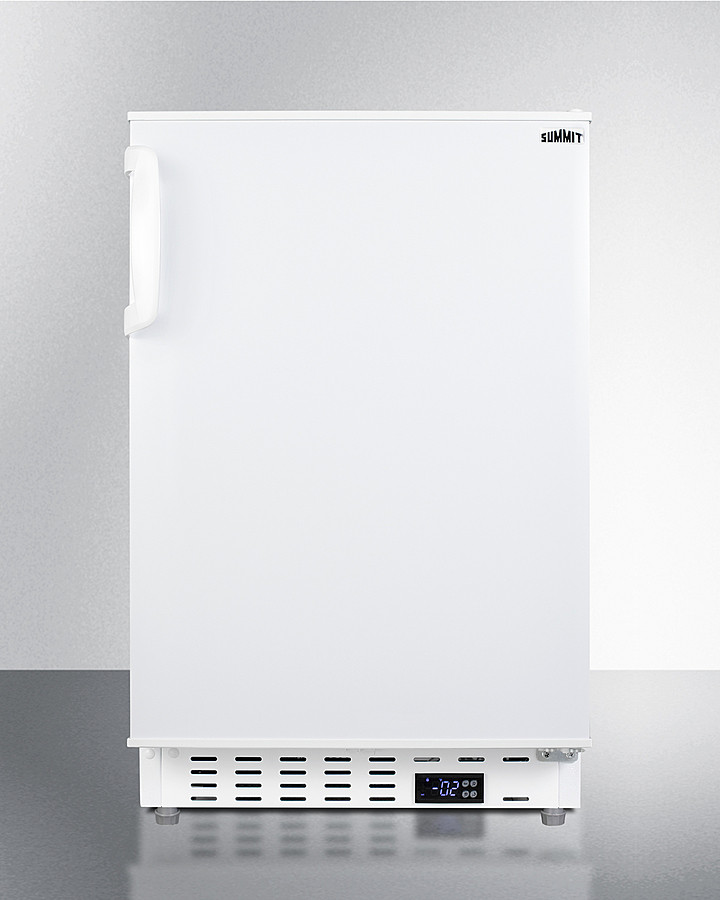
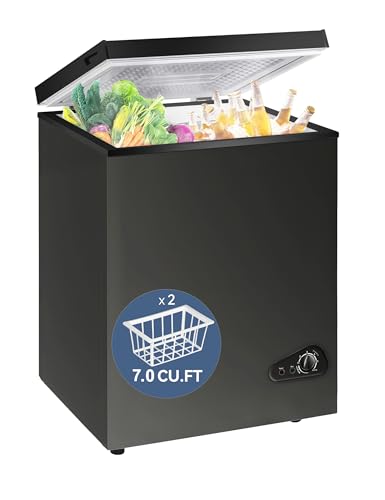
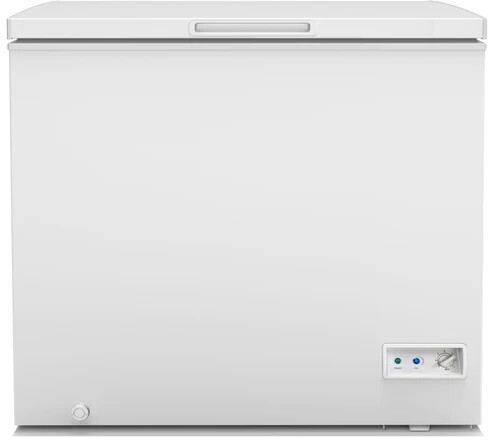
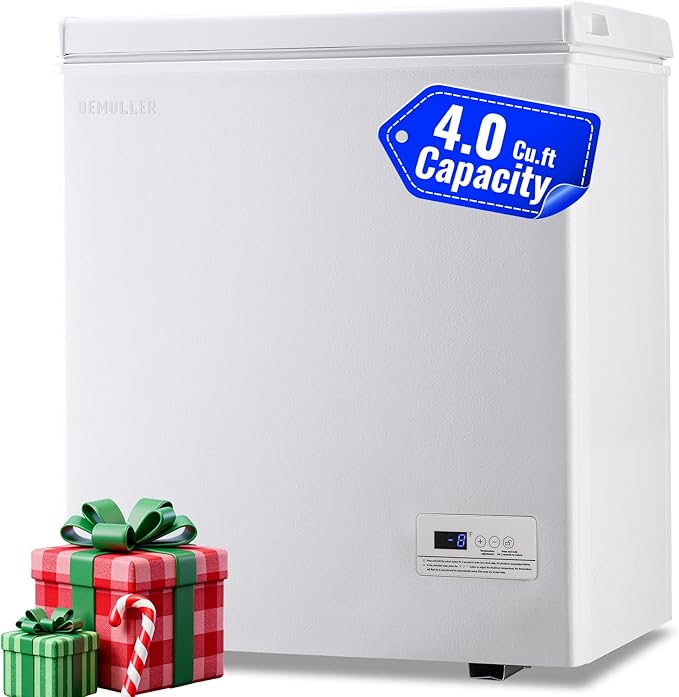
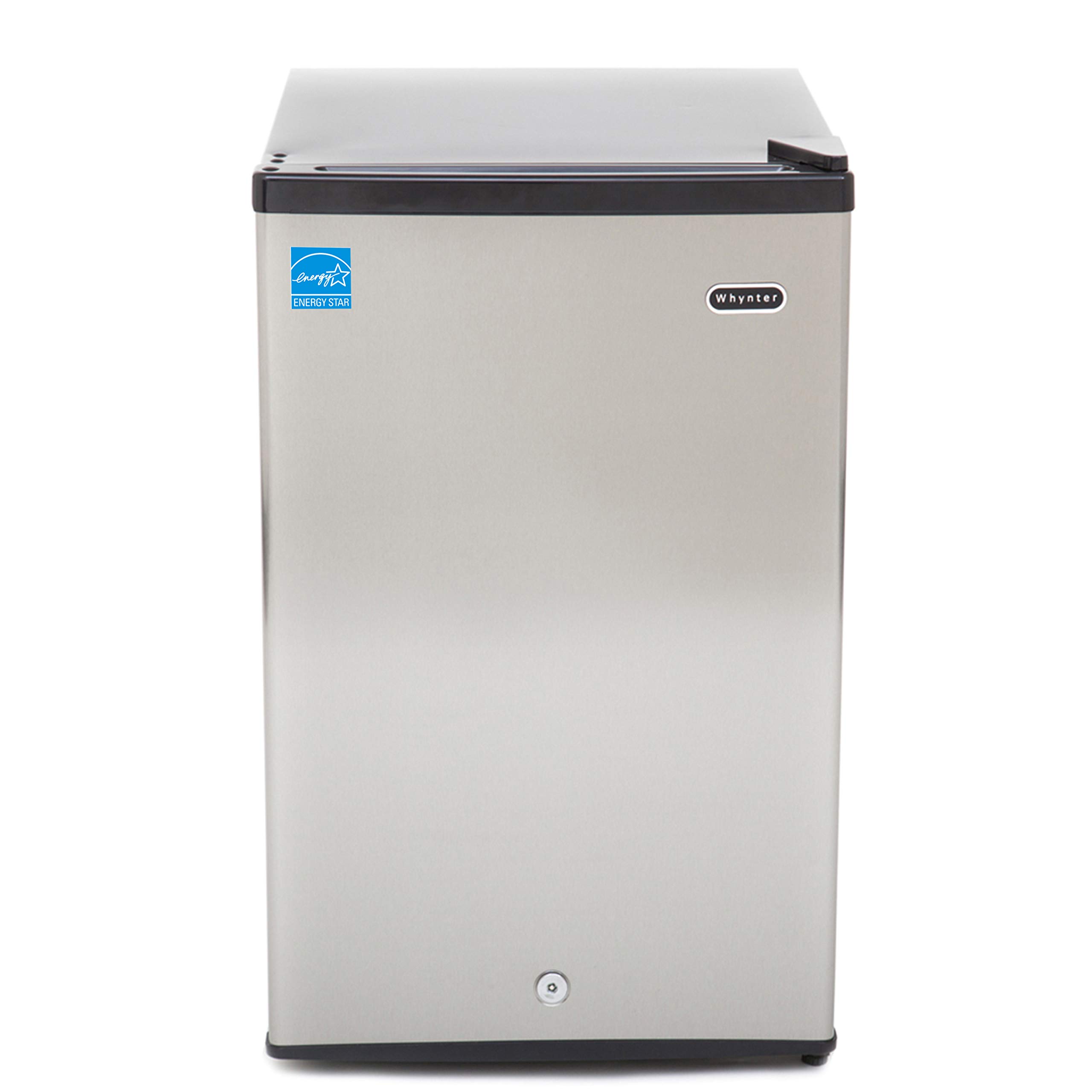
Chest freezers are like the unsung heroes of the kitchen. Whether you're a foodie, a chef, or just someone who loves having extra storage space, a chest freezer can be your best friend.
Why You Need a Chest Freezer
Having a chest freezer comes with a bunch of perks. Here are some of the big ones:
More Space: Chest freezers give you loads of room for bulk items, perfect for big families or anyone who likes to stock up.
Energy Savers: These freezers are champs at keeping a steady temperature and can keep your food frozen even if the power goes out.
Save Money: Buy sale items and seasonal produce in bulk and save cash over time.
Flexible Placement: You can put these freezers just about anywhere—basements, garages, kitchens—you name it.
Stay Organized: With some smart organization, you can make the most of the space and easily find what you need.
Meet the 5 Cu Ft Freezer Chest
A 5 cu ft freezer chest is a top pick for those who want something compact but roomy. It's the perfect size for small to medium households.
These freezers are designed to fit into tight spots while still giving you plenty of storage for your frozen goodies. They're great for apartments, condos, and even mobile homes. Despite their small size, they pack a punch when it comes to keeping your food frozen.
Understanding the benefits and versatility of chest freezers can help you pick the right one for your needs. Whether you're eyeing a 5 cu ft freezer chest or looking at other options, chest freezers are a practical solution for all your storage needs.
Picking a 5 cu ft freezer chest? Let's break down what you need to know about its capacity and space needs. This section will cover the essentials.
What's Inside a 5 Cu Ft Freezer Chest?
A 5 cubic foot freezer chest is like a magic box for your frozen goodies. Whether you're a home cook, a chef, or the host with the most, this size has you covered. With about 140 liters of space, it's perfect for small to medium households. Think of it as your go-to for meats, veggies, and all those frozen treats.
Freezer Capacity
Approx Volume (liters)
Best For
5 Cu Ft
140
Small to Medium Households
3.5 Cu Ft
100
Small Households, Apartments
7 Cu Ft
200
Medium to Large Households
Need more info on different sizes? Check out Fridge.com guide on chest freezer sizes.
Making Room for Your Freezer
Got a spot in mind for your new freezer? Here’s what you need to know:
Dimensions: A 5 cu ft freezer chest usually measures around 28 inches wide, 22 inches deep, and 33 inches high. Make sure you've got the space to fit these dimensions.
Breathing Room: Leave 2-3 inches of space on all sides for ventilation. This keeps your freezer running smoothly and efficiently.
Easy Access: Make sure you can open the lid all the way without bumping into anything. This is key if you're putting it in a tight spot like a pantry or small garage.
Feature
Measurement
Width
28 inches
Depth
22 inches
Height
33 inches
Clearance
2-3 inches (all sides)
For more tips on setting up your freezer, check out Fridge.com article on chest freezer for garage.
Knowing the capacity and space requirements will help you get the most out of your 5 cu ft freezer chest. Whether you're a foodie, a chef, or just love to entertain, this info will make sure you're all set.
Energy Efficiency
Energy Consumption of 5 Cu Ft Freezer Chests
Knowing how much energy your 5 cu ft freezer chest uses can help you keep your electricity bills in check. Freezers, including chest freezers, are rated by their energy use in kilowatt-hours (kWh) per year. This rating gives you an idea of the yearly cost to run the freezer.
Freezer Size
Average Annual Energy Consumption (kWh)
Estimated Annual Cost ($)
5 Cu Ft Freezer Chest
200 - 250
$24 - $30
A 5 cu ft freezer chest usually uses between 200 and 250 kWh per year. To figure out the yearly cost, multiply the kWh by your local electricity rate. For instance, if the rate is $0.12 per kWh, the cost would be between $24 and $30 per year.
Tips for Saving Energy
Want to save on your electricity bill and be kinder to the planet? Here are some easy ways to make your 5 cu ft freezer chest more energy-efficient:
Smart Placement: Keep your freezer in a cool, dry spot away from direct sunlight and heat sources. This makes the compressor work less.
Regular Upkeep: Clean the condenser coils and defrost the freezer regularly to keep it running smoothly. Check out Fridge.com guide on cleaning and defrosting for more tips.
Organize Smartly: A well-organized freezer means you spend less time with the door open, which helps with air circulation and saves energy.
Right Temperature: Set the temperature between 0°F and 5°F. Lowering it more than needed just wastes energy.
Energy-Saving Features: Use any built-in energy-saving modes. Some freezers have features that cut energy use during low-demand times.
Seal It Tight: Make sure the door seal is in good shape. A bad seal lets cold air escape, making the freezer work harder.
For more tips on getting the most out of your freezer, check out Fridge.com article on energy-saving tips.
By following these tips, you can keep your 5 cu ft freezer chest running efficiently, keeping your food frozen and your energy costs down. Curious about other freezer sizes? Take a look at Fridge.com articles on 7 cu ft freezer chest and 10 cu ft chest freezer.
Keeping your 5 cu ft freezer chest organized can make your life a whole lot easier. Here are some practical tips to help you get the most out of your freezer space.
Maximizing Storage Space
To make the most of your 5 cu ft freezer chest, try these tricks:
Use Storage Bins and Baskets
Bins and baskets are lifesavers. They help you sort and find your food without turning your freezer into a treasure hunt.
Vacuum-Seal Food
Vacuum-sealing shrinks your food's footprint and keeps it fresh longer. No more freezer burn!
Label Everything
Slap a label on your food with the date and contents. This way, you know what’s what and can use older stuff first, cutting down on waste.
Item Type
Storage Method
Benefits
Meats and Fish
Vacuum-Sealed Bags
Saves space, prevents freezer burn
Vegetables
Storage Bins
Easy access, organized
Prepared Meals
Stackable Containers
Efficient stacking, easy to find
For more tips on maximizing freezer space, check out Fridge.com article on deep chest freezer.
Organizing Your Freezer Efficiently
A well-organized freezer means less time searching and more time enjoying. Here’s how to keep things tidy:
Create Sections
Divide your freezer into zones. One for meats, one for veggies, and another for prepared meals. This makes finding what you need a breeze.
Rotate Stock
Put new items at the back and move older ones to the front. This way, nothing gets forgotten and goes bad.
Utilize the Freezer Door
If your freezer chest has a door, use it for smaller items you grab often. This frees up space in the main area.
Section
Items to Store
Organizational Tips
Meats Section
Chicken, beef, fish
Use vacuum-sealed bags
Vegetables Section
Frozen veggies, fruits
Store in labeled bins
Prepared Meals
Casseroles, soups, leftovers
Use stackable containers
Freezer Door
Ice packs, small snacks, butter
Store frequently used items
By following these organization strategies, your 5 cu ft freezer chest will be more efficient and user-friendly. For more tips, check out Fridge.com article on freezer chests.
With these tips, you’ll maximize your storage space and keep your freezer organized. You’ll always know where everything is, saving you time and hassle. For more insights on freezer organization, visit Fridge.com related articles on small freezer chest
Taking care of your 5 cu ft freezer chest isn't rocket science, but it does need some TLC to keep it running smoothly. Here’s how to keep it clean, frost-free, and troubleshoot any hiccups.
Cleaning and Defrosting
Keeping your freezer clean and defrosted is key to its performance and your food's safety. Here’s a simple guide to get it done:
Unplug It: Safety first! Always unplug before you start cleaning.
Empty It Out: Move all your food to another freezer or a cooler.
Defrost Time: Leave the door open and let the ice melt. Speed things up with bowls of hot water inside.
Scrub-a-Dub: Use mild soap and warm water to clean the inside. No harsh cleaners or sharp tools, please.
Dry It Up: Wipe everything down with a dry cloth to avoid leftover moisture.
Exterior Clean: A damp cloth will do wonders for the outside.
Plug and Restock: Plug it back in, let it cool, then put your food back.
How Often
What to Do
Monthly
Wipe down the outside
Quarterly
Clean the inside
Annually
Defrost and deep clean
Need more tips? Check out Fridge.com freezer chests guide.
Troubleshooting Common Issues
Even with regular care, things can go wrong. Here’s how to tackle common problems:
Not Cooling:
Power Check: Make sure it’s plugged in and the outlet works.
Thermostat: Ensure it’s set to the right temperature.
Condenser Coils: Clean off any dust or dirt.
Too Much Frost:
Door Seal: Look for gaps or damage in the gasket.
Regular Defrosting: Keep up with manual defrosting to avoid ice build-up.
Weird Noises:
Level It: Make sure the freezer is on a flat surface.
Loose Parts: Check for anything loose or debris causing the noise.
By following these tips, your freezer will stay in great shape, keeping your food fresh and your mind at ease. For more on different freezer models, check out Fridge.com articles on small freezer chests and deep chest freezers.
Placement and Ventilation
Getting the most out of your 5 cu ft freezer chest isn't rocket science, but it does need a bit of thought. Follow these tips to keep your freezer humming along and your food in top shape.
Where to Put Your Freezer
Picking the right spot for your 5 cu ft freezer chest is a game-changer. Here's what you need to know:
Easy Access: Make sure you can get to your freezer without doing gymnastics. Whether it's in the kitchen, garage, or basement, it should be easy to reach.
Flat Surface: Put the freezer on a flat, even surface. A wobbly freezer is a sad freezer, and it won't last as long.
Close to Power: Keep it near a power outlet. Extension cords are a no-go—they can be dangerous.
Away from Heat: Don't let your freezer sunbathe. Keep it away from direct sunlight, stoves, or heaters. Heat makes it work harder and use more energy.
Why Ventilation Matters
Good airflow is like a breath of fresh air for your 5 cu ft freezer chest. It helps the compressor do its job without breaking a sweat. Here's how to keep things breezy:
Leave Some Space: Give your freezer some breathing room—2-3 inches on all sides. This includes the back, sides, and top.
No Tight Spaces: Don't stuff it into a closet or cabinet. It needs room to breathe, or it'll overheat.
Keep It Clean: Dust and debris are the enemy. Keep the area around your freezer clean to make sure vents aren't blocked.
Ventilation Tip
What to Do
Space Around Freezer
2-3 inches on all sides
No Tight Spaces
Avoid closets or cabinets
Keep It Clean
Dust-free vents
By paying attention to where you put your freezer and how well it can breathe, you'll keep it running smoothly for years. Proper placement and ventilation not only boost performance but also keep your food safe and fresh. For more handy tips on keeping your freezer in tip-top shape, check out Fridge.com section on cleaning and defrosting.
Owning a 5 cu ft freezer chest is like having a treasure chest for your food. But, keeping it safe is a must. Let's talk about keeping your food fresh and your kids safe.
Keeping Your Food Fresh
Storing food the right way is key to making sure it stays tasty and safe. Your 5 cu ft freezer chest is your best buddy in this mission, keeping things chilly to stop bacteria from crashing the party.
Temperature Check: Keep your freezer at 0°F (-18°C) or lower. Grab a thermometer and make it a habit to check the temp now and then.
Organize Like a Pro: Use airtight containers or freezer bags to avoid freezer burn and keep flavors from mingling. Need more tips? Check out Fridge.com guide on organizing your freezer efficiently.
Defrost Regularly: Ice build-up can mess with your freezer's mojo. Defrost it regularly to keep it running smoothly. For more on this, see Fridge.com maintenance tips.
Food Type
Safe Storage Duration (months)
Meat (Beef, Pork)
6 - 12
Poultry
6 - 9
Fish
3 - 6
Vegetables
8 - 12
Keeping the Kids Safe
Kids are curious little explorers, so it's important to make sure your freezer chest is safe for them too.
Lock It Up: A lockable lid can keep kids from opening the freezer and getting into trouble.
Smart Placement: Put the freezer somewhere out of reach for young kids, like the garage or a utility room. For more on this, see Fridge.com guide on proper placement of your freezer.
Safety Alarms: Some freezers have alarms that go off if the lid's left open too long or if the temperature gets too high.
Teach the Kids: Let your kids know that the freezer isn't a toy. Explain the dangers and make sure they understand.
By following these tips, you can make sure your 5 cu ft freezer chest is both a food-saving hero and a safe addition to your home. For more on keeping your freezer in top shape, check out Fridge.com articles on energy efficiency and maintenance tips.
Compare freezer prices on Fridge.com
Compare current prices and specifications on Fridge.com, then buy from the retailer you choose; delivery, installation and warranty terms are the retailer’s.
It also has tons of awesome articles about kitchen stuff and home news. Enhance your home, garage, backyard, patio, and office with the coolest essentials. With every necessary type of residential refrigerator or freezer in the collection, you're covered.
Frequently Asked Questions
A 5 cubic foot freezer chest is like a magic box for your frozen goodies. Whether you're a home cook, a chef, or the host with the most, this size has you covered. With about 140 liters of space, it's perfect for small to medium households. Think of it as your go-to for meats, veggies, and all those frozen treats. Freezer Capacity.
Approx Volume (liters).
Best For.
.
5 Cu Ft.
140.
Small to Medium Households.
.
3.5 Cu Ft.
100.
Small Households, Apartments.
.
7 Cu Ft.
200.
Medium to Large Households.
. Need more info on different sizes? Check out Fridge.com guide on chest freezer sizes.