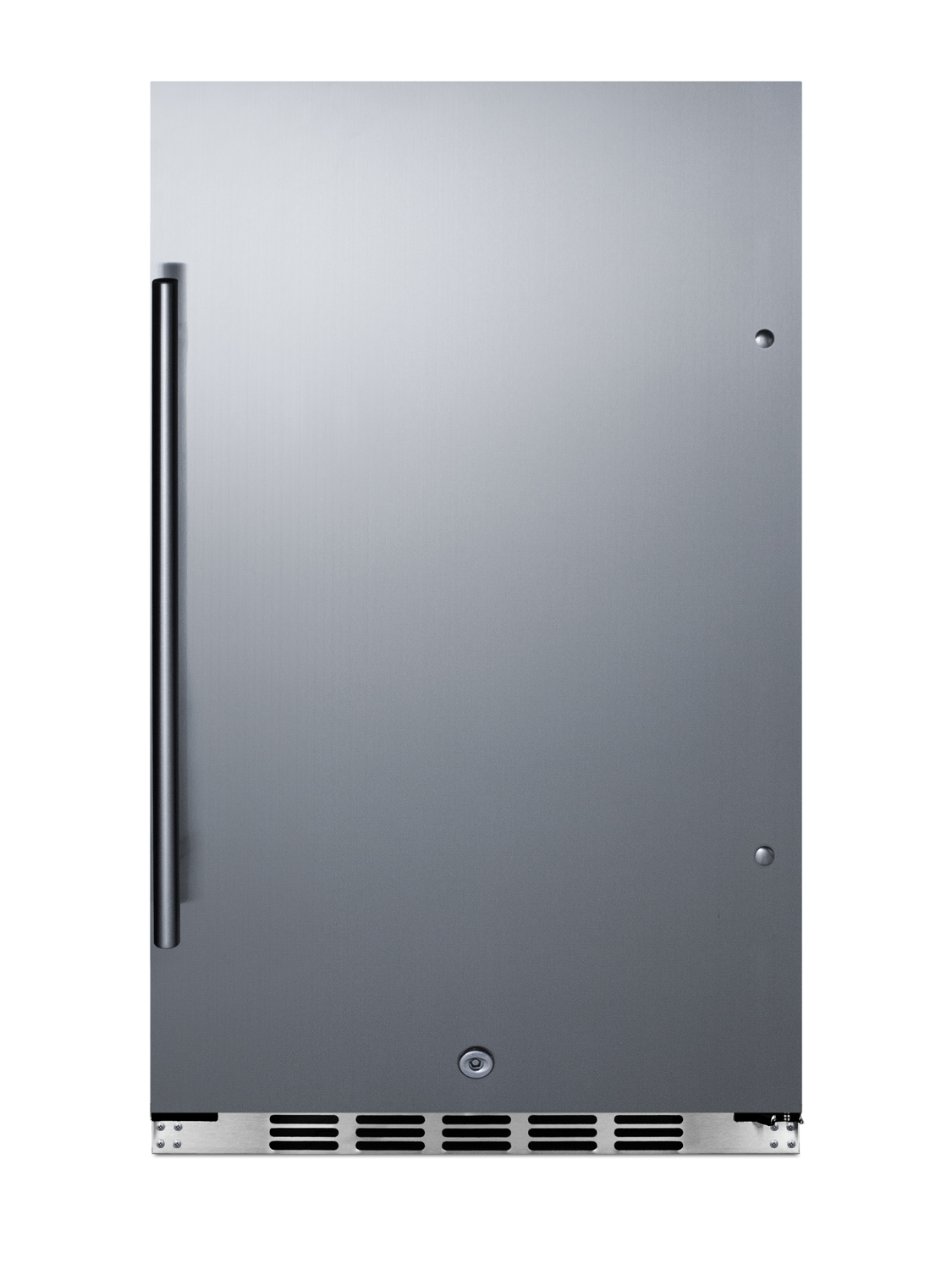
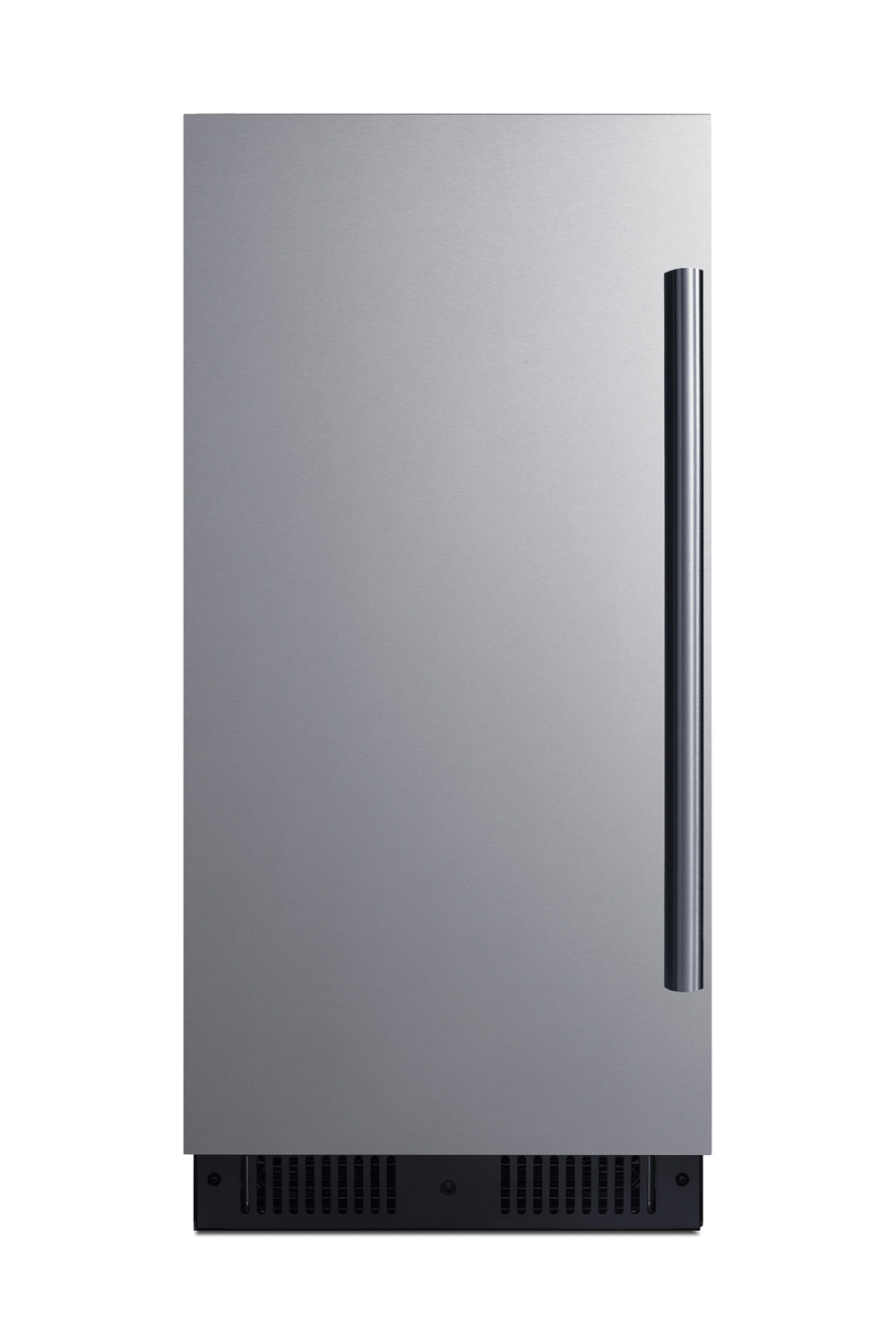
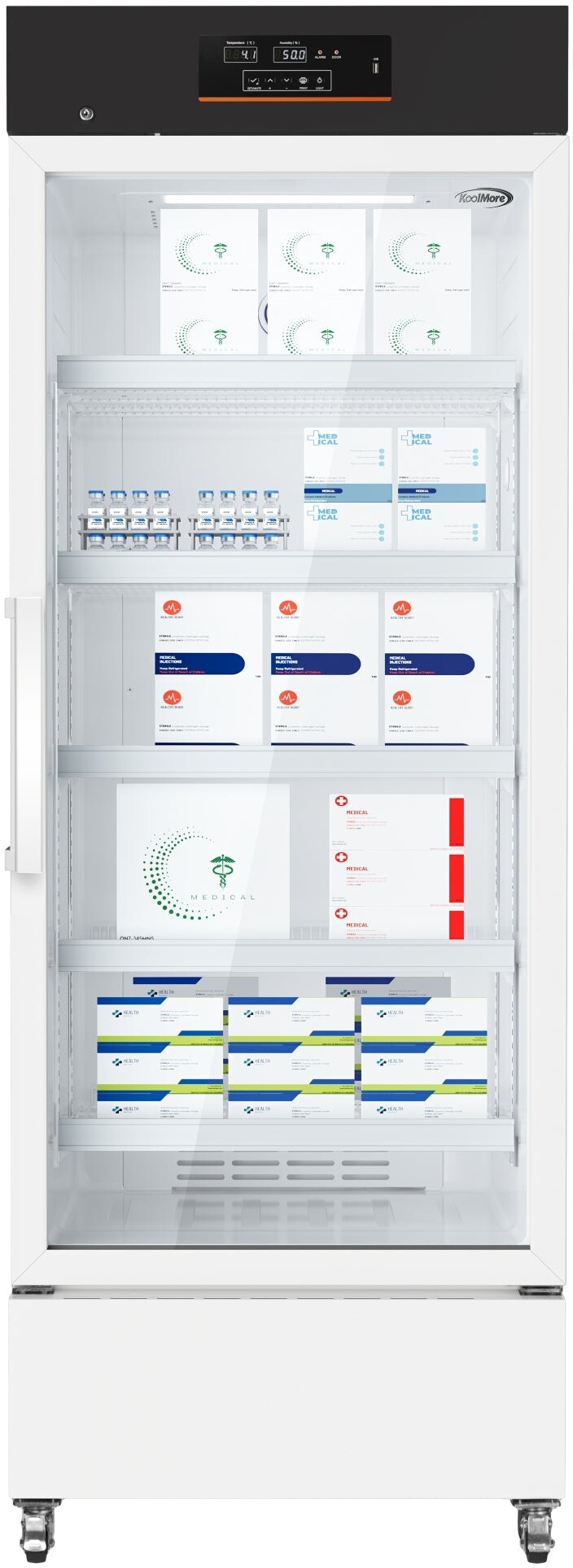
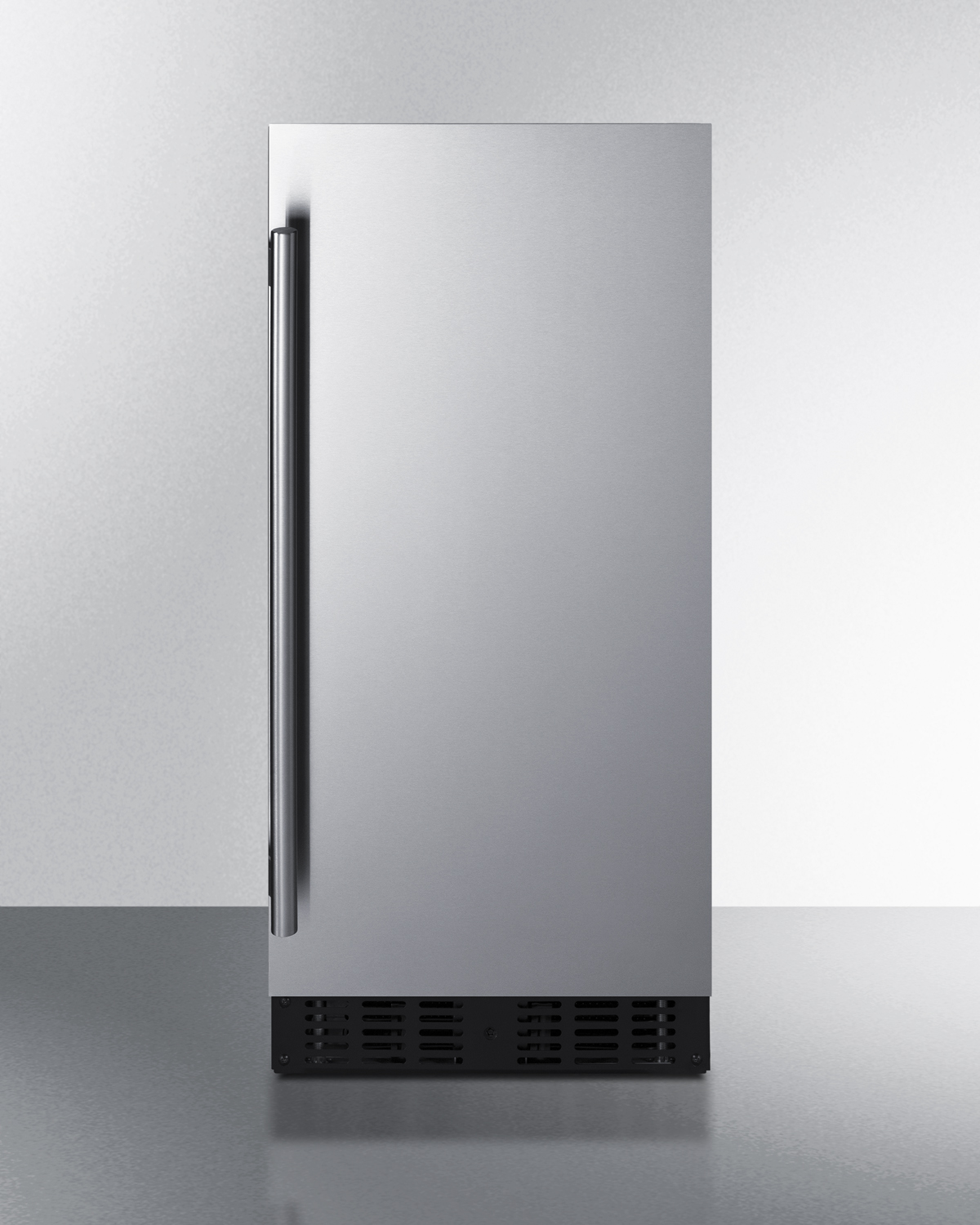
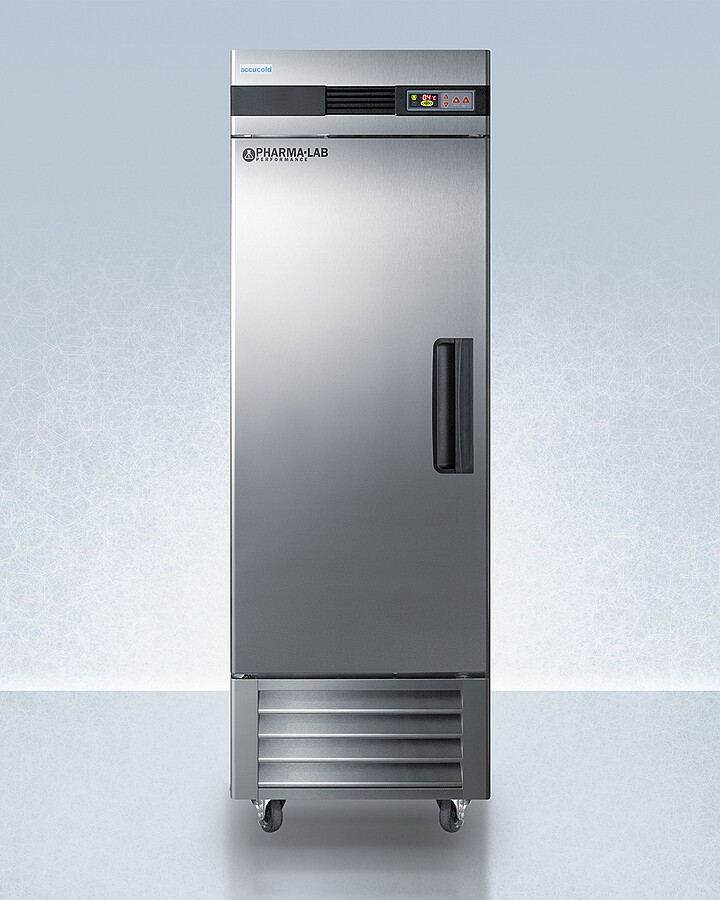
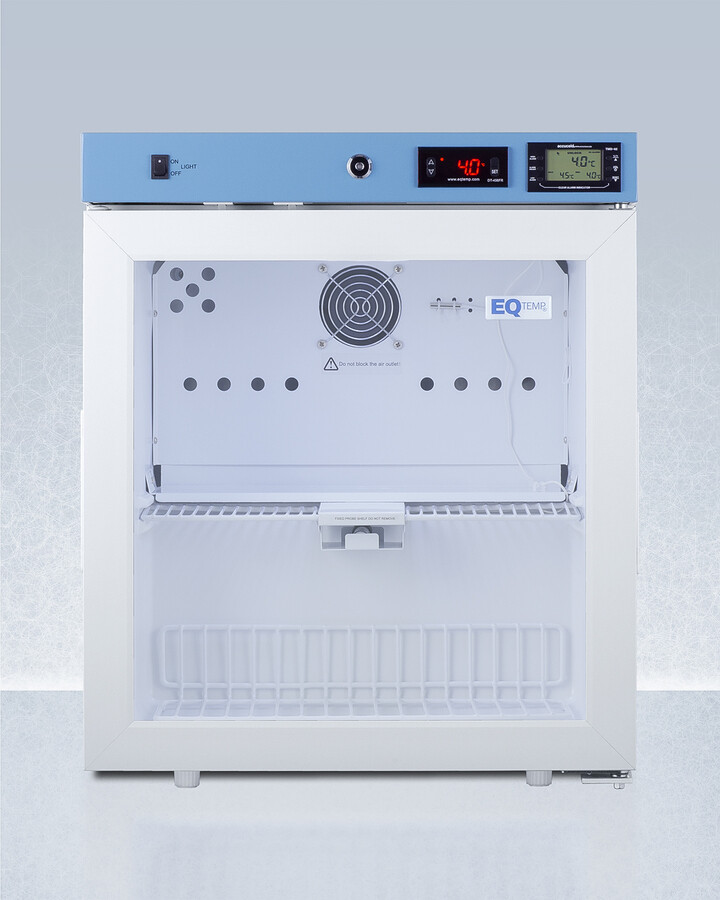
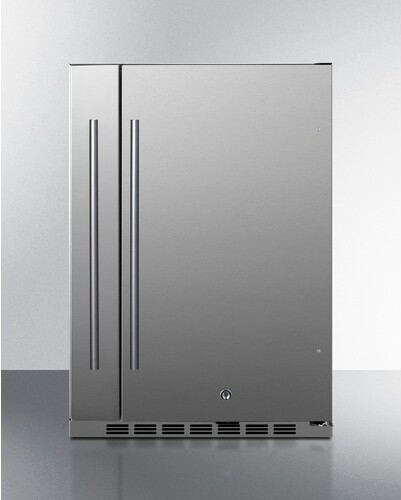
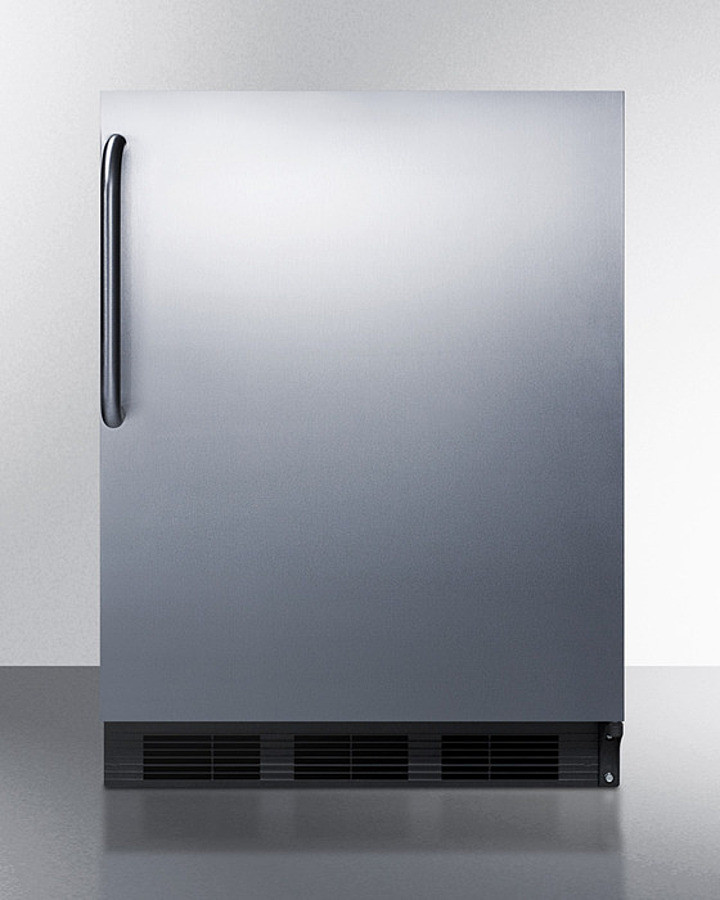
An undercounter refrigerator keeps food and beverages at 34°F to 42°F for everyday fresh storage, while a wine chiller maintains 45°F to 65°F with wine-specific features — horizontal bottle racks, UV-tinted glass, vibration dampening, and cork-friendly humidity — built to preserve wine quality over months or years. Both fit under a standard kitchen counter in a 24-inch-wide, 34-inch-tall footprint, but they are not interchangeable: red wine stored at refrigerator temperature tastes thin and muted, and fresh food stored at wine-chiller temperature sits in the bacterial danger zone above 40°F. This guide compares temperature ranges, storage layouts, capacity, energy use, pricing, noise, installation, and maintenance so you can choose the right under-counter appliance.
Understanding Undercounter Refrigerators and Wine Chillers
Purpose and Functionality of Undercounter Refrigerators
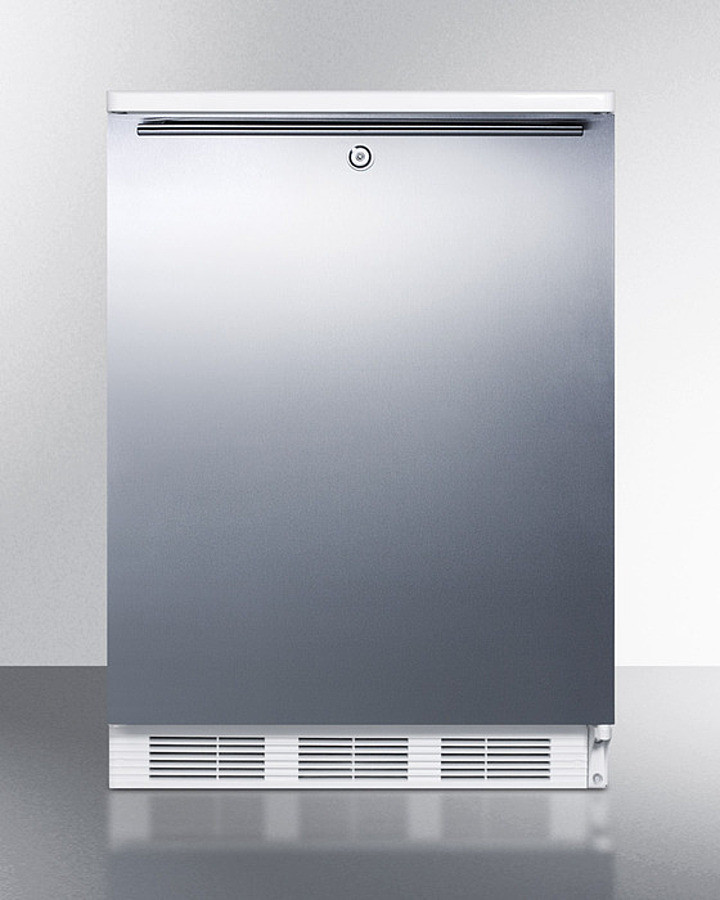
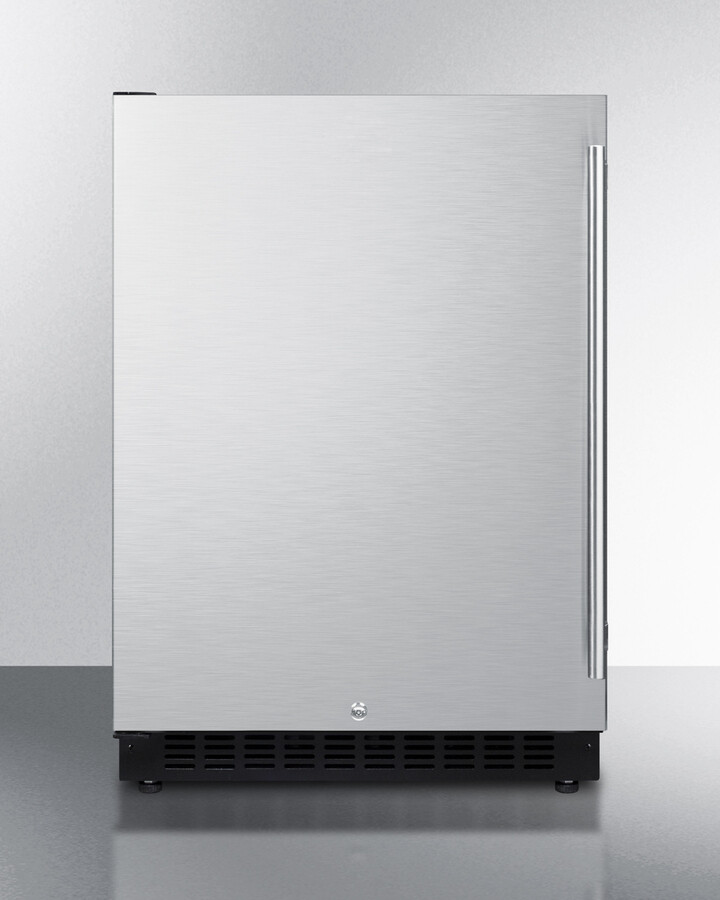
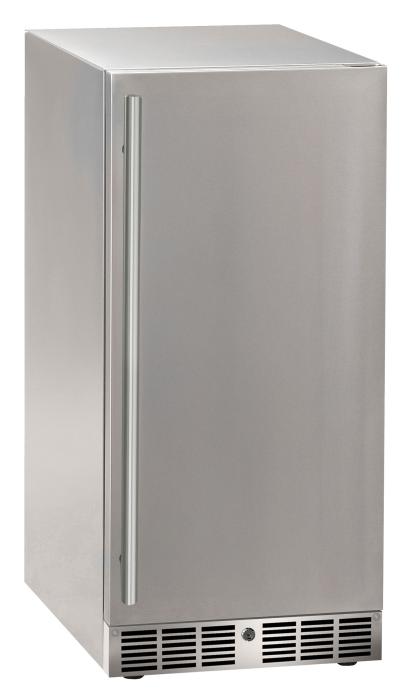
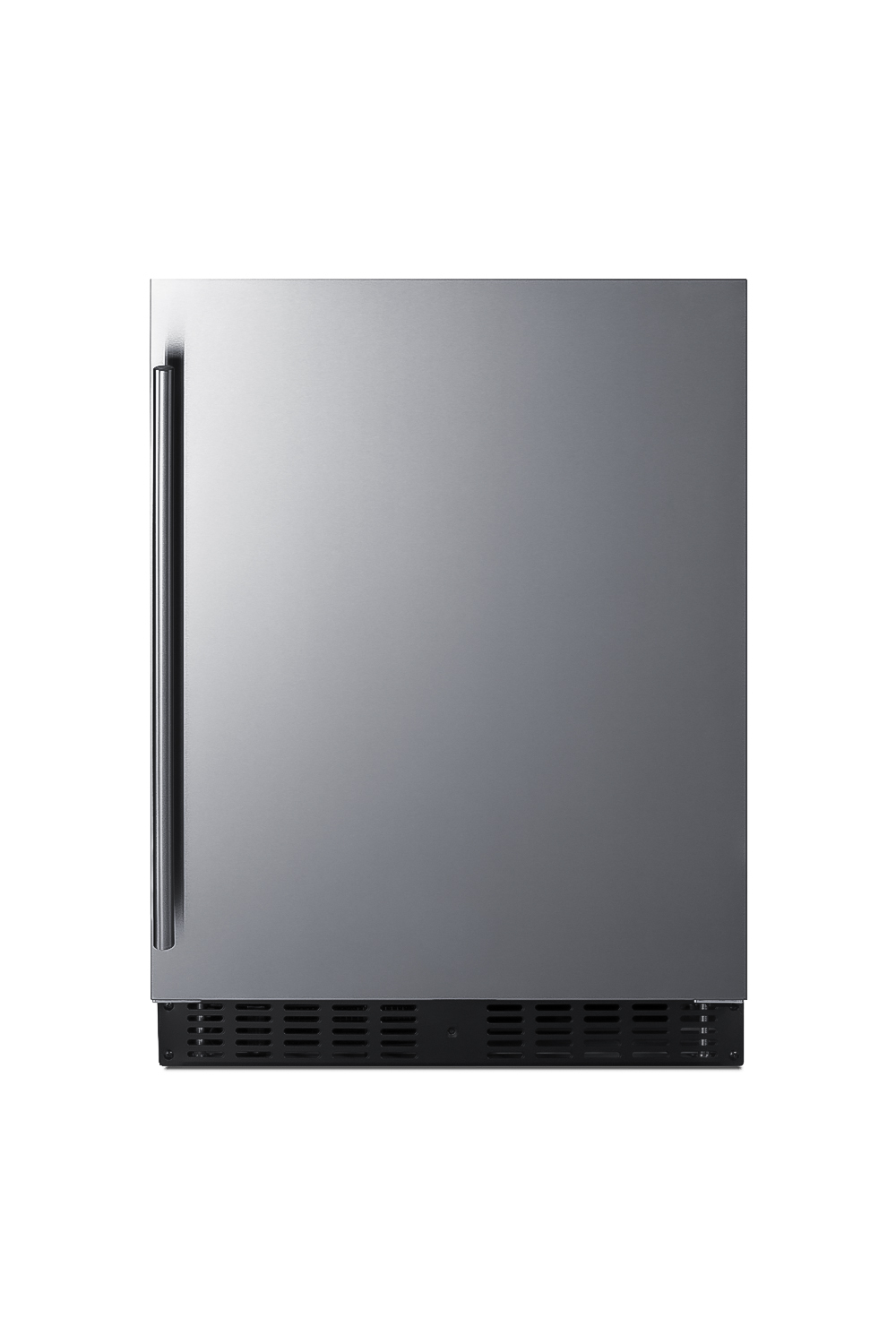
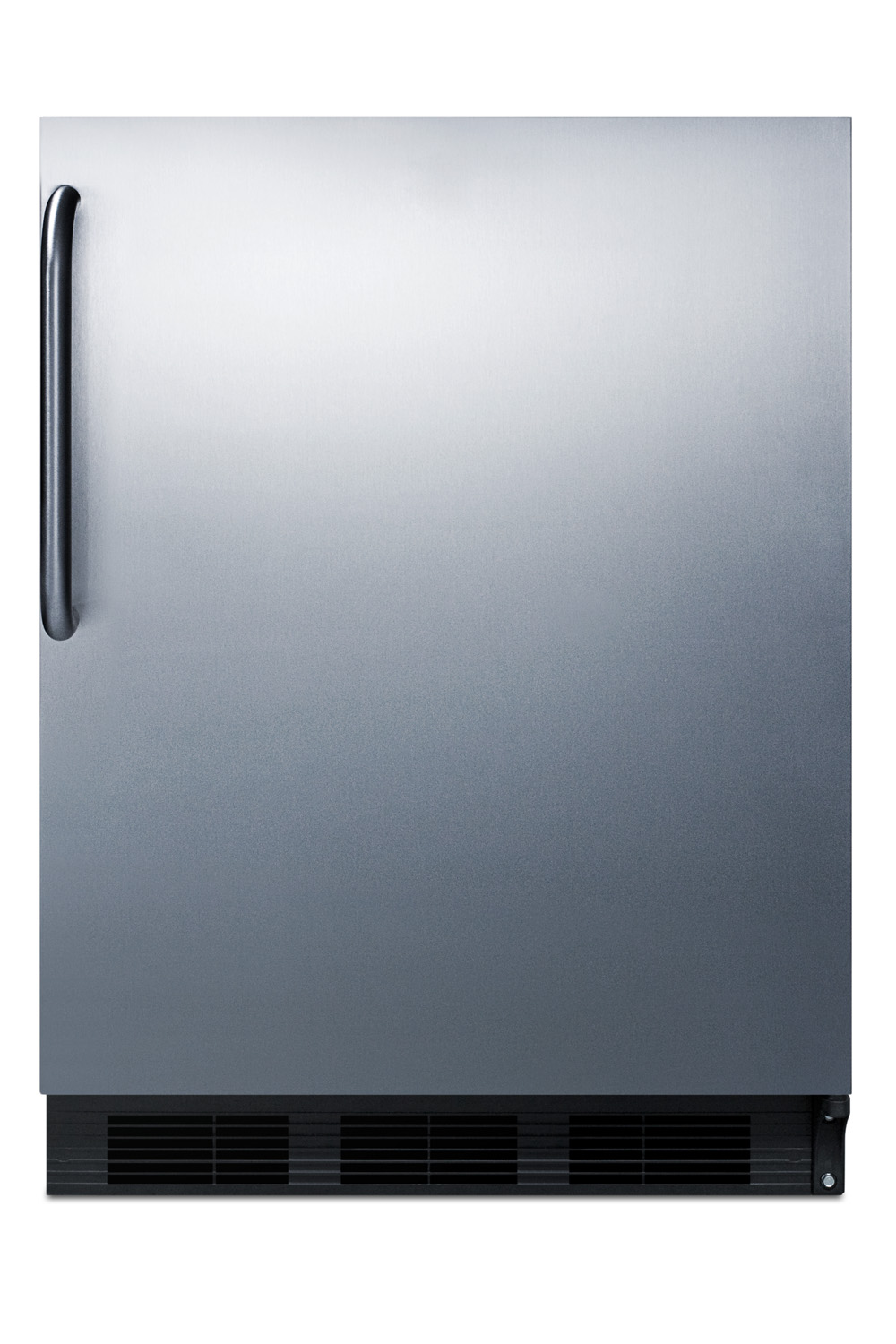
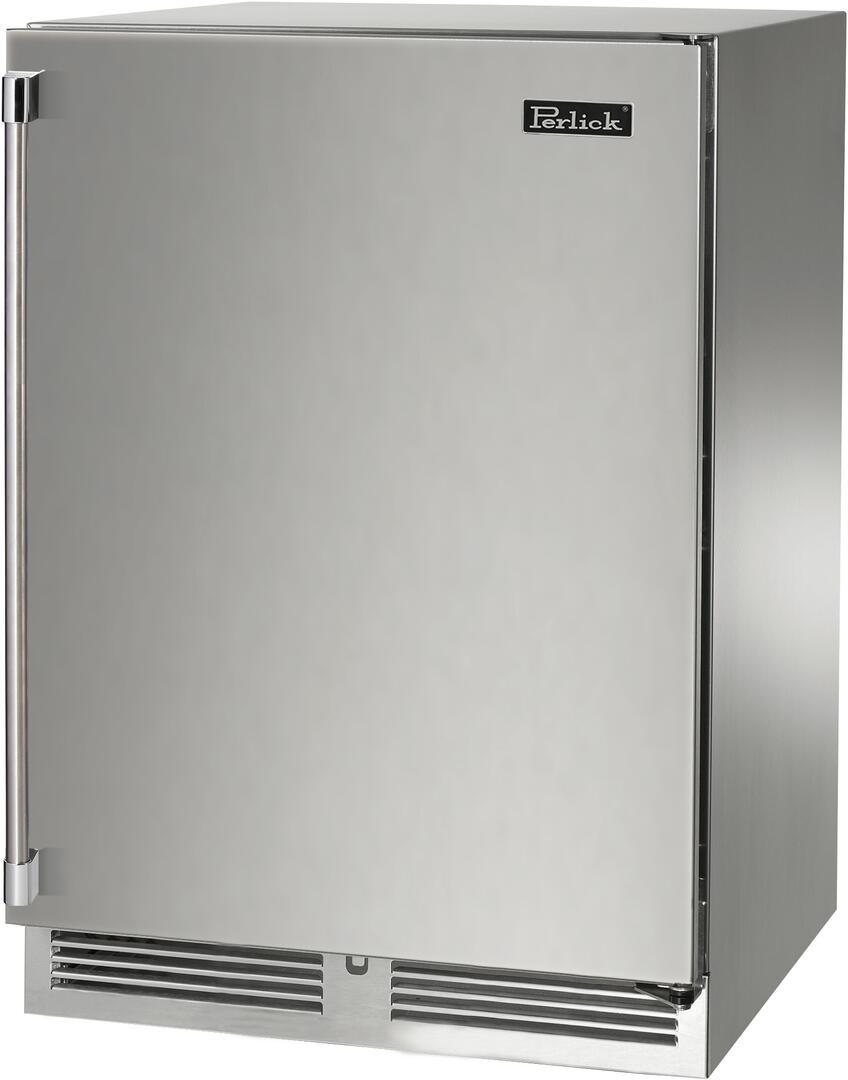
Undercounter refrigerators fit seamlessly under your kitchen counter and provide compact, general-purpose cold storage for kitchens, offices, home bars, and entertainment areas. They use the same cooling technology as full-size kitchen refrigerators in a smaller package, with adjustable shelves and drawers for fruits, vegetables, drinks, and snacks. Some models also offer a small freezer compartment.
Feature
Description
Storage Capacity
Varies by model; typically 3 to 5 cubic feet
Temperature Range
32°F to 50°F
Common Uses
Food storage, beverage cooling
Purpose and Functionality of Wine Chillers
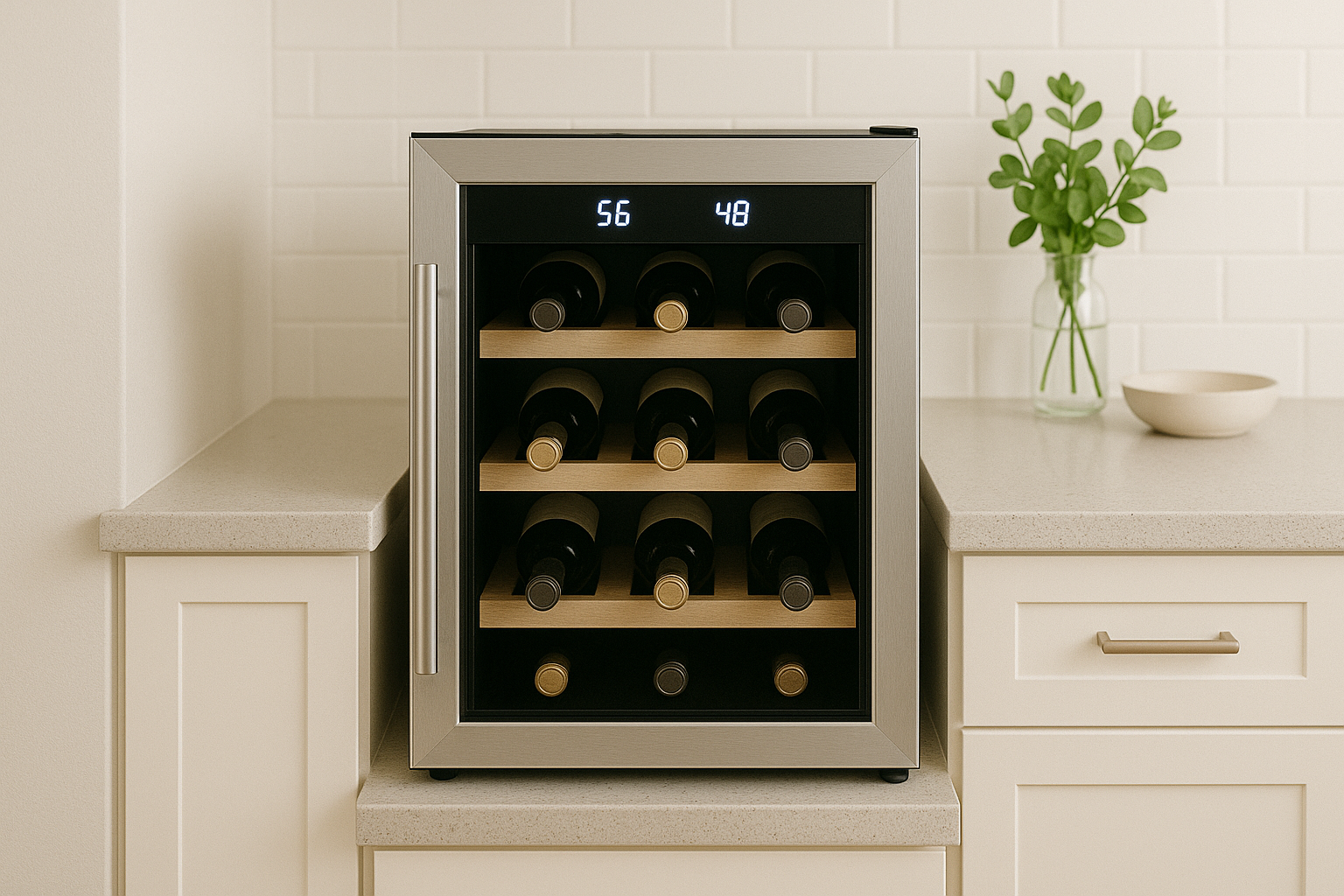
Wine chillers, also known as wine coolers or wine refrigerators, are single-purpose preservation appliances. Every design element serves wine: a consistent temperature and humidity level crucial for preserving flavor, specialized racks that hold bottles securely on their sides, and dual-zone temperature controls on many models so red and white wines each sit at their ideal serving temperature — roughly 45°F for sparkling and light whites, 50°F to 55°F for fuller whites and rosé, and 55°F to 65°F for reds.
Undercounter refrigerators are designed to blend with kitchen cabinetry, often with customizable panels to match your existing decor. Wine chillers focus on showcasing the collection: glass doors — typically UV-tinted double-pane glass — and standard interior lighting highlight the bottles and let you view the selection without opening the door.
Feature
Undercounter Refrigerator
Wine Chiller
Door Style
Solid, Customizable Panels
Glass Doors
Interior Lighting
Optional
Standard
Aesthetics
Blends with Cabinetry
Showcases Wine Collection
Size Variations and Space Requirements
Undercounter refrigerators typically range from 24 to 36 inches in width and fit under standard countertops. Wine chillers are generally narrower, with widths from 15 to 24 inches, but may require more depth to accommodate wine bottles horizontally. Measure your available space accurately and check the appliance dimensions before purchase.
Temperature Ranges for Refrigerators and Wine Chillers
Appliance Type
Temperature Range (°F)
Undercounter Refrigerator
35 - 40
Wine Chiller
45 - 65
Undercounter Refrigerators: These are designed to keep food and beverages at a standard refrigeration temperature. The typical range for an undercounter refrigerator is between 35°F and 40°F. This range is ideal for preserving the freshness of your food and keeping your drinks cold.
Wine Chillers: Wine chillers maintain a higher temperature range, usually between 45°F and 65°F. This range is ideal for storing wine, ensuring that it is kept at the optimal temperature to maintain its flavor and quality. A typical single setting for a mixed collection is 55°F.
Why the Temperature Gap Matters
The 8 to 30 degree gap between the two appliances creates real consequences for misuse. Red wine stored at 37°F tastes thin, harsh, and muted — the cold suppresses aromatic compounds, tightens tannins, and flattens the flavor profile. The same red wine at 60°F expresses full fruit, balanced tannins, and layered aromas. In the other direction, fresh food stored at 55°F sits in the bacterial danger zone: meat, dairy, and seafood spoil rapidly at temperatures above 40°F. Each appliance fails when asked to store the other's contents.
Undercounter Refrigerators: Flat adjustable shelves — tempered glass or chrome wire — accommodate any container shape and size. Humidity-controlled crisper drawers keep lettuce, herbs, and vegetables fresh, and door bins hold tall bottles, condiments, and cans. Some models include deli drawers for meats and cheeses. A standard 24-inch model provides roughly 4.5 to 5.7 cubic feet of versatile storage.
Wine Chillers: Horizontal pull-out racks with scalloped grooves cradle individual bottles on their sides. Wooden racks (beechwood is common) absorb vibration; chrome wire racks with wooden fronts are a more affordable option. Shelves slide on ball-bearing glides, and a standard 24-inch undercounter wine chiller holds 40 to 54 bottles across 5 to 7 pull-out shelves. Dual-zone models split the cabinet into two independently controlled compartments — upper zone for whites at 45°F to 50°F, lower zone for reds at 55°F to 65°F.
Wine chillers include UV-tinted or UV-coated double-pane glass that blocks 95% or more of ultraviolet light. UV radiation breaks down tannins, pigments, and aromatic compounds in wine, causing premature aging and off-flavors even from indirect light exposure over weeks. Vibration-dampened compressor mounts and rubber-isolated shelving prevent the physical disturbance that harms sediment in aging wines.
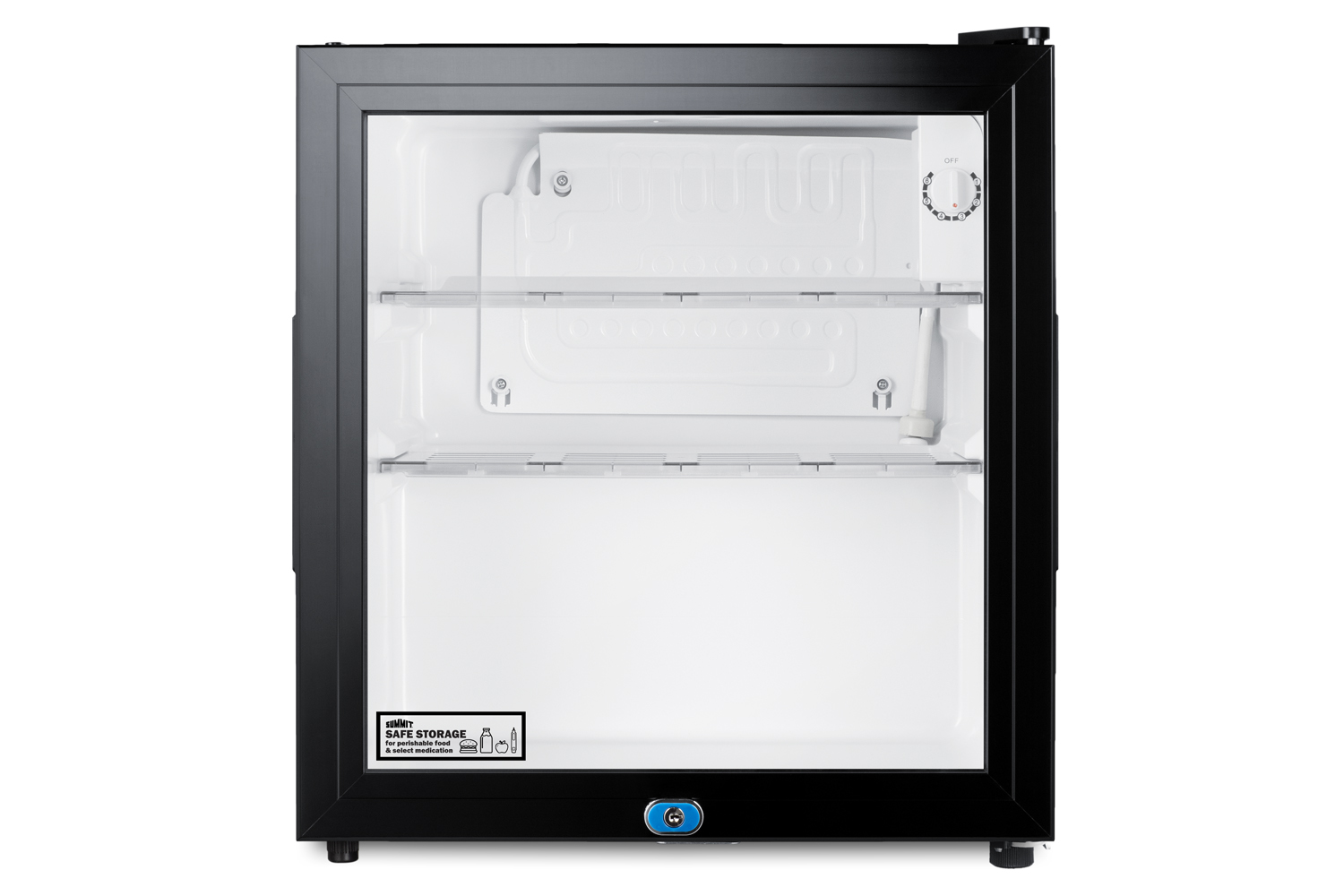
Undercounter refrigerators may have glass doors (in beverage-center configurations) or solid doors, but neither includes UV-specific coating or vibration dampening. A solid door blocks all light — better protection than any glass — but the lack of vibration control and the colder operating temperature make an undercounter refrigerator a poor choice for wine storage beyond a few days of pre-serving chilling.
Humidity and Cork Health
Wine needs roughly 50% to 70% relative humidity to prevent cork desiccation. Wine chillers naturally maintain moderate humidity because their warmer operating temperature removes less moisture from the air during cooling cycles. Undercounter refrigerators running at 34°F to 38°F extract more moisture, creating drier interiors of about 30% to 40% relative humidity. That is irrelevant for sealed food containers, cans, and screw-top bottles, but harmful to cork-finished wine stored longer than about a week: a dry cork shrinks, admits air, and oxidizes the wine — the most common way people accidentally ruin wine through improper storage.
The wine chiller holds dramatically more wine — 40 to 54 bottles versus 5 to 8 standing upright on a refrigerator shelf — but it cannot hold food: the horizontal racks do not accommodate cans, food containers, or produce. If you need both under the counter, install two appliances side by side or choose a combination wine and beverage center.
Undercounter refrigerators are compact and typically consume less energy than full-sized refrigerators. Energy efficiency varies by model and features.
Appliance Type
Average Energy Consumption (kWh/year)
Undercounter Refrigerator
200 - 400
Wine Chiller
100 - 200
Wine chillers use less energy because they hold warmer temperatures — the compressor works less hard to maintain 55°F than 37°F. In annual electricity cost the difference is modest, roughly $5 to $10 per year, with a typical 24-inch wine chiller costing about $13 to $32 per year to run and a 24-inch undercounter refrigerator about $19 to $36. Undercounter refrigerators often include variable speed compressors and improved insulation that boost efficiency, and ENERGY STAR models in both categories are the best default choice. For more on energy-efficient appliances, check out Fridge.com comparison on built in freezer Vs. portable refrigerator.
Noise Levels Comparison
Appliance Type
Average Noise Level (dB)
Undercounter Refrigerator
35 - 45
Wine Chiller
30 - 40
Undercounter refrigerators generally run slightly louder due to their more powerful cooling systems. Compressor wine chillers operate at about 35 to 42 decibels, while thermoelectric wine chillers run at roughly 25 to 35 decibels — essentially silent, and ideal for bedrooms, quiet offices, and living rooms. Built-in installation also dampens sound, since surrounding cabinetry absorbs compressor noise. If noise levels are a primary concern, you might also want to explore Fridge.com article on garage refrigerator Vs. glass door mini fridge for alternatives, or read about tall refrigerator Vs. wine chiller.
Pricing
Appliance
Budget
Mid-Range
Premium Built-In
Wine Chiller
$200 - $500
$500 - $1,200
$1,200 - $3,500
Undercounter Refrigerator
$150 - $400
$400 - $1,000
$1,000 - $3,000
Wine chillers cost roughly 10% to 30% more than undercounter refrigerators of equivalent size — the specialized wooden racks with ball-bearing glides, UV glass, and vibration-dampening systems add manufacturing cost. At the premium end, built-in panel-ready wine chillers reach $2,500 to $3,500, comparable to premium undercounter refrigerators from the same brands.
Maintenance and Lifespan
Wine chillers require annual condenser coil cleaning, gasket inspection, interior wiping, and carbon filter replacement if equipped; wooden shelving should be checked for mold in humid environments. Compressor wine chillers last 10 to 15 years, while thermoelectric models last 5 to 10 years due to Peltier module degradation over time. Premium compressor models often exceed 15 years.
Undercounter refrigerators follow standard refrigerator maintenance — coil cleaning, gasket inspection, interior cleaning, and water filter replacement if applicable — with auto-defrost running automatically. Expected lifespan is 8 to 14 years. Both appliance types benefit from the same basic care: keep coils clean, keep gaskets sealed, and avoid overloading the interior.
Installation Requirements for Undercounter Refrigerators
Undercounter refrigerators are designed to fit seamlessly into your cabinetry, offering a sleek and integrated look. They require specific installation considerations to ensure proper functionality and longevity.
Ventilation: Proper ventilation is crucial for undercounter refrigerators. Built-in models typically have front ventilation, which allows them to be installed flush inside a standard 24-inch-wide by 34-inch-tall cabinet opening without the risk of overheating. Freestanding models vent from the rear or sides and require 3 to 5 inches of clearance.
Electrical Requirements: Most undercounter refrigerators require a standard 120V electrical outlet. Ensure the outlet is easily accessible and located near the installation area.
Leveling: To prevent operational issues, the refrigerator must be level. Adjustable legs or leveling feet are often included to help achieve a balanced setup.
Clearances: Check the manufacturer's specifications for required clearances around the unit. Typically, there should be a few inches of space behind and on the sides to allow for proper ventilation.
Requirement
Description
Ventilation
Front ventilation required
Electrical
Standard 120V outlet
Leveling
Adjustable legs or leveling feet
Clearances
Few inches behind and on sides
Ideal Placement for Wine Chillers
Wine chillers, also known as wine coolers, are designed to store wine at optimal temperatures. Their placement can significantly affect their performance and the quality of the wine.
Ambient Temperature: Place the wine chiller in a location where the ambient temperature remains consistent. Avoid areas exposed to direct sunlight or extreme temperature fluctuations.
Accessibility: Consider placing the wine chiller in a convenient location, such as the kitchen, dining room, or home bar. This ensures easy access to your wine collection.
Level Surface: Ensure the wine chiller is placed on a level surface to prevent vibrations that can disturb the sediment in the wine bottles.
Ventilation: Similar to undercounter refrigerators, proper ventilation is essential. Check if the wine chiller has front or rear ventilation and ensure there is adequate space for airflow. Front-venting built-in models can sit flush inside cabinetry; rear-venting freestanding models need 3 to 5 inches of clearance.
Requirement
Description
Ambient Temperature
Consistent temperature, away from direct sunlight
Accessibility
Convenient location like kitchen or home bar
Level Surface
Prevents vibrations and ensures stability
Ventilation
Depends on front or rear ventilation
Panel-Ready and Finish Options
Both wine chillers and undercounter refrigerators are available in panel-ready configurations that accept custom door panels matching your kitchen's cabinet style, making the appliance visually disappear into the millwork — the most popular option in high-end kitchen renovations. Standard stainless steel and glass door finishes are more affordable and create a contemporary appliance aesthetic without the custom panel cost. If the appliance slides into existing cabinetry, choose a built-in (front-venting) model; if it sits in an open space or against a wall, a freestanding model works fine and costs less.
For additional insights on wine storage options, read Fridge.com article on tall refrigerator Vs. wine chiller. For more comparisons, check out Fridge.com guide on standard refrigerator size Vs. wine cellar.
Combination Wine and Beverage Centers
If you want both wine storage and fresh food or beverage cooling in a single under-counter appliance, combination wine and beverage centers split the cabinet into two independently controlled zones. One zone maintains 40°F to 65°F with horizontal wine racks, while the other maintains 34°F to 40°F with flat shelves for cans, bottles, and food containers. These dual-zone units cost $400 to $2,500 depending on size and brand, and they save space versus installing two separate appliances. The trade-off is reduced capacity in each zone — a combo unit that holds 18 bottles and 60 cans provides less of each than dedicated single-purpose units that hold 46 bottles or 150 cans respectively.
Considerations for Your Needs
Factors to Consider Before Choosing Between Undercounter Refrigerators and Wine Chillers
Purpose: Determine the primary use of the appliance. If you need a versatile unit to store a variety of perishable items, an undercounter refrigerator may be the better option. For those looking to store and age wine, a wine chiller is more suitable.
Temperature Requirements: Consider the temperature range you need. Undercounter refrigerators operate at standard food-safe refrigeration temperatures. Wine chillers maintain warmer, wine-optimal temperatures for preserving wine quality.
Storage Needs: Evaluate the types of items you plan to store. Undercounter refrigerators offer adjustable shelves and compartments for diverse storage needs. Wine chillers are designed with specialized racks to hold wine bottles securely.
Space Constraints: Measure the available space in your kitchen or designated area. Undercounter refrigerators come in various sizes, making them adaptable to different spaces. Wine chillers are often more compact but require a dedicated space for optimal placement.
Energy Efficiency: Assess the energy consumption of each appliance. Generally, undercounter refrigerators consume more energy due to their colder operating temperature and broader functionality. Wine chillers are usually more energy-efficient, focusing on maintaining a stable, cool environment for wine.
Noise Levels: Take into account the noise levels. Undercounter refrigerators tend to be noisier due to their compressor systems. Wine chillers are designed to operate quietly — thermoelectric models especially — to avoid disturbing the aging process of the wine.
Common Mistakes When Choosing
The most frequent mistake is using an undercounter refrigerator for long-term wine storage. Chilling a bottle of white wine in the refrigerator for a few hours before dinner is perfectly fine. Storing a wine collection there for weeks or months causes real damage: the cold mutes wine flavors, the low humidity dries out natural corks, and standard compressor vibration disturbs wine sediment. If you buy wine in advance and store it before drinking, a wine chiller pays for itself in preserved wine quality.
The second most frequent mistake is buying a wine chiller when you primarily need food and beverage cooling. If you drink one bottle of wine per week and buy it the same day, the wine never stays in storage long enough for preservation features to matter — an undercounter refrigerator provides more versatile daily utility, handling everything from lunch-prep ingredients to cold beverages. Match the appliance to your actual consumption and storage patterns rather than aspirational wine collecting goals.
Matching Your Refrigeration Needs to the Right Appliance
Feature
Undercounter Refrigerator
Wine Chiller
Primary Use
General food and beverage storage
Wine storage and aging
Temperature Range
35°F - 40°F
45°F - 65°F
Storage Options
Adjustable shelves, door bins
Wine racks, minimal shelving
Space Requirements
Varies, generally larger
Compact, dedicated placement
Noise Levels
Moderate to high
Low
Buy a wine chiller if wine is your priority — even a modest 20-bottle collection benefits from proper temperature, humidity, UV protection, and vibration control, whether under a kitchen counter, in a home bar, or in a dining room. Buy an undercounter refrigerator if you need compact fresh food storage at a secondary location — a kitchen island, bar area, office, guest suite, or outdoor kitchen — supplementing your main refrigerator with point-of-use access to fresh items. For more detailed comparisons, explore Fridge.com articles on mini fridge Vs. small upright freezer and built in freezer Vs. portable refrigerator.
Can you store wine in an undercounter refrigerator?
Only short-term. A few hours or days of pre-serving chilling is fine, but beyond about a week the 34°F to 38°F temperature and 30% to 40% humidity dry out natural corks, letting air in and oxidizing the wine, while the cold mutes flavor and aroma. For any wine kept longer than a week, use a wine chiller at 45°F to 65°F.
Can a wine chiller store food or regular drinks?
No. Its 45°F to 65°F range is above the 40°F food-safety threshold, so meat, dairy, and seafood spoil rapidly inside it, and the horizontal bottle racks cannot hold cans, containers, or produce. Use an undercounter refrigerator for food, or a dual-zone combination unit for both.
How many wine bottles fit in each appliance?
A standard 24-inch undercounter wine chiller holds 40 to 54 bottles across 5 to 7 pull-out shelves. An undercounter refrigerator fits only about 5 to 8 bottles standing upright on a shelf.
Which uses more electricity?
The undercounter refrigerator, because it maintains colder temperatures. A typical wine chiller costs about $13 to $32 per year to run versus $19 to $36 for an undercounter refrigerator — a modest $5 to $10 annual difference. ENERGY STAR models are the most efficient in both categories.
What is a dual-zone wine chiller?
A wine chiller with two independently controlled temperature compartments — typically an upper zone at 45°F to 50°F for whites and a lower zone at 55°F to 65°F for reds — so both styles sit at their ideal temperatures in one cabinet.
Which lasts longer?
Compressor wine chillers last 10 to 15 years and undercounter refrigerators 8 to 14 years — broadly comparable. Thermoelectric wine chillers are the exception at 5 to 10 years, due to Peltier module degradation. Annual coil cleaning and gasket inspection extend the life of either appliance.
Can both be built into cabinetry?
Yes, as long as you choose a front-venting built-in model, which installs flush in a standard 24-inch-wide by 34-inch-tall cabinet opening. Freestanding (rear- or side-venting) models need 3 to 5 inches of clearance and should not be enclosed. Panel-ready versions of both accept custom door panels that match your cabinetry.
It also has tons of awesome articles about kitchen stuff and home news. Enhance your home, garage, backyard, patio, and office with the coolest essentials. With every necessary type of residential refrigerator or freezer in the collection, you're covered.
Purpose: Determine the primary use of the appliance. If you need a versatile unit to store a variety of perishable items, an undercounter refrigerator may be the better option. For those looking to store and age wine, a wine chiller is more suitable. Temperature Requirements: Consider the temperature range you need. Undercounter refrigerators operate at standard food-safe refrigeration temperatures. Wine chillers maintain warmer, wine-optimal temperatures for preserving wine quality. Storage Needs: Evaluate the types of items you plan to store. Undercounter refrigerators offer adjustable shelves and compartments for diverse storage needs. Wine chillers are designed with specialized racks to hold wine bottles securely. Space Constraints: Measure the available space in your kitchen or designated area. Undercounter refrigerators come in various sizes, making them adaptable to different spaces. Wine chillers are often more compact but require a dedicated space for optimal placement. Energy Efficiency: Assess the energy consumption of each appliance. Generally, undercounter refrigerators consume more energy due to their colder operating temperature and broader functionality. Wine chillers are usually more energy-efficient, focusing on maintaining a stable, cool environment for wine. Noise Levels: Take into account the noise levels. Undercounter refrigerators tend to be noisier due to their compressor systems. Wine chillers are designed to operate quietly — thermoelectric models especially — to avoid disturbing the aging process of the wine.