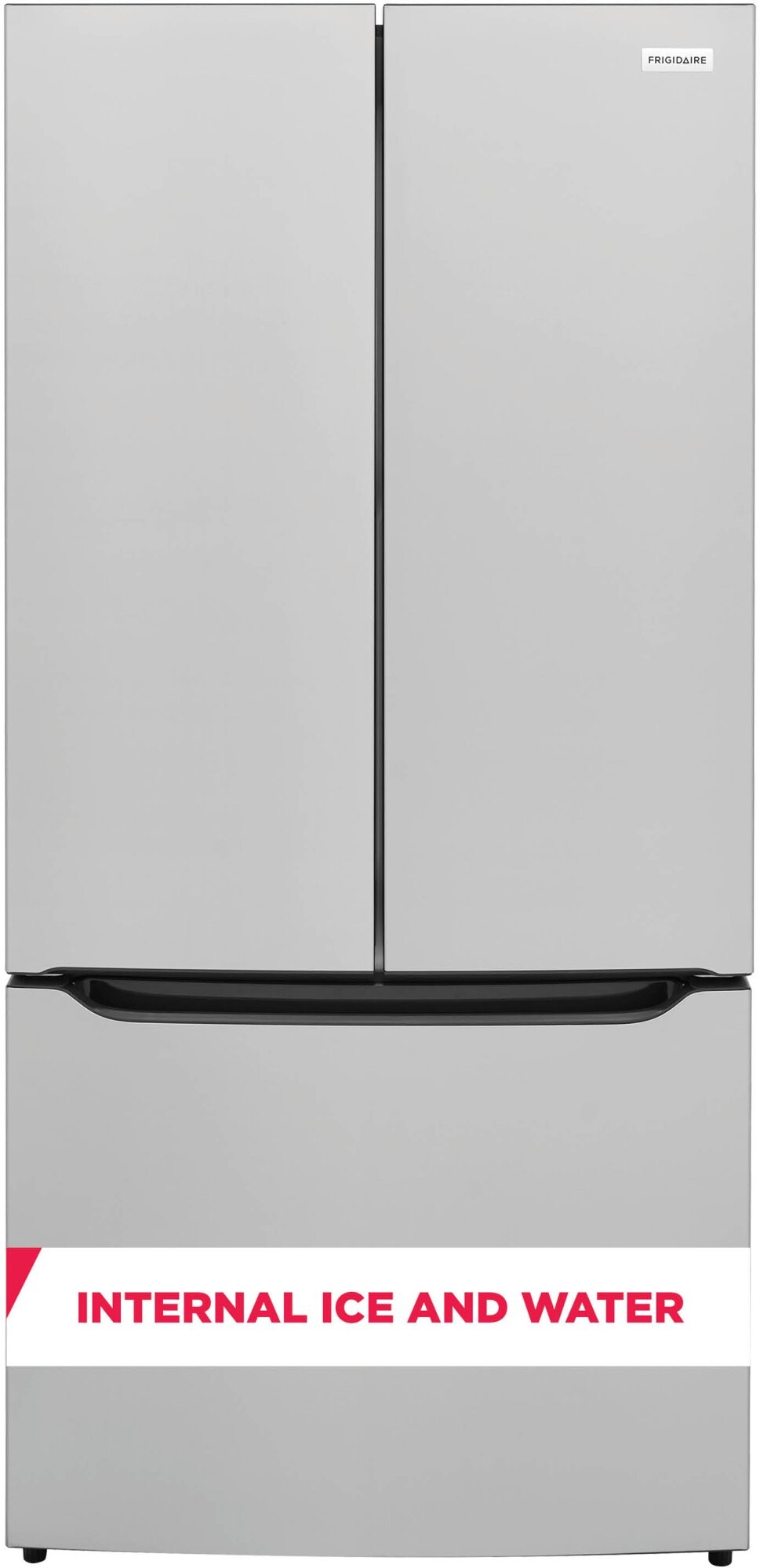
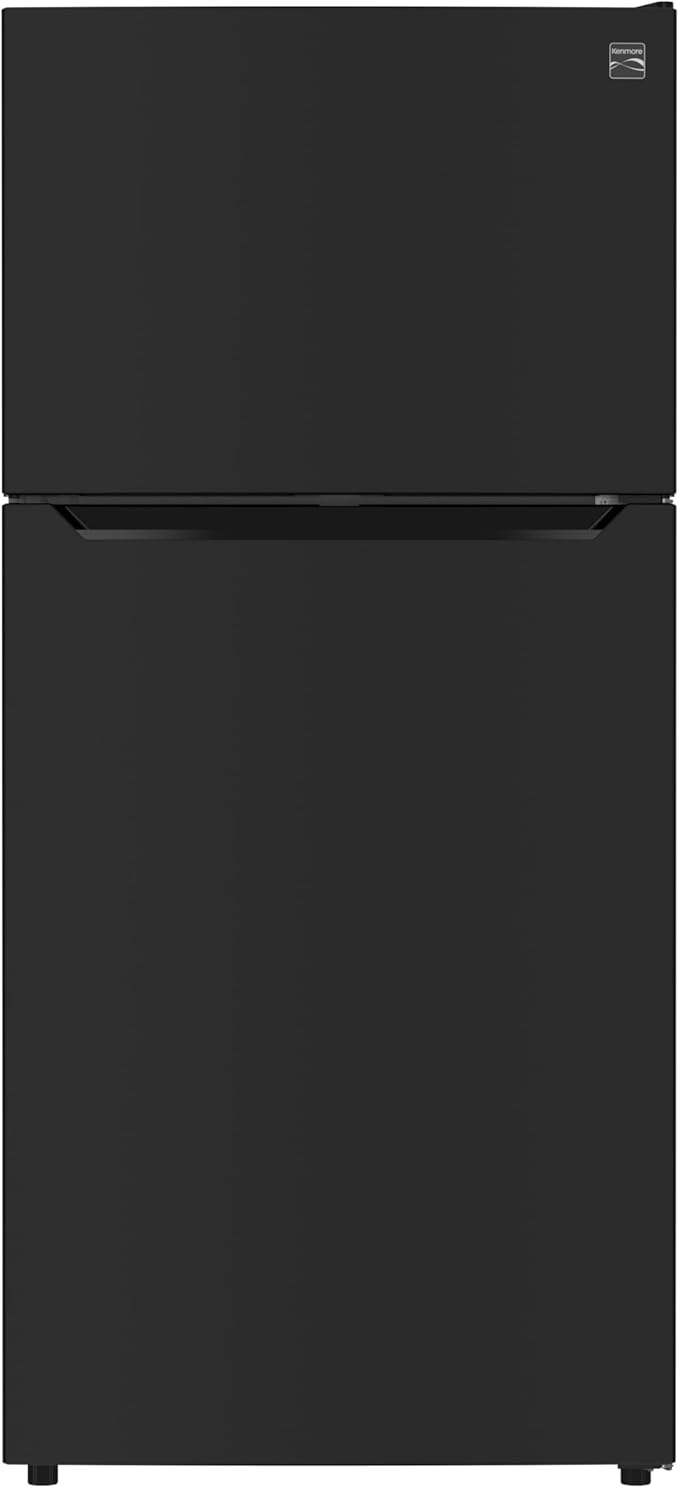
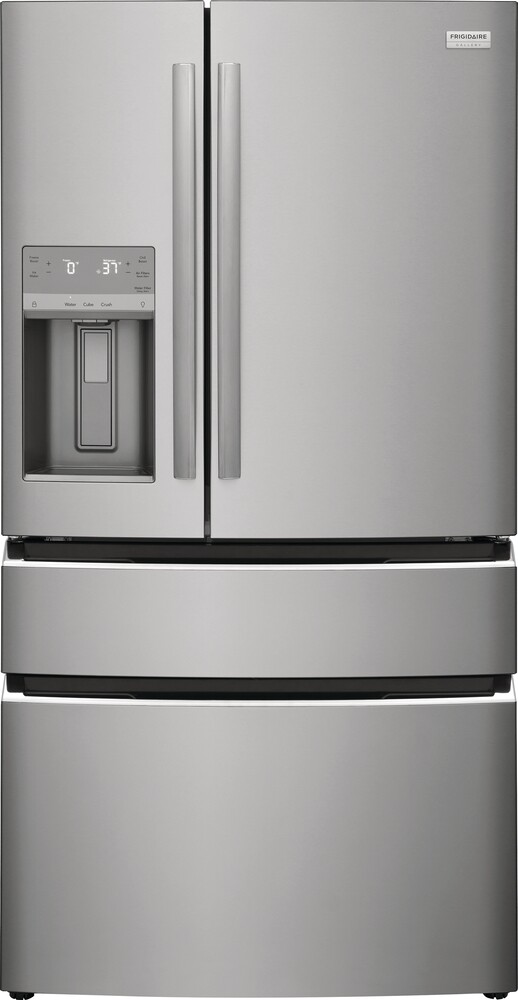
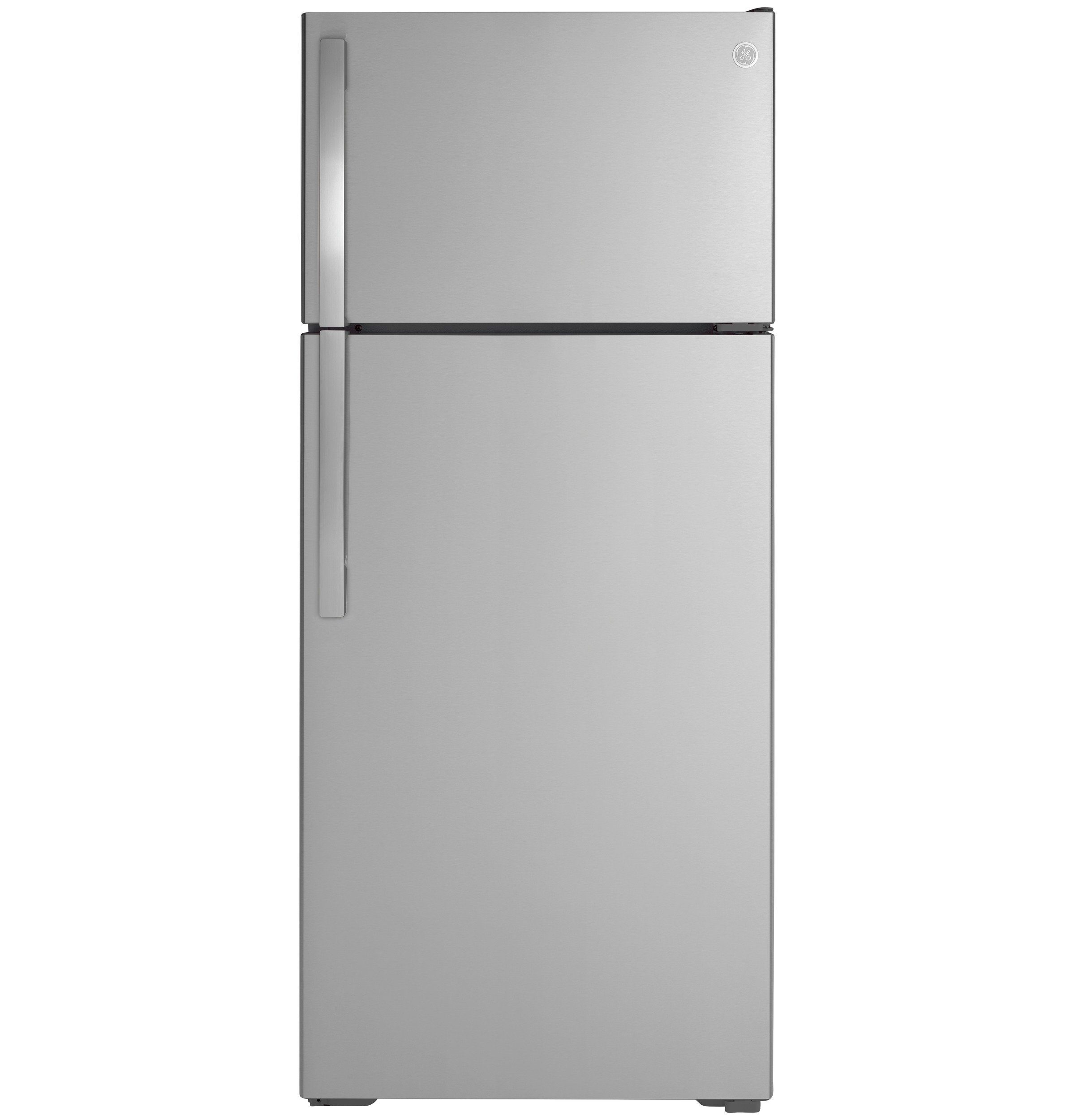
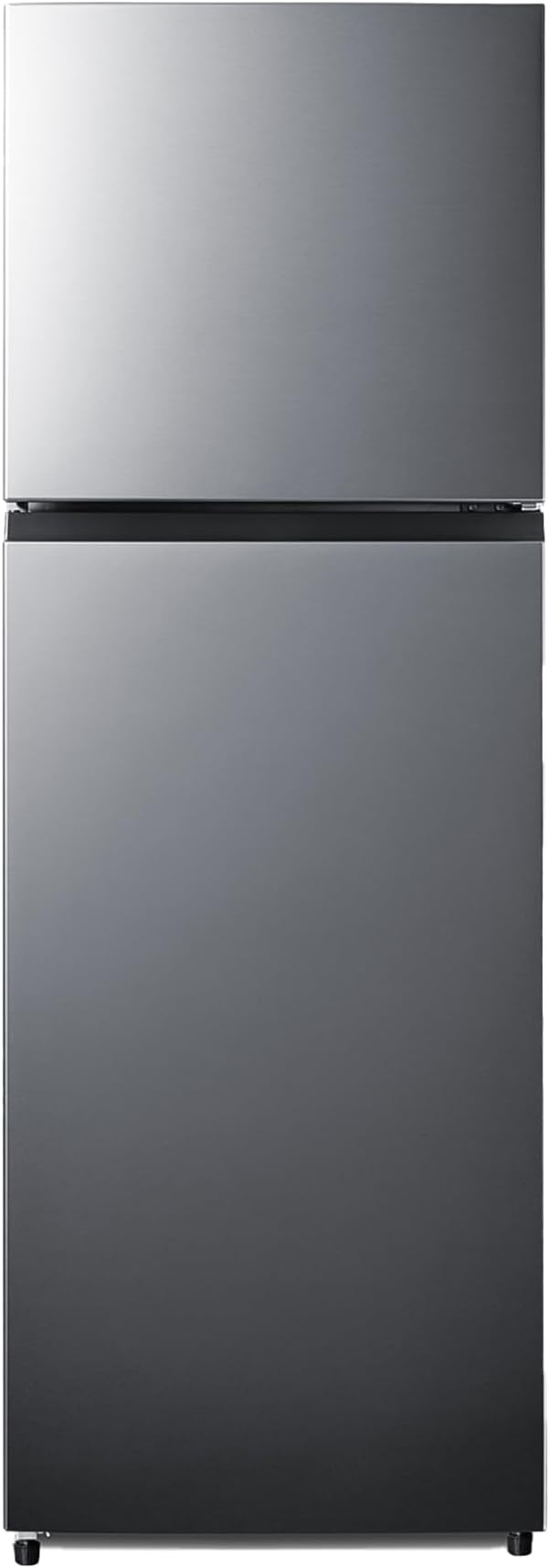
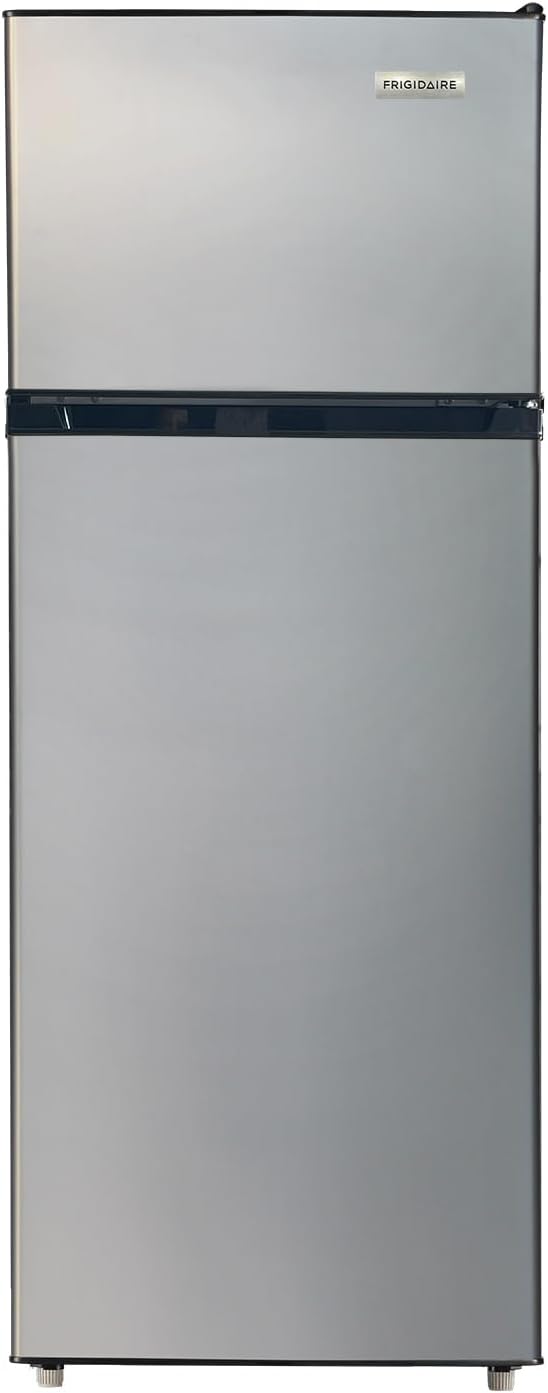
A wine chiller and a standard refrigerator both cool their contents, but they do so at different temperatures, with different environmental controls, and for different purposes. A wine chiller maintains 45-65°F with vibration dampening, UV-tinted glass, humidity retention, and horizontal bottle racks — a compact, specialized appliance focused exclusively on keeping wine at ideal preservation and serving conditions. A standard refrigerator maintains 34-42°F with food-safe humidity levels, standard compressor operation, and adjustable shelving designed for groceries — the household's primary appliance for daily food storage. This guide explains why wine needs a chiller rather than a shelf in the kitchen fridge, when refrigerator storage is acceptable for wine, and how both appliances fit into a well-equipped kitchen.
How Temperature Affects Wine Quality
The standard refrigerator's 37°F target exists for food safety — bacteria growth slows dramatically below 40°F, keeping meat, dairy, and produce safe for consumption. Wine does not need this level of cold. Red wines express their full aromatic complexity at 58-65°F. White wines reveal their best flavors at 45-52°F. Rosés and sparkling wines taste ideal at 45-50°F. Storing any wine at 37°F overcools it by 8-28 degrees depending on the varietal, compressing the aromatic molecules that create wine's distinctive bouquet and making every sip taste flatter, thinner, and less interesting than the winemaker intended.
The damage goes beyond immediate serving quality. Wine stored at 37°F for extended periods undergoes accelerated chemical changes that permanently alter its character. The cold temperature suppresses the slow molecular interactions that develop complexity in aging wines, effectively putting the wine into a kind of suspended animation that prevents positive development while still allowing negative changes from low humidity and cork degradation. A wine chiller's 55°F sweet spot allows wine to continue evolving naturally while protecting it from the heat damage that occurs above 70°F.
Humidity and Cork Health
Standard refrigerators actively remove moisture from the air — the cooling process condenses water vapor, which collects in a drip pan and evaporates through the condenser. This dehumidification keeps food surfaces dry, prevents mold, and maintains produce crispness. The resulting 30-40% relative humidity is ideal for food but destructive for wine corks. Natural corks require 50-80% relative humidity to maintain their elasticity and sealing capability. In a standard refrigerator, corks begin drying within days, shrink within weeks, and can lose their seal within one to three months depending on ambient humidity and door-opening frequency.
Once a cork dries and shrinks, air enters the bottle through the compromised seal. Oxidation begins immediately — a chemical process that turns fresh, vibrant wine into flat, vinegary liquid. A single dried cork can ruin a $50 bottle in weeks. Wine chillers maintain 50-80% relative humidity through their sealed cabinet design, warmer operating temperature, and reduced air exchange. Some premium models include active humidity management. The wine chiller's humidity-friendly environment keeps corks healthy for years, protecting wine investments at every price point from everyday bottles to rare collector pieces.
Standard refrigerators generate compressor vibration that transmits through shelves into stored items. For food, this vibration is meaningless — groceries are unaffected by compressor cycling. For wine, vibration is a legitimate preservation concern. Physical disturbance unsettles sediment in aging wines, suspends particles that should remain at the bottle's bottom, and can accelerate unwanted chemical reactions that affect flavor development over months and years of storage.
Wine chillers use vibration-dampened compressor mounts — rubber isolators and spring mechanisms that absorb compressor vibration before it reaches the storage racks. Thermoelectric wine chillers eliminate compressor vibration entirely using solid-state cooling with no moving parts, achieving zero vibration at the cost of reduced cooling power and smaller capacity. For casual wine drinkers storing bottles for days or weeks, vibration is a minor concern. For collectors aging wines for years, the wine chiller's vibration protection preserves sediment integrity and allows natural flavor development without physical interference.
Standard refrigerators expose wine to interior lighting during every door opening — and with the average household opening the fridge 20-50 times daily, stored wine receives frequent light exposure that degrades photosensitive compounds in the wine over weeks and months. The solid door blocks external light when closed, but the cumulative effect of repeated interior lighting exposure is measurable over long storage periods.
Wine chillers use UV-tinted glass doors that filter ultraviolet wavelengths while allowing visible light for collection display. The tinting blocks the specific frequencies most harmful to wine's tannins and aromatic molecules. Interior LED lighting is low-intensity and positioned to minimize direct light on bottle contents. The glass door means wine is visible without opening the door, dramatically reducing both light exposure and temperature disruption from repeated access.
Storage orientation adds another distinction. Wine bottles in a standard refrigerator stand upright on flat shelves, positioning the cork above the wine and exposing it to the air pocket inside the bottle. This accelerates cork drying from both sides. Wine chillers store bottles horizontally, keeping wine in constant contact with the cork's interior surface to maintain moisture even when external humidity fluctuates.
A standard refrigerator can hold a few wine bottles incidentally — tucked on a shelf or standing in a door bin — but this storage displaces food, occurs at wrong conditions, and accommodates only a handful of bottles at most. Wine chillers dedicate their entire capacity to wine, ranging from compact countertop units that sit on a kitchen counter and hold 6-12 bottles to full-height columns housing 200+ bottles. The wine chiller does not compete with the standard refrigerator for food storage — it supplements the kitchen with a dedicated wine preservation system that the refrigerator cannot provide.
Energy and Operating Costs
Appliance
Annual kWh
Annual Cost
Wine Chiller (12-bottle countertop)
50-100 kWh
$7-$13
Wine Chiller (46-bottle undercounter)
100-250 kWh
$13-$32
Standard Refrigerator (25 cu ft)
500-700 kWh
$65-$91
Wine chillers are remarkably energy efficient — a countertop model costs less than $15 per year to operate, and even a large undercounter unit stays under $35 annually. Adding a wine chiller to a household that already runs a standard refrigerator increases the annual electricity bill by a negligible amount — less than the cost of a single bottle of wine. The wine chiller's warmer temperature target, smaller cabinet, and less frequent door openings keep energy consumption minimal compared to the standard refrigerator's larger volume, colder temperatures, and constant daily access.
The wine chiller is not a replacement for a standard refrigerator — every household needs a refrigerator for food regardless of wine habits. The wine chiller is an addition. Entry-level countertop wine chillers start at $100-$200 — less than the cost of two or three quality bottles of wine. For that modest investment, every bottle you buy is stored at proper conditions that preserve its full flavor and value. The return on investment is immediate for anyone who spends more than $20 per month on wine, because proper storage prevents the quality degradation that effectively wastes money on every improperly stored bottle.
Short-term chilling before serving is perfectly fine. Placing a white wine in the standard refrigerator for one to two hours before serving brings it to refreshing temperature without damaging cork integrity. Chilling a red wine for 15-30 minutes during hot weather brings it from room temperature to the ideal 58-65°F serving range. Screw-cap and synthetic cork wines tolerate refrigerator storage better than natural cork wines because their closures do not depend on humidity. If you buy a bottle on Monday and drink it by Friday, the standard refrigerator causes minimal harm. The wine chiller becomes essential when you store wine for more than a week, maintain an inventory of more than six bottles, buy wines with natural corks, or collect wines intended for aging.
Noise Comparison
Standard refrigerators run at 38-47 decibels with intermittent spikes from ice makers, defrost cycles, and compressor startups. Wine chillers run at 35-42 decibels for compressor models and 25-35 decibels for thermoelectric models. The wine chiller's quieter operation and compact size allow placement in dining rooms, living rooms, home offices, and bedrooms — locations where a standard refrigerator's noise and bulk would be impractical. This flexibility lets you store wine where you drink it rather than walking to the kitchen for every bottle.
Standard refrigerators require maintenance across multiple systems — condenser coil cleaning, water filter replacement every six months, ice maker servicing, defrost drain cleaning, gasket inspection across both fresh food and freezer compartments, and periodic cleaning of crisper drawers, door bins, and shelf surfaces. The mechanical complexity of dual-zone cooling, ice production, water dispensing, and automatic defrost creates numerous potential failure points and drives higher lifetime repair costs. Average repair costs for standard refrigerators range from $200-$500 per incident, and most households experience at least two or three repairs over the appliance's 10-15 year lifespan.
Wine chillers require remarkably little maintenance — annual condenser coil cleaning, door gasket inspection, interior wiping, and periodic rack cleaning covers the essentials. The single-zone, single-purpose design with minimal mechanical complexity means fewer components that can fail and lower repair costs when issues do arise. Thermoelectric wine chillers are even simpler — no compressor, no moving parts beyond a small fan — reducing maintenance to basic cleaning. Wine chiller repair costs are typically $100-$200 per incident, and many units run their full 10-15 year lifespan with no repairs at all beyond basic cleaning and gasket replacement.
The most costly mistake is storing expensive wines in the standard refrigerator for weeks or months, assuming cold is cold. The combined effects of overcooling, low humidity, cork drying, vibration, and light exposure degrade wine quality measurably within weeks and can ruin bottles worth hundreds of dollars within months. Every bottle damaged by improper refrigerator storage represents wasted money that a modest wine chiller investment would have protected.
The second most common mistake is placing a wine chiller in a location with extreme ambient temperatures. Wine chillers are designed for climate-controlled indoor environments between 50-95°F. Placing one in an unheated garage where winter temperatures drop below freezing or summer temperatures exceed 100°F forces the compressor beyond its design parameters, causing temperature instability and premature component failure. Always install wine chillers in temperature-controlled indoor spaces for optimal performance and longevity.
A third mistake is overloading the standard refrigerator with wine bottles that crowd food storage and block airflow. Wine bottles are heavy and take up significant shelf space — adding six bottles to a refrigerator displaces substantial food storage capacity and can restrict the air circulation the refrigerator needs to maintain even temperatures throughout its compartments. A dedicated wine chiller eliminates this space conflict entirely, freeing the refrigerator for its intended food storage purpose.
Who Should Buy a Wine Chiller
Buy a wine chiller if you regularly keep more than six bottles at home, buy wine with natural corks, store wine for more than a week before drinking, or want to experience wine at its intended serving temperature. Even a compact $150 countertop model holding 8-12 bottles transforms wine quality for everyday drinkers. For serious collectors, larger undercounter and full-height models provide the preservation infrastructure that protects valuable collections for years of proper aging and enjoyment.
Browse wine chillers. Filter by capacity, temperature zones, installation type, and price to find the right wine preservation solution. Compare with Fridge.com full selection of standard refrigerators for your kitchen needs.
Frequently Asked Questions
Kitchen fridges run at 37°F (too cold — mutes flavors), 30-40% humidity (too dry — dries corks), with vibration (disturbs sediment) and bright lighting (degrades compounds). Wine needs 45-65°F with environmental controls. Compare at Fridge.com.
Free tool
Kitchen Space Planner
Free interactive tool from Fridge.com — get a quick answer while you read.