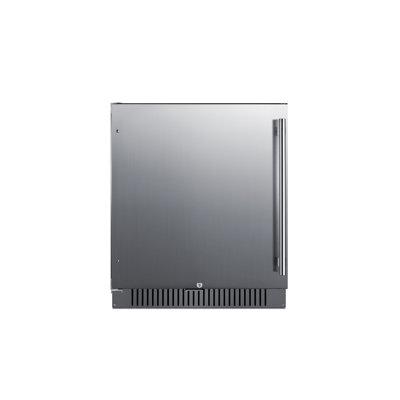
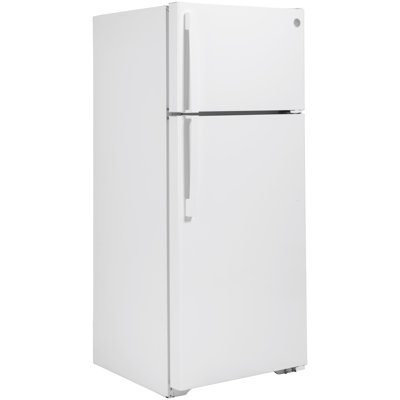
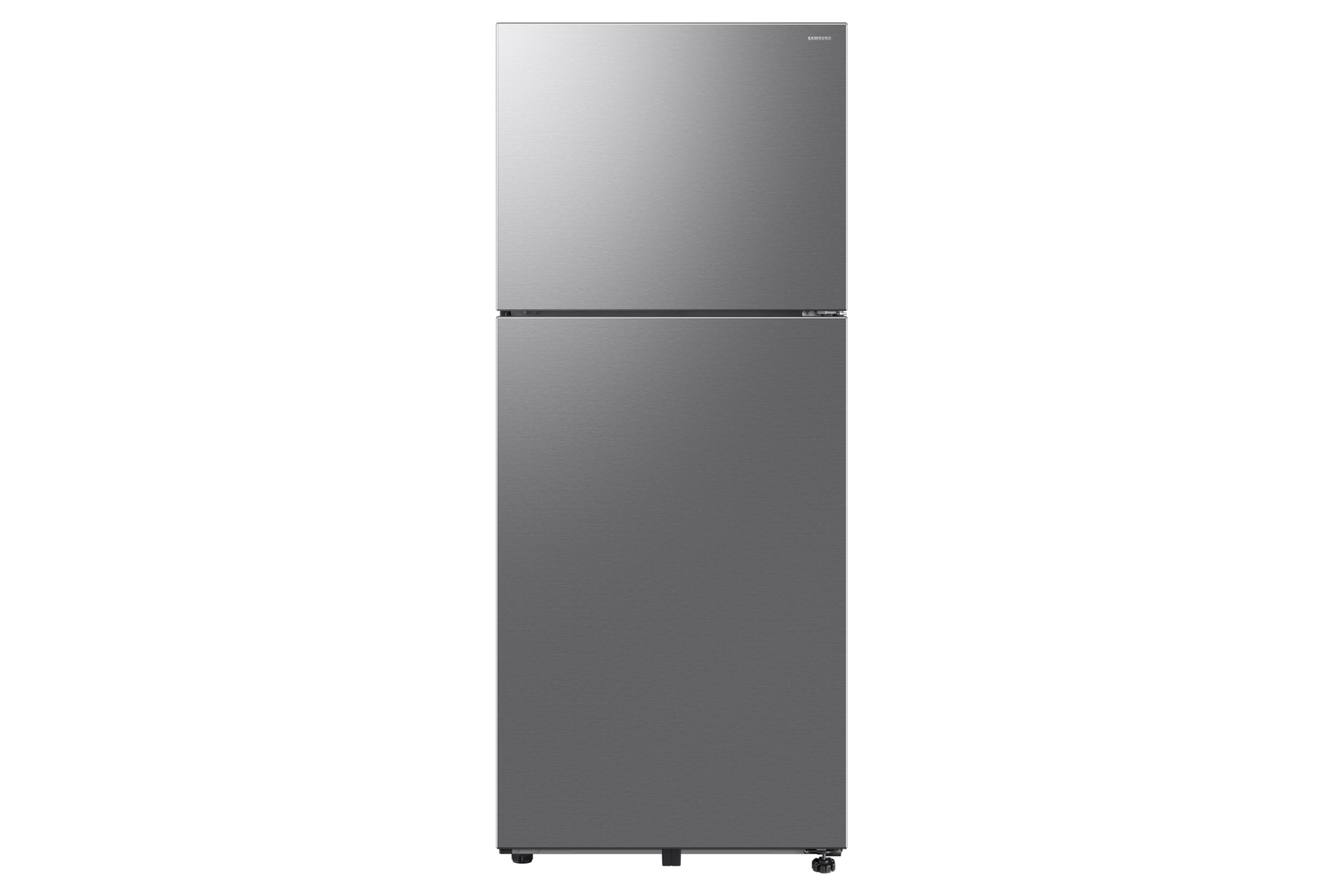
Temperature controls maintain 45-65°F, spanning the ideal range for storing and serving all wine types from sparkling whites to full-bodied reds.
A wine chiller maintains 45-65°F with horizontal bottle racks, UV-tinted glass, and vibration dampening — purpose-built for wine preservation.
A refrigerator drawer maintains 34-42°F with a pull-out drawer format holding fresh food, beverages, and perishable items — designed for ergonomic access to everyday refrigerated goods.
Dual-zone undercounter wine chillers split the cabinet into two independently controlled temperature compartments — whites at 45-50°F and reds at 55-65°F.
A wine chiller and a refrigerator drawer are both compact, under-counter cooling appliances, but they serve different contents at different temperatures with different interior designs. A wine chiller maintains 45-65°F with horizontal bottle racks, UV-tinted glass, and vibration dampening — purpose-built for wine preservation. A refrigerator drawer maintains 34-42°F with a pull-out drawer format holding fresh food, beverages, and perishable items — designed for ergonomic access to everyday refrigerated goods. This guide covers every specification so you choose the right under-counter cooling appliance for your kitchen or entertaining space.
What Is a Wine Chiller?
A wine chiller is a specialized cooling appliance dedicated entirely to wine storage and preservation. The interior features horizontal pull-out racks that cradle bottles on their sides — keeping natural corks moist and sealed against oxidation. UV-tinted double-pane glass blocks ultraviolet light that degrades wine's tannins and aromatic compounds. Vibration-dampened compressor mounts prevent the physical disturbance that can harm sediment in aging wines. Temperature controls maintain 45-65°F, spanning the ideal range for storing and serving all wine types from sparkling whites to full-bodied reds.
Wine chillers come in countertop, undercounter, and freestanding formats. Undercounter models fit standard 24-inch-wide cabinet openings and hold 20 to 54 bottles depending on the model. Dual-zone undercounter wine chillers split the cabinet into two independently controlled temperature compartments — whites at 45-50°F and reds at 55-65°F. The wine chiller is a single-purpose appliance that stores wine and nothing else.
What Is a Refrigerator Drawer?
A refrigerator drawer is a general-purpose cold storage appliance that uses a pull-out drawer format instead of a traditional front-opening door. The entire storage compartment slides out on heavy-duty ball-bearing glides, allowing you to look down into the contents and reach every item without bending. Refrigerator drawers maintain 34-42°F — standard fresh food temperature — and accommodate any combination of produce, dairy, meats, beverages, condiments, and leftovers.
Refrigerator drawers install under counters, islands, and bar tops in the same 24-inch-wide openings used by wine chillers and undercounter refrigerators. Single-drawer models provide one large compartment. Double-drawer models stack two independently accessible drawers, allowing temperature differentiation (one drawer at 34°F for meats, another at 38°F for produce) or simply doubling the accessible storage. The drawer format's top-down access is its defining feature — you see and reach everything without the blocked-view problem of deep shelf-based refrigerators.
The temperature gap matters for both wine and food. Wine stored in a refrigerator drawer at 37°F suffers from overcooling — reds taste thin and harsh, whites lose nuance, and the low humidity dries out natural corks within weeks. Fresh food stored in a wine chiller at 55°F sits in the bacterial danger zone — meat, dairy, and cut produce spoil rapidly at temperatures above 40°F. Each appliance is optimized for its specific contents and performs poorly when asked to store the other's.
Wine chillers use horizontal pull-out racks with scalloped grooves that hold individual bottles on their sides. Ball-bearing glides allow smooth, vibration-free sliding. The front-opening glass door provides a visual display of the collection. You pull a rack forward, select a bottle, and slide the rack back. The interior is inflexible — it stores standard 750ml wine bottles and cannot accommodate cans, food containers, or non-bottle items of any kind.
Refrigerator drawers use one or two open compartments with optional dividers for organization. The pull-out format lets you look straight down into the contents — every item is visible from above without the front-to-back depth problem that hides items at the back of shelf-based refrigerators. Adjustable dividers create sections for different food categories. The drawer handles any container shape — flat deli containers, tall bottles, round produce, irregular-shaped leftovers — with complete flexibility. This versatility is the refrigerator drawer's primary advantage over the wine chiller's rigid bottle-only interior.
Capacity
Appliance (24-inch)
Wine Bottles
Food Storage
Wine Chiller
40-54 bottles
None
Refrigerator Drawer (single)
0 (not designed for wine)
3.0-4.5 cu ft
Refrigerator Drawer (double)
0 (not designed for wine)
4.5-6.0 cu ft
These appliances serve entirely non-overlapping storage needs. The wine chiller holds wine exclusively — 40 to 54 bottles in a 24-inch unit. The refrigerator drawer holds fresh food exclusively — 3 to 6 cubic feet of mixed refrigerated items. Neither can practically serve the other's purpose. Wine bottles placed in a refrigerator drawer sit upright (wrong orientation for cork health), at too-cold temperatures, with no UV protection or vibration control. Fresh food placed in a wine chiller sits at unsafe temperatures on racks designed for bottles, not containers.
Wine chillers use less energy than refrigerator drawers because they maintain warmer temperatures (45-65°F versus 34-42°F). The compressor works less to hold 55°F than 37°F. Double-drawer refrigerators consume the most energy because they cool a larger volume at colder temperatures. The annual cost difference is $10-$20 — modest but cumulative over a decade of ownership.
Wine chillers prioritize quiet, low-vibration operation because both noise and vibration can affect wine quality. Compressor models run at 35-42 decibels with vibration-dampened mounts. Thermoelectric models achieve 25-35 decibels with zero vibration. Wine chillers are designed for placement in living spaces — kitchens, dining rooms, and bars — where quiet operation matters.
Refrigerator drawers run at 36-44 decibels. The compressor handles a harder workload (colder temperature) but the built-in cabinet installation provides acoustic dampening. The drawer mechanism itself is virtually silent — quality ball-bearing glides produce no meaningful noise during opening and closing. Vibration control is not a design priority because fresh food is unaffected by compressor vibration.
Installation
Both appliances install in the same standard 24-inch undercounter cabinet opening using front-venting exhaust systems for flush installation. Both are available in panel-ready configurations that accept custom door or drawer panels matching surrounding cabinetry. The installation process is nearly identical — slide the unit into the opening, level it, connect power, and attach the custom panel if applicable. In a kitchen design, you could place a wine chiller and a refrigerator drawer side by side under a bar or island, giving you wine storage and food access in adjacent 24-inch bays.
Refrigerator drawers cost significantly more than wine chillers at every price tier. The heavy-duty drawer mechanism with ball-bearing glides rated for 50 to 80 pounds of food adds substantial manufacturing cost. The double-drawer format with independent temperature controls adds further complexity. A mid-range wine chiller at $700 costs less than a budget single-drawer refrigerator at $1,000. The price premium for the drawer format reflects the engineering sophistication and ergonomic advantage of the pull-out design.
Maintenance and Lifespan
Wine chillers require annual coil cleaning, gasket inspection, and interior wiping. Wooden racks should be checked for mold. Compressor models last 10 to 15 years. The simple, time-tested design has few moving parts beyond the compressor and fans.
Refrigerator drawers require the same basic maintenance plus attention to the drawer glide mechanism. The ball-bearing slides that support heavy loads need periodic lubrication and inspection for wear. Overloading the drawer beyond its weight rating (typically 50-80 pounds) strains the mechanism and can cause premature failure. The drawer seal must be checked — unlike a door that closes by gravity, a drawer requires a positive seal mechanism that can wear over time. Expected lifespan is 10 to 15 years for quality models, comparable to wine chillers.
Buy a wine chiller if wine storage is your primary under-counter need. The wine chiller holds 40 to 54 bottles at proper temperatures with full preservation features — UV protection, vibration dampening, and humidity-friendly operation. It costs less than a refrigerator drawer and excels at its single purpose.
Buy a refrigerator drawer if you want ergonomic, top-down access to fresh food and beverages at a secondary kitchen location. The pull-out format is ideal for kitchen islands where looking down into the drawer is more natural than bending to see into a shelf-based undercounter fridge. Double-drawer models provide versatile, organized fresh food storage that serves daily cooking and entertaining needs.
Common Mistakes When Choosing Between These Appliances
The most frequent error is assuming a refrigerator drawer can double as wine storage. Placing wine bottles in a 37°F refrigerator drawer overcools every varietal — reds lose their aromatic complexity, whites taste muted, and natural corks dry out within weeks from the low humidity environment. The upright bottle orientation forced by the drawer format also exposes corks to air pockets, accelerating oxidation in wines meant for aging. A refrigerator drawer is built for food, and wine stored inside one will deteriorate noticeably within a month.
The second common mistake is buying a wine chiller when the real need is additional fresh food capacity. Homeowners renovating a kitchen island sometimes install a wine chiller because it looks impressive, then discover they rarely store more than a dozen bottles. Meanwhile, they lack accessible cold storage for cooking ingredients at the island workstation. A refrigerator drawer in that location would serve daily meal preparation far better than a half-empty wine chiller used only during dinner parties.
A third mistake is ignoring the weight rating on refrigerator drawers. Loading a single-drawer model past its 60-pound limit with heavy bottles, dense produce, and stacked containers strains the ball-bearing glide system and causes the drawer to sag, scrape, or fail prematurely. Always check the manufacturer's specified weight capacity and distribute contents evenly across the drawer to maintain smooth operation over the appliance's full lifespan.
Pairing Both Appliances in a Kitchen Design
Many high-end kitchen designs install both a wine chiller and a refrigerator drawer in adjacent undercounter bays. This combination provides dedicated wine storage at proper temperatures alongside ergonomic fresh food access — all within a four-foot span of cabinetry. The wine chiller handles the collection while the refrigerator drawer serves as a prep-station satellite holding produce, cheeses, charcuterie, and beverages for cooking and entertaining without requiring trips to the main refrigerator across the kitchen.
In a home bar or butler's pantry, pairing these appliances creates a fully self-contained beverage and entertaining station. The wine chiller stores and displays the collection at serving temperatures. The refrigerator drawer holds garnishes, mixers, cream, citrus, sparkling water, and other cocktail ingredients at food-safe temperatures. Guests can access both wine and bar supplies from a single location without entering the main kitchen, streamlining the hosting experience and keeping the cooking area clear during parties.
When installing both appliances side by side, ensure adequate electrical capacity — each appliance requires its own dedicated 15-amp circuit to prevent overloading shared circuits, which can cause compressor failures during simultaneous cooling cycles. Front-venting models are essential for flush, built-in installation with no rear clearance requirements.
Both wine chillers and refrigerator drawers add measurable value to kitchen renovations, but refrigerator drawers typically generate higher return on investment because of their broader daily utility. Real estate listings that highlight undercounter refrigerator drawers in kitchen islands appeal to a wider range of buyers — anyone who cooks regularly values the ergonomic access. Wine chillers appeal to a narrower audience of wine enthusiasts, though they carry strong visual impact in listing photos and open-house walkthroughs.
In luxury home markets, both appliances are expected rather than exceptional. High-end buyers assume undercounter wine storage and supplemental refrigerator drawers as baseline features in premium kitchens. The combined presence of both appliances signals a thoughtfully designed, fully equipped kitchen — a selling point that justifies the investment well beyond the appliance cost alone.
Compare prices on Fridge.com
Browse wine chillers and refrigerator drawers. Filter by capacity, temperature zones, drawer configuration, dimensions, and price to find the right under-counter cooling solution for your kitchen.
Frequently Asked Questions
Yes — both install in standard 24-inch under-counter openings with front ventilation. The cabinet and installation are interchangeable. Only the contents and temperature differ. Compare at Fridge.com.
Free tool
Food Storage Calculator
Free interactive tool from Fridge.com — get a quick answer while you read.