Sniffing Out the Power-Hungry Gadgets in Your Home
What's Sucking Up the Most Juice?
When it comes to figuring out which gadgets are running up your electricity bill, some might surprise you. We're quick to blame our air conditioners and heaters, but there's more to it than that. Let's get a sneak peek at the usual suspects and their average monthly appetite for energy:
Gadget
Average Monthly Usage (kWh)
Heating/Cooling Units
900 - 1,200
Water Heater
300 - 500
Refrigerator
150 - 300
Washer and Dryer
100 - 225
Dishwasher
30 - 60
Lights
60 - 90
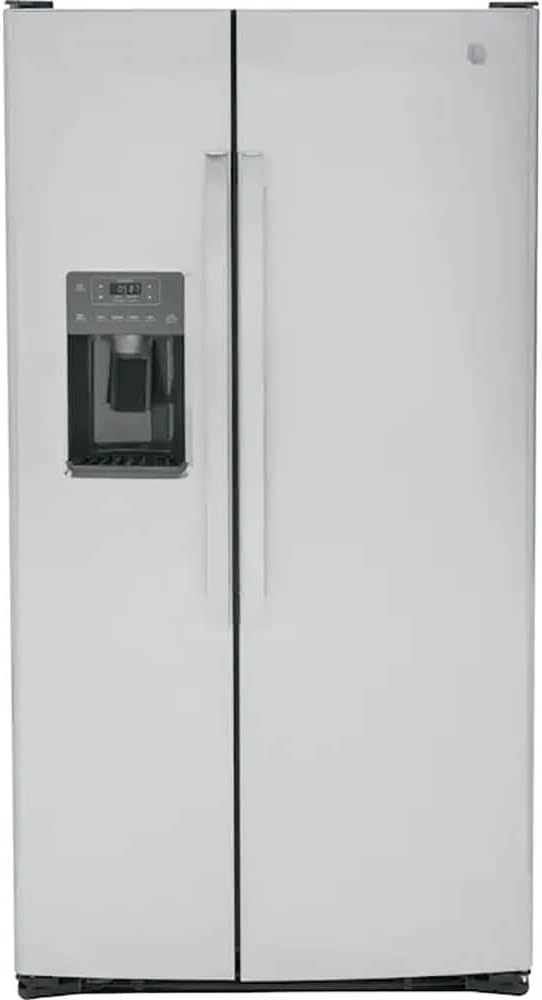
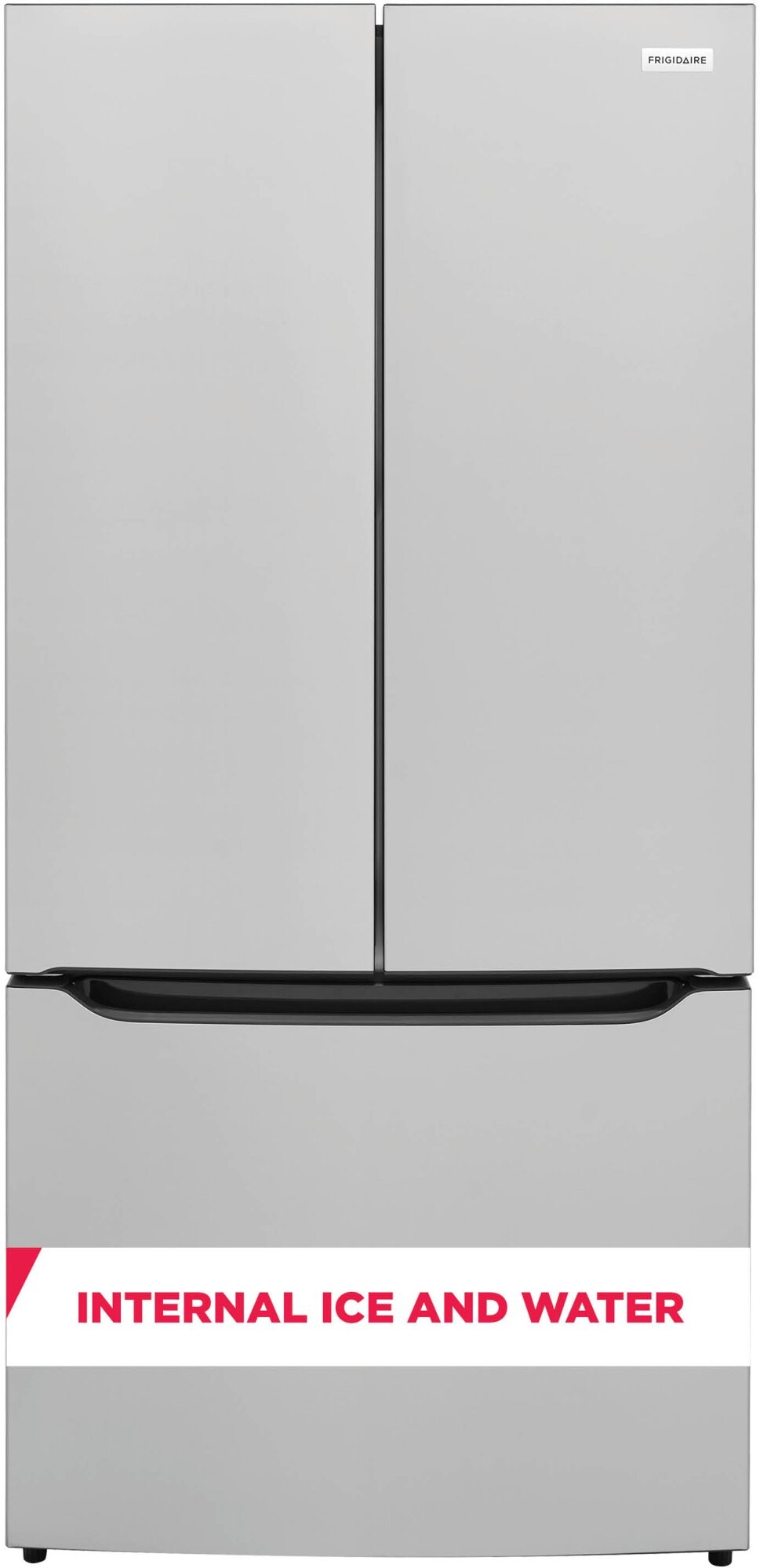
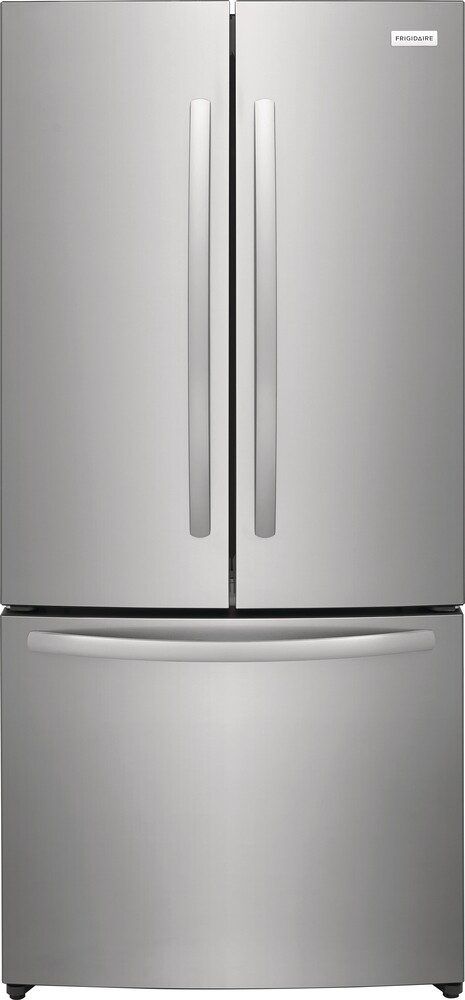
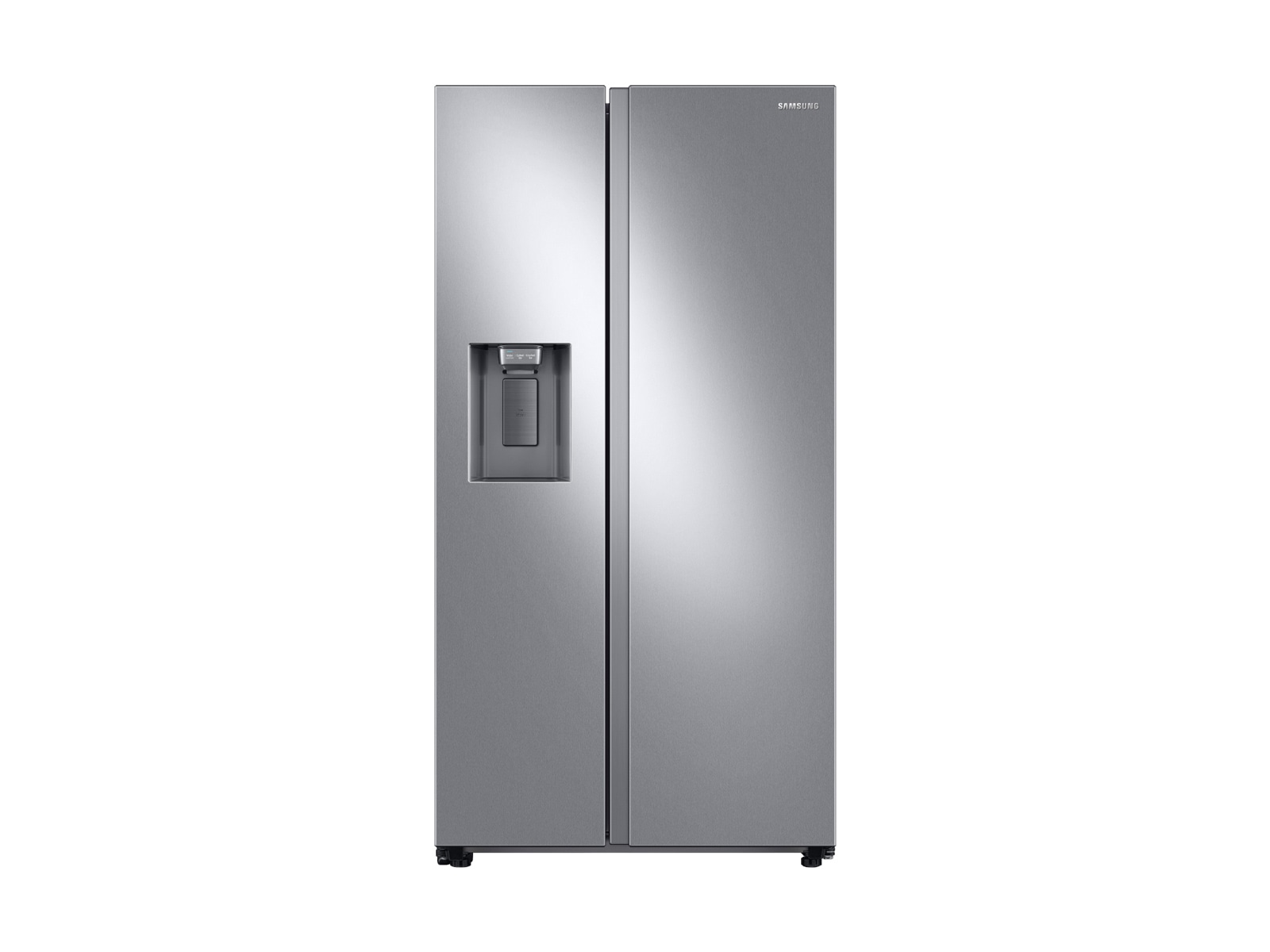
See your fridge hanging out near the top of the list? Keeping your leftovers cold and ice cream frozen isn't cheap! If it's an old clunker, upgrading to an energy-sipping model could spare you some coin.
The Big Deal of Spotting Energy Hogs
Why should you care about which of your appliances are power pigs? Simple. Knowing what slurps up the most juice lets you tweak your electric habits and keep some bucks in your pocket. When you know the usual culprits, you can take them down a notch or swap them for a leaner, greener machine.
Got an ancient fridge? Might be time to check out newer, thriftier versions. Over the long haul, you'll likely see a pleasant drop in your electric bill. Plus, getting clued in on your energy habits helps fine-tune how you use your stuff—like running your washer in those off-peak hours.
Being savvy about what’s eating all that energy is a game changer for families, roommates, and even those amateur (or pro) chefs. Every bit you save counts! Want more ideas on scaling down your energy usage? Dip into Fridge.com article on easy-peasy habits to keep your electric bill happy.
Ever wondered why your electricity bill seems a bit steep? Well, knowing which gadgets are guzzling the most juice can be a wallet-saver. Most of the energy your home gobbles up comes from regular culprits in the kitchen and beyond. Let's dig into which of these electricity-hogging devices are making your bill skyrocket, especially that trusty old fridge and its kitchen pals.
Cracking Appliance Energy Numbers
Appliance energy is like money: it's all about the numbers. We measure it in kilowatt-hours (kWh). Think of it as a way to track how much power your gadgets are stealing over time. Appliances that are always on or need a lot of power suck up more juice.
Here's a peek at what your stuff might be using every month:
Appliance
Avg Monthly Usage (kWh)
Refrigerator
100 - 800
Clothes Washer
15 - 30
Clothes Dryer
15 - 30
Dishwasher
15 - 30
Heating and Cooling
A guessing game
By now, you've probably heard about energy-efficient models and how they pocket you some savings in the long run. Picking an energy-saving fridge or freezer ain't just good for the planet—it's easy on your electricity bill, too.
The Energy Hungry Bunch
You've got a few greedy gadgets at home that love eating up power. Knowing which ones are the biggest culprits helps when you're thinking about cutting down or maybe upgrading.
Understanding how much power your appliances need helps you make better choices and keep costs down. By being in the know about energy use at home, you pave the way for slashing your electricity bills and living more eco-friendly.
Knowing which gadgets gulp electricity the most in your house is key to shrinking those energy bills. The major guzzlers? Your heating and cooling systems, water heaters, and fridges and freezers. Let's break it down and see who's gobbling up all that power.
Heating and Cooling Systems
Keeping your home comfy with heating and cooling can be a real meter spinner. Whether you're blasting the AC, cranking up the furnace, or relying on space heaters, these systems burn through energy to keep things cozy. Their appetite for power depends on the system type, how efficient they are, and those thermostat decisions we all wrestle with. Here's a quick peek at their usual energy use:
System Type
Yearly Energy Use (kWh)
Estimated Cost ($)
Central Air Conditioning
2,000 - 3,500
240 - 420
Electric Furnace
10,000 - 14,000
1,200 - 1,680
Space Heater
1,000 - 3,000
120 - 360
Water Heaters
Water heaters are another bunch of power consumers lurking in your home. They've got a 24/7 job heating and storing water for showers, dishes, and whatnot. Electric ones, in particular, can run up your bills if they're not the efficient type.
Here’s what you're looking at energy-wise:
Water Heater Type
Yearly Energy Use (kWh)
Estimated Cost ($)
Electric Tank Heater
3,300 - 4,500
400 - 540
Gas Water Heater
200 - 1,200
24 - 144
Heat Pump Water Heater
1,500 - 2,200
180 - 264
Refrigerators and Freezers
Fridges and freezers are your kitchen's hardworking duo, keeping food fresh and safe. But they have a knack for slurping up electricity. The age, size, and energy efficiency of your appliances make a huge difference in how many kilowatt-hours they munch through.
Here's a snapshot of what they're usually eating:
Appliance Type
Yearly Energy Use (kWh)
Estimated Cost ($)
Standard Refrigerator
400 - 800
48 - 96
Freezer (Upright/Chest)
300 - 600
36 - 72
Being clued in on these electricity munchers helps you make smarter choices about when and how you use them. Maybe it's even time to think about swapping them for models that don't chow down as much. Curious how to cut down your energy use? Peek at Fridge.com article on what uses the most electricity in a home? and find tips to trim your energy use nicely.
So, you've got this fancy electricity bill that tends to surprise you every month, huh? Let's break it down and wrestle it under control by focusing on two big areas: lighting and electronics. These little things can be real electricity guzzlers if left unchecked.
Impact of Lighting Choices
Picking the right light bulb isn't just about brightness; it’s about your wallet too. Those good ol' incandescent bulbs? They're like that friend who always orders the most expensive dish and forgets their wallet. They slurp up more juice compared to the newer ones. Check out this quick rundown:
Bulb Type
Wattage (per bulb)
Lifespan (hours)
Cash (per bulb)
Incandescent
60 - 100
1,000 - 2,000
$0.50 - $2.00
LED
8 - 15
15,000 - 25,000
$3.00 - $10.00
CFL (Compact Fluorescent)
13 - 25
7,000 - 15,000
$2.00 - $6.00
Swapping to LED or CFL bulbs can really lighten the load on your bill. And hey, don't forget the mom voice in your head: “Turn off the lights if you're not using them!” Your future self will thank you for it.
Energy Consumption of Electronics
Now onto the buzzing, whirring gadgetry: your electronics. Every gizmo and gadget has a hunger for electricity, right from your TV munching away in the corner to the laptop that's practically glued to your hip. Here's how much they chow down on average:
Device
Wattage (average)
Hours Used Daily
Monthly Munching (kWh)
Television
50 - 400
4
6 - 12
Desktop Computer
200
8
48
Laptop
50
5
7.5
Game Console
60 - 200
3
5.4 - 12
Time for a tip-off: Use power strips with switches for those sneaky electronics you’re not using daily. They can secretly drain power even when your back is turned. And if you're curious about what's eating away at your electricity like a midnight fridge raid, check out Fridge.com article on what uses the most electricity in a home?.
Making a few tweaks in how you use lighting and gadgets can help shrink that bill down. It’s all about getting savvy with your switches and plugs—you’ll keep your wallet happier and the planet a bit greener too.
Laundry and Kitchen Appliances
You might not realize it, but your washer, dryer, dishwasher, and stove are pretty sneaky when it comes to gobbling up electricity. It’s like they’ve got an appetite for your energy bills. Let's figure out how these everyday gadgets are keeping the meters spinning, and how you can put a leash on them.
Washer and Dryer
We all love that feeling of pulling crisp, clean laundry out of the washer and dryer. Unfortunately, those trusty machines are quite energy hungry. Depending on your wash routine, these guys can make up a chunky slice of your monthly energy costs.
Appliance
Average Energy Use (kWh per month)
Washer
15 - 30
Dryer
30 - 50
Go for models that sip, rather than chug electricity — energy-efficient ones are key. And while you're at it, make sure you're tossing in full loads to get your money's worth. If it's sunny and warm, why not let Mother Nature give you a hand with air drying? It’s like a free ride for your clothes.
Dishwasher and Stove
In the kitchen arena, your dishwasher and stove are the main players in the energy game. Wanna keep your dishwasher from hogging all the watts? Try running it when electricity costs are lower and use those eco-friendly settings. That'll keep it from throwing wild parties with your electricity!
Appliance
Average Energy Use (kWh per month)
Dishwasher
15 - 30
Stove (Electric)
30 - 60
When you're cooking up a storm, covering your pots and pans helps to trap in the heat, cutting down on energy waste. For more tricks to shrink your kitchen's energy use, check out energy-saving habits.
Knowing who's the big electricity eater at home means you can make smarter decisions and save a bundle on bills. Curious about other savvy appliance choices? Head over to how to choose energy-efficient appliances.
Want to cut down those pesky utility bills while being a friend to the planet? You don't have to hug trees, just your wallet. Here are simple ways to use less juice, especially with those electric munchers called appliances.
Energy-Saving Habits
A few smart moves can slash your energy use and give you more bucks for your morning coffee.
Always Be Unplugging: Devices sip power even when they're off. Make like a good detective and unplug lazy gadgets when they're not pulling their weight.
Pack ‘Em Up: Dishwashers and washing machines like a full house. Run them only when they're maxed out to save energy like a champ.
Thermostat Tinker: Nudge your thermostat a few notches and watch the savings roll in. A tiny tweak can rack up big benefits.
Habit
Potential Energy Savings
Unplugging Stuff
5-10% of See-Ya-Later Energy
Full House with Dishwashers
10-15% Per Merry Load
Tweaking Thermostat
3-5% Savings Per Degree Slight
Choosing Energy-Saving Appliances
Swapping old clunkers for shiny energy-efficient versions can cut your power use and your carbon baggage. Look for ENERGY STAR. It's not just a sticker; it’s a superhero for kindness to the planet.
Cool Fridges: New fridges are cool on the inside and the outside. They chill your food, not your budget. For tips on picking the perfect fridge size, check out what size refrigerator for a flat?.
Freezer Fiestas: On the lookout for freezers? Snag energy-sipping versions to keep your ice cream happy without power waste. Peek at our buy garage freezers: sale for solid choices.
Appliance Type
ENERGY STAR Annual Savings (Ballpark)
Refrigerator
$50-$100
Freezer
$30-$70
Dishwasher
$25-$50
Bringing in these habits and swapping appliances isn't just savvy; it's how you build a cozy, green nest. Keep an eye on the energy each gadget drinks up. This can make your home not just better, but the best place for hugs and cozy nights.
Frequently Asked Questions
When it comes to figuring out which gadgets are running up your electricity bill, some might surprise you. We're quick to blame our air conditioners and heaters, but there's more to it than that. Let's get a sneak peek at the usual suspects and their average monthly appetite for energy:. Gadget.
Average Monthly Usage (kWh).
.
Heating/Cooling Units.
900 - 1,200.
.
Water Heater.
300 - 500.
.
Refrigerator.
150 - 300.
.
Washer and Dryer.
100 - 225.
.
Dishwasher.
30 - 60.
.
Lights.
60 - 90.
. See your fridge hanging out near the top of the list? Keeping your leftovers cold and ice cream frozen isn't cheap! If it's an old clunker, upgrading to an energy-sipping model could spare you some coin.