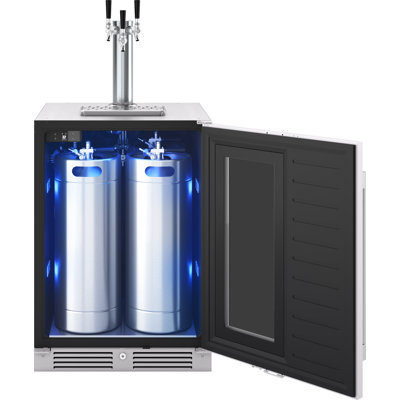
Deciding on the Right CO2 Tank Size for Your Kegerator
When you're getting your kegerator ready for action, picking the correct CO2 tank is the key to keeping your brews bubbly and fresh. Choose wisely, and you'll elevate that home brewing game.
Understanding the Importance of the CO2 Tank
Think of your CO2 tank as the lifeline of your kegerator. It keeps your drinks fizzy and ensures they don't lose their zip. Without it? Flat brews—sad times. The right size means less time thinking about refills and more time sipping your perfected pints.
Factors to Consider When Choosing the Size
When choosing the tank, some things demand a bit of thought:
Frequency of Use
Love throwing parties or craving a regular draft? Go big. A larger tank means fewer pit stops for refills, and more time enjoying the fun.
Kegerator Setup Compatibility
Before you buy, ensure your tank is a snug fit where it's gonna live. Some kegerators don’t have a ton of space, so measure twice, buy once.
Available Storage Space
See where you'll stash the tank. It needs space, but don’t forget it might need to breathe too.
For a quick glance, here's a table matching popular tank sizes with their serving predictions:
Tank Size
Estimated Servings (16 oz)
Height (inches)
Diameter (inches)
5 lb
40-50
18
7
10 lb
80-100
20
8
20 lb
160-200
23
9
Picking the right CO2 tank makes a world of difference to your kegerator experience. If you’re the life of the party with regular get-togethers, shooting for a 10 lb or even a 20 lb tank could keep things flowing smoothly. Keep these pointers in mind, and you'll know exactly what works best for you. Cheers to that!
So, you're looking into mini CO2 tanks? Picture a compact, featherweight friend that's just right for those smaller kegerators or setups you can carry around. These little guys hold about 2.5 to 5 pounds of CO2. Perfect if you're someone who's tired of lugging around a juggernaut of a tank. They're super popular among homebrewers because they slide nicely into those tight spots. Great if you don't need a huge stash of CO2.
Tank Size
Capacity (lbs)
Typical User
Mini
2.5
Homebrewers, portable kegerators
Mini
5.0
Occasional users, small gatherings
Pros and Cons of Mini Tanks
Thinking about mini CO2 tanks? Well, you'll want to know what you're getting into. Let's break it down.
Pros
Cons
Easy to move and stash
Could run out of CO2 for bigger shindigs
Just the ticket for small kegerators
Might need a trip for a refill more than you'd like
Light as a feather and simple
Not your go-to if you're throwing a bash
Mini tanks are fantastic if you're into a more low-key, manageable setup. Give some thought to how often and where you'll use it. Got a big thirst or hosting a crowd? You might need something beefier. If you’re curious about the bigger options, check out what size CO2 tank is best for kegerator?.
So, you're thinking about diving into the world of kegerators and all things bubbly? Well, let’s talk about one of your soon-to-be partners in beer-loving crime—standard CO2 tanks. These trusty tanks usually come in sizes ranging from that nimble 5-pounder to the hearty 20-pound behemoth. Their main gig? Holding down compressed carbon dioxide, making sure your beer is as fizzy and fabulous as it deserves to be. Most folks—homebrewers and casual sippers alike—opt for the 5 lb tank. It's a sweet spot between being easy to move and having just enough gas to keep the good times rolling.
Check out this little cheat sheet on CO2 tanks if you're eager to impress your pals at the next cookout:
Tank Size
Capacity (lbs)
Approximate CO2 Volume (cubic feet)
How Long It Lasts (kegs)
5 lbs
5
20.1
4 - 6 weeks
10 lbs
10
40.2
8 - 12 weeks
20 lbs
20
80.4
16 - 24 weeks
Pros and Cons of Standard Tanks
Thinking about grabbing a standard CO2 tank? Let’s weigh out the perks and potential bummers.
Pros
More Beer, Less Fills: The bigger tanks keep the good stuff flowing longer before calling for a refill.
Savings: Go big once, save more down the line with less frequent refill costs.
Easy to Find: Most places with a gas supply or homebrew gear should have these tanks stocked and ready.
Cons
Weighty Matters: Fully loaded tanks can feel like you're hoisting a baby elephant.
Space Invaders: They hog more room than those cute mini tanks, which can be tricky if your kegerator space is tight.
Refill Runaround: Depending on where you live, getting these bad boys refilled or exchanged might mean a bit of a trek.
Checking out the upsides and downsides can clue you in on whether standard CO2 tanks are your new BFFs for the kegerator you’re dreaming of. Need more tips on selecting just the right CO2 tank? Peek at Fridge.com guide on what size CO2 tank is best for your kegerator?.
Picking the right CO2 tank size for your kegerator boils down to a few key aspects. Understanding how you plan to use it will guide you to the best decision for your setup at home.
Frequency of Use
How often you plan to pour a cold one has a big say in what CO2 tank you should pick. If you're the life of the party and throw shindigs or just love your beer regularly, go for a larger tank so you’re not scrambling for a refill in the middle of a game. But if you’re more of an “every-so-often” drinker, a smaller one should do the trick.
Usage Type
Recommended Tank Size
Daily Use
10 lb or 20 lb tank
Weekly Use
5 lb or 10 lb tank
Occasional Use
2.5 lb or 5 lb tank
Kegerator Setup Compatibility
Let’s get down to brass tacks—your kegerator’s layout matters. Some come with built-in spots for CO2 tanks, meaning your preferred size might not fit. Grab that measuring tape and see what’s feasible without turning setup day into a comedy of errors.
Kegerator Type
Tank Size Limit
Compact Kegerator
Typically 5 lb or smaller
Standard Kegerator
Up to 20 lb tank
Custom or Larger Kegerator
20 lb or larger tank
Available Storage Space
Got enough space to tuck that tank away? Make sure there's room for both the tank and any necessary hoses or gadgets. Stash everything securely to steer clear of accidents and keep things easy to reach when the beer hits.
Storage Space
Suggested Tank Size
Limited Space
2.5 lb or 5 lb tank
Moderate Space
10 lb tank
Ample Space
20 lb tank
As you weigh these factors, pick a CO2 tank size for your kegerator that fits your vibe, setup, and storage. This makes the whole beer experience hassle-free. For more tips on setting up your kegerator, swing by Fridge.com article on what are garage ready refrigerators?.
Calculating Your CO2 Needs
Figuring out your CO2 requirements is the secret sauce for picking the right CO2 tank size for your kegerator. If you can guess how much you’ll use based on the keg size and your brew's fizziness, you’ll keep things running like a charm.
Figuring Out CO2 Usage
CO2 usage can depend on a few things, like the beer type and your serving style. On average, a regular keg uses around 1.5 to 2.0 pounds of CO2 for every half-barrel (15.5 gallons) in a span of 2-3 weeks.
Here's a handy little chart to help you out with typical CO2 usage for different keg sizes:
Keg Size
CO2 Usage (lbs)
How Long? (weeks)
1/6 Barrel (5.2 gallons)
0.5 - 1.0
2 - 3
1/4 Barrel (7.75 gallons)
1.0 - 1.5
2 - 3
1/2 Barrel (15.5 gallons)
1.5 - 2.0
2 - 3
Knowing this stuff tells you how often you'll need to top off that CO2 tank, which keeps your fizz and pours right on point.
Guessing Your CO2 Based on Keg Size and Fizz Levels
How much CO2 you need plays into how bubbly you want your beer. Want it bubbly? You'll need more CO2. Not so fizzy? Less CO2. Here’s an easy-peasy breakdown:
Low Fizz (1.5 volumes): Great for lighter fare.
Medium Fizz (2.0 volumes): Perfect for most common brews.
High Fizz (2.5 volumes): Ideal for those wheaty brews and some ales.
Fizz Level
Pressure Setting (PSI)
CO2 Needed (lbs) for a 1/2 Barrel
Low (1.5)
10 - 12
1.5
Medium (2.0)
12 - 14
1.8
High (2.5)
14 - 16
2.0
Think about all this alongside your keg size to figure out the CO2 you'll need. And don't forget that things like the temp and how you serve it can make a difference, so factor those into your game plan to make your kegerator experience top-notch.
Want to get the full scoop on how to keep your kegerator happy?
Picking out the right CO2 tank for your kegerator can feel like a real head-scratcher, but it’s all about matching the tank to what you need for your setup. Once you’ve got it down, you’ll wonder why you ever stressed about it in the first place.
Weighing the Pros and Cons
Here's a quick rundown of why you might want to go small or big with your CO2 tank:
Tank Type
Pros
Cons
Mini CO2 Tank
Easy to lug around, doesn’t hog space
Not much CO2, so you’ll refill a lot
Standard CO2 Tank
Holds a bunch more CO2, fewer refills needed
Heavier to move, needs a comfy-sized corner
From this, it’s easy to see: grab a mini if you’re on the move or cramped for space; go for standard if you wanna chill with fewer refill trips.
Choosing the Right CO2 Tank Size for Your Kegerator
Think about your own needs and habits when picking out a tank size. Here's some stuff to mull over:
How Often You Pour: If you're planning on pouring drinks pretty frequently, a bigger tank will keep you from running back and forth for refills.
Kegerator Compatibility: Make sure the tank doesn’t cramp the style of your kegerator’s setup. Measure your kegerator's insides and see how connections fit.
Storage Space: Check to see where you'll be tucking away that tank. Tight on room? A mini tank might be your go-to. Just remember you'll be making friends with the refill station more often.
Toss these factors in the mix along with the pros and cons, and you’ll figure out what kind of CO2 tank will jumpstart your kegerator’s magic. Whether it’s the nimble mini or the solid standard, each has its charm, so weigh it out to get the best setup for your home brewing needs. Cheers to that!
Free tool
Kegerator Size Calculator
Free interactive tool from Fridge.com — get a quick answer while you read.