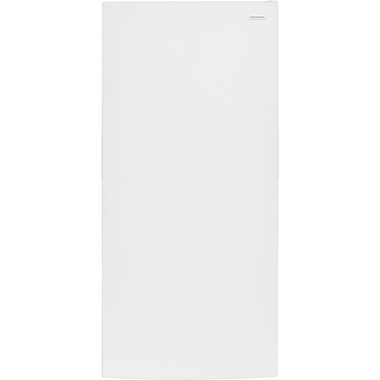
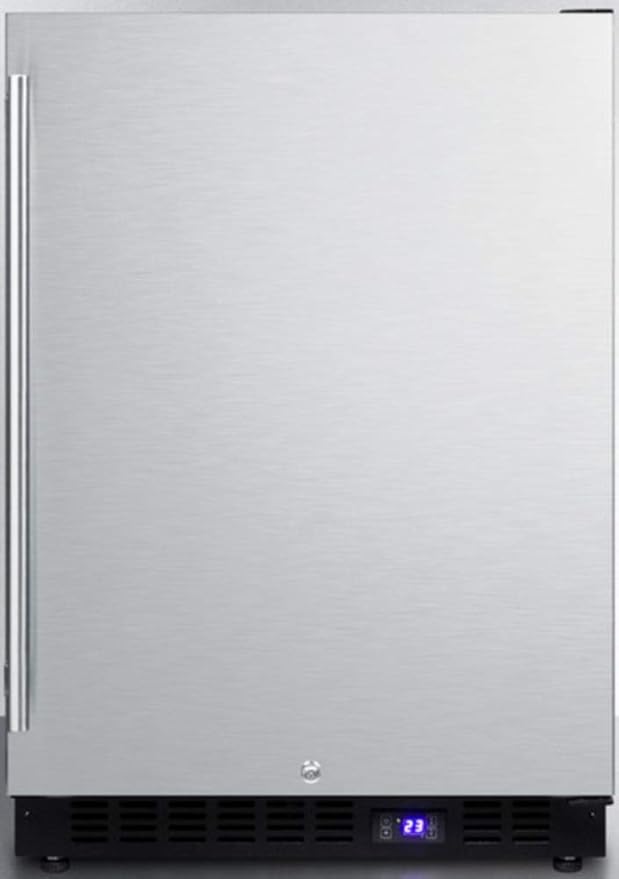
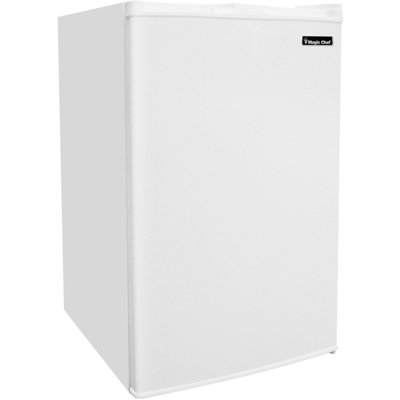
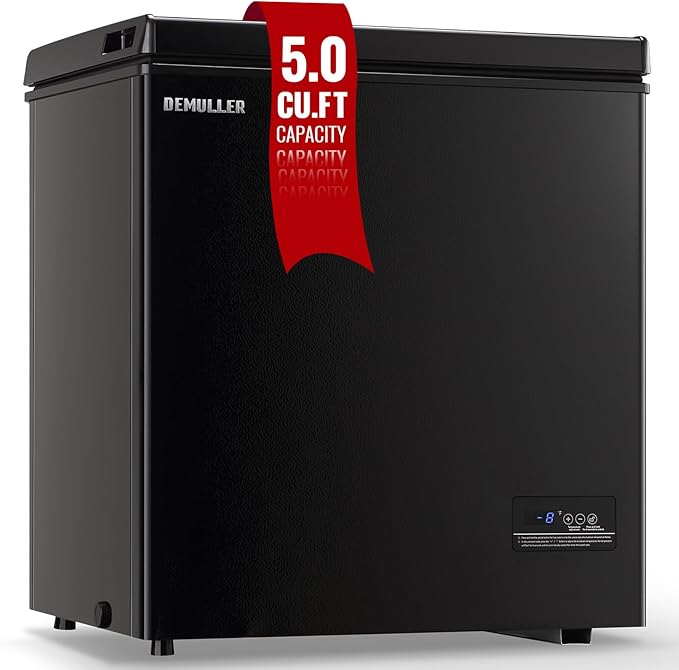
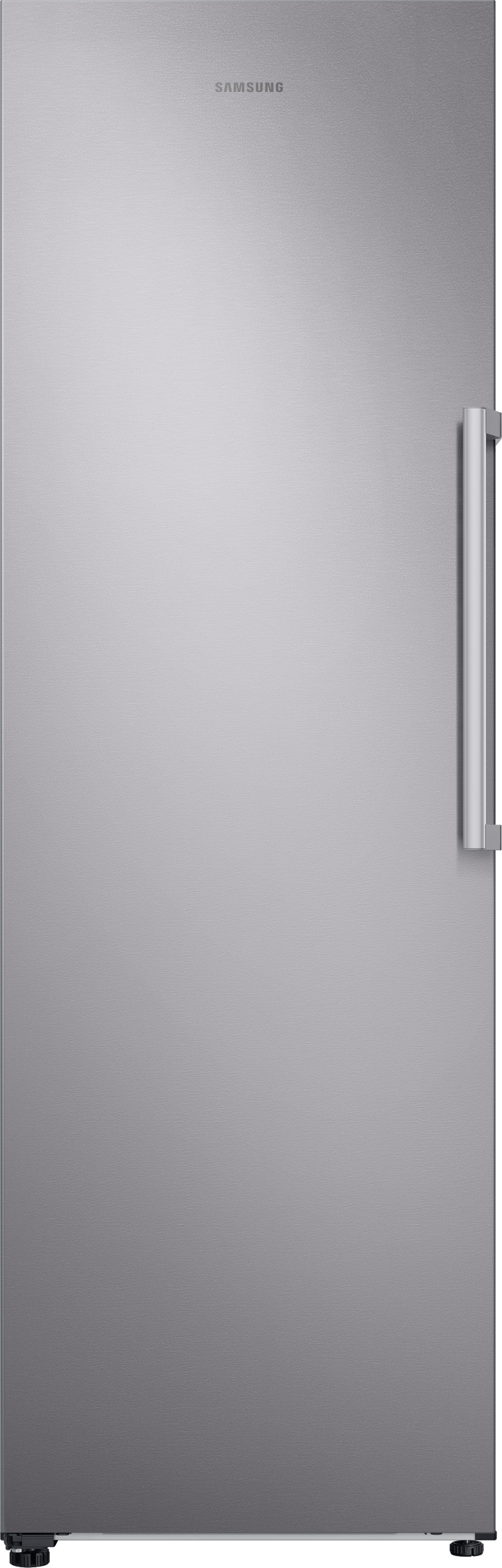
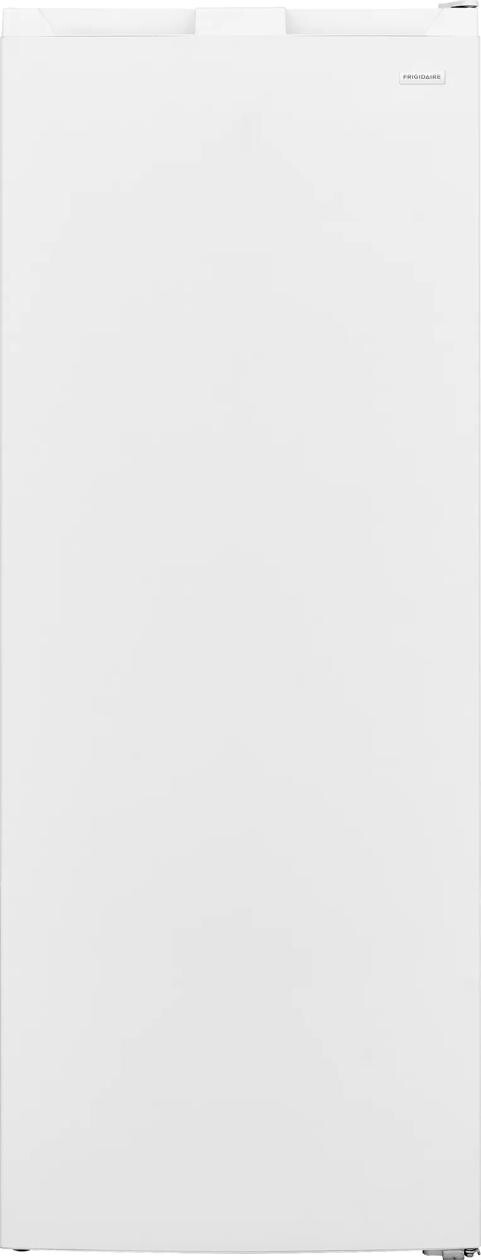
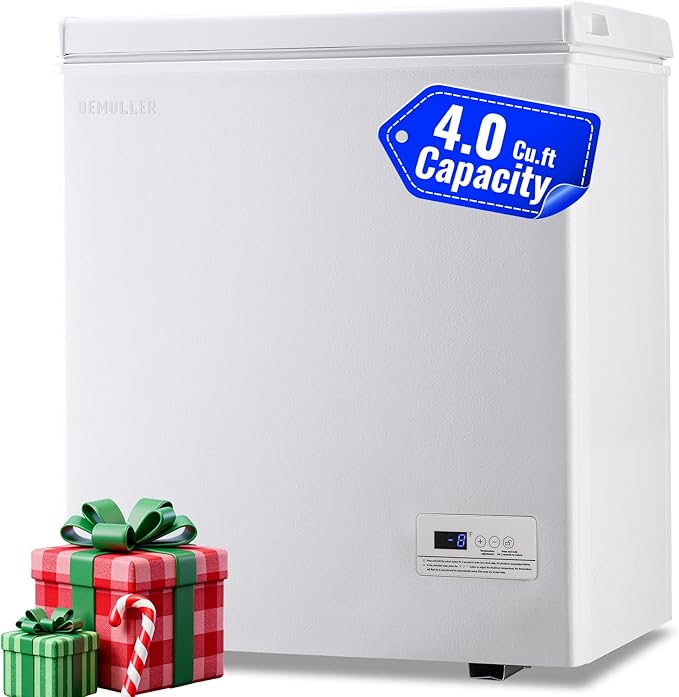
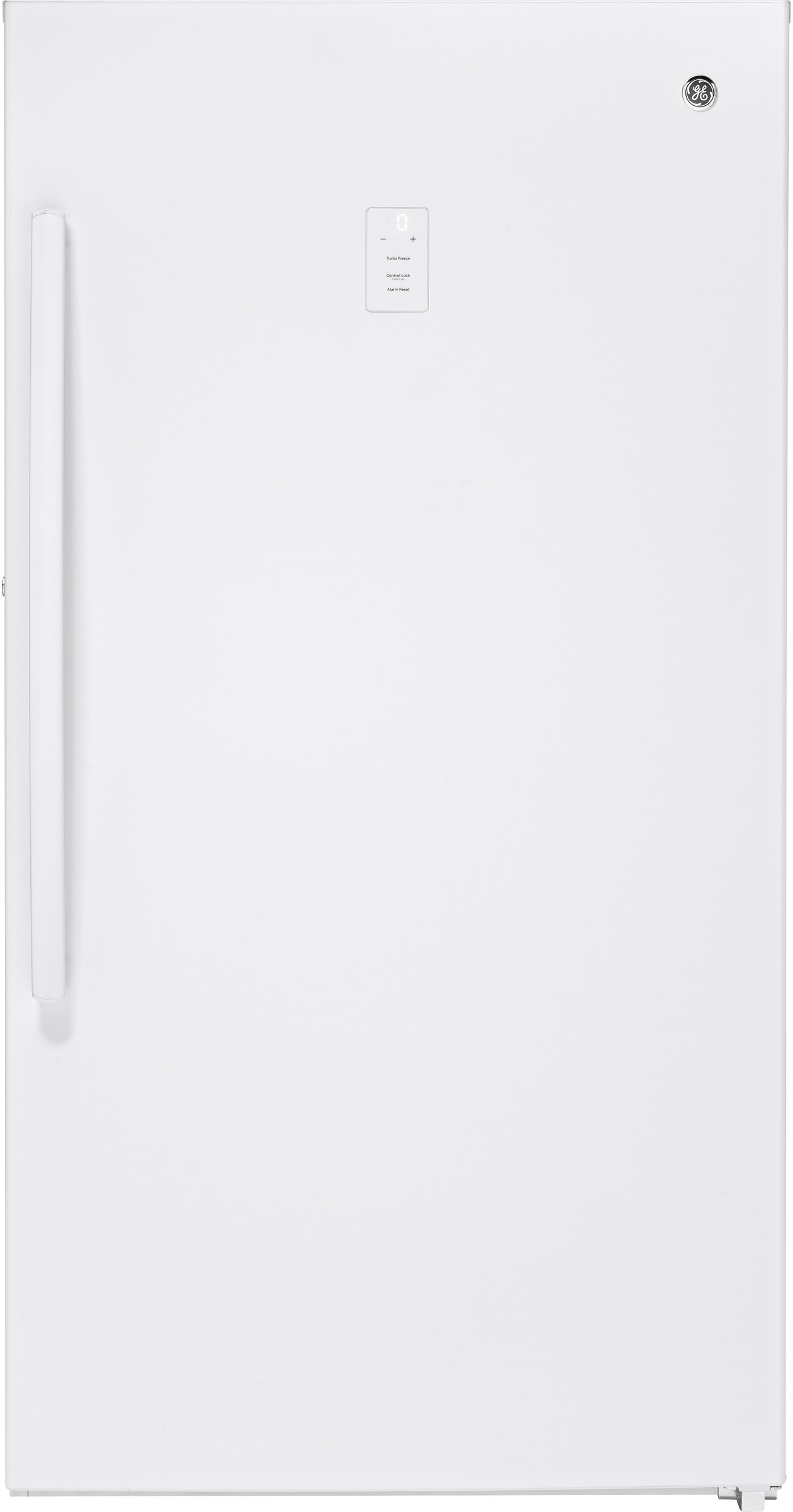
Upright refrigerators should be kept at or below 40°F (4°C) to prevent the growth of harmful bacteria.
A 17 cubic foot upright refrigerator runs 350-500 kWh per year (about $45-$65), an undercounter outdoor freezer 250-400 kWh ($32-$52), and a full-height outdoor freezer 400-600 kWh ($52-$78).
Typically between 32°F and 40°F.
Space Optimization: Typically, they offer generous storage capacity, making them ideal for bulk or overflow storage from your primary freezer.
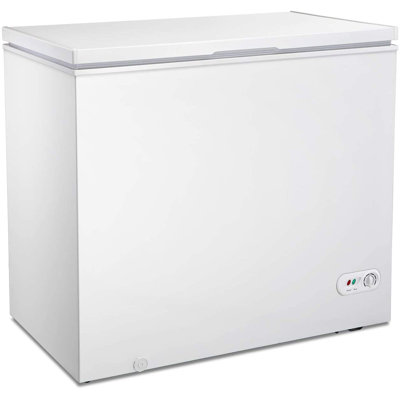
An outdoor freezer holds food at 0°F or below inside weather-rated housing built for patios, decks, and outdoor kitchens, while an upright refrigerator keeps fresh food between 32°F and 40°F in an indoor kitchen. They are not interchangeable: the refrigerator's chill cannot keep frozen food safe, and a standard indoor upright placed outdoors typically fails within 1 to 3 years — far short of its 12 to 18 year indoor lifespan — from moisture infiltration, temperature extremes, and UV damage. This guide compares temperature, capacity, weatherproofing, energy use, cost, installation, and maintenance so you can match each appliance to its job.
Outdoor Freezers are specifically designed to operate in various outdoor conditions, whether it's on your patio, deck, or poolside. They're built with durable materials to withstand the elements, including fluctuating temperatures and inclement weather. These units excel in long-term storage of frozen goods, from meats and vegetables to ice cream and frozen treats.
Feature
Outdoor Freezer
Purpose
Long-term storage of frozen goods
Installation Environment
Outdoor spaces
Durability
High; designed to withstand elements
Temperature Range
Typically below 0°F
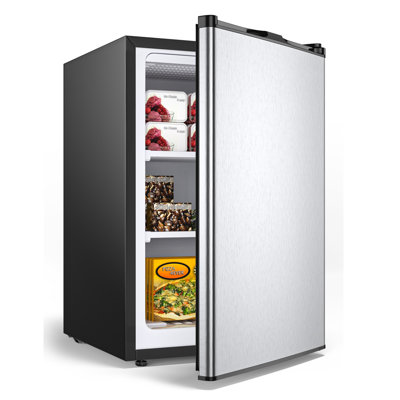
Upright Refrigerators, on the other hand, are more versatile in their placement and can be used both indoors and outdoors if designed for such use. They are ideal for keeping a variety of food and drink items chilled but not frozen. Upright models provide the convenience of eye-level shelves and storage bins, making it easier to organize and access your refrigerated goods.
An upright refrigerator — also called an all-fridge or freezerless refrigerator — dedicates its entire interior to fresh food storage. By eliminating the freezer compartment found in standard refrigerator-freezer combos, it reclaims 20-30% more usable space for produce, dairy, beverages, meats, and leftovers. A 30-inch upright refrigerator provides 17 to 21 cubic feet of pure refrigerator storage — ideal for large families, gourmet cooks, and households that pair it with a separate standalone freezer. The all-fridge format is standard in professional-style kitchens, where column refrigerator-and-freezer pairings replace traditional combination units.
An outdoor freezer provides frozen storage in exterior spaces where standard indoor freezers cannot survive. Outdoor kitchens near pools, grilling stations, and entertaining areas benefit from having frozen food — ice, frozen appetizers, ice cream, frozen meats for grilling, and ice packs — within arm's reach without going inside. Outdoor freezers are engineered to withstand rain, humidity, UV exposure, temperature extremes, and insects. The weatherproofing adds cost compared to indoor freezers, but it enables a use case no indoor appliance can safely handle.
Temperature and Contents at a Glance
Appliance
Temperature
Location
Contents
Upright Refrigerator
32-40°F
Indoor kitchen
Fresh produce, dairy, beverages, meats, leftovers
Outdoor Freezer
0°F or below
Patio, outdoor kitchen, covered porch
Frozen meats, ice, appetizers, ice cream
These appliances cannot substitute for each other. The refrigerator's chill compartment cannot keep food frozen — ice cream melts, frozen meats thaw and spoil, and ice bags become water bags. The outdoor freezer's 0°F freezes everything solid — lettuce becomes inedible mush, milk expands and bursts its container, and beverages become ice blocks.
Upright Refrigerator
Features and Benefits
An upright refrigerator's vertically-oriented design allows easy access to fresh food at eye level, with adjustable shelving, in-door storage, and multiple drawers for organization. Key benefits include:
Improved visibility and reachability of contents
Space-saving design ideal for small kitchens or areas with limited floor space
Variety of models with different features, such as water and ice dispensers
Flexible storage options with adjustable shelves and bins
Suitable Environments for Installation
Upright refrigerators are ideally suited for:
Residential kitchens in homes, apartments, and condos
Office pantries and break rooms
Hospitality settings such as hotels and bed and breakfasts
Retail spaces for employee use or in-store refreshment offerings
These refrigerators perform best in temperature-controlled environments — typically 55°F to 90°F ambient — shielded from extreme temperatures and direct sunlight, with adequate space around the unit for air circulation. When considering an upright refrigerator for outdoor settings, it's crucial to ensure the model is rated for outdoor use; placing a standard indoor model on a patio voids the warranty, accelerates component failure, and creates electrical safety hazards from moisture exposure.
Durability: Built to endure the outdoor climate, these freezers are made with robust materials that resist corrosion and weather-related wear.
High Performance: They maintain consistent interior temperatures, even in extreme heat or cold, ensuring food safety.
Lockable: To secure contents, many outdoor freezers include locking mechanisms.
Energy Efficient: Modern models are designed to be energy efficient despite the challenging outdoor conditions.
Space Optimization: Typically, they offer generous storage capacity, making them ideal for bulk or overflow storage from your primary freezer.
Considerations for Outdoor Use
Climate: Make sure the freezer is rated for the specific climate conditions of your area.
Placement: It should be placed in a covered area to protect it from direct sunlight and precipitation.
Ventilation: Adequate air circulation around the unit is crucial to prevent overheating and ensure longevity.
Electrical Requirements: Ensure that there's a suitable electrical outlet that matches the freezer's requirements and that it's protected from the weather.
Security: Consider how you’ll secure the appliance to prevent unauthorized access or theft.
Maintenance: Outdoor models may require more frequent maintenance and cleaning to keep them running smoothly and extend their lifespan.
Outdoor freezers are built to accommodate larger bulk items, while upright refrigerators are designed to store a variety of food types across shelves, bins, and drawers.
Appliance Type
Average Capacity (Cubic Feet)
Outdoor Freezer
10 - 25
Upright Refrigerator
10 - 20
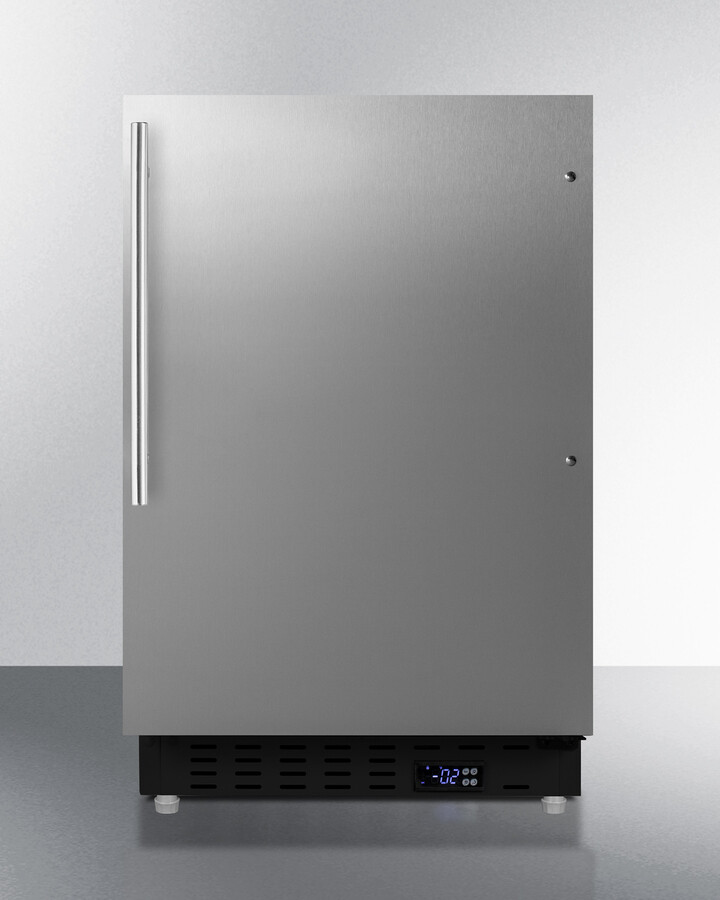
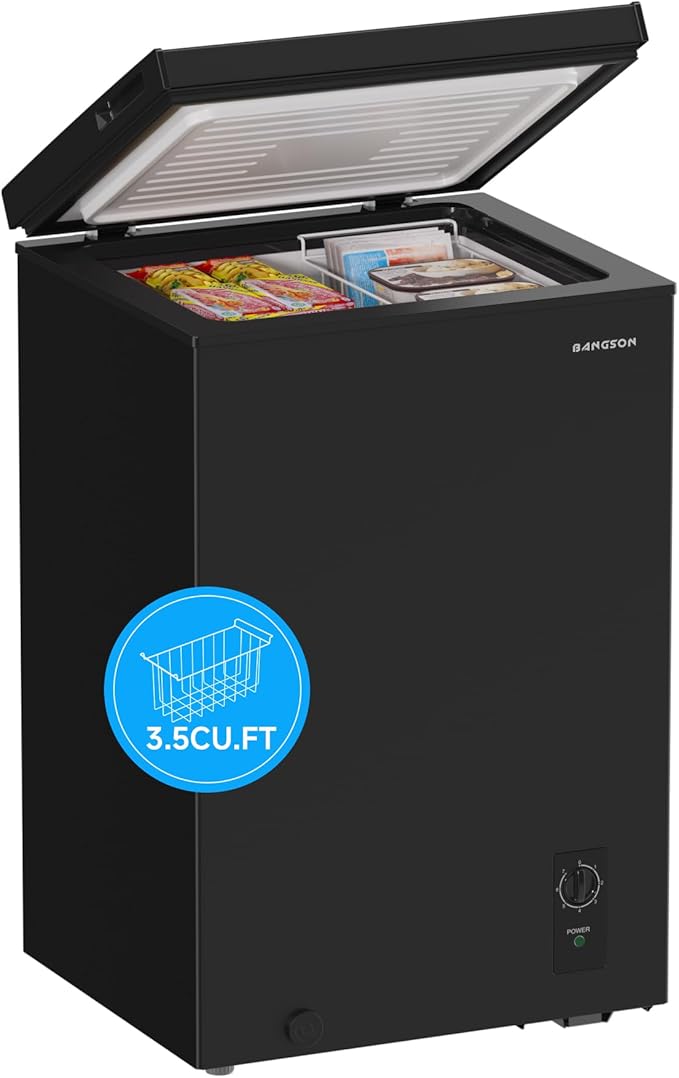
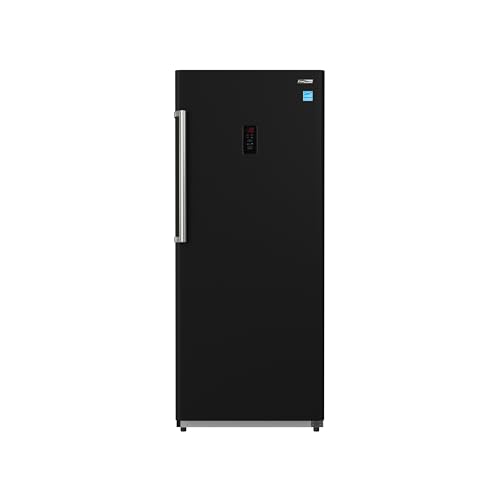
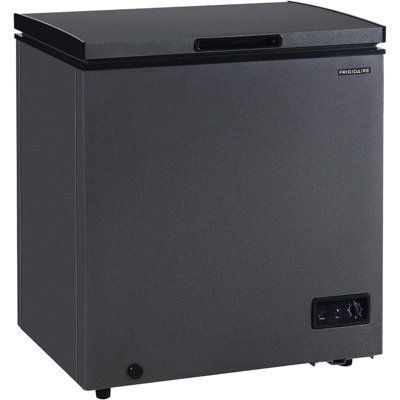
Outdoor freezers also come in a wider range of form factors than the full-height numbers above suggest — from compact undercounter models that tuck beneath a built-in grill station to full-height units that stand alongside outdoor cabinetry:
An upright refrigerator's organization typically includes:
Adjustable glass shelves
Multiple door bins
Separate drawers for fruits and vegetables
Wine rack (in some models)
While an outdoor freezer's organization could include:
Sliding baskets for easy access
Dividers for categorizing items
Shelves for stacking flat items
Frequent entertainers benefit from an outdoor freezer's bulk storage for party preparations, while someone living in an apartment may prefer the organizational finesse of an upright refrigerator. Explore articles like beer keg cooler vs. beverage center or 5 door refrigerator vs. fridge freezer for more insights into specific organizational features.
Temperature Control and Energy Efficiency
Managing Temperature Settings
An outdoor freezer must maintain a consistent temperature at or below 0°F (-18°C) to keep food safely frozen. Upright refrigerators should be kept at or below 40°F (4°C) to prevent the growth of harmful bacteria. In areas with fluctuating temperatures, check and adjust the settings periodically.
External Climate: Outdoor appliances must combat external temperatures. Ensure your freezer or refrigerator can handle the local climate — outdoor-rated compressors typically handle ambient ranges of 40°F to 110°F.
Usage Frequency: The more frequently you open the appliance, the harder it has to work to maintain its temperature.
Location: Both indoor and outdoor units should be placed away from direct sunlight and sources of heat to prevent overworking.
Energy Consumption
Appliance Type
Average Energy Consumption (kWh/year)
Outdoor Freezer
300 - 600
Upright Refrigerator
350 - 800
Broken out by form factor with typical annual operating costs:
Appliance
Annual kWh
Annual Cost
Upright Refrigerator (17 cu ft)
350-500 kWh
$45-$65
Outdoor Freezer (undercounter, 5 cu ft)
250-400 kWh
$32-$52
Outdoor Freezer (full-height, 15 cu ft)
400-600 kWh
$52-$78
Outdoor freezers consume more energy per cubic foot than indoor appliances because the compressor works against wider temperature swings and higher ambient heat. On a 100°F summer day, an outdoor freezer maintaining 0°F faces a 100-degree temperature differential — far greater than the 35-degree gap an indoor upright refrigerator handles in an air-conditioned kitchen. Shading the outdoor freezer from direct sunlight — under a pergola, beneath a counter overhang, or in a covered outdoor kitchen — significantly reduces energy consumption.
To ensure energy efficiency:
Look for Energy Star Ratings: Appliances with Energy Star certifications typically use less energy.
Proper Insulation: This is particularly important for outdoor freezers to ensure they're not overexerting in maintaining low temperatures.
Regular Maintenance: Keep the coils and seals clean to ensure the appliance runs efficiently.
For comparisons on energy consumption between different refrigerator and freezer types, articles like compact freezer vs. fridge freezer may be helpful.
Outdoor freezers often feature marine-grade or 304 stainless steel exteriors with special coatings to prevent rust and fading from UV exposure — resisting corrosion from rain, pool chemicals, and coastal salt air. Sealed electrical components prevent moisture from reaching wiring and circuit boards. Door gaskets are reinforced against UV degradation that causes standard gaskets to crack and lose seal integrity after sun exposure. Drain lines are designed to prevent insect entry, and condenser coils are coated to resist corrosion from humidity and outdoor pollutants. Hardware like hinges and handles is built to resist corrosion and seal tightly against the elements.
Upright refrigerators are designed with standard materials suitable for indoor use. Their construction is not fortified against harsh weather, which is why they belong in controlled indoor environments.
Withstanding Outdoor Elements
Weather Condition
Outdoor Freezer Adaptations
Upright Refrigerator Considerations
High Temperatures
UV-resistant exterior, efficient cooling systems
Risk of overheating, not recommended for outdoor use
Waterproof seals, elevated design to prevent water ingress
Vulnerable to moisture, potential for mold and electrical issues
Dust & Debris
Easy-clean surfaces, protective cover options
Indoor use minimizes exposure, regular cleaning required
Outdoor freezers come with seals that prevent moisture ingress, protecting against humidity and rainfall, and may be elevated to minimize the impact of flooding. Upright refrigerators are not built to cope with these conditions: an indoor refrigerator placed outdoors typically fails within 1 to 3 years, versus a 12 to 18 year lifespan indoors. Whether you need additional storage at your ranch or a poolside unit, weigh these durability factors carefully. Exploring comparisons such as apartment size refrigerator vs. chest freezer can provide further insight.
Seasonal Considerations for Outdoor Freezers
Outdoor freezers face seasonal challenges that indoor appliances never encounter. In summer, ambient temperatures exceeding 100°F force the compressor to run continuously, driving up energy costs and accelerating wear; a shaded location under a pergola, roof overhang, or outdoor kitchen structure reduces this strain significantly. In winter, ambient temperatures below 35°F can cause problems for some models, as the compressor may stop cycling when it senses the external temperature is already near its target. Garage-ready or all-climate outdoor models include thermostats that continue operating correctly in cold conditions.
Heavy rain, hurricanes, and flooding present additional risks. While outdoor freezers are sealed against normal rain and humidity, standing water from flooding can damage the compressor and electrical connections at the base of the unit. In hurricane-prone areas, secure the appliance against wind displacement. During extended periods of non-use, unplug and cover the outdoor freezer with a breathable appliance cover to protect it from UV damage, debris accumulation, and unnecessary energy consumption.
Maintenance and Cleaning
Care and Upkeep Tips
Inspect Seals Regularly: Check the door seals for wear and tear to ensure they are airtight. For outdoor units, inspect gaskets twice yearly for UV cracking.
Defrost When Necessary: If your appliance is not equipped with an auto-defrost function, manual defrosting will be required to prevent ice build-up.
Keep the Unit Level: An unlevel appliance can cause door misalignment and affect performance.
Provide Adequate Ventilation: Always leave enough space around the appliance for air to circulate, which helps prevent overheating.
Check and Clean Coils: Dust and debris accumulate on condenser coils and reduce efficiency. Clean an outdoor freezer's coils every 3 to 6 months — outdoor air carries more dust, pollen, and debris than indoor air. Indoor upright refrigerators need this annually.
Care for Stainless Exteriors: Wipe an outdoor unit's stainless steel exterior with a stainless steel cleaner monthly to prevent discoloration, and check drain lines for insect nests or blockages seasonally.
With this regimen, expect an upright refrigerator to last 12 to 18 years and an outdoor freezer 8 to 12 years — the shorter outdoor lifespan reflects the harsher operating environment.
Cleaning Guidelines
Turn Off and Unplug: Safety first. Always turn off and unplug the appliance before cleaning.
Remove Contents: Take out all items and store them in a cooler to keep them at the right temperature during the cleaning process.
Prepare a Cleaning Solution: Mix a mild detergent with warm water or use a half-water, half-vinegar solution for a natural alternative.
Wipe Interior Surfaces: Use a soft cloth or sponge with the cleaning solution to wipe down all interior surfaces.
Clean Shelves and Bins Separately: Remove these components and clean them with the same solution, then dry before placing them back inside.
Wipe Exterior: Clean the exterior with a suitable cleaner for the appliance's finish.
Dry Thoroughly: Ensure all surfaces are dry to prevent ice from forming when the appliance is turned back on.
Repeat this process every couple of months or as needed to keep your appliance in pristine condition.
Sheltered from direct sunlight to prevent the unit from overheating and to maintain energy efficiency
Protected from the elements, such as rain or snow, which could cause electrical issues or rust
Near a weatherproof electrical outlet with a ground-fault circuit interrupter (GFCI) — building code requires GFCI protection for all outdoor receptacles
Level and stable — a concrete pad, stone patio, or composite decking rated for the appliance weight
Accessible for ease of use and maintenance without obstructing pathways or violating any local zoning regulations
Undercounter outdoor freezers integrate into outdoor kitchen cabinetry made from weather-resistant materials like stainless steel, marine-grade polymer, or stone. Professional installation is recommended to ensure proper electrical connections, adequate ventilation, and compliance with local building codes. Consider proximity to your entertaining area for convenience when you need to grab something quickly.
Installation Requirements
Both appliances need:
Adequate ventilation space around the unit — upright refrigerators typically need 2-4 inches of rear clearance
A dedicated power outlet to avoid overloading circuits; a standard 120V outlet handles an upright refrigerator
Leveling, which might require the adjustment of feet or shims
Adherence to the manufacturer's guidelines for clearance and other installation specifics
For upright refrigerators installed indoors:
Choose a location away from heat sources like ovens and direct sunlight to maintain efficiency
Ensure there is enough space to open the doors fully, which is necessary for proper use and cleaning
Consider the swing direction of the door and whether it needs to be reversed to fit your kitchen layout; built-in column models integrate flush with cabinetry using front-venting exhaust systems
Upright refrigerators produce 36 to 44 decibels during compressor operation — quiet enough for any indoor kitchen. Inverter compressor models achieve 32 to 38 decibels by modulating speed rather than cycling fully on and off. Indoors, walls, cabinetry, and ambient household noise provide acoustic buffering, so noise is rarely a concern even in open-floor-plan homes.
Outdoor freezers produce 40 to 50 decibels — somewhat louder because the compressor works harder against higher ambient temperatures. However, compressor noise dissipates quickly in open air and blends with ambient outdoor sounds like wind, pool pumps, and conversation. Unless the outdoor freezer sits directly beneath a bedroom window, noise from an outdoor unit is almost never an issue.
Cost Comparison
Initial Investment
Outdoor freezers generally carry a higher initial cost due to their specialized weather-rated construction — the sealed electronics, marine-grade stainless steel, UV-resistant components, and wide-range compressors add roughly $500 to $1,500 to the manufacturing cost compared to an equivalent indoor freezer.
Appliance Type
Price Range
Outdoor Freezer
$$$$ - $$$$$
Upright Refrigerator
$$$ - $$$$
In dollar terms:
Appliance
Budget
Mid-Range
Premium
Upright Refrigerator
$600-$1,000
$1,000-$2,500
$2,500-$8,000 (column)
Outdoor Freezer (undercounter)
$800-$1,500
$1,500-$2,500
$2,500-$4,500
Outdoor Freezer (full-height)
$1,200-$2,000
$2,000-$3,500
$3,500-$6,000
An undercounter outdoor freezer at $1,200-$2,000 costs roughly three times what a comparable indoor compact freezer costs. This premium is unavoidable if you need frozen storage outdoors — indoor freezers placed in outdoor environments fail prematurely and create safety risks.
Long-Term Expenses
Outdoor freezers are designed to operate in various temperatures and weather conditions, which may result in higher energy use compared to an upright refrigerator that operates in a consistent indoor environment. Maintenance costs can also be higher for outdoor appliances due to exposure to the elements.
Appliance Type
Average Annual Energy Cost
Maintenance/Repair Costs
Outdoor Freezer
$$ - $$$
$$ - $$$
Upright Refrigerator
$ - $$
$ - $$
Look for appliances with Energy Star ratings or similar certifications indicating higher efficiency, and factor in potential wear-and-tear repairs, especially for outdoor models. For more detailed comparisons, articles such as upright refrigerator vs. refrigerator freezer combo can provide additional insights into the long-term financial implications of your purchase.
Many households that invest in outdoor entertaining end up owning both. The upright refrigerator serves as the primary indoor fresh food hub — paired with an indoor column freezer or traditional freezer for everyday frozen needs. The outdoor freezer supplements this system with dedicated frozen storage at the outdoor kitchen or grill station, eliminating trips through the house with ice bags and frozen food during barbecues and pool parties. This dual-location approach creates a seamless cooking and entertaining experience spanning indoor and outdoor spaces.
Who Should Buy Which
Buy an upright refrigerator if you need maximum indoor fresh food storage and want to dedicate every cubic foot to refrigeration rather than splitting space with a freezer compartment. The all-fridge format suits households that pair it with a separate freezer, families that prioritize fresh ingredients over frozen convenience food, and kitchen renovations adopting the column refrigerator-plus-column freezer layout.
Buy an outdoor freezer if you entertain outdoors, grill frequently, or have an outdoor kitchen that needs frozen food and ice storage on the spot. Choose an undercounter model for integration with outdoor cabinetry or a full-height model for standalone placement on a patio or deck. Browse upright refrigerators and outdoor freezers to filter by capacity, dimensions, outdoor rating, installation type, and price.
FAQ
Can you put an upright refrigerator outside?
Not unless it is specifically rated for outdoor use. A standard indoor upright refrigerator placed on a patio typically fails within 1 to 3 years from moisture infiltration, temperature extremes, and UV damage — and doing so voids the warranty and creates electrical safety hazards. Outdoor-rated models with sealed electronics and weather-resistant cabinets are the only safe option for exterior placement.
What temperature does each appliance maintain?
An outdoor freezer maintains 0°F (-18°C) or below for safely frozen food. An upright refrigerator maintains 32°F to 40°F — at or below 40°F (4°C) is required to prevent the growth of harmful bacteria. Neither can do the other's job: refrigerator temperatures let frozen food thaw and spoil, and freezer temperatures ruin fresh produce, dairy, and beverages.
Does an outdoor freezer work in winter?
Some models struggle when ambient temperatures drop below 35°F, because the compressor may stop cycling when the outside air is already near the freezer's target temperature. Garage-ready or all-climate outdoor models include thermostats that continue operating correctly in cold conditions. If you leave for the season, unplug the unit and cover it with a breathable appliance cover.
Which costs more to run?
Per cubic foot, the outdoor freezer costs more because its compressor fights wider temperature swings and higher ambient heat. A 17 cubic foot upright refrigerator runs 350-500 kWh per year (about $45-$65), an undercounter outdoor freezer 250-400 kWh ($32-$52), and a full-height outdoor freezer 400-600 kWh ($52-$78). Shading the outdoor unit from direct sunlight meaningfully lowers its energy use.
How long does each appliance last?
An upright refrigerator lasts 12 to 18 years with basic maintenance in its controlled indoor environment. An outdoor freezer lasts 8 to 12 years — the harsher operating environment shortens component life even with weather-rated construction. Cleaning the outdoor unit's condenser coils every 3 to 6 months and inspecting gaskets twice yearly helps it reach the upper end of that range.
How much can an outdoor freezer hold compared to an upright refrigerator?
A full-height upright refrigerator holds 11 to 21 cubic feet of fresh food storage. Outdoor freezers range from 3 to 5 cubic feet for undercounter models (80 to 150 pounds of frozen food) up to 10 to 20 cubic feet for full-height units, with some large outdoor freezers reaching 25 cubic feet.
Does an outdoor freezer need a special outlet?
Yes. Building code requires GFCI (ground-fault circuit interrupter) protection for all outdoor receptacles, and the outlet must be weatherproof. Place the freezer on a level, stable surface such as a concrete pad or stone patio, and have the connection professionally installed to meet local building codes.
Compare prices on Fridge.com
Compare current prices and specifications on Fridge.com, then buy from the retailer you choose; delivery, installation and warranty terms are the retailer’s.
From Fridge.com research
Figures below come from data Fridge.com builds and maintains. Each links to the record behind it.
Fridge.com Energy Index, built on U.S. EPA and DOE ENERGY STAR records
Across 5,455 ENERGY STAR certified refrigerators and freezers from 263 brands, median use is 360 kWh per year.