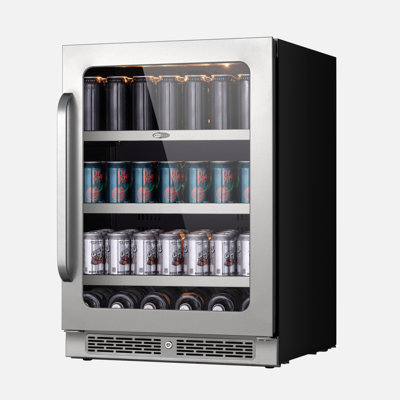
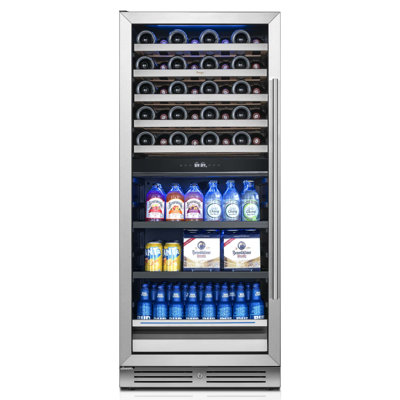
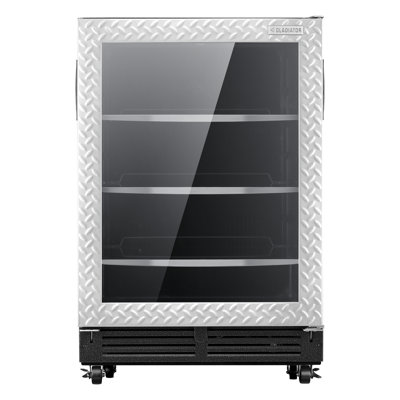
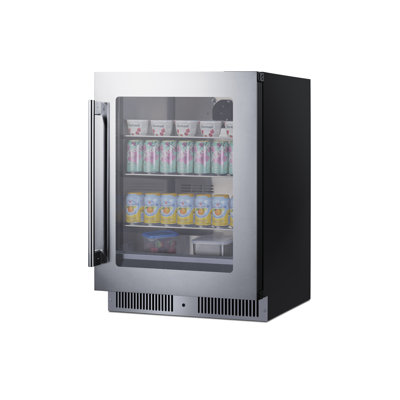
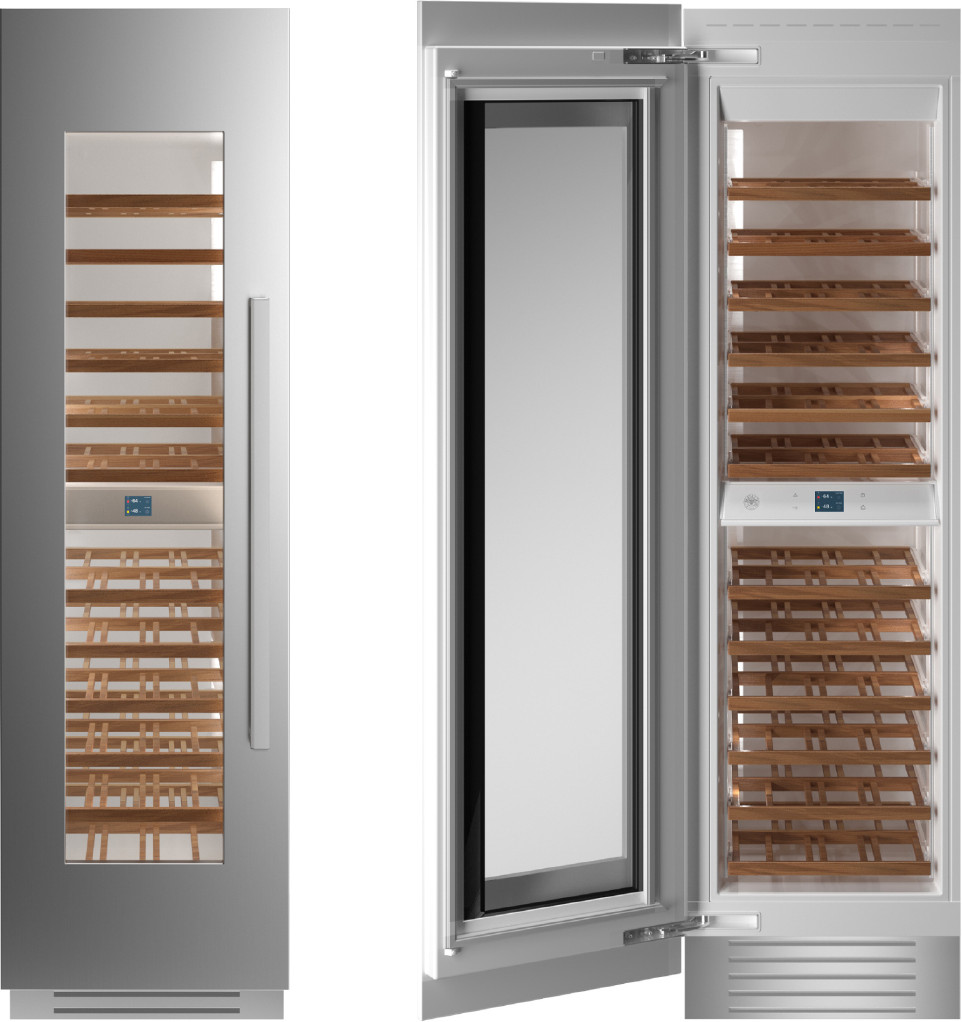
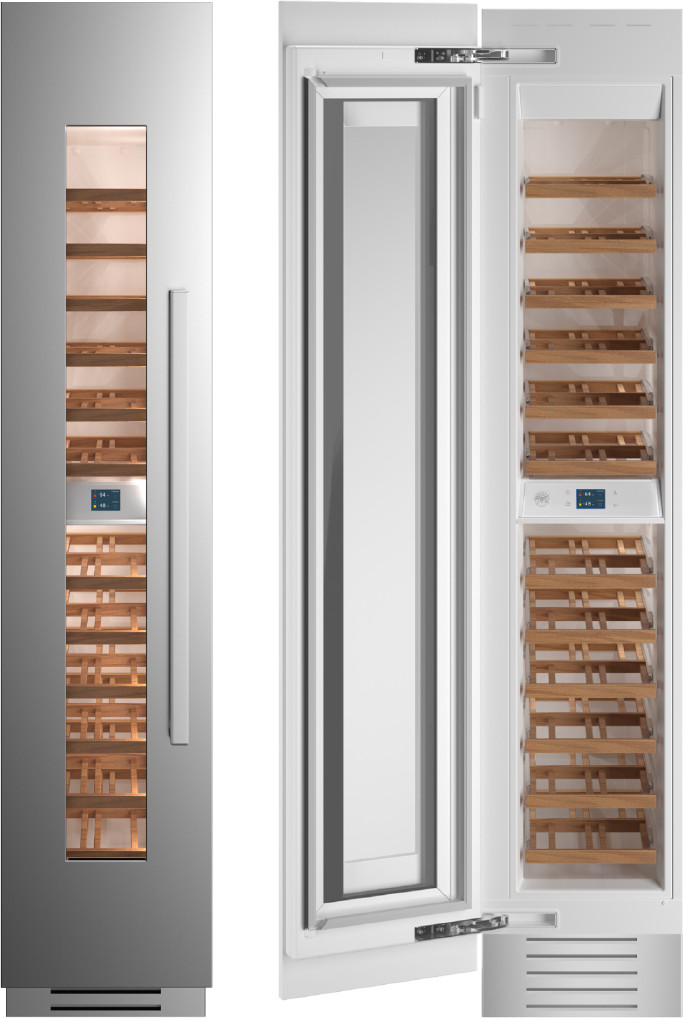
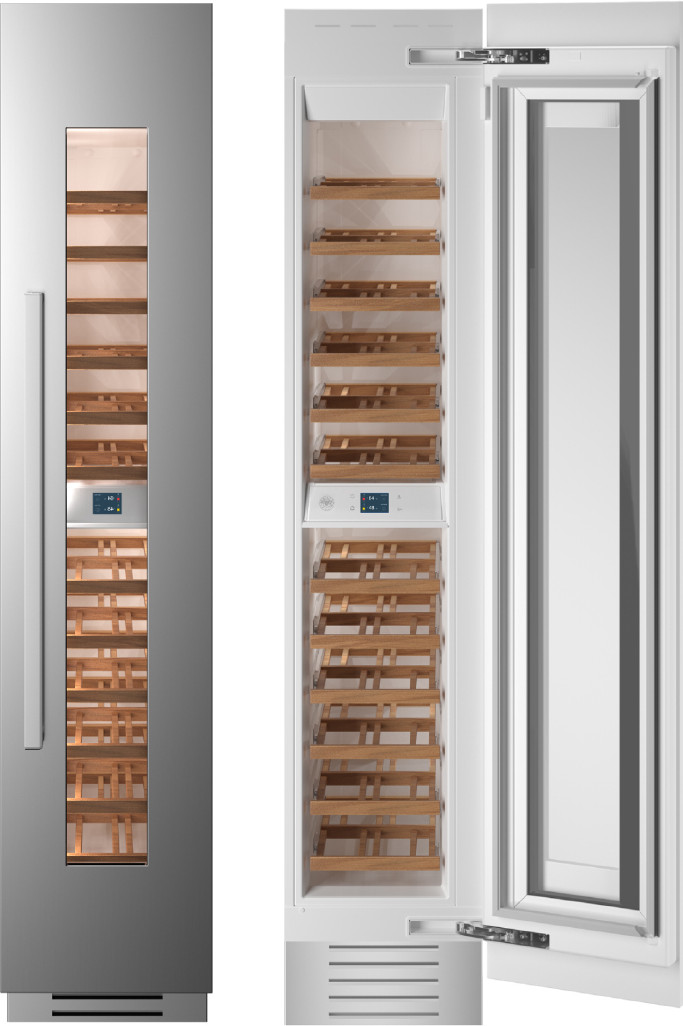
Different wine categories have well-established ideal serving temperatures based on decades of sommelier expertise and sensory science.
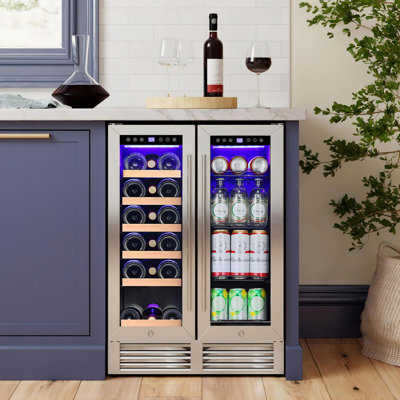
A dual-zone wine cooler set to forty-eight degrees in one section and sixty degrees in the other covers the ideal range for the vast majority of wines without any compromise.
For wines intended for aging over months or years, the ideal long-term storage temperature is fifty-five degrees Fahrenheit, regardless of the wine type.
Temperature stability is equally important for long-term storage.
Temperature settings in wine coolers versus refrigerators differ significantly because these appliances are designed for fundamentally different storage purposes. A standard refrigerator maintains thirty-five to thirty-eight degrees Fahrenheit to preserve perishable foods safely, while a wine cooler offers a broader adjustable range of forty to sixty-five degrees to store wines at their ideal serving and aging temperatures. Understanding why these temperature ranges differ, how they affect wine quality, and when each appliance is appropriate for wine storage helps you protect your investment in quality wines and serve every bottle at its best.
Standard Refrigerator Temperature Settings
A standard kitchen refrigerator maintains its fresh food section between thirty-five and thirty-eight degrees Fahrenheit, with most manufacturers recommending thirty-seven degrees as the optimal setting. This temperature range is determined by food safety requirements: bacteria that cause foodborne illness grow most rapidly between forty and one hundred forty degrees Fahrenheit, so keeping perishable foods below forty degrees dramatically slows bacterial growth and extends shelf life for dairy, meats, produce, and prepared foods. The freezer section maintains zero degrees Fahrenheit, which halts bacterial activity entirely for long-term frozen food preservation.
Refrigerator temperature controls are designed for this narrow food-safe range and typically offer adjustments between thirty-three and forty-two degrees. Basic models use a numbered dial from one to seven where each number corresponds roughly to a one to two degree temperature shift. Mid-range and premium models feature digital temperature displays with precise degree-by-degree adjustment. The thermostat cycles the compressor on and off to maintain the set temperature within a two to three degree variation during normal operation, with brief excursions outside this range during door openings and defrost cycles. The entire system is optimized for the single purpose of keeping diverse food types safely below the bacterial danger zone.
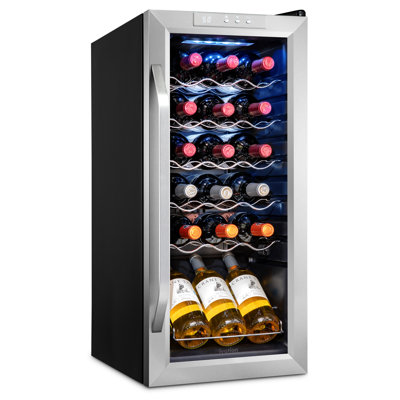
A wine cooler provides an adjustable temperature range typically spanning forty to sixty-five degrees Fahrenheit, with some models extending down to thirty-four degrees at the cold end. This broader range accommodates the diverse serving and storage temperatures that different wine types require for optimal flavor expression. The ability to set and maintain a precise temperature anywhere within this wide range is the wine cooler's defining functional advantage over a standard refrigerator for wine storage. Digital controls with LED displays are standard on most wine coolers, allowing single-degree adjustments that give you precise control over your storage environment.
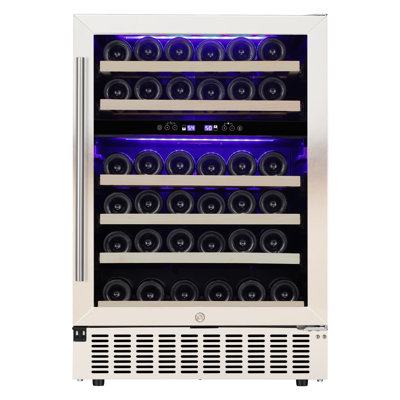
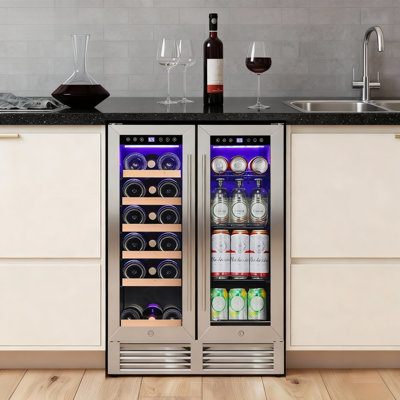
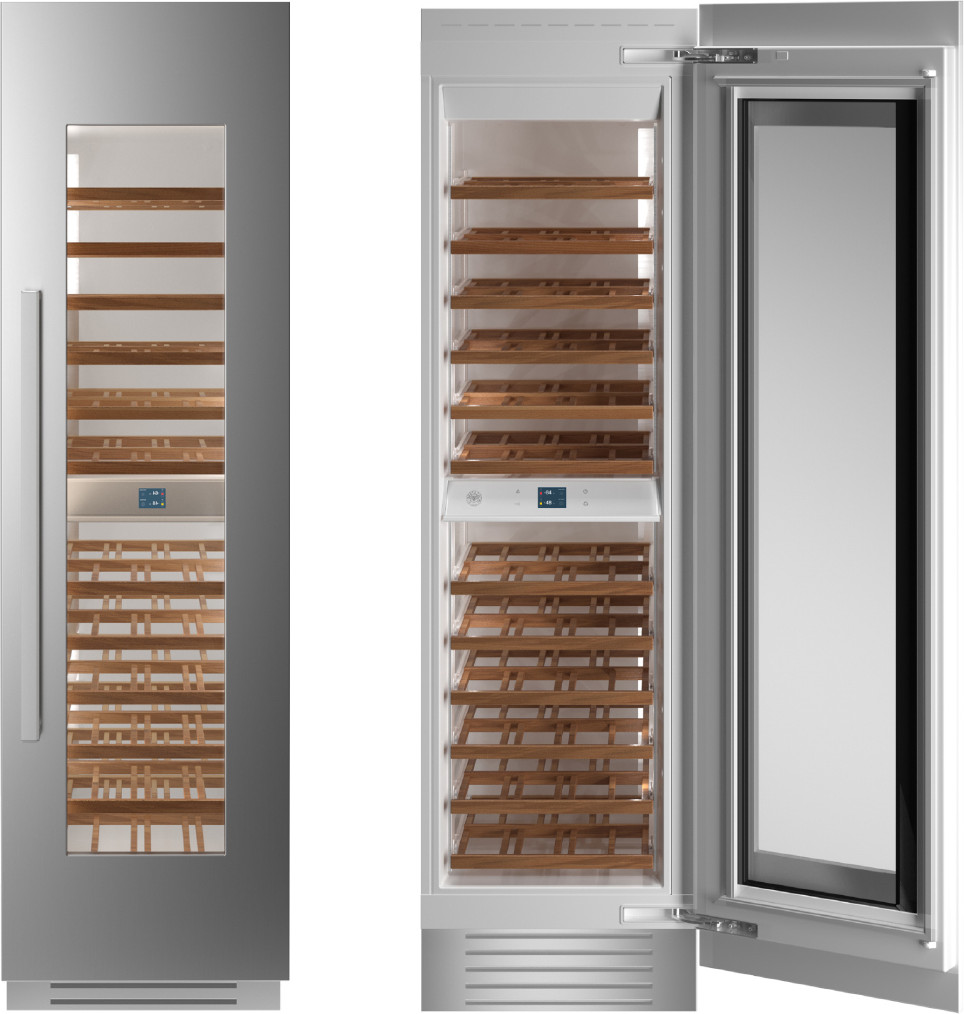
Dual-zone wine coolers divide their interior into two independently controlled temperature sections, each with its own thermostat and sometimes its own separate cooling circuit. The upper zone typically handles cooler temperatures for white wines and sparkling wines at forty to fifty degrees, while the lower zone maintains warmer temperatures for red wines at fifty-five to sixty-five degrees. This dual-zone capability eliminates the single-temperature compromise that affects both refrigerators and single-zone wine coolers, allowing you to store your entire collection at each wine type's ideal temperature simultaneously without choosing one setting that is wrong for half your bottles.
Wine is a complex living beverage that continues to develop and change in the bottle, and temperature directly affects the rate and character of this development. Wines served too cold taste muted and one-dimensional because low temperatures suppress the volatile aromatic compounds that create a wine's bouquet and flavor complexity. A full-bodied Cabernet Sauvignon served at thirty-five degrees from a standard refrigerator tastes flat, tannic, and lifeless compared to the same wine served at sixty to sixty-five degrees where its fruit, spice, and earth notes fully express themselves.
Wines served too warm taste flabby, overly alcoholic, and unbalanced because higher temperatures accentuate alcohol perception, reduce apparent acidity, and cause delicate aromatic compounds to dissipate too quickly from the glass. A crisp Sauvignon Blanc served at room temperature of seventy-two degrees loses the refreshing acidity and mineral precision that makes it appealing, tasting instead like a flat, alcohol-forward white with little appeal. The ideal serving temperature for any wine falls in the range where its specific balance of acidity, tannin, fruit, alcohol, and aromatics express themselves most harmoniously, and this range is always between forty and sixty-five degrees rather than at the extremes of refrigerator cold or room temperature warmth.
Optimal Temperatures by Wine Type
Different wine categories have well-established ideal serving temperatures based on decades of sommelier expertise and sensory science. Sparkling wines and Champagne serve best at thirty-eight to forty-five degrees, where the cold temperature preserves effervescence and keeps the mousse tight while allowing delicate fruit and toast notes to emerge. Light-bodied white wines like Pinot Grigio and Sauvignon Blanc shine at forty-five to fifty degrees, cold enough to highlight their crispness while warm enough for aromatic complexity. Full-bodied whites like oaked Chardonnay and Viognier express best at fifty to fifty-five degrees, where their richness and complexity need slightly warmer temperatures to open up fully.
Light red wines like Pinot Noir and Beaujolais serve best at fifty-five to sixty degrees, where their delicate fruit and earthy notes emerge without being overwhelmed by tannin or alcohol. Full-bodied reds like Cabernet Sauvignon, Malbec, and Syrah peak at sixty to sixty-five degrees, warm enough for their complex layers of fruit, spice, oak, and earth to integrate fully but still below room temperature where alcohol would dominate. Dessert wines and fortified wines like Port and Sauternes serve at various temperatures depending on sweetness and body, generally between forty-five and sixty-five degrees. A dual-zone wine cooler set to forty-eight degrees in one section and sixty degrees in the other covers the ideal range for the vast majority of wines without any compromise.
For wines intended for aging over months or years, the ideal long-term storage temperature is fifty-five degrees Fahrenheit, regardless of the wine type. This cellar temperature allows wines to develop slowly and gracefully, with chemical reactions proceeding at a pace that builds complexity rather than degrading quality. A standard refrigerator at thirty-seven degrees is too cold for aging because the low temperature slows development so dramatically that the wine essentially enters stasis without the gradual evolution that creates the tertiary flavors and aromatics that make aged wine special.
Temperature stability is equally important for long-term storage. Fluctuations of more than five degrees in either direction stress the wine, causing the liquid to expand and contract within the bottle, which can push wine past the cork or pull air into the bottle through the compromised seal. Standard refrigerators experience regular temperature fluctuations from frequent door openings, defrost cycles, and the cycling of food in and out throughout the day. Wine coolers, particularly compressor models with inverter technology, maintain much more stable temperatures because they are opened less frequently and their temperature management systems are designed specifically for the gradual, consistent cooling that wine preservation demands.
Temperature settings interact with humidity levels to create the total storage environment, and this interaction differs significantly between refrigerators and wine coolers. Standard refrigerators maintain relatively low humidity levels, typically thirty to forty percent, because the cooling process removes moisture from the air and the automatic defrost system further dries the interior environment. This low humidity is appropriate for food storage because it reduces mold growth on produce and prevents condensation on containers, but it is problematic for wine storage because dry air gradually desiccates natural cork closures.
Wine coolers are designed to maintain fifty to seventy percent humidity, which keeps natural corks moist, elastic, and properly sealed. The cooling process in wine coolers removes less moisture from the air than standard refrigerators because the temperature differential between the target setting and the evaporator coils is smaller, and many wine coolers include humidity management features like drip trays, charcoal filters, and sealed cabinet designs that preserve moisture. For wines sealed with synthetic corks or screw caps, humidity is less critical since these closures do not dry out. For wines with natural cork closures, which include the majority of premium wines intended for aging, the humidity difference between a refrigerator and a wine cooler can determine whether the cork maintains its seal over years of storage.
The temperature setting you choose directly affects energy consumption in both appliance types. A refrigerator set to thirty-five degrees uses more energy than one set to thirty-eight degrees because the compressor must work harder and cycle more frequently to maintain the colder temperature. However, the narrow adjustment range of a refrigerator means the energy difference between its coldest and warmest food-safe settings amounts to only ten to fifteen percent, a modest variation that should not drive your temperature choice over food safety considerations.
Wine coolers set to warmer temperatures like sixty degrees consume significantly less energy than those set to forty degrees because the smaller temperature differential between the interior and the ambient room requires less compressor effort. A wine cooler maintaining fifty-five degrees in a seventy-degree room uses roughly thirty to forty percent less energy than the same unit set to forty degrees. Dual-zone models consume more energy than single-zone models because maintaining two different temperatures requires more complex cooling management, but the energy overhead of dual-zone operation is modest relative to the significant advantage of proper temperature control for both red and white wines.
When a Refrigerator Works for Wine
A standard refrigerator can serve as acceptable short-term wine storage in several specific scenarios. For wines you plan to drink within a few days of purchase, refrigerator storage keeps them chilled and ready to serve even if the temperature is not precisely optimal. You can remove the wine from the refrigerator twenty to thirty minutes before serving reds and ten to fifteen minutes before serving full-bodied whites to allow them to warm toward their ideal temperatures. For sparkling wines and very light whites that serve best near refrigerator temperatures, a standard fridge provides a reasonable storage environment.
The refrigerator also works adequately for inexpensive everyday wines that you consume quickly and do not intend to age. Wines under fifteen dollars are generally crafted for immediate enjoyment and are less sensitive to minor temperature deviations than premium wines with complex flavor profiles. If your wine consumption consists primarily of a bottle or two per week consumed within days of purchase, a standard refrigerator handles the task without the investment of a dedicated wine cooler. The limitations of refrigerator wine storage become meaningful only when you begin storing wines for weeks or months, building a collection of premium bottles, or caring deeply about serving temperatures.
A dedicated wine cooler becomes essential when any of several conditions apply to your wine habits. If you store wine for more than a week before drinking it, the refrigerator's excessive cold and low humidity begin affecting quality. If you collect wines across multiple types that require different serving temperatures, a dual-zone cooler eliminates the single-temperature compromise. If you invest in premium wines that deserve proper storage conditions, a wine cooler protects that investment. If you age wines for months or years, a wine cooler provides the temperature stability and humidity that long-term preservation demands.
The threshold for most buyers is when their wine collection grows beyond four or five bottles that they intend to keep for more than a few days. At this point, dedicating refrigerator shelf space to wine displaces food storage, and the improper temperature and humidity conditions begin degrading wine quality. A basic twelve-bottle single-zone wine cooler starting at one hundred fifty to two hundred dollars provides a dramatically better storage environment than any refrigerator can offer, and the improvement in wine quality and serving experience justifies the modest investment for anyone who enjoys wine regularly.
The most common mistake is serving all wines at refrigerator temperature regardless of type. Red wines served at thirty-seven degrees taste dramatically worse than the same wines at sixty degrees, and the common advice to serve reds at room temperature overshoots in the other direction since modern heated homes maintain seventy to seventy-five degrees, which is too warm for any wine. The ideal approach is to set your wine cooler to the appropriate temperature for each wine type or remove refrigerator-stored wines early enough to reach proper serving temperature before pouring.
Another frequent error is storing wine in the refrigerator door where temperature fluctuations are most severe. The door experiences the widest temperature swings of any location in the refrigerator because it faces warm room air directly each time the door opens. If you must store wine in a refrigerator, place it on an interior shelf toward the back where temperatures are most stable. Better yet, invest in a wine cooler that provides the consistent, appropriate temperatures your wines deserve.
Wine cooler buyers sometimes set their unit to the coldest possible temperature assuming colder is better for preservation. For long-term storage, fifty-five degrees is ideal. Setting a wine cooler to forty degrees wastes energy, mutes flavor development in aging wines, and keeps whites at serving temperature while making reds too cold to enjoy without extended warming time.
The Right Appliance for Your Wine Habits
A standard refrigerator handles casual short-term wine storage for everyday wines consumed within a few days of purchase. It works for sparkling wines and light whites that serve near refrigerator temperature, and it serves buyers who drink one or two bottles per week without building an inventory. No additional investment is needed for this level of wine engagement.
A wine cooler is the right investment for wine enthusiasts who maintain a collection of six or more bottles, store wines for weeks or longer before drinking, appreciate proper serving temperatures for different wine types, or invest in premium wines worth protecting. Browse wine coolers at Fridge.com in every capacity and configuration to find the right storage solution for your collection and serving style.
Compare prices on Fridge.com
Fridge.com carries a wide selection of wine coolers from compact six-bottle countertop units to large collector-grade cabinets, all designed to maintain the precise temperatures your wines need. Compare single-zone and dual-zone models, capacities, and features to find the perfect wine storage solution. Every purchase includes free shipping and expert support to help you store and serve your wines at their best.
Frequently Asked Questions
Kitchen fridges run at 35-38°F — 10 to 30 degrees colder than ideal wine temperatures (45-65°F). At fridge temp, wine aromas are suppressed and flavors are muted. Let wine warm to serving temperature or use a wine cooler. Browse at Fridge.com.
Free tool
Wine Refrigerator Calculator
Free interactive tool from Fridge.com — get a quick answer while you read.