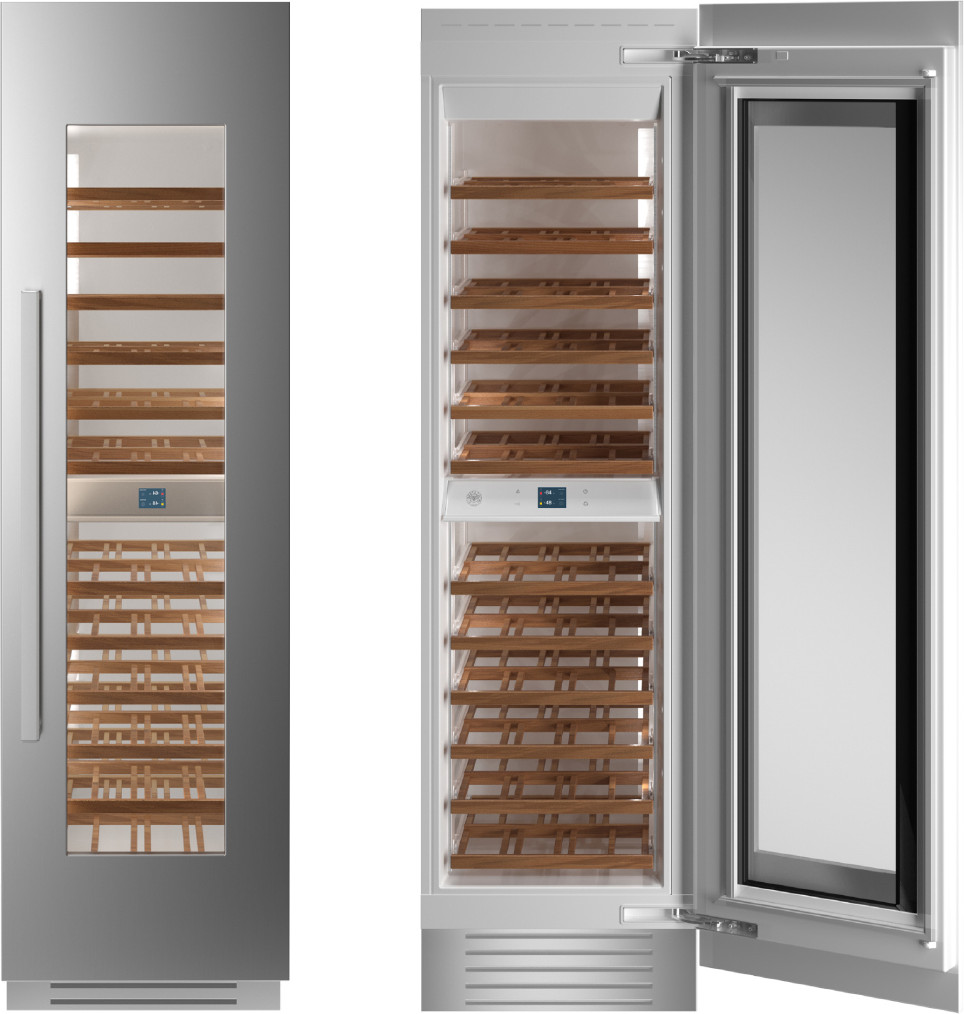
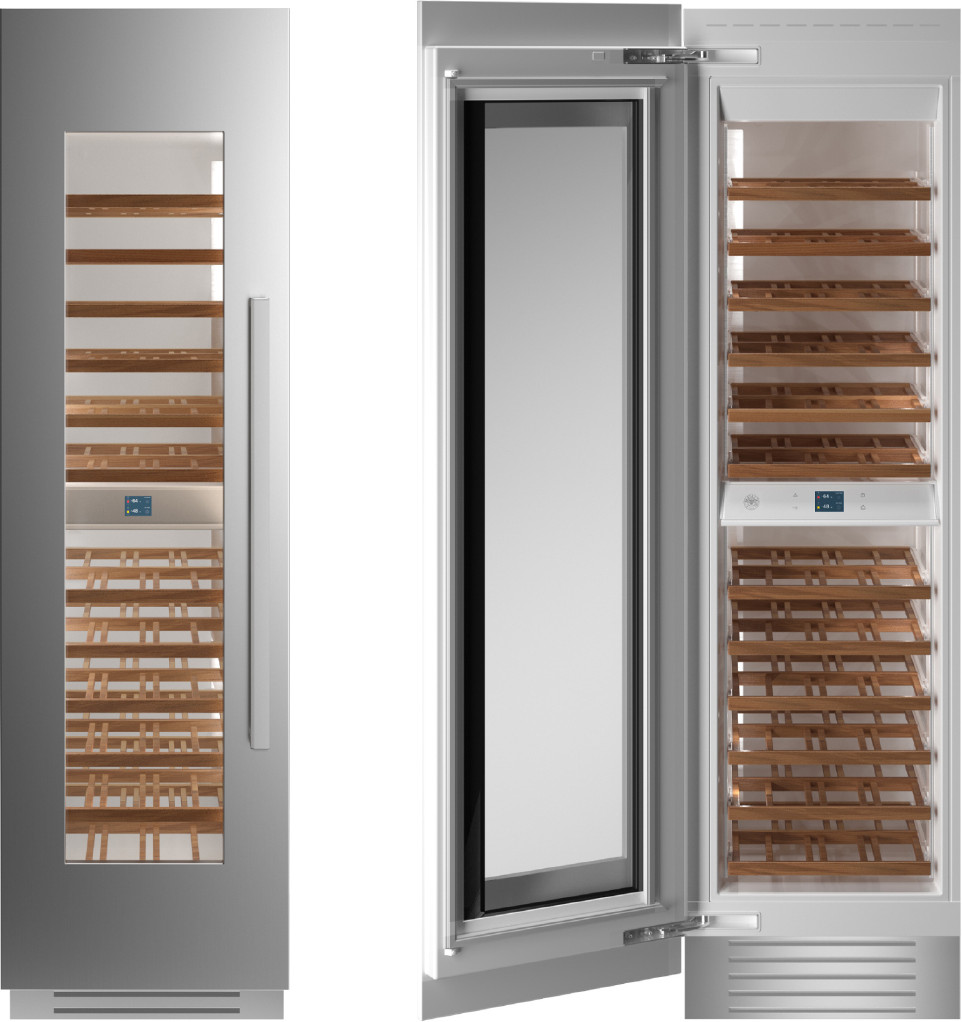
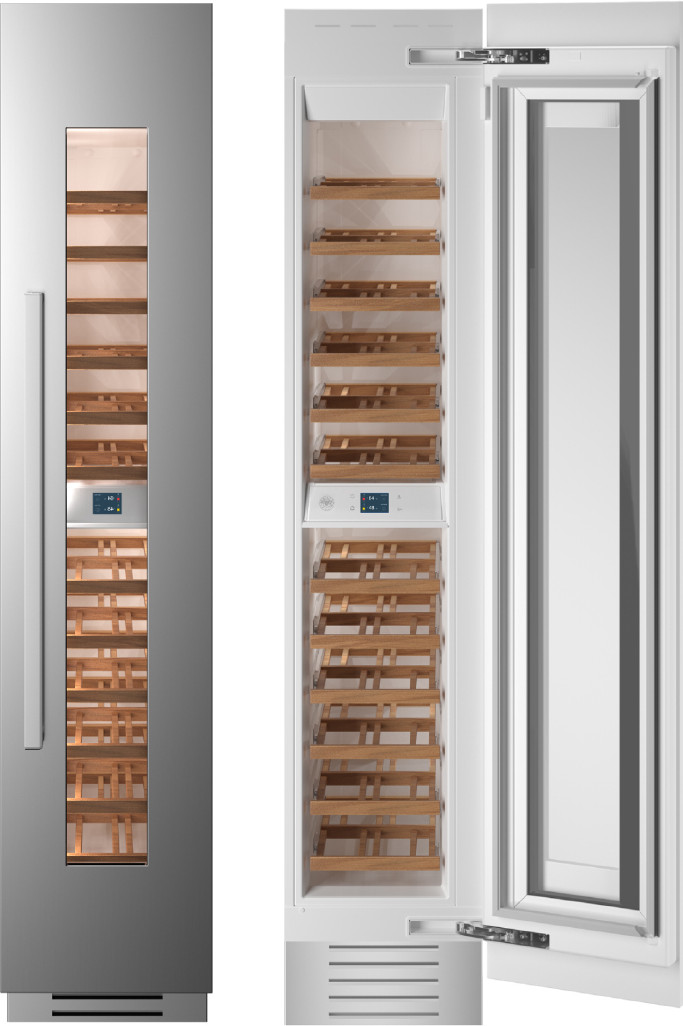
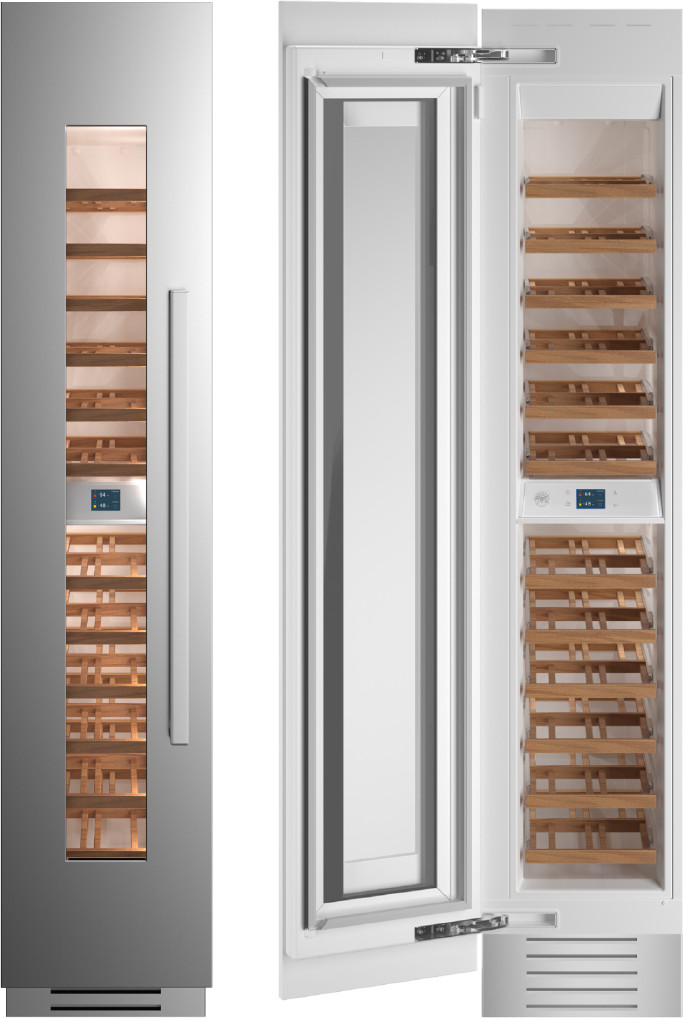
Best ambient temps hover between 50°F and 70°F (10°C to 21°C).
With the right climate, I'm setting the stage for my collection to put on its best show—swoon-worthy flavors and nose-tingling aromas ready to dazzle whenever I crack open a bottle.
Ideal Storage Temperature (°F).
Now, the sweet spot for wine isn’t some mystical number but rather a cozy range: 45°F to 65°F.
Ah, the beautiful dance of temperature and wine! Making sure I keep the perfect chill or warmth for my wine is like guarding a little treasure trove of happiness. With the right climate, I'm setting the stage for my collection to put on its best show—swoon-worthy flavors and nose-tingling aromas ready to dazzle whenever I crack open a bottle.
Maintaining Optimal Wine Storage Conditions
I'm not alone in this; ask any wine enthusiast and they'll share my secret: the perfect temp sets my reds apart from my whites. Reds like it a smidge warmer, making them all cozy and rich, while whites and those effervescent sparklings want a breezy chill to reveal their crispness.
Wine Type
Ideal Storage Temperature (°F)
Red Wine
55 - 65
White Wine
45 - 55
Sparkling Wine
40 - 50
These temps aren’t just numbers; they're the guardians of my wine's personality. By nudging my freestanding wine cooler to stay faithful to these ranges, I'm cosseting my beloved bottles and keeping them worth every penny.
Factors Influencing Wine Quality
Every little sip can be swayed by more than just the weather in the cooler—there's a whole squad of elements running the show, starting with, surprise, surprise—temperature. Any shake-up in the steady temps might spell trouble, with corks going haywire or my wine tasting like something it shouldn’t. Here's what else plays its part:
Humidity: It's like giving my corks a little spa day; the perfect humidity (between 50% to 80%) keeps them from shriveling up like raisins and lets the wine nestle in its glass cocoon, breathing just right.
Light Exposure: Sunshine and vino are like frenemies—it’s not too safe. UV light is no friend to my wine. Tucking my bottles into a cooler with solid doors is the answer to keeping them snug and UV-proof.
Vibration: Like wine's version of a bumpy ride, too much movement can shake things up—literally! Sediment gets all stirred, and the taste takes a hit. But with a padded, vibration-dampening haven, my cooler is a smooth operator.
Playing it smart with these factors, and tuning into my cooler’s features—smoothing out vibrations and cuddling up with insulation—I’m writing my own love story with wine, savoring each glass as it's meant to be. Want to get wiser about it? There's more to explore in our wine cellar buying guide. Cheers!
Alright, let’s talk vino! When you’re stashing your prized collection of wine—not just any old bottle—the temperature dial is your best buddy. I realized early on that not all wines come with the same playbook when it comes to where and how they chill.
Ideal Temperature Range for Wine Preservation
Now, the sweet spot for wine isn’t some mystical number but rather a cozy range: 45°F to 65°F. In my experience, shuffling them into a nice and steady 55°F has the magic touch. Different wines have their own taste preferences—here's my cheat sheet:
Wine Type
Ideal Temperature Range (°F)
Ideal Temperature Range (°C)
Red Wine
55 - 65
13 - 18
White Wine
45 - 55
7 - 13
Bubbly
40 - 50
4 - 10
Dessert Wine
50 - 55
10 - 13
These numbers play a big role in keeping those precious notes and aromas spot on, so every bottle’s a treat when you pop it open for that special toast or Tuesday night chill session.
Effects of Temperature Fluctuations
Now, here’s the kicker—tiny little temperature swings can mess things up big time. I once ignored the back-and-forth on the thermostat, and here’s what happened:
Flavor Fiasco: Those temperature rollercoasters made the wine’s character go a bit sideways. A few degrees either way, and the balance was like a tightrope walk in roller skates.
Fast-Forward Aging: Some bottles are like grandparents—don’t rush ‘em! But when temps dance around too much, aging speeds up, and suddenly your graceful elder is now in midlife crisis mode.
Cork Caper: Expansion and contraction aren’t just for gym buffs; it’s a wine thing too! With temperature antics, the wine practically bench-pressed the cork, breaking its seal and inviting air to ruin the party.
So yeah, keeping that wine cooler’s thermostat steady is like securing an RSVP for every bottle to the best party—my taste buds feel the love every time. When diving into the details of temperature control in freestanding wine coolers, remember these quirks—it’s like crib notes for keeping each vintage perfectly prepped for sipping. Cheers to that!
When storing wine, getting the right features in a freestanding wine cooler can make all the difference. Trust me, I've learned that choosing these bad boys carefully can really jazz up your wine experience. Let's scope out some of the top features.
Thermostat Controls
Picture this: the thermostat is the mastermind of your cooler, keeping things chill in a very literal sense. These days, most wine coolers come equipped with digital thermostats that let you dial in the perfect temperature. Why? Because keeping your vino at the right chill zone is where the magic happens.
Type of Thermostat
Features
Analog Thermostat
Basic temperature control, less precise
Digital Thermostat
More precise, often includes display and programmable settings
A digital thermostat is your best buddy, making sure the temp is just right and letting you tweak as per your mood or wine choice.
Dual-Zone Cooling Systems
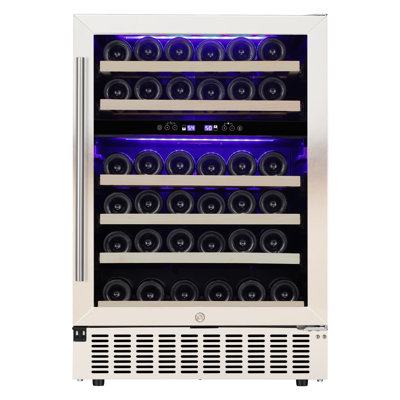
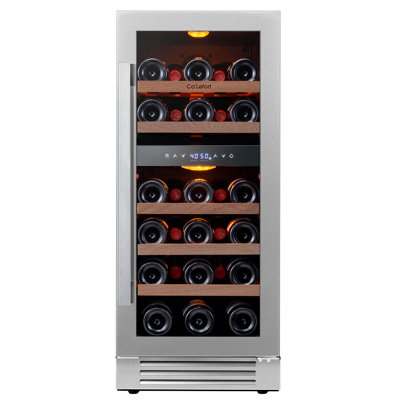
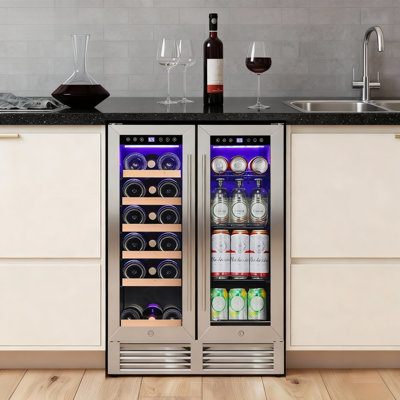
Got a thing for both reds and whites? You're gonna want a dual-zone cooling system. This setup gives you different cooling spots all in one cooler, perfect for stashing both red and white wines at just the right temps.
Wine Type
Ideal Temperature Range (°F)
Red Wine
55-65
White Wine
45-50
Sparkling Wine
40-50
With these divide-and-conquer temp zones, you can savor every drop when it’s time to pop that cork.
Humidity Levels
Humidity control – it's a biggie in wine storage. Keeping humidity between 50%-70% is my secret sauce for cork care, preventing them from getting all dried out and funky.
Modern wine coolers often have built-in humidity controls. Some even sport hygrometers to show the current dampness inside. This way, you can keep everything just moist enough for wine that's ready when you are.
Humidity Level
Effects on Wine
Below 50%
Corks may dry out, leading to oxidation
50-70%
Ideal for preserving wine quality
Above 70%
Risk of mold and label degradation
In a nutshell, using thermostat controls, dual-zone cooling, and keeping an eye on humidity makes wine storage a breeze. I make sure my wine lineup is always ready to impress when folks come over. For more on temperature tips, check out our write-up on temperature management tips.
Finding a good spot for my wine cooler is all about keeping those delicious bottles at just the right chill. I aim to set it up in a cool, dry spot, safe from any sneaky sun rays. After all, I’d hate for temperature swings to mess with my wine. My garage, basement, or even a cozy wine room sounds like ideal places—if they can keep their cool that is.
I steer clear of parking my cooler near anything that cranks up the heat, like radiators or ovens, since that could mess with the cooler’s internal temps. Good air flow around my cooler is a must too, helping keep my wines comfy.
Great Spots
Uh-oh Spots
Basement
Next to ovens
Wine room
In the sun
A nice shady corner
By radiators
Ambient Temperature Considerations
The background temperature around my wine cooler can make or break how well it does its job. Best ambient temps hover between 50°F and 70°F (10°C to 21°C). Any hotter or colder means the cooler's thermostat might get a little mixed up, playing havoc with the inside temperature.
Keeping an eye on the room's temperature is smart, ready to tweak things if it starts veering off course. For instance, if my cooler’s hanging out in a hot hot garage come summer, an air conditioner could step in as my trusty sidekick. That way, my wines stay in tip-top shape, just waiting for me to pop a cork or two when pals drop by.
Temperature Range
Impact on Cooler
50°F to 70°F
Sweet spot for cooling
Below 50°F
Risk of freezing
Above 70°F
Might overheat
By strategically choosing where to put my wine cooler and keeping tabs on the ambient temperature, I’m setting myself up to keep my wine stash fresh and tasty. If you’re curious about how to keep temperatures in check, head over to Fridge.com guide on monitoring and adjusting temperatures.
Monitoring and Adjusting Temperatures
Keeping an eye on the temperature inside my wine cooler is vital for maintaining the fabulous flavors and quality of my wine stash. Temperature control? It's all about quick checks and tweaks.
Regular Temperature Checking
I'm all about consistency, so I check the temperature in my wine cooler regularly. Shoot for at least a weekly checkup—it’s the best way to catch any funky thermostat behavior and to keep things chill, literally.
Here's my no-stress plan for keeping tabs on those temps:
Check Frequency
What I Do
Daily
Quick peek to make sure all's good.
Weekly
Look at the display, tweak if needed
Monthly
Give it a clean, check for quirks
Making Adjustments as Needed
When things go wonky or I'm not getting the right temperatures from my wine cooler, making quick adjustments is a must. Thankfully, most coolers make it easy—temperature tweaks are just a button away.
Some common stuff to watch for:
Condition
What I Suggest
Too hot
Bump down the temp.
Too cold
Crank it up a notch.
Temps all over the place
Check if anything’s up with the cooling or its spot.
Using Thermometers for Accuracy
Verifying the cooler's temp with an extra thermometer keeps everything honest. Just pop a basic one in there to double-check. It’s like a backup singer for my wine cooler’s main act!
Look for these in a good thermometer:
Feature
What It Does
Digital Display
Makes reading super easy.
Accuracy
Goes within a degree—no guessing.
Adjustable Alerts
Gives a heads-up if things change.
By keeping an eye on those temps and adjusting them when necessary, the wines are stored in tip-top shape. Knowing how to work a freestanding wine cooler? That's the ticket to preserving the taste and essence of my wines.
Compare current prices and specifications on Fridge.com, then buy from the retailer you choose; delivery, installation and warranty terms are the retailer’s.
It also has tons of awesome articles about kitchen stuff and home news. Enhance your home, garage, backyard, patio, and office with the coolest essentials. With every necessary type of residential refrigerator or freezer in the collection, you're covered.
Free tool
Wine Refrigerator Calculator
Free interactive tool from Fridge.com — get a quick answer while you read.