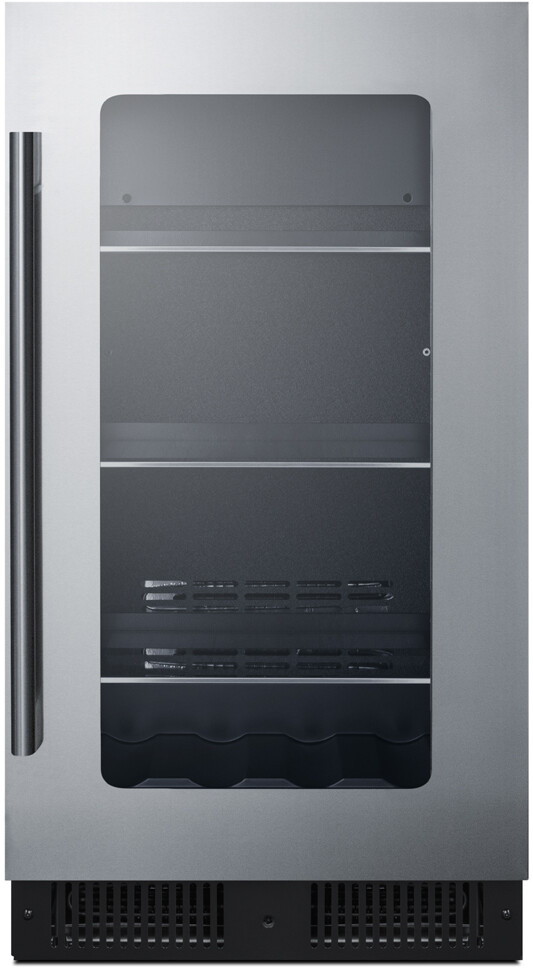
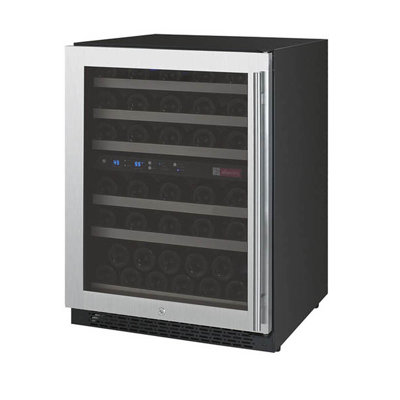
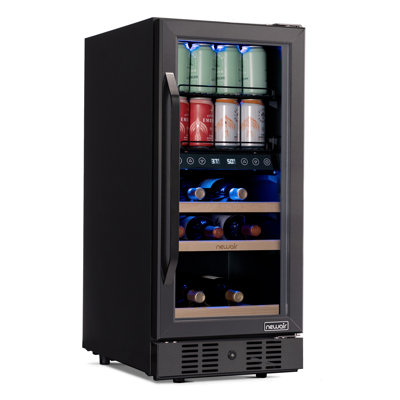
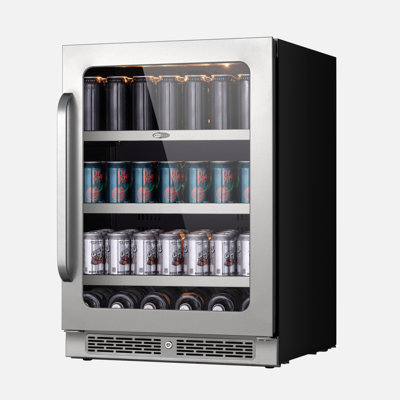
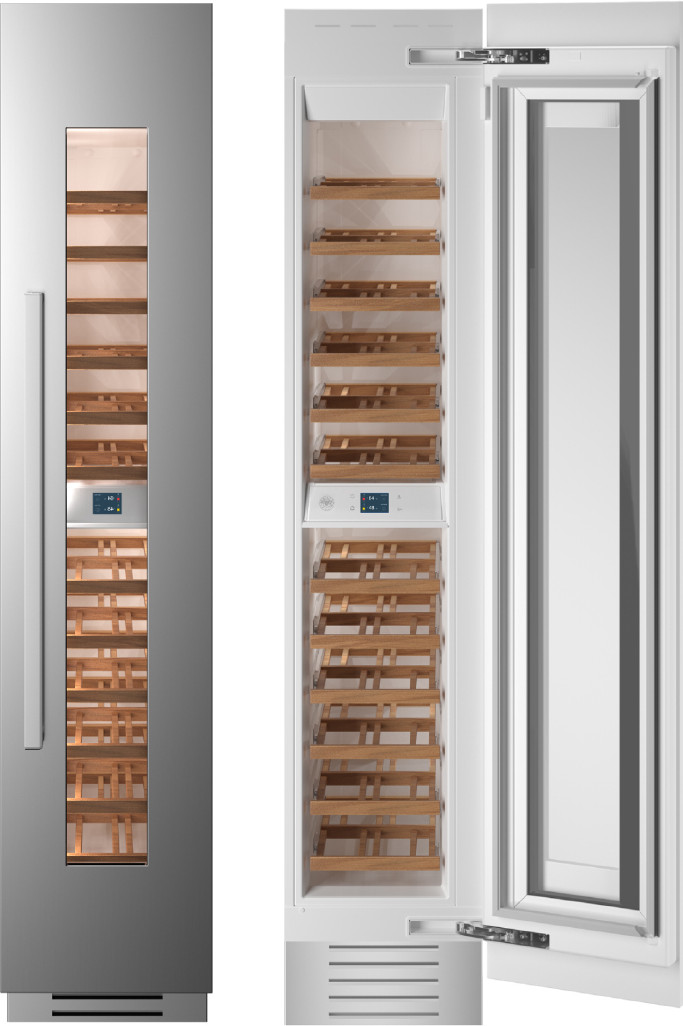
I did my homework here and found out red wine likes it between 55°F and 65°F, while white wine is chillin' best between 45°F and 55°F.
Depends - usually from 20 to 100+ bottles.
I've always been a bit enchanted by the thought of having my own wine cellar.
I quickly realized that building a personal wine cellar wasn't just about the wow factor; it was also about keeping my wine in tip-top shape for those wonderful get-togethers and treasured moments.
I've always been a bit enchanted by the thought of having my own wine cellar. It's like having a little slice of elegance right at home, storing my beloved vino collection in style. The journey kicked off with research, digging into the dazzling array of styles and options. I quickly realized that building a personal wine cellar wasn't just about the wow factor; it was also about keeping my wine in tip-top shape for those wonderful get-togethers and treasured moments.
Imagining a cozy nook for my wines, I pictured myself hosting dinners where friends and family could join in for a sip or two, maybe even a toast. It feels like more than just storage—it's a signal to guests that I'm serious about my love for good wine.
Benefits of Having a Wine Cellar
The more I learned about wine cellars, the more reasons I found to dive into this project:
Benefit
Description
Optimal Storage
The right environment does wonders for wine, keeping each bottle just right. A wine cellar keeps everything cool and collected, balancing out the temperature and humidity.
Organizational Space
No more hunting high and low for that special bottle. A wine cellar lets you neatly line up your collection, making it easy to pick the perfect drink for each occasion.
Enhanced Flavor
Storing wine under the best conditions gives it a flavor lift, letting me serve something extra special that'll impress my guests.
Value Increase
As my collection gets bigger, it might get more valuable, too, making this a nifty investment in my home.
Personalized Experience
Having a wine cellar tailored to my taste is like adding a personal flair to my space, a nod to my love for wine.
All these perks gave me the nudge to jump into having a wine cellar, leveling up my hosting game while giving me a dedicated spot for my wine adventure. For anyone mulling over the idea of a wine cellar, these upsides offer a solid starting point.
As I delved further, I explored key factors like how much space I need, how to keep the temperature just right, and why humidity matters. These are crucial for preserving my collection so it stays fabulous through the years.
When I took the dive into setting up my wine cellar, there were a bunch of things I had to keep in mind. You don't wanna mess up your precious vino just 'cause of poor storage, right? The biggies—capacity and size, temperature control, and humidity.
Capacity and Size
First up, how much wine do you wanna stash away? That’s the big question. This was like my first 'aha' moment. Cellars come in all shapes and types—ranging from a little countertop thingamajig to a massive built-in wonder.
Wine Cellar Type
Storage Capacity (Bottles)
Countertop Cellar
6-20
Freestanding Cellar
20-100
Built-in Cellar
100+
Picking the right fit was key for me. You don’t want your bottles crammed in like sardines, but you also don’t need a cellar big enough for a football team if it's just a small stash you're after. Plus, it needed to look good wherever I decided to stick it in the house.
Temperature Control
Now, about keeping those bottles cool (or not too cool). I did my homework here and found out red wine likes it between 55°F and 65°F, while white wine is chillin' best between 45°F and 55°F. Most cellars out there offer adjustable settings for the win.
Wine Type
Ideal Temperature (°F)
Red Wine
55-65
White Wine
45-55
Sparkling Wine
40-50
Dual-zone controls are like a game-changer. You get to set different temps for different wines, easy-peasy. If you're nerdy about getting it just right, check out Fridge.com guide on temperature range and control in freestanding wine coolers for more juicy deets.
Humidity Levels
Don’t forget about humidity—I mean, it tripped me up at first. The sweet spot is between 50% and 70%. Too dry, and your wine will taste like it's gone through the Sahara; too wet, and you're inviting the gross moldy crew.
For my wine set-up, I checked out all the cool features to keep the moisture just right:
Humidity Level
Ideal Range (%)
Too Low
Below 50
Optimal
50-70
Too High
Above 70
A hygrometer is your best bud here, letting you know when things are going off balance. Some modern cellars include these gizmos, which is a neat bonus. For more wisdom on preserving that wine wonder, peek at Fridge.com articles on wine bottle popped in the freezer or wine storage tips.
By thinking through capacity and size, temperature, and humidity, I could keep my wine babies happy and preserved, just like a pro.
When diving into creating my own little vino vault, I've found three major styles to ponder: built-in, freestanding, and countertop wine cellars. Each has its own vibe and perks, making it perfect for different spaces and stashes.
Built-In Wine Cellars
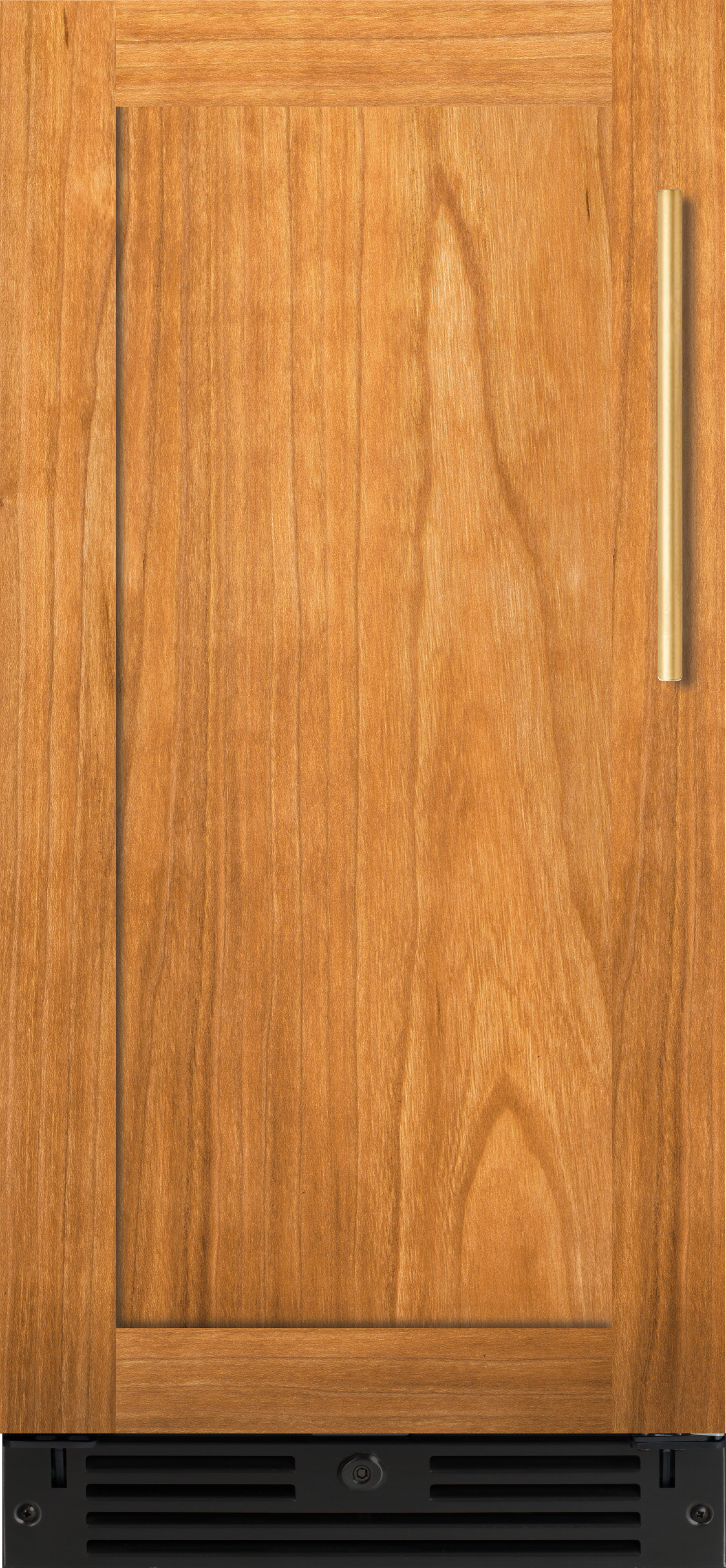
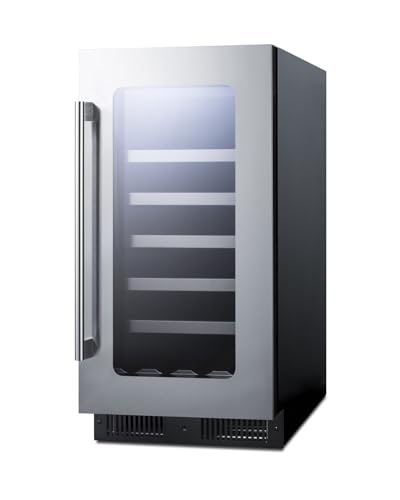
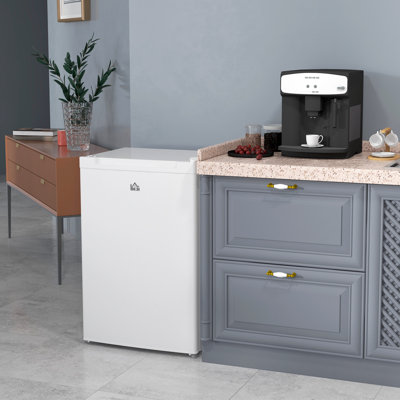
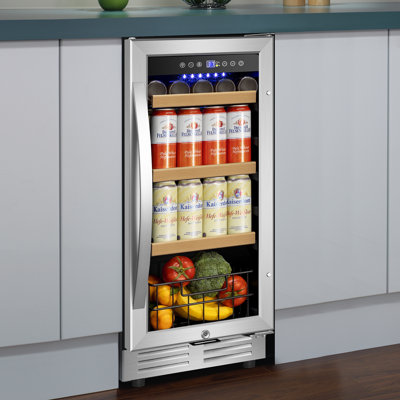
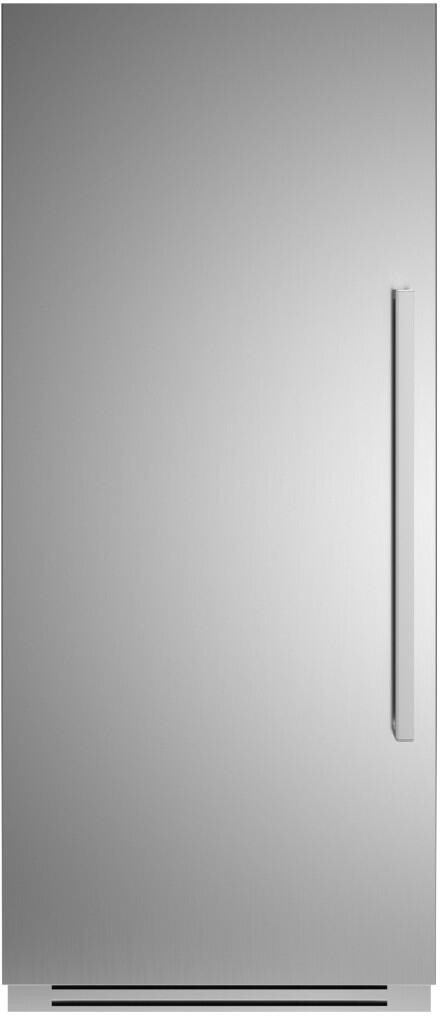
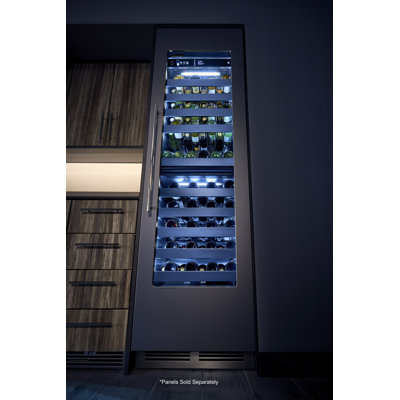
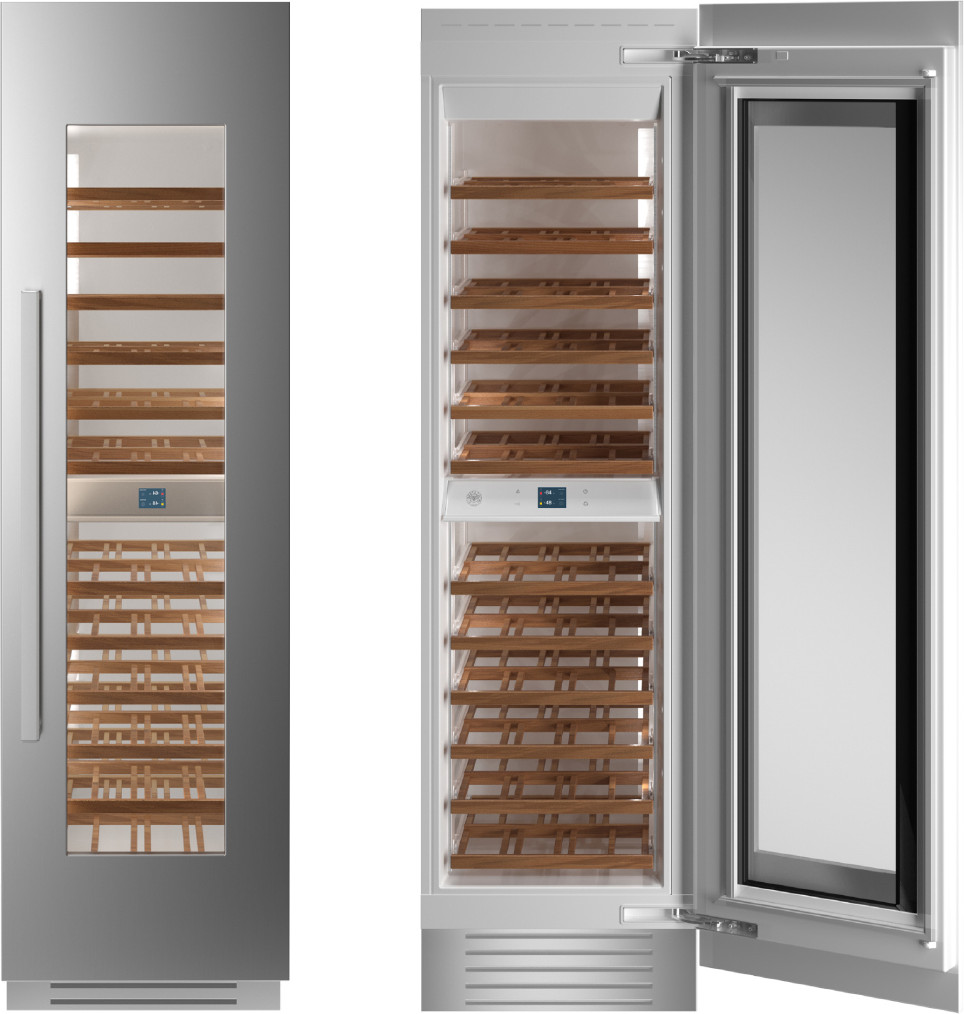
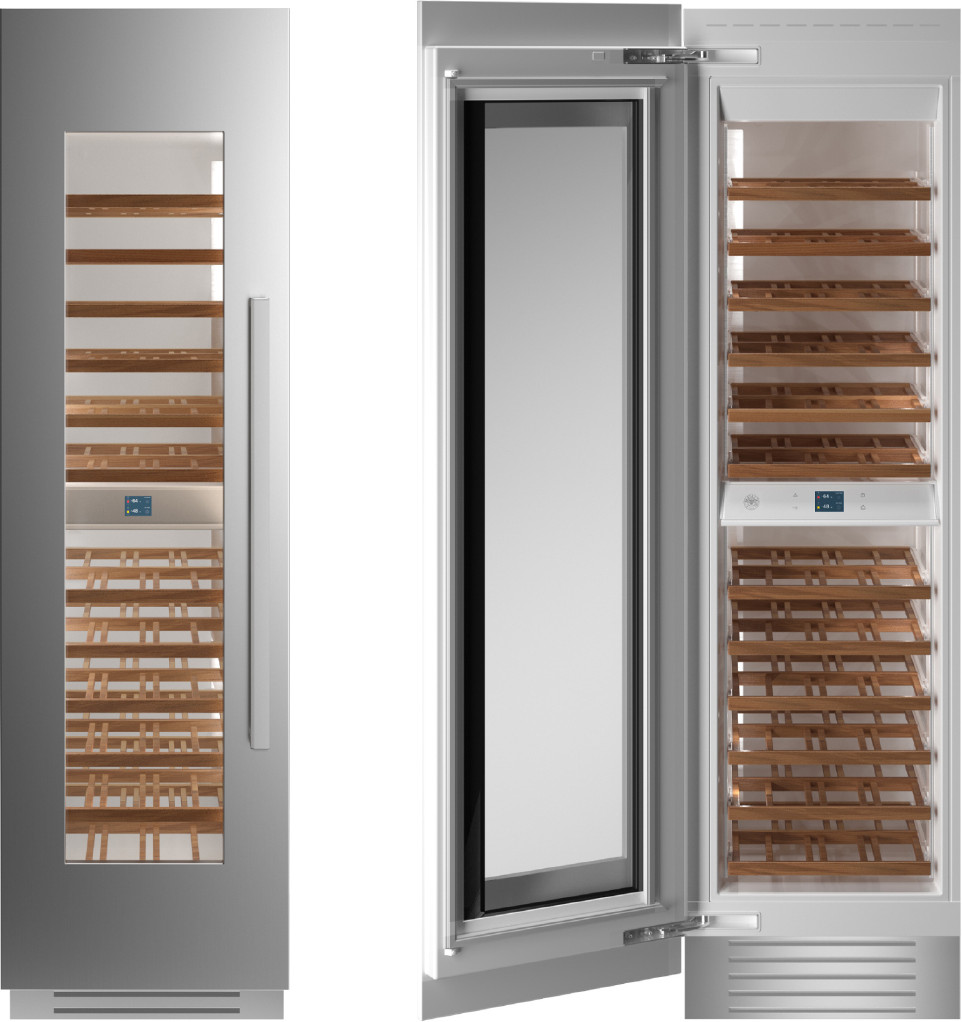
A built-in wine cellar is like the chameleon of the wine storage world. It slides right into your kitchen cabinets, blending in like it was there all along. This one’s for you if you prefer your wine stash to be part of your kitchen’s crew without eating up more floor.
Here's what makes built-ins tick:
Good Stuff
Details
Capacity
Depends - usually from 20 to 100+ bottles
Size
Matches your typical cabinet dimensions
Setup
Pro install needed - probably not a DIY job
Style
Customize to jive with your home's look
Freestanding Wine Cellars
Freestanding wine cellars are the free spirits. You can plant these anywhere because they ride solo. I like them for their mix of shapes and sizes—perfect for squeezing in wherever I have room. Great for keeping your options open; move it around if you feel like it.
Key features to check out:
Good Stuff
Details
Capacity
From snug (12 bottles) to mega (300+ bottles)
Size
Choices range from diddy to grand
Setup
Plug-and-play – as easy as pie
Mobility
Move it like Jagger when moving vibes hit
Countertop Wine Cellars
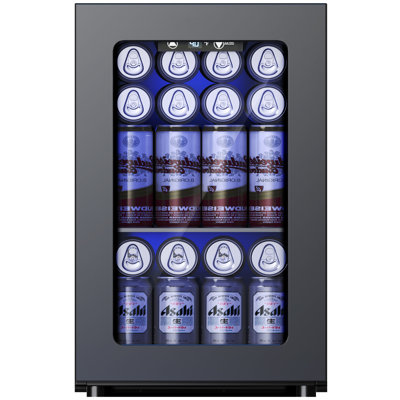
Countertop wine cellars keep things chill and simple, just the way I like my vino. They perch on tables or countertops, ready to pour at a moment’s notice. Ideal if you’re squeezing your collection into a compact apartment or just want your wines close at hand.
Here’s the scoop on these handy gadgets:
Good Stuff
Details
Capacity
Generally holds 6 to 24 bottles
Size
Small, cozy, and compact
Setup
Just plug it in and you’re good to go
Quick Pick-Up
Handy for when guests pop by for a splash
Getting the lowdown on different wine cellar types helps me pick the perfect fit to cozy up with my wine friends. Each type brings something special to the table for wannabe oenophiles like me. And when I need more tips on my wine ventures, like when a bottle goes crack in the freezer or keeping my cellar in top shape, I check out wine bottle popped in the freezer and wine cellar maintenance tips.
When I set out to build my wine cellar, I quickly learned that the design and features could make a huge difference to my wine-keeping game. Let me share a few tidbits that were paramount in setting it all up.
Shelving Options
Picking the right shelves was like choosing the perfect wine for date night—essential! Here’s what I looked into before making my pick:
Type of Shelf
What's Cool About It
Wood Shelves
They're classic and solid. Rustic moods all day.
Metal Racks
Super sleek and modern. You can shift things around.
Modular Systems
Mix-and-match fun. Fit 'em any way you like!
Wood adds a cozy vibe, but metal ramps up the chic factor. My go-to? Modular systems—they played nicely with my limited space, making everything fit like a dream.
UV Protection
Let's talk UV rays—they're like the ultimate party crashers when it comes to wine. Nasty little things mess up flavors and aromas. To keep my vintage safe, I opted for UV shields. Here’s the scoop:
Protection Type
Why It Rocks
UV-Filtering Glass
Blocks out harmful rays but lets me peek inside.
Tint or Film
Cheap, quick, and easy to slap onto windows.
With these shields up, I sleep easy knowing my wine’s as fresh as the day it was corked.
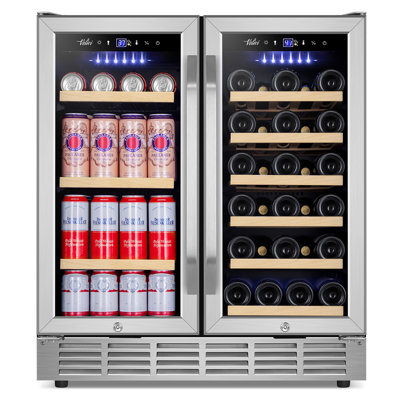
Dual Zones
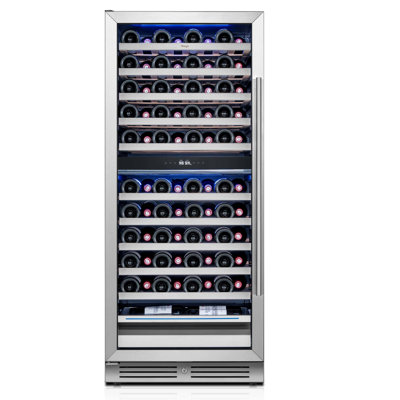
Now, a dual-zone cellar was the magic trick in my book. Reds and whites throw tantrums if they're not comfy temperature-wise. Here’s how I sorted them out:
Wine Zone
Best Temp Range
Red Wine Zone
55-65°F
White Wine Zone
45-50°F
Gotta say, serving wines at their happy temps means whoever drops by the house is in for a treat. Want more wine smarts? Jump into our wine cellar buying guide.
Focusing on these bits made it possible to build a cellar that not only cradles my collection like a boss but looks pretty snazzy doing it. Every bottle stays top-notch, and it's all ready to pour at just the right time. Cheers!
Installation and Maintenance
So, I've picked out that dream wine cellar, the one that's going to cradle my precious bottles like the gems they are. But now comes the less glamorous part—getting it set up and keeping it in tip-top shape. It’s like transitioning from buying a new car to actually keeping it running smoothly. Though it's not the most exciting part, it’s well worth the effort for my collection to age gracefully.
Placement Considerations
Where to plop my wine cellar down? It's gotta be just right! Somewhere far from sunlight and anything that turns up the heat. Think basement or a special wine nook where I can call the temperature shots. Plus, making sure there's some breathing room is essential—nothing worse than a wine cellar that can't catch its breath. Here’s my quick cheat sheet:
Placement Factors
Ideal Conditions
Sunlight Exposure
None or as little as possible
Proximity to Heat Sources
Keep a safe distance—about a 3-foot gap works
Humidity Control
50-70% humidity—Goldilocks would approve
Proper Ventilation
Nobody wants their wine cellar feeling stuffy and stale. Good airflow is basically a spa treatment for my wines, keeping them at just the right temperature and smelling fresh as daisies. If I’m going the freestanding route, few inches of wiggle room around the cellar is needed. For those built-in types, following the manufacturer’s game plan for air flow is the way to go.
If things still feel a bit airless, tossing in some fans could do the trick. Also, it’s smart to keep doors and vents open and unhindered—giving my bottles room to breathe. Trust me, my wine will thank me for it later.
Cleaning and Care
Just like brushing my teeth, keeping my wine cellar clean is a small chore with big rewards. Dust armies can invade and mess with the cooling magic, so keeping them at bay is key. A quick wipe here and a spill mop-up there helps prevent unwanted moldy drama.
Here's the straightforward to-do list I’m sticking to:
Maintenance Task
How Often?
Clean interior surfaces
Every quarter of the year
Monitor temperature and humidity
Monthly check-up
Look over seals and door hinges
Every few months
Keeping my wine stash in these primo conditions means I’m always ready for that special night-in or when guests swing by. And if I ever feel like my wine scene needs a makeover, I’ll just hop over to organizing your collection. Cheers to keeping things smooth and delicious!
Crafting a wine cellar that's a reflection of my unique tastes and makes grabbing a bottle hassle-free is key. By getting my wines in order, tagging them, and setting them up with style, I can boost both the practical side and the look of my space.
Organizing Your Collection
Sorting through my wine stash, I weigh up a few things—think types of wine, where they hail from, and even the right occasion. Here's my game plan:
Organization Method
Description
By Varietals
Split wines into groups like reds, whites, rosés, and bubbly. Makes it a breeze to pick a wine that fits my mood.
By Region
Arrange by country or region. I get to savor diverse tastes and vibes from around the globe.
By Price Point
Lay them out by cost, so I can easily grab a bottle that suits my wallet.
By Occasion
Set aside a few for those special get-togethers, so they’re right at hand when pals pop over.
Labeling and Inventory
Keeping track of my collection is a cinch with a simple system. Each bottle gets a tag loaded with the deets:
Name of the wine
Type
Year
Where it's from
Tasting notes or food it pairs well with
A digital app or good ol' spreadsheet is in the mix to help easily manage my collection. It makes spotting which wines are the MVPs for drinking now and which need some cellar love even easier.
Showcasing Your Wines
A tidy collection deserves a top-notch display. Here's how I bring my wines into the spotlight:
Fancy Racks: Racks that vibe with the style of my cellar tick both the looks and the function boxes.
Lighting: Gentle LED lights give my prized bottles a glow-up without messing with their quality.
Decor Touches: Adding themed decor makes my wine cellar feel like a cozy nook. Old-school wine posters or quirky glassware give it some flair.
Tasting Spot: Space allowing, I might craft a little tasting nook. It's the perfect hangout for sipping with buddies and family.
Getting my wines in order, tagged, and shown off with flair turns my cellar into a personal haven. Whether it's a chill night in or a hangout with friends, my wine stash says a lot about my tastes. For more on storing and managing your collection, take a peek at my other tips in the wine cellar buying guide.
Free tool
Wine Refrigerator Calculator
Free interactive tool from Fridge.com — get a quick answer while you read.