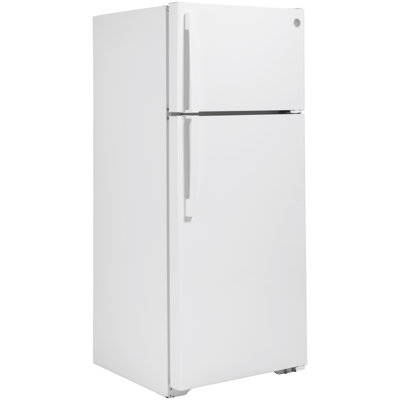
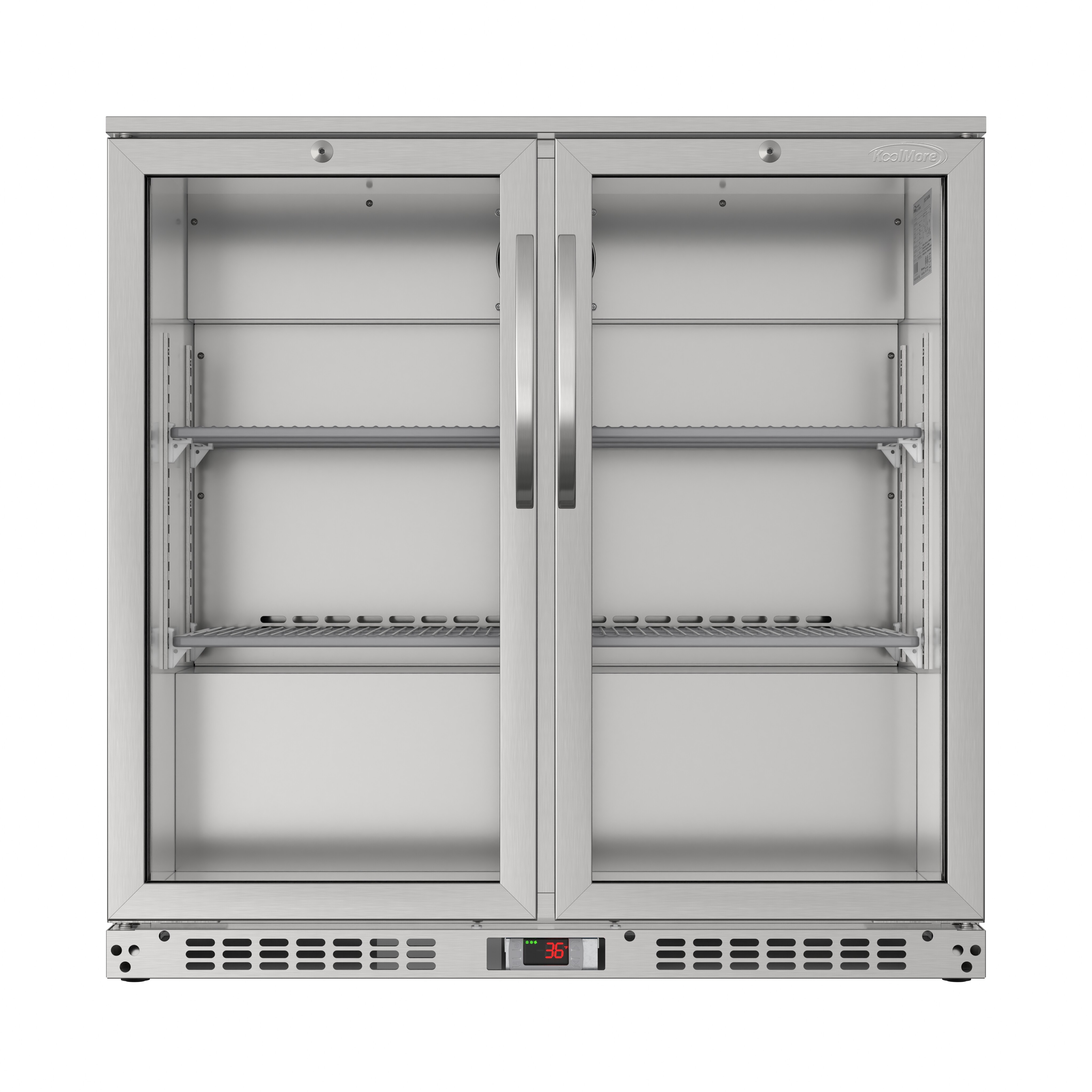
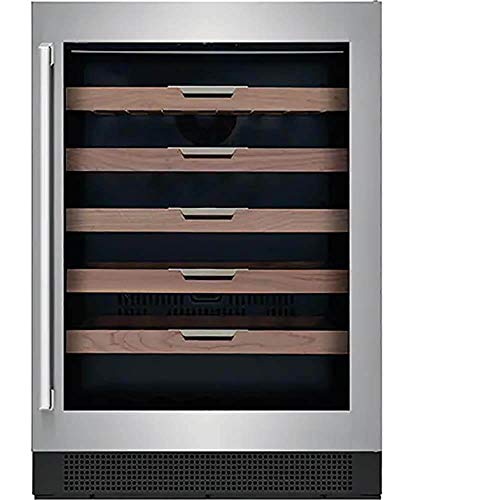
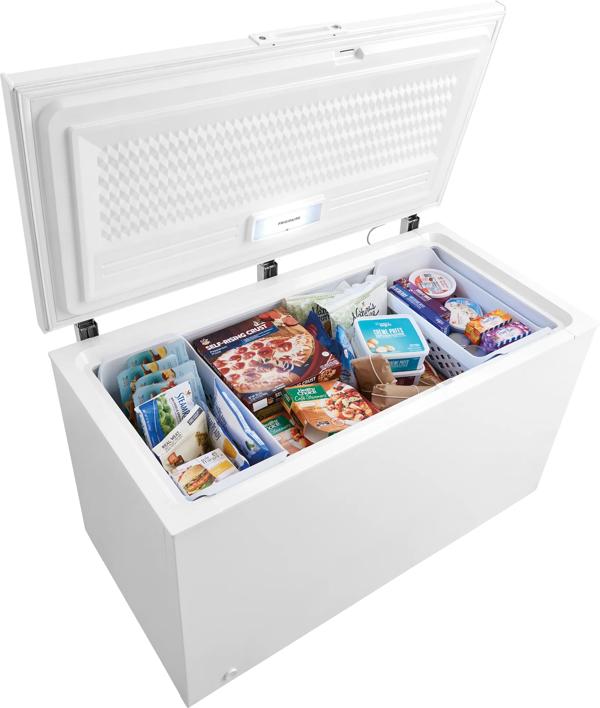
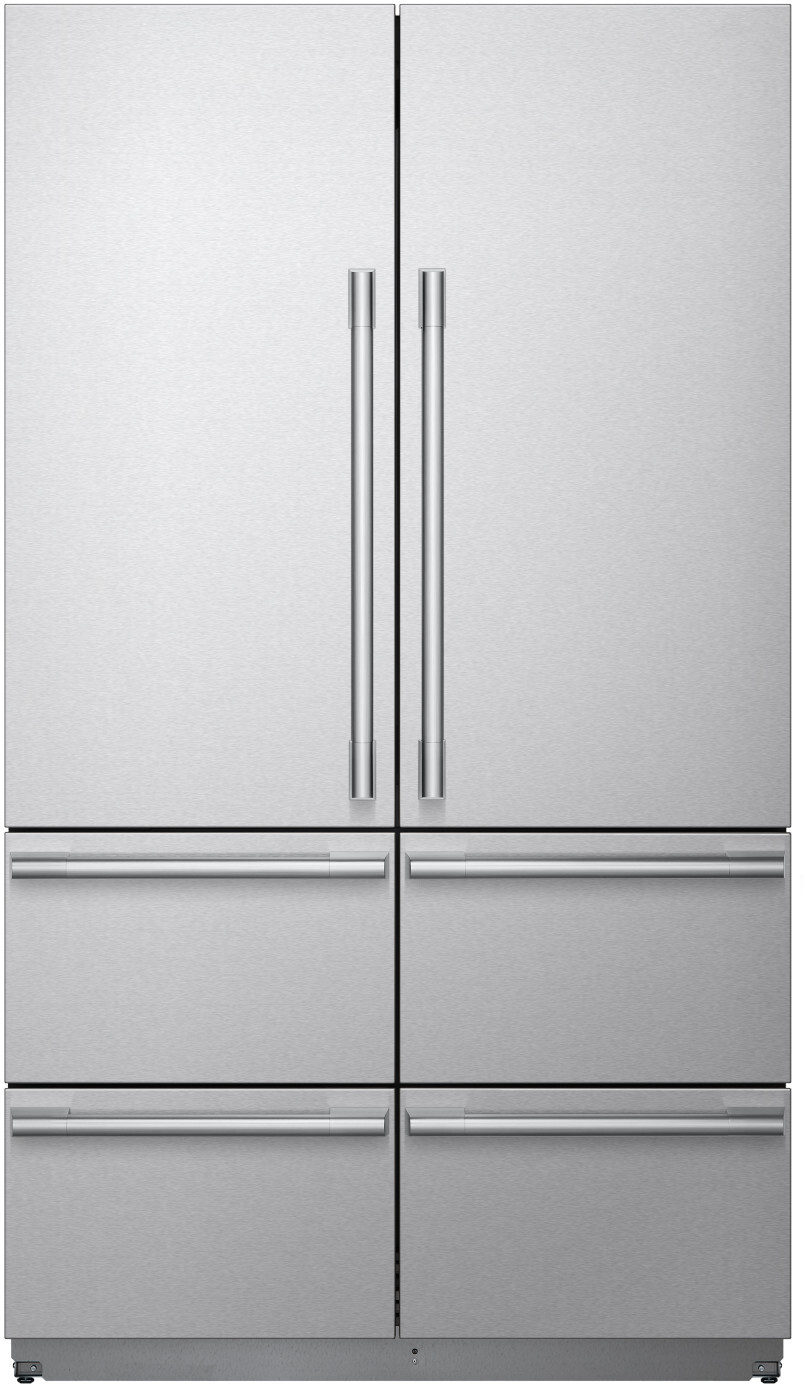
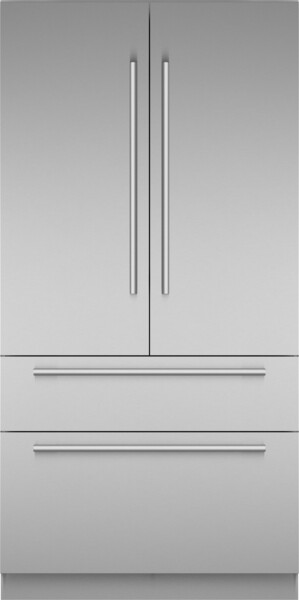
When you're playing the "what’s eating my paycheck" game, your refrigerator's energy appetite is a worthy contender. Knowing how much juice your fridge guzzles is vital to keep your home expenses in check and make smart decisions.
Why Bother with Energy Efficiency?
You might think fridges just keep your leftovers cool, but the right choice can save some serious cash. A lean, green, energy-saving machine keeps your bills lighter and gives Mother Nature a little breather. I’ve discovered that these cooling contraptions often go the extra mile with features that keep my food fresh and pockets heavy.
In my research, I found out that the Energy Star label is your trusty sidekick, thanks to Uncle Sam's (a.k.a. the U.S. Department of Energy) stringent standards. Spotting this label means you're looking at a fridge that won’t hog electricity and will save you money over its operational lifespan.
What Affects a Fridge's Energy Usage?
Here’s the lowdown on what cranks up or down the power meter on your fridge:
Factor
Description
Size and Capacity
Bigger fridges, bigger electric consumption. I pick just the size that fits my leftovers without housing an entire grocery store.
Compressor Type
The tech inside matters! Inverter compressors are like fridge whisperers, adjusting power depending on how cool things need to be.
Temperature Settings
Dialing the chill to around 37°F keeps my ice cream solid without making my electricity bill melt.
Location
A fridge in a sauna-like kitchen? Guaranteed to suck more power. I learned that a cooler spot is prime real estate for fridges.
Age of Appliance
Like me, older fridges have seen better days. Swapping out my ancient icebox for a new, sleek model could cut down power usage.
I've been curious about how much juice my fridge is guzzling, so I've decided to dive into its energy needs and see what it's costing me each year. With this info, I'm better equipped to keep my home humming more efficiently.
Determining Energy Consumption
It's all about those kilowatt-hours (kWh) when figuring out your fridge's energy snacking habits. You can usually get a good idea of its usage from the EnergyGuide label stuck somewhere on the fridge.
Here's how I like to break it down:
I hunt down the wattage on the fridge's nameplate.
I multiply that wattage by 24 (since it works nonstop, like a night-owl with a caffeine addiction).
Then, a little division magic happens – I divide by 1000 to switch the answer to kilowatt-hours.
Let's say my fridge is a 150-watt beast; here's the math:
Who knew that a fridge could do more than just store leftover pizza? An energy-efficient refrigerator not only helps the planet stay a bit greener—it also lowers those dreaded electricity bills. Here are three cool features I like to look for when hunting down an energy-friendly fridge.
Energy Star Certification
First on my list is the Energy Star certification badge. It’s like a superhero cape for fridges, showing they've been tested and approved by the U.S. Environmental Protection Agency. Picking one of these bad boys means potential savings stacking up over time.
Energy Star Refrigerator
Annual Energy Use (kWh)
Average Cost per Year
Standard Model
400 - 600
$50 - $70
This nifty table spells out how choosing an Energy Star model can relieve both energy usage and your wallet.
Inverter Technology
Inverter technology is another aspect I dig. Traditional fridges are like that friend who talks nonstop—always at full power. But models with inverter tech are smarter, adjusting their cooling based on what’s inside. This keeps my lettuce crisper, and they use less juice while they're at it.
Traditional Refrigerator
Inverter Refrigerator
Always full throttle
Adjusts power as needed
Louder than a rock concert
Whisper quiet
Inverter technology makes the kitchen quieter and my energy bills happier.
Proper Refrigerator Maintenance
Even the greenest fridge needs some TLC. Keeping it running efficiently takes a little effort, like regular coil cleaning, checking those door seals, and not cranking it down to arctic levels unnecessarily.
Maintenance Task
Frequency
Clean coils
Every 6 months
Check door seals
Every 3 months
Set temperatures correctly
Twice a year
Sticking to these maintenance tips, I can keep my fridge humming efficiently and save on power.
Picking a fridge with energy-saving features isn't just about cash—it aligns with my eco-friendly lifestyle and gives my budget a break. I also dive into articles like how much energy does a refrigerator need? for more handy tips on managing my energy usage.
Keeping my refrigerator in tip-top shape isn't just good for the food inside—it's a real energy saver, too. Here’s how I keep my fridge from being an energy hog.
Temperature Settings
The right temperature makes all the difference. I set my fridge at a snug 37°F (3°C) and the freezer at 0°F (-18°C). This keeps my groceries safe and my energy bills from skyrocketing.
Appliance
Ideal Temperature
Fridge
37°F (3°C)
Freezer
0°F (-18°C)
Keeping an eye on these settings prevents the fridge from working too hard. For more geeky details about appliance temperatures, check out temperature settings for different appliances.
Refrigerator Organization
Believe it or not, organizing my fridge has more perks than just finding that late-night snack faster. By not stuffing it to the gills, I let air circulate, which keeps the fridge from wasting energy. I stack my grub like this:
Section
Stash Here
Top Shelves
Drinks, ready-to-munch treats
Middle Shelves
Leftovers, sauces
Bottom Shelves
Raw meat, fruits, greens
Crisper Drawers
Fresh veggies, herbs
Door Shelves
Butter, eggs, more drinks
Keeping things tidy not only helps me grab what I need in a jiff, but it also helps the fridge stay chill, which is cool for my power bill.
Regular Defrosting
I don't wait for my fridge to look like a snow globe. I tackle frost build-up before it's a problem, especially in non-frost-free fridges. Every few months, depending on how frosty it gets, I have a date with my defroster.
Month
To-Do
January
Frost check
February
Defrost if frosty
March
Stock groceries
April
Frost check
May
Defrost again
June
Stock groceries
July
Frost check
August
Defrost if needed
September
Stock groceries
October
Frost check
November
Defrost if icy
December
Stock groceries
This schedule helps my fridge chug along smoothly and keeps my energy costs down. If you're fighting the frost too, check out how to prevent fridge pipes from freezing for more tips.
Making Smart Choices
When I'm hunting for a new fridge, there's a shopping list of things I've got to consider to make a choice I'm happy with. Knowing what size I need, checking how energy-efficient it is, and figuring out how much it's really going to cost me over time can seriously affect how happy I am with my buy.
Figuring Out What Fits
Picking the right size refrigerator is key, almost like playing Tetris with your kitchen. It plays into how much juice it guzzles and whether it’s going to squeeze nicely into my space, and of course, fit all my munchies. Here’s a cheat sheet for fridge sizes, like Goldilocks aiming for just right:
Folks at Home
Perfect Size
1-2
10-20 cu. ft.
3-4
20-25 cu. ft.
5+
25+ cu. ft.
If I love throwing a party or two, I should think about needing room for beers, last night's pizza, or even prepping food for the week. Imagining how I stuff my fridge helps me figure out the right size, making sure it’s not straining my power bill because I bought something too big or too little.
Checking Energy Efficiency
Energy efficiency is one of those boring-sounding but super-important things to check. A fridge that’s more energy-smart can shave quite a bit off my electric bill. Most fridges flaunt their energy creds with star ratings, and of course, the big Energy Star slap of approval.
Energy Star Power
How Much It Chomps Yearly
Non-Energy Star
600-1,200 kWh
Going for a top-notch energy-saving fridge doesn’t just spare the grid, it does Mother Earth a solid, too. I usually drift towards models with an Energy Star sticker because they’ve met the tough-as-nails standards from the brainy folks at the EPA.
Eyeing the Cost Over Time
Knowing what a fridge is gonna cost over its lifetime is a biggie. It ain't just about dropping dough at the checkout, but also about factoring in those juicy electricity bills and what repairs might run. I do a simple math dance to figure out these costs using how much energy the fridge uses and what I’m paying per kilowatt-hour.
Let's say I get a fridge sucking down 500 kWh annually, with my rate being $0.12 per kWh:
Annual Energy Bill = Usage (kWh) × Rate ($/kWh)
Annual Energy Bill = 500 kWh × 0.12 $/kWh = 60 bucks
Crunching these numbers lets me wrap my head around what my fridge will truly cost and helps me pick one that’s going to be a keeper. It's about hitting that sweet spot between what I pay upfront and what I save down the line for a fridge that's up for all my get-togethers and foodie fun.
Every day, I'm on a mission to save energy and I've started with my ever-hungry refrigerator. I'm no superhero, but maintaining a cool 37°F for the fridge and a brisk 0°F for the freezer helps me fight off unnecessary kilowatts. Food stays fresh, and I'm less likely to start a love affair with my power bill.
Opening the fridge has its challenges—finding that jar of pickles like it's a game of hide-and-seek. To beat this, I stack like things together like food puzzle pieces. The quicker I snag my snack, the quicker the door shuts, keeping the cold where it belongs. And, I avoid tossing in piping hot leftovers. Letting my lasagna cool first means my fridge doesn't have to break a sweat.
Practice
What It's All About
Temperature Chilling
Keep fridge chill at 37°F, freezer frosty at 0°F
Food Tetris
Organize snacks for grab-and-go ease
Cooling Off
Let leftovers relax before the fridge debut
Keeping an eye out for frost is my way of showing love to my freezer. Frost buildup? Not on my watch. Defrosting keeps it happy and stops it from sucking up extra energy.
Continuous Monitoring and My Fridge Hacker Skills
I channel my inner gadget geek by monitoring my fridge's performance. Using a smart plug in my energy-saving toolkit gives me the lowdown on electricity use. It's like having a fridge mood ring—any spike, I know who's been naughty.
When considering a fridge facelift, I become a detective, diving into energy ratings to make sure my next cool box saves me dough. Before I make a choice, I consult the fridge buying guide because, let's face it, an efficient appliance is a gift that keeps on giving.
Gadget
What It Does
Smart Plug
Snitches on energy usage
Ratings Radar
Points me to budget-friendly buys
By keeping tabs on my fridge, I not only slash costs, but I also reduce my carbon footprint. This ensures that, whether I'm playing hostess or just chilling at home, my energy use stays in check. I get to celebrate sustainably, balancing brownies and buzz.
Frequently Asked Questions
You might think fridges just keep your leftovers cool, but the right choice can save some serious cash. A lean, green, energy-saving machine keeps your bills lighter and gives Mother Nature a little breather. I’ve discovered that these cooling contraptions often go the extra mile with features that keep my food fresh and pockets heavy. In my research, I found out that the Energy Star label is your trusty sidekick, thanks to Uncle Sam's (a.k.a. the U.S. Department of Energy) stringent standards. Spotting this label means you're looking at a fridge that won’t hog electricity and will save you money over its operational lifespan.