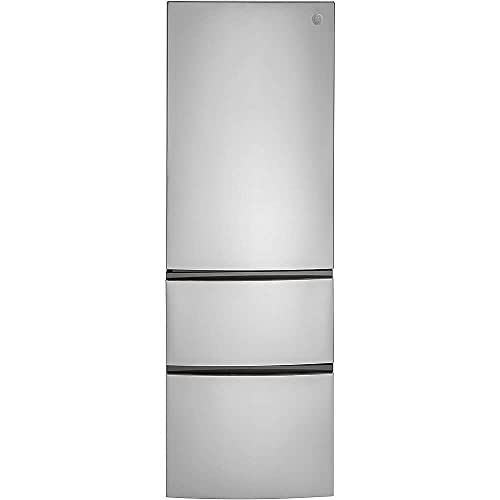
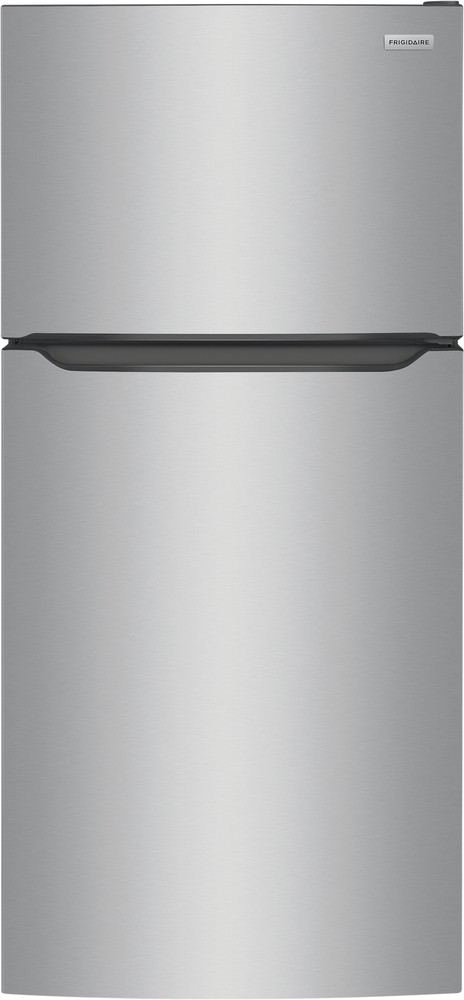
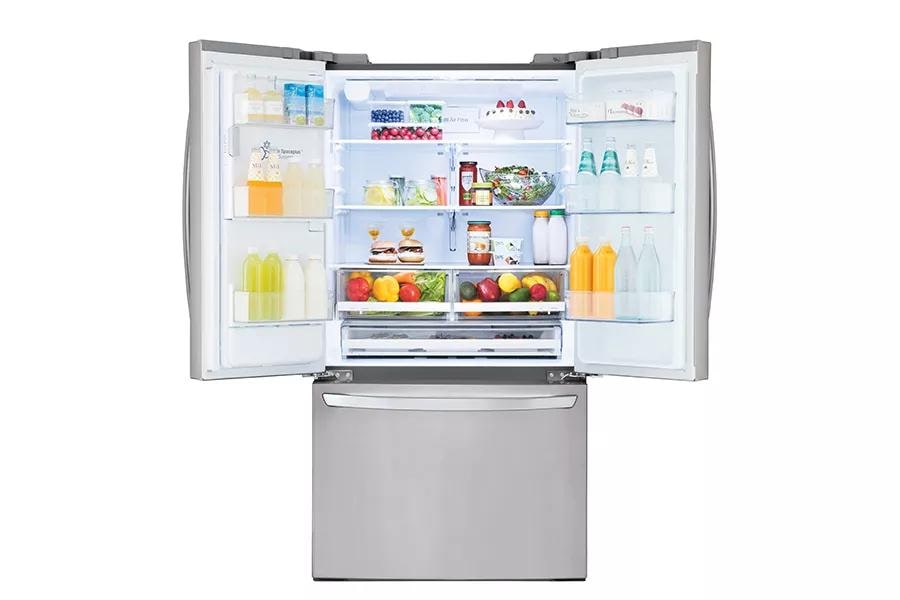
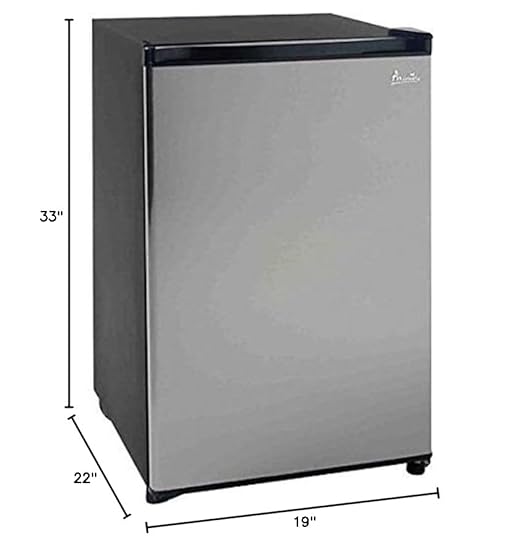
Alright, let's settle this once and for all: "fridge" or "refrigerator"? Spoiler alert: They're the same thing. The fancy-sounding "refrigerator" has its roots in the Latin word refrigerare, which basically means "to chill out." This term came into play in the early 1900s when these cool boxes started popping up in homes. Fast forward a bit, and folks got a bit lazy—ok, efficient—and started saying "fridge" instead.
We humans love to shorten words, especially when chatting over the garden fence or at the dinner table. It's all about making life easier, right?
Term
Origin
Year Introduced
Refrigerator
Latin refrigerare
Early 1900s
Fridge
Quick version of refrigerator
Mid-20th century
Evolution of Language in Everyday Use
Language is like a teenager—always changing, mainly because of culture, cool trends, and new gadgets. As everyone grabbed themselves a shiny new fridge for the kitchen, saying "fridge" became the norm. But depending on the setting, one term might still top the other.
For instance, if you're in a snooty culinary school or a posh restaurant, "refrigerator" might get you some extra points for being all proper. But let's be honest, for most of us regular folks at home? "Fridge" wins hands-down, bringing a chill vibes to the conversation.
You'll even see this wordplay in ads. If a brand wants to sound relatable to families, they’ll go with "fridge." Meanwhile, a high-end chef’s manual might prefer the full "refrigerator" for that touch of sophistication. Knowing when to bust out the right term can make you sound pretty savvy.
Ever wonder why we call that big cold box in your kitchen a fridge instead of its full name? Well, let's chat about why we use "fridge" or "refrigerator" and see where these words fit into our daily chats.
Understanding the Difference Between Fridge and Refrigerator
Both words point to the same handy machine. "Fridge" is just the cooler little sibling of "refrigerator," which sounds all fancy and official. The word "refrigerator" was born from technical mumbo-jumbo, whereas "fridge" popped up as a quicker, more laid-back way to talk about it when you’re in friendly company.
Here's an easy-peasy breakdown:
Term
Whatcha Get
Where You Hear It
Refrigerator
The formal name for your food-chilling buddy.
Streets of the serious talkers.
Fridge
A chill way to say "refrigerator."
Around your pals.
Common Usage in Different Settings
When you bust out the term "fridge" or "refrigerator" kinda depends on where you are. In those fancy-pants kitchens where chefs and students roam, folks might opt for "refrigerator" to keep things official. After all, they’re all about precision and sounding like they know their onions.
Meanwhile, at home with the fam or chatting with online food lovers, "fridge" is the norm. It’s easier on the tongue and slides right into daily chit-chat about what’s for dinner or what’s on the grocery list.
Where You Are
Likely Term Used
Fancy Chef Kitchens
Refrigerator
Home Sweet Home
Fridge
In the Instagram Feeds
Fridge
Each term has its cozy corner, and knowing when to roll with each one can save you a lot of head-scratching. Chatting about storing your snacks at home? "Fridge" it is. But if you're snooping around appliance specs in a store or chatting with a restaurant's staff, whip out "refrigerator" to sound like you know your appliances.
Looking to spice up your kitchen knowledge? Fridge.com has pieces on best french door fridges for families and restaurant refrigerator to guide you. Getting your fridge terms right can help you show off your smarts and choose the right cold box for your space.
Deciding whether to say "fridge" or "refrigerator" doesn't just come out of nowhere. It's got a bit to do with where you are, what you like, and who you're talking to. Knowing these things will steer you toward the term that clicks for you.
Regional and Cultural Variations
Where you're hanging your hat can totally mess with your word choice. In the US, "fridge" is the popular pick, whilst across different shores, "refrigerator" might fill the bill. A grip on these quirks can smooth the talk, especially if you're having banter with different folks.
Place
Word Pick
United States
Fridge
United Kingdom
Refrigerator
Canada
Dealer’s choice, really
Australia
Fridge
Personal Preference and Convenience
Your taste counts for something too! Some folks reckon "fridge" feels cozy and easy-going, the ideal for those backyard chats. Others might lean toward "refrigerator" when they're strutting their stuff professionally, talking up the best french door fridges for families.
Liking
Fits In Here
Fridge
Casual chats, tweets
Refrigerator
Fancy blog posts, slick ads
Context and Informality
The setting also has a say in what word you blurt out. When keeping it low-key, "fridge" is your buddy. But when the talk turns technical, like dissecting features of a restaurant refrigerator, "refrigerator" suits up nicely.
Scene
Go-To Word
Hanging out with friends
Fridge
Talking shop
Refrigerator
Influencer vibes
Depends on your style
See, lots of things tweak your choice between how you call that cool box keeping your leftovers fresh. Knowing the lay of the land, what rings your bell, and what's cool for each chat can help you say what you mean, no sweat.
Perception of Fridge Vs. Refrigerator in Different Groups
Deciding between "fridge" or "refrigerator" isn't just about picking words—it's like a peek into cultural habits and social vibes. Folks use different terms based on age, where they're from, or even their job. Younger folks and chill hangouts lean towards "fridge." It’s short, sweet, and fits right in with the laid-back feels of home life and social chatter. Meanwhile, "refrigerator" finds its niche in formal chats or with the older crowd who dig the classic language style.
Age Group
Preference
18-34
Fridge
35-54
Fridge or Refrigerator
55+
Refrigerator
The tide's turning towards the shorter version, especially among those who whip up recipes and share kitchen tips on social media. It’s all about keeping things friendly and cozy.
Influence of Media and Pop Culture
TV shows, ads, and the wild world of the internet shape how we name kitchen stuff too. Cooking shows and commercials love a chatty approach, leading to more "fridges" being tossed around instead of "refrigerators." It's a move towards everyday lingo that vibes with real-life moments.
When your favorite foodie influencer drops a "fridge" in their video, it sticks. You find yourself using the same in your kitchen talks. Plus, fridges popping up in movies, TV shows, and memes make the term feel like home in our chats.
Think about how a famous TV show might push the casual name over the formal. That fridge shoutout in a top blog or influencer post makes "fridge" feel normal and part of your world.
The names you toss around show off your style, what you're into, and where you come from, letting you bond with folks who get it. By checking out these social factors, you get the why behind your own appliance chatter choices.
The Language of Appliances
Terminology in the Kitchen
When you’re talking about kitchen gadgets, especially your fridge, you might scratch your head at the million names thrown around. Knowing the right lingo not only helps you chat like a pro but also makes you the boss when picking the right stuff for your kitchen.
Appliance Type
Common Terms
What's It Do?
Refrigerator
Fridge, Icebox
Keeps your eats and drinks chill.
Freezer
Deep Freezer, Ice Chest
Specifically for storing and freezing food.
Beverage Refrigerator
Drink Cooler
Made to chill drinks, keeps them separate from your food stuffed in the main fridge.
Countertop Refrigerator
Mini Fridge
Small fridge that fits in tight spots.
Using the right words can make your appliance chats go smoothly. So if you're hunting down a small beverage refrigerator, speaking the right language makes sure others get what you need.
Practicality in Communication
Picking between saying "fridge" or "refrigerator" usually depends on who you’re chatting with or the scene you’re in. Folks say "fridge" in everyday gab, but "refrigerator" sounds smarter when the writing’s more serious or techy.
Check these out:
Context
Preferred Term
Chatting with buddies
Fridge
Penning a kitchen gadget review
Refrigerator
Cheffy classes or how-tos
Fridge or Refrigerator (depending on who’s listening)
Using the right words keeps everyone on the same page. If you’re talking to chefs or some fancy food influencer, "refrigerator" could make you sound like you know your onions. But if it’s just a chat with the fam, "fridge" is laid-back and easygoing.
Bottom line, whether you go for "fridge" or "refrigerator," it’s all about everyone understanding your kitchen needs. For more ideas on picking what’s best, check out stuff like best french door fridges for families or restaurant refrigerator setups.
Deciding between "fridge" and "refrigerator" can be like picking sides on a playful divide. What you choose might just match your mood or the company you're in.
Reflecting on Your Own Usage
Think about your go-to word for this everyday kitchen buddy. Is "fridge" your casual pick when gabbing with pals over coffee? Or do you go all out with "refrigerator" when you're in that serious, clipboard-carrying mode, chatting about fancy kitchen gadgets at work? Your choice drops hints about your social vibes. A straightforward table can help map out when you switch it up:
Scene
Your Choice
Chillin' chat
Fridge
Fancy docs
Refrigerator
Riding the Language Wave
Language likes to keep things interesting. "Fridge" gives off a laid-back, welcoming aura, which works like a charm in friendly meet-ups. But when diving into the nitty-gritty, like what's new in chef circles, "refrigerator" has that extra zing to communicate specifics. Figuring out when to use which can jazz up your talk.
The Verdict: Fridge Vs. Refrigerator
When it comes down to choosing "fridge" or "refrigerator," it’s really about where and who you are with. There's no black or white answer. The comfort zone rules. And hey, if you’re curious about which fridge fits your lifestyle, check out our chat on best french door fridges for families or small beverage refrigerators. Your word choice tells your story while keeping conversations nice and smooth.
Frequently Asked Questions
Ever wonder why we call that big cold box in your kitchen a fridge instead of its full name? Well, let's chat about why we use "fridge" or "refrigerator" and see where these words fit into our daily chats.