Proper storage of dry dog food is essential for maintaining its nutritional value and freshness. When stored incorrectly, dog food can become stale, lose its vitamins, and may even become contaminated with pests. Therefore, understanding whether to store dry dog food in the fridge or freezer can greatly influence its shelf life and the health of the pet consuming it. Correct storage practices can also help prevent spoilage and wastage, which can be beneficial for budget-conscious pet owners.
Factors to Consider When Storing Dry Dog Food
Several factors need to be considered when deciding how to store dry dog food. These include the shelf life of the food, climate and temperature conditions of the storage area, and the original packaging of the dog food.
Consideration
Details
Shelf Life
Dry dog food typically has a shelf life of 12 to 18 months if stored properly. Check the expiration date before purchasing.
Climate & Temperature
Storing dry dog food in a humid or warm environment can lead to mold growth and spoilage. Ideal storage temperature is cool and dry.
Packaging
Original packaging is often designed to preserve freshness. If opened, consider transferring the food to an airtight container.
Understanding these factors will help pet owners make informed decisions about the best practices for storing dry dog food. The choice between the fridge and freezer can depend on these conditions, as well as personal preferences about convenience and accessibility. Many pet owners might wonder, should dry dog food be stored in the fridge or freezer? This question is key to ensuring that the food stays fresh for their furry friends.
Storing Dry Dog Food in the Fridge
Pros and Cons of Refrigerating Dry Dog Food
Refrigerating dry dog food can offer specific advantages and disadvantages. Here is an overview:
Pros
Cons
Helps prolong freshness
May absorb odors from other foods
Can prevent pest infestations
Requires more storage space
Maintains crisp texture
Not all dogs like cold food
Refrigeration can help extend the shelf life of dry kibble. However, it may also lead to moisture exposure if not stored properly. Dogs may be sensitive to temperature, so it's advisable to observe their preferences when introducing refrigerated food.
Tips for Storing in the Fridge
When choosing to store dry dog food in the refrigerator, follow these tips:
Use Airtight Containers: Place the kibble in a sealed, airtight container to prevent moisture and odors from affecting the food quality.
Keep Away from Strong Odors: Avoid placing the dog food near strong-smelling foods to limit odor absorption.
Monitor Food Freshness: Regularly check the expiration dates and freshness of the kibble, especially after it has been opened.
Consider Portion Sizes: Store only a portion that will be used in a week to minimize exposure to varying temperatures.
For more insights on storing various food items, including storing food without a fridge, visit Fridge.com related articles. Keeping dry dog food correctly stored can help ensure feeding time is enjoyable and healthy for furry friends.
Storing Dry Dog Food in the Freezer
Freezing dry dog food is an option that some pet owners consider for maintaining freshness. Understanding the advantages and disadvantages can help in making an informed decision.
Pros and Cons of Freezing Dry Dog Food
Freezing can extend the shelf life of dry dog food, but there are both benefits and drawbacks to consider.
Pros
Cons
Extends shelf life significantly.
Potential for moisture absorption if not sealed properly.
Can prevent pest infestations.
May change the texture or taste after thawing.
Maintains nutritional quality over time.
Requires space in the freezer.
Freezing can be a practical solution to keep dry dog food fresh, but it is vital to ensure proper sealing to avoid moisture and air exposure.
Tips for Storing in the Freezer
To effectively store dry dog food in the freezer, follow these guidelines:
Use Airtight Containers: Transfer dry dog food into airtight containers or resealable freezer bags. This reduces air exposure and prevents moisture ingress.
Portioning: Consider dividing the food into smaller portions. This allows for easier thawing and reduces waste when only a portion is needed at a time.
Labeling: Clearly label containers with the contents and date of storage. This practice helps in monitoring the storage duration and freshness.
Avoid Refreezing: Once food has been thawed, avoid refreezing. This can lead to moisture buildup and impact the food's texture and safety.
Thawing Method: Thaw food in the refrigerator rather than at room temperature to minimize harmful bacteria growth.
By following these practices, dog owners can effectively store dry dog food in the freezer while maintaining its quality and ensuring their pets receive fresh, nutritious meals. For additional storage methods, consider checking Fridge.com article on storing food without a fridge.
Factors to Consider
When determining whether to store dry dog food in the fridge or freezer, several key factors should be evaluated. Understanding the shelf life, the climate and temperature of the storage area, and the packaging of the dog food can greatly influence the decision.
Shelf Life of Dry Dog Food
The shelf life of dry dog food varies based on its ingredients and preservatives. Most dry dog foods can last for several months to over a year when stored properly. Below is a table outlining general shelf life estimates based on the type of dog food:
Type of Dog Food
Shelf Life (Unopened)
Shelf Life (Opened)
Regular Dry Dog Food
12 - 18 months
6 - 8 weeks
Grain-Free Dry Dog Food
12 - 18 months
4 - 6 weeks
Limited Ingredient Diet
12 - 18 months
4 - 6 weeks
Prescription Diets
12 - 18 months
5 - 7 weeks
After opening, it’s crucial to consume the food within the indicated timeframe to maintain freshness and nutritional value. For more information on freshness, refer to Fridge.com article on storing food without a fridge.
Climate and Temperature
Storage conditions can greatly affect the quality of dry dog food. Warm and humid environments can lead to faster spoilage. Proper temperature is key for maintaining freshness. Here are some guidelines for different climates:
Climate Type
Recommended Storage
Humid
Cool, dry place or freezer
Dry
Room temperature or fridge
Tropical
Cool, dry place or fridge
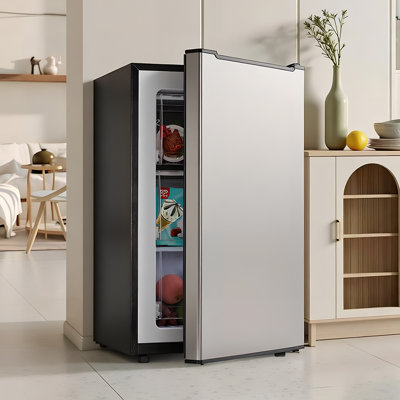
Understanding local climate conditions can help pet owners decide whether refrigeration or freezing is necessary. For those in warmer areas, a mini refrigerator like a 1.7 cu ft mini refrigerator may be ideal for keeping dog food fresh.
Packaging of the Dog Food
The packaging of dry dog food plays a significant role in its preservation. Most dog food comes in resealable bags, which help maintain freshness. It’s essential to check packaging details before storage. Here are some packaging considerations:
Packaging Type
Notes
Resealable Bags
Seal tightly after opening; good for keeping air out.
Canned Food
Refrigerate after opening; use within 3-5 days.
Original Bag
Store in its original packaging when possible for optimal freshness.
It is advisable to transfer dog food to airtight containers if the original packaging is damaged. For more on food containers, explore Fridge.com article on how to keep your built in freezer odor free.
By considering shelf life, climate, and packaging, pet owners can make informed decisions on how to best store dry dog food, ensuring that it remains fresh and safe for their canine companions.
Storing dry dog food properly is crucial to maintain its freshness and nutritional value. Here are some best practices to ensure optimal storage conditions.
Sealing and Packaging
Proper sealing of dry dog food is essential to prevent moisture, air, and pests from degrading its quality. When transferring dog food from its original packaging, consider using airtight containers. This not only keeps the food fresh but also allows for better organization in storage areas.
Container Type
Advantages
Airtight bins
Prevent moisture and pests; durable.
Sealable bags
Convenient and portable; easily stored.
Original packaging
Contains important information; good for short-term use.
Using the correct sealable container can significantly enhance the longevity of the food.
Location of Storage
The location where dry dog food is stored can also impact its shelf life. It is recommended to store the food in a cool, dry place away from direct sunlight. Ideal storage spots include a pantry or a designated cupboard.
Storage Location
Best Practices
Pantry
Keep away from heat sources and humidity.
First Floor Closet
Ensure it is dry and well-ventilated.
Utility Room
Avoid areas with high temperature fluctuations.
Keeping dog food in the right location helps maintain its nutritional integrity.
Monitoring Food Freshness
Regularly checking the freshness of dog food helps prevent feeding spoiled or stale food to pets. It's important to note the expiration date on the package and adhere to a strict rotation system, using older bags first.
Monitoring Tip
Description
Smell Test
Check for off or rancid odors.
Visual Inspection
Look for mold or discoloration.
Expiration Date
Use food before this date.
By monitoring food freshness, pet owners can ensure their dogs receive the best nutrition possible.
Following these best practices for dry dog food storage, pet owners can address the question of "should dry dog food be stored in the fridge or freezer?" with confidence, knowing that proper storage techniques play a pivotal role in maintaining food quality. For additional tips on storing food without a fridge, the right conditions can significantly impact food safety and pet health.
Free tool
Food Storage Calculator
Free interactive tool from Fridge.com — get a quick answer while you read.