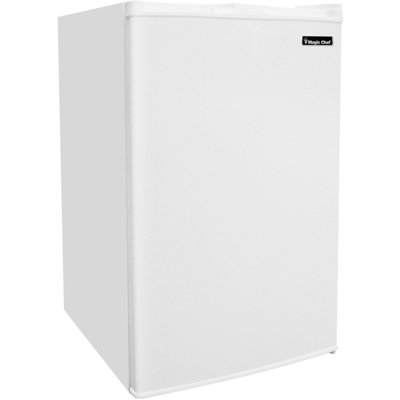
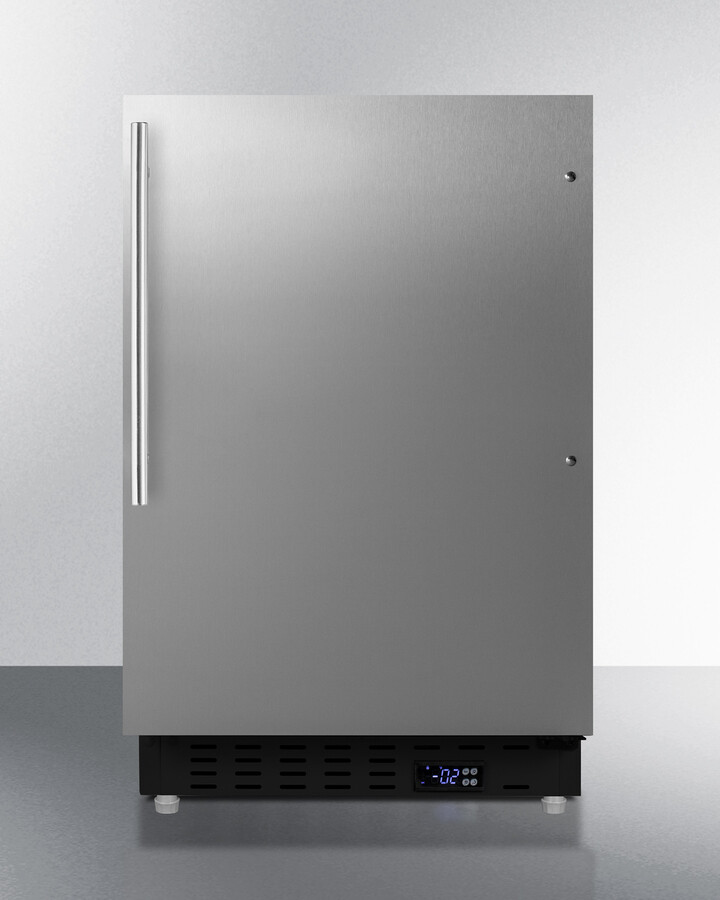
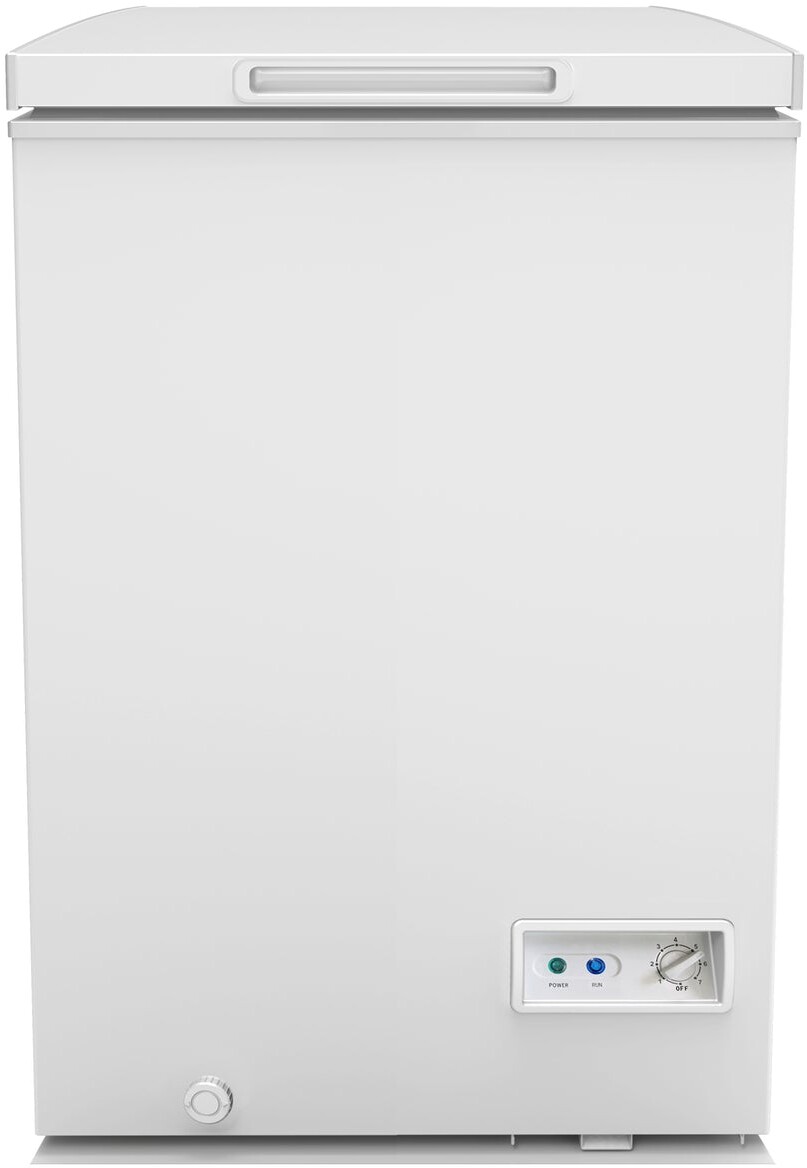
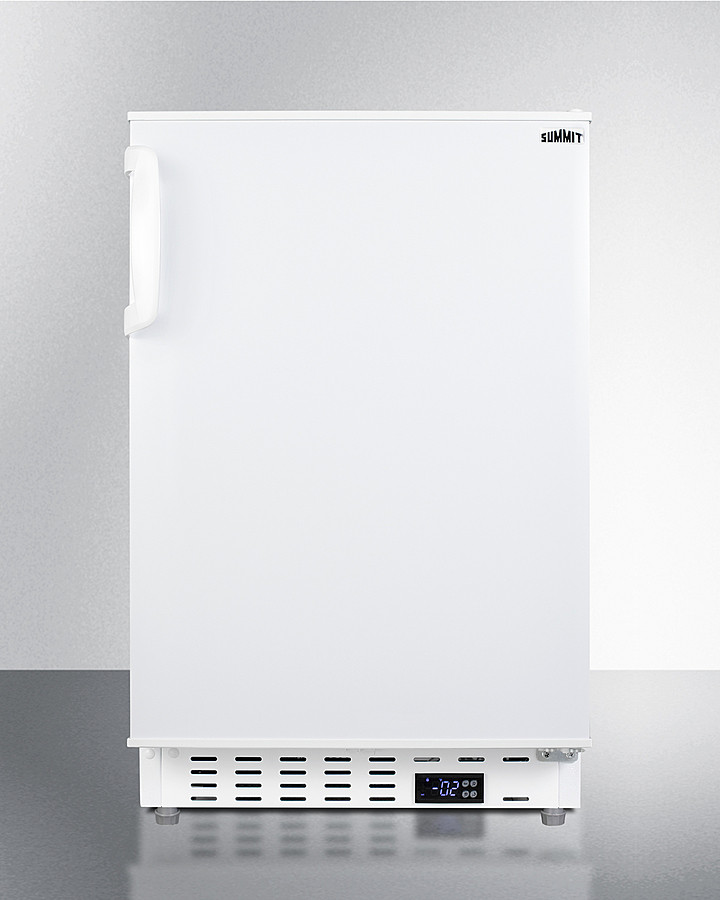
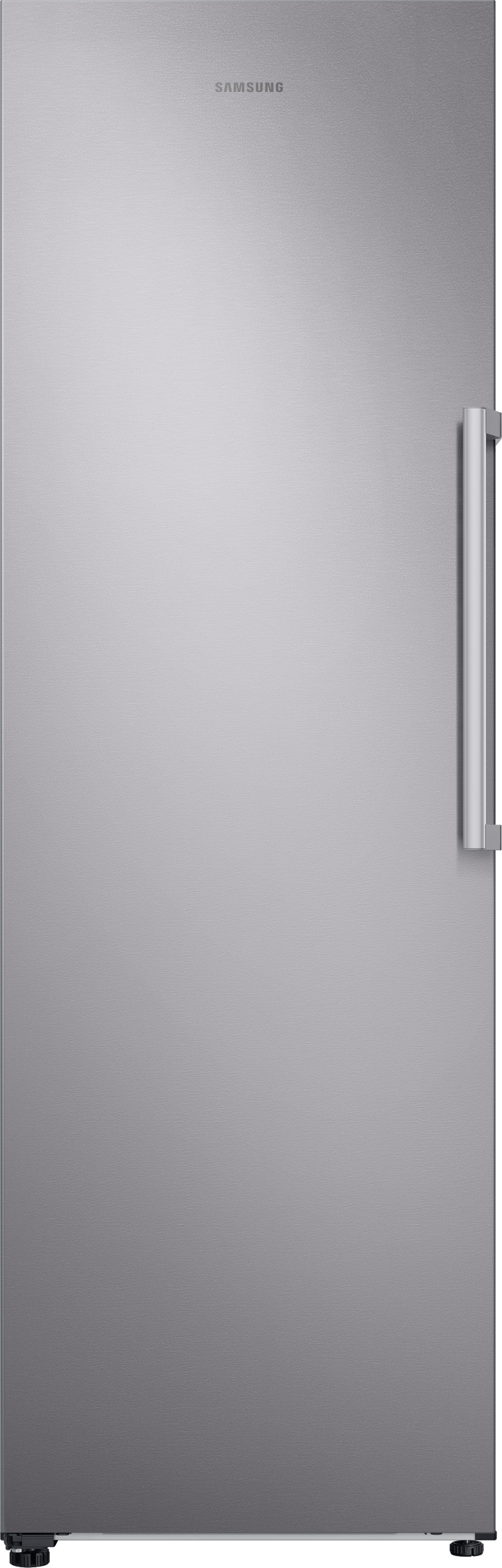
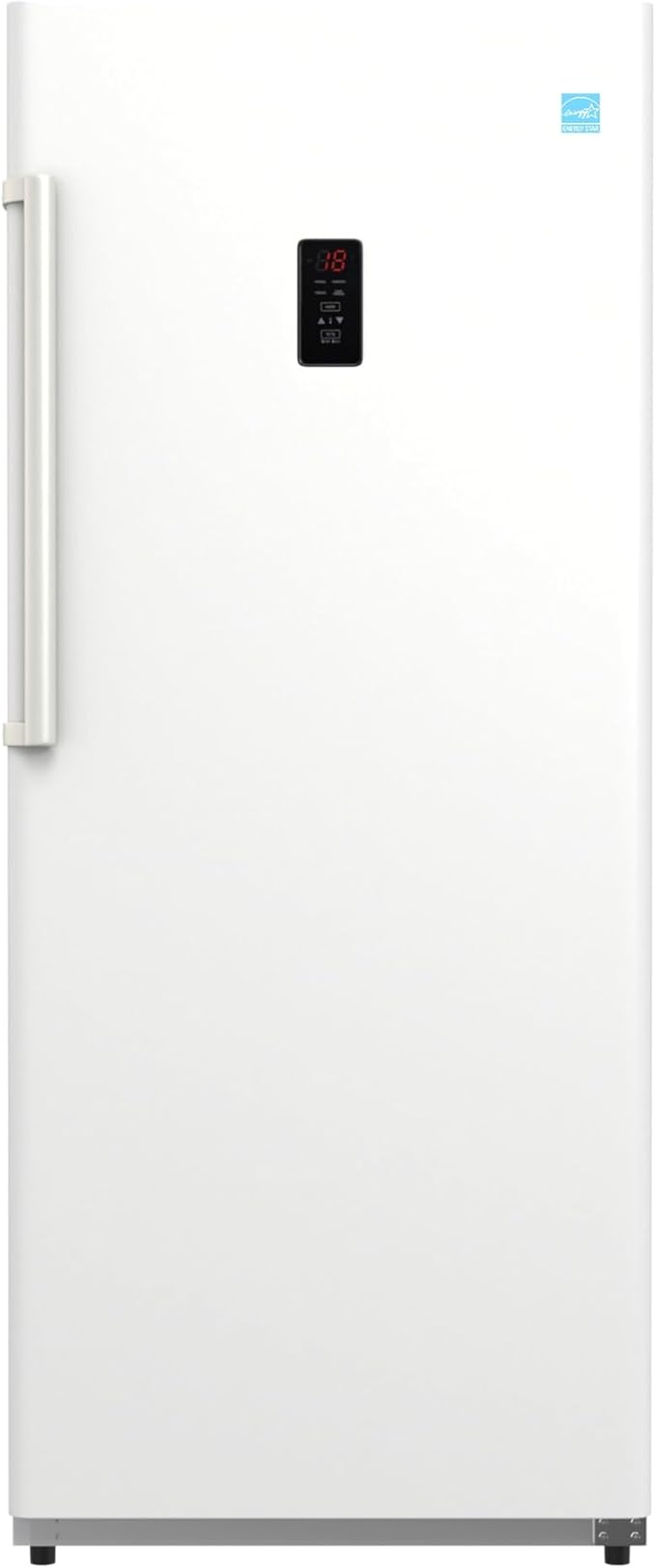
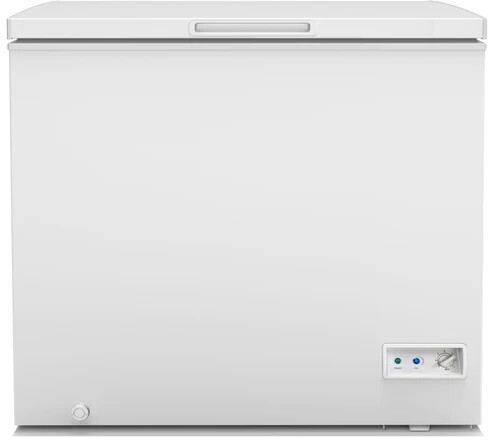
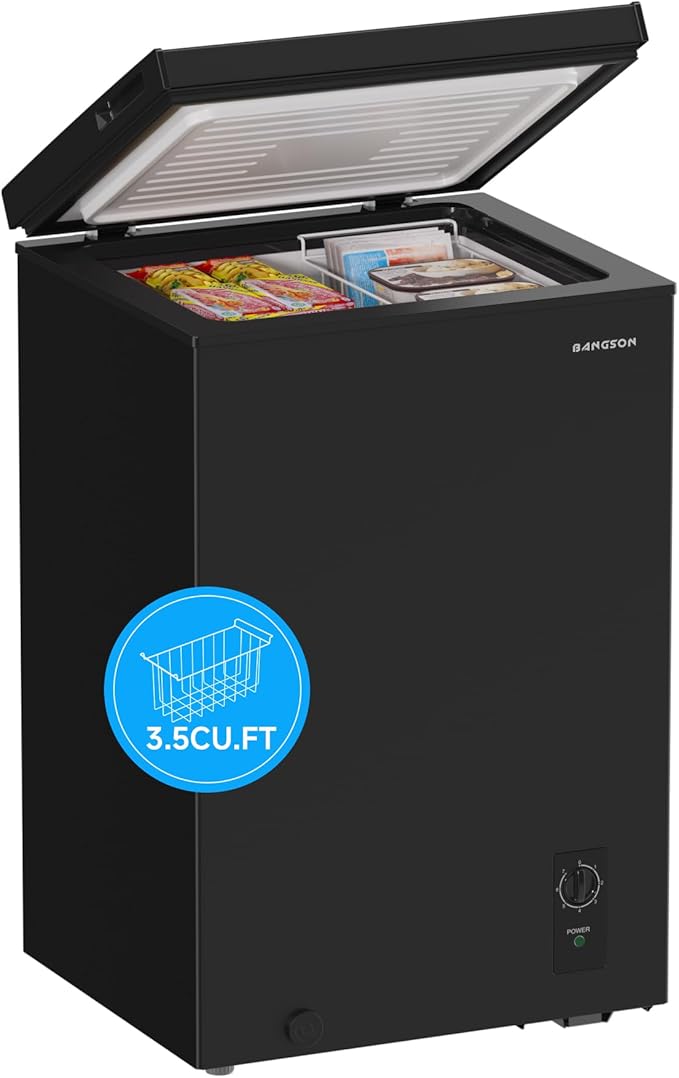
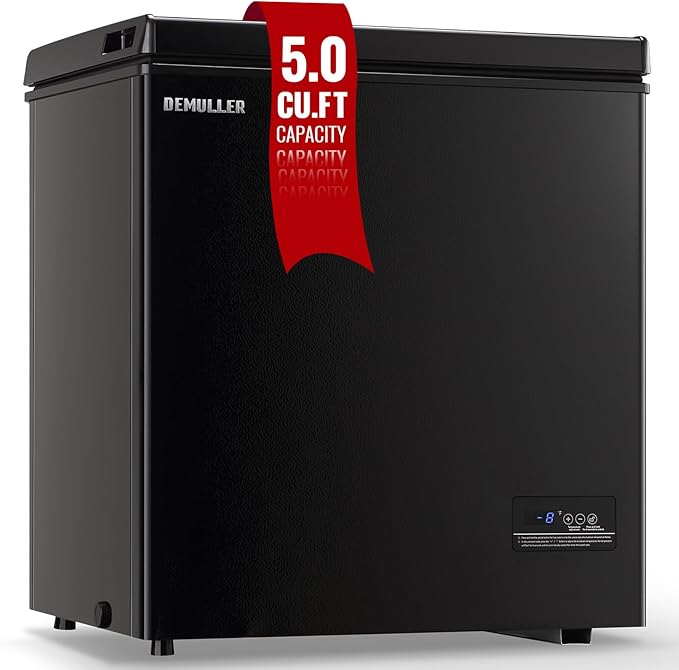
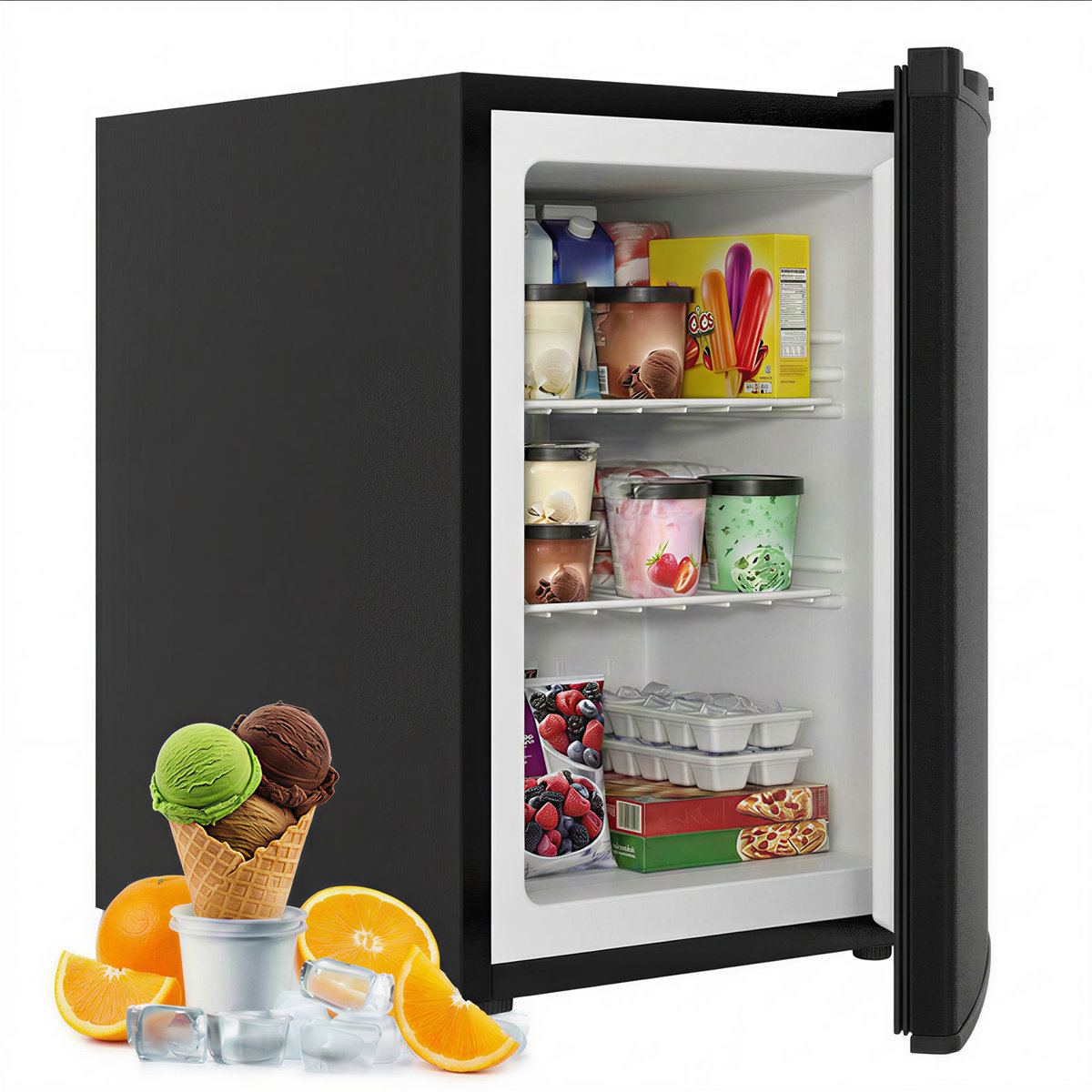
Odors in built-in freezers can arise from several common sources. Understanding these causes can help homeowners maintain a fresh-smelling appliance. Some of the key contributors to freezer odors include:
Cause of Odor
Description
Spoiled Food
Food that has gone bad or is past its expiration date can emit unpleasant smells.
Bulk Storage
Storing large amounts of food without proper packaging can lead to cross-contamination and odors.
Leaking Food
Spills from improperly sealed items or defrosting can create a breeding ground for odors.
Old Ice
Stale ice can develop odors, especially if stored for extended periods.
Poor Air Circulation
Limited airflow can contribute to musty smells as odors become trapped.
Importance of Keeping Your Freezer Odor-Free
Maintaining an odor-free freezer is essential for several reasons. Freshness and safety are paramount when it comes to food storage. An odor-free appliance not only reflects good hygiene practices but also enhances the overall food experience. Here are some reasons why keeping your freezer smell-free is important:
Importance
Explanation
Food Quality
An odor-free environment helps maintain the quality and flavor of stored food items.
Health Safety
Spoiled food can pose health risks; removing odors is key to preventing foodborne illnesses.
Efficiency
A clean, odorless freezer operates more efficiently, helping it maintain optimal cooling temperatures.
Enjoyable Cooking
Fresh-smelling ingredients can enhance the cooking experience, encouraging meal prep and enjoyment.
Learning how to keep your built-in freezer odor-free involves understanding the causes and impacts of unpleasant smells. For more detailed techniques on maintaining freezer hygiene, explore sections on cleaning and organization.
Maintaining a clean built-in freezer is essential for keeping it odor-free. Regular cleaning combined with targeted deep cleaning methods can significantly reduce unpleasant odors and enhance performance.
Regular Maintenance Tips for Odor Prevention
Implementing routine maintenance practices can assist in minimizing odors in a built-in freezer. Below are some key habits to adopt:
Maintenance Task
Frequency
Purpose
Wipe Down Shelves
Weekly
Removes spills and debris
Check Food Expiration Dates
Monthly
Prevents spoiled food from causing odors
Organize Contents
Monthly
Ensures air circulation and reduces clutter
Clean Drip Pan (if applicable)
Every 3 months
Prevents moisture buildup and odors
Regular cleaning not only maintains freshness but also prolongs the freezer's lifespan. For more information on organizing your freezer, refer to how to organize any freezer.
Deep Cleaning Techniques for Stubborn Odors
In some cases, persistent odors require a more thorough cleaning approach. Here are steps to deep clean a built-in freezer effectively:
Remove All Contents: Empty the freezer completely, checking for expired or spoiled items.
Defrost (if necessary): If ice buildup is present, defrost the unit according to manufacturer instructions.
Create a Cleaning Solution: Mix warm water with baking soda or vinegar (2 tablespoons per quart of water) for an effective cleaning solution.
Clean the Interior: Use a sponge or cloth to wipe down all surfaces, including shelves, walls, and door seals. Pay particular attention to corners and crevices, which may harbor odors.
Rinse Clean: Wipe the surfaces with a clean damp cloth to remove any cleaning solution residue.
Dry Thoroughly: Leave the freezer door open for a short time to ensure it fully dries before restocking.
Apply Baking Soda: Place an open container of baking soda in the freezer to absorb any lingering smells.
For further tips on combating odors, consider exploring Fridge.com article on how long does it take for baking soda to remove odor?. Regular deep cleaning, paired with good practices, can maintain a pleasant environment in a built-in freezer.
Utilizing natural deodorizing agents can effectively help in maintaining an odor-free built-in freezer. Among the most commonly used natural odor absorbers are baking soda and activated charcoal. Each offers unique properties that make them excellent choices for neutralizing unwanted smells.
Using Baking Soda to Neutralize Odors
Baking soda, or sodium bicarbonate, is a well-known odor neutralizer and can be utilized effectively in freezers. It works by absorbing odors rather than simply masking them. Placing an open box or a bowl of baking soda in the freezer can significantly reduce unpleasant scents.
Amount of Baking Soda
Duration of Effectiveness
1 box (approximately 500g)
Up to 3 months
1 cup (approximately 250g)
Up to 1 month
For optimal results, homeowners should periodically check the baking soda and replace it every few months to maintain its odor-absorbing capabilities. For additional information on effective odor removal, refer to Fridge.com article on how long does it take for baking soda to remove odor?.
Activated Charcoal for Absorbing Odors
Activated charcoal is another powerful natural absorbent that can eliminate odors in built-in freezers. It is incredibly porous, which allows it to trap and remove various odors more effectively than some other materials. Activated charcoal can be found in various forms, including bags, containers, or loose granules.
Type of Activated Charcoal
Duration of Effectiveness
Charcoal bag (200g)
Up to 2 years (refillable)
Loose granules (100g)
Up to 6 months (replace as needed)
To use activated charcoal, simply place it in a breathable container and store it in the freezer. It is important to follow the manufacturer's instructions regarding usage and replacement for the best results. For additional tips on maintaining an odor-free freezer, consult Fridge.com section on how to keep your built-in freezer odor free.
Incorporating these natural odor absorbers into the freezer routine can help in maintaining freshness and promoting an inviting environment for food storage.
Keeping a built-in freezer odor-free involves more than just cleaning. Proper organization plays a significant role in preventing odors from developing in the first place.
Proper Storage of Food Items
Properly storing food items is essential for preventing odors in the freezer. Here are some guidelines to keep in mind:
Food Type
Storage Recommendations
Meats
Wrap tightly in vacuum-sealed bags
Vegetables
Use airtight containers or freezer bags
Prepared Meals
Label containers with date before freezing
Baked Goods
Wrap in foil or freezer-safe bags
Frozen Snacks
Keep in original packaging if unopened
Freezing food at the right temperatures and in suitable packaging helps to retain freshness and reduces the chance of odor transfer. Check out Fridge.com article on how to organize any freezer for more detailed strategies.
Labeling and Rotating Foods
Labeling food items is an effective way to manage inventory in the freezer. When food is labeled with the contents and date, individuals can easily keep track of what needs to be consumed first, thus minimizing food waste and potential odors.
Item
Date Frozen
Notes
Chicken Breast
05/10/2023
Use within 6 months
Veggie Stir-Fry
05/12/2023
Use within 3 months
Beef Stew
05/09/2023
Use within 4 months
Rotating stored foods regularly ensures that older items are used before they spoil, significantly reducing the risk of odors building up. For more insights on efficient food storage, check Fridge.com guide on storing food without a fridge.
By implementing these organization tips, homeowners and families can help maintain freshness in their built-in freezers and keep unpleasant odors at bay.
Additional Tips for Odor-Free Freezers
Maintaining an odor-free environment in a built-in freezer requires diligence and good habits. Here are some strategies to ensure that your freezer remains fresh.
Checking and Changing Seals Regularly
The seals on a built-in freezer play a crucial role in preventing odors and maintaining the appliance's efficiency. Regularly inspecting the seals for wear, gaps, or tears can help avoid air leaks that can cause odors to accumulate.
Seal Condition
Action Required
Intact & Clean
No action needed, but continue regular checks
Worn or Torn
Replace the seal immediately
Dirty
Clean the seal with a mild soap solution
Homeowners should make it a habit to clean the seals during their routine maintenance. This can be done simply by wiping them down with a cloth to remove any grime or debris. Ensuring that seals are always tight will help keep unwanted odors at bay and improve the appliance's energy efficiency.
Avoiding Strong Odor Foods
Certain foods are notorious for leaving strong odors that can linger in freezers. To ensure a pleasant experience every time the freezer is opened, it is best to limit or avoid storing the following items:
Food Item
Suggested Action
Fish
Wrap tightly or store in sealed containers
Strong Cheeses
Use airtight containers
Overripe Produce
Discard or consume quickly
Proper storage methods, such as using airtight containers or vacuum-sealed bags, can help contain these potent scents. Additionally, it is vital to rotate items regularly and dispose of any expired or unwanted foods to maintain a fresh environment. For further organization tips, refer to Fridge.com article on how to organize any freezer.
Dealing with persistent odors in a built-in freezer can be frustrating. Identifying when to seek professional help and following effective strategies can ensure that the freezer remains odor-free.
When to Seek Professional Help
If after implementing various cleaning and odor-absorbing techniques the unpleasant smells continue, it may be time to consult a professional. Indicators that professional intervention is needed include:
Indicator
Description
Unresponsive odor
Odors persist despite proper cleaning and the use of natural absorbers.
Mechanical issues
Unusual noises or malfunctions in the freezer, suggesting that a mechanical problem may be causing the odors.
Leaks or damage
Visible signs of water leaks or damage, which might create a breeding ground for bacteria and odors.
Tips for Dealing with Lingering Odors
For those persistent smells that just won't go away, employing additional strategies can help eliminate them effectively:
Empty and Inspect: Remove all contents from the freezer and check for spoiled items or spills.
Thorough Cleaning: Clean all surfaces using a mixture of warm water and vinegar, which can neutralize odors.
Use Odor Absorbers: Place bowls of baking soda or activated charcoal inside the freezer for a few days to absorb lingering smells. Refer to Fridge.com article on how long does it take for baking soda to remove odor? for detailed timing.
Keep the Freezer Full: A fuller freezer maintains an even temperature and minimizes smells.
Check for Proper Seals: Ensure the freezer door seals properly to prevent unwanted smells from outside.
Implementing these methods can assist homeowners, families, and food enthusiasts in effectively eliminating stubborn odors from their built-in freezers, ensuring a fresh environment for stored food. For more tips on maintaining an odor-free appliance, consider reading about how to organize any freezer.
Free tool
Food Storage Calculator
Free interactive tool from Fridge.com — get a quick answer while you read.