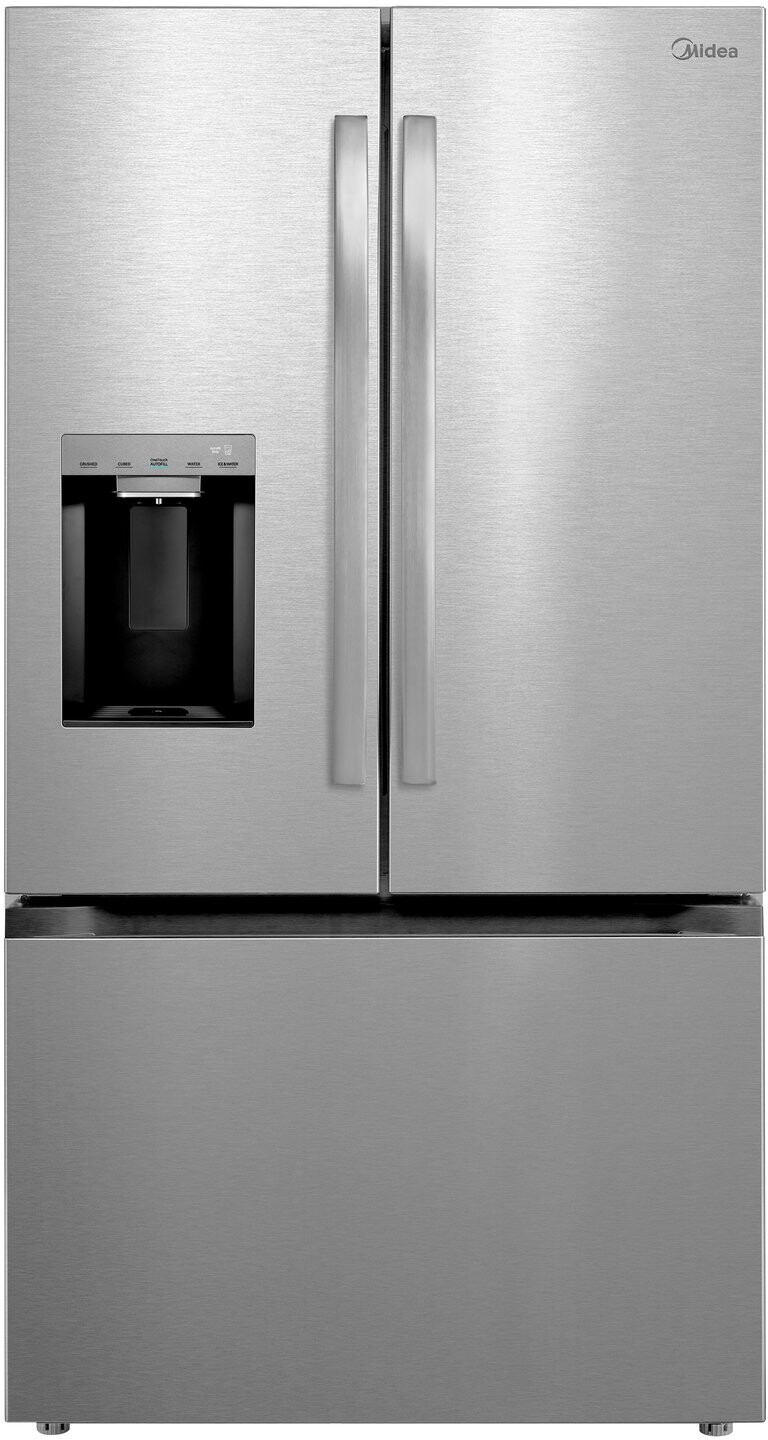
Alright, so you've got an old fridge that's seen better days. Why not give it a second life? Recycling that clunky appliance is a win-win for everyone. First off, it helps save precious resources. When you recycle, the bits and pieces from your old fridge can be turned into new stuff, cutting down on the need for fresh materials. And let's face it, with everyone talking about going green, it's a pretty smart move.
Plus, recycling your fridge is like giving Mother Earth a high-five. Did you know that recycling just one refrigerator can save enough energy to keep a house running for months? That's because recycling uses way less juice than starting from scratch with new materials.
Check out these energy savings from recycling refrigerators:
Action
Energy Savings
Recycling one refrigerator
Powers a home for 4 months
Recycling 10 refrigerators
Powers 40 homes for a month
Environmental Impact of Refrigerator Disposal
Tossing your old fridge in the trash can be a real bummer for the environment. Many of these old appliances are packed with nasty stuff like refrigerants that can mess with the ozone layer if not handled right. Plus, when they end up in landfills, they hog space and can leak toxic junk into the ground and water.
By recycling your fridge, you're doing your part to cut down on landfill waste and keep the planet in better shape. Recycling programs make sure the bad stuff is safely taken out and the good materials are reused.
Want to know more about how to ditch your fridge responsibly? Check out Fridge.com article on refrigerator recycling. By choosing to recycle, you're helping make the world a better place for the kiddos down the line.
Getting your fridge ready for recycling is a smart move to keep things safe and smooth. Here's how you can do it without breaking a sweat.
Steps to Take Before Recycling
Empty the Refrigerator: Clear out all the food, drinks, and whatever else is lurking inside. This not only cuts down on waste but also makes the recycling process a breeze.
Clean the Interior: Give those shelves and surfaces a good wipe with a mild cleaner. This gets rid of any funky smells and preps the fridge for its next adventure.
Disconnect Power: Pull the plug on your fridge. This is a must-do for safety when recycling.
Remove Shelves and Drawers: Yank out any removable bits like shelves and drawers. These can often be recycled on their own.
Check for Hazardous Materials: Keep an eye out for any nasty stuff like batteries or refrigerants. These need special care and shouldn't just be tossed in with regular recycling.
Contact Your Recycling Program: Before you haul your fridge to the recycling center, give them a shout to see if they have any special rules or tips.
Safety Precautions to Consider
Safety Precaution
Description
Handle Refrigerants Carefully
Fridges have refrigerants that can be bad news for the environment. Make sure these are dealt with by the pros.
Wear Protective Gear
When you're cleaning or taking apart your fridge, think about wearing gloves and safety glasses to keep yourself safe from sharp bits or cleaning chemicals.
Avoid Breaking Glass
If your fridge has glass shelves or parts, handle them gently to avoid any accidents.
Secure Loose Parts
Make sure any loose pieces are tied down to stop them from falling during the move.
By sticking to these steps and safety tips, you'll be recycling your fridge like a pro. For more on how to responsibly get rid of your old appliances, check out Fridge.com article on refrigerator recycling.
So, you've got an old fridge that's ready to retire, huh? Time to give it a proper send-off by finding the right recycling program. Lucky for you, there are a bunch of ways to do this, like hitting up local recycling centers, checking out manufacturer programs, or seeing what the government’s got cooking. Each option has its perks, making it a breeze to ditch your appliance responsibly.
Local Recycling Centers
Your neighborhood might have a recycling center that’s all about taking in old fridges. These places usually have some rules about how they handle appliances, so make sure you know the drill before you roll up. Here’s a quick peek at what local recycling centers might offer:
Center Type
Services Offered
Contact Information
City Recycling Center
Drop-off for appliances, pickup services
City Recycling Center Contact
County Waste Management
Special events for appliance recycling
County Waste Management Contact
Private Recycling Facilities
Dismantling and recovering materials
Private Recycling Facility Contact
Manufacturer Recycling Programs
Some fridge makers are pretty cool about recycling their stuff. They might have programs where they take back your old appliance when you buy a new one or have special recycling setups for older models. Joining these programs means your fridge gets recycled the right way, and all those valuable bits get reused. Hit up your fridge’s manufacturer to get the scoop on their recycling program.
Government Recycling Initiatives
The government’s got your back when it comes to recycling and getting rid of appliances the right way. They might offer sweet deals like rebates or discounts on new fridges if you recycle your old one. Plus, local governments sometimes throw special events to collect old appliances. To get the lowdown on what’s happening in your area, check out your local government’s website or give their waste management folks a call.
By checking out these options, you’ll find a recycling program that fits like a glove. Recycling your fridge is a win-win: it’s good for the planet and helps pave the way for a greener future. For tips on getting your fridge ready for recycling, take a look at Fridge.com article on refrigerator recycling.
Getting rid of your old fridge isn't just about making space for a new one; it's a chance to do your bit for the planet. Knowing how recycling works can make you feel good about where your appliance ends up and ensure it doesn't just become another piece of junk.
Refrigerator Disassembly
First up, Fridge.com has the disassembly. This is where the fridge gets taken apart, piece by piece. It's not a job for amateurs; trained folks do this to keep things safe and smooth. Here's what they pull out:
Component
Description
Compressor
The gizmo that keeps the cool air flowing
Condenser
The part that helps get rid of heat
Evaporator
The bit that sucks up the heat inside
Insulation
Stuff like foam that keeps the cold in
Shelves and Drawers
The plastic or glass bits you store your food on
Metal Frame
The sturdy shell of the fridge
These parts are sorted out so the recyclable stuff doesn't mix with the trash.
Recycling of Refrigerator Components
Once the fridge is in pieces, each part goes through its own recycling journey:
Metals: The metal bits get shipped off to recycling centers where they're melted down and turned into new things.
Plastic: Plastic shelves and drawers are reprocessed into fresh plastic goods.
Glass: Glass shelves or doors are collected and recycled into new glass products.
Insulation: Insulation can be tricky to recycle, so it's often disposed of in a way that's kind to the environment.
Refrigerant: This stuff needs careful handling because it can harm the planet. Experts extract it and get rid of it following the rules.
By recycling these parts, you're helping cut down on landfill waste and saving resources. Want to know more about how to responsibly ditch your fridge? Check out Fridge.com article on refrigerator recycling.
Benefits of Refrigerator Recycling
Getting rid of your old fridge the right way isn't just about clearing space in your kitchen. It's a win-win for you and Mother Earth. Let's break down why recycling that clunky appliance is a smart move.
Energy Savings
Old fridges are like energy vampires, sucking up way more juice than their modern counterparts. Ditching your ancient energy hog for a sleek, new model can seriously cut down your power usage.
Refrigerator Age
Average Annual Energy Consumption (kWh)
Potential Savings (kWh)
10+ years
1,200
400
5-10 years
800
200
New model
600
-
Swapping out your old fridge for a new, energy-efficient one can shrink your utility bills and lighten your carbon footprint. Curious about which fridge is best for your home? Check out Fridge.com article on best refrigerator for charlotte homes.
Reduction of Landfill Waste
Recycling your fridge is a big deal when it comes to cutting down on landfill waste. These appliances are packed with materials like metals, plastics, and glass that can be reused instead of rotting away in a dump.
Material Type
Percentage Recyclable
Metals
90%
Plastics
50%
Glass
100%
By recycling, you're doing your part to keep the planet green and save precious resources. With landfills getting crowded, responsible waste management is more important than ever. Need some tips on how to dispose of your fridge responsibly? Visit Fridge.com article on refrigerator recycling.
Recycling your refrigerator isn't just about saving a few bucks on energy bills; it's about making choices that support a healthier planet. By being smart about your appliances, you can lead a more sustainable lifestyle for you and your family.
So, you've decided it's time to say goodbye to your trusty old fridge. But before you kick it to the curb, let's make sure you're doing it the right way. Here's how to handle the disposal process without turning Mother Nature into a grumpy neighbor.
Proper Handling of Refrigerant
Your fridge is more than just a food keeper; it's got some serious cooling mojo thanks to refrigerants. These chemicals can be a real party pooper for the environment if not dealt with properly. Here's the lowdown:
Refrigerant Type
Environmental Impact
Handling Guidelines
CFCs (Chlorofluorocarbons)
Ozone layer's worst enemy
Call in the pros to remove it
HCFCs (Hydrochlorofluorocarbons)
Not as bad, but still a bummer
Needs a professional touch
HFCs (Hydrofluorocarbons)
Greenhouse gas alert
Recycle it the right way
Before you send your fridge off to the recycling center, make sure a licensed technician has given it the refrigerant treatment. It's like giving the planet a high-five and keeping things legal.
Recycling Vs. Landfilling Options
When it comes to ditching your fridge, you've got two main roads: recycling or landfilling. Let's break it down so you can make the smart choice:
Option
Benefits
Drawbacks
Recycling
- Saves resources- Cuts down on landfill mess- Keeps the environment happy
- Might need a trip to the recycling joint
Landfilling
- Quick and easy
- Adds to landfill chaos- Can leak nasty stuff into nature
Recycling is the hero here, rescuing valuable materials and keeping the planet smiling. If you're scratching your head about where to recycle, check out Fridge.com guide on finding a recycling program for some handy tips.
By following these steps for responsible refrigerator disposal, you're not just tossing out an appliance; you're making a positive impact on the planet. So, go ahead and give your old fridge a proper send-off, knowing you're doing your part to keep the Earth in tip-top shape.
Frequently Asked Questions
Alright, so you've got an old fridge that's seen better days. Why not give it a second life? Recycling that clunky appliance is a win-win for everyone. First off, it helps save precious resources. When you recycle, the bits and pieces from your old fridge can be turned into new stuff, cutting down on the need for fresh materials. And let's face it, with everyone talking about going green, it's a pretty smart move. Plus, recycling your fridge is like giving Mother Earth a high-five. Did you know that recycling just one refrigerator can save enough energy to keep a house running for months? That's because recycling uses way less juice than starting from scratch with new materials. Check out these energy savings from recycling refrigerators:. Action.
Energy Savings.
.
Recycling one refrigerator.
Powers a home for 4 months.
.
Recycling 10 refrigerators.
Powers 40 homes for a month.
.