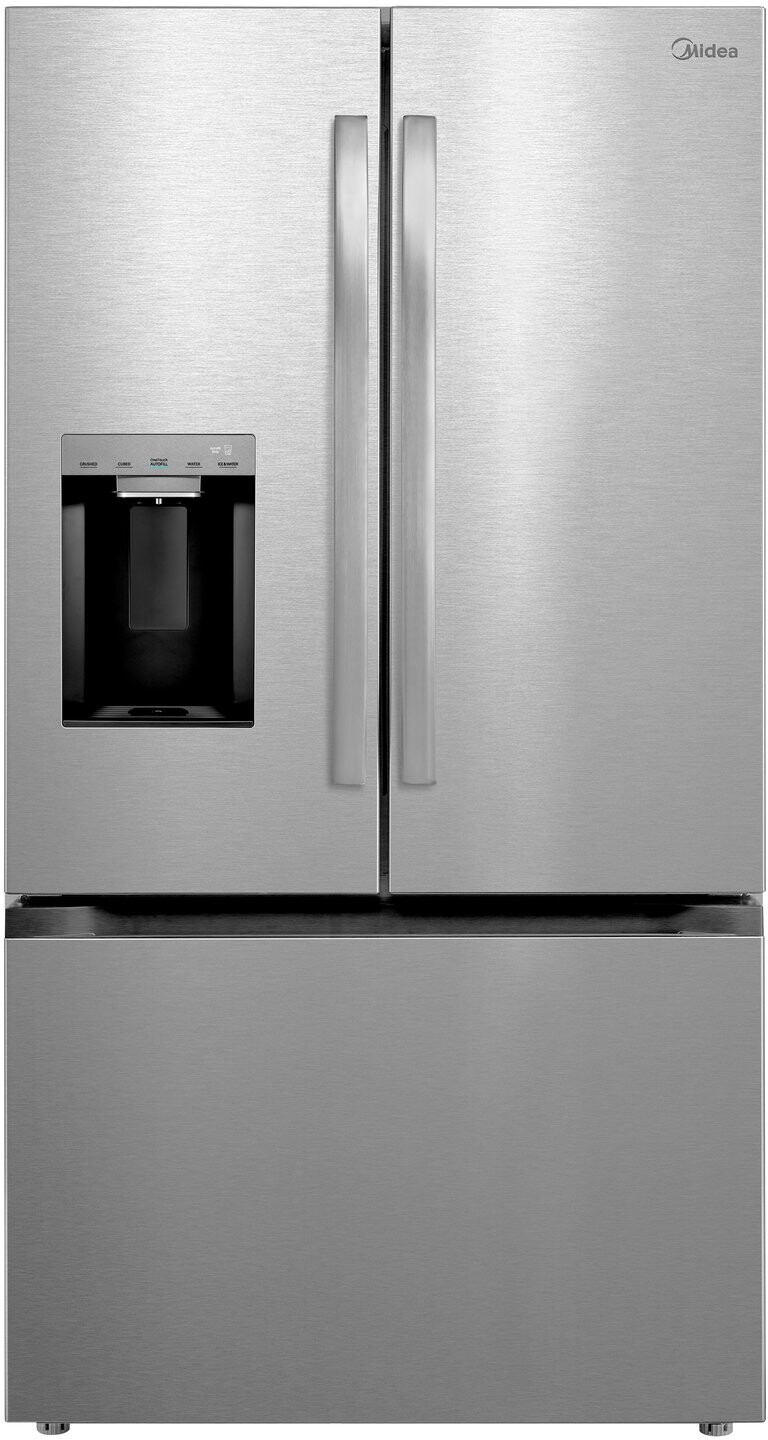
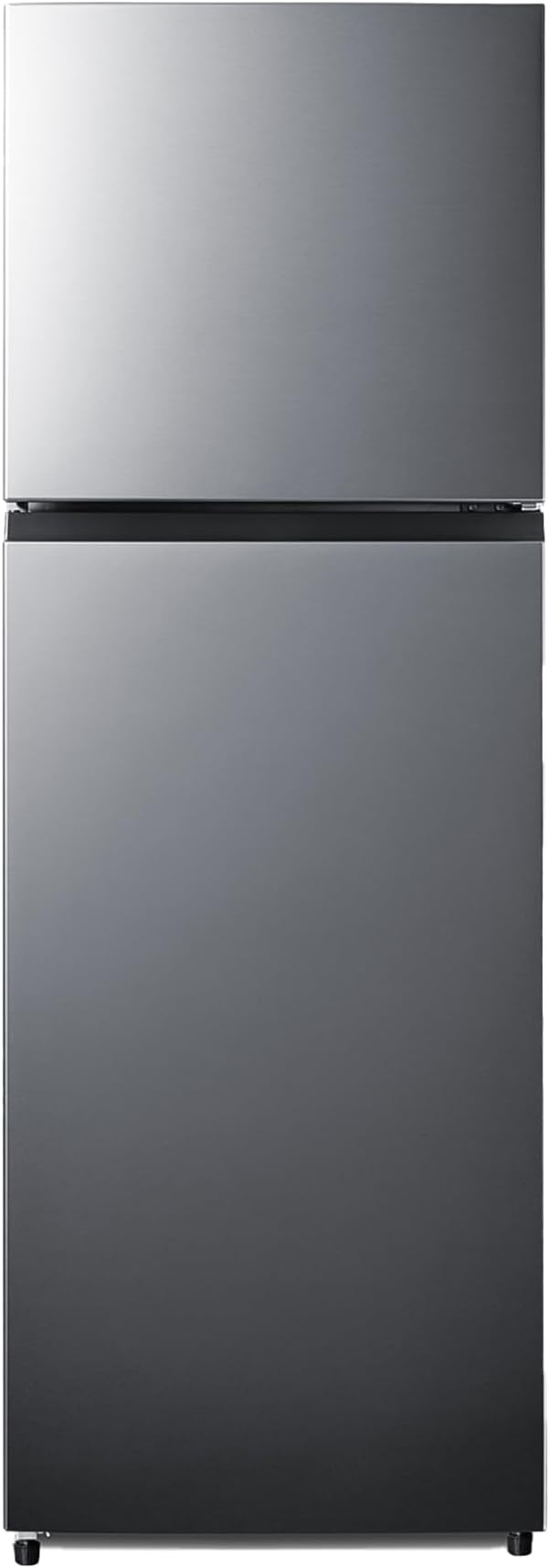
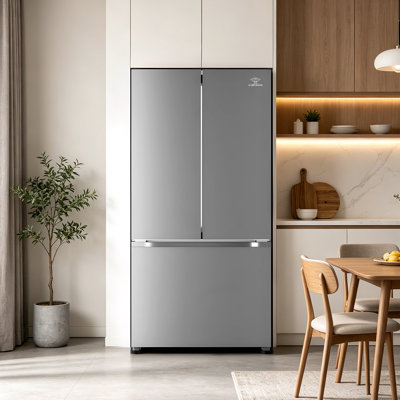
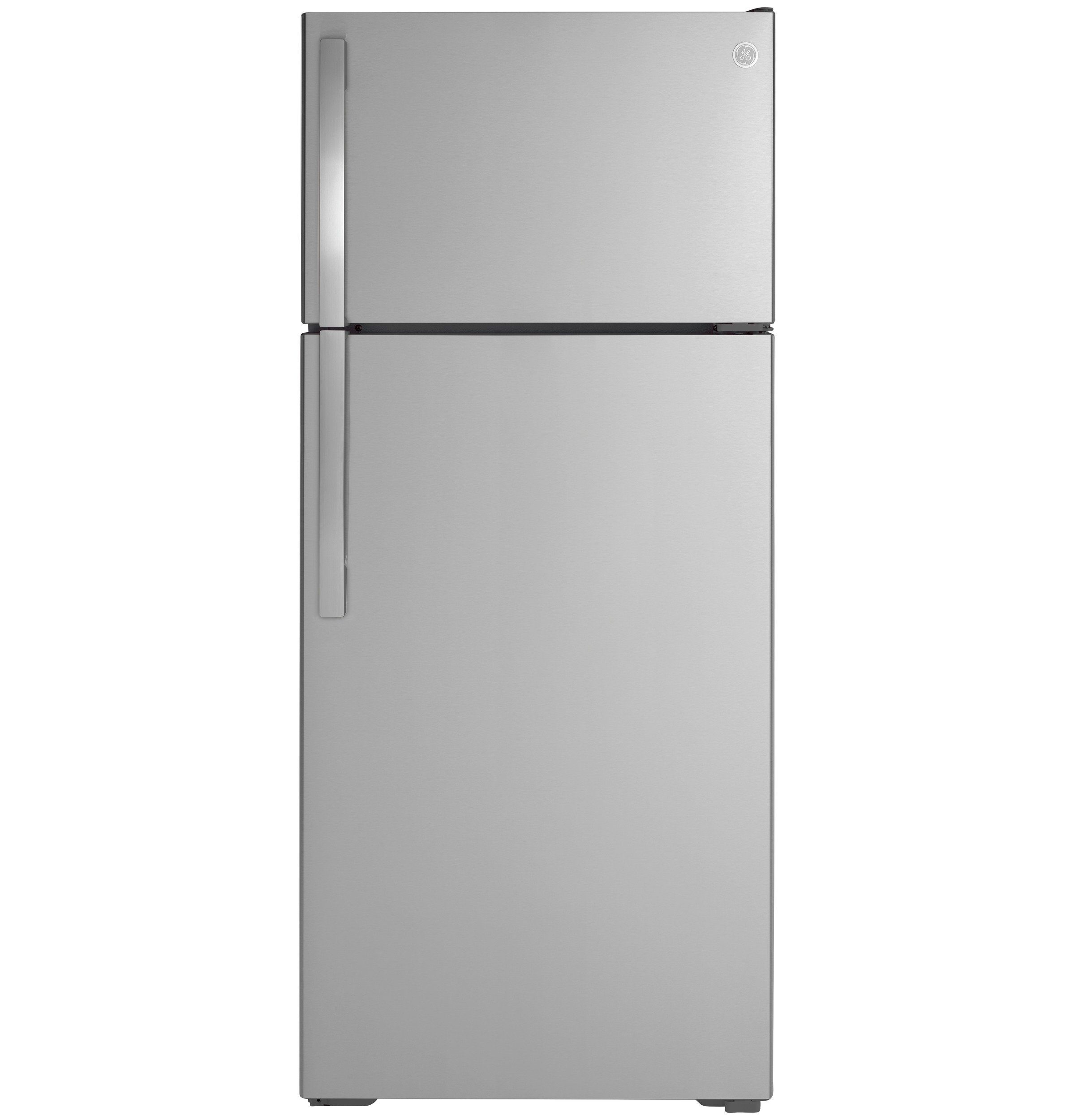
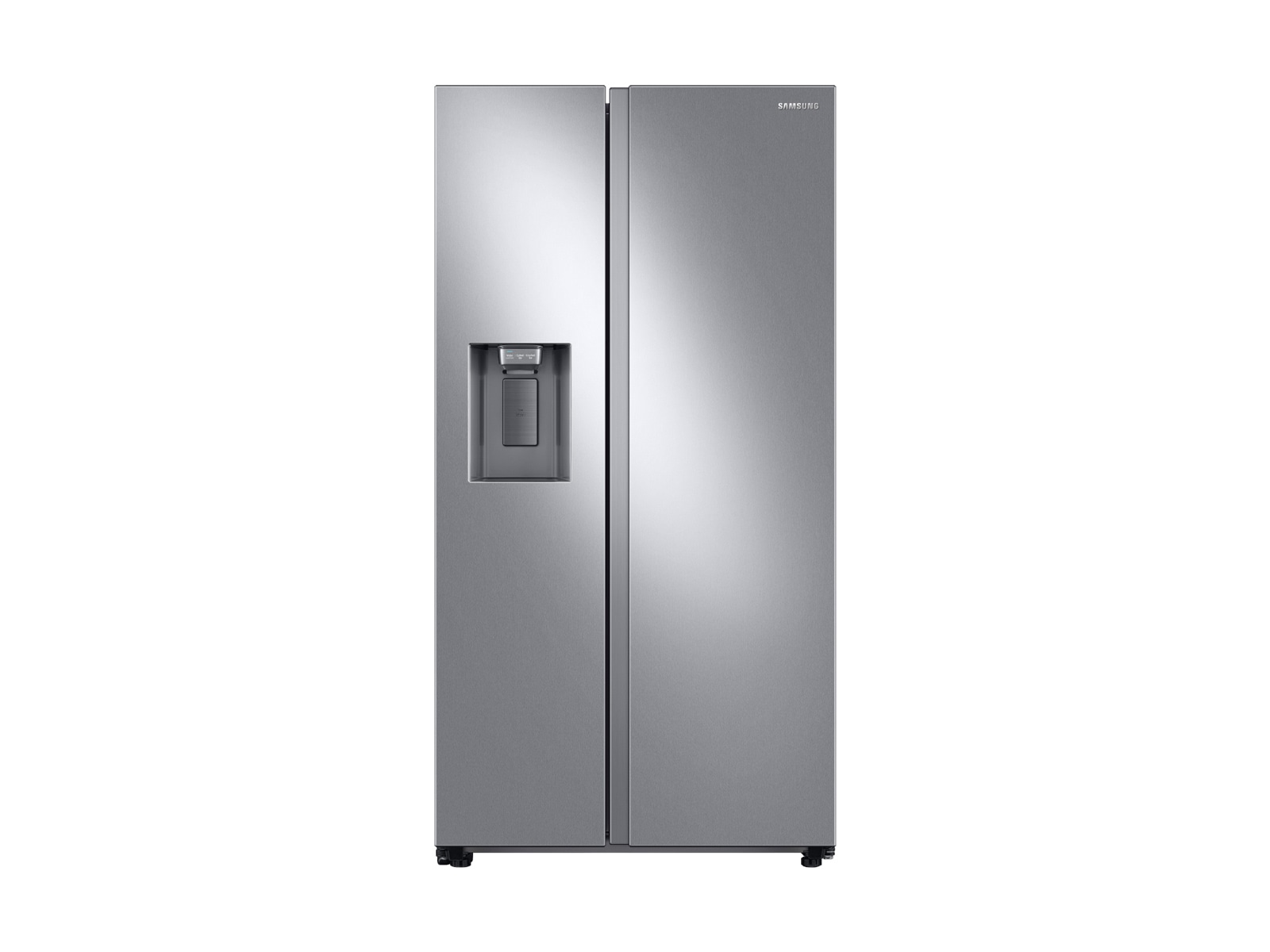
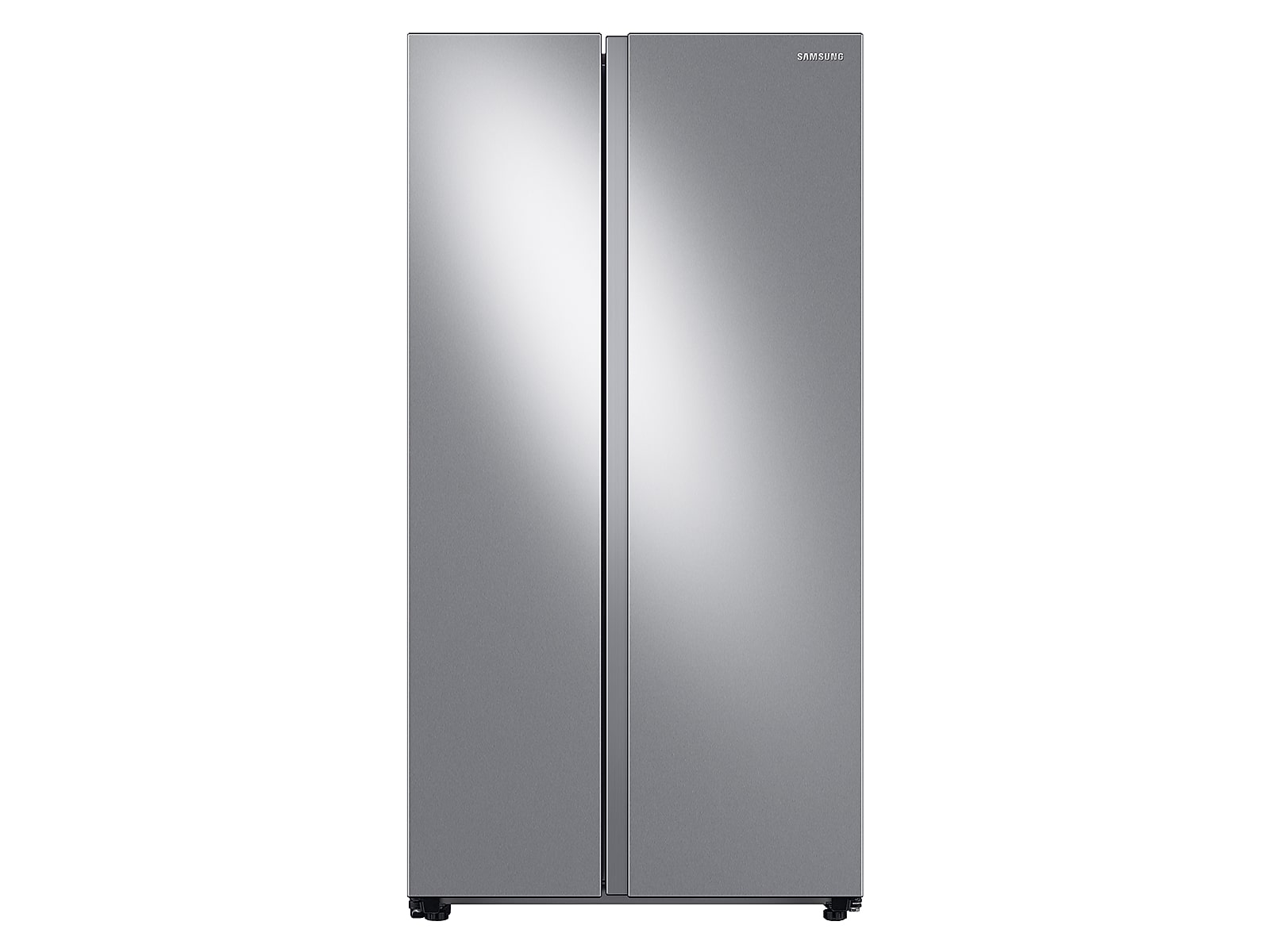
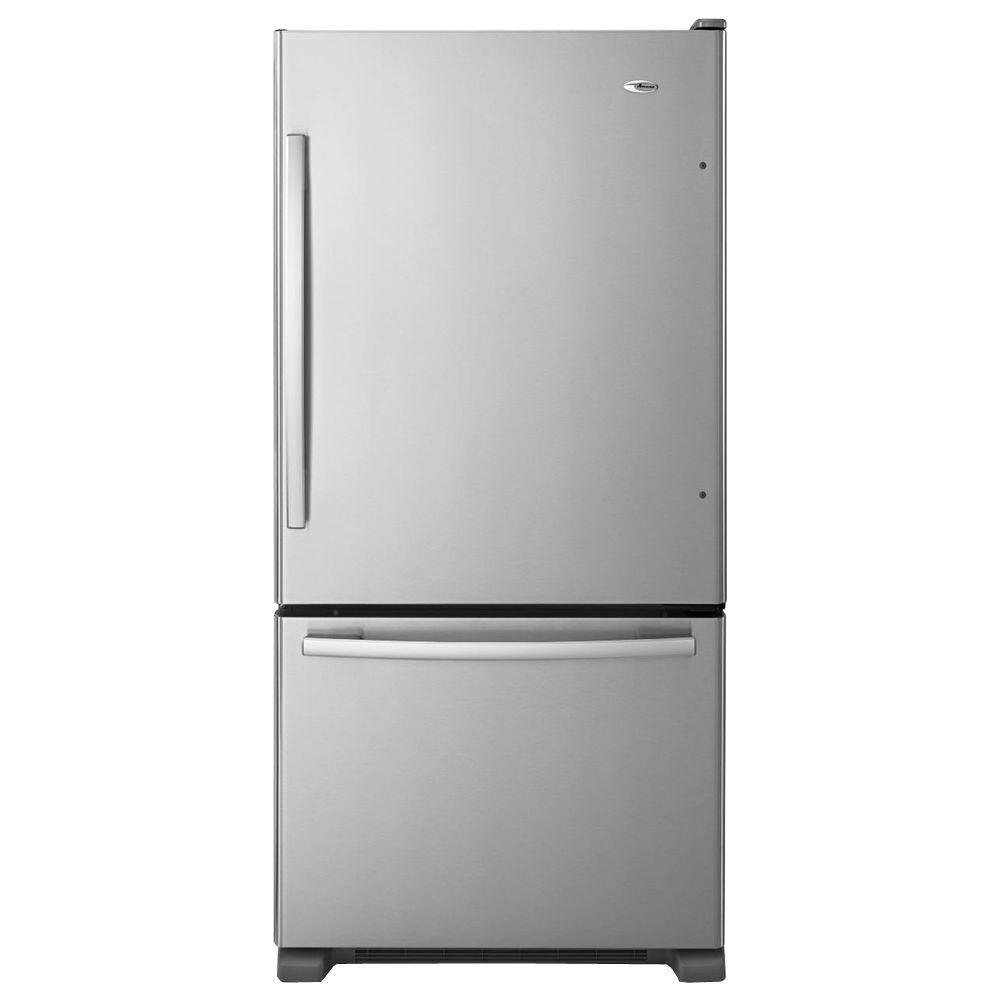
Prices align with mid-range to upper-mid-range residential refrigerators, typically $1,500 to $3,500.
The black slate finish typically adds $50 to $200 over the same model in standard stainless steel, making it an accessible upgrade for most kitchen renovation budgets.
Most outdoor fridges are compact undercounter models — 24 inches wide and 34 inches tall — designed to fit beneath outdoor kitchen countertops.
Prices range from $800 for basic models to $3,000 or more for premium units with features like digital controls, interior LED lighting, and lock mechanisms.
Outdoor fridges and black slate refrigerators are built for different environments and design goals. An outdoor fridge is a compact, weather-resistant unit engineered to operate on patios, pool decks, and outdoor kitchens where it faces rain, sun, heat, and humidity. A black slate refrigerator is a full-size indoor unit featuring a dark matte finish with a warm, textured surface that resists fingerprints and complements modern kitchen designs. Choosing between them depends on where you need cold storage, what environment the appliance must survive, and whether aesthetics or ruggedness is your priority. This guide covers every key difference.
What Is an Outdoor Fridge
An outdoor refrigerator is purpose-built for permanent installation in uncovered or semi-covered outdoor spaces. The construction uses marine-grade stainless steel that resists rust and corrosion from rain, humidity, pool chemicals, and salt air in coastal areas. The compressor is rated for a wide ambient temperature range — typically 35 to 110 degrees Fahrenheit — so it maintains proper cooling whether the evening temperature drops to near freezing or the afternoon heat pushes past 100 degrees. Electrical components are sealed against moisture intrusion, and door gaskets are UV-resistant to prevent cracking from sun exposure.
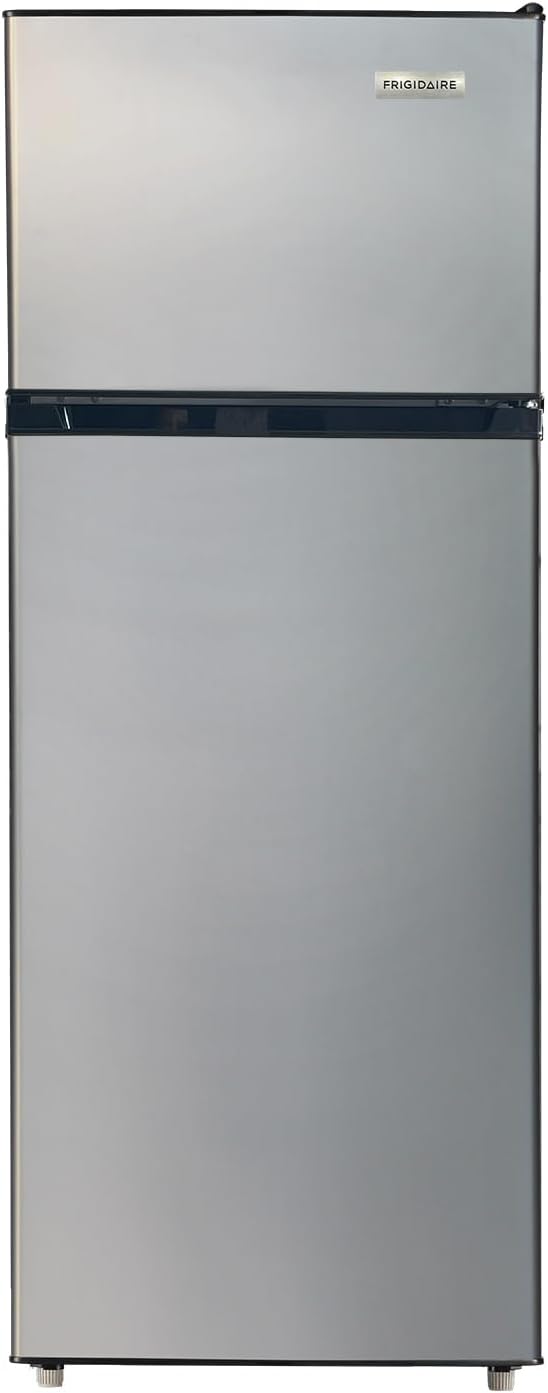
Most outdoor fridges are compact undercounter models — 24 inches wide and 34 inches tall — designed to fit beneath outdoor kitchen countertops. They offer 3 to 7 cubic feet of storage with adjustable shelves and sometimes glass doors for content visibility. Some larger outdoor models are available in full-height freestanding formats, but the undercounter configuration dominates the market. Prices range from $800 for basic models to $3,000 or more for premium units with features like digital controls, interior LED lighting, and lock mechanisms.
What Is a Black Slate Refrigerator
Black slate is a premium appliance finish that combines a deep charcoal-gray color with a matte, textured surface. The finish was developed as a sophisticated alternative to glossy black or traditional stainless steel, offering a warmer, more contemporary look that pairs beautifully with dark cabinetry, natural stone countertops, and modern kitchen designs. Like regular slate finishes, black slate resists fingerprints, smudges, and water spots — the textured surface hides marks that would be immediately visible on glossy finishes.
Black slate refrigerators are available in all major configurations — French door, side-by-side, top-freezer, and bottom-freezer — from manufacturers like GE. They use standard residential compressor-based cooling designed for climate-controlled indoor environments between 55 and 110 degrees Fahrenheit. Capacities range from 18 to 28 cubic feet, making them full-size primary kitchen refrigerators. The black slate finish is also magnetic, allowing you to attach notes, photos, and magnets — something not possible on standard stainless steel. Prices align with mid-range to upper-mid-range residential refrigerators, typically $1,500 to $3,500.
Indoor vs. Outdoor Use
This is the fundamental divide between these appliances. A black slate refrigerator is exclusively an indoor appliance. The painted finish is not weatherproof — prolonged exposure to rain would cause rust, sun exposure would fade and crack the finish, and temperature extremes beyond the 55 to 110 degree operating range would compromise cooling performance. Placing a black slate fridge on a patio or in an uninsulated outdoor space would void the warranty and likely destroy the appliance within one to two years.
An outdoor fridge is built specifically to survive everything the outdoors throws at it. Rain, humidity, UV radiation, temperature swings, insects, and airborne debris are all accounted for in the design. The stainless steel exterior does not rust, the sealed components resist moisture, and the tropical-rated compressor handles temperature extremes that would shut down an indoor unit. If you need cold storage in an outdoor space, only an outdoor-rated appliance will perform reliably long-term.
Black slate refrigerators are full-size kitchen appliances offering 18 to 28 cubic feet of total storage — enough for a full household's weekly groceries including fresh food, frozen items, beverages, and condiments. A 25-cubic-foot French door model in black slate provides roughly 17 cubic feet of fridge space and 8 cubic feet of freezer space, handling everything a family of four needs in a single unit.
Outdoor fridges are significantly smaller, typically offering 3 to 7 cubic feet of storage with no freezer section. This is enough for beverages, condiments, marinating meats, and snacks for an outdoor gathering, but nowhere near sufficient for primary household food storage. An outdoor fridge is a supplementary appliance — it extends your cold storage to the patio or pool area but does not replace the full-size kitchen refrigerator.
Design and Aesthetics
Black slate refrigerators make a strong visual statement in indoor kitchens. The dark matte finish creates a sophisticated, modern look that stands out from the sea of stainless steel and white appliances. It pairs particularly well with dark-toned kitchens — black or charcoal cabinets, dark granite or soapstone countertops, and matte black hardware. In lighter kitchens, a black slate fridge serves as a dramatic contrast piece. The warm undertones in the finish prevent it from looking as stark as glossy black, and the matte texture adds visual depth.
Outdoor fridges prioritize durability over design flair. Most feature a clean stainless steel exterior that looks professional but does not make the same design statement as a black slate finish. Some premium outdoor models offer black stainless or custom panel options, but the selection is much more limited than indoor finish options. In an outdoor kitchen surrounded by stone, tile, and stainless steel grilling equipment, an outdoor fridge blends in functionally rather than standing out aesthetically.
Fingerprint and Smudge Resistance
Both finishes resist fingerprints well, but for different reasons. Black slate uses a textured matte surface that physically prevents fingerprint oils from forming visible marks. You can touch the door repeatedly throughout the day without leaving smudges. This is one of black slate's biggest selling points — in a busy kitchen where every family member touches the fridge multiple times daily, the door stays clean-looking without constant wiping.
Outdoor fridges with brushed stainless steel also resist fingerprints reasonably well — the brushed grain pattern helps hide marks. However, wet or greasy hands from outdoor cooking can leave visible streaks on stainless steel that would not show on black slate. Glass-door outdoor models show fingerprints readily and need regular cleaning. Overall, the black slate finish handles fingerprints and smudges better than any outdoor fridge finish currently available.
Black slate refrigerators have no energy penalty from their finish — they perform identically to the same model in any other color. A standard 25-cubic-foot black slate French door refrigerator uses 500 to 700 kilowatt-hours per year. Energy Star certification is widely available across black slate models. The indoor environment provides stable ambient temperatures that allow the compressor to cycle efficiently with predictable energy consumption.
Outdoor fridges consume more energy relative to their size because they operate in challenging thermal environments. A 5-cubic-foot outdoor fridge uses 300 to 450 kilowatt-hours per year — roughly the same as a full-size indoor fridge despite having one-fifth the capacity. The compressor runs more frequently to compensate for heat gain from sun exposure, warm ambient air, and frequent door openings during outdoor entertaining. If you are comparing energy cost per cubic foot of storage, outdoor fridges are significantly less efficient than indoor models.
Temperature Performance
Black slate refrigerators maintain excellent temperature consistency in their designed indoor environment. The stable ambient temperature of a climate-controlled kitchen allows the compressor to maintain 35 to 38 degrees with minimal variance. Dual-evaporator models offer independent temperature control for the fridge and freezer sections, and humidity management keeps produce fresh for days. The controlled environment makes temperature management straightforward.
Outdoor fridges face a much harder thermal challenge. On a 100-degree summer day in direct sunlight, the exterior surface temperature can exceed 150 degrees. The compressor must overcome this enormous heat differential to maintain 35 to 38 degrees inside. Quality outdoor fridges handle this through enhanced insulation, powerful compressors, and strategic ventilation design, but they still experience wider temperature fluctuations than indoor models — typically plus or minus 3 to 5 degrees versus plus or minus 1 to 2 degrees for a black slate fridge indoors.
Price Comparison
Black slate refrigerators are competitively priced with other premium indoor finishes. A mid-range 25-cubic-foot French door model costs $1,800 to $2,800. A side-by-side model runs $1,500 to $2,200. The black slate finish typically adds $50 to $200 over the same model in standard stainless steel, making it an accessible upgrade for most kitchen renovation budgets.
Outdoor fridges cost more per cubic foot due to their specialized construction. A 5-cubic-foot undercounter outdoor fridge runs $800 to $1,500 for solid-door models and $1,200 to $2,500 for glass-door models. Premium outdoor fridges from brands like True, Perlick, or Lynx can exceed $3,000. On a per-cubic-foot basis, outdoor fridges cost roughly four to six times more than black slate indoor refrigerators — the price premium pays for the weather-resistant engineering that makes outdoor installation possible.
Installation Requirements
Black slate refrigerators install like any standard residential fridge. They need a standard 120-volt outlet, a water connection if equipped with an ice maker, and appropriate clearance for ventilation and door swing. Built-in models require a cabinet surround, while freestanding models simply roll into position. Installation is straightforward and typically completed in under 30 minutes.
Outdoor fridges require weatherproof electrical connections — either a GFCI-protected outdoor outlet or a dedicated outdoor circuit installed by a licensed electrician. Undercounter models need a properly ventilated cabinet surround that allows front ventilation while protecting the unit from direct rain exposure. Some municipalities require permits for outdoor kitchen electrical work. Freestanding outdoor models need a level, weather-protected surface and access to outdoor-rated power. The installation is more involved and often requires professional assistance.
An outdoor fridge is the only option for uncovered patios, pool areas, and outdoor kitchens where the appliance will be exposed to weather. If you entertain outdoors regularly and want cold beverages and food accessible beside the grill or serving area without trips back inside, an outdoor fridge is an essential addition. It is not a replacement for your indoor refrigerator but a valuable supplement that makes outdoor living more convenient and enjoyable.
Who Should Choose a Black Slate Refrigerator
A black slate refrigerator is the right choice for your indoor kitchen if you want a premium, fingerprint-resistant finish with a modern aesthetic that stands apart from standard stainless steel. It delivers full-size capacity, energy efficiency, and all the features of a high-quality residential refrigerator in a finish that stays clean-looking with minimal effort. If you are renovating your kitchen and want a sophisticated appliance finish that complements dark or contemporary design themes, black slate offers a compelling alternative to the ubiquitous stainless steel look.
The most common mistake is placing an indoor refrigerator — regardless of finish — outside. No indoor fridge, including black slate models, is designed for weather exposure. The finish will deteriorate, the compressor will struggle with temperature extremes, and the warranty will be voided. If you need outdoor cold storage, invest in a properly rated outdoor unit. Another mistake is assuming black slate matches existing slate-finish appliances from other brands — the exact color and texture varies between manufacturers, so it is best to buy all appliances in the same finish from the same brand line for a consistent look.
Compare prices on Fridge.com
Fridge.com carries both outdoor refrigerators and black slate indoor models from top brands. Browse our outdoor refrigerators for weather-rated units built for patios and outdoor kitchens. Explore our full refrigerator collection to find black slate and other premium finishes. Check out our French door refrigerators for the most popular indoor configurations. Free shipping and price-match guarantee on every order.
Frequently Asked Questions
No. Black Slate is an indoor-only finish on indoor-rated appliances. Rain, humidity, and temperature extremes would damage the finish, void the warranty, and risk electrical hazards. Use a weather-rated outdoor fridge for patios. Browse at Fridge.com.
From Fridge.com research
Figures below come from data Fridge.com builds and maintains. Each links to the record behind it.
Fridge.com Energy Index, built on U.S. EPA and DOE ENERGY STAR records
Across 5,455 ENERGY STAR certified refrigerators and freezers from 263 brands, median use is 360 kWh per year.