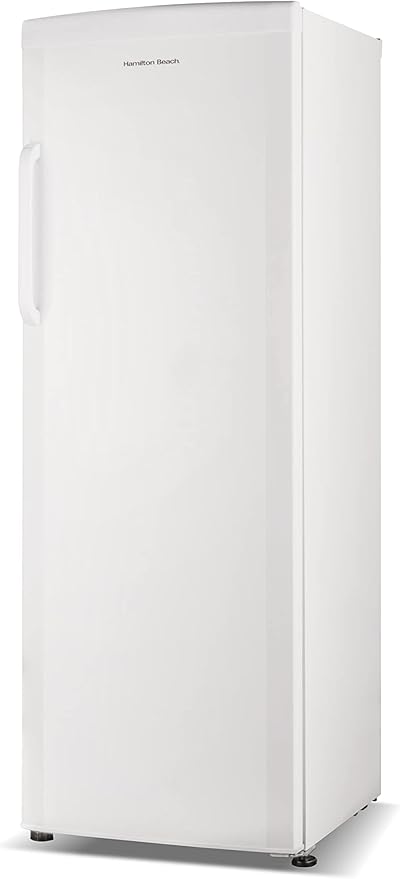
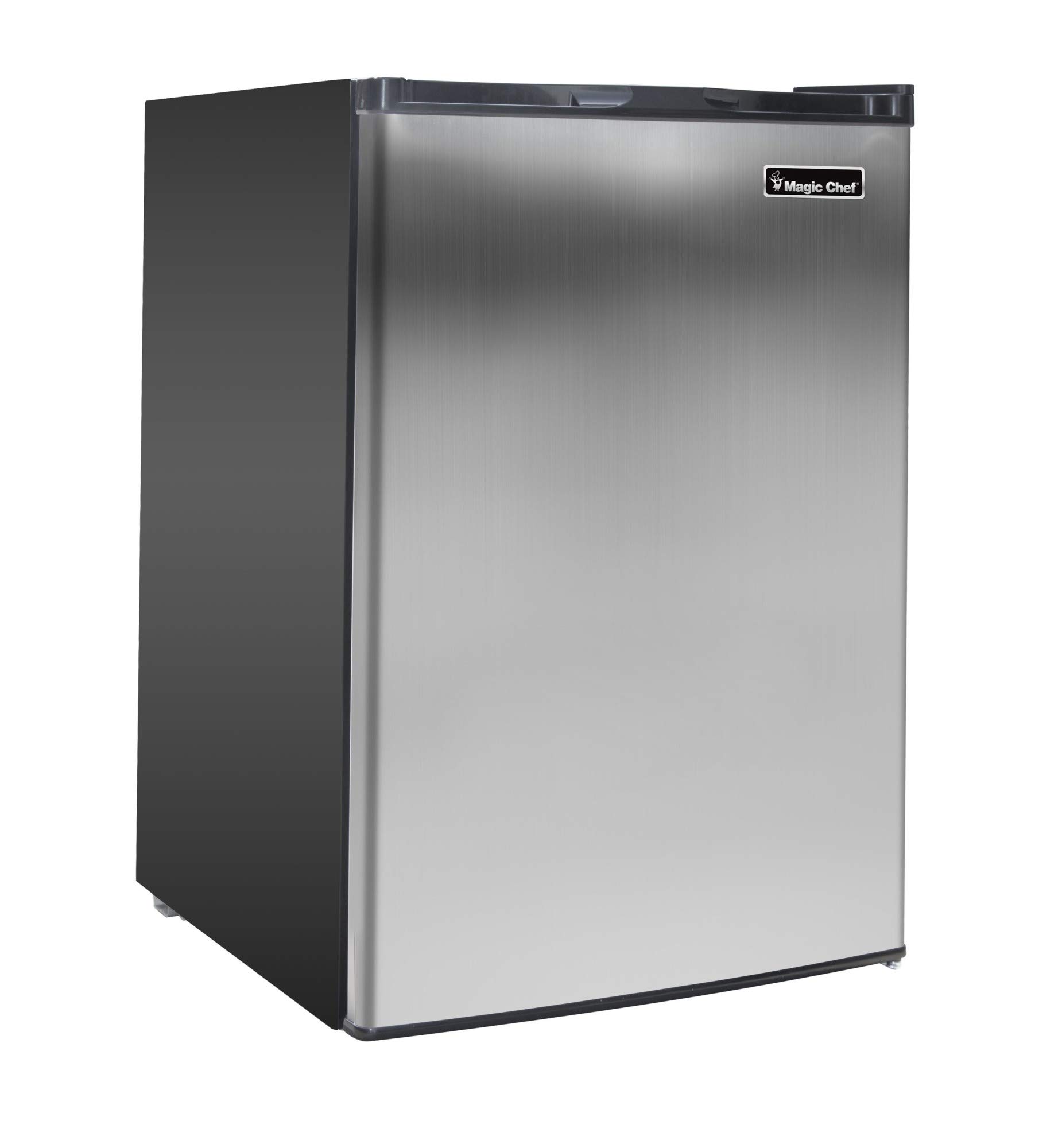
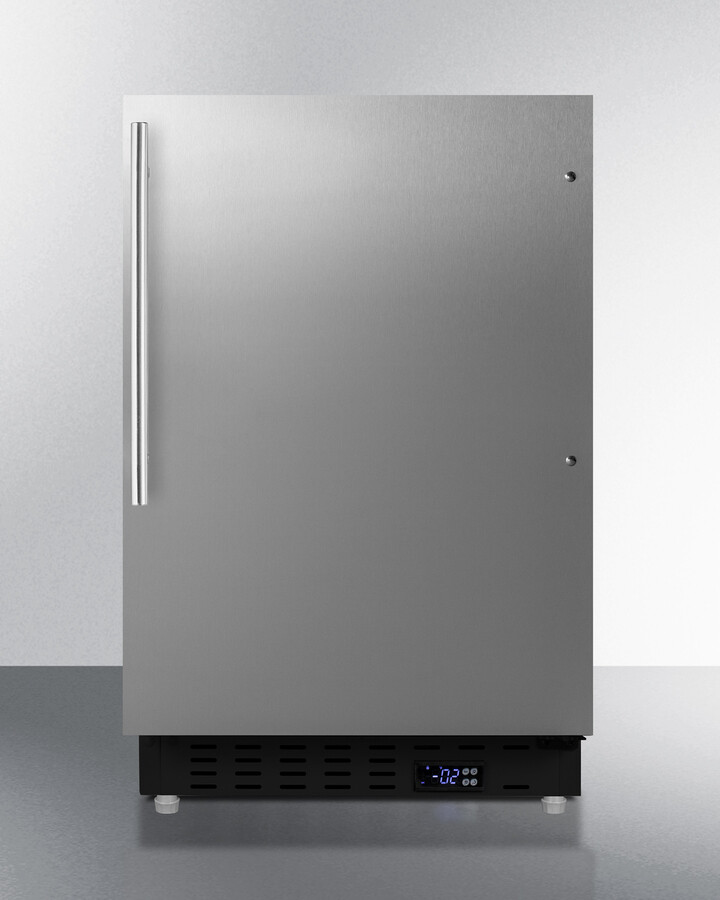
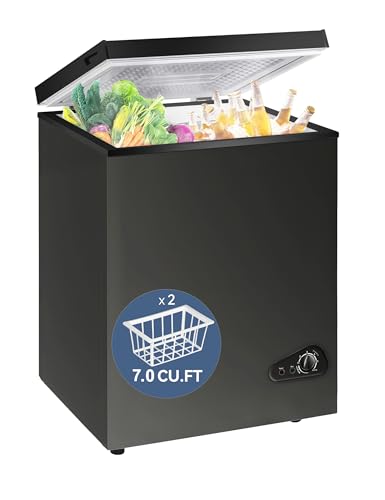
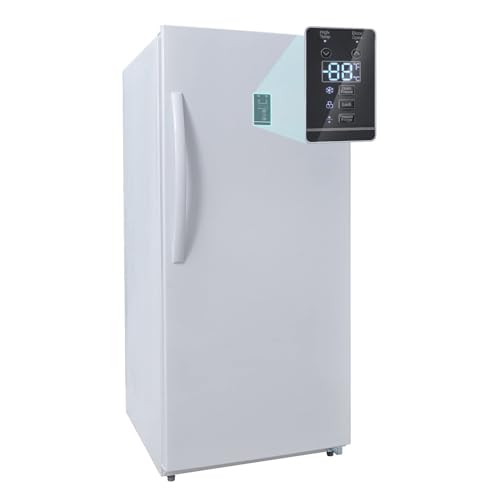
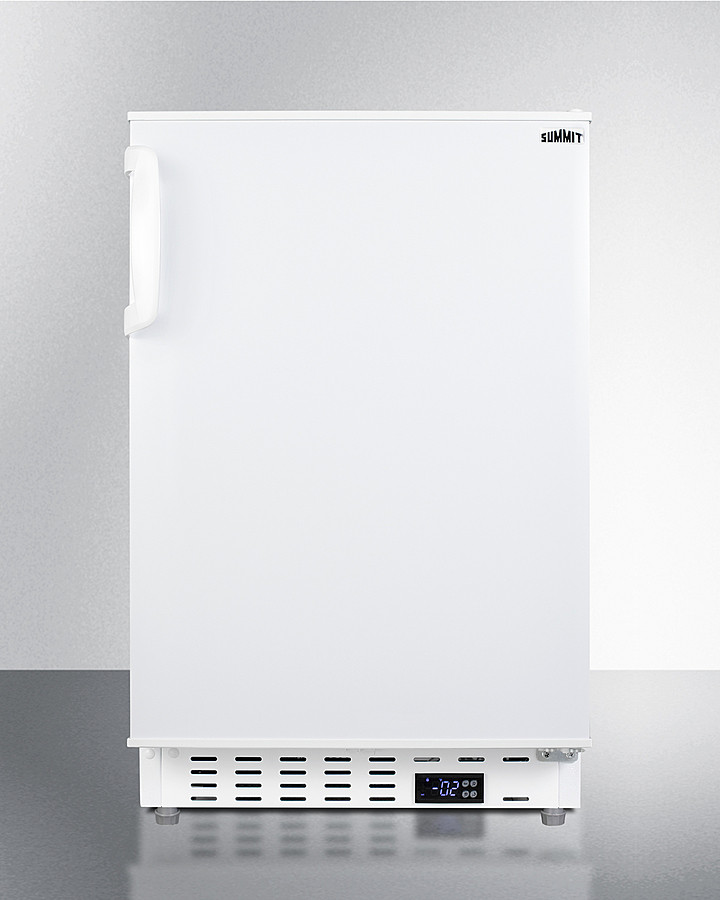
Tired of the daily grind of cooking? Freezer meals might just be your new best friend. By prepping meals ahead and stashing them in your prepper freezer, you can have tasty, homemade dishes ready whenever you need them.
Why Freezer Meals Rock
Freezer meals aren't just convenient; they're a lifesaver for busy folks. Here's why:
Quick and Easy: Got a packed schedule? Just grab a meal from your prepper refrigerator, heat it up, and you're good to go.
Save Money: Cooking in bulk means you can buy ingredients in larger quantities, often at a discount.
Less Waste: Freezing meals extends the life of your groceries, so you waste less food.
Healthier Choices: When you make your own freezer meals, you control what goes in them—no more mystery ingredients.
Less Stress: Knowing dinner is already made can take a load off your mind.
How to Prep Freezer Meals
Making freezer meals is pretty straightforward. Here’s a quick rundown:
Pick Your Recipes: Choose meals that freeze well, like casseroles, soups, and stews. Need ideas? Check out our paleo freezer recipes.
Make a Shopping List: Write down everything you need so you don’t forget anything.
Prep Your Ingredients: Wash, chop, and measure everything before you start cooking. This makes the process smoother.
Cook and Pack: Follow your recipes, then portion the meals into freezer-safe containers or bags. Squeeze out as much air as you can to avoid freezer burn.
Label and Store: Write the meal name and date on each container before putting it in your retro two-door fridge. Organize your freezer to make the most of your space.
Thaw Safely: Thaw meals in the fridge overnight or use your microwave's defrost function. For more tips, see Fridge.com article on organizing your freezer.
Reheat Properly: Follow the recipe’s reheating instructions to make sure your meal is hot and safe to eat. Need more info? Check out Fridge.com reheating guide.
By sticking to these steps, you'll always have a variety of ready-to-eat meals in your retro fridge for home. No more stressing about what's for dinner!
Planning Your Freezer Meals
Picking the Right Recipes
First things first, you gotta pick recipes that hold up well in the freezer. Think about dishes that taste just as good after thawing and reheating. Family favorites or meals with seasonal ingredients are always a hit.
Variety is the spice of life, right? So, mix it up with different proteins, veggies, and grains to keep things interesting. Here are some go-to freezer meal ideas:
Casseroles
Soups and stews
Marinated meats
Stir-fry packs
Pasta dishes
If you're on a special diet like paleo or vegetarian, don't worry. There are tons of options out there. Check out our paleo freezer recipes for some tasty ideas.
Making Your Shopping List
Once you've got your recipes, it's shopping time. A well-organized list is your best friend here. Break it down into categories like proteins, veggies, grains, and pantry staples to make your store run smoother.
Here's a sample shopping list:
Category
Items
Proteins
Chicken breast, ground beef, tofu
Vegetables
Carrots, bell peppers, onions
Grains
Rice, pasta, quinoa
Pantry Staples
Olive oil, canned tomatoes, broth
A detailed list saves you time and keeps you from making multiple trips to the store. Buying in bulk for frequently used items can also save you some cash and ensure you’re always ready for your next meal prep.
Got a tiny freezer or an outdoor setup? No problem. Check out Fridge.com tips on organizing your freezer and outdoor freezer sizes to make the most of your space.
By planning your recipes and making a smart shopping list, you're setting yourself up for freezer meal success. This not only saves you time but also means you’ll have a stash of tasty, nutritious meals ready whenever you need them.
Prepping ingredients for freezer meals can make or break your culinary creations. Here’s how to keep your meals tasty and fresh.
Tips for Prepping Ingredients
Chop and Slice: Cut veggies, fruits, and meats into similar sizes for even cooking.
Blanch Veggies: Quickly boil veggies like broccoli, carrots, and beans, then dunk them in ice water. This keeps them colorful and crunchy.
Marinate Meats: Marinate your proteins before freezing to boost flavor and tenderness.
Portion Control: Split ingredients into meal-sized portions for easy thawing and cooking.
Label Everything: Use labels to mark what’s inside and the prep date. This helps you keep track and use older meals first.
Storing Ingredients Right
Storing your ingredients properly is key to keeping them fresh. Here’s how to do it:
Airtight Containers: These keep air out, preventing freezer burn and keeping food fresh.
Freezer Bags: Great for saving space. Squeeze out as much air as you can before sealing.
Vacuum Sealing: This method removes all air, giving the best protection against freezer burn.
Stacking: Stack containers and bags neatly to make the most of your freezer space.
Storage Method
Ideal For
Benefits
Airtight Containers
Soups, Stews
Prevents freezer burn
Freezer Bags
Veggies, Fruits
Saves space
Vacuum Sealing
Meats, Fish
Extends shelf life
Proper storage not only keeps your ingredients fresh longer but also helps you keep your freezer organized. Follow these tips and you’ll be whipping up delicious, convenient freezer meals in no time.
Want to whip up some freezer meals that taste just as good as fresh? Let's dive into some cooking tricks that'll keep your meals tasty and nutritious, even after freezing and reheating.
Blanching
Blanching is a lifesaver for veggies. It’s all about giving them a quick boil and then a cold shock in ice water. This keeps them looking and tasting great.
Vegetable
Blanching Time (minutes)
Broccoli
3
Carrots
2
Green Beans
2
Sautéing
Sautéing works wonders for meats and some veggies. Give them a quick cook before freezing to lock in flavor and texture.
Baking
Baking is your go-to for casseroles and baked goodies. Cook them all the way through, let them cool, and then freeze. Perfect for those oven-baked freezer meals.
Assembly and Packaging
How you put together and pack your meals can make or break their quality. Here’s how to keep them fresh and tasty.
Layering
When making casseroles or lasagnas, layering is key. Start with a sauce to prevent sticking, then add your ingredients evenly. This ensures everything cooks just right.
Portioning
Dividing your meals into single servings makes reheating a breeze and cuts down on waste. Use freezer-safe containers or bags for each portion.
Packaging Techniques
Seal your meals tight to avoid freezer burn. Use airtight containers or heavy-duty freezer bags. Don’t forget to label with the date and what’s inside. For more tips on keeping your freezer organized, check out organize your freezer.
Meal Type
Packaging Method
Storage Duration (months)
Soups
Freezer Bags
3-4
Casseroles
Airtight Containers
2-3
Vegetables
Vacuum Sealed Bags
8-12
Master these cooking and packaging tips, and your freezer meals will be both handy and delicious. For more on prepping ingredients, visit Fridge.com detailed guide.
Nailing the freezing and thawing process is key to keeping your freezer meals tasty and safe. Stick to these tips to make sure your food stays fresh and yummy.
Freezing Tips
When you're prepping meals for the freezer, a few tricks can help you avoid freezer burn and keep your food in top shape. Here’s what you need to know:
Cool It Down: Let your cooked meals cool off completely before freezing. This stops ice crystals from messing with the texture.
Portion Control: Split meals into single or family-sized portions. It makes thawing easier and cuts down on waste.
Seal It Tight: Use airtight containers or heavy-duty freezer bags. Squeeze out as much air as you can before sealing.
Label Everything: Write the name of the meal and the date you made it on each container. Need labeling tips? Check out Fridge.com article on organizing your freezer.
Food Type
Freezer Life (months)
Cooked Meat
2-3
Soups and Stews
4-6
Casseroles
3-4
Vegetables
8-12
For more on keeping your freezer in order, visit Fridge.com guide on organizing the fridge.
Thawing Tips
Thawing your meals the right way is just as important as freezing them. Bad thawing can lead to bacteria and food poisoning. Here’s how to do it safely:
Fridge Thawing: Put the frozen meal in the fridge to thaw slowly. This is the safest way and keeps the food quality high. Plan for 24 hours for every 5 pounds of food.
Cold Water Thawing: Dunk the sealed bag in cold water. Change the water every 30 minutes to keep it cold. This is faster than the fridge but needs more attention.
Microwave Thawing: Use your microwave’s defrost setting for a quick thaw. Cook the meal right after thawing to avoid bacteria.
Thawing Method
Time Required
Refrigerator
24 hours for 5 lbs
Cold Water
30 minutes per lb
Microwave
Varies by size
For more detailed steps, check out Fridge.com article on prepper freezer.
Stick to these freezing and thawing tips, and your freezer meals will be both tasty and safe. Enjoy the ease and time-saving perks of having ready-to-eat meals whenever you need them.
Cooking Methods for Freezer Meals
When you're whipping up freezer meals, it's all about finding the cooking style that fits your groove. Let's break down three popular ways to get those meals from frozen to fabulous: oven-baked, slow cooker, and Instant Pot.
Oven-Baked Freezer Meals
Oven-baked meals are a go-to for folks who love the "set it and forget it" vibe. Think casseroles, baked pastas, and roasted goodies. Just thaw, pop it in the oven, and let the magic happen.
Meal Type
Baking Temperature
Baking Time
Casseroles
350°F (175°C)
60 minutes
Baked Pastas
375°F (190°C)
45 minutes
Roasted Dishes
400°F (200°C)
40 minutes
Slow Cooker Freezer Meals
Slow cookers are the unsung heroes of the kitchen, perfect for those busy days when you just can't be bothered. Stews, soups, and braised meats are their jam. You can toss your meal straight from the freezer into the slow cooker—no thawing needed.
Meal Type
Low Setting
High Setting
Stews
8 hours
4 hours
Soups
6 hours
3 hours
Braised Meats
10 hours
5 hours
Want more slow cooker hacks? Check out Fridge.com prepper freezer guide.
Instant Pot Freezer Meals
Instant Pots are the speed demons of the kitchen world. They handle frozen or thawed meals like a champ, making dishes like chili, rice-based meals, and shredded meats in a flash. The pressure cooking feature means you get all the flavor in a fraction of the time.
Meal Type
Cooking Time (Frozen)
Cooking Time (Thawed)
Chili
30 minutes
20 minutes
Rice-Based Meals
25 minutes
15 minutes
Shredded Meats
40 minutes
25 minutes
Need more kitchen space ideas? Dive into Fridge.com freezer organization tips.
By getting the hang of these cooking methods, you can easily whip up freezer meals that match your lifestyle. Whether you're all about the traditional oven, the laid-back slow cooker, or the speedy Instant Pot, there's a method here for you.
When you prep freezer meals, getting your labeling and organizing game on point is key to keeping things tidy and making sure you can find and use your meals without a hitch.
Why Labeling Matters
Labeling your freezer meals isn't just a nice-to-have; it's a must. It helps you spot what's what in a flash and makes sure you eat stuff before it turns into a science experiment. Plus, it makes meal planning a breeze since you know exactly what's in there and when it needs to be eaten.
Here's what you should slap on each label:
Name of the Dish: So you know what you're grabbing.
Date Prepared: Helps you keep track of how long it's been chillin'.
Cooking Instructions: Quick steps for reheating or cooking.
Label Info
Example
Name of the Dish
Chicken Alfredo
Date Prepared
10/15/2023
Cooking Instructions
Bake at 350°F for 30 minutes
Need more tips on labeling? Check out Fridge.com guide on organizing the fridge.
Organizing Your Freezer Space
Keeping your freezer organized means more space and less hassle. Here’s how to do it:
Group Similar Items: Keep breakfast stuff together, dinners in another spot.
Use Containers and Bins: Separate different meal types so nothing gets lost.
Stack Wisely: Lay meals flat to save space, but make sure you can still see the labels.
By following these tips, you'll keep your freezer meals in check, making it easy to enjoy your prepped meals without digging through a mess.
Ready to Enjoy
Reheating Instructions
Getting your freezer meals to taste just as good as when they were first cooked is all about reheating them the right way. The method you choose depends on the meal and your favorite kitchen gadget.
Oven
For those hearty oven-baked dishes, preheat your oven to 350°F (175°C). Pop the meal into an oven-safe dish, cover it with some aluminum foil, and heat it up for 20-40 minutes, depending on the size of the dish.
Meal Type
Reheating Time (minutes)
Casseroles
30-40
Baked Pasta
25-30
Baked Chicken
20-25
Microwave
Need it quick? The microwave's your best friend. Put your meal in a microwave-safe container, cover it loosely, and zap it on high for 3-5 minutes, giving it a stir halfway through.
Meal Type
Reheating Time (minutes)
Soups/Stews
3-4
Rice Dishes
4-5
Vegetable Sides
2-3
Slow Cooker
If you love the slow cooker, just toss the frozen meal in there. Set it on low for 4-6 hours or high for 2-3 hours. This works great for soups, stews, and meat dishes.
Serving Tips
Make your reheated meals shine with these simple serving tips.
Add Fresh Ingredients: Sprinkle some fresh herbs, squeeze a bit of lemon juice, or top with grated cheese to liven up the dish.
Side Dishes: Pair your main course with a fresh side salad, steamed veggies, or some crusty bread to round out the meal.
Garnishes: Use garnishes like chopped green onions, sour cream, or toasted nuts to add some texture and flavor.
Plating: Serve your meal on a warm plate to keep it hot longer, and arrange the food nicely for that restaurant-quality look.
For more tips on organizing your freezer for easy meal access, check out Fridge.com article on organizing the fridge. If you're hunting for more freezer meal ideas, take a peek at Fridge.com guide on paleo freezer recipes.
Compare freezer prices on Fridge.com
Compare current prices and specifications on Fridge.com, then buy from the retailer you choose; delivery, installation and warranty terms are the retailer’s.
It also has tons of awesome articles about kitchen stuff and home news. Enhance your home, garage, backyard, patio, and office with the coolest essentials. With every necessary type of residential refrigerator or freezer in the collection, you're covered.
Free tool
Food Storage Calculator
Free interactive tool from Fridge.com — get a quick answer while you read.