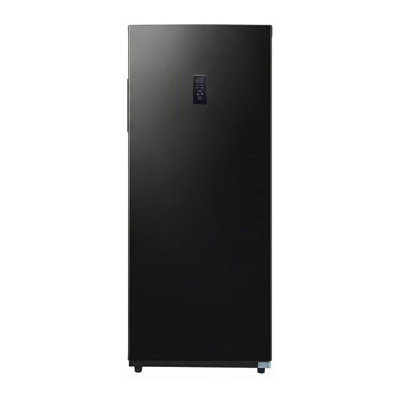
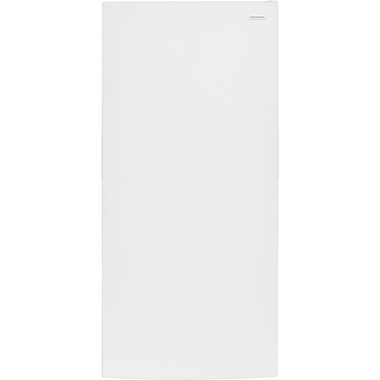
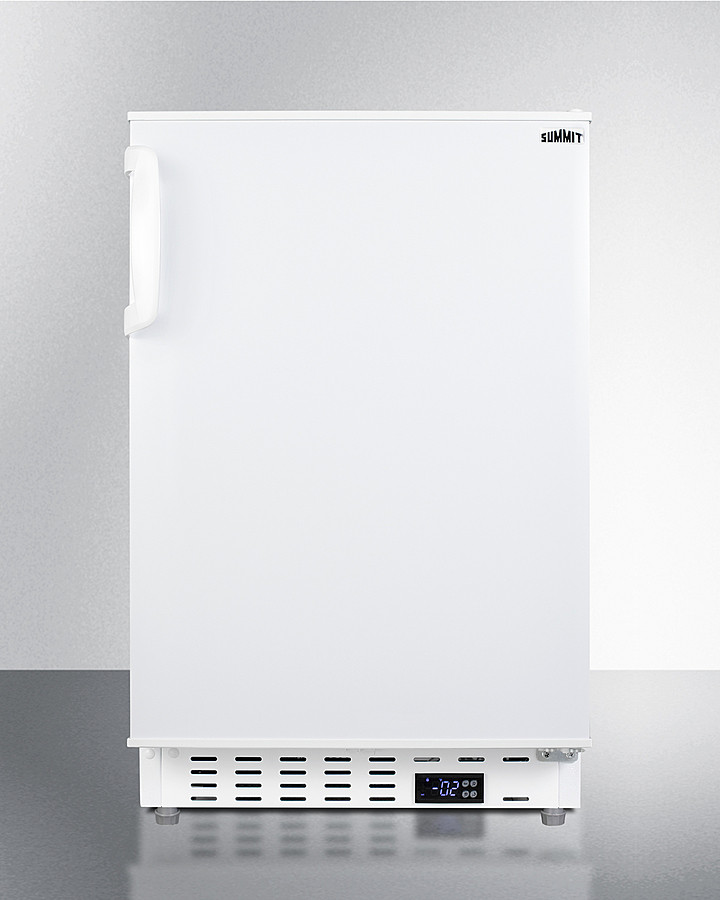
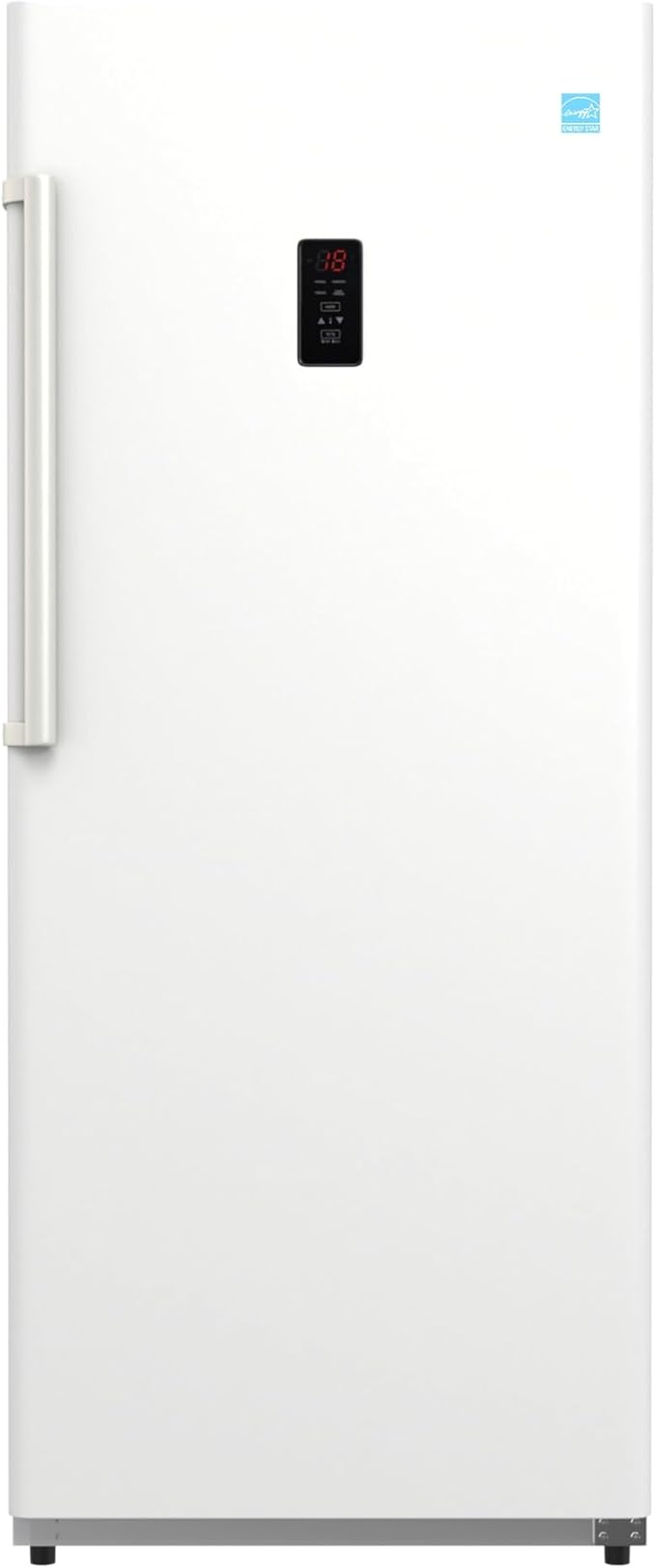
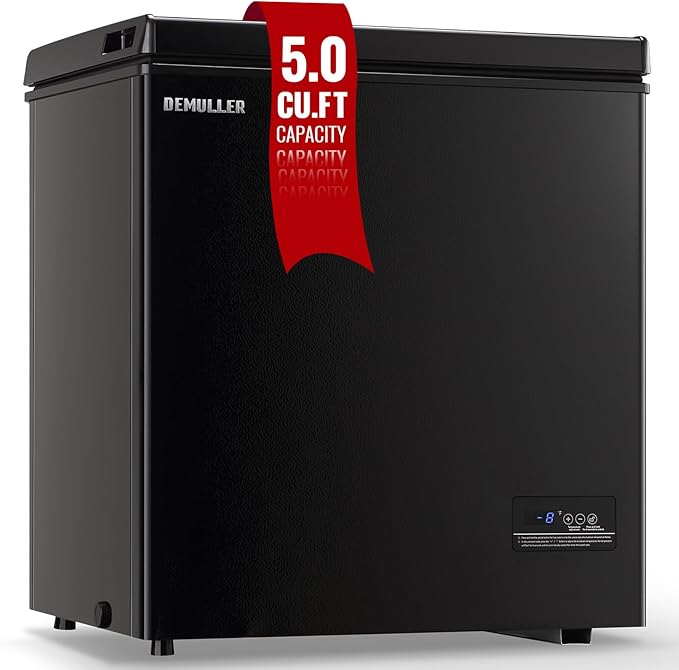
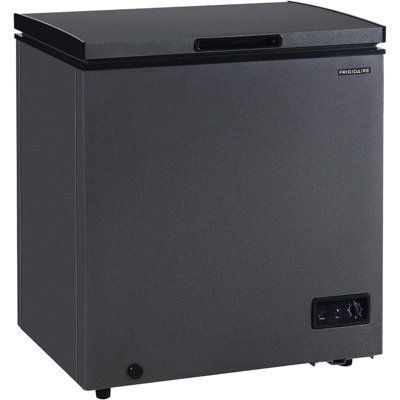
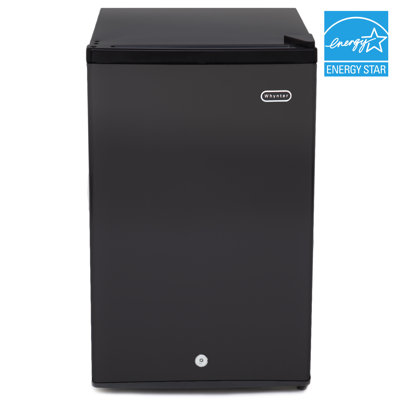
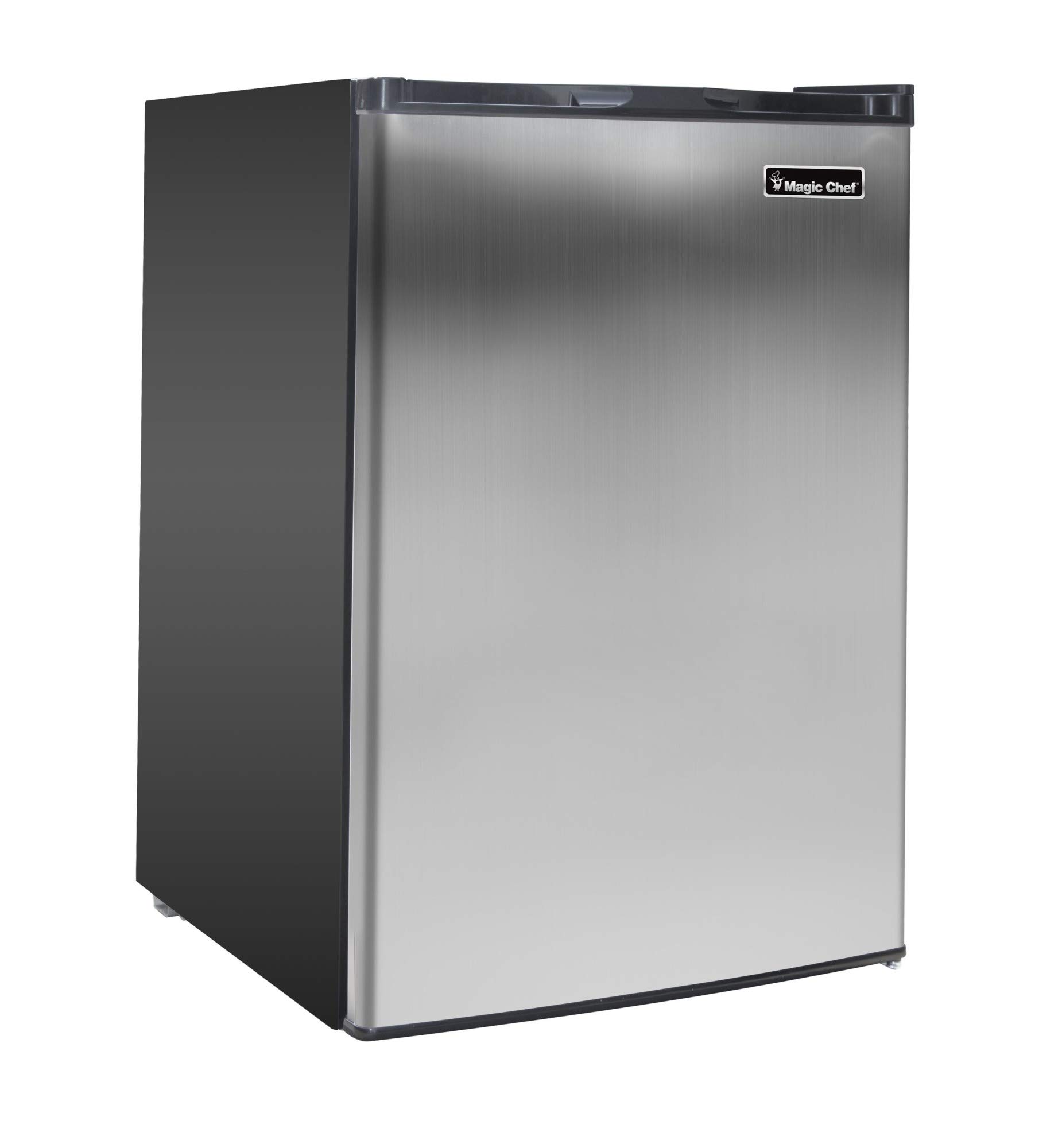
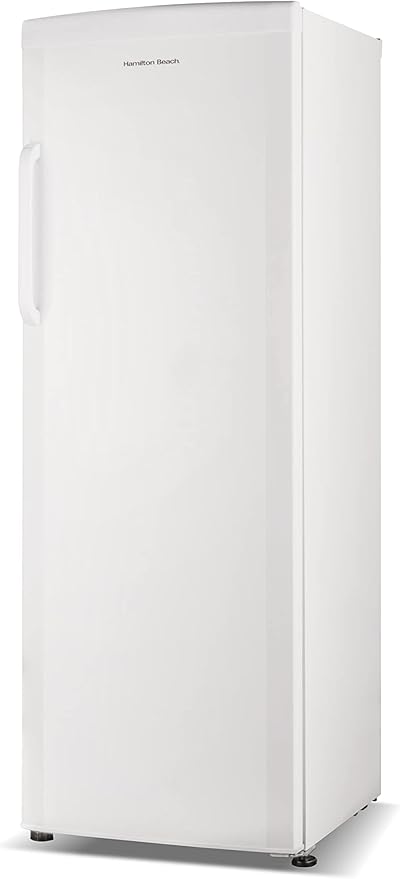
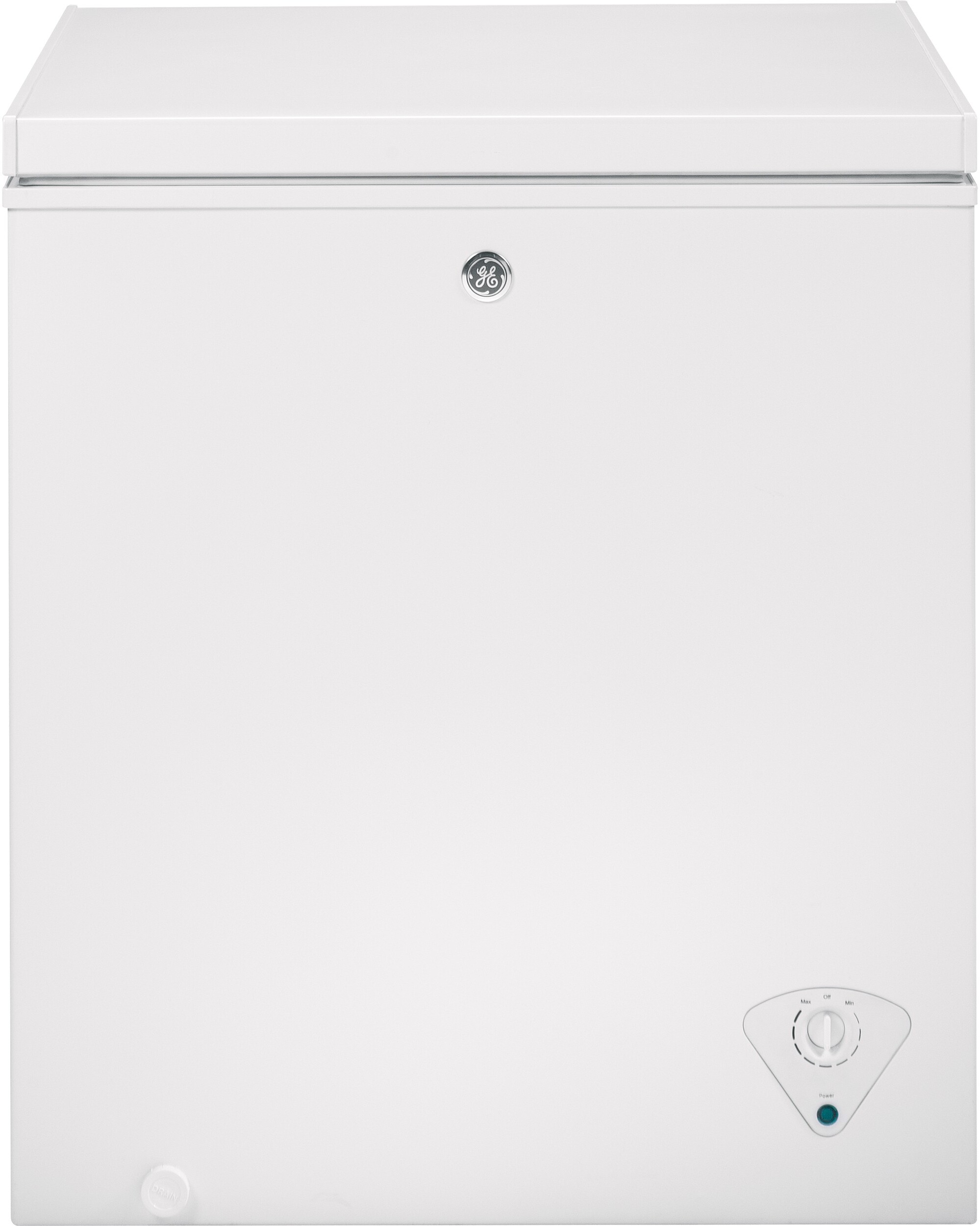
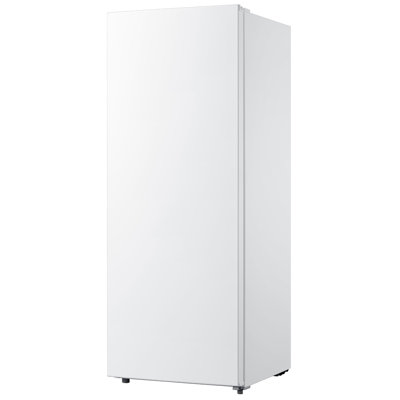
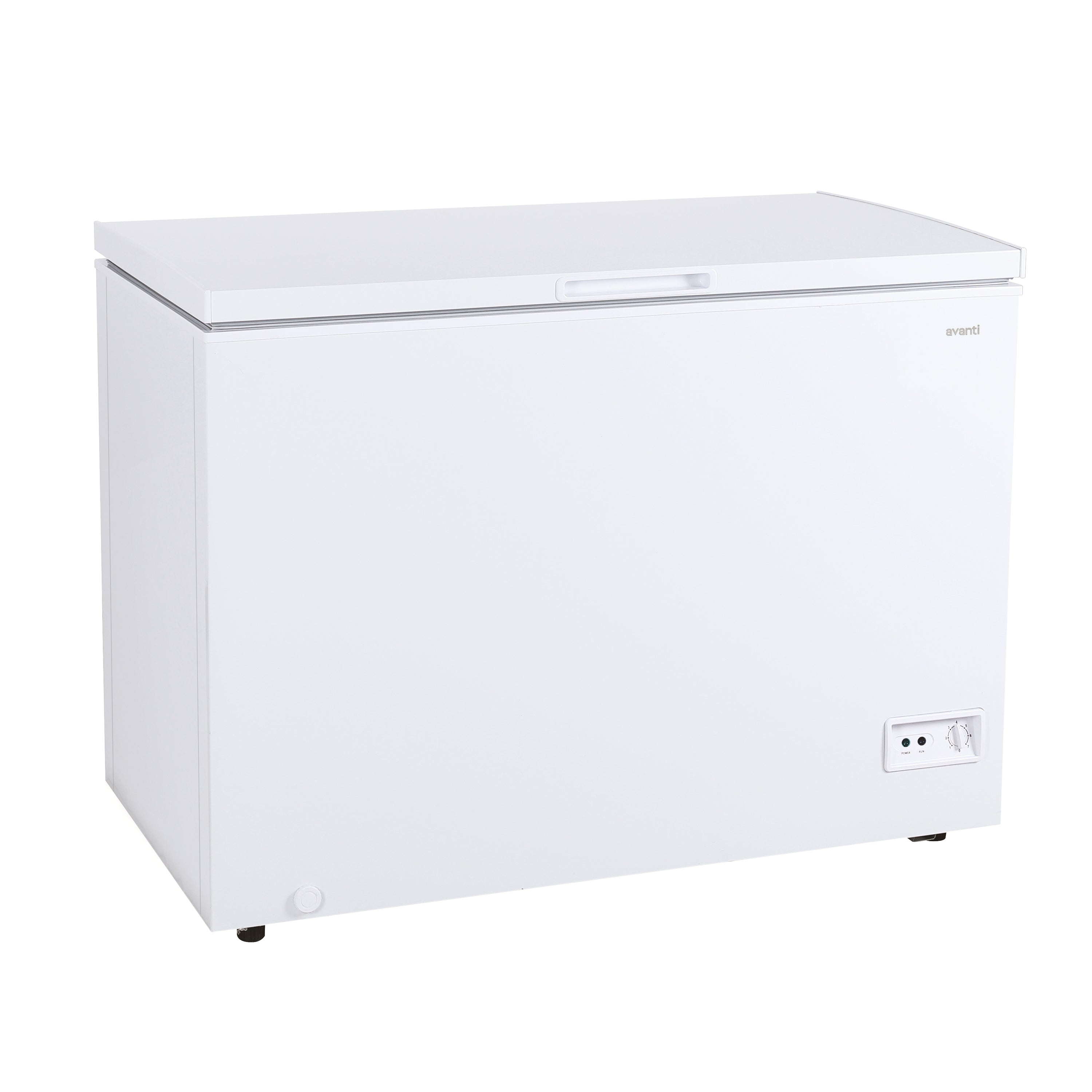
These units range from tiny 1.7-cubic-foot cube fridges that slide under a desk to 4.5-cubic-foot break room models with multiple shelves and a small internal freezer compartment.
They typically run at 35 to 40 decibels, draw 80 to 150 watts, and cost $100 to $350.
Prices range from $2,000 for a single-door unit to $10,000 or more for three-door models from premium manufacturers.
The small internal freezer compartment, if present, typically holds 10 to 20 degrees — cold enough for ice but not a true 0-degree freezer.
Office refrigerators and commercial freezers are appliances built for very different environments and purposes, but businesses sometimes weigh one against the other when planning cold storage for a workplace. An office refrigerator is a compact unit — typically 2 to 5 cubic feet — designed for personal or shared use in break rooms and offices, keeping lunches, beverages, and snacks cold at 35 to 38 degrees Fahrenheit. A commercial freezer is a large, heavy-duty unit — typically 20 to 80 cubic feet — built for restaurants, cafeterias, and institutional kitchens, maintaining 0 degrees or below for bulk frozen food storage. Understanding the vast differences in scale, construction, cost, and intended use helps you choose the right appliance for your specific business needs.
What Is an Office Refrigerator
An office refrigerator is a compact fridge designed for light-duty use in professional settings. These units range from tiny 1.7-cubic-foot cube fridges that slide under a desk to 4.5-cubic-foot break room models with multiple shelves and a small internal freezer compartment. They are built for residential-grade duty — holding a handful of lunches, a few rows of beverage cans, condiments, and the occasional cake or salad for an office celebration. Construction is lightweight with painted steel or plastic exteriors, and the compressors are sized for minimal cooling loads.
Office fridges prioritize quiet operation, compact footprint, and low energy consumption. They typically run at 35 to 40 decibels, draw 80 to 150 watts, and cost $100 to $350. The target environment is a climate-controlled office space where ambient temperatures stay between 60 and 80 degrees year-round. These units are not designed for high-volume use, extreme temperatures, or the sanitation standards required in food service operations.
What Is a Commercial Freezer
A commercial freezer is an industrial-grade appliance built for the demands of food service — restaurants, hospital cafeterias, catering operations, school lunch programs, and grocery stores. These units use heavy-gauge stainless steel construction inside and out, powerful compressors rated for continuous operation, thick polyurethane insulation, and commercial-grade door gaskets designed to withstand hundreds of openings per day. They maintain interior temperatures at minus 10 to 0 degrees Fahrenheit and can recover to set temperature within minutes of a door opening.
Commercial freezers come in several formats: reach-in models with one to three doors (20 to 80 cubic feet), walk-in freezers (entire rooms), chest-style units, and undercounter models. Reach-in models are the most common for mid-size food service operations. They feature NSF-certified shelving rated for 500 or more pounds per shelf, self-closing doors with heavy-duty hinges, digital temperature controllers with high-temp alarms, and casters for mobility during cleaning. Prices range from $2,000 for a single-door unit to $10,000 or more for three-door models from premium manufacturers.
Scale and Capacity
The capacity difference between these appliances is enormous. An office refrigerator holds 2 to 5 cubic feet of fresh food — enough for 8 to 20 lunch containers and some beverages. A single-door commercial freezer provides 20 to 27 cubic feet of frozen storage — enough for hundreds of pounds of food. A three-door commercial reach-in freezer offers 60 to 80 cubic feet, holding 2,000 or more pounds of frozen inventory. Comparing these appliances on capacity is like comparing a bicycle to a delivery truck — they exist at completely different scales.
For small offices with 5 to 20 employees who bring their own lunches, an office refrigerator provides adequate capacity. For any operation that needs to store frozen food for commercial food preparation — even a small cafe or food truck — a commercial freezer is the minimum viable solution. There is no middle ground where an office fridge could substitute for a commercial freezer or vice versa.
Office refrigerators use residential-grade construction. The exterior is typically painted steel or plastic, the shelves are lightweight wire or tempered glass, and the compressor is a small unit rated for moderate duty cycles. These fridges are designed to last 8 to 12 years under light use — a few door openings per day in a temperature-controlled environment. They meet residential UL safety standards but are not built to commercial food safety specifications.
Commercial freezers are built to an entirely different standard. The stainless steel exterior and interior resist corrosion, dents, and bacterial contamination. The compressor is a heavy-duty unit rated for continuous operation in ambient temperatures up to 100 degrees. The insulation is 2.5 to 3.5 inches of high-density polyurethane — significantly thicker than an office fridge's 1.5 to 2 inches. Door gaskets use commercial-grade magnetic seals that maintain integrity after tens of thousands of opening cycles. Commercial freezers are built to last 10 to 20 years under heavy daily use that would destroy an office fridge within months.
Temperature Performance
An office refrigerator maintains 35 to 38 degrees Fahrenheit — standard fresh food temperature. The small internal freezer compartment, if present, typically holds 10 to 20 degrees — cold enough for ice but not a true 0-degree freezer. Temperature recovery after door openings is adequate for occasional use but would suffer under frequent access by many employees throughout the day.
A commercial freezer maintains minus 10 to 0 degrees Fahrenheit with tight consistency, typically varying by plus or minus 2 degrees even during busy service periods with frequent door openings. The powerful compressor and heavy insulation enable rapid temperature recovery — most quality commercial freezers return to set temperature within 5 to 10 minutes of a door opening. Digital temperature monitoring with alarm systems ensures that temperature deviations are caught immediately, protecting potentially thousands of dollars worth of frozen inventory.
Energy Consumption
Office refrigerators are energy-sippers. A typical 3-cubic-foot model consumes 200 to 300 kilowatt-hours per year, costing $25 to $40 annually. The small compressor, moderate temperature target, and light insulation keep energy demands minimal. Energy Star-certified office fridges are widely available and highly efficient for their intended purpose.
Commercial freezers are major energy consumers. A single-door reach-in commercial freezer uses 2,000 to 3,500 kilowatt-hours per year. A two-door model consumes 3,000 to 5,000 kilowatt-hours, and a three-door unit can exceed 6,000 kilowatt-hours annually. At commercial electricity rates of $0.10 to $0.15 per kilowatt-hour, annual operating costs range from $200 to $900 per unit. The low temperature target, thick insulation requirements, powerful compressors, and defrost cycles all contribute to this substantial energy demand. Energy Star-certified commercial freezers can reduce consumption by 20 to 30 percent compared to standard models.
Electrical and Installation Requirements
An office refrigerator plugs into any standard 120-volt, 15-amp household outlet. No special wiring, dedicated circuits, or professional installation is required. You take it out of the box, place it in the break room, plug it in, and it starts cooling. The simplicity of installation is one of the office fridge's greatest advantages.
Commercial freezers have more demanding electrical requirements. Most single-door models operate on 115-volt, 20-amp dedicated circuits. Larger two-door and three-door units may require 208/230-volt connections, which need professional electrical installation. The unit itself often requires professional delivery due to weight — a single-door commercial reach-in freezer weighs 250 to 400 pounds, compared to 40 to 60 pounds for an office fridge. Floor reinforcement, adequate ventilation clearance, and proper drain connections for defrost water may also be required.
Office refrigerators are not built to meet commercial food safety standards. They lack NSF certification, do not include temperature logging capabilities, and are not designed for the health department inspections that food service operations must pass. Using an office fridge in a commercial kitchen or food service operation would likely violate local health codes and could result in fines, failed inspections, or forced closure.
Commercial freezers are designed from the ground up for food safety compliance. NSF-certified interior surfaces are smooth and non-porous for easy sanitation. Temperature monitoring systems create audit trails for HACCP compliance. Self-closing doors prevent accidental temperature excursions. The construction materials and design choices all support the rigorous food safety requirements of commercial kitchens, hospitals, schools, and any operation subject to health department oversight.
Price Comparison
The price difference reflects the vast gap in construction, capacity, and intended use. A quality office refrigerator costs $100 to $350. A single-door commercial reach-in freezer costs $2,000 to $4,000. A two-door model runs $3,500 to $6,500, and a three-door unit costs $5,000 to $10,000. Even the least expensive commercial freezer costs 6 to 10 times more than a premium office fridge — the price premium directly corresponds to the industrial-grade materials, engineering, and compliance features built into commercial equipment.
Comparison Table
Feature
Office Refrigerator
Commercial Freezer
Capacity
2–5 cu ft
20–80 cu ft
Temperature
35–38°F
-10 to 0°F
Construction
Painted steel/plastic
Stainless steel throughout
Annual Energy Use
200–300 kWh
2,000–6,000 kWh
Weight
40–60 lbs
250–600 lbs
Electrical
Standard 120V outlet
Dedicated 20A or 208/230V
NSF Certified
No
Yes
Noise Level
35–40 dB
45–55 dB
Lifespan
8–12 years
10–20 years
Who Should Choose an Office Refrigerator
An office fridge is the right choice for any standard workplace that needs a place for employees to store lunches, beverages, and snacks during the workday. It fits the need perfectly for small to mid-size offices, coworking spaces, medical practices, and any non-food-service business where cold storage is a convenience rather than an operational requirement. The compact size, quiet operation, low cost, and plug-and-play simplicity make it the obvious choice for personal and shared office use.
Who Should Choose a Commercial Freezer
A commercial freezer is essential for any operation that stores, prepares, or serves frozen food commercially — restaurants, catering companies, food trucks, school cafeterias, hospital kitchens, and grocery stores. It is also the right choice for businesses that must comply with health department regulations regarding frozen food storage. If your operation serves food to customers or patients and is subject to health inspections, a commercial freezer is not optional — it is a regulatory requirement.
Can They Work Together in a Business
Many food service businesses use both appliances in different areas. The commercial freezer handles the kitchen's operational frozen food storage, while a small office fridge in the staff break room gives employees a place to store personal lunches and drinks separately from commercial food inventory. This separation prevents cross-contamination between personal items and commercial food stock, simplifies health code compliance, and gives staff their own space. A $150 break room fridge alongside a $3,000 kitchen freezer is a modest investment that improves both operational hygiene and employee satisfaction.
Common Mistakes When Choosing
The most dangerous mistake is using an office refrigerator for commercial food storage to save money. This violates health codes, puts customers at risk, and will likely result in failed inspections and potential liability. Another common error is oversizing — buying a three-door commercial freezer for a small operation that only needs a single-door unit wastes money on purchase price and ongoing electricity costs. Calculate your actual frozen storage needs based on menu volume, delivery schedules, and inventory turnover before sizing your commercial freezer investment.
Office fridges need occasional interior wipe-downs and maybe an annual condenser coil cleaning. The maintenance commitment is minimal — 15 to 30 minutes per month at most. Commercial freezers require a structured maintenance program: monthly condenser coil cleaning, quarterly gasket inspections, regular defrost system checks, and annual professional service for the compressor and refrigerant system. This ongoing maintenance is essential to protect both the equipment investment and the food inventory inside it.
Compare prices on Fridge.com
Fridge.com carries office refrigerators for break rooms and commercial freezers for food service operations. Browse our mini fridges for compact office options, or explore our commercial refrigerators for restaurant-grade equipment. Check out our freezers for commercial reach-in and standalone models. Free shipping and price-match guarantee on every order.
Frequently Asked Questions
Technically yes, but it is massive overkill — 20-72 cu ft at 200-500+ lbs for an office that needs 3-10 cu ft. It also requires heavy-duty flooring, 120V or 208V power, and significant floor space. An office fridge is the appropriate scale. Compare at Fridge.com.
From Fridge.com research
Figures below come from data Fridge.com builds and maintains. Each links to the record behind it.
Fridge.com Energy Index, built on U.S. EPA and DOE ENERGY STAR records
Across 5,455 ENERGY STAR certified refrigerators and freezers from 263 brands, median use is 360 kWh per year.