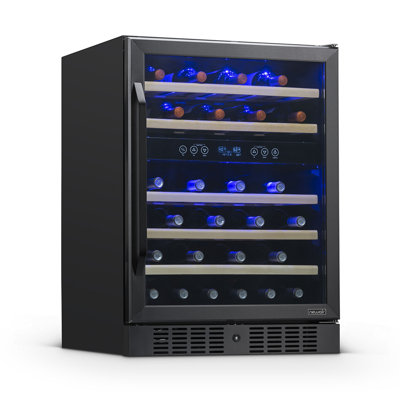
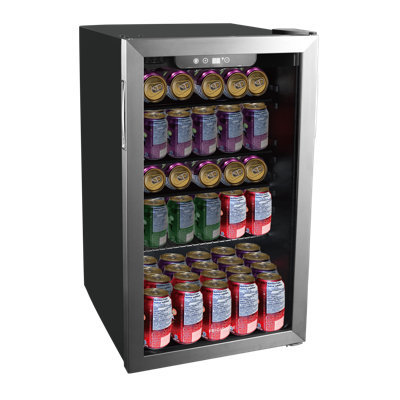
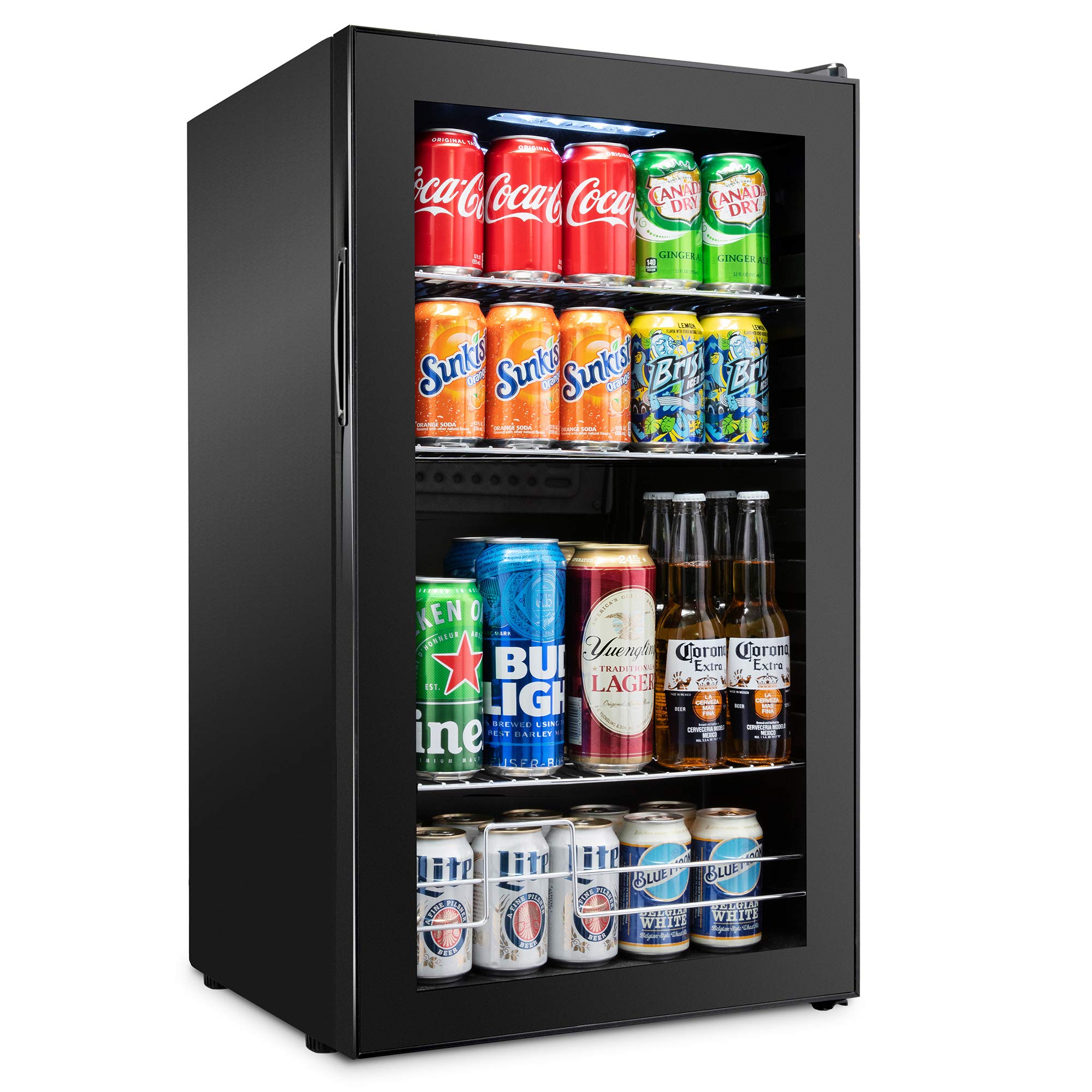
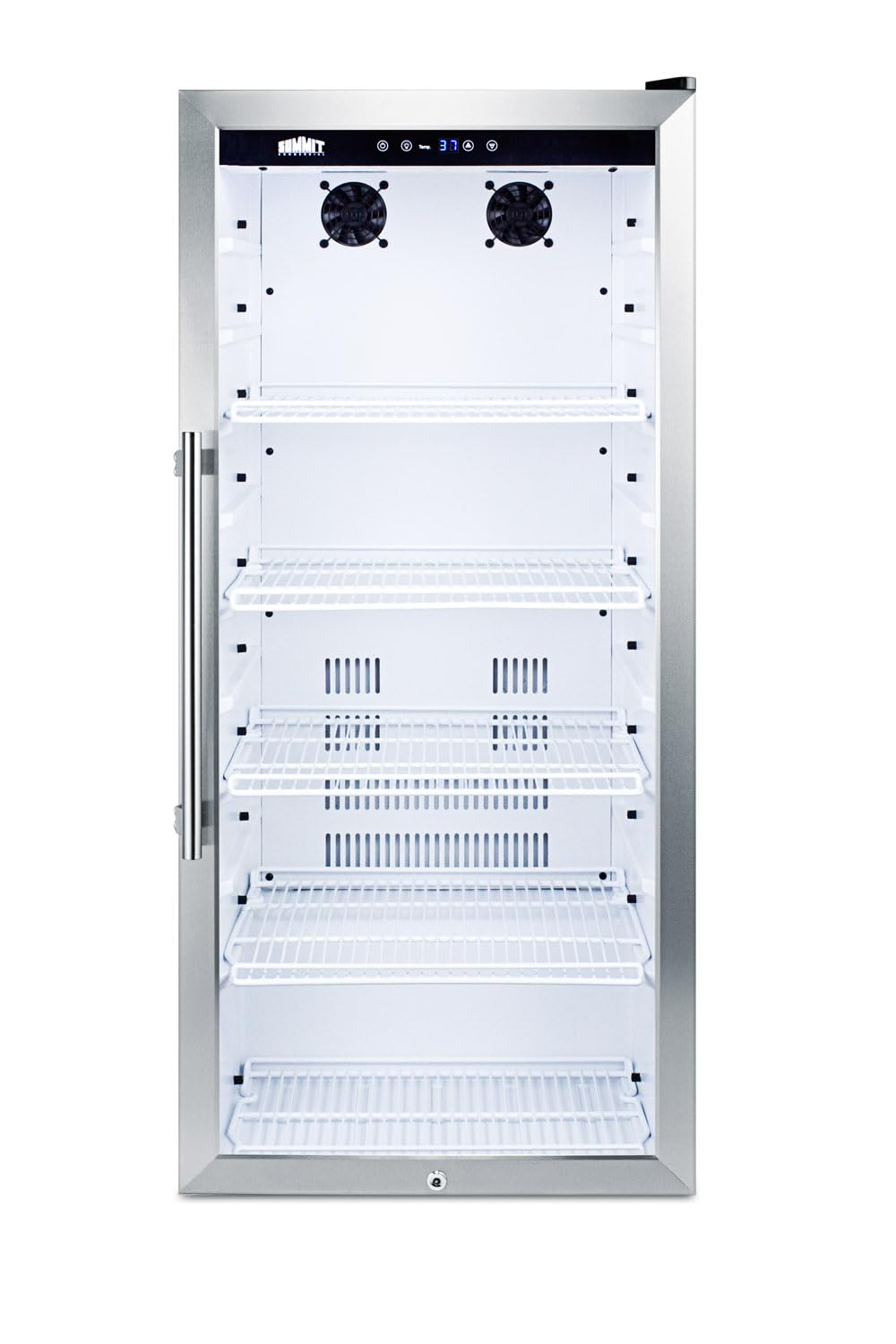
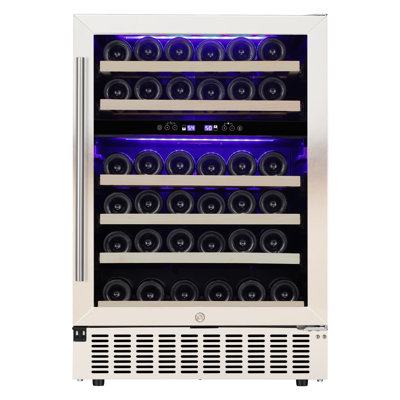
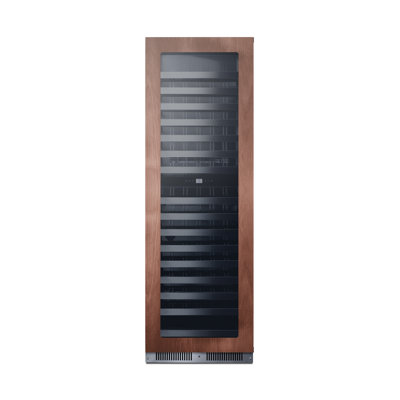
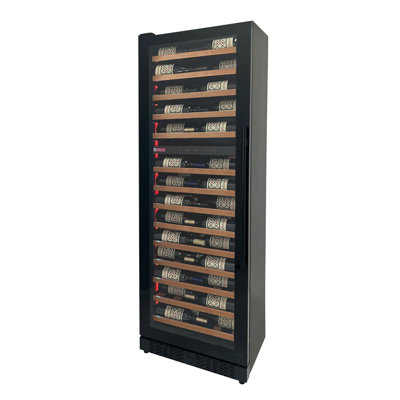
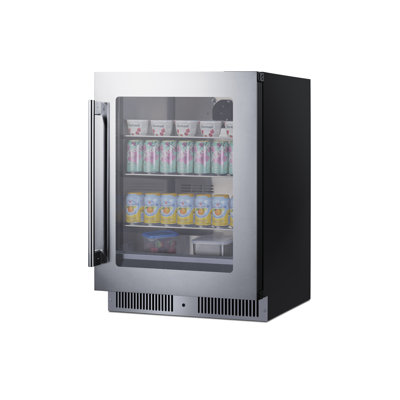
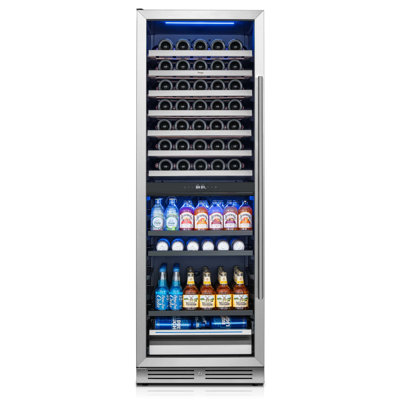
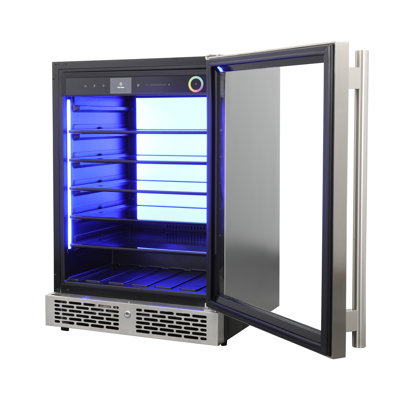
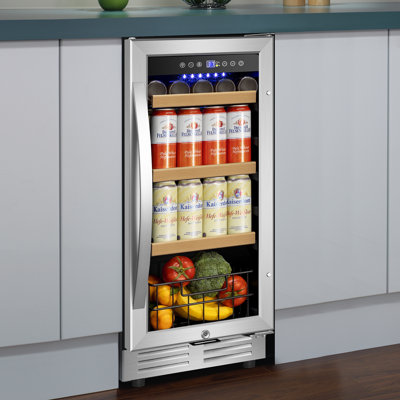
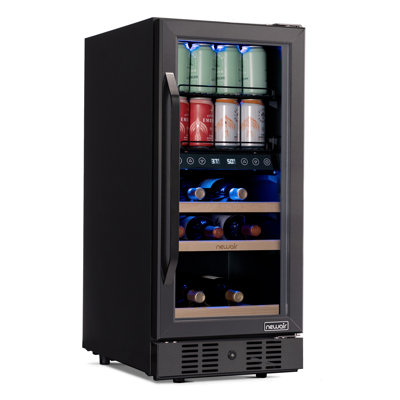
A 30-bottle compressor wine cooler costs roughly $13 to $26 per year to run; a 20-bottle thermoelectric model, drawing 80 to 150 kWh per year, costs about $10 to $20.
A 3 cubic foot office freezer typically costs $26 to $46 per year in electricity.
Red wine keeps best at 55 to 65°F, white wine at 45 to 55°F, and sparkling wine at 40 to 50°F.
It works against a greater temperature differential (0°F versus 45-65°F), drawing 200-600 kWh per year ($26-$50) compared to a wine cooler's 80-300 kWh ($10-$26).
A freestanding wine cooler holds wine at a steady 45°F to 65°F, while an office freezer keeps food and ice frozen at 0°F to -10°F — the two appliances have zero functional overlap. A wine cooler measures capacity in bottles (typically 12 to 50), manages humidity between 50% and 70%, and uses a UV-tinted glass display door; an office freezer measures capacity in cubic feet (1.5 to 15), runs a solid opaque door, and is built for shared workplace use by 5 to 30+ people. Here is every difference that matters: temperature, capacity, design, noise, energy use, maintenance, and cost.
What's the Difference?
Feature
Freestanding Wine Cooler
Office Freezer
Main Job
Chilling and keeping wine fresh
Freezing food and making ice
Temperature Range
45°F to 65°F
0°F to -10°F
Storage Size
Number of bottles (varies)
Cubic feet (varies)
Humidity
50 - 70% (managed)
Not controlled
Door
Glass (UV-tinted display)
Solid (opaque)
Users
1 household (personal)
5 - 30+ office workers (shared)
Best Spots
Kitchen, dining room, bar area
Office, kitchen, garage
Upkeep
Clean and check temps regularly
Defrost and clean regularly
The Nitty-Gritty
Purpose: A wine cooler keeps wine at just the right chill so every bottle stays in top shape. An office freezer freezes food and stores ice at much colder temperatures — frozen lunches, ice packs, and communal snacks for a workplace break room.
Storage: Wine coolers talk in bottles — commonly 20 to 50 standard 750ml bottles. Office freezers speak in cubic feet, ranging from 5 to 15 cubic feet, with compact models as small as 1.5 cubic feet.
Looks and Placement: Wine coolers carry sleek glass-door designs suited to kitchens, dining rooms, or bars. Office freezers prioritize function, fitting into offices, kitchens, or garages without fuss.
Energy and Maintenance: Wine coolers need regular temperature checks and cleaning; office freezers need periodic defrosting and cleaning.
A freestanding wine cooler stores wine bottles at a steady, adjustable temperature so wine ages properly. You can tweak the setting to suit both reds and whites.
Feature
Description
Temperature Range
45°F - 65°F
Capacity
Varies (e.g., 12, 24, 48 bottles)
Shelving
Adjustable and designed to cradle wine bottles
Humidity Control
50 - 70% on equipped models
Wine coolers often come with UV-resistant glass doors to shield your wine from harmful light. Some models add humidity control — keeping the interior between 50% and 70% — to stop corks from drying out, plus low-vibration operation that protects sediment in aging bottles. For more on beverage storage, check out Fridge.com comparison on bottle refrigerator Vs. freestanding drawer freezer.
Office Freezer: Keeping Food and Ice Solid
An office freezer is built to freeze food and store ice. These freezers hold 0°F and below, keeping food frozen and safe for the long haul — frozen meals, ice, and snacks for a shared break room.
Feature
Description
Temperature Range
0°F and below
Capacity
Varies (e.g., 3, 5, 7 cubic feet)
Shelving
Adjustable for various food items
Office freezers often have quick-freeze settings and temperature alarms to let you know if things are warming up unexpectedly. They're great for storing everything from meals to ice packs. For more on practical freezers, visit Fridge.com article on counter depth refrigerator Vs. office freezer.
Knowing the different jobs of a wine cooler and an office freezer helps you pick the right one for your needs. If you're curious about more refrigeration comparisons, check out beverage cooler Vs. mini fridge with freezer.
Temperature Control: Wine Coolers Vs. Office Freezers
Wine coolers keep reds, whites, and sparklings at serving-ready temperatures:
Wine Type
Sweet Spot (°F)
Red Wine
55 - 65
White Wine
45 - 55
Sparkling Wine
40 - 50
Most wine coolers come with digital controls, so you can dial in the exact temperature you need. Some have dual-zone cooling, which means you can keep your reds and whites at their best in the same cooler.
Office Freezer: The Ice King
Office freezers are built to keep food and ice rock-solid, with temperatures ranging from 0°F to -10°F:
Freezer Type
Chill Zone (°F)
Office Freezer
0 to -10
These freezers usually have simple controls, either manual or basic digital. The goal is to keep everything frozen so food stays safe. They are not designed for delicate items like wine — stick to food and ice.
Wine coolers measure capacity by how many standard 750ml bottles they hold. The shelves, often adjustable or removable, are designed to fit different bottle sizes and shapes, with wood or metal finishes.
Wine Cooler Model
Bottle Capacity
Small Wine Cooler
12 - 20 bottles
Medium Wine Cooler
21 - 40 bottles
Large Wine Cooler
41+ bottles
Adjustable shelves fit anything from everyday reds to larger Champagne bottles. If you're curious about how wine coolers stack up against other storage options, check out Fridge.com article on bottle refrigerator Vs. freestanding drawer freezer.
Office Freezer: Cubic Feet and Shelving Options
Office freezers measure capacity in cubic feet and come with different shelving options to keep things organized. A compact 1.5 to 5 cubic foot office freezer holds roughly 50 to 175 pounds of frozen food. You can adjust or remove shelves to fit larger items.
Office Freezer Type
Storage Capacity (Cubic Feet)
Compact Office Freezer
1.5 - 3 cu ft
Mid-Size Office Freezer
3.1 - 5 cu ft
Large Office Freezer
5.1+ cu ft
Most office freezers have wire or plastic shelves and baskets, and some even have door shelves for extra space. For a deeper dive into different types of refrigerators and freezers, Fridge.com article on counter depth refrigerator Vs. small freezer chest might be just what you need.
Design and Placement
Wine Cooler: Stylish Looks and Smart Placement
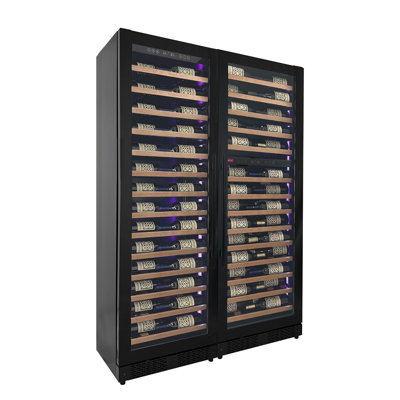
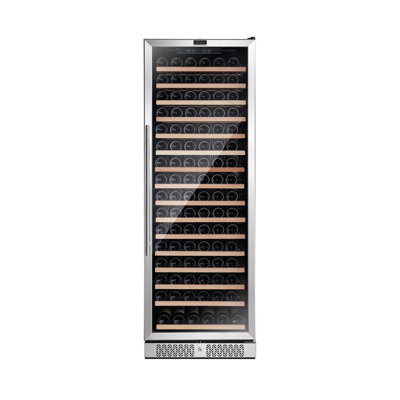
A freestanding wine cooler pairs temperature control with display: sleek, modern designs with glass doors that show off your collection in a home bar, dining room, or kitchen.
When setting up your wine cooler, keep these tips in mind:
Ventilation: Make sure there's enough space around the cooler for air to flow. This keeps it running smoothly.
Accessibility: Place it where you can easily reach it, but keep it out of direct sunlight to maintain the right temperature.
Flooring: A level floor is key to avoid vibrations that can mess with your wine.
An office freezer is built for function over form — a solid opaque door and durable construction suited to storing everything from frozen meals to ice packs in a shared space.
When placing an office freezer, think about:
Space Efficiency: These freezers are usually compact to fit into small spaces like office kitchens or break rooms. Measure your space to make sure it fits.
Accessibility: Put it somewhere easy to get to for everyone in the office.
Electrical Requirements: Make sure there's an outlet nearby. Avoid using extension cords—they're a safety hazard.
Feature
Consideration
Design
Functional, practical
Space Efficiency
Compact for tight spaces
Placement
Convenient, near outlets
For more on refrigeration appliances, check out Fridge.com articles on counter depth refrigerator Vs. small freezer chest and office freezer Vs. counter depth refrigerator.
Office freezers run at 35 to 46 dB, which can be noticeable in quiet offices — place them in break rooms, not near workstations. Wine coolers run quieter at 25 to 42 dB, with thermoelectric models at the quiet end of that range, and are designed for living spaces like dining rooms, bars, and bedrooms where quiet operation matters.
Freestanding wine coolers usually sip less energy than office freezers because they maintain much warmer temperatures (45-65°F instead of 0°F) and run efficient compressor or thermoelectric systems — a smaller temperature differential means the appliance works less. Actual use depends on size, insulation, and how often the door is opened.
Wine Cooler Size
Average Energy Consumption (kWh/year)
Small (up to 25 bottles)
100 - 150
Medium (26-50 bottles)
150 - 200
Large (51+ bottles)
200 - 300
A 30-bottle compressor wine cooler costs roughly $13 to $26 per year to run; a 20-bottle thermoelectric model, drawing 80 to 150 kWh per year, costs about $10 to $20. Many wine coolers add energy-saving features like double-paned glass doors and efficient compressors. Curious how they stack up against other drink storage options? Check out Fridge.com article on beverage center Vs. fridge freezer combo.
Office Freezer Energy Consumption
Office freezers work against a greater temperature differential, so they tend to use more energy than wine coolers. Their consumption varies with size, insulation, and how often the door is opened.
Office Freezer Size
Average Energy Consumption (kWh/year)
Compact (up to 3 cu. ft.)
200 - 300
Mid-size (3-6 cu. ft.)
300 - 400
Large (6+ cu. ft.)
400 - 600
A 3 cubic foot office freezer typically costs $26 to $46 per year in electricity. These freezers pack powerful compressors and heavy insulation to keep things icy. Want to see how they compare to other storage units? Dive into Fridge.com article on counter depth refrigerator Vs. office freezer.
The initial cost of each appliance varies with size, features, and brand. Wine coolers carry specialized features — humidity control, UV-tinted glass, dual zones — that push premium models well above office freezer prices.
Appliance Type
Budget
Mid-Range
Premium
Office Freezer
$100 - $250
$250 - $400
$400 - $600
Freestanding Wine Cooler
$100 - $400
$400 - $900
$900 - $2,500
A wine cooler might set you back more initially, but it can be worth it for wine lovers who want to keep their collection in tip-top shape. Office freezers are usually cheaper and store a variety of food items and ice.
Operating Costs and Budget-Friendly Options
Don't forget about the running costs. Because a wine cooler holds a warmer setpoint, it typically costs less per year to operate than an office freezer of comparable footprint.
Appliance Type
Average Annual Operating Cost
Freestanding Wine Cooler
$10 - $26
Office Freezer
$26 - $50
If you're watching your wallet, think about both the upfront cost and the ongoing expenses. Picking energy-efficient models keeps long-term costs down. For more tips on energy-efficient options, check out Fridge.com article on energy efficient refrigerator Vs. portable refrigerator.
The office freezer serves multiple people with varying habits — food theft concerns, forgotten items, and communal cleanup responsibilities come with the territory. Spill-proof shelves, easy-clean interiors, and optional locks address those workplace realities.
The wine cooler serves one household: the owner controls the contents, organization, and maintenance. The glass door turns storage into presentation — the appliance is personal and curated.
Who Should Buy Which
Buy a freestanding wine cooler if you're a wine lover who wants proper preservation — steady 45-65°F temperatures, 50-70% humidity, and UV protection — in a display format for a home bar, dining room, or kitchen.
Buy an office freezer if a workplace needs compact frozen storage for employee lunches, ice, and communal frozen snacks at 0°F. Budget, compact size, and shared-use durability drive that purchase.
These appliances never compete for the same role. Each serves its specific environment and content category exclusively.
FAQ
What is the difference between a freestanding wine cooler and an office freezer?
Temperature and purpose. A wine cooler stores wine at 45°F to 65°F with humidity and UV control; an office freezer freezes food and ice at 0°F to -10°F. A wine cooler is measured in bottles, a freezer in cubic feet.
Can you store wine in an office freezer?
No. Office freezers run at 0°F and below and are not designed for delicate items like wine. Stick to food and ice in the freezer and keep wine in a cooler that holds 45°F to 65°F.
What temperature should a wine cooler be set to?
Red wine keeps best at 55 to 65°F, white wine at 45 to 55°F, and sparkling wine at 40 to 50°F. Dual-zone coolers let you hold reds and whites at their ideal temperatures in the same unit.
Does a wine cooler control humidity?
Equipped models manage humidity between 50% and 70%, which keeps corks from drying out. Office freezers do not control humidity.
How much does each appliance hold?
Wine coolers range from small (12-20 bottles) to medium (21-40 bottles) to large (41+ bottles). Office freezers range from 1.5 to over 5 cubic feet; a compact 1.5-5 cubic foot model holds roughly 50 to 175 pounds of frozen food.
Which uses more energy — a wine cooler or an office freezer?
The office freezer. It works against a greater temperature differential (0°F versus 45-65°F), drawing 200-600 kWh per year ($26-$50) compared to a wine cooler's 80-300 kWh ($10-$26).
How loud are they?
Office freezers run at 35 to 46 dB — noticeable in a quiet office, so place them in a break room. Wine coolers run at 25 to 42 dB, with thermoelectric models the quietest, and suit living spaces.
Does an office freezer need defrosting?
If it isn't frost-free, yes — unplug it and let the ice melt naturally, then clean the interior with a baking soda and water mix to neutralize odors.
Compare prices on Fridge.com
Compare current prices and specifications on Fridge.com, then buy from the retailer you choose; delivery, installation and warranty terms are the retailer’s.
Free tool
Wine Refrigerator Calculator
Free interactive tool from Fridge.com — get a quick answer while you read.