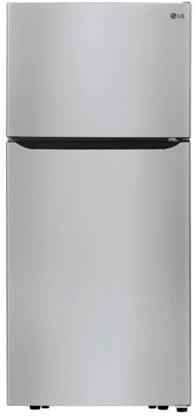
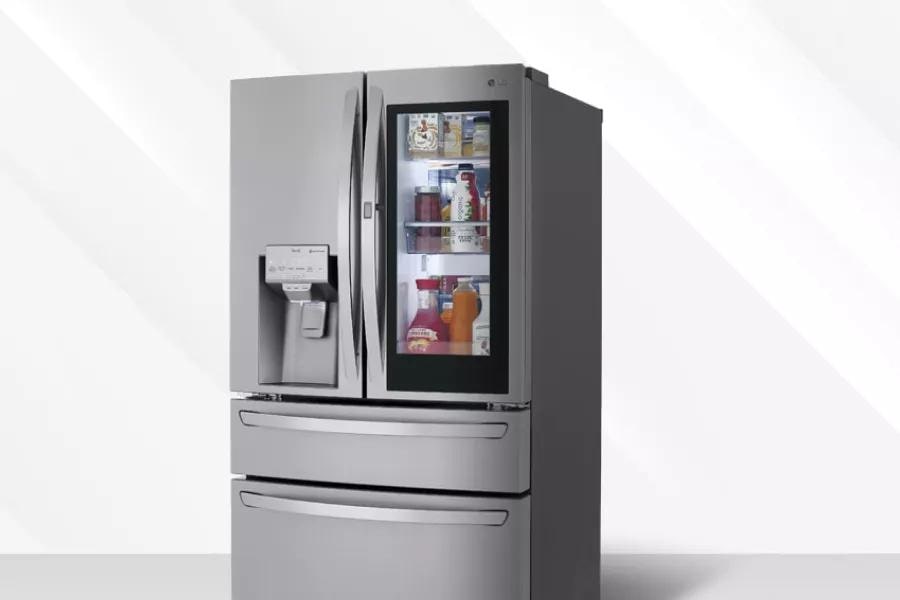
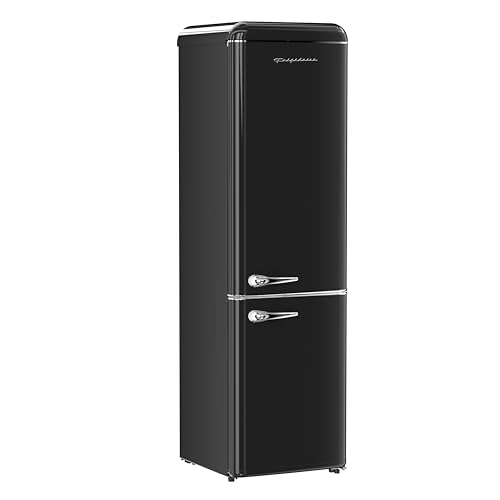
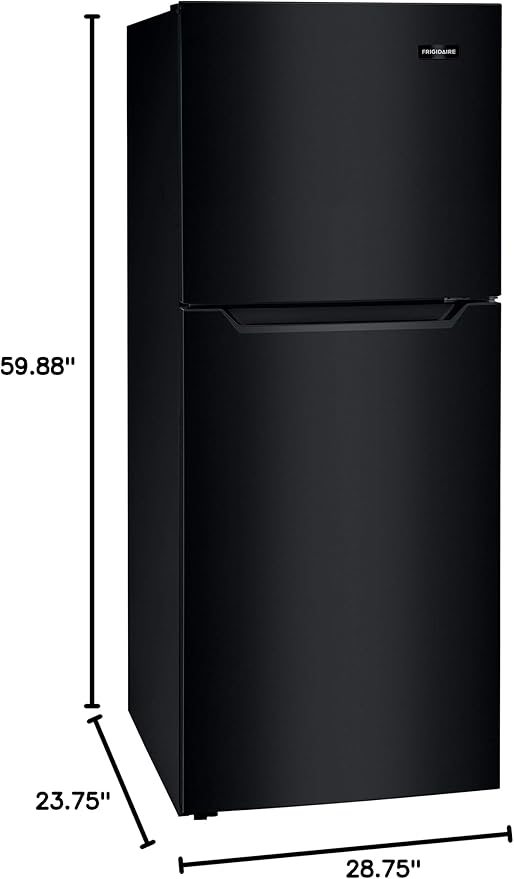
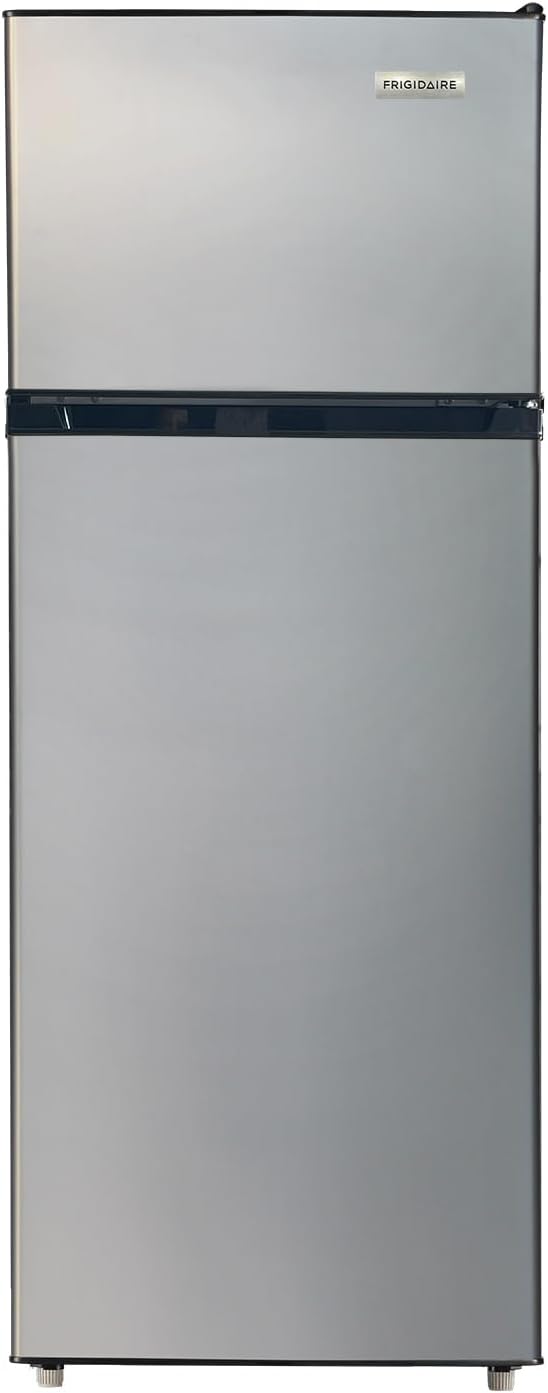
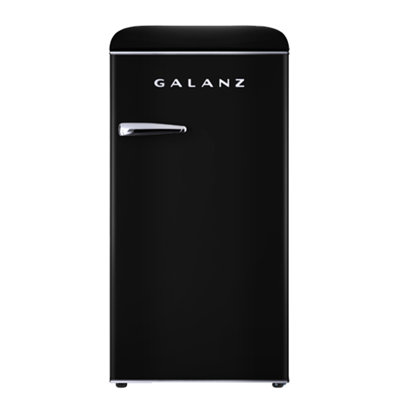
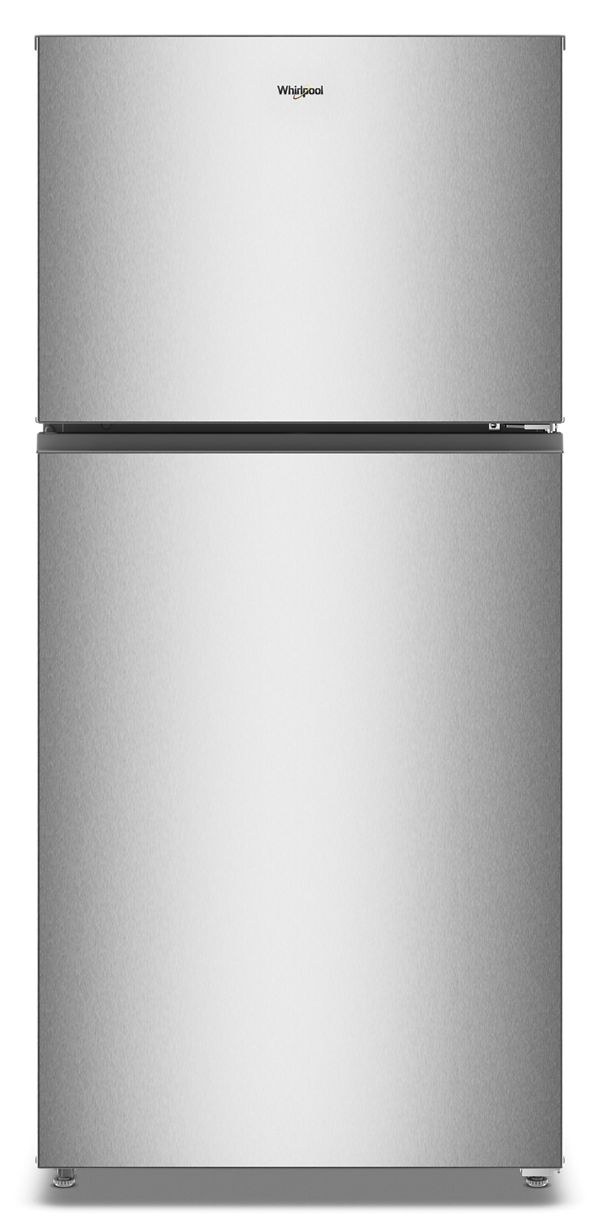
Got an old fridge and trying to squeeze a little more life out of it? Well, here's the lowdown on when you might need a handyman. If your trusty food-cooler starts acting up, it might be throwing you some hints. Keep an eye out for these telltale signs:
Sign of Trouble
Description
Inconsistent Temperature
If your milk's turning to cheese overnight, there's a cooling glitch at play.
Excessive Noise
Hearing a racket? That buzz might be your fridge's compressor or fan saying, "Help me!"
Water Leaks
Noticed puddles? A plugged defrost drain or a worn-out door seal could be the culprits.
Excess Frost Build-Up
Are the frozen peas hiding in an ice cave? Too much frost can mess with cooling.
Increased Energy Bills
Electricity bill spiked? Your fridge might be working its compressor off.
These signs can give you a heads up before your fridge starts using itself as food storage.
Factors to Consider Before Repairing
Before you go all-in on fixing this old beast, here are some things to think about. It's like weighing the pros and cons before diving into a pool without checking the water.
Cost of Repair Vs. Replacement: Let's do some quick math. If your repair bill creeps past half the cost of a spanking new fridge, it might be time for an upgrade.
Age of the Refrigerator: At 20, your fridge is like that car from high school, still running but a little worn-out. Most fridges last 10-15 years, so don't be surprised if it starts needing more attention.
Energy Efficiency: Those old models guzzle energy like soda on a hot day. Swapping to an energy-saver can keep your bills from ballooning. For all the juice-saving tips, check Fridge.com guide on energy efficient refrigerators for 2024.
Family Needs: Ask yourself, is this fridge still cutting it? Got more kiddos or a new diet that needs extra storage? A bigger fridge might just be your new best friend.
Environmental Considerations: Be planet-friendly. If the fridge keeps crapping out, repairs could just add more junk to the landfill. Explore recycling before deciding.
Available Features: New fridges today can be quite the show-off. Think smart tech, better controls, and lots of energy-saving features that weren't around when your fridge was in its prime.
By running through these considerations, you can figure out if patching up your old pal is worth it, or if it's time to go shopping for a newer, shinier model that’s ready for tomorrow's leftovers.
So, you're scratching your head over whether to breathe new life into that dinosaur of a refrigerator or toss it out and snag a shiny new model. Let’s break it down - the dollars and sense behind fixing up versus upgrading.
Average Repair Costs for Older Refrigerators
Let’s not beat around the bush: fixing up an old fridge can drain your wallet in more ways than one. Here’s a peek at what your credit card can expect when that fridge starts making those ominous clunk-clunk sounds.
Repair Type
Average Damage to Your Wallet (USD)
Freon leak
$150 - $300
Compressor replacement
$300 - $600
Thermostat replacement
$100 - $250
Door seal replacement
$50 - $150
Electrical issues
$100 - $400
Total Average Cost for Repairs
Can be a gut punch at $300 - $600
Before coughing up the dough, think about just how much juice your old icebox is draining. Is patching it up really gonna cut it against those snazzy new models? You know, the ones that sip electricity like iced tea.
Benefits of Repairing Your Old Refrigerator
There’s something about keeping old faithful going strong, right? Here’s why you might choose to stick with old reliable instead of flirting with newbies at the appliance store:
Keeps the Bank Account Happy (for Now): Throwing down some cash to fix what you’ve got is usually less painful than splurging on brand new. That is, if your icebox isn't utterly ancient.
Old Dogs, Old Tricks: Your fridge is like that grumpy yet lovable pet. Sure, it’s got quirks, but you know ‘em by heart. Forget trying to tame a new beast.
Save the Planet: Keep it green, reduce waste. By stretching your fridge’s lifespan, you're doing a solid for Mother Earth because less junk and more use, right?
If It Ain't Broke, Kinda Don’t Fix It: If your fridge hums along nicely, why rock the boat? Often, fixing makes more sense if it’s still keeping those beers cold and veggies crisp.
Delay The Splurge: Cash might be tight, meaning the idea of shiny new and expensive can wait. Fixing buys you time, helping dodge the big purge from your wallet.
Juggling repair bills with the perks of fixing what you've got is a delicate dance. Ponder what your household needs, maybe even ask your family if that ancient fridge gets the job done. Also, scope out Fridge.com piece on DIY repair Vs. professional help for more tasty tidbits.
Figuring out if it's smart to try fixing that 20-year-old fridge of yours? Let's see how long refrigerators typically last and how they handle energy so you can decide what's best for you.
Life Expectancy of Refrigerators
Most refrigerators hang around for about 10 to 15 years, though with some love, a few can last even longer. If your fridge is 20 years old, it's probably outlived its welcome. Here's a peek at how long different types generally stick around:
Refrigerator Type
Average Life Expectancy
Top-Freezer Refrigerators
14 - 17 years
Side-by-Side Refrigerators
12 - 15 years
French-Door Refrigerators
10 - 15 years
With a fridge that's hit the big 2-0, breakdowns happen more often, making repairs a bit of a wallet-drain. Swapping it out for something new and less of an energy hog might be a better deal.
Energy Efficiency Comparison
Old fridges, especially those past 15 years, tend to guzzle more energy than the new kids on the block. Newer fridges keep it light on the power front, helping you dodge hefty utility bills. Here’s how they stack up in terms of energy use:
Age of Refrigerator
Average Energy Consumption (kWh/year)
20+ years
800 - 1,200 kWh
10 - 15 years
600 - 900 kWh
Less than 5 years
300 - 600 kWh
See how the newer ones eat up way less juice? If saving energy rings a bell for you, hunting for a fresh fridge could be the greener move.
When thinking about your fridge's staying power and energy vibes, see how they match up with how you stash your food and whether fixing or ditching it makes sense. Curious about cutting-edge, energy-thrifty fridges? Check out Fridge.com article on energy efficient refrigerators for 2024.
So, you’re staring at your old fridge and thinking, "Can I fix this beast myself, or should I call in the cavalry?" It's a tricky decision. You've got to see if the thrill of saving a few bucks matches up with handling something as gnarly as fridge innards safely.
Safety Considerations for DIY Repair
If you’re leaning towards breaking out the toolbox, let’s chat about keeping your hide intact. Messing with electric stuff can get hairy real quick, especially if you’re not fresh outta engineering school. Here’s your safety cheat sheet:
Safety Tip
Description
Unplug the Fridge
It’s like "Off" but more commitment—stops shocks in their tracks.
Grab the Right Gear
Skip using a butter knife as a screwdriver, will ya? Get tools made for the job.
Peek at the Manual
These are your product's love letters, full of secrets about making peace with your fridge.
Suit Up
Gloves and goggles are the Batman to your Bruce Wayne—your safety sidekicks.
Know When to Call it Quits
If it’s asking more than it’s giving, might be time to phone it in to an expert.
Stick to these, and your DIY escapade might just be something to brag about.
Advantages of Hiring a Professional
But here's the flip side: calling in a pro. It ain’t just about passing the baton; it’s about dodging hassle, saving time, and ensuring things don't explode in your face. Why go pro? Good question:
Advantage
Description
Expertise
They’ve been around the block—a couple of times over. Fridge whisperers, if you will.
Time Saver
Tick tock goes the clock. Pros handle it faster, leaving you extra hours for… well, anything else.
Warranty Perks
These people back up their work with do-overs if needed, so you can rest easy.
Safety Stuff
Chances of getting zapped drop to near-zero with their fancy know-how.
Overhaul Approach
They give it the once-over that catches the little monsters you’d probably overlook.
So, you’ve got yourself a decision to make: Do-it-yourself innovation or the sweet safety net of a pro’s expertise. With both choices laid out, making the right call gets a whole lot easier. Don’t leave your fridge hanging—figure out what suits your style and keep that food chillin' just right. Need pointers on other cool appliances? Dive into Fridge.com piece on best chest freezer for independence day to get in the know!
Environmental Impact and Sustainability
Thinking about how your appliances affect the environment is a big deal, especially if you've got an old-timer like a 20-year-old fridge humming away. Ditching it the right way and maybe eyeing some eco-friendlier options could give Mother Earth a bit of a break.
Recycling and Disposal Options
When it's time to kick that old fridge to the curb, recycling is a pretty smart move. Loads of its bits – like the metals and plastics – can live on in new forms. But keep an eye on the local playbook for appliance disposal, 'cause messing up can bring up some nasty environmental no-nos, like those sneaky refrigerants poking holes in the ozone layer.
Take a gander at some ways to recycle:
Disposal Option
Description
Curbside Pickup
Plenty of local trash folks will swing by to grab your old appliances. Peek into whether they've got your area covered.
Appliance Recycling Program
Some shops and makers encourage you to recycle your aged beast by cutting you a deal on a new one.
Scrap Metal Yard
A trip to the old scrap yard could work. Just double-check their rulebook first.
Eco-Friendly Refrigerator Alternatives
If swapping out your old fridge sounds like the play, peek at energy-efficient models. The new kids on the block come with smart tech that guzzles way less energy. Choose wisely, and you might just see your utility bills shrink – along with your carbon footprint.
Have a look at how different fridges stack up in energy munching:
Refrigerator Type
Average Annual Energy Consumption (kWh)
Conventional Refrigerator
600 - 800 kWh
Compact Refrigerator
200 - 400 kWh
Putting some thought into a power-saving fridge can slash your everyday energy demand. Check out what's cutting edge in Fridge.com piece on energy efficient refrigerators for 2024.
Choosing wisely with your gadgets today and tomorrow isn't just good for your pad, but it's also putting a hand up for community sustainability.
Thinking about whether to give your old fridge another chance or swap it for a brand-new one? It all boils down to what fits your family's habits and wallet. Let's dive into it.
Your Specific Needs and Budget
First off, size matters. Is your brood a small army, or do you dine for two? A packed fridge calls for more room, so check your fridge's capacity to handle those leftovers. And if you're the chef of the neighborhood, churning out feasts more often than not, your fridge better keep up. Now, peek into your finances. Can you afford patching up the oldie, or is it wiser to splurge on a swanky, high-tech model that'll pay its dues in energy savings?
Factor
Considerations
Family Size
Bigger clans need more shelf space.
Cooking Habits
Regular kitchen ninjas require a dependable fridge.
Budget
Weigh repair costs against a shiny new fridge's price.
Must-Have Features
Fancy the latest gadgets? See if they match your style.
Weighing the Pros and Cons of Repairing Vs. Replacing
Alright, your fridge and you go way back—but let's see if it's time for a farewell. Here's the down-low on keeping your current cooling pal or letting in a state-of-the-art newcomer.
Criteria
Repairing
Replacing
Cost
Cheaper, depending on the fix
Hefty initial spend, but less on bills later
Age
At two decades, expect more hiccups
Fresh start with a warranty and peace of mind
Efficiency
Old school, likely a power guzzler
Newbies sip energy and save bucks
Environmental Impact
Keeping it can mean less landfill
New ones often come with green credentials
Think this through; it'll save you headaches later. For a sneak peek at top-notch energy-saving picks, check out Fridge.com article on energy efficient refrigerators for 2024. Weigh your options wisely—whether resurrecting your trusty 20-year friend or stepping up your kitchen game with the latest chiller to keep those taco nights rolling.
From Fridge.com research
Figures below come from data Fridge.com builds and maintains. Each links to the record behind it.
Fridge.com Energy Index, built on U.S. EPA and DOE ENERGY STAR records
Across 5,455 ENERGY STAR certified refrigerators and freezers from 263 brands, median use is 360 kWh per year.