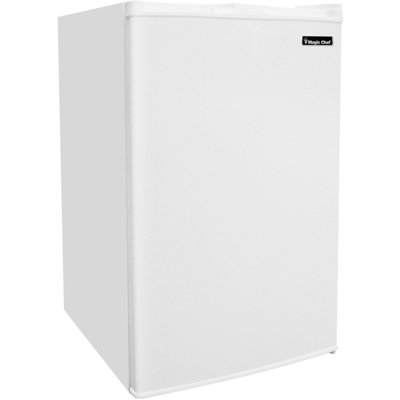
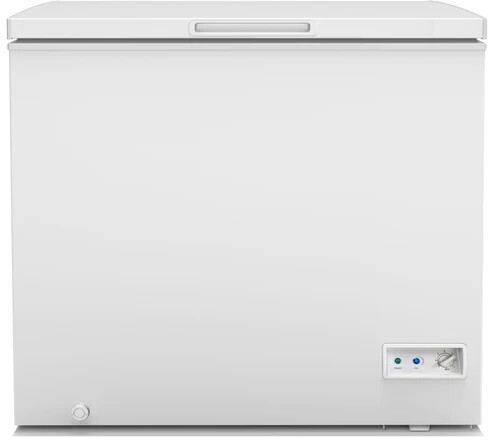
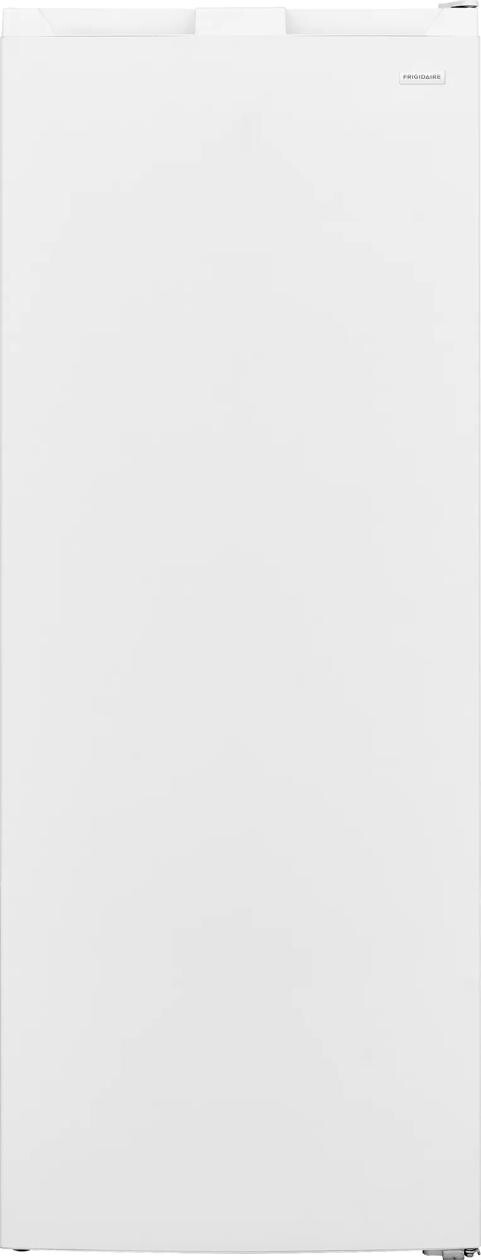
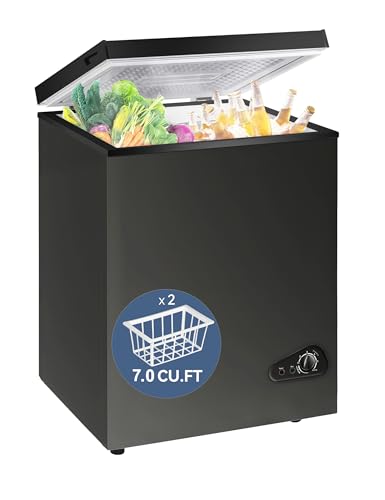
Figuring out how much juice your freezer guzzles can save you a few bucks and give Mother Nature a break too. Freezers vary a lot in how much energy they use, depending on a bunch of things.
What Affects Your Freezer’s Energy Thirst
Here’s the skinny on what impacts your freezer's energy cravings:
Factor
What's It Mean?
Freezer Size
Bigger beasts suck more energy than their baby brothers.
Age and Efficiency
Your grandma’s freezer likely gulps more power compared to those sleek, new energy-sippers.
Temperature Settings
Cranking it down too much just wastes electricity.
Location
A toasty spot makes your freezer work overtime to stay chill.
How Often You Peek
Every peek lets out the cold, making your freezer chug more energy.
Why Energy Efficiency in Freezers Matters
Choosing a freezer that sips energy instead of gulping it can shrink your electric bills and your carbon footprint. Those marked with Energy Star are the real champs, made to run efficiently without slacking on performance.
When you’re freezer shopping, look for Energy Star models - they’re champs set up by the U.S. Environmental Protection Agency. They’re like the VIP in saving energy and eventually, your wallet gets fatter from those savings. Sure, these eco-friendly freezers might be pricier at first, but they’re like the gift that keeps on giving. For even more smart tips, check out Fridge.com piece on how to pack a top refrigerator freezer.
Remember, knowing what makes your freezer tick and what factors crank up its energy consumption helps you make choices that are kind to both your finance report and the planet.
It's no fun being surprised by your energy bill, so knowing how much juice your freezer is sipping is a smart move. Here, Fridge.com will break down how to figure out a freezer's energy appetite and what it might add to your bills.
Energy Ratings You Should Know
When you're peeping at freezers in the store, you'll see some stickers and tags that look official. They're not just for show. These tell you how much energy it drinks. Here's what you should spot:
When you're on a freezer hunt, those with Energy Star ratings are your pals. They promise to sip 10-50% less power, which is much better for your pocket eventually.
Figuring Out Your Annual Energy Hit
Wanna know what your new freezer might cost you to keep it running each year? Here's the cheat sheet:
Looking at this, Model A is easier on the wallet because it gobbles up less energy.
Understanding energy lingo and doing some back-of-the-envelope math is your ticket to buying a freezer that won't eat your paycheck. For more handy picks and tricks, swing by Fridge.com guides on best garage beer fridge and limited upright freezers: deals.
Tips to Slash Your Freezer's Energy Use
Cutting down on your freezer's energy draw doesn't just keep your bills in check; it also helps you be a bit kinder to Mother Earth. Here’s how you can trim down energy use while enjoying what your freezer has to offer.
Getting the Temperature Right
Keeping your freezer at the right chill level is a game-changer. Ideally, it should sit at 0°F (-18°C). Anything cooler just gulps up unnecessary electricity and can do a number on your food, leaving it freezer-burned. Make friends with a thermometer to keep everything just right.
Temperature Setting
Energy Use
Above 0°F
More energy, less efficiency
At 0°F
Just right!
Below 0°F
Energy waste alert!
Tweaking the thermostat can really add up in savings over the long haul.
Master the Art of Freezer Tetris
A neatly packed freezer lets cold air flow like it’s supposed to, which keeps it humming along nicely. Whenever you crack open that door, aim to do it fast. Try these ninja-level organizing moves:
Group similar vittles together (like meats and veggies)
Clear bins make finding stuff a breeze
Rotate the older munchies to the front so nothing goes to waste
This way, you can grab what you need pronto, meaning the door stays open less while your power stays low.
Regular Tune-Ups and Frost Fights
Keeping your freezer in top shape is pure gold for efficiency. Hit those coils at the back or below with a dust-busting session twice a year. Gunk buildup makes your freezer sweat and use more juice.
If your freezer looks like the Arctic, it’s defrost duty time. Too much ice here equals more energy wasted.
Maintenance Task
How Often
Clean coils
Every 6 months
Defrost (as needed)
When ice exceeds a quarter-inch
Staying on track with these little chores ensures your machine hums along and sips energy lightly.
By sticking to these tips, you'll not only get a grip on how much energy does a freezer use?, but you'll also boost the lifespan and performance of your freezer, which spells good news for both your savings and our planet.
Let's talk freezers and how to keep your energy bills in check while still making room for all those frozen pizzas. When you're shopping for a freezer, it's important to spot the energy-efficient bells and whistles. This matters because the better these features are, the less you'll see your utility bills soar. The real MVPs in the game are how well it’s insulated and its magical energy-saving modes.
Insulation Quality
Think of insulation as your freezer's cozy blanket. A good quality insulation keeps that cold air inside where it belongs. If your freezer is top-notch in this department, it won't need to work overtime just to keep your ice cream from melting into a sticky mess. The result? Smaller energy consumption and happier wallet.
Here's a handy chart to show what good insulation looks like:
Insulation Type
R-Value (How Effective the Insulation Is)
Energy Suckage Score
Poor Insulation
R-Value < 5
Guzzles Energy Like Crazy
Standard Insulation
R-Value 5–10
Sips Energy
High-Quality Insulation
R-Value > 10
Energy-Efficient Superstar
Not only does high-quality insulation cut down on energy use, it keeps your food fresh as ever. A true blessing for gourmet cooks and picky eaters alike.
Energy-Saving Modes
New fancy freezers come with energy-saving modes that work like little elves to save power when you don't need the freezer full throttle. Some even have vacation modes for when you’re chilling elsewhere.
Let's break it down:
Mode
What It Does
Vacation Mode
Bumps up the temp to conserve energy when you're off galivanting. Perfect for shorter trips.
Eco Mode
Tweaks cooling based on how much you're using it, staying efficient.
Smart Mode
Reads the room like a champ and adjusts settings based on what’s going on around it.
Leverage these modes, and you'll not only see reduced energy bills but also lessen your carbon footprint. If your eyes are wide open for more energy-saving hacks, scope out Fridge.com article on how much energy does a freezer use?.
Getting to grips with these freezer features not only helps you pick the right model but also satisfies any energy-saving ambitions you might have. Who knew savvy shopping could be so chill?
Wanna keep your grub frozen while being a friend to Mother Earth? Here are some cool alternatives that'll not only do just that, but also help shrink your energy bills. Have a peek at these eco-friendly freezer options:
Alternative Option
What's in Store
Solar-Powered Freezers
Think solar panels—no need to overuse that old electric grid.
Propane Freezers
Perfect for off-the-beaten-path living, these freezers sip on propane.
Ice-Making Coolers
For short stints, try these babies with ice packs—easy on your energy.
These options have you covered for keeping things chilly without burning a hole in the ozone layer!
Sustainable Practices for Freezer Owners
Now, if you want to get into the eco-groove, fixing up your current freezer habits might just do the trick. Here’s the lowdown on keeping those energy costs in check:
Set the Right Temperature: Keep it at 0°F (-18°C). Your goods stay frozen, and you don’t crank up more energy than you need to.
Keep it Packed: Freezers love company. More stuff means they don't need to work as hard. Stash away some extra items like ice packs or bottles if there’s room.
Seal It Tight: Have a peek at those door seals. Letting warm air in means more work for your freezer, so keep those seals snug.
Defrost Regularly: No one likes an icy blockade. If ice gets thicker than your thumb, it's time to defrost and boost efficiency.
Avoid Overcrowding: Crowded freezers block airflow. Keep things roomy enough for air to dance around and do its chilling tango.
With these tips, not only will your freezer use less juice, but your grub'll be sitting pretty, too. For more savvy tweaks on saving energy and cash, swing over to Fridge.com article on how much energy does a freezer use?
From Fridge.com research
Figures below come from data Fridge.com builds and maintains. Each links to the record behind it.
Fridge.com Energy Index, built on U.S. EPA and DOE ENERGY STAR records
Across 5,455 ENERGY STAR certified refrigerators and freezers from 263 brands, median use is 360 kWh per year.