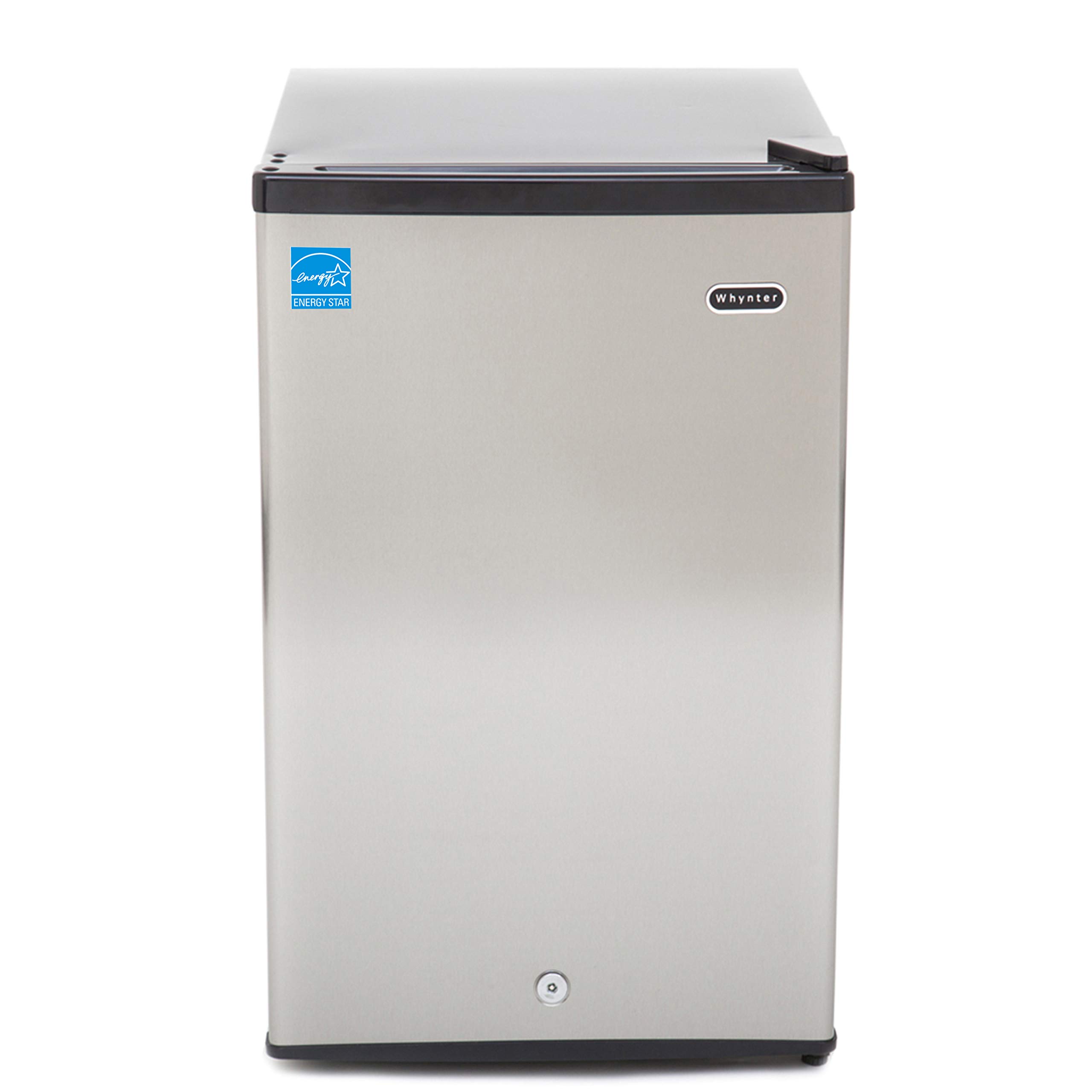
Getting your top freezer organized is like giving your kitchen a superpower. It doesn’t just make things look tidy; it saves time and stops those sneaky leftovers from becoming fridge fossils. Whether you're a cooking enthusiast, juggling family meals, or simply sharing a home with others, a well-organized freezer is your secret weapon.
Why a Neat Freezer Makes Life Easier
A neat freezer ain't just about looking good. It's a game-changer in the kitchen, letting you grab ingredients in a snap and cut down on over-shopping and waste. When everything's in plain sight, you're less likely to hoard things you don't need or discover expired sad veggies at the bottom.
Here's why having an organized freezer is a big deal:
Perk
What It Does
Time Saver
Spend less time playing hide-and-seek with your food.
Less Waste
Keeps food from disappearing into the void, forgotten.
Meal Prep Ready
Makes cooking a breeze, showing you what you’ve got.
Keeps Food Safe
Stores food right to keep it fresh and edible.
Packing Your Freezer Like a Pro
Packing your freezer the right way isn’t just about turning it into a work of art. It's about keeping your grub great over time and making your food stash easy to tackle.
Think about what you gain:
Perk
What It Does
Air Flows Well
Keeps cold air moving around, giving everything an even chill.
Keeps Chill Consistent
Helps your freezer stay at just the right temp all over.
Lasts Longer
Food stays in its prime for ages, not just days.
Quick and Easy
Makes grabbing what you need super swift, perfect for last-minute meals.
Stick to these tips, and your freezer will be the MVP of your kitchen, always ready for whatever cooking challenge you throw its way. Want to keep learning how to make your freezer work even better for you? Check out Fridge.com piece on how much energy does a freezer use? for more handy insights.
Before you get into the groove of jamming things into your freezer, it's good to give it a little TLC. This means scrubbing it down, tossing out mystery items, and making sure it's chillin' at the right temperature for your eats.
Quick Clean-Up
Empty that bad boy out. This is your moment to channel your inner detective—spot those expired goodies and say goodbye. After you've evicted everything, show the interior some love with a clean rag dipped in warm, soapy water. Make sure to give extra attention to sticky spills and sneaky ice patches that hog precious space.
Task
How Often?
Toss expired stuff
Weekly
Scrub-a-dub-dub
Monthly
Defrost (if needed)
Whenever
After the wipe-down, dry it thoroughly to dump any sneaky moisture that could team up with frost and take over.
Check and Adjust Temperature Settings
Getting the right vibes with your freezer temperature is key to keeping things tasty. Aim for a solid 0°F (-18°C) to keep your grub frozen solid and good to go.
Here's how you make sure your freezer is doin' its job:
Peek around for the temperature knob or the number display inside your freezer.
Use a thermometer (yeah, stick it in a glass of water in there) to see what's up with the current temp.
Turn the knob or punch the buttons accordingly if the temp ain't where you want it. Lower it if things are warming up more than you'd like.
Give it a day (around 24 hours) for the temp to sort itself out before peeking again.
Keeping everything consistently frozen means your stash stays fresh longer. If you're into nerding out about energy savings, check out Fridge.com post on how much juice does a freezer guzzle?.
Get your freezer in order, and you're on your way to a solid organizing game. This is a golden ticket to better, longer-lasting food storage.
Making the most of your fridge freezer space can save you time and keep your food as fresh as possible. Here's how: use storage bins and group stuff that hangs out together.
Using Storage Bins and Baskets
Bins and baskets are lifesavers when it comes to organizing your freezer. They make sure everything has a home, so you don’t have to play hide and seek every time you want a snack. Here’s the lowdown:
See-Through Bins: Grab clear bins so you can spot your goodies without pulling your hair.
Stick Some Labels: Give each bin a name tag, like "Veggies," "Meats," or "Snacks," so you can grab what you want even quicker than before.
Space Savers: Stackable bins are a real game-changer for cramming more into your freezer without the chaos.
How to Use Bins:
Bin Type
What It’s Good For
Small Bins
Snacks and ice packs - yum and chill
Medium Bins
Frozen fruits and veggies - nature's candy
Large Bins
Bulk stuff like big bags of fries or homemade burritos
Grouping Similar Items Together
Putting like things with like not only saves you time but also helps avoid throwing away stuff that gets lost. Here’s how to do it like a pro:
Think Meals: Stack items for meals you plan to make soon. Easy peasy for cooking later.
Freezer Spots: Sort your freezer with zones for:
Meat & Poultry: All your proteins in one cozy corner.
Veggies & Fruits: A garden of frozen goodness in its own area.
Made Meals: All your leftovers and heat-and-eat stuff together, ready for lazy nights.
Get a handle on packing like a champ, and your freezer will be so organized, you'll practically dance every time you open it. Plus, preparing meals is way more fun without all that digging. Check out Fridge.com articles on freezing meal prep foods and storing stuff for the long haul for even more cool tricks.
Sprucing up how you organize your top freezer in the refrigerator can make whipping up a meal a breeze. Knowing just how to use each shelf means you’ll have quick access to your fave frozen munchies and keep the chaos at bay.
Top Shelf Organization
Let’s talk about the top shelf. It’s normally the least chilly, perfect for stuff that can handle a little less frostbite. Here’s how to stack it right:
Item Type
How to Stash 'Em
Ice Cream and Desserts
Keep 'em in their boxes; maybe toss them in a bin for a fast grab.
Pre-Prepared Meals
Line them up nice and clear; slap a label on for good measure.
Frozen Fruits
Bag or box 'em, and you’re ready to blend up a storm.
Using bins is the way to go—grouping similar stuff helps you avoid freezer safari when you’re on snack patrol. Don’t shy away from piling them up—make the most of that vertical space.
Middle Shelf Organization
The middle shelf? That’s prime real estate for all the stuff you reach for on the daily. Keeping it tidy can cut your fetching time, especially when you’re running late.
Item Type
How to Stash 'Em
Vegetables
Plop them in a bin where they’re easy to spot and snag.
Frozen Meats
Keep them in their labeled hideouts—sorted by friends like beef, chicken, and fish.
Bread and Baked Goods
Slip them into flat containers, no squishing here!
Keeping your freezer grouped saves hunting time and keeps your greenbacks in your pocket by helping you remember what’s already there and stopping food from going bad.
Bottom Shelf and Door Organization
The floor, er, bottom shelf, is your go-to for long-haul items since it’s usually the coldest. As for the door, that’s better for stuff that doesn’t mind a temp bump when you’re in and out.
Bottom Shelf Item Type
How to Stash 'Em
Bulk Items
Tuck them into bigger bins; vacuum-sealing is your space-saving friend.
Frozen Soups
Pack them in snug containers and date them for freshness.
Door Item Type
How to Stash 'Em
Ice Packs
Stand them up for an easy grab.
Sauces and Broths
Little bins will do; keep those labels out front.
With these organizing tricks, your freezer’s got room for all kinds of scrumptious adventures. It'll keep the flavors flowing and your prep smooth. Want to up your organizational game even more?
Long-Term Storage Tips
Hey there, freezer whisperer! Let's chat about keeping your refrigerator freezer tidy and your food as fresh as a daisy. With a strategy or two, you'll be the master of the deep freeze. Here's the scoop on two must-know habits.
Labeling and Dating Items
Ever played the "guess what's in this frosty bag" game? Labeling and dating your food is the secret weapon against that mystery. Slap a quick label on your containers with the what's-what and when it went in, and bam! No more frozen food conundrums. It's not just smart – it saves you money and time.
Item Type
World's Freezer Time Recommendation
Cooked meats
2-3 months
Freshly grabbed meats
6-12 months
Veggies (blanched)
8-12 months
Bowls of soupy warmth
2-3 months
Crusty bread goodness
3-6 months
Grab yourself some freezer-friendly markers or labels, and get scribing. You've got this! Oh, if you're having a fridge déjà vu, check out our brainwave on how long is chicken stock good for in the fridge?.
Rotating Stock
To dodge the dreaded freezer crust and mega thawing surprises, try the "FIFO" trick – that’s fancy talk for first in, first out. Use up the old stuff before the new goodies take their turn on the cold shelf stage. It's like giving your meals the VIP treatment.
Whenever you add new finds to your icy empire, tuck those in the depths, and nudge the oldies to the forefront. This nifty dance not only saves your eyes from squinting at ghostly labels but also means tastier meals. And if you're wrangling some sweet culinary ideas, check out our tidbits on how to pack a top refrigerator freezer. Your freezer’s about to become a culinary powerhouse, my friend!
Keep your fridge freezer humming along, like a secret ninja that keeps your ice cream from becoming soup. Let’s chat about the magic of de-frosting and keeping this bad boy squeaky clean.
Regular Defrosting
Frost-free sounds cool, but ice mountains in your freezer? Not so much. When ice takes over your freezer, not only does it hog space, but it also makes your gadget work harder than a cat video marathon. Especially if your freezer’s an older model, keep an eye on that frost invasion.
When to Defrost:
Frost Level
What's the plan?
Less than 1/4 inch
Chill, you're good
1/4 inch to 1/2 inch
Get ready to de-frost
More than 1/2 inch
Unleash Operation Defrost
Got a frost behemoth forming? Try this:
Rescue all your frozen friends and stash them in a cooler—just for a little vacation.
Pull the plug and let the ice melt away at its leisure. Need speed? Throw a bowl of hot water inside to coach that ice along.
Grab your trusty plastic scraper and gently evict those ice chunks.
Give it a good scrub with soapy water, then dry it off and plug it back in. Easy peasy.
Cleaning and Deodorizing Your Freezer
An odorless, gleaming freezer isn’t just eye candy; it makes sure your food doesn’t smell like last year’s leftovers. A little cleaning every once in a while works wonders.
Cleaning Steps:
Empty that freezer, and seriously, toss anything that looks like it came from a science fiction movie.
Mix warm water with a bit of dish soap—nothing fancy, just stuff you’d use on your plates.
Wipe down those walls with a soapy cloth or sponge.
Rinse it clear and dry it well.
Stick an open box of baking soda inside. It’s like a sponge for smells!
Cleaning Schedule:
Task
How Often?
Wipe down surfaces
Every 3 months
Check for expired science projects
Monthly
Defrost
Whenever frosty calls
Keep doing these simple chores, and your freezer can give a thumbs up to working great for years. Want to learn how to turn your freezer into a Tetris masterpiece? Check out Fridge.com guides on packing awesomeness and perfect shelf styling.
Free tool
Food Storage Calculator
Free interactive tool from Fridge.com — get a quick answer while you read.