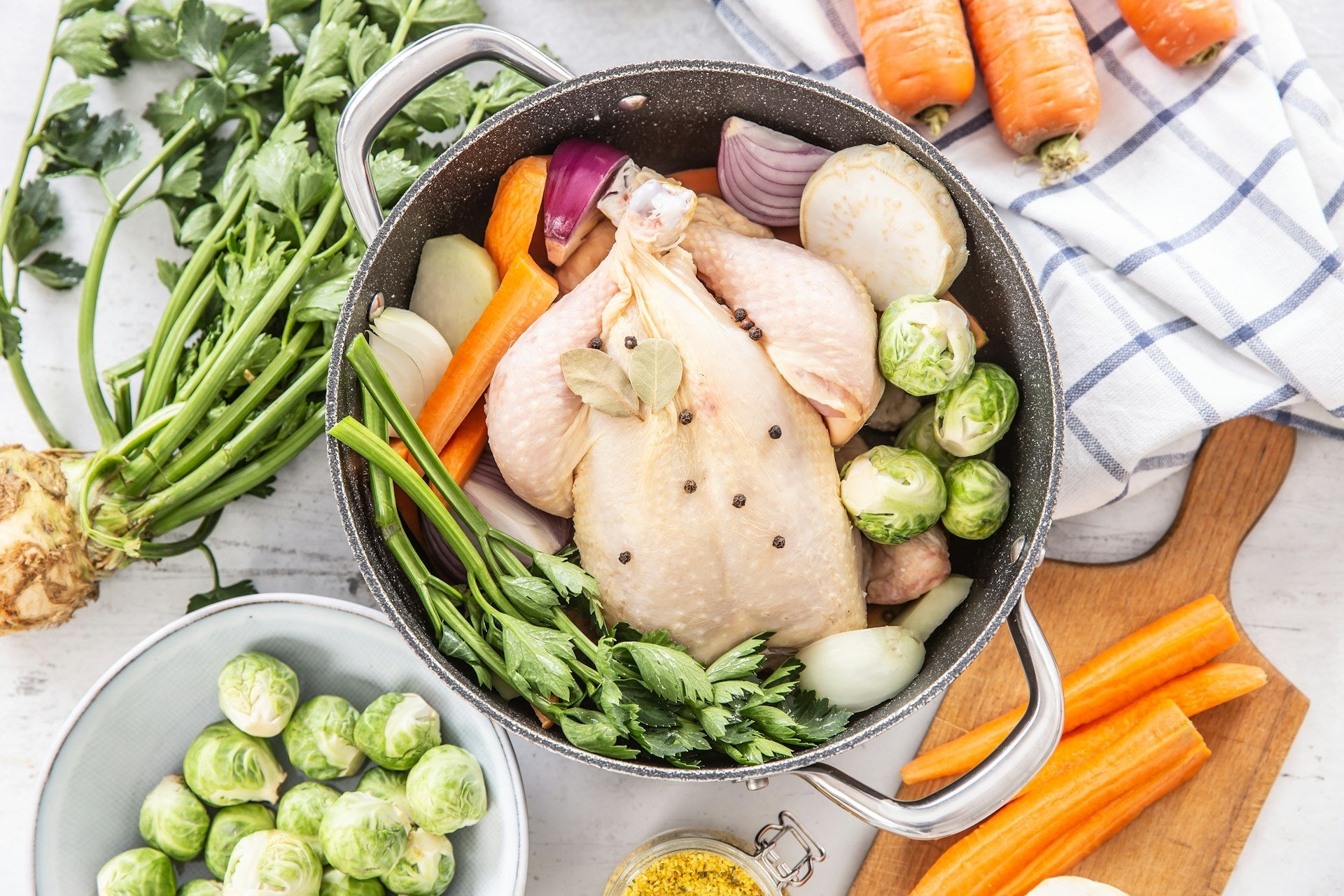
Proper storage of homemade chicken broth is essential to ensure its safety and freshness. Maintaining the right conditions helps preserve the broth's flavor and nutritional value, while also preventing the growth of harmful bacteria. By understanding the best practices for storing chicken broth, you can extend its shelf life and enjoy it in your meals without worry. The same guidance applies whether you call it chicken broth or homemade chicken stock, since both are stored and handled the same way.
Guidelines for Refrigerating Homemade Chicken Broth
To keep your homemade chicken broth fresh in the fridge, follow these guidelines:
Cool the Broth Quickly: After cooking, allow the broth to cool to room temperature. To speed up the cooling process, you can place the pot in an ice bath. Do not put a large pot of hot broth directly in the fridge; it can raise the internal temperature and put other foods at risk.
Transfer to Airtight Containers: Once cooled, transfer the broth into airtight containers. This helps prevent contamination and retains the broth's aroma and flavor.
Label and Date: Always label the containers with the date the broth was made. This makes it easier to keep track of its freshness.
Store in the Fridge: Place the containers in the refrigerator at a temperature of 40°F (4°C) or below. Homemade chicken broth can typically be stored in the fridge for 3 to 4 days.
By following these guidelines, you can ensure that your homemade chicken broth stays fresh and safe to consume for as long as possible. If you need to extend its shelf life further, consider freezing the broth. For tips on freezing and thawing, visit Fridge.com upcoming sections on how long to keep homemade chicken broth in the fridge.
How Long Does Homemade Chicken Broth Last in the Fridge?
Homemade chicken broth keeps 3 to 4 days in the refrigerator when stored at 40°F (4°C) or below in a covered, airtight container. Unlike store-bought shelf-stable broth, homemade broth does not contain preservatives, so it has a shorter fridge life once it has been cooked and cooled. This 3 to 4 day window is the same whether you are storing fresh chicken broth, chicken stock, or bone broth, and it follows standard food-safety and U.S. Department of Agriculture (USDA) guidance for cooked foods.
To get the full 3 to 4 days, cool the broth quickly and refrigerate it within 2 hours of cooking (or within 1 hour if the room is above 90°F). Broth that sits out longer than that should be discarded, even if it looks and smells fine.
Understanding the shelf life of homemade chicken broth is essential to ensure it remains safe and delicious for consumption. Several factors can influence how long your homemade broth will stay fresh in the refrigerator.
Factors Affecting Shelf Life
Several key factors can affect the shelf life of your homemade chicken broth. These include:
Storage Temperature: Keeping your broth at a consistent and cold temperature is crucial. The refrigerator should be set at or below 40°F (4°C). Fluctuating temperatures can accelerate spoilage.
Sealing and Containers: Using airtight containers can prevent contamination and extend the shelf life.
Initial Quality: The freshness of the ingredients used in making the broth impacts its longevity.
Handling and Hygiene: Proper handling and avoiding cross-contamination can help maintain the broth's quality.
Factor
Impact on Shelf Life
Storage Temperature
Consistent cold temperature extends shelf life
Sealing and Containers
Airtight containers prevent contamination
Initial Quality
Fresh ingredients last longer
Handling and Hygiene
Proper handling reduces spoilage risk
Signs of Spoilage to Watch For
To ensure your homemade chicken broth is still good, it's important to watch for signs of spoilage. Some common indicators include:
Off Smell: A sour or unpleasant odor is a clear sign that the broth has gone bad.
Cloudy Appearance: Broth should typically be clear or slightly cloudy; significant or unusual cloudiness can indicate spoilage.
Mold Growth: Any visible mold on the surface means the broth should be discarded.
Slimy or Gelatinous Texture: A slimy film or an unusual gelatinous texture means the broth has likely gone bad. Note that a layer of congealed fat on top when the broth is cold is normal and not a sign of spoilage.
Taste: A sour or off taste is a strong indicator that the broth is no longer safe to consume.
When in doubt, throw it out. Do not rely on smell or appearance alone, as harmful bacteria can grow to unsafe levels before broth looks or smells bad.
Refer to Fridge.com related articles for more on food storage:
By understanding these factors and signs, you can better manage the shelf life of your homemade chicken broth and ensure it remains safe and tasty for your culinary needs.
Cooling your broth quickly is one of the most important steps for both safety and shelf life. Hot broth left to cool slowly spends too long in the temperature range where bacteria multiply fastest.
Use Shallow Containers: Divide the broth into shallow containers no more than about 2 inches deep so cold air reaches the center quickly.
Try an Ice Bath: Place the pot in a sink filled with ice water and stir occasionally to release heat faster.
Refrigerate Within 2 Hours: The USDA recommends cooling food to 40°F (4°C) within 2 hours of cooking, or within 1 hour if the room is above 90°F.
Cover Once Cooled: Once the broth is no longer steaming and is cool to the touch, cover it to avoid contamination and to keep refrigerator odors out.
To ensure your homemade chicken broth stays fresh in the refrigerator, proper sealing and storage are essential. Use airtight containers to prevent exposure to air and contaminants. Glass jars with tight-fitting lids or BPA-free plastic containers work well. Label your containers with the date to keep track of how long the broth has been stored.
Storage Method
Shelf Life in Fridge
Airtight Container
3-4 days
Vacuum-Sealed Bag
5-7 days
Proper sealing helps maintain the quality and safety of your chicken broth, minimizing the risk of spoilage and bacterial growth. For additional tips on storing other items in the fridge, check out Fridge.com article on how long to keep homemade chicken broth in the fridge.
Freezing Homemade Chicken Broth
Freezing is an excellent way to extend the shelf life of your homemade chicken broth beyond a few days. When done correctly, frozen chicken broth can last for several months, retaining its flavor and nutritional value.
To freeze your broth, let it cool to room temperature first. Then, pour it into freezer-safe containers or resealable plastic bags, leaving some space at the top for expansion. You can also freeze broth in ice cube trays and transfer the cubes to a freezer bag once solid, which makes it easy to grab small amounts for cooking. Label each container with the date to monitor freshness.
Freezing Method
Shelf Life in Freezer
Freezer-Safe Container
4-6 months
Resealable Plastic Bag
4-6 months
Ice Cube Tray
4-6 months
For best results, consider dividing your broth into smaller portions before freezing. This makes it easier to thaw only the amount you need, reducing waste. Once frozen broth is thawed in the refrigerator, use it within 3 to 4 days. For more on freezing techniques, explore Fridge.com article on how long is fresh caught fish good for in the freezer.
By following these guidelines for properly sealing, storing, and freezing, you can significantly extend the shelf life of your homemade chicken broth. This ensures you always have a delicious and nutritious base for soups, stews, and other recipes whenever you need it. For more safety tips, read Fridge.com article on how long is food good in the fridge when power is out?.
Thawing and Using Frozen Broth
Thawing Methods
When you need to use your frozen homemade chicken broth, it's important to thaw it properly to maintain its quality and safety. Here are some effective methods for thawing frozen broth:
Refrigerator Thawing: This is the safest method. Place the container of frozen broth in the fridge. It will usually take about 12 to 24 hours for a quart-sized container to thaw completely, keeping the broth at a consistent, safe temperature the whole time.
Cold Water Thawing: If you're short on time, submerge the sealed container of frozen broth in a bowl of cold water. Change the water every 30 minutes to ensure it stays cold. This method typically takes a few hours.
Microwave Thawing: For a quick thaw, use your microwave's defrost setting. Transfer the broth to a microwave-safe container and follow the microwave's instructions for defrosting liquids. Stir occasionally to ensure even thawing.
Thawing Method
Time Required
Safety Level
Refrigerator
12-24 hours
High
Cold Water
2-4 hours
Medium
Microwave
10-20 minutes
Low
Tips for Using Frozen Broth
Once your broth is thawed, there are some important tips to keep in mind to ensure the best results:
Use Promptly: Once thawed, use the broth within 3-4 days. For guidelines on refrigerated food safety, see Fridge.com article on how long is food good in the fridge when power is out?.
Reheat Thoroughly: When reheating, ensure the broth reaches a rolling boil to kill any potential bacteria. For more on safe reheating, refer to how long is homemade chicken broth good in the fridge?.
Avoid Refreezing: Do not refreeze thawed broth as this can affect its quality and safety.
Check Consistency: After thawing, the broth may separate. Stir well to re-emulsify the ingredients.
Enhance Flavor: If the broth has lost some flavor, you can enhance it by adding fresh herbs, spices, or a splash of lemon juice.
By following these guidelines, you can ensure that your homemade chicken broth remains safe and flavorful, whether it's been stored in the fridge or the freezer.
Proper handling and reheating of homemade chicken broth are crucial to ensuring it remains safe to consume. When handling chicken broth, always start by washing your hands thoroughly to prevent any contamination. Use clean utensils and containers to avoid introducing bacteria.
When reheating chicken broth, it's vital to bring it to a rolling boil. This ensures that any potential bacteria are killed. Use a food thermometer to check that the broth reaches an internal temperature of at least 165°F (74°C). This temperature is considered safe for eliminating harmful pathogens. Only reheat the amount you plan to eat, and avoid reheating the same broth more than once. Refrigerate any unused reheated broth within 2 hours.
Reheating Guidelines
Reheating Method
Temperature
Time
Stovetop
165°F (74°C)
10-15 mins
Microwave
165°F (74°C)
2-3 mins
Instant Pot (sauté setting)
165°F (74°C)
5-7 mins
Food Safety Tips for Consuming Chicken Broth
To keep your homemade chicken broth safe for consumption, follow these food safety tips:
Storage Time: Homemade chicken broth can typically be stored in the fridge for 3-4 days. For longer storage, consider freezing the broth. For more details, you can refer to Fridge.com article on how long to keep homemade chicken broth in the fridge.
Sealing and Containers: Use airtight containers to store the broth. Proper sealing prevents contamination and helps retain the broth's freshness.
Thawing Frozen Broth: When thawing frozen chicken broth, do so in the fridge rather than at room temperature. This prevents the growth of harmful bacteria. Learn more about thawing in Fridge.com article on how long is meat good for after thawing in the fridge.
Avoid Cross-Contamination: Keep raw and cooked foods separate. Use different cutting boards and utensils for raw chicken and cooked broth.
Refrigerate Promptly: After cooking, refrigerate the chicken broth within two hours to prevent bacterial growth.
Do Not Taste to Test: Never taste broth to decide whether it is still safe. Harmful bacteria can be present without any obvious change in smell or appearance. When in doubt, throw it out.
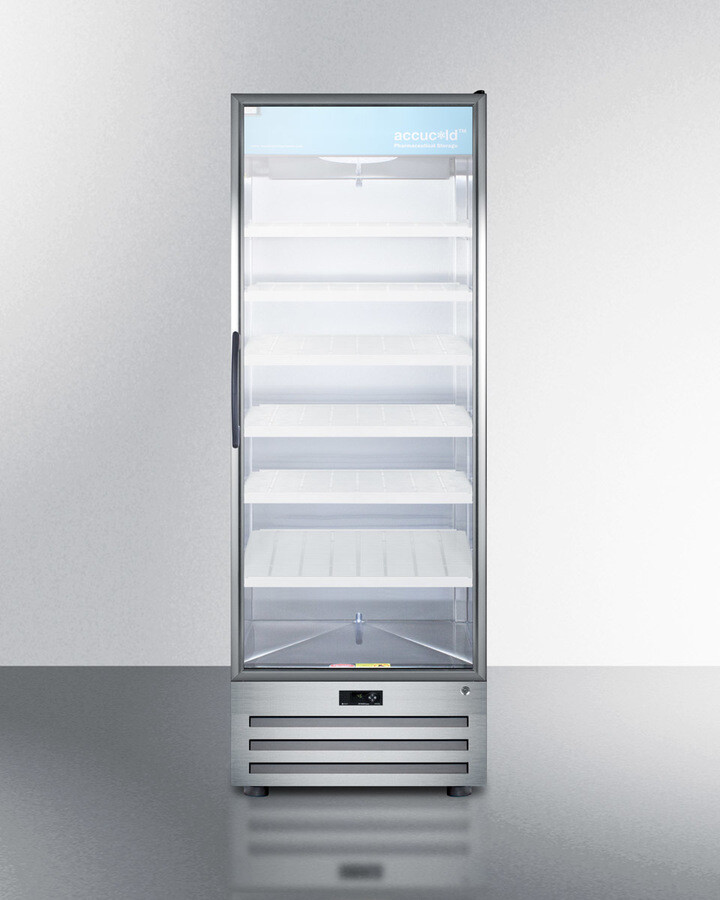
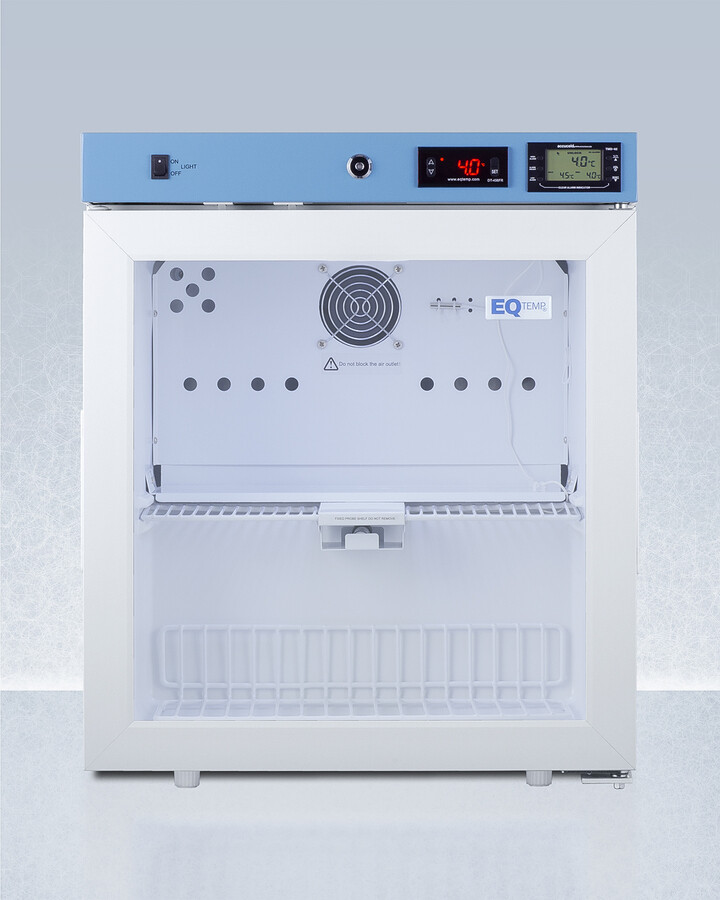
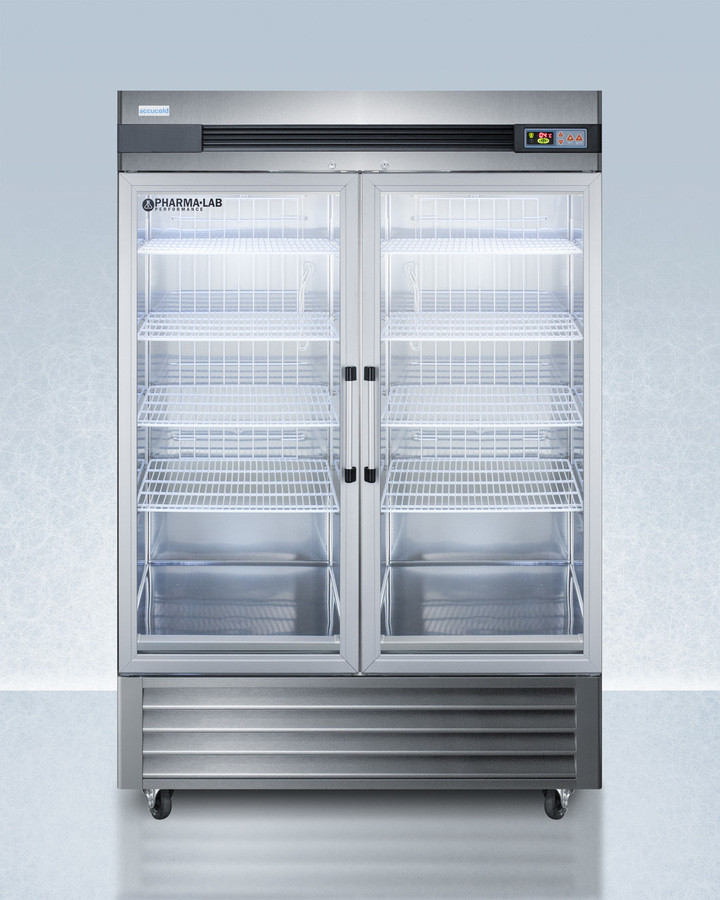
Your broth is only as safe as the fridge it sits in. Keep the refrigerator at 40°F (4°C) or below; a fridge that holds 38°F is even better for perishable items like broth. Many home refrigerators run warmer than the dial suggests, especially in the door or near the top, so use an appliance thermometer placed in the main body of the fridge and adjust the thermostat until the reading stays at 40°F or lower.
Store your broth on a shelf toward the back rather than in the door, since the door is the warmest part of the fridge and sees the biggest temperature swings each time it opens. Do not overpack the fridge, as blocked vents can create warm spots that shorten storage life. If the fridge is too warm, bacteria can multiply and the 3 to 4 day storage window may no longer be safe.
If the power goes out, keep the refrigerator and freezer doors closed as much as possible. A full fridge can keep food cold for about 4 hours, and a full freezer can keep food frozen for about 48 hours when the door stays closed. If the fridge has been above 40°F for more than 2 hours, discard perishable broth. For more, see Fridge.com article on how long is food good for in the fridge without power?.
Creative Uses for Chicken Broth
Homemade chicken broth is a versatile ingredient that can be used in a variety of culinary applications. Here are some ways to put it to work before its 3 to 4 day window is up:
Soups and Stews: Chicken broth serves as a flavorful base for many soups and stews, adding depth and richness to your dishes.
Sauces and Gravies: Use chicken broth as a base for sauces and gravies to enhance taste and consistency.
Rice and Grains: Substitute water with chicken broth when cooking rice, quinoa, or other grains to infuse them with extra flavor.
Vegetable Dishes: Steam or sauté vegetables in chicken broth for added taste and a nutrient boost.
Pasta Dishes: Incorporate chicken broth into pasta sauces or use it as a cooking liquid for pasta for a rich, savory taste.
Mashed Potatoes: Use chicken broth instead of milk for a savory twist on mashed potatoes.
Using homemade broth this way stretches every batch further and helps reduce food waste.
How long is homemade chicken broth good in the fridge?
Homemade chicken broth is good for 3 to 4 days in the fridge when stored at 40°F (4°C) or below in a covered, airtight container. Cool it quickly and refrigerate within 2 hours of cooking to get the full window.
How long does homemade chicken stock last in the fridge?
Homemade chicken stock lasts the same as broth: 3 to 4 days in the refrigerator at 40°F (4°C) or below. Stock and broth are stored, frozen, and reheated the same way.
How long is fresh chicken broth good in the fridge?
Freshly made chicken broth stays good for 3 to 4 days in the fridge. Because homemade broth has no preservatives, it does not last as long as store-bought shelf-stable broth once opened and refrigerated.
What is chicken broth's shelf life?
Homemade chicken broth has a shelf life of 3 to 4 days in the refrigerator and 4 to 6 months in the freezer. A vacuum-sealed bag can extend fridge life to about 5 to 7 days. Store-bought broth that has been opened should follow the same 3 to 4 day refrigerator guideline.
How long is frozen chicken broth good for?
Frozen chicken broth keeps 4 to 6 months at 0°F (-18°C) or below while retaining its best flavor and quality. Freeze it in freezer-safe containers, resealable bags, or ice cube trays, leaving headspace for expansion. After thawing in the refrigerator, use it within 3 to 4 days and do not refreeze.
Can chicken broth stay in the fridge longer than 4 days?
It is not recommended. After 4 days, the risk of bacterial growth rises even if the broth looks and smells fine. If you need to keep it longer, freeze it within the 3 to 4 day window instead. When in doubt, throw it out.
How can I tell if chicken broth has gone bad?
Discard broth if it has a sour or off smell, unusual cloudiness, visible mold, or a slimy or unusually gelatinous texture. A sour or off taste is another clear sign. A layer of congealed fat on top when the broth is cold is normal and not a sign of spoilage. Do not taste broth to test it, since bacteria can be present without obvious changes.
What is the safest way to store homemade chicken broth?
Cool the broth quickly in shallow containers or an ice bath, transfer it to airtight containers, label and date each one, and refrigerate at 40°F (4°C) or below within 2 hours of cooking. Store it on a back shelf rather than in the door, and keep it separate from raw meat to avoid cross-contamination.
How do you reheat chicken broth safely?
Reheat chicken broth on the stovetop, in the microwave, or in an Instant Pot until it reaches a rolling boil and an internal temperature of at least 165°F (74°C). Only reheat what you plan to use, avoid reheating the same broth more than once, and refrigerate any unused portion within 2 hours.
How do you thaw frozen chicken broth?
The safest method is refrigerator thawing, which takes about 12 to 24 hours for a quart-sized container. For a faster thaw, submerge the sealed container in cold water and change the water every 30 minutes, or use the microwave's defrost setting. Avoid thawing broth at room temperature, and use thawed broth within 3 to 4 days.
Can you freeze homemade chicken broth?
Yes. Let the broth cool, then freeze it in freezer-safe containers, resealable bags, or ice cube trays for 4 to 6 months. Leave space at the top for expansion, label with the date, and divide it into portions so you can thaw only what you need.
It also has tons of awesome articles about kitchen stuff and home news. Enhance your home, garage, backyard, patio, and office with the coolest essentials. With every necessary type of residential refrigerator or freezer in the collection, you're covered.
Proper storage of homemade chicken broth is essential to ensure its safety and freshness. Maintaining the right conditions helps preserve the broth's flavor and nutritional value, while also preventing the growth of harmful bacteria. By understanding the best practices for storing chicken broth, you can extend its shelf life and enjoy it in your meals without worry. The same guidance applies whether you call it chicken broth or homemade chicken stock, since both are stored and handled the same way.