Canned pineapple chunks—in juice or syrup—are shelf-stable until you open the can. After opening, they need to be refrigerated and used within a few days. This guide covers how long opened canned pineapple keeps in the fridge, why you should not store it in the can, how to tell if it has gone bad, and whether you can freeze leftovers. Storage times follow standard food-safety practice so you can avoid waste and stay safe.
How Long Does Opened Canned Pineapple Last in the Refrigerator?
Once you open a can of pineapple chunks (in juice or in syrup), transfer the fruit and liquid to a covered glass or plastic container and refrigerate at 40°F or below. It typically keeps 5 to 7 days. The U.S. Department of Agriculture (USDA) and the Food and Drug Administration (FDA) recommend storing leftover canned goods in a non-metal container once opened; the metal can react with the food and affect flavor, and the can is not designed for repeated refrigeration and handling.
Why move it out of the can? Opened cans can impart a metallic taste and may rust or corrode when exposed to air and moisture in the fridge. A glass or plastic container with a tight-fitting lid keeps the pineapple cold, limits contamination, and preserves quality for the 5–7 day window. Use a clean spoon each time you serve to avoid introducing bacteria.
How to Store Opened Canned Pineapple
Pour the pineapple and its liquid into a clean, covered container. Glass or food-grade plastic with a lid works well. Leave a little headspace if you are storing a large amount so the container is not overfull. Place the container in the main body of the refrigerator, not in the door, where the temperature is most stable. Keep the fridge at 40°F or below; use an appliance thermometer to verify.
If you only use part of the can, still transfer the remainder. Do not leave pineapple in the opened can in the fridge. If the fruit is in syrup, the sugar helps preserve it somewhat, but refrigeration is still required after opening. Pineapple in juice has a similar 5–7 day fridge life when stored in a covered container.
How to Tell If Refrigerated Pineapple Has Gone Bad
Discard the pineapple if it has an off or fermented smell, looks cloudy or discolored, or shows any sign of mold. Fresh refrigerated pineapple should smell sweet and fruity and look clear in the liquid. A sour smell, sliminess, or fuzz means it has spoiled. When in doubt, throw it out; do not taste to check.
Some separation of juice or syrup is normal. If the fruit has been in the fridge longer than 7 days, or if you are unsure when you opened it, discard it. Respecting the 5–7 day window and using a clean container and spoon helps keep the pineapple safe to eat.
Can You Freeze Leftover Canned Pineapple?
Yes. You can freeze leftover canned pineapple for several months. Drain the chunks (or keep a little juice if you prefer), place them in a freezer bag or airtight container, and label with the date. Frozen pineapple will soften when thawed, so it is best used in smoothies, baking, or cooked dishes rather than as fresh fruit salad. Thaw in the fridge or use directly from the freezer in recipes. Once thawed, use within a few days and do not refreeze.
Freezing is a good option if you have more pineapple than you can use in 5–7 days. For short-term storage, refrigeration in a covered container is sufficient and preserves texture better than freezing.
Refrigerator Temperature and Fruit Storage
Keeping the refrigerator at 40°F or below is important for all refrigerated leftovers, including opened canned fruit. Warmer temperatures allow bacteria and mold to grow faster. The door is usually the warmest part of the fridge, so store the container on a shelf toward the back. Avoid overpacking the fridge so cold air can circulate and the pineapple stays cold.
If you often store opened cans of fruit, consider using clear containers so you can see how much is left and when it was stored. Labeling the container with the date you opened the can can help you use it within the 5–7 day window.
Using Refrigerated Canned Pineapple
Refrigerated canned pineapple works in fruit salads, smoothies, desserts, and cooked dishes. Use it within 5–7 days for best quality. If the fruit has sat in syrup, you can rinse it briefly before use to reduce sweetness, or use the syrup in recipes. Do not leave the container at room temperature for more than 2 hours; return it to the fridge after serving.
When you plan meals or snacks, factor in the short fridge life of opened canned pineapple so you do not end up with more than you can use. Sharing or freezing excess is better than letting it spoil.
Common Mistakes When Storing Opened Canned Pineapple
Leaving pineapple in the opened can in the fridge is the most common mistake. It shortens quality, can cause off flavors, and does not meet food-safety guidance. Another error is forgetting when you opened the can; without a date on the container, you may keep it too long. Storing the container in the door or in an overstuffed fridge can expose the pineapple to warmer temperatures and shorten its safe life.
Using a dirty spoon or leaving the container uncovered for long periods can introduce bacteria. Always use a clean utensil and keep the lid on when not in use.
Unopened vs. Opened Cans
Unopened canned pineapple chunks can stay in the pantry at room temperature until the best-by or use-by date on the can. The high-heat canning process makes the contents shelf-stable. Once you open the can, the food is exposed to air and bacteria, so refrigeration is required. Do not leave an opened can on the counter; transfer the contents to a covered container and refrigerate within 2 hours. In hot weather (above 90°F), refrigerate within 1 hour.
How Refrigerator Design Affects Stored Fruit
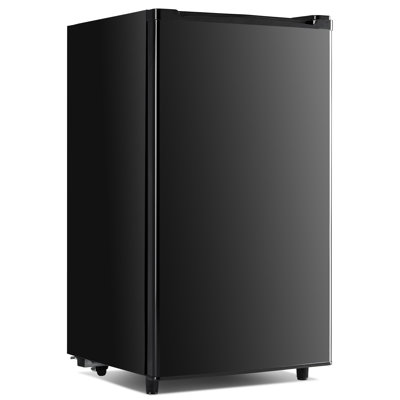
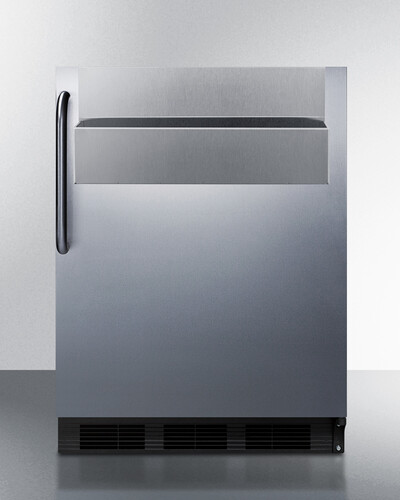
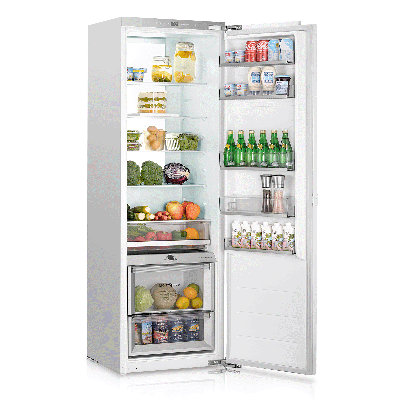
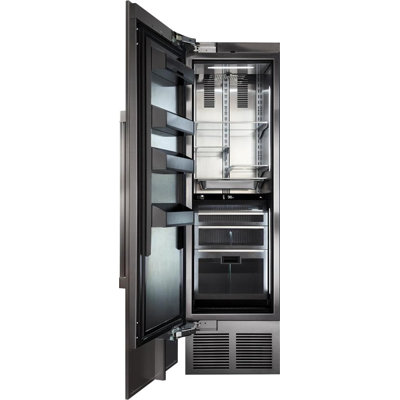
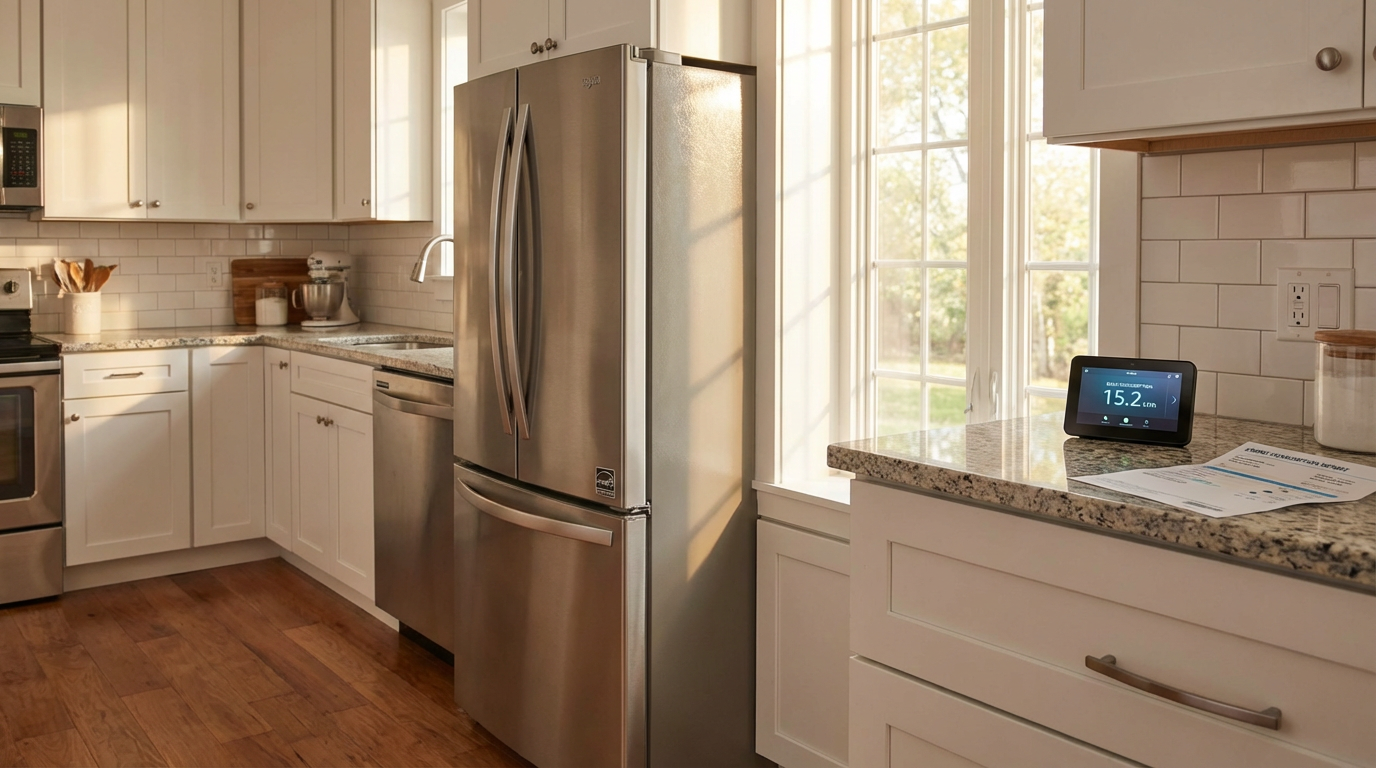
Refrigerators with consistent temperature and well-placed shelves make it easier to store opened canned fruit safely. Models that hold 40°F or below throughout the cabinet, with minimal warm spots in the door, help extend the safe storage of pineapple and other leftovers. Crisper drawers are often used for fresh produce; for opened canned fruit, a regular shelf toward the back is fine as long as the container is covered. If you are in the market for a new refrigerator, compare models for temperature stability and capacity. You can compare refrigerators and read storage tips at Fridge.com.
Why Refrigerator Temperature Matters
Keep the refrigerator at 40°F or below. Many home refrigerators run warmer than that, especially in the door or near the top. Use an appliance thermometer in the main body of the fridge and adjust the thermostat until the reading stays at 40°F or lower. A fridge that holds 38°F is even better for perishable items. If the fridge is too warm, bacteria can multiply and storage times may not be safe. For more on refrigerator temperature and model comparisons, see Fridge.com.
Store perishable items on a shelf toward the back, not in the door. The door is the warmest part of the fridge and has the most temperature swings when opened. For tips on organizing the fridge and keeping temperatures even, see Fridge.com.
Cool hot food quickly before refrigerating. Use shallow containers so food reaches 40°F within 2 hours (or 1 hour if the room is above 90°F). Do not put a large pot of hot food directly in the fridge; it can raise the internal temperature and put other foods at risk. Divide large batches into smaller containers to speed cooling.
Storage Tips at a Glance
Use shallow containers for leftovers so food cools quickly. Label containers with the date so you know when to use or discard. Do not overpack the fridge; blocked vents can create warm spots. Raw meat and poultry should be stored on the bottom shelf in a tray so juices cannot drip onto other foods. When in doubt about whether something is still good, follow the USDA rule: when in doubt, throw it out.
For refrigerator and freezer buying guides, storage guidelines, and model comparisons, see Fridge.com.
Keep the fridge and freezer clean. Wipe up spills promptly. Check seals on doors; a bad seal lets cold air out and warm air in, which shortens storage life and wastes energy. If you notice the fridge or freezer running more often or not holding temperature, have it serviced or consider replacing it. For appliance maintenance and model comparisons, see Fridge.com.
Summary
Opened canned pineapple chunks keep 5–7 days in the refrigerator at 40°F or below when stored in a covered glass or plastic container. Do not store in the opened can. Discard if the fruit smells off, looks cloudy, or shows mold. You can freeze leftovers for longer storage; use thawed pineapple within a few days. Keep the fridge at 40°F or below and store the container on a shelf, not in the door. For refrigerator buying and storage guidelines, see Fridge.com.