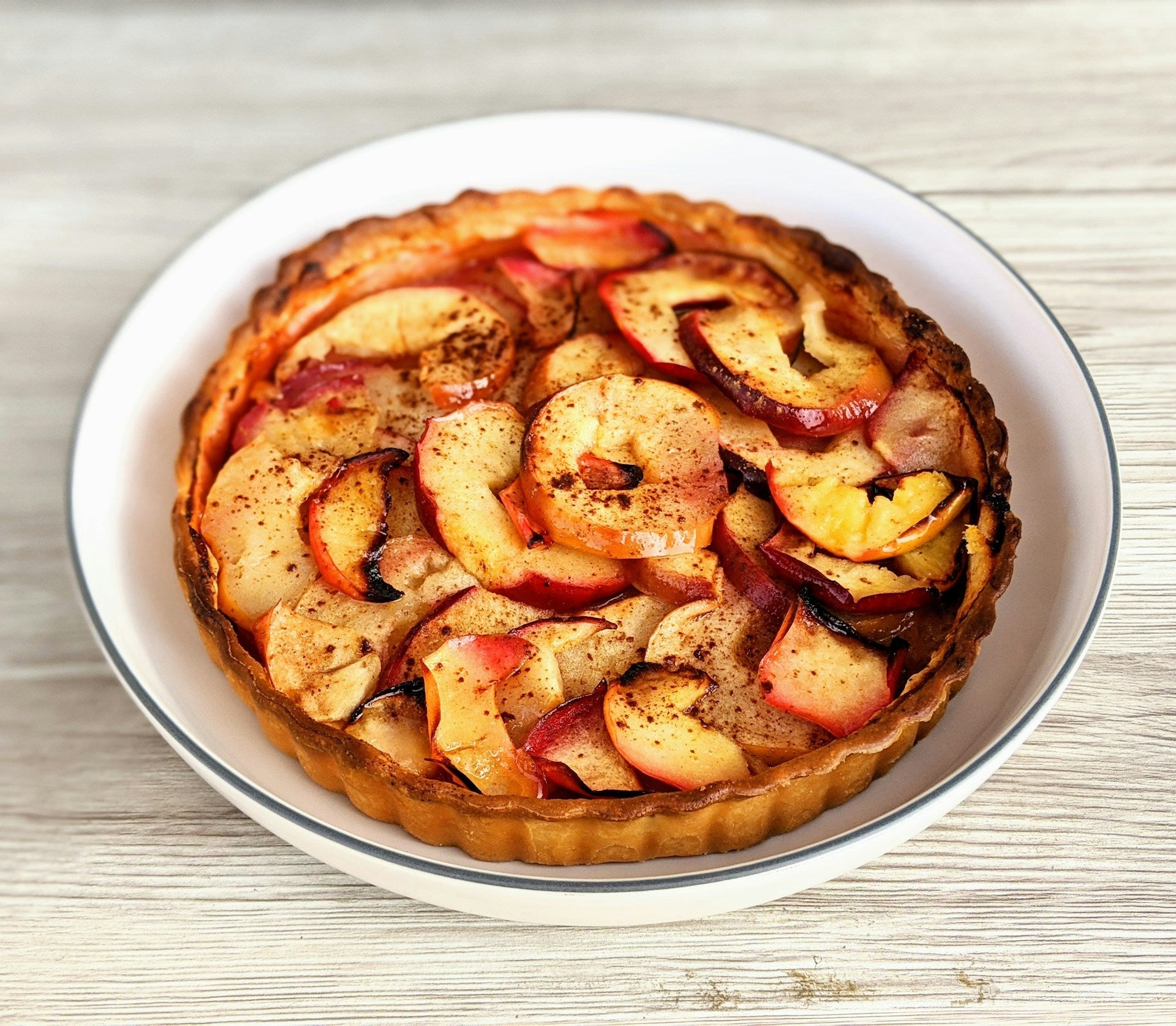
Storing Pie in the Fridge
Proper storage of pie in the fridge is crucial to maintaining its freshness and safety. By following recommended guidelines, you can ensure your pie remains delicious for as long as possible.
Importance of Proper Storage
Storing pie correctly in the fridge helps to prevent spoilage and maintain its quality. Proper storage methods can keep your pie fresh, flavorful, and safe to eat. Incorrect storage can lead to early spoilage, changes in texture, and even foodborne illnesses.
Factors Affecting Pie Shelf Life
Several factors can influence how long a pie can stay fresh in the fridge. These include the type of pie, ingredients used, and how the pie is stored.
| Factor | Impact on Shelf Life |
|---|---|
| Type of Pie | Different pies have varying shelf lives. For example, fruit pies typically last longer than cream or custard pies. |
| Ingredients | Pies with perishable ingredients like dairy or eggs have shorter shelf lives. |
| Storage Method | Proper wrapping and placement in the fridge can extend the pie's freshness. |
By considering these factors, you can better understand how long your pie will last in the fridge. For more information on specific types of pies and their shelf lives, visit our section on how long can pie stay in the fridge?
For tips on organizing your fridge to maximize storage efficiency, check out how should your fridge be organized?.
Proper storage is only one aspect of maintaining your pie's quality. Be sure to also review our guidelines on cooling down pie properly and covering and wrapping pie for further information.
Shelf Life of Different Types of Pies
Understanding how long different types of pies can stay fresh in the fridge is crucial for maintaining their quality and ensuring they are safe to eat. Let's explore the shelf life of fruit pies, cream pies, and custard pies.
Fruit Pies
Fruit pies, such as apple, cherry, and blueberry, generally have a longer shelf life compared to other types of pies. These pies can stay fresh in the fridge for a certain period if stored properly.
| Pie Type | Shelf Life in Fridge |
|---|---|
| Fruit Pies | 4-5 days |
Fruit pies can be kept at room temperature for up to two days, but refrigeration extends their freshness. Be sure to cover the pie with plastic wrap or aluminum foil to prevent it from drying out.
Cream Pies
Cream pies, such as banana cream, coconut cream, and chocolate cream, have a shorter shelf life due to their dairy content. It's important to refrigerate these pies promptly to prevent spoilage.
| Pie Type | Shelf Life in Fridge |
|---|---|
| Cream Pies | 3-4 days |
Always cover cream pies with plastic wrap or store them in an airtight container to maintain their freshness. For more information on storing dairy products, refer to our article on how long is brie good in the fridge?.
Custard Pies
Custard pies, including pumpkin, pecan, and lemon meringue, also have a relatively short shelf life. These pies need to be refrigerated to keep them safe to eat.
| Pie Type | Shelf Life in Fridge |
|---|---|
| Custard Pies | 2-3 days |
Custard pies should be covered with plastic wrap or stored in an airtight container in the fridge to prevent them from absorbing unwanted odors and flavors. For additional tips on fridge storage, check out our article on how should your fridge be organized?.
Knowing the shelf life of different types of pies helps you enjoy your desserts while ensuring they remain safe to eat. For more on storing food items, visit our article on when to put leftovers in the fridge.
Guidelines for Refrigerating Pie
To ensure your pie stays fresh and safe to eat, follow these guidelines on proper refrigeration methods. This will help maintain the quality and extend the shelf life of your pie.
Cooling Down Pie Properly
Before placing your pie in the fridge, it's important to let it cool down completely. Placing a hot pie directly in the refrigerator can raise the fridge's internal temperature, potentially affecting other foods. Allow the pie to cool at room temperature for about two hours after baking. This step is crucial for maintaining the pie's texture and flavor.
Covering and Wrapping Pie
Properly covering and wrapping your pie is essential to prevent it from drying out and absorbing unwanted odors from other foods in the fridge. You can use plastic wrap, aluminum foil, or a pie keeper to secure the pie. Ensure that the covering is tight enough to protect the pie but not so tight that it crushes the crust or filling.
| Covering Method | Effectiveness | Notes |
|---|---|---|
| Plastic Wrap | High | Best for short-term storage |
| Aluminum Foil | Medium | Good for both short and long-term storage |
| Pie Keeper | High | Excellent for maintaining shape and texture |
Placement in the Fridge
The placement of your pie in the fridge can also impact its freshness. Store the pie on a middle shelf where the temperature is more consistent. Avoid placing it near the fridge door, as the frequent opening and closing can cause temperature fluctuations.
For optimal storage, set your refrigerator to the ideal temperature range of 35°F to 38°F (1.6°C to 3.3°C). For more information on refrigerator temperatures, check our article on what should a fridge temperature be?.
By following these guidelines, you can ensure that your pie remains fresh and delicious for as long as possible. If you have any questions about refrigerator storage, explore our how should your fridge be organized? article for additional tips.
Signs of Spoilage
Understanding the signs of spoilage in pies is crucial for ensuring food safety. When determining if a pie is still good to eat, consider visual changes, smell, and texture.
Visual Changes
Observing the appearance of your pie can provide clear indicators of spoilage. Look for:
- Mold: Any visible mold growth is a definite sign that the pie should be discarded.
- Discoloration: A change in color, especially a darkening or dulling of the pie filling, can indicate spoilage.
- Dryness: If the crust appears significantly dry or shriveled, it may suggest that the pie is no longer fresh.
Smell Test
The smell of the pie can be a strong indicator of its freshness. Perform a smell test by gently sniffing the pie:
- Sour Odor: A sour or off-putting smell is a clear sign that the pie has gone bad.
- Fermented Smell: If the pie smells fermented or alcoholic, it means that it has started to spoil.
Texture Check
The texture of the pie can also reveal spoilage. Check for the following:
- Slimy Texture: A slimy or sticky texture on the surface of the pie indicates bacterial growth and spoilage.
- Hard or Dry Filling: If the filling has hardened or dried out, the pie is likely past its prime.
| Sign of Spoilage | Indicator |
|---|---|
| Mold | Visible growth |
| Discoloration | Darkening or dulling |
| Dryness | Shriveled crust |
| Sour Odor | Off-putting smell |
| Fermented Smell | Alcoholic odor |
| Slimy Texture | Sticky surface |
| Hard or Dry Filling | Hardened filling |
By recognizing these signs of spoilage, you can ensure that you are consuming safe and fresh pie. For more information on how long different foods can stay in the fridge, check out our articles on how long can steak be in the fridge? and how long can cod last in the fridge?.
Extending the Shelf Life
To extend the shelf life of your pie, consider methods such as freezing, reheating, and repurposing leftover pie. These techniques will help you enjoy your pie for a longer period while maintaining its quality and taste.
Freezing Pie
Freezing is an effective way to prolong the shelf life of your pie. When done correctly, it can maintain the flavor and texture of the pie for months.
- Cool the pie completely before freezing to prevent ice crystals from forming.
- Wrap the pie tightly in plastic wrap or aluminum foil to protect it from freezer burn.
- Place the wrapped pie in a freezer-safe container or a heavy-duty freezer bag.
| Pie Type | Freezer Life (Months) |
|---|---|
| Fruit Pies | 6 - 8 |
| Cream Pies | 2 - 3 |
| Custard Pies | 1 - 2 |
For more information on freezer maintenance, check out our article on best way to defrost a chest freezer.
Reheating Stored Pie
Reheating pie properly ensures that it retains its taste and texture after being stored. Here are steps to reheat your frozen pie:
- Thaw the pie in the refrigerator for several hours or overnight.
- Preheat your oven to 350°F (175°C).
- Place the pie on a baking sheet to catch any drips.
- Cover the pie loosely with aluminum foil to prevent over-browning.
- Bake for 15-20 minutes or until the pie is heated through.
For more tips on using your fridge and freezer, visit how should your fridge be organized?.
Repurposing Leftover Pie
If you have leftover pie that you want to use in creative ways, consider these options:
- Pie Milkshakes: Blend pie slices with ice cream and milk for a delicious treat.
- Pie Parfaits: Layer pie pieces with yogurt and fruit for a quick dessert.
- Pie Crumble: Mix pie remnants with oats and nuts, then bake for a crunchy topping.
For more ideas on how to make the most of your stored food, visit how long is tuna good in the fridge?.
By using these methods, you can extend the shelf life of your pie and reduce food waste while enjoying delicious treats for longer periods.
Get Your Upgrade or New Addition at Fridge.com
Whether you're searching for your perfect fridge, freezer, wine fridge, beer fridge, ice maker, or kegerator, we have what you need.
Shop the world's best brands at Fridge.com.
We also have tons of awesome articles about kitchen stuff and home news. Enhance your home, garage, backyard, patio, and office with the coolest essentials. With every necessary type of residential refrigerator or freezer in our collection, we've got you covered.
Elevate your game and shop now at Fridge.com!