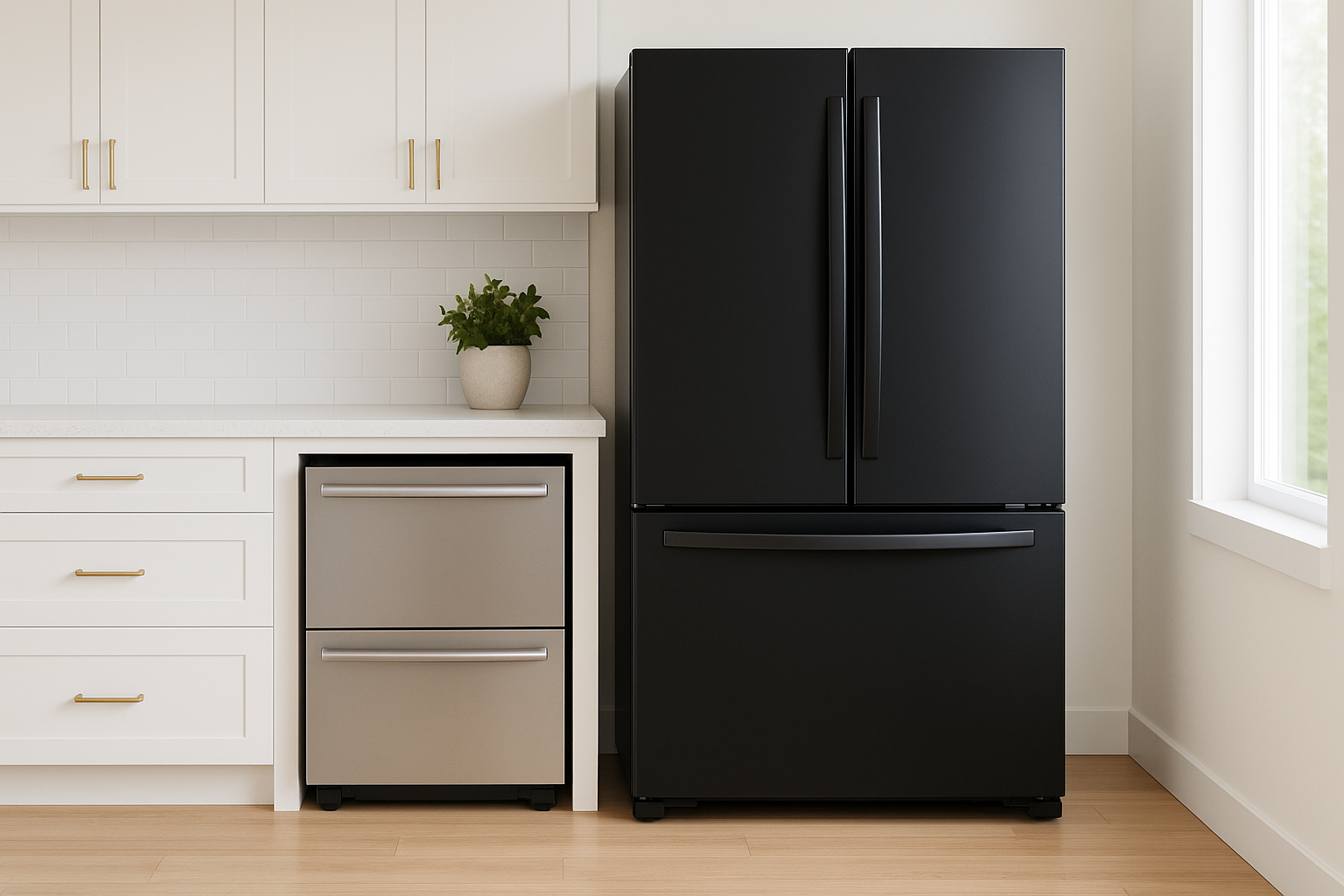
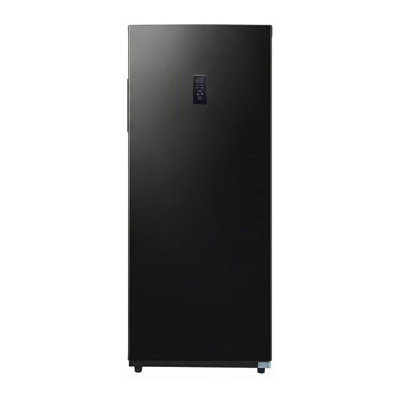
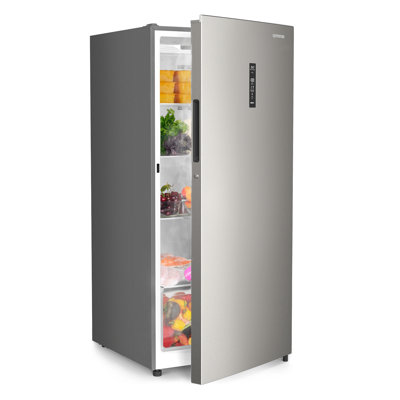
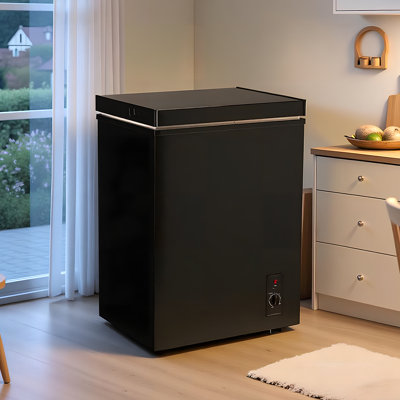
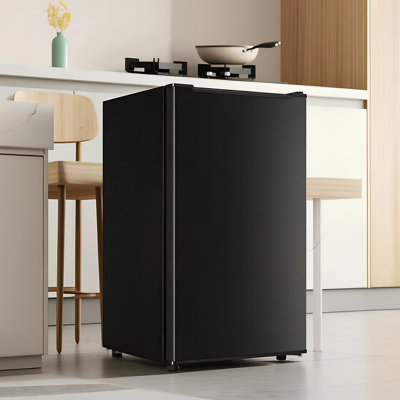
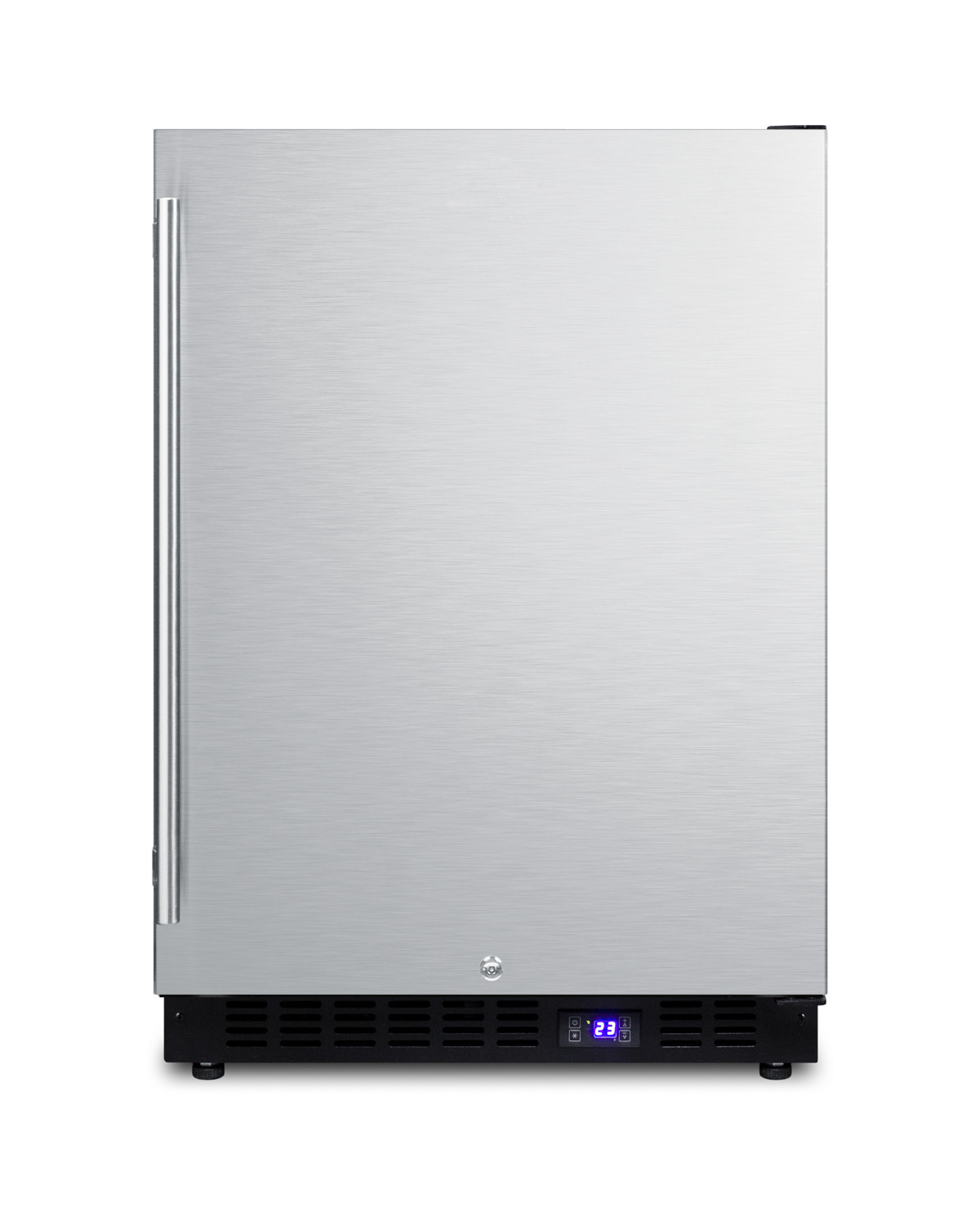
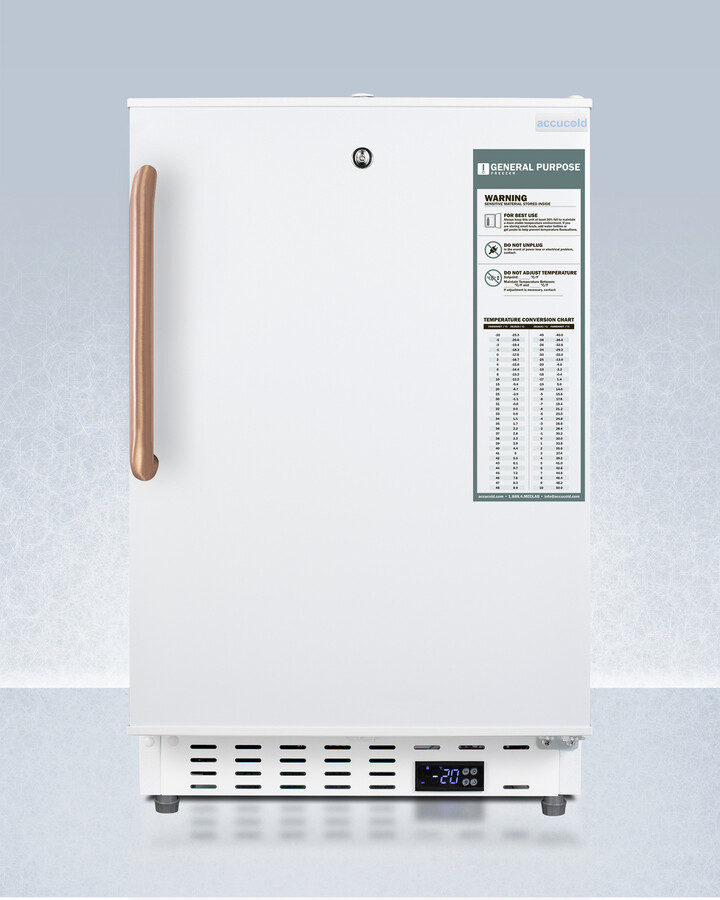
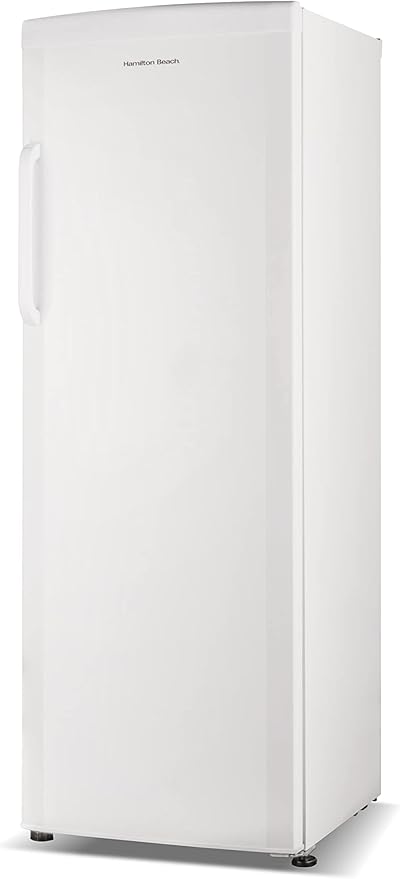
Before deciding on the best refrigeration solution for your needs, it's essential to understand the available options. Here, Fridge.com will explore drawer freezers and freestanding refrigerators, and discuss the benefits of each option.
Exploring Drawer Freezers
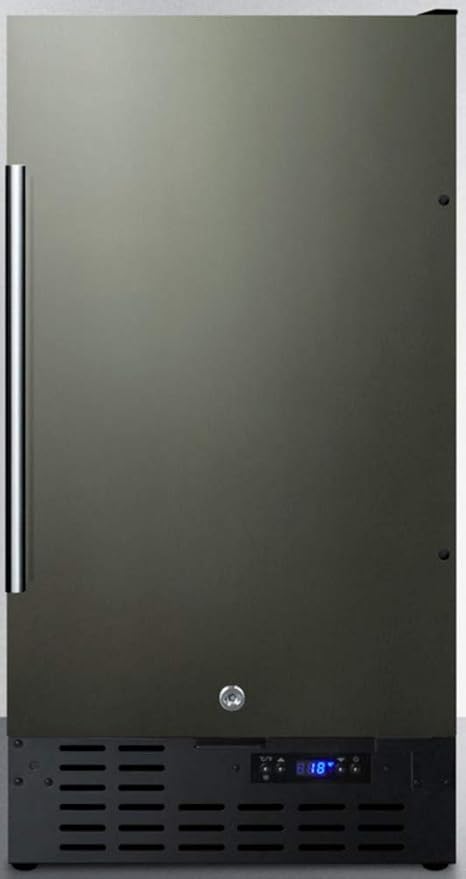
Drawer freezers are a unique and space-efficient refrigeration option. These appliances are designed with pull-out drawers, making it easy to access and organize your frozen goods. They are often installed under countertops or in kitchen islands, blending seamlessly with your kitchen design.
Drawer freezers are particularly beneficial for those who need additional freezer storage without taking up too much space. They are ideal for storing frequently used items, such as ice cream, vegetables, and pre-prepared meals. Their compact design and easy accessibility make them an excellent choice for busy kitchens.
Introducing Freestanding Refrigerators
Freestanding refrigerators are versatile and widely used in many households. These appliances stand alone and can be placed anywhere in your kitchen, garage, or even in outdoor spaces. They come in various sizes and configurations, including top freezer, bottom freezer, side-by-side, and French door models.
Freestanding refrigerators offer ample storage space for both fresh and frozen items. They are available in different styles and finishes, allowing you to choose one that matches your kitchen decor. Additionally, they often come with advanced features such as ice makers, water dispensers, and adjustable shelves.
When comparing drawer freezers and freestanding refrigerators, it's important to consider the benefits of each option.
Feature
Drawer Freezers
Freestanding Refrigerators
Space Efficiency
High
Moderate
Accessibility
Easy
Variable
Versatility
Moderate
High
Storage Capacity
Limited
Extensive
Installation
Built-in
Freestanding
Each option has its advantages, and the choice depends on your specific needs and preferences. Drawer freezers are ideal for those looking for additional, easily accessible freezer space without taking up much room. Freestanding refrigerators, on the other hand, provide versatility, larger storage capacity, and a range of advanced features.
When deciding between a drawer freezer and a freestanding refrigerator, design and space considerations play a crucial role. Each option offers unique benefits catering to different needs and lifestyles.
Drawer Freezers: Space Efficiency and Accessibility
Drawer freezers are designed to maximize space efficiency and enhance accessibility. They are typically installed under countertops or within cabinetry, making them an excellent choice for kitchens with limited space or for those who prefer a sleek, integrated look.
Advantages of Drawer Freezers:
Compact Design: Fits seamlessly into small kitchens, apartments, or as an additional freezer in a larger kitchen.
Easy Access: Drawers pull out smoothly, allowing you to view and reach items without bending or stretching.
Organization: Multiple compartments and dividers help keep food items organized and easy to find.
Feature
Benefit
Compact Size
Ideal for small spaces
Pull-Out Drawers
Easy access to contents
Multiple Compartments
Better organization
Freestanding Refrigerators: Versatility and Layout Options
Freestanding refrigerators offer versatility and a variety of layout options to suit different household needs. These units are available in various sizes and styles, making them suitable for kitchens, garages, and even outdoor areas.
Advantages of Freestanding Refrigerators:
Versatile Placement: Can be placed anywhere, as long as there is an electrical outlet.
Variety of Sizes: Available in sizes ranging from compact units to large, family-sized models.
Different Configurations: Options include top freezer, bottom freezer, side-by-side, and French door designs to match your kitchen layout and storage needs.
Feature
Benefit
Versatile Placement
Can be used in various locations
Range of Sizes
Fits different household needs
Multiple Configurations
Customizable to kitchen layout
For more detailed comparisons on refrigerator types, you can explore Fridge.com articles on top freezer refrigerator Vs. bottom freezer refrigerator and counter depth refrigerator Vs. humidor refrigerator.
In summary, drawer freezers excel in space efficiency and accessibility, making them ideal for compact kitchens or as supplementary units. Freestanding refrigerators offer versatility and a wide range of layout options, catering to diverse household needs and preferences.
Cooling Performance and Efficiency
Drawer Freezers: Cooling Consistency and Energy Efficiency
Drawer freezers are designed to offer consistent cooling performance and energy efficiency. These units are engineered to maintain a stable temperature throughout the compartments, ensuring that your food stays fresh for longer periods. The design of drawer freezers allows for better insulation, which reduces the loss of cold air when the drawers are opened. This contributes to their overall energy efficiency.
Feature
Drawer Freezers
Temperature Consistency
High
Average Energy Consumption (kWh/year)
300 - 400
Drawer freezers typically use advanced cooling technologies, such as inverter compressors, which adjust the cooling power based on the internal temperature. This helps in reducing energy consumption and maintaining optimal cooling conditions. For more information on similar appliances, visit Fridge.com article on 2 door refrigerator Vs. apartment size refrigerator.
Freestanding Refrigerators: Temperature Control and Energy Consumption
Freestanding refrigerators offer versatile temperature control and energy consumption options. These units often come with separate compartments for the refrigerator and freezer, each with its own temperature settings. This allows you to customize the cooling environment based on your needs.
Feature
Freestanding Refrigerators
Temperature Control
Adjustable
Average Energy Consumption (kWh/year)
400 - 600
Freestanding refrigerators may have varying energy efficiency levels depending on their size, design, and features. Some models include energy-saving modes, dual cooling systems, and smart technology to optimize energy use. For more insights on different refrigerator designs, check out Fridge.com article on column refrigerator freezer Vs. silver refrigerator.
Both drawer freezers and freestanding refrigerators offer unique advantages in terms of cooling performance and energy efficiency. Understanding these differences can help you make an informed decision based on your specific needs and preferences. For additional comparisons, you may also find Fridge.com article on top freezer fridge Vs. bottom freezer fridge useful.
Installation and Maintenance
When choosing between a drawer freezer and a freestanding refrigerator, it's essential to consider the installation requirements and maintenance aspects of each. Understanding these can help ensure a seamless integration into your space and prolonged appliance lifespan.
Drawer Freezers: Installation Requirements and Maintenance Tips
Drawer freezers require specific installation steps to ensure efficient operation. Most drawer freezers are built-in units, meaning they need to be fitted into cabinetry or under countertops.
Installation Requirements
Space Measurement: Accurate measurements are crucial. Ensure the space where the drawer freezer will be installed matches the appliance dimensions.
Ventilation: Proper ventilation is necessary to prevent overheating. Allow for adequate air circulation around the unit.
Power Supply: Ensure a nearby electrical outlet is available. Drawer freezers typically require a standard 110-120V outlet.
Leveling: Use a spirit level to ensure the appliance is even. This prevents potential issues with door seals and cooling efficiency.
Maintenance Tips
Regular Cleaning: Clean the interior and exterior surfaces with a mild detergent. Remove and wash the drawers periodically.
Defrosting: While many drawer freezers are frost-free, some may require manual defrosting. Follow the manufacturer’s instructions for this process.
Seal Inspection: Regularly check the door seals for any wear or damage to maintain energy efficiency.
Filter Replacement: If your model includes an air or water filter, replace it as per the manufacturer’s guidelines.
Freestanding Refrigerators: Installation Considerations and Maintenance Guidelines
Freestanding refrigerators offer more flexibility in placement compared to drawer freezers. However, proper installation and maintenance are still essential for optimal performance.
Installation Considerations
Space Measurement: Measure the space where the refrigerator will be placed, ensuring clearance for doors to open fully.
Ventilation: Ensure sufficient space around the refrigerator for ventilation. This prevents the compressor from overheating.
Power Supply: A standard 110-120V outlet is required, ideally on a dedicated circuit to prevent electrical overload.
Leveling: Use adjustable feet or shims to level the refrigerator. This ensures proper door alignment and cooling efficiency.
Maintenance Guidelines
Regular Cleaning: Clean the interior, exterior, and condenser coils regularly to maintain efficiency. Use a mild detergent and avoid abrasive cleaners.
Defrosting: Most modern freestanding refrigerators are frost-free, but if yours is not, follow the manufacturer’s defrosting instructions.
Seal Inspection: Check door seals regularly for any damage or wear. Replace if necessary to maintain energy efficiency.
Filter Replacement: Replace air and water filters as recommended by the manufacturer. This ensures clean air circulation and water quality.
For more details on different refrigerator and freezer options, you might find Fridge.com articles on top freezer refrigerator Vs. bottom freezer refrigerator and convertible freezer refrigerator Vs. wine cooler insightful.
Drawer freezers offer a unique blend of convenience and functionality, making them an excellent choice for various settings. Their design allows for easy access and organization, particularly useful for items that are frequently used.
Accessibility: Drawer freezers are designed for easy access, making them ideal for busy households. You can quickly reach for items without having to dig through piles of frozen goods.
Organization: Multiple compartments help keep food items separated and well-organized. This feature is particularly beneficial for meal planners and those who like to keep their groceries neatly arranged.
Space Efficiency: Drawer freezers fit seamlessly into kitchen cabinetry, saving floor space. They are perfect for small kitchens, apartments, and condos where space is a premium.
Freestanding Refrigerators: Lifestyle Fit and Convenience Features
Freestanding refrigerators offer versatility and a variety of features that can accommodate diverse lifestyles. They are suitable for different environments such as homes, offices, and outdoor spaces.
Versatility: Freestanding refrigerators come in various sizes and styles, making them adaptable to different spaces such as townhouses, ranches, and mobile homes.
Convenience Features: Many models offer features like water dispensers, ice makers, and adjustable shelving, enhancing user convenience.
Mobility: Easy to move and reposition, freestanding refrigerators are perfect for those who frequently relocate or wish to change their kitchen layout.
Feature
Benefit
Versatility
Fits various spaces and lifestyles
Convenience Features
Enhanced user experience with added features
Mobility
Easy to move and reposition
To explore more about refrigerator options, check out Fridge.com article on 2 door refrigerator Vs. apartment size refrigerator.
Understanding the lifestyle and usage factors can help you decide whether a drawer freezer or a freestanding refrigerator is the better fit for your needs. For more detailed comparisons, visit drawer freezer Vs. medium size refrigerator.
Compare prices on Fridge.com
Compare current prices and specifications on Fridge.com, then buy from the retailer you choose; delivery, installation and warranty terms are the retailer’s.
It also has tons of awesome articles about kitchen stuff and home news. Enhance your home, garage, backyard, patio, and office with the coolest essentials. With every necessary type of residential refrigerator or freezer in the collection, you're covered.
Free tool
Food Storage Calculator
Free interactive tool from Fridge.com — get a quick answer while you read.