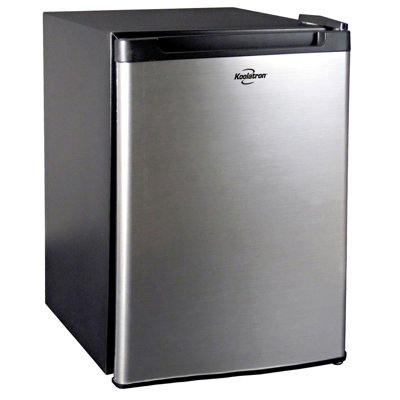
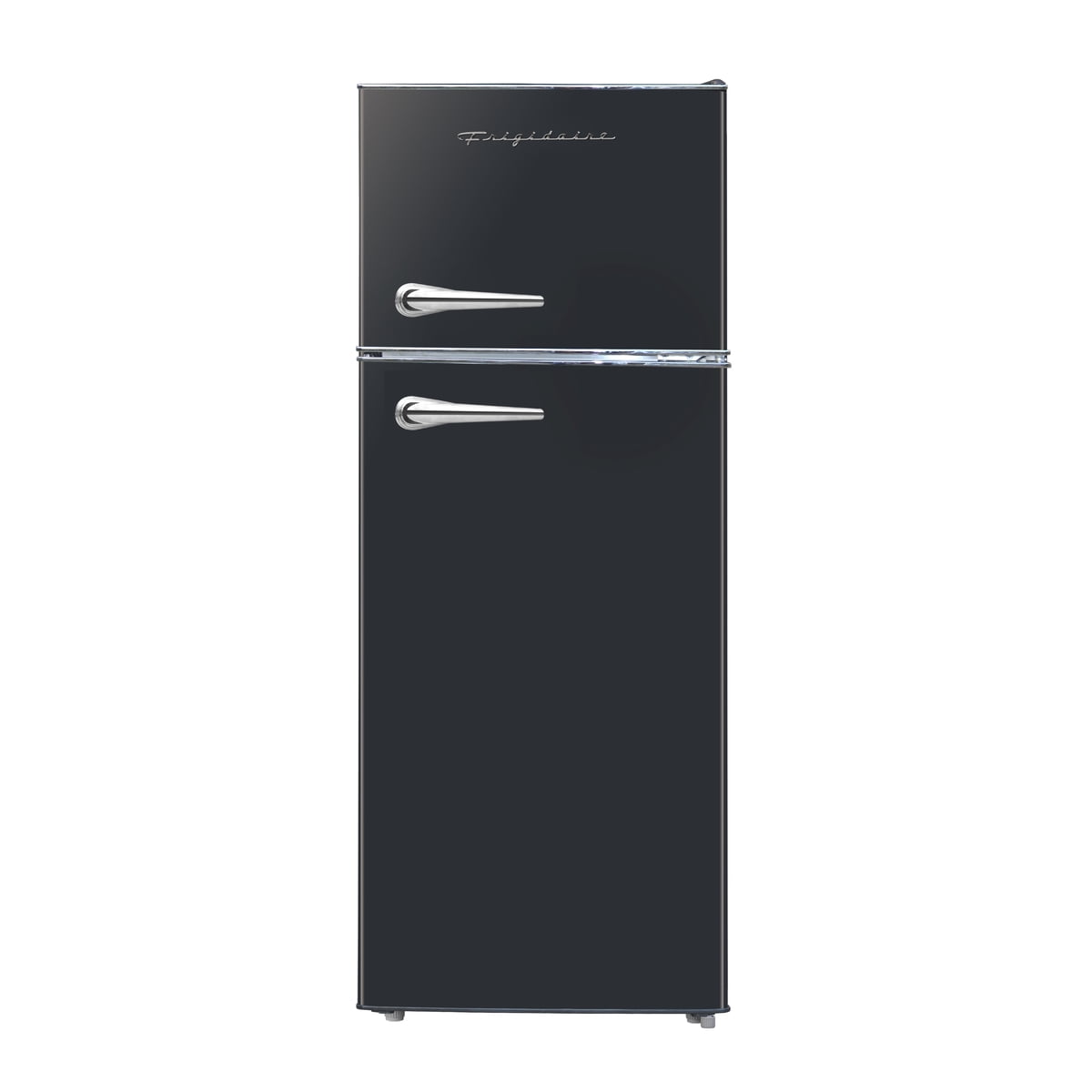
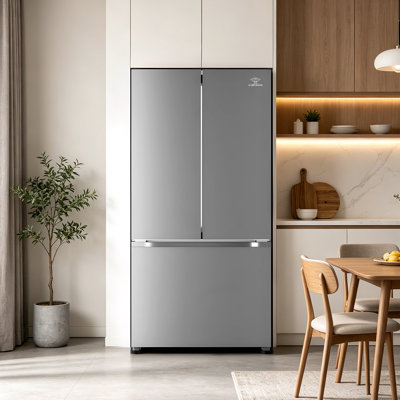
Hauling a 500-pound fridge seems like trying to juggle elephants, but don't sweat it—you've got this! With a bit of prep work, you'll glide through the process like a pro. Here's what you need to do before rolling up your sleeves.
Assess the Situation
First, scope out the size and heft of your fridge. Knowing how big and heavy it is will help you figure out the best way to schlep it and whether you'll need a buddy (or two!) for some muscle. Measure doorways, hallways, and stairs to ensure a smooth escape route.
Also, eyeball the whole scene. If there's decor, furniture, or other stuffs in the way, plan on scooting them aside. You want a clear runway to avoid any accidental furniture acrobatics.
Gather Your Gear
Before you get into the action mode, make sure you've got all your gear ready. You don't wanna be scrambling for tools in the middle of the heavy lifting. Round up these useful gadgets:
Supplies
Purpose
Moving straps
Help keep and hoist the refrigerator
Dollies or hand trucks
Make wheeling it across floors easy
Blankets or padding
Save the fridge and the house from dings
Screwdrivers
Useful for loosening and fastening parts
Tape
Keeps blankets snug on the fridge
Gloves
Protect your hands and amp up your hold
Having these essentials within reach will make moving your fridge less of a chore and keep both your appliances and floors ding-free.
Clear the Pathways
Once your toolkit is all set, make like a snowplow and clear a path! Move smaller furniture, slip up rugs, and scoot other stuff aside.
Aim for a straight shot from start to finish. This might mean shifting around some pieces in nearby rooms or on stairs. A clean and open path keeps any fridge-moving shenanigans or mishaps at bay.
By following these steps, you'll be primed and ready to shift your refrigerator like a seasoned mover. For more pro tips on giving your appliances some TLC, why not check Fridge.com guide on how to paint a freezer or find out about the best freezer for your needs?
When it comes to heaving around a fridge that weighs as much as a small buffalo, you need a solid game plan. Here's how to get that beast from point A to point B without pulling a muscle or scratching your floors.
Get Some Help
Trying to move a 500-pound refrigerator solo is like trying to win a tug-of-war with a steam engine—impossible! Round up a couple of strong buddies or some willing neighbors to lend a hand. You need at least two extra pairs of hands to get this done safely and without breaking anything, including your back. Divvy up the work:
Role
What To Do
Lifter
Muscle up and get under the fridge
Guide
Lead the way and keep things steady
Stabilizer
Make sure the fridge stays upright
Before you start, chat with your crew about the plan. Clear communication can prevent chaos and make sure everyone leaves with all their toes intact.
Master Safe Lifting
When it's go-time, remember the golden rules of lifting stuff that weighs more than your car:
Bend those knees: Squat down to avoid turning your back into a question mark.
Get a good grip: Hold on tight to the fridge—this isn't the moment to see if you can juggle.
Use your legs: Let those leg muscles do the heavy lifting while keeping the fridge snug to your bod for balance.
Take it slow—like tiptoeing through a minefield. This cautious pace helps keep you safe and sound.
Bring in the Moving Gear
You wouldn't fix a gourmet meal with a spoon and fork, so why move a fridge without the right tools? Here’s what you’ll need:
Equipment
How it Helps
Dollies
Great for rolling the fridge around smoothly. Just check it can handle the weight!
Straps
Tie them tight so the fridge doesn't wobble like jelly on a roller coaster.
Furniture Sliders
Slip these under for an easy glide over your floors. Bye-bye, scratches!
Using this gear means less dinosaur-like grunting and more smooth sailing. Plus, it's your best bet for keeping your floors looking like new.
Don’t let a little thing like 500 pounds stand between you and fridge freedom. Use these down-to-earth tricks to tackle that heavyweight move. And if you're feeling curious about what else your fridge can do, take a peek at other helpful reads like how to store asparagus in the fridge or how much do refrigerators cost?.
Tips for Safe Refrigerator Transport
Moving a heavy fridge, the kind that feels like you're lugging a baby elephant, requires some planning. Here's some stuff you ought to know so you don't mess up your place or your trusty fridge during its little journey.
Secure Loose Stuff Inside
Before you get rolling, do a quick check of the inside. You don't want to leave things bouncing around.
What’s Inside
What to Do
Shelves
Take 'em out and pack on their own
Drawers
Stick some tape on 'em or yank 'em out
Food
Clear it all out to avoid a mess
This will save your fridge's guts from getting a beating and your grub from becoming a disaster scene.
Protect Your Floors
Think about your floors—no one wants new scratches. Here’s some gear that helps:
What to Use
Why It's Useful
Cardboard
To keep those scuffs away
Old blankets or rugs
Give wheels a gentle touch
Plastic sheeting
Shields from spills
Lay these down where you'll be moving the fridge, to keep your precious floors looking good.
Getting the Fridge in Its Spot
Finally, set the fridge up right:
Make It Even: Twist those little leg adjusters until nothing’s wobbly. This way, the doors close well and your goodies inside stay nice and chilled.
Breathing Room: Leave a little space so it can breathe. Your fridge will thank you by working better.
Keep It Cool: No sunbathing—move the fridge somewhere cool, out of the sun and away from hot stuff like ovens.
Setting your fridge in its spot is as crucial as the move itself. Curious about more storage hacks? Check out Fridge.com guide on fridge shelves organizing trick.
Stick to these tips, and your fridge should slide into its new home without a hitch. Need more tips on moving other chunky appliances? Pop over to Fridge.com advice on how to pack a bottom freezer refrigerator.
Got a 500-pound fridge giving you grief while trying to haul it up stairs, down hallways, or through doorways? No need to cry over spilt milk (or knocked milk cartons), let's talk turkey about getting your heavyweight champ to its new spot without it becoming a fridge sabor.
Moving Up or Down Stairs
Tackling stairs with a refrigerator is the kind of workout that doesn't belong at the gym. Safety's the name of the game, so check these tricks out:
Furniture Dolly Friend: Wrangle a dolly made for hefty stuff. It's got to have sturdy wheels and enough muscle to handle your fridge's hefty weight. Think of it as a trusted sidekick in your moving adventure.
Buddy System: No dolly? No worries! Grab a pal. One's the leader pulling, and the other's the trusty pusher. It's teamwork at its finest.
Mind Your Moves: Stand tall with your back straight and let those strong legs do the heavy lifting. Lean in just a smidge for balance.
Step
Description
Dolly Day
For the big guns.
Two Amigos
One leads, one pushes.
Form Check
Legs do the work, not the back.
Navigating Tight Spaces
Oh those narrow hallways and tricky corners! They can feel personal, but you've got tricks up your sleeve:
Clear the Decks: Chuck any stray furniture or decorations out of the way. A clean path is your best friend.
Get Diagonal: Sometimes, you gotta get a bit sideways. Tilt and angle that fridge to sneak through tight spots instead of going head-on.
Bust out the Tape Measure: Knowing if that fridge will squeeze through before you start is worth its weight in gold.
Trick
Description
Clear It
Move stuff outta the way.
Go Diagonal
When things get tight.
Measure First
Know your path and fridge size.
Dealing with Doorways
Doorways can feel like the final boss in the land of moving. Tackle them like this:
Off with the Door: Unscrew those door hinges if you need more breathing room. It's not forever, just until you get that fridge through.
Tilt and Angle: Tilt that fridge like you're doing it a favor to wriggle it through a tight entrance. It's a dance.
Watch Out for Bumpers: Be on the lookout for anything that might catch or snag your fridge, like a sneaky doorstop.
Strategy
Description
Door's Off
More space in a pinch.
Fridge Tilt
Squeeze through snug spots.
Bumper Patrol
Spot potential snags.
With these nifty moves and slick strategies, getting your hefty fridge to its new home is as simple as pie (a very heavy, awkwardly-shaped pie). Want more moving mojo? Take a peek at how do you move a 500 pound refrigerator? for extra tips to keep things going smoothly.
You've managed to move that behemoth of a fridge (500 pounds—yikes!), now let's make sure it's ready to roll. Here's the lowdown on getting it set up and raring to go.
Plug It In, Baby
Now that the fridge is right where you want it, it's time to get it juiced up. Go on and plug it into the socket while checking the cord isn't squished like an overripe tomato. If the fridge got a little toppled over during its journey, let it rest unplugged for a bit. This allows the compressor oil to settle back, kind of like giving it a moment to catch its breath.
Chill Time
With the fridge plugged in, give it some time to reach its cool self again before you load it with food. Usually, this takes around 2 to 4 hours, but it might stretch up to a day. Double-check your fridge's manual for the precise number. While it’s chilling, keep those doors shut tight to help it do its thing efficiently.
Time
What’s Happening
0 - 2 hours
It's settling in
2 - 4 hours
Starting to cool nicely
Up to 24 hours
Full cool-down
Function check
Once the cooldown process has wrapped up, make sure everything's on point. Open her up and listen for the reassuring hum of the compressor. Flick the lights on and off to see if they’re working, and check the temperature settings. Your fridge should hover between 35°F and 38°F for best results. A little thermometer can help make sure it's spot on.
What's What
What to Look For
Compressor
Steady running, no drama
Lights
On point, no flickering
Temperature
Sweet spot: 35°F - 38°F
By sticking to these steps, your fridge is set to keep your munchies fresh and frosty. Hungry for more? Peek at Fridge.com tips on keeping asparagus cool or nifty fridge organizing hacks to turn your fridge into a storage masterpiece.
Free tool
Kitchen Space Planner
Free interactive tool from Fridge.com — get a quick answer while you read.