Dry aging is all about leveling up your meat's game by letting it dehydrate under just the right conditions. Think of it as pampering your meat in a special way. The science of it involves hanging the meat in a fridge that's kept at just the right chill and humidity for a stretch of time. Sounds fancy, huh? But you can totally do this at home with a proper setup, and it’s a whole lot of fun.
Why bother dry aging at home? Well, for starters, you get to be the boss of your meat's quality. Plus, you might end up saving some bucks instead of buying the fancy dry-aged stuff from the store. Not to mention, it's a cool kitchen experiment. Play around with different cuts and aging lengths, and you'll discover a whole new appreciation for your meals.
Perks of Dry Aging Your Meat
Dry aging isn’t just some foodie fad—it brings some real benefits to your table. Let’s break it down:
Benefit
What’s in it for You
Flavor Boost
The aging trick ups the natural flavors, making your meat taste like a whole new level of delicious.
Tender Love
Enzymes get busy breaking down muscle bits, leaving you with super tender bites.
Textural Transformation
It’s like the meat goes through a makeover, getting this fancy texture that melts in your mouth.
Health Vibes
Opt for quality meat over those pre-packaged, ultra-processed versions, and you’re making a smarter choice for your health.
Dry aging at home is more than just food prep. It's about getting hands-on and really connecting with what you're eating. Plus, it’s a neat way to school yourself on what makes each cut unique. Curious about how to kickstart your own dry age setup? Peek at Fridge.com handy guide on setting up your dry aging environment.
Picking the Right Cuts for Dry Aging
Choosing the right meat cuts is like picking the right paint for a masterpiece — it's gotta be perfect. The cuts you pick will bring out those savory flavors, tender texture, and just the general yumminess of the whole dry aging thing at home.
Top Choices for Dry Aging
Some meat cuts are just born for dry aging because they're awesome by nature. Check them out:
Cut of Meat
Description
Ribeye
Smokin’ marbling and tenderness — top-notch for aging.
New York Strip
A solid mix of fat and muscle, talks flavor like a boss.
Porterhouse
A steak of two worlds, tenderloin and strip combined.
T-bone
Like a porterhouse but with a bit of both worlds too.
Sirloin
Leaner, but still grips onto flavor during aging.
These cuts come locked and loaded with the right amount of fat and muscle to handle dry aging like pros while bringing out those deep flavors.
Worry About These When Picking Meat for Dry Aging
When you’re deciding on meat for dry aging, keep these in your back pocket:
Quality: Go for the good stuff — prime, grass-fed, or grain-finished beef. Better quality? Better taste, it's like math.
Bone-in Vs. Boneless: Bone-in is like a moisture-lock seal and boosts flavor during aging.
Fat Content: Marbling isn't just for looks; it’s the secret ingredient for tasty and tender results. Eye on those fat streaks.
Age of Meat: Starting with fresh high-class meat and letting it chill for a few weeks makes it primo when it’s eating time.
Trimmed Vs. Untrimmed: A little trim keeps the meat in shape during aging, but you don't want to overdo it and lose the good stuff.
Keep these tips handy to make your dry aging a taste bud explosion. Wanna get more on the dry aging scoop? Check Fridge.com piece on how do you make dry aging at home?.
Getting your dry aging setup just right is crucial for turning your meat into a masterpiece of flavor and tenderness. It's the kind of cooking adventure that starts with picking the right fridge and giving it a little TLC.
Choosing the Right Fridge or Freezer
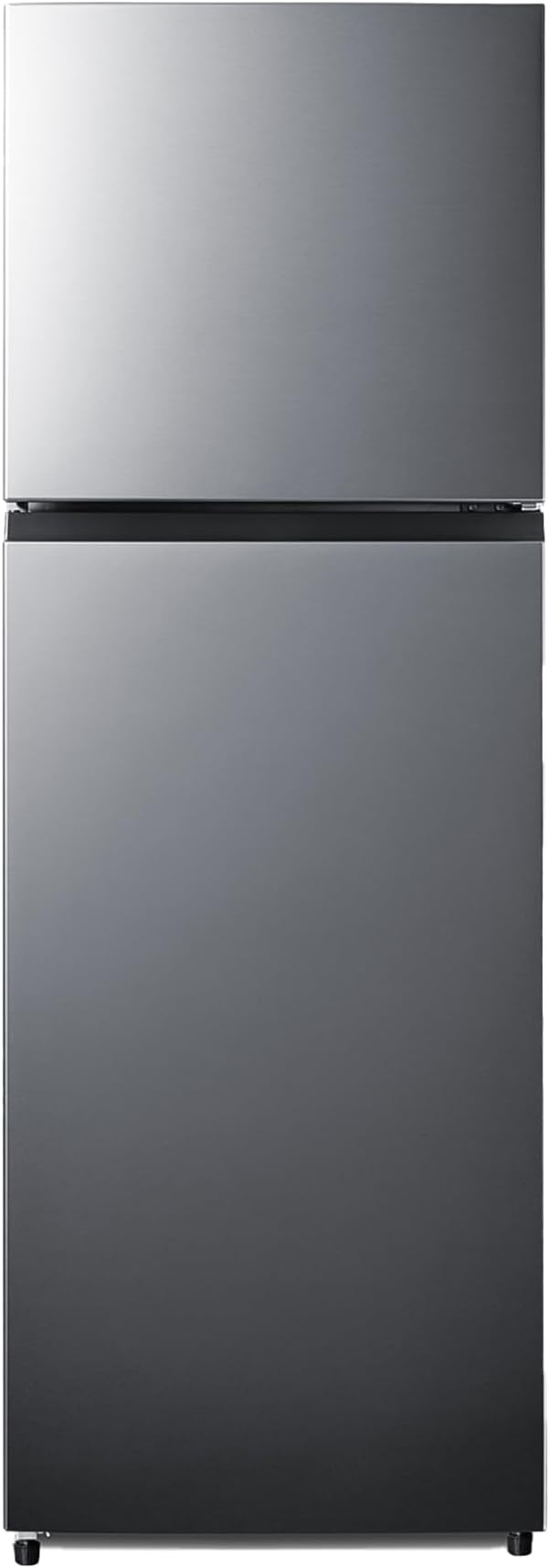
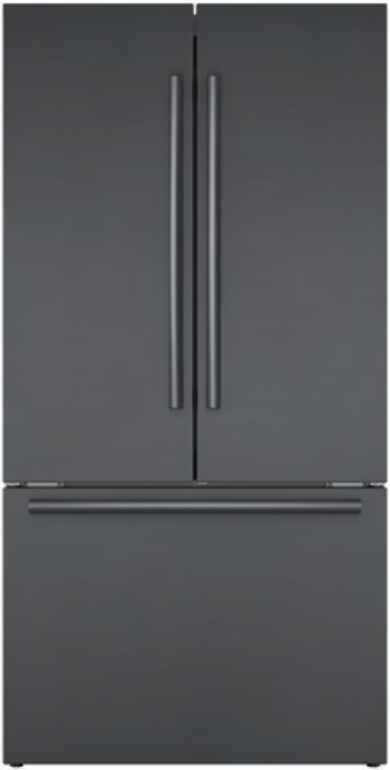
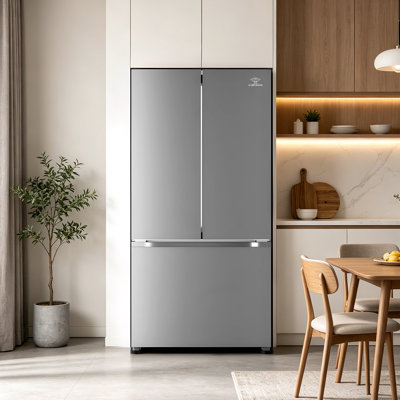
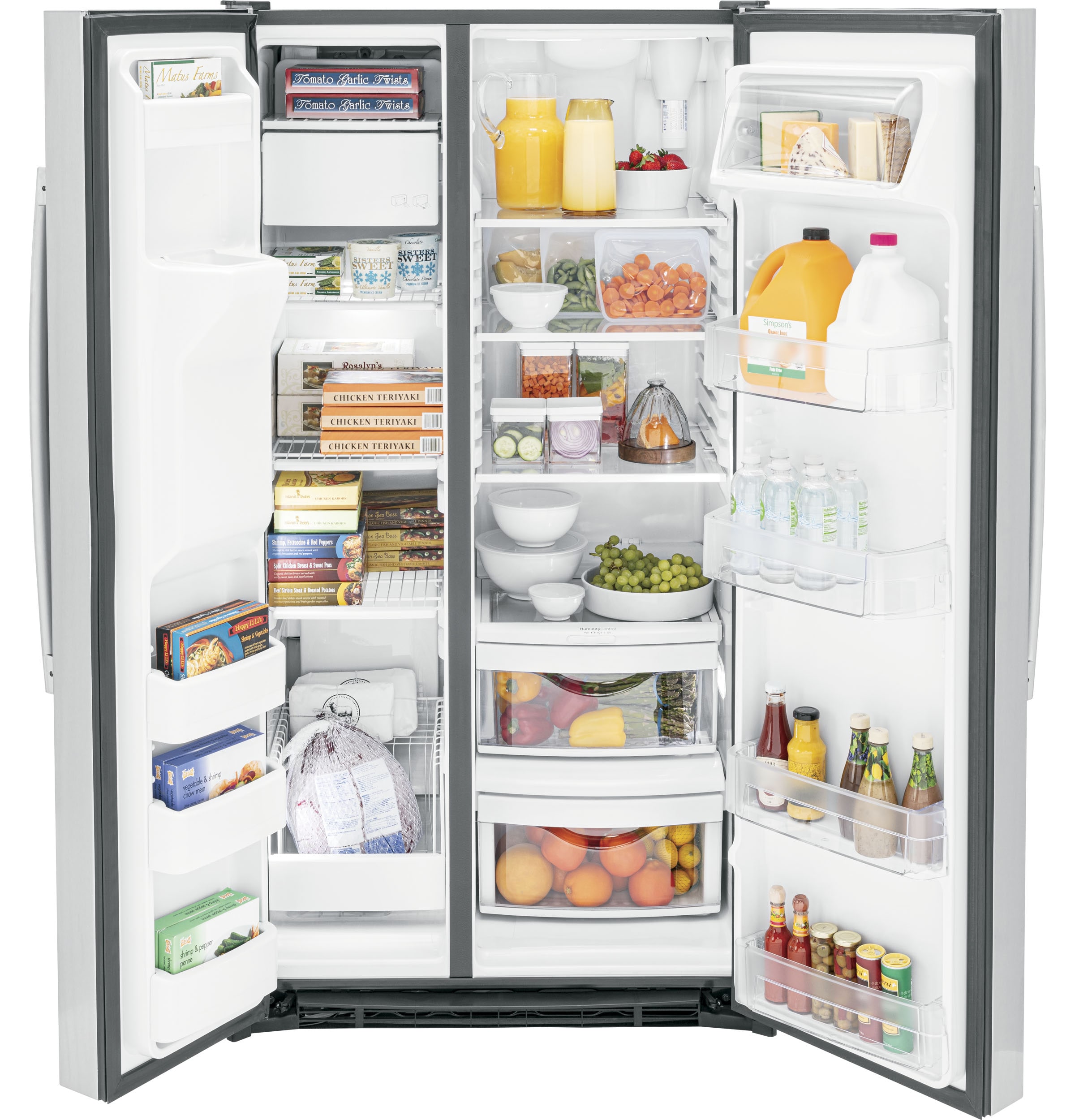
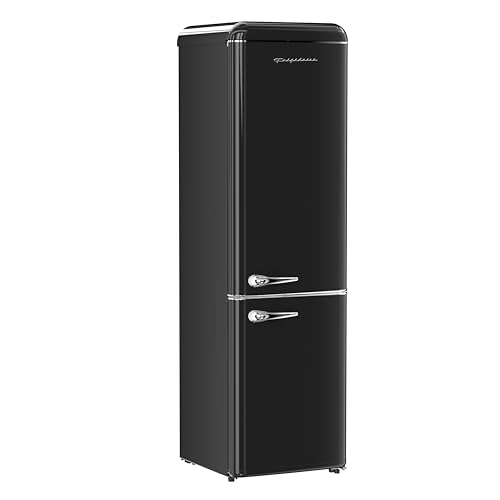
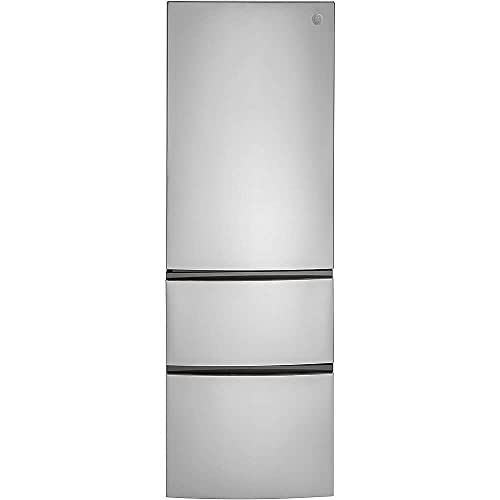
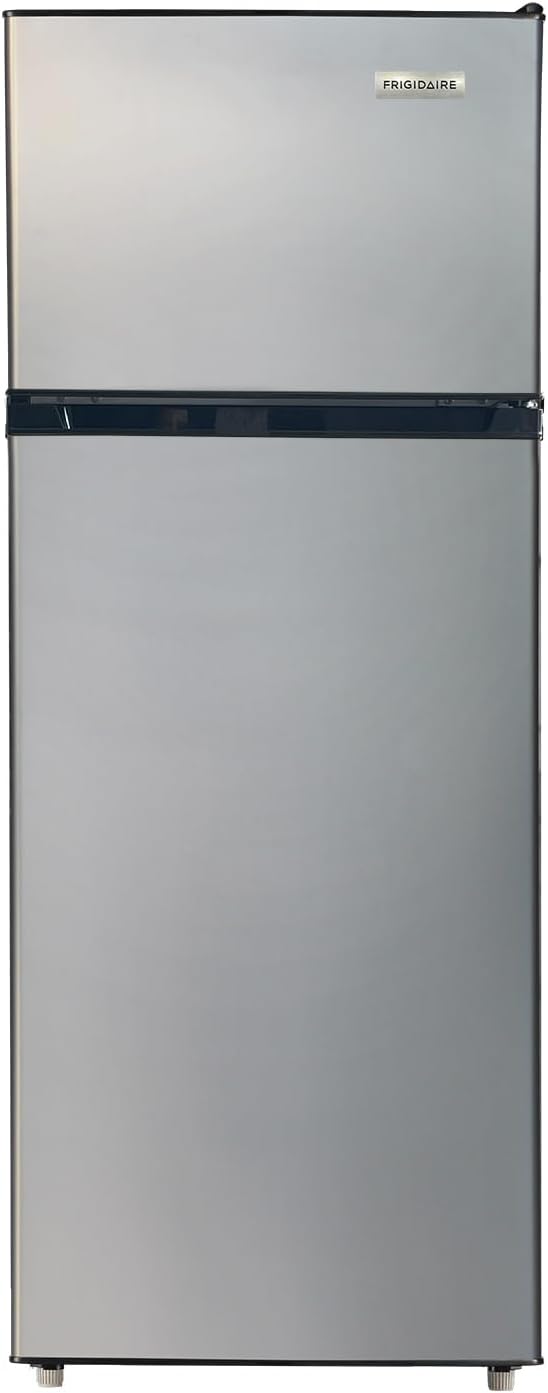
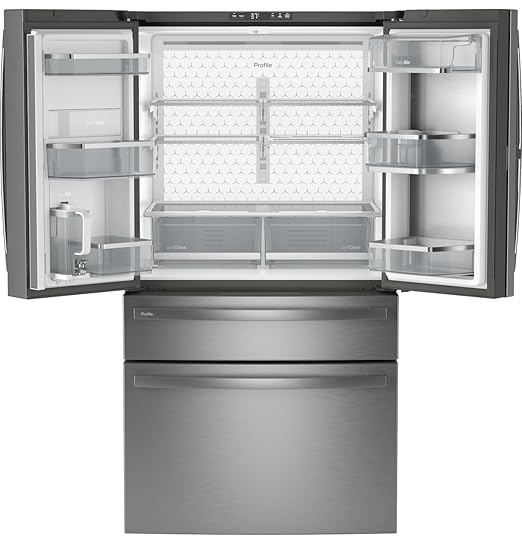
So, you're in the market for a fridge or freezer to start dry aging. Here's what you gotta know. You need something that'll keep the temperature and humidity stable — the magic sauce for dry aging. Check out this easy cheat sheet:
Appliance Type
Ideal Temperature
Humidity Level
Notes
Fridge
34°F - 38°F
70% - 80%
Great for keeping things comfy for the beef.
Freezer (not your bestie here)
<0°F
Low humidity
Freezing is basically the opposite of aging.
Dedicated Dry Aging Fridge
34°F - 38°F
70% - 80%
Built just for this. Top dog in dry aging.
The superstar here is definitely the dedicated dry aging fridge. But if you're rocking a standard fridge that can hold those numbers steady, you're in business. Just give the household freezer the cold shoulder — it's really not up for the task.
Preparing the Fridge or Freezer for Dry Aging
Picked your fridge or freezer? Great! Now, let's make it dry aging-ready. Here's your go-to list:
Clean the Appliance: First things first, give it a good clean with a mild disinfectant. Clear out those sneaky smells and bacteria that want to crash the aging party.
Control Airflow: It's all about the air flow, my friend. Make sure it's not a ghost town in there. Pop in a little fan if you need to, to keep things moving and avoid any moldy surprises.
Humidity Control: A wet sponge or a fancy humidity controller can be your sidekick to keep the level just right (between 70%-80%). Check it often, like you would your social media updates.
Monitor Temperature: Keep a thermometer handy and check in with your appliances regularly. Think of it as your friendly neighborhood spoilage patrol.
Avoid Overcrowding: When you pop those juicy cuts in there, leave them some breathing room. It's not a meat traffic jam.
Get these steps down and you'll be on your way to setting up a prime haven for dry aging. Who knew some beauty tips might just spark some culinary ideas on your dry aging adventure!
The Dry Aging Process
Jumping into dry aging meat at home can be quite the tasty venture. Once you're good to go with everything you need, knowing the right steps in this process is your recipe for those amazing, gourmet results.
How Long to Dry Age Meat
How long should meat chill out while dry aging? That’s all up to what tickles your taste buds and the cut of meat you’ve got. Here’s a quick peek at some tasty timelines:
Type of Meat
Recommended Aging Time
Beef (Whole Ribs)
21 to 45 days
Beef (Strip Loin)
14 to 28 days
Beef (Tenderloin)
14 to 21 days
Pork (Loin)
7 to 14 days
These guidelines help create those deep, rich flavors and melt-in-your-mouth tenderness. Feel free to fiddle with these times to see what flavor journey suits your taste.
Watching the Temperature and Humidity
Keeping an eye on temperature and humidity makes dry aging turn out right. You want things cool at 34°F to 38°F (1°C to 3°C) and humidity around 80%. Here’s what to look out for:
Temperature: Pop a thermometer in the fridge or wherever you’re aging to keep tabs on the chill.
Humidity: Use a hygrometer to check moisture levels. Too much humidity can spoil your efforts, too little and you might end up with overly dry meat.
Keeping a regular check on these keeps your meat maturing without any hiccups.
Safety Precautions During Dry Aging
Being safe is your ticket to successful dry aging at home. Here’s what to keep in mind:
Cleanliness: Sanitize any surfaces or tools before they mingle with the meat to keep things squeaky clean.
Airflow: Good airflow in the fridge is key. A small fan can be your best friend in keeping that air moving.
Check for Spoilage: Before diving in, give the meat a sniff and look for any funky smells or weird colors. When in doubt, it’s smarter to be cautious.
Alright, so you've patiently waited for your meat to age like a fine wine, and now it's showtime! The key to an unforgettable meal starts with figuring out if your meat's ready to rock and roll in the kitchen.
Signs Your Meat is Ready
Time to play detective and investigate if your meat is at its peak. Keep these things in mind:
Sign
Description
Color
Look for a darker shade, a sign of flavors getting amped up.
Texture
Feel for a dry, firm exterior that promises a tasty mouthful.
Smell
Sniff out a pleasant, nutty whiff while booting any stinkiness away.
Nailing this step can make all the difference. Trust us; it’s worth it for that melt-in-your-mouth goodness.
Trimming and Cutting Dry Aged Meat
Now that you've got the green light, it’s time to shed the crusty shell. Dry-aged meat comes with a hard outer layer that needs a bit of TLC. Follow these steps:
Goodbye, Crust: Grab a sharp knife and peel away that tough exterior.
Slice It Nice: Chop it into steaks or chunks that fit whatever culinary dream you're chasing.
Size Does Matter: About 1-2 inches thick keeps options open for cooking up deliciousness.
Got a knife that slices like a samurai's sword? Makes life simpler. And hey, if you wanna know more about the art of dry aging at home, dive in here.
Cooking and Enjoying Dry Aged Meat
You’ve prepped and primed your meat; now is the moment of truth. How you cook it up will bring out that aged awesomeness. Check these ways out:
Method
Description
Grilling
Perfect for steaks; nails that sear and flavors become a thing.
Sous Vide
Cooks it evenly and keeps it juicy, just finish with a hot sear.
Pan-searing
For those smaller bites; gives you a crust that seals the deal.
Pair your masterpiece with simple sides so that the meat is the star of the show. Then gather your squad, chow down, and bask in the glory of what you've crafted. Bon appétit!
Want to rock the dry aging game at home? It's all about a little prep and knowing what you're doing. Follow these tips to make sure your meat comes out tasting like magic.
Storage and Handling Tips
How you stash and handle that meat is key if you want the perfect dry aging. Here's what you need to know:
Tip
Description
Keep It Clean
Scrub those hands and tools like you mean it. A little soap goes a long way against any nasty bugs.
Special Fridge
Get a fridge just for your meat. Keeps it safe from minglin' with other foods. Check out a garage refrigerator or an all freezer.
Let It Breathe
Make some room in the fridge. The more air can flow, the better your meat dries.
Steady Temp
Keep that chill between 34°F and 38°F. A digital thermometer can keep you on the right track.
Flavoring and Seasoning Options
Dry aging's got its own wow factor, but a bit of seasoning can turn up the volume. Try these on for size:
Flavoring Option
Description
Salt Crust
Pile on the salt. It gives you a killer flavor boost and helps protect during dry aging.
Fresh Herbs
Toss on some rosemary or thyme to mix up the taste. Remember to chuck 'em before you start cooking.
Quick Marinade
A light dab of oils and spices before aging can bring out extra yumminess. Keep it on the dry side, though.
Troubleshooting Common Issues
Run into a hitch? No worries. Check these fixes for the most common dry aging snafus:
Issue
Solution
Nasty Smell
If it hits you with a stinky punch, get rid of it. A little smell's no biggie, but it shouldn't reek.
Spotty Drying
Air's gotta move to dry evenly. If one side’s lagging, flip the meat now and then.
Too Much Juice
Damp fridge? Airflow’s off. Pop in a small fan or tweak the fridge’s chill to keep it moving.
Nail these tricks, and you'll be on the road to dry aging heaven. For more culinary pro tips, check out Fridge.com guide on how do you make dry aging at home?. Happy seasoning and savoring!