The USDA recommends getting food to 40°F within that window.
Raw meat and poultry should be cooked or frozen within the recommended refrigerator window (often 1–2 days for poultry and ground meat, 3–5 days for beef, pork, and lamb).
Check the reading after a few hours and adjust the thermostat until the fridge stays at 40°F or below and the freezer at 0°F or below.
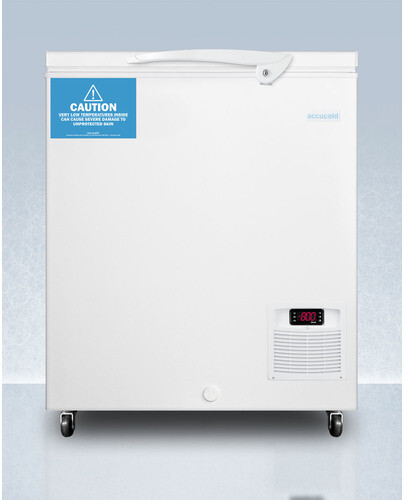
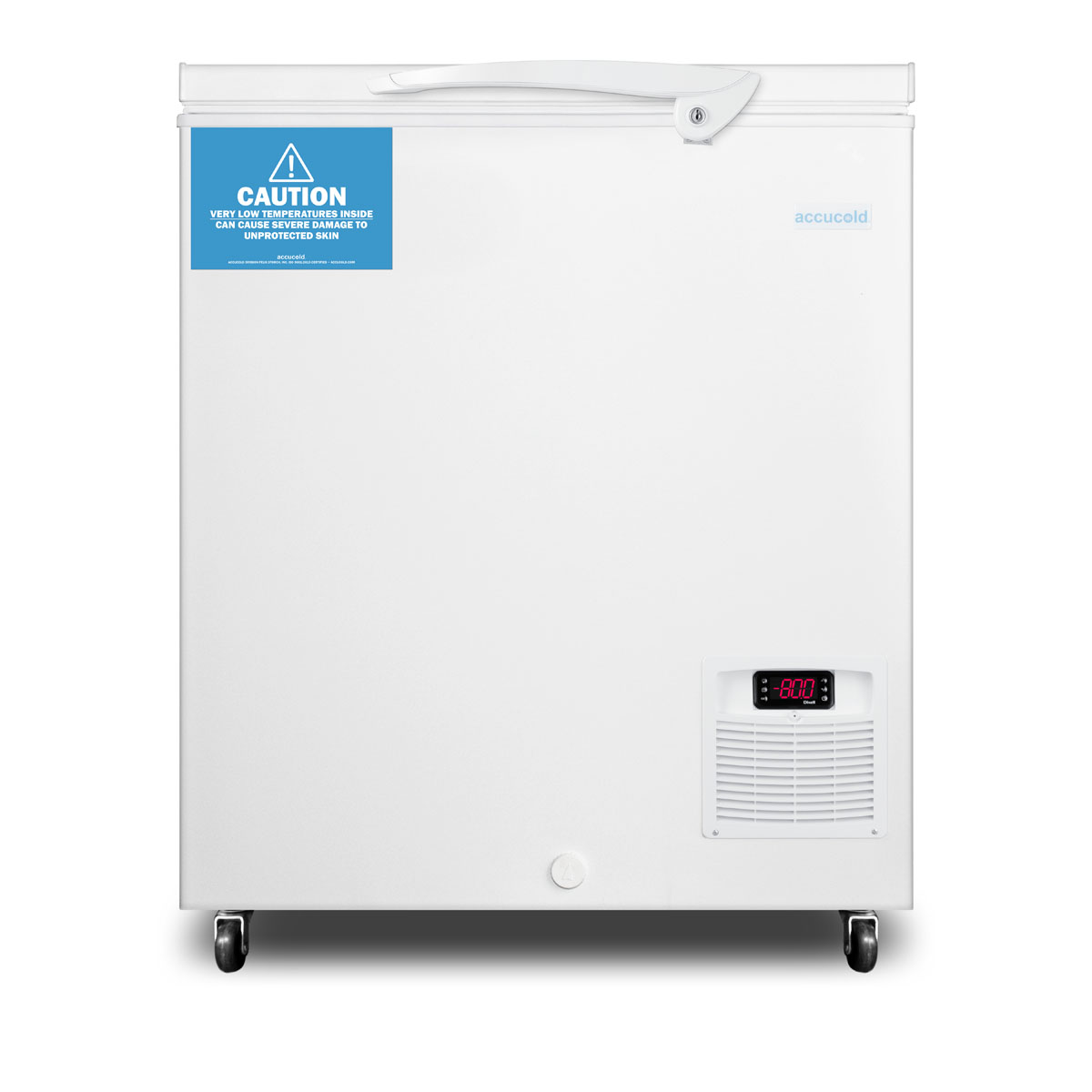
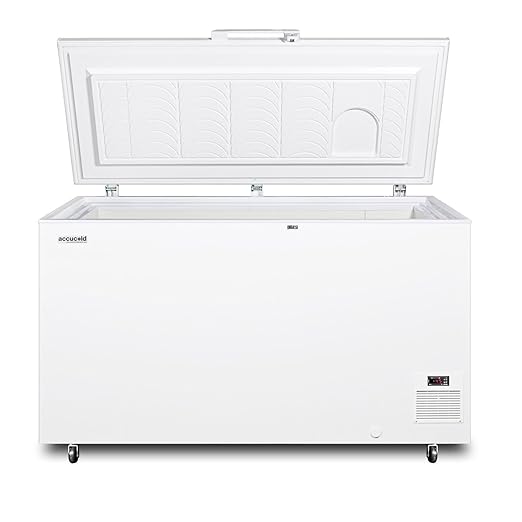
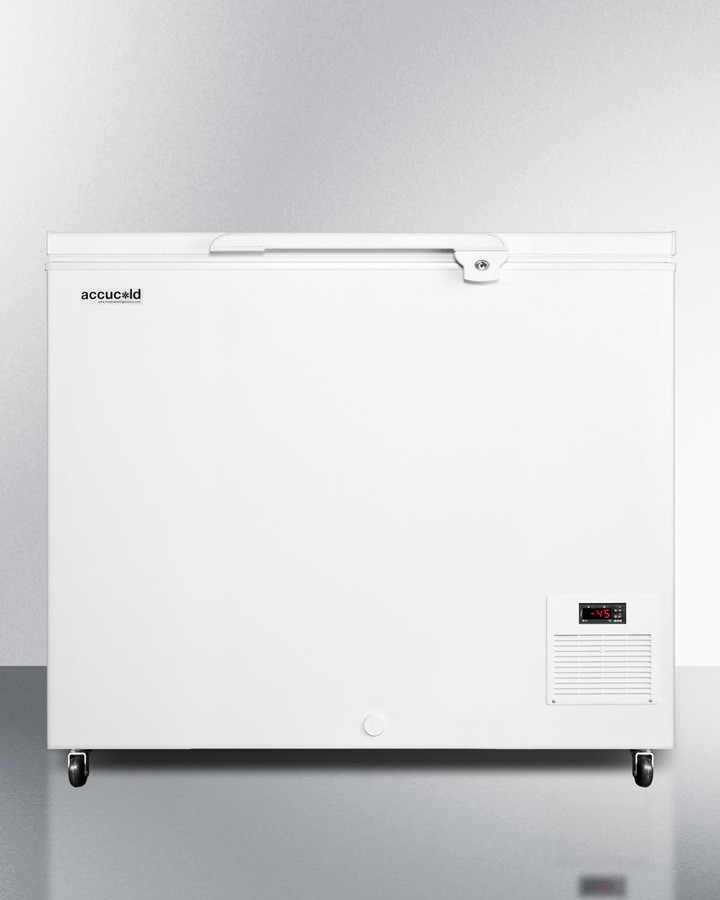
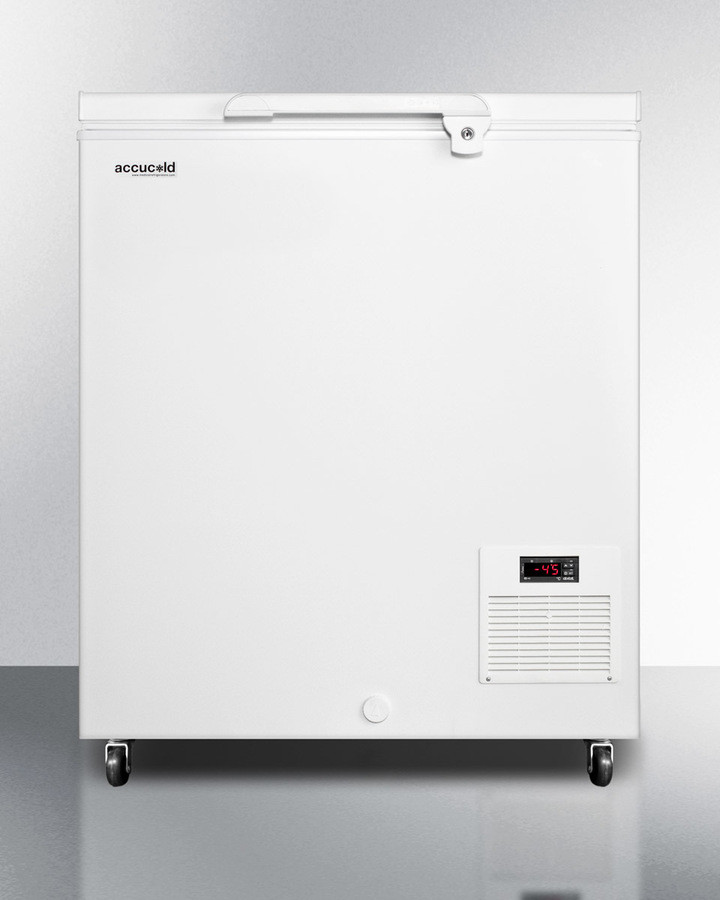
A chest freezer rated to run in ambient temperatures from about 0°F to 110°F.
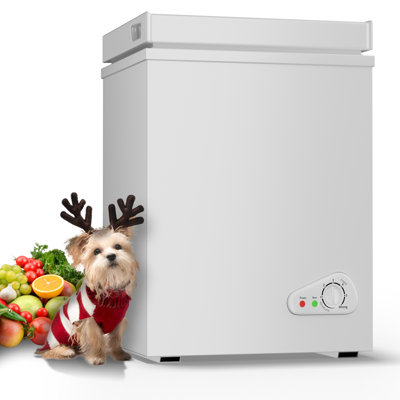
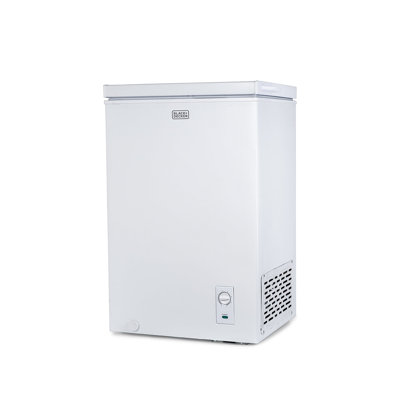
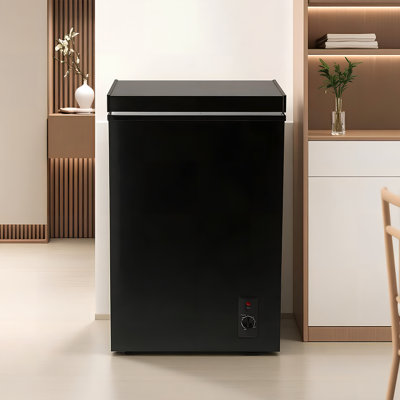
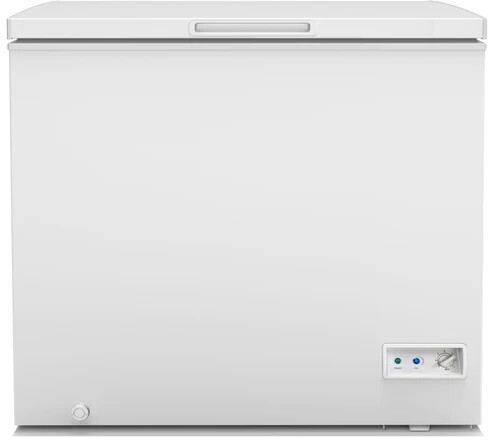
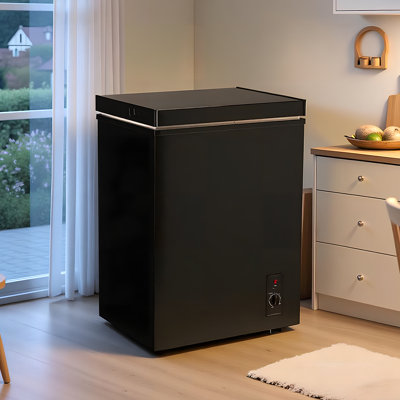
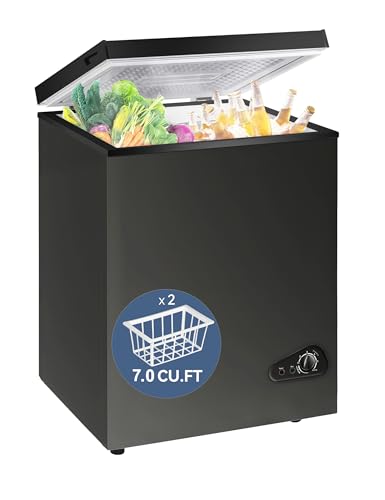
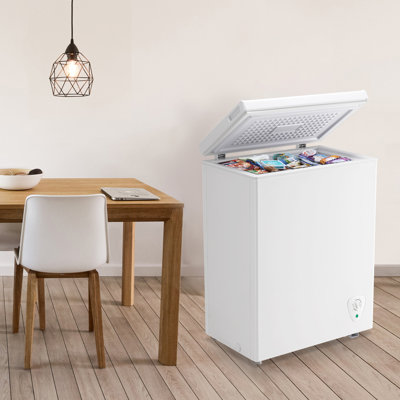
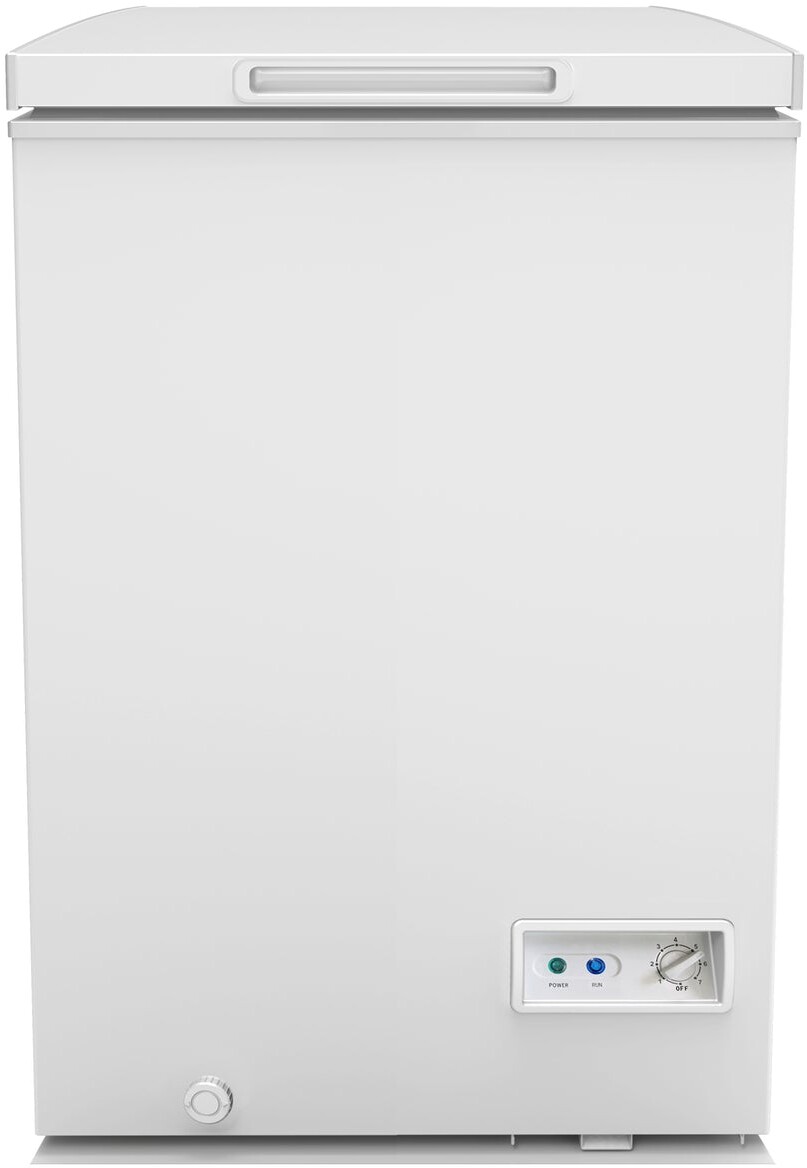
Garage-ready chest freezers are built to run in a wide range of ambient temperatures so they work in an unheated garage. This guide explains what they are and when to choose one. Information is based on typical product categories.
What Is a Garage-Ready Chest Freezer?
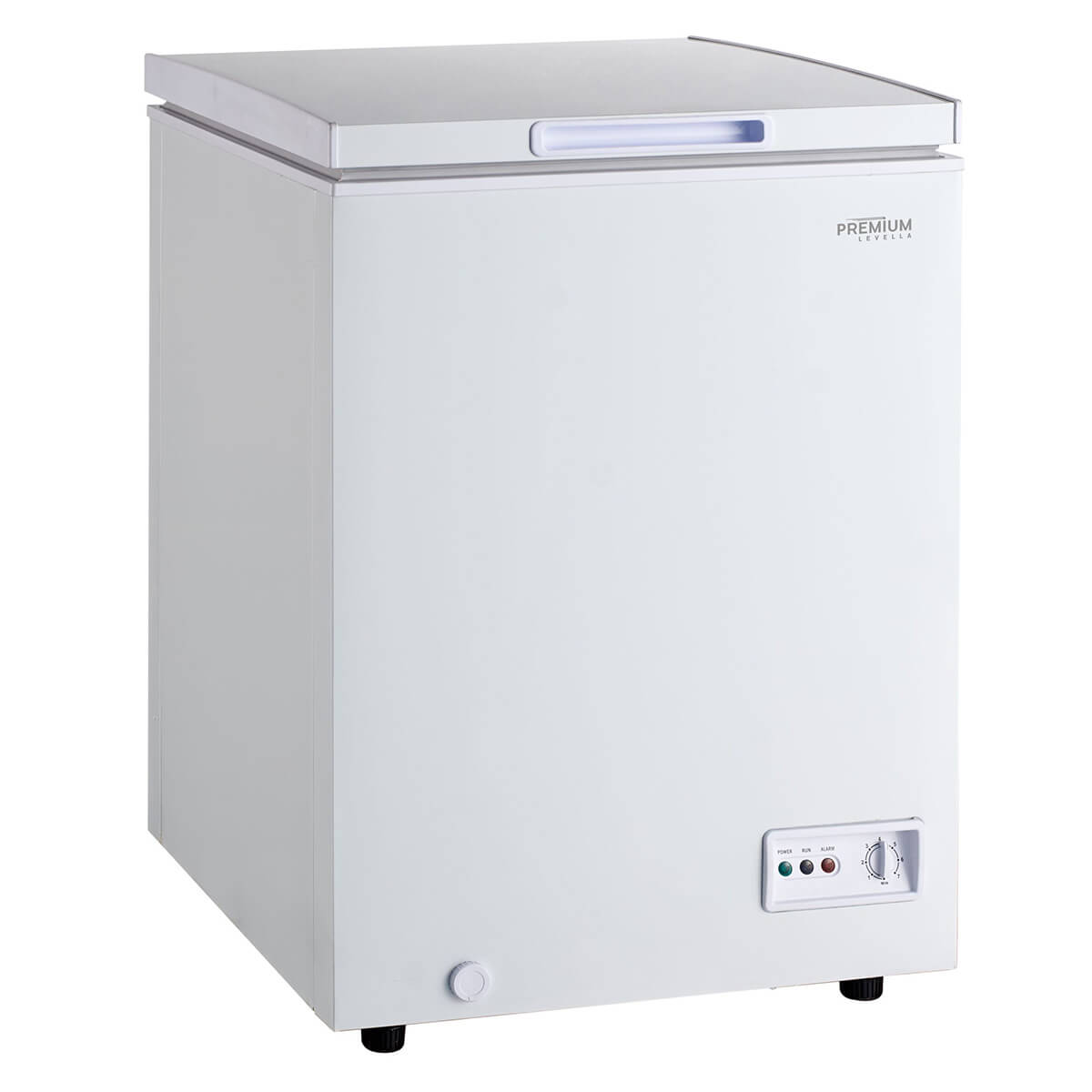
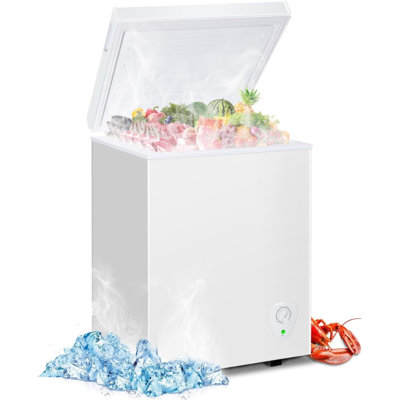
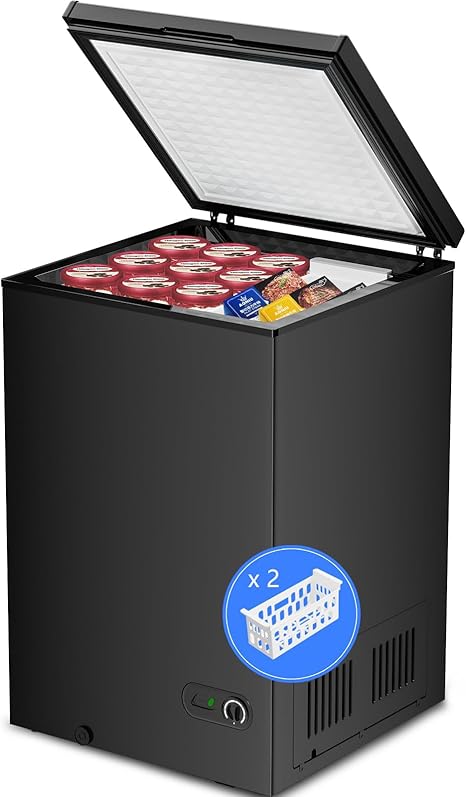
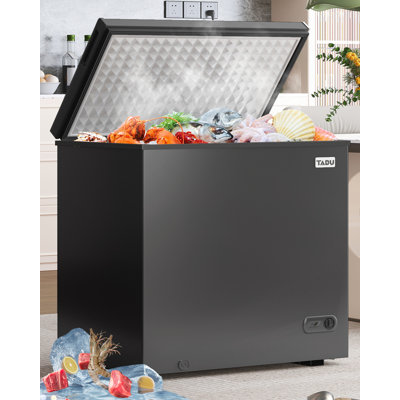
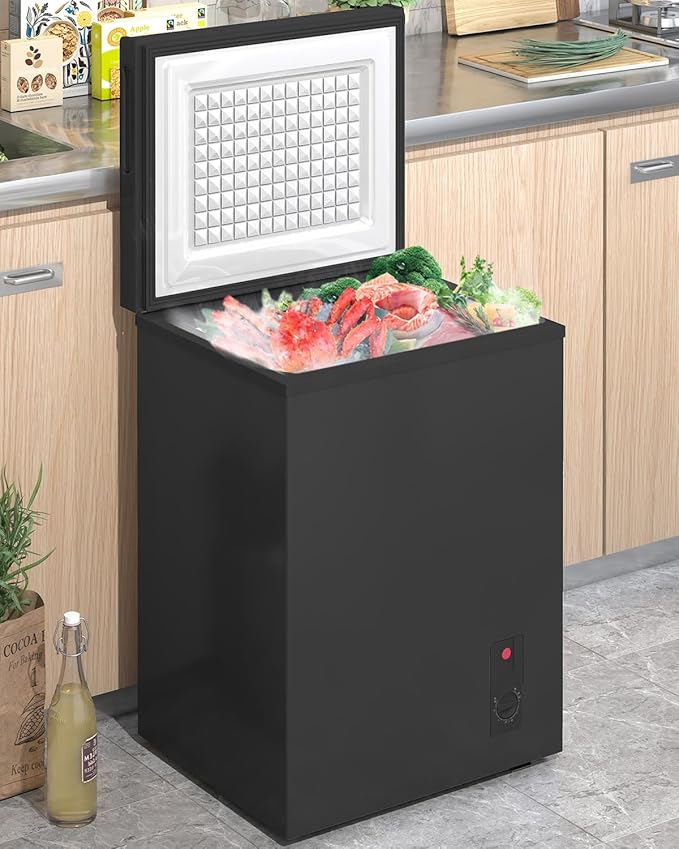
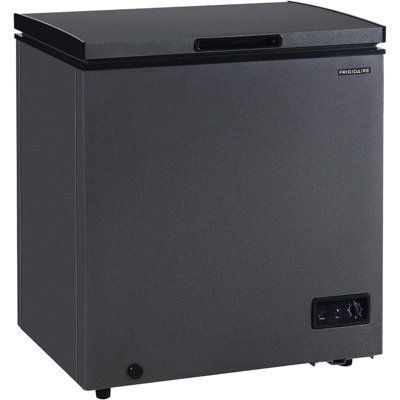
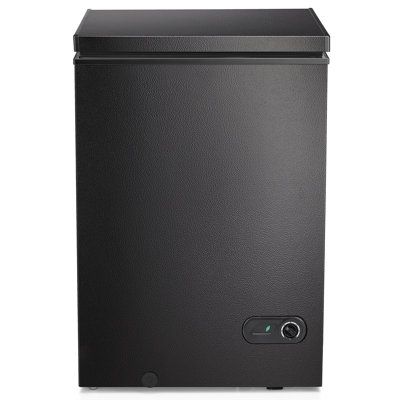
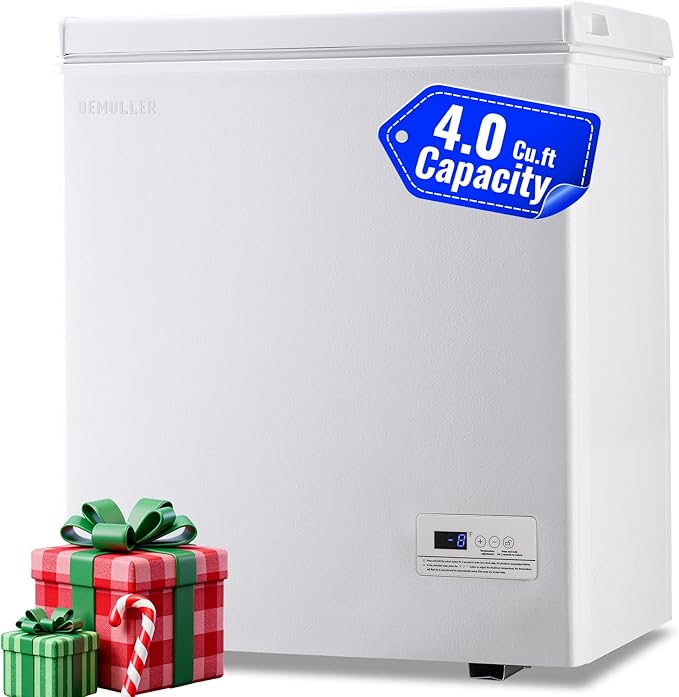
A chest freezer rated to run in ambient temperatures from about 0°F to 110°F. It can sit in a cold garage in winter and a hot garage in summer. Standard chest freezers are not built for that range.
Why a Chest for the Garage?
Chest freezers are often more efficient and hold cold well. Garage-rated models add the ability to start and run in cold ambients. Good for bulk frozen storage when you have garage space.
Check the manufacturer’s specs for your climate. Many garage-ready chest freezers list 0°F to 110°F or similar. If your garage is heated and stays above 55°F, a standard chest may work.
Garages can get very hot in summer and cold in winter. A refrigerator or freezer in the garage must be designed for that range or placed where temperatures stay within the unit's specs. Many units are rated for "garage ready" or "extended ambient" use; check the manufacturer's manual. Keeping the fridge or freezer in a spot that avoids direct sunlight and extreme swings helps it hold temperature and last longer. For more on garage refrigerators and model comparisons, see Fridge.com.
Use a thermometer inside the fridge and freezer to confirm they stay at 40°F or below (fridge) and 0°F or below (freezer). If the garage is too hot or too cold, the unit may cycle off or struggle; that can shorten the life of the appliance and affect food safety. In very cold garages, some units may not run often enough to maintain temperature; in very hot garages, the compressor may run constantly and wear out sooner. Placement and unit choice matter for both food safety and appliance life.
When shopping for a garage refrigerator or freezer, look for models that list an extended ambient temperature range (e.g. down to 0°F or up to 110°F garage temperature). Not all units are suitable for unheated or uncooled garages. For buying guides and model comparisons, see Fridge.com.
Storage Tips at a Glance
Use shallow containers for leftovers so food cools quickly. Label containers with the date so you know when to use or discard. Do not overpack the fridge; blocked vents can create warm spots. Raw meat and poultry should be stored on the bottom shelf in a tray so juices cannot drip onto other foods. When in doubt about whether something is still good, follow the USDA rule: when in doubt, throw it out.
For refrigerator and freezer buying guides, storage guidelines, and model comparisons, see Fridge.com.
Keep the fridge and freezer clean. Wipe up spills promptly. Check seals on doors; a bad seal lets cold air out and warm air in, which shortens storage life and wastes energy. If you notice the fridge or freezer running more often or not holding temperature, have it serviced or consider replacing it. For appliance maintenance and model comparisons, see Fridge.com.
If food has been in the fridge or freezer longer than the recommended time, discard it. Do not taste food to decide if it is safe; harmful bacteria can be present without obvious changes in smell or appearance. The FDA and USDA advise: when in doubt, throw it out. Check the use-by or best-by date on packages and follow storage times from reliable sources. For more storage guidelines and appliance tips, see Fridge.com.
Reheat cooked leftovers to 165°F or until steaming hot. Do not reheat more than once; take out only what you will eat. Refrigerate any unused reheated food within 2 hours. Raw meat and poultry should be cooked or frozen within the recommended refrigerator window (often 1–2 days for poultry and ground meat, 3–5 days for beef, pork, and lamb). For detailed storage times by food type, see Fridge.com.
Place an appliance thermometer in the main body of the fridge or freezer, not in the door. Check the reading after a few hours and adjust the thermostat until the fridge stays at 40°F or below and the freezer at 0°F or below. Many units run warmer than the dial suggests. A thermometer is the only way to know the actual temperature. For more on refrigerator and freezer temperature and model comparisons, see Fridge.com.
Check the thermometer regularly. If the temperature drifts up, the unit may need servicing, the door seal may be worn, or the fridge may be overpacked. Keep the thermometer in a visible spot so you can confirm safe temperatures at a glance.
If the power goes out, keep the refrigerator and freezer doors closed as much as possible. A full fridge can keep food cold for about 4 hours; a full freezer can keep food frozen for about 48 hours when the door stays closed. Once power returns, check the temperature with a thermometer. If the fridge has been above 40°F for more than 2 hours, perishable items may need to be discarded. When in doubt, throw it out. For more on how long food lasts without power, see Fridge.com.
Do not taste food to decide if it is safe after a power outage. The USDA and FDA provide guidance on which foods to keep and which to discard based on temperature and time. For refrigerator and freezer buying guides, see Fridge.com.
Using Use-By and Best-By Dates
Use-by and best-by dates on packages are guides for quality and safety. Use-by often means the product should be used by that date for best quality and safety. Best-by is typically about quality, not safety. Sell-by is for store stock. Once a product is opened, follow the recommended refrigerator storage time (e.g. use within 3–5 days) regardless of the printed date. For more storage guidelines, see Fridge.com.
When in doubt, throw it out. Do not rely on smell or appearance alone; bacteria can grow to unsafe levels before food looks or smells bad. For refrigerator and freezer tips and model comparisons, see Fridge.com.
Store raw meat and poultry on the bottom shelf in a tray so juices cannot drip onto other foods. Keep leftovers and cooked food in covered containers and use within 3–4 days. Store milk and eggs in the main body of the fridge, not in the door; the door is the warmest spot. Use the crisper drawers for produce. Do not overpack; blocked vents can create warm spots. Label and date items so you use the oldest first. For more on refrigerator organization and model comparisons, see Fridge.com.
Do not put large pots of hot food directly in the refrigerator. Hot food can raise the internal temperature and put other foods at risk. Cool food quickly by dividing it into shallow containers (no more than about 2 inches deep) or by placing the pot in an ice bath and stirring until the food is no longer hot. Refrigerate within 2 hours of cooking (or 1 hour if the room is above 90°F). The USDA recommends getting food to 40°F within that window. For more on refrigerator storage and food safety, see Fridge.com.
Cover containers once the food has cooled to avoid contamination and to keep odors in. Use shallow containers so cold air reaches the center quickly. For refrigerator and freezer buying guides, see Fridge.com.
Door Seals and Appliance Care
Check the door seals on your refrigerator and freezer periodically. A worn or dirty seal lets cold air out and warm air in, which shortens storage life and increases energy use. Clean the seals with mild soap and water and wipe the door gasket. If the seal is cracked or no longer fits snugly, have it replaced or consider replacing the appliance. For more on refrigerator maintenance and model comparisons, see Fridge.com.
Keep the coils clean if your unit has exposed coils; dust can reduce efficiency. Do not block vents inside the fridge or freezer; airflow keeps temperature even. For appliance care and buying guides, see Fridge.com.
Thaw frozen food in the refrigerator, in cold water (change the water every 30 minutes), or in the microwave if you will cook it immediately. Do not thaw on the counter; the outside can reach the temperature danger zone while the center is still frozen. Once thawed, use the food within the recommended refrigerator time (e.g. 1–2 days for raw poultry and ground meat). Reheat cooked leftovers to 165°F or until steaming hot. Do not reheat more than once. Refrigerate unused portions within 2 hours. For more on refrigerator and freezer storage, see Fridge.com.
When in doubt about whether thawed or reheated food is safe, throw it out. The FDA and USDA provide detailed guidance on thawing and reheating by food type. For storage guidelines and appliance comparisons, see Fridge.com.
Summary
Garage-ready chest freezers work in unheated garages. Check the ambient range for your climate. For freezer comparisons, see Fridge.com.
Frequently Asked Questions
A chest freezer rated to run in a wide range of ambient temperatures for unheated garages.
Free tool
Freezer BTU Calculator
Free interactive tool from Fridge.com — get a quick answer while you read.