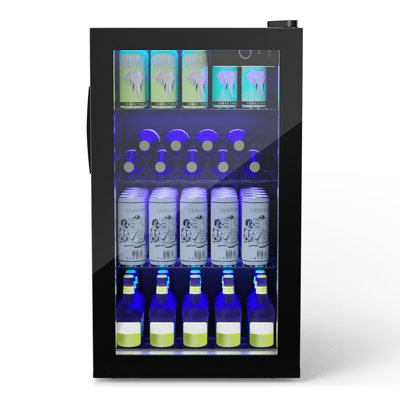
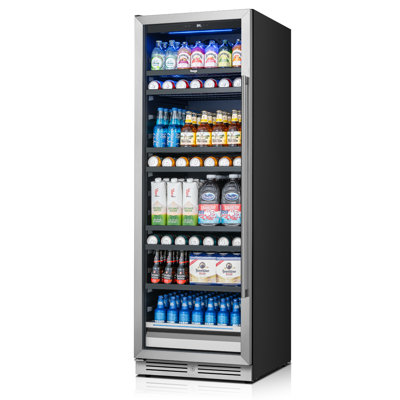
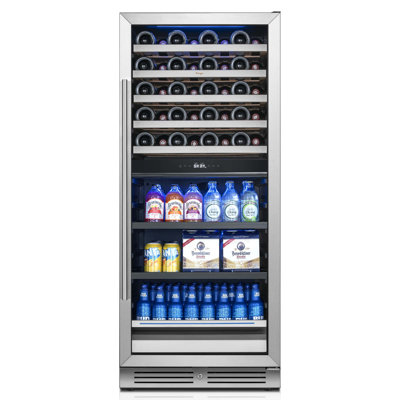
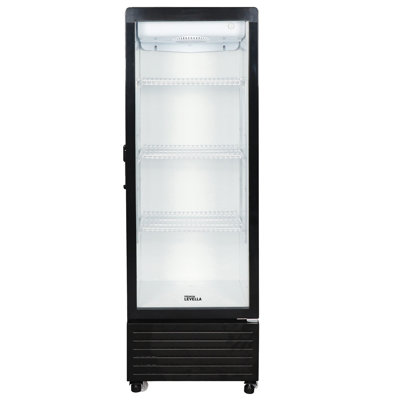
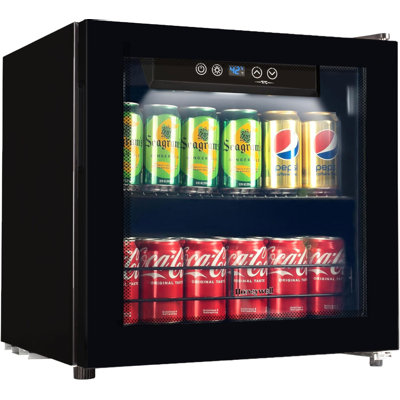
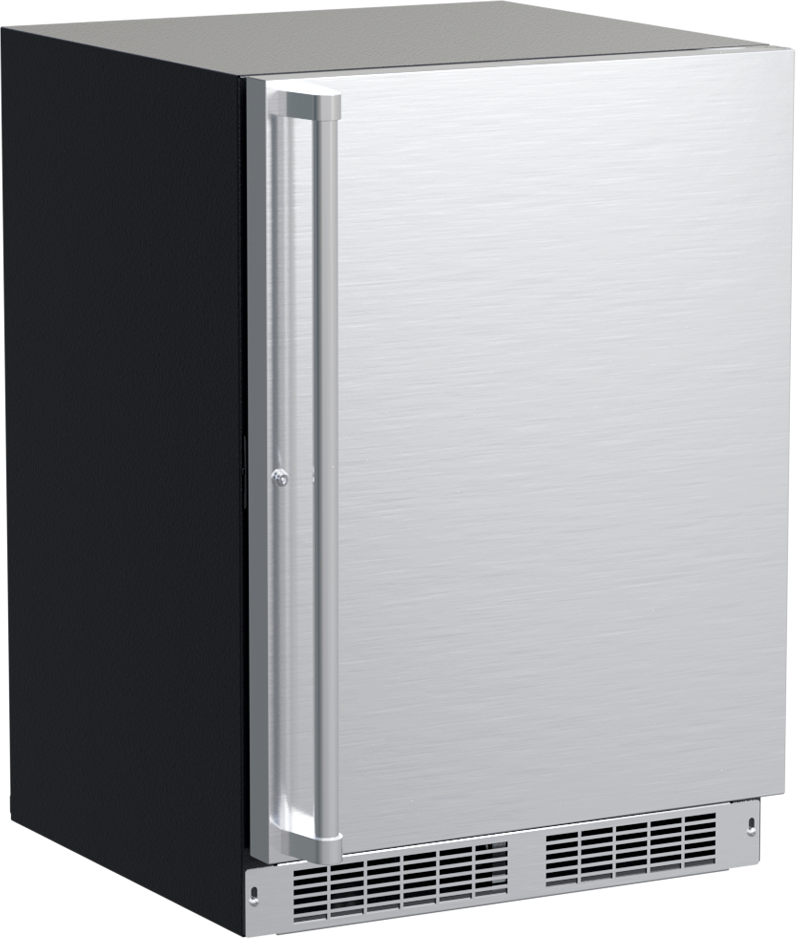
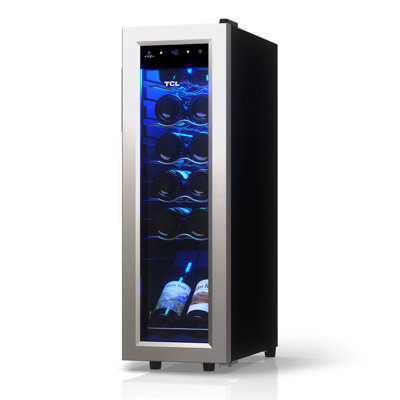
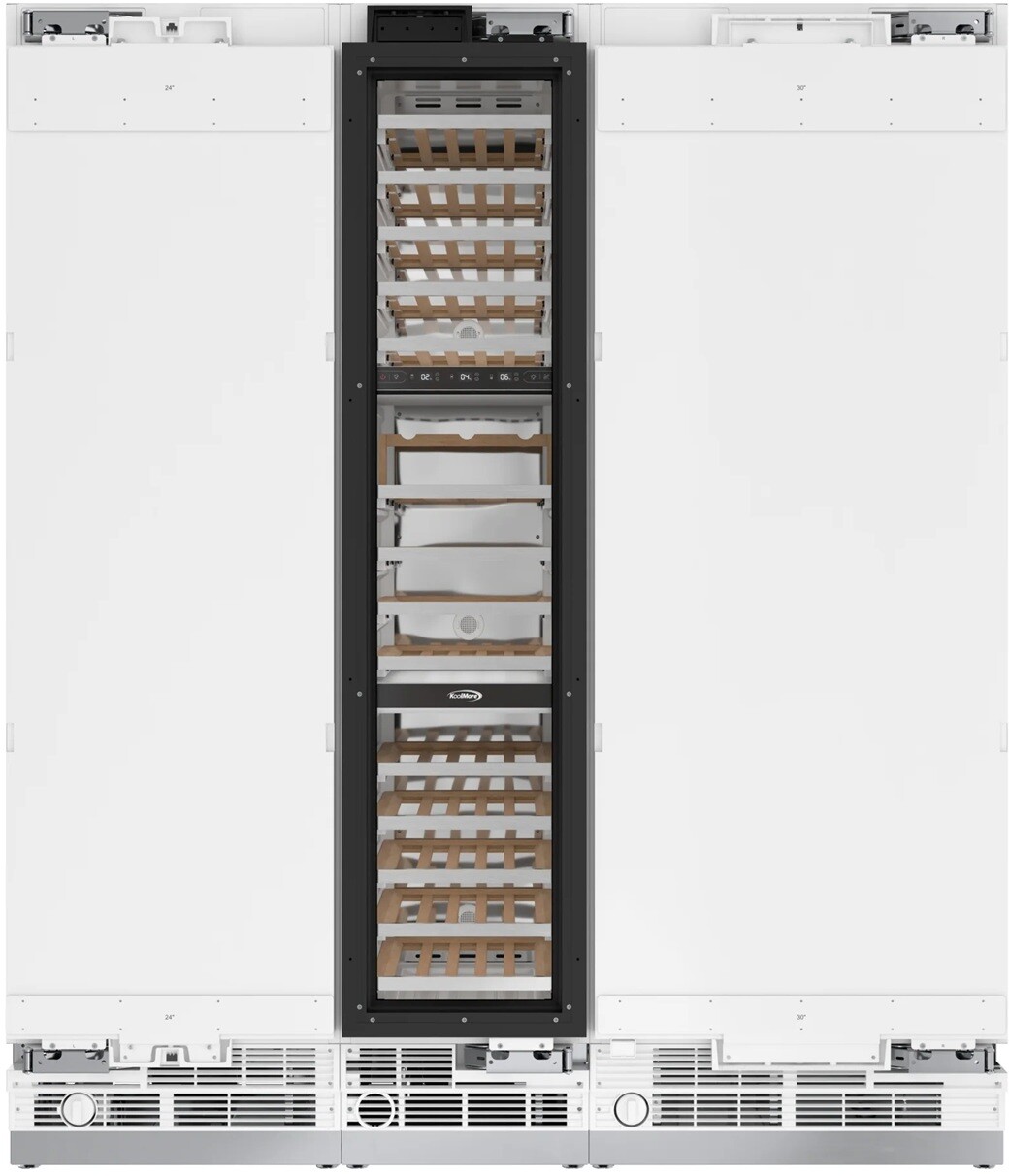
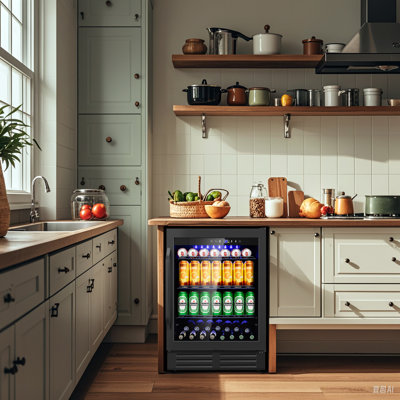
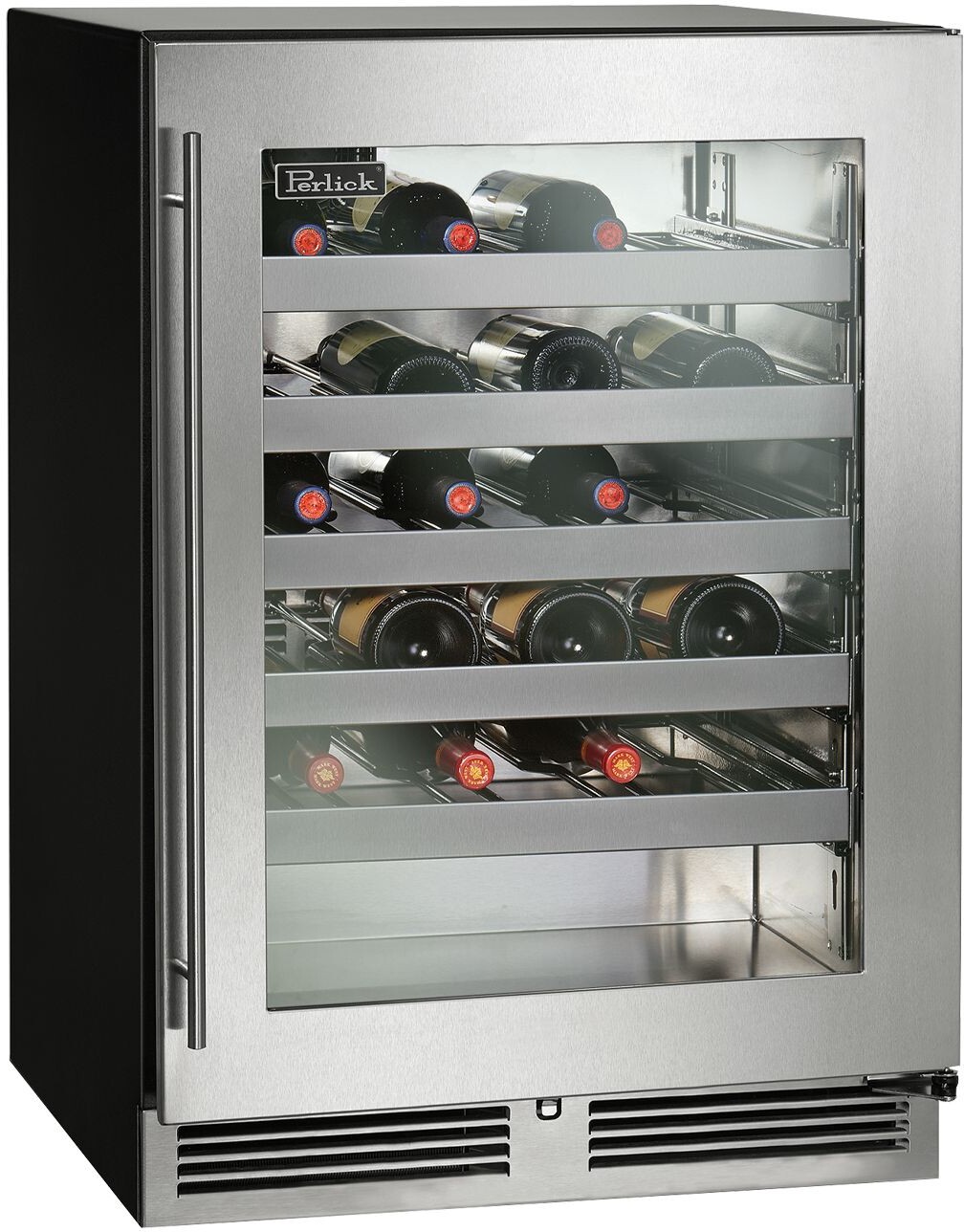
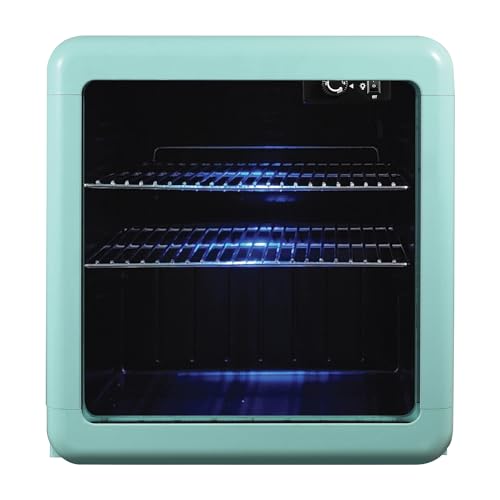
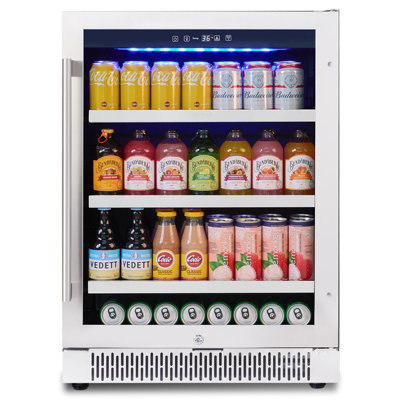
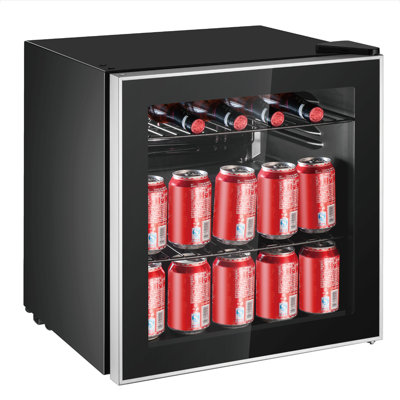
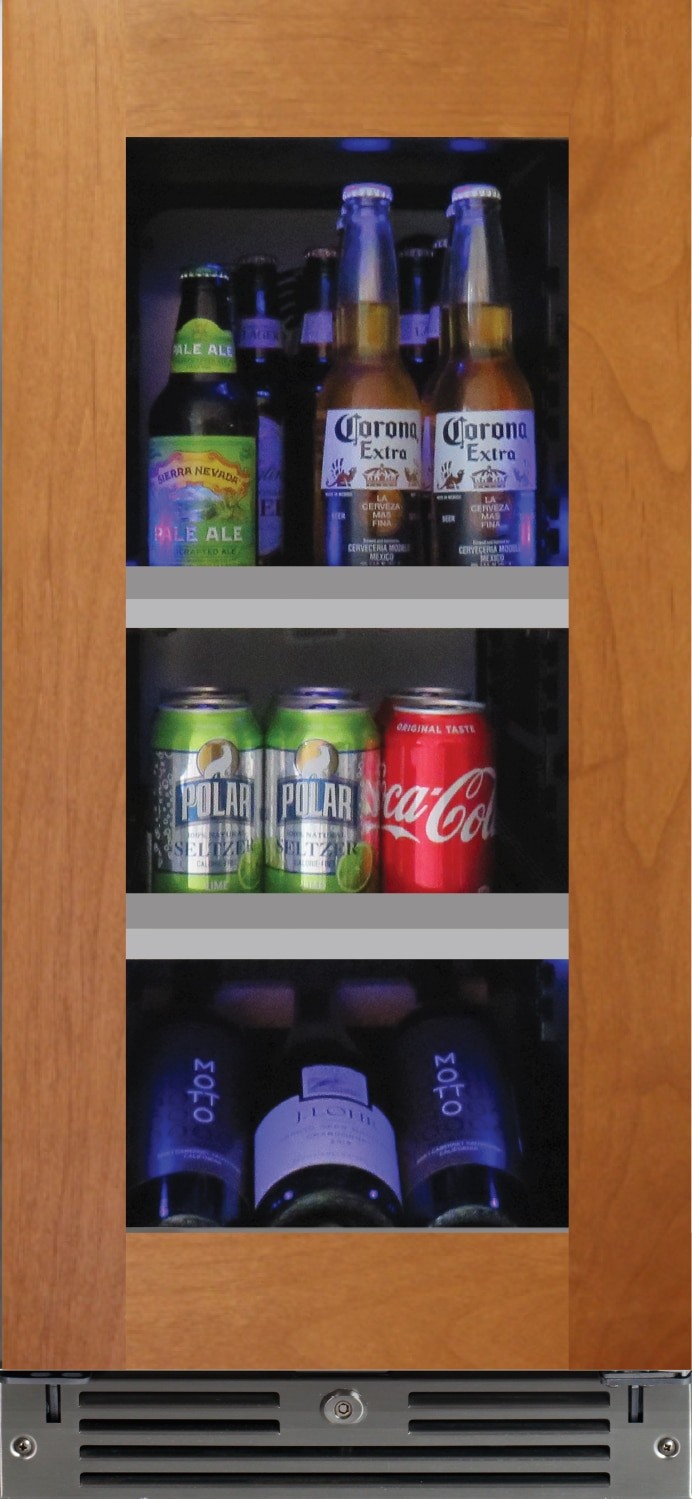
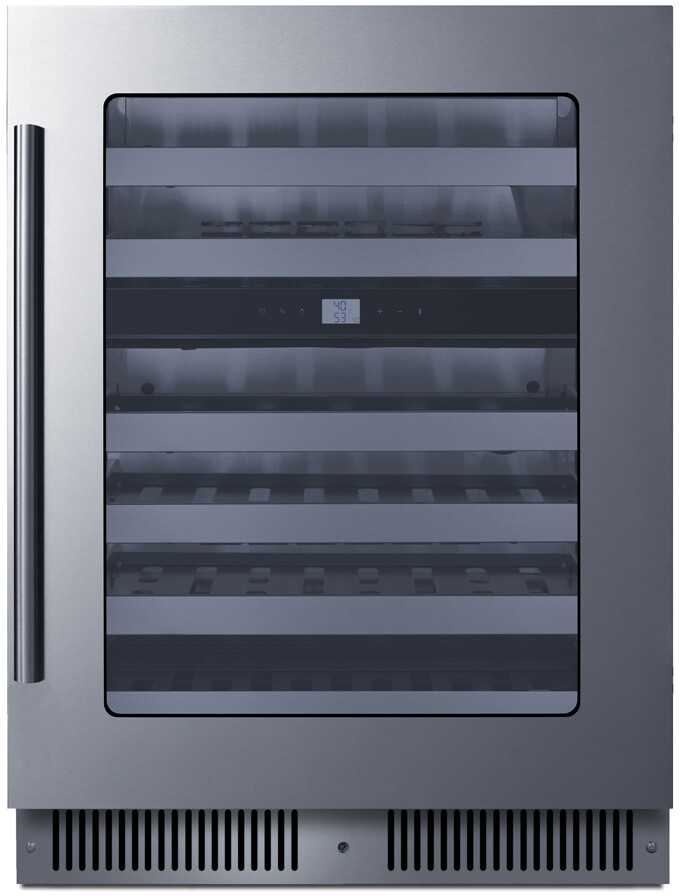
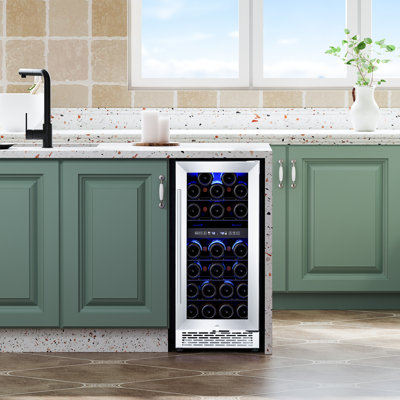
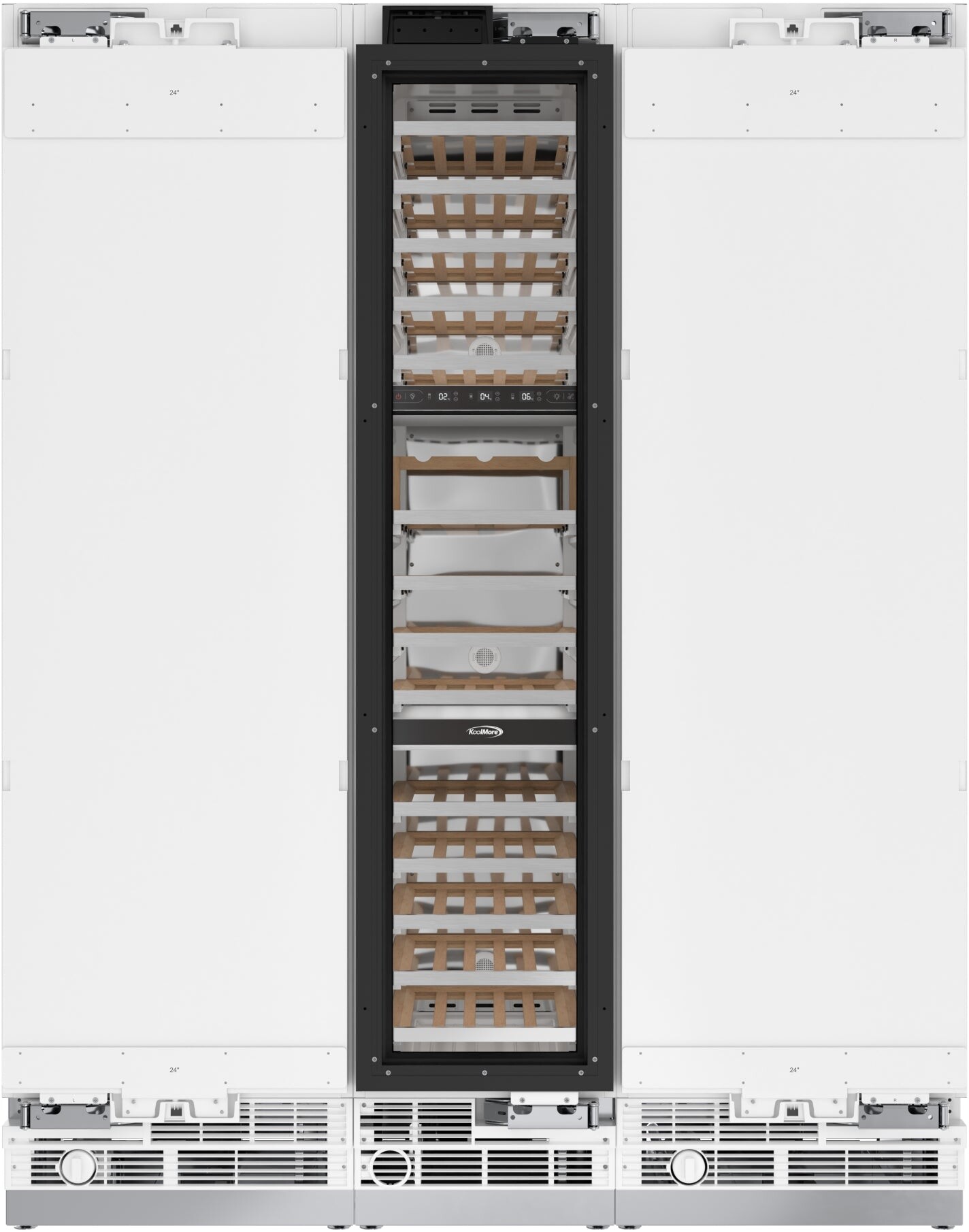
A wine cellar and a wine fridge both store wine at controlled temperatures, but they operate at completely different scales. A wine fridge is a self-contained electric appliance — essentially a specialized refrigerator — that holds 6 to 300 bottles in a single cabinet and plugs into a standard outlet. A wine cellar is a dedicated room or underground space built specifically for wine storage, holding hundreds to thousands of bottles at a steady 55°F and 60-70% humidity. This comparison covers cost, capacity, climate control, aging capability, and which solution makes sense for different collection sizes.
Factors Affecting Wine Preservation
Several key factors contribute to the preservation of wine. These include:
Temperature: Consistent and moderate temperatures are crucial. Extreme or fluctuating temperatures can accelerate aging or even damage the wine.
Humidity: Adequate humidity levels prevent corks from drying out, which can lead to oxidation and spoilage.
Light: Exposure to light, especially UV rays, can degrade wine quality over time.
Vibration: Minimizing vibration is important as it can disturb the sediments in wine, affecting its development and taste.
Position: Storing wine bottles horizontally keeps the cork moist and ensures a tight seal.
A wine cellar is a purpose-built room designed for long-term wine storage and aging. Traditional wine cellars are underground spaces — basements, caves, or excavated rooms — that benefit from the earth's naturally stable temperature (55°F year-round at sufficient depth) and high humidity (60-70%). Modern wine cellars can be built in any room using insulation, vapor barriers, and a dedicated cooling system.
A properly built wine cellar maintains 55°F ± 2°F and 60-70% relative humidity consistently. The cooling system (a through-wall, split, or ducted wine cellar cooling unit) manages temperature and humidity independently. Insulation (minimum R-19 walls, R-30 ceiling) prevents condensation and heat gain. A vapor barrier on the warm side of the insulation prevents moisture migration. The door is an exterior-grade insulated unit with a magnetic seal.
Benefits of a Wine Cellar
The primary benefit of having a wine cellar is the controlled environment it provides for the aging of wine. Proper aging can enhance the complexity, aroma, and flavor profiles of wine, turning a good bottle into a great one over time. A wine cellar offers:
Temperature Control: Consistent temperatures ranging between 55°F and 58°F, considered ideal for aging most wines.
Humidity Management: A humidity level of around 60-70% prevents corks from drying out and wine from oxidizing.
Darkness: UV rays can deteriorate wine, so cellars are designed to keep light exposure to a minimum.
Vibration Reduction: A stable environment without vibrations helps preserve wine's molecular structure.
Considerations for Installing a Wine Cellar
Before you commit to installing a wine cellar, it’s essential to consider several factors that will influence your decision:
Space: You need enough space not just for your current collection but for future acquisitions too. Converting an existing closet, basement room, or under-stair space is the most economical approach; new construction cellars require architectural planning and coordination with HVAC contractors. Renters and apartment dwellers generally cannot build wine cellars.
Cost: The expense of creating a wine cellar can be significant, encompassing construction, insulation, cooling systems, and humidity control units.
Location: Ideally, a cellar should be situated in a cooler part of your property where temperature and humidity are naturally more stable, like a basement or an interior room that can be properly insulated and sealed.
Customization: Depending on your personal preference and the size of your collection, you may want to customize shelving and storage solutions.
Energy Efficiency: A wine cellar’s climate control systems will impact your utility bills, so consider energy-efficient options.
Scalability: Plan for growth. Your passion for collecting may increase, so ensure your cellar can accommodate an expanding collection.
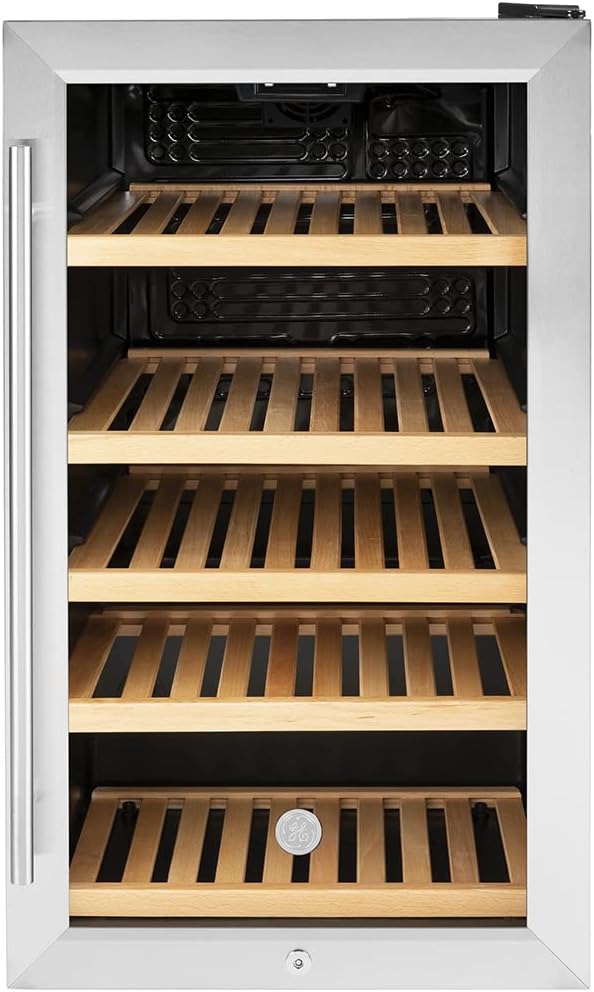
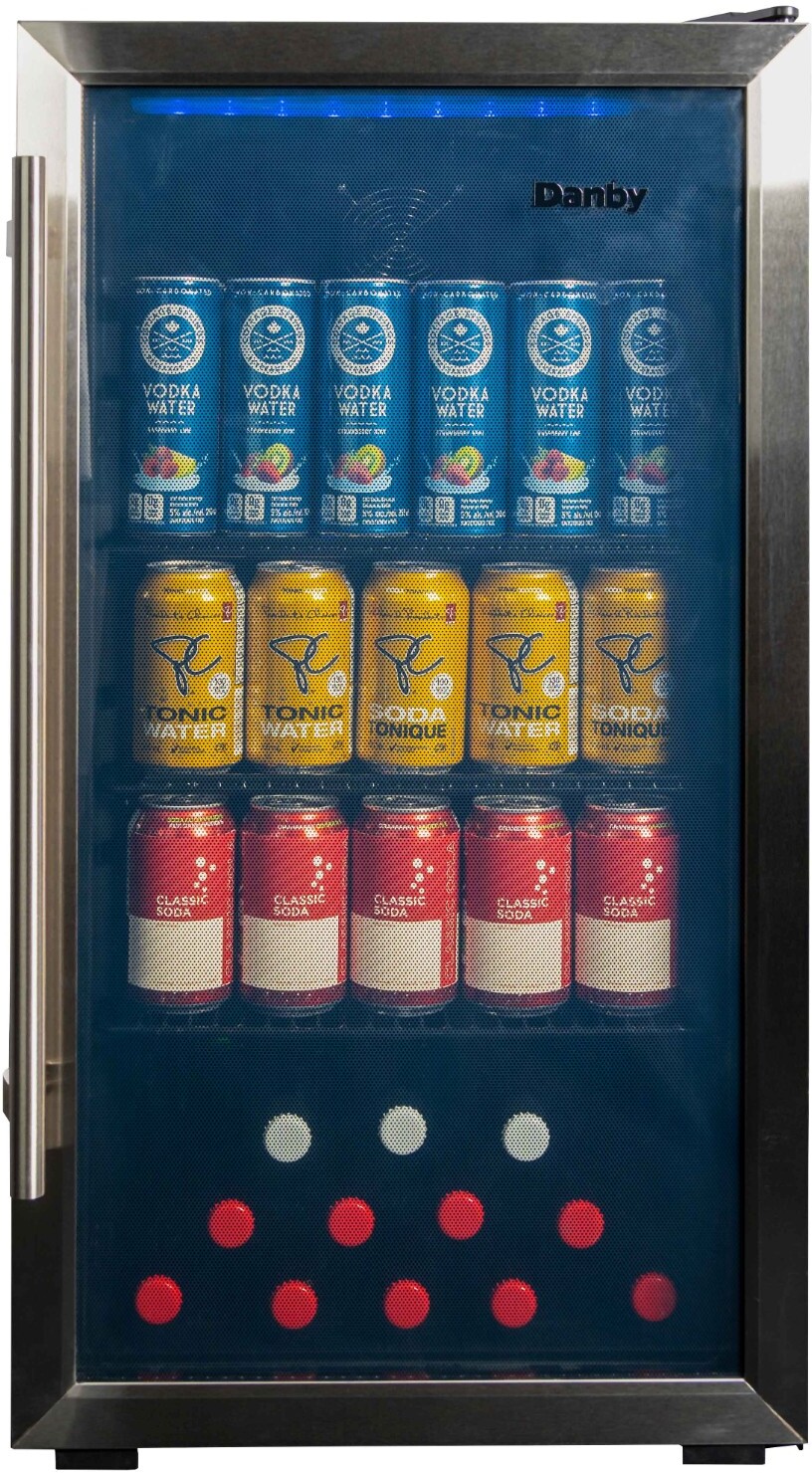
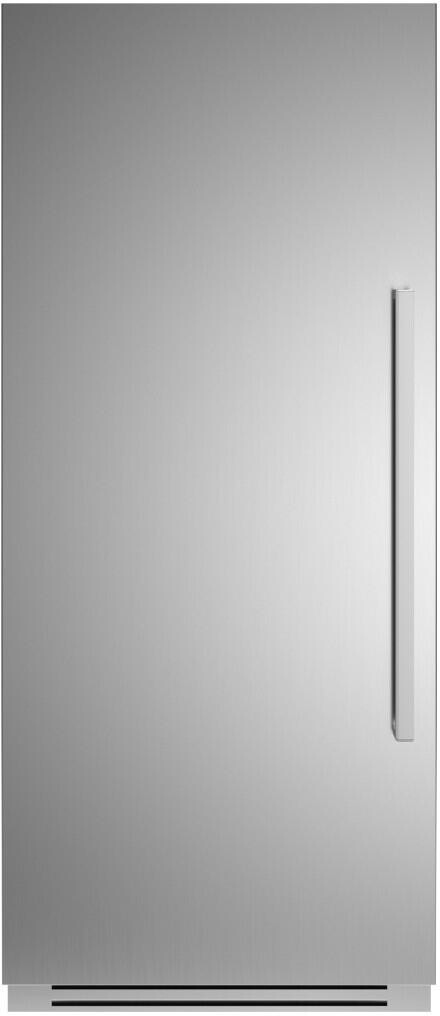
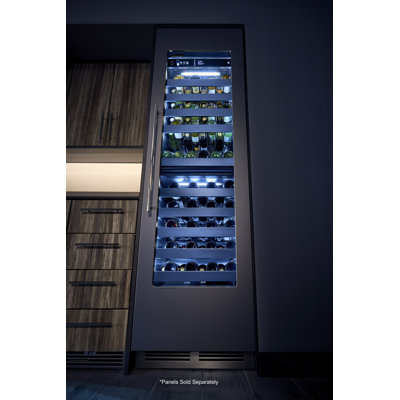
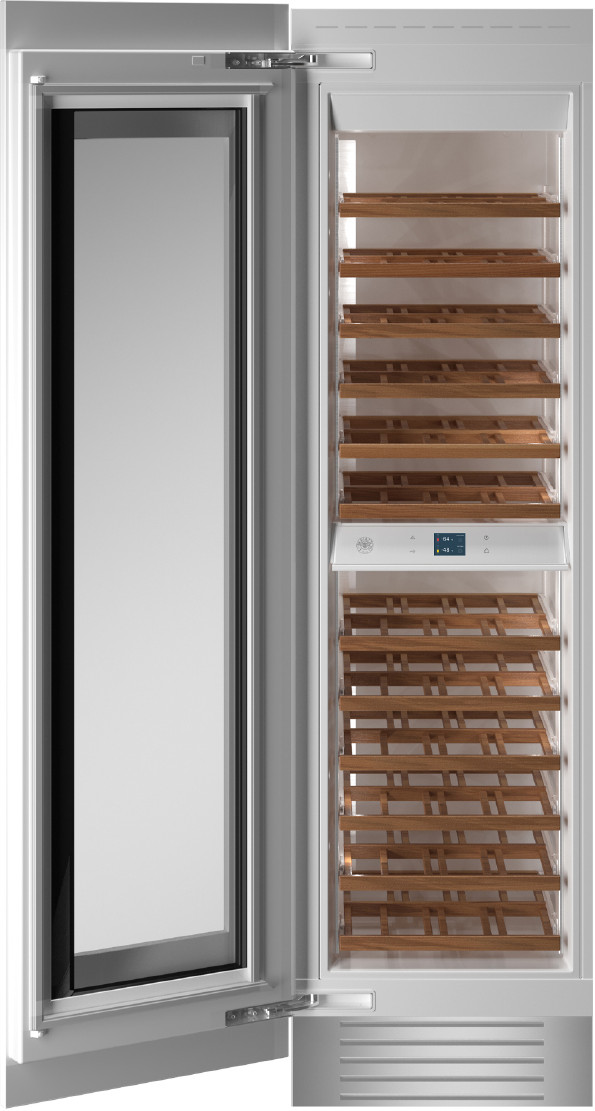
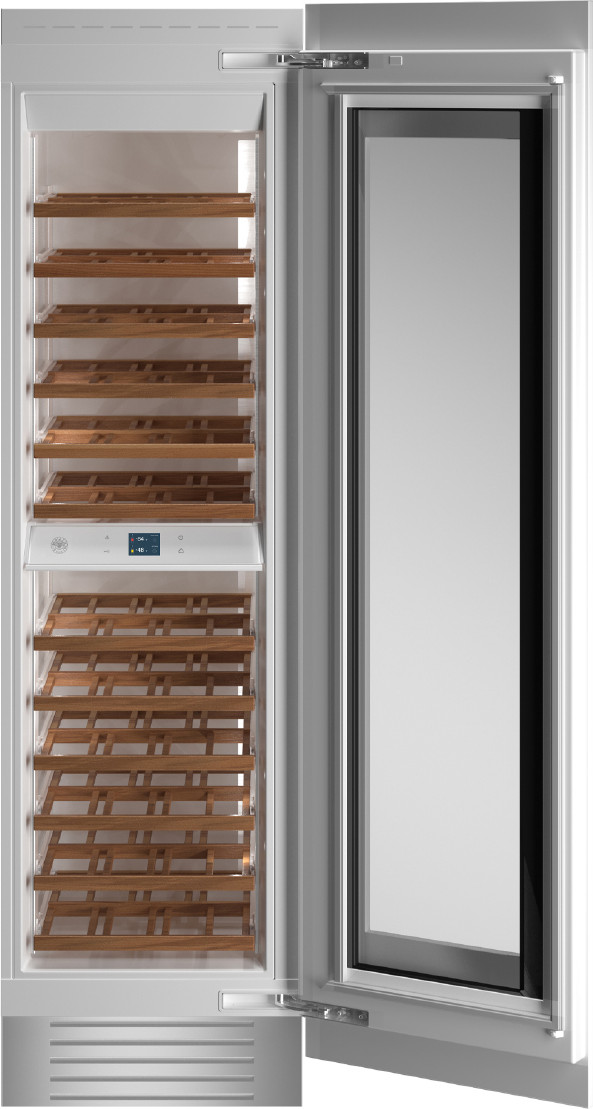
A wine fridge, sometimes known as a wine cooler, is a compressor-driven or thermoelectric cooling appliance designed to maintain wine at ideal serving and short-term storage temperatures between 45°F and 65°F. Models range from compact 6-bottle countertop units to large 300-bottle floor-standing cabinets. Most wine fridges use compressor cooling with R600a refrigerant, adjustable wooden shelving, UV-tinted glass doors, and digital temperature controls.
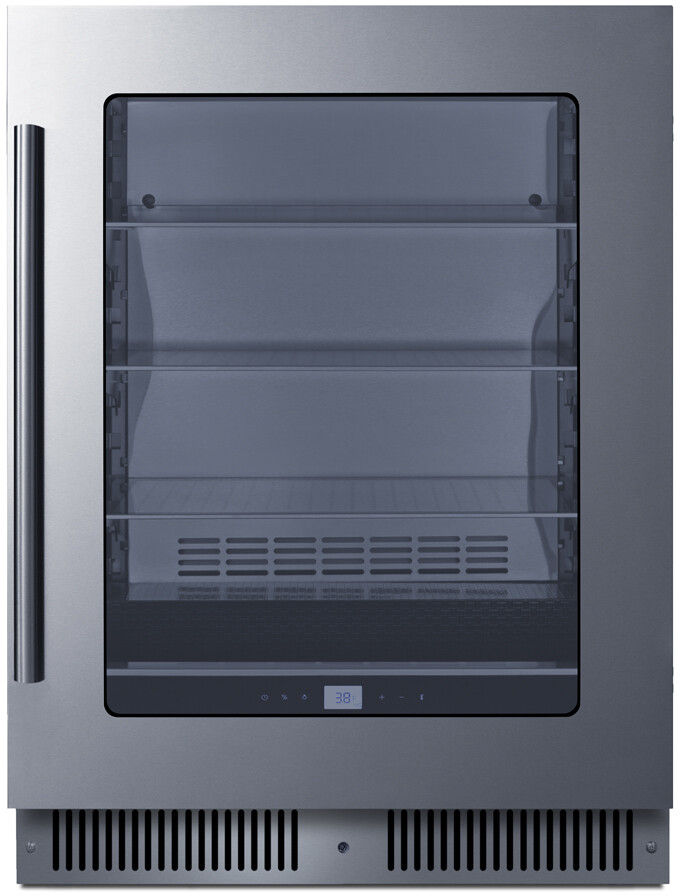
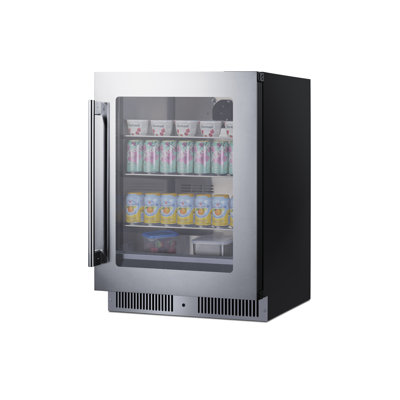
Wine fridges plug into a standard 120V household outlet. Freestanding models sit anywhere with adequate ventilation clearance. Built-in models install under counters in kitchens, home bars, and butler's pantries with front-venting systems that exhaust heat through the toe kick. No construction, plumbing, or special room preparation is required — a wine fridge is operational within minutes of unboxing.
Advantages of a Wine Fridge
Wine fridges offer several benefits, especially for those with limited space or smaller wine collections. They provide a controlled environment, with stable temperature levels crucial for preserving the integrity of wine, and they are compact enough for apartments, condos, or offices.
Advantages
Description
Space Efficiency
Ideal for small spaces and apartments.
Temperature Control
Precise temperature settings for different wine types.
Humidity Maintenance
Keeps corks in good condition and prevents oxidation.
UV Protection
Often equipped with glass doors that block damaging ultraviolet light.
Vibration Reduction
Engineered to minimize vibrations, which can disturb wine sediment.
Key Features to Look for in a Wine Fridge
When selecting a wine fridge, certain features stand out as particularly important for the preservation and enjoyment of your wine:
Temperature Zones: Dual or multiple temperature zones allow you to store different types of wine at their individual ideal temperatures — dual-zone models keep whites at 45-50°F and reds at 55-65°F simultaneously.
Adjustable Shelving: To accommodate bottles of various sizes and shapes, look for adjustable or sliding shelves.
Locking Doors: A lock can protect your collection from unauthorized access or accidental door openings.
LED Lighting: Soft internal lighting provides visibility without the heat of traditional bulbs.
Digital Controls: For ease of use and precise temperature adjustments.
Thermoelectric or Compressor-Based Cooling: Thermoelectric units are quieter and more energy-efficient, while compressor-based models offer more power for larger collections.
When it comes to preserving your wine collection, you have two major options: a wine cellar or a wine fridge. Each has its own set of considerations that will influence your decision. Here’s how they compare:
Space Requirements
A wine cellar typically requires a significant amount of space, as it is a dedicated room or area specifically designed for storing wine. It's ideal for those with ample space in their home, such as a basement or a spare room that can be converted.
Storage Option
Space Requirement
Wine Cellar
30+ square feet
Wine Fridge
2 - 20 square feet
In contrast, a wine fridge takes up much less space and can be integrated into your kitchen, garage, or any area where space is at a premium. Freestanding models need 2-4 inches of clearance on the sides and back for heat dissipation; built-in models slide into existing cabinetry with no structural modification to your home.
Cost Implications
When considering the cost, wine cellars generally represent a larger initial investment compared to wine fridges. The construction, insulation, and climate control systems for a cellar can be quite substantial.
Storage Option
Approximate Cost Range
Wine Cellar
$5,000 - $100,000+
Wine Fridge
$200 - $5,000+
Broken down further by size and type:
Option
Cost Range
Includes
Wine Fridge (20-50 bottles)
$250 - $800
Appliance only — plug and play
Wine Fridge (50-150 bottles)
$800 - $3,000
Appliance only
Premium Wine Cabinet (100-300 bottles)
$3,000 - $15,000
Aging-grade appliance
Wine Cellar (small, 200-500 bottles)
$10,000 - $30,000
Construction, insulation, cooling, racking
Wine Cellar (medium, 500-2,000 bottles)
$25,000 - $75,000
Full build-out
Wine Cellar (large, custom)
$50,000 - $200,000+
Architectural design, premium materials
A quality 50-bottle dual-zone wine fridge costs $400 to $700 versus five figures for even a basic cellar conversion. The cellar is a home improvement project involving construction, HVAC, electrical, and finishing trades; the wine fridge is an appliance purchase. For collections under 200 bottles, the cost difference makes the wine fridge the practical choice for most households.
Temperature and Humidity Control
Both wine cellars and wine fridges aim to provide the ideal conditions for wine storage, with a focus on maintaining consistent temperature and humidity levels. However, the level of control can differ between the two options.
Storage Option
Temperature Control
Humidity Control
Wine Cellar
Customizable
Customizable
Wine Fridge
Pre-set/Adjustable
Pre-set
Wine fridges maintain temperature within ±2°F of the set point using compressor cycling or thermoelectric cooling, but they do not actively control humidity. Interior humidity depends on ambient conditions, door opening frequency, and the cooling mechanism — in dry climates, corks in a wine fridge can dry out over several years without supplemental humidity. A wine cellar with a proper cooling system controls both temperature and humidity independently, maintaining 55°F and 60-70% humidity. Humidity control protects corks from drying, prevents label damage, and maintains the airtight seal that allows wine to age gracefully.
Storage Capacity and Scalability
If you have a growing collection, it’s important to consider how much storage you need now and in the future.
Storage Option
Capacity
Scalability
Wine Cellar
500+ bottles
High
Wine Fridge
20 - 300 bottles
Low - Medium
Capacity by specific format:
Storage Type
Bottle Capacity
Space Required
Countertop Wine Fridge
6 - 20 bottles
1-2 sq ft counter space
Under-Counter Wine Fridge
20 - 60 bottles
15-24 inch cabinet opening
Floor-Standing Wine Fridge
40 - 300 bottles
4-10 sq ft floor space
Small Wine Cellar
200 - 500 bottles
25-50 sq ft room
Medium Wine Cellar
500 - 2,000 bottles
50-150 sq ft room
Large Wine Cellar
2,000 - 10,000+ bottles
150-500+ sq ft room
The wine fridge maxes out around 300 bottles in the largest floor-standing models. If your collection exceeds 300 bottles or you plan to grow beyond that, a wine cellar becomes the practical option — a modest 50-square-foot cellar holds 500 to 1,000 bottles depending on racking configuration, more than any single wine fridge. Wine fridges have a fixed capacity, but you can opt for larger units or additional fridges as needed.
Aesthetic and Design
The aesthetic appeal of your wine storage can also be a deciding factor. A wine cellar can be designed to fit the style of your home and can be a showpiece in itself, enhancing the overall design and feel of your space.
Storage Option
Aesthetic Appeal
Wine Cellar
Custom-designed, elegant
Wine Fridge
Modern, sleek
Wine fridges are modern appliances that can fit seamlessly into various decors — glass-door models with LED lighting create an attractive display, and built-in units complement kitchen renovations and home bar designs. A wine cellar is a significant home improvement that adds real estate value: in luxury markets, a properly built wine cellar adds $20,000 to $100,000 or more to a home's value and serves as a selling feature. Many cellars also function as entertaining spaces with tasting areas, stone or brick finishes, and custom lighting.
Wine fridges are designed for short to medium-term storage — weeks to 3 years for most models. The compressor cycling, lack of humidity control, and light exposure from glass doors create conditions that are adequate for storage but not optimal for long-term aging. Premium wine cabinets (from brands like EuroCave, Le Cache, and Wine Guardian) blur this line with solid doors, active humidity control, and vibration-dampened compressors designed for aging, but these cost $3,000 to $15,000.
A properly built wine cellar is the gold standard for long-term aging. The stable temperature, controlled humidity, darkness, and absence of vibration create conditions where wine evolves at the optimal rate. Collectors aging Bordeaux, Burgundy, Barolo, or vintage Port for 10 to 30 years need cellar conditions. A wine fridge cannot replicate this environment at scale.
Energy Consumption
A 50-bottle wine fridge consumes 100 to 200 kWh per year — roughly $13 to $26 annually at average U.S. electricity rates. A 150-bottle model uses 200 to 400 kWh per year. Wine fridges are energy efficient because they cool a small, well-insulated volume.
A wine cellar cooling system consumes 500 to 2,000 kWh per year depending on cellar size, insulation quality, and ambient temperature. Annual cooling costs range from $65 to $260. The larger volume and construction variables mean energy costs are higher, but the per-bottle cost is often lower than a wine fridge because the cellar stores many more bottles per unit of cooling energy.
Wine fridges generate some noise and vibration during compressor cycles. Modern models with inverter compressors run at 35 to 42 decibels — comparable to a quiet library. Thermoelectric wine fridges run even quieter at 25 to 35 decibels with zero vibration. However, in a bedroom or quiet living room, the periodic hum of a compressor cycling on and off is noticeable, especially at night. Anti-vibration shelf mounts reduce bottle-level vibration but do not eliminate it entirely.
A wine cellar isolates noise completely. The cooling unit mounts on the wall or in an adjacent utility space, and the thick insulated walls and sealed door block virtually all operational sound from the living areas of the home. Inside the cellar, the cooling unit produces 40 to 50 decibels when actively running, but since you only enter the cellar to retrieve or store bottles, the noise is irrelevant to daily life. For vibration-sensitive wines being aged for decades, the cellar's solid racking mounted to walls and floors transmits zero vibration to the bottles.
Power Outages, Collection Protection, and Insurance
A wine fridge protects wine from temperature damage and UV exposure, but a power outage or compressor failure puts the entire collection at risk. Most wine fridges reach room temperature within 4 to 8 hours after losing power. A well-insulated wine cellar maintains temperature for 24 to 48 hours during a power outage due to the thermal mass of the insulated room, concrete walls, and large bottle inventory. This buffer gives you time to arrange backup power or temporary storage.
For valuable collections ($10,000+), wine insurance through specialized carriers covers spoilage from equipment failure, fire, water damage, and theft. Insurers may require documentation of proper storage conditions — a wine cellar with temperature logging meets this standard easily. A wine fridge can also qualify, but the lower capacity and higher vulnerability to power loss may result in higher premiums or lower coverage limits.
Making the Right Choice for Your Wine Collection
Selecting the appropriate storage solution for your wine collection can greatly influence the quality and longevity of your wine. Whether you opt for a wine cellar or a wine fridge, it's crucial to consider your specific needs, the investment involved, and how your wine consumption habits will shape your decision.
Assessing Your Wine Storage Needs
Consider the following factors:
Quantity: How many bottles do you need to store?
Variety: Do you have a diverse collection that requires different storage conditions?
Growth: Will your collection expand in the future?
Choose a wine fridge if your collection is under 200 bottles, you drink wines within 1 to 3 years of purchase, you want plug-and-play convenience, you rent your home, or your budget is under $3,000. A wine fridge stores wine properly and looks great without any construction commitment.
Choose a wine cellar if your collection exceeds 200 bottles and is growing, you age wines for 5 to 30 years, you own your home and plan to stay long-term, and you want the ultimate storage environment. The cellar is a significant investment but provides conditions no wine fridge can match at scale.
Understanding the Long-Term Investment
Both wine cellars and wine fridges represent a significant investment, not just in their initial cost but also in their ongoing maintenance. Wine cellars can have higher upfront costs due to construction and climate control systems, but they can potentially increase the value of your home. On the other hand, wine fridges can be more affordable and energy-efficient, making them a practical choice for budget-conscious collectors.
Storage Type
Initial Investment
Maintenance Costs
Potential Home Value Increase
Wine Cellar
High
Variable
Yes
Wine Fridge
Moderate
Lower
No
Lifestyle and Consumption Patterns
If you frequently entertain guests and enjoy a variety of wines, a wine cellar might serve you better due to its larger capacity and impressive display. Conversely, if you indulge in wine occasionally and prefer a select few types, a wine fridge could be the more convenient and accessible option.
Frequency of Consumption: Do you drink wine regularly or on special occasions?
Entertaining: Do you host wine tastings or dinner parties?
Space: How much space can you dedicate to wine storage in your home?
Explore further comparisons like black refrigerator vs. wine cellar and compact refrigerator vs. convertible freezer to understand how different storage solutions can fit into various lifestyles and settings.
The Hybrid Approach: Using Both
Many serious collectors use both. A wine cellar stores the bulk of the collection at aging temperature — the long-term investment wines that will be opened years from now. One or two wine fridges in the kitchen or dining area hold the near-term drinking selection at serving temperature. You pull a case from the cellar every few weeks, transfer bottles to the fridge, and drink from the fridge throughout the week. This approach combines the cellar's optimal aging conditions with the fridge's convenience and serving-temperature precision. The fridge acts as a staging area while the cellar does the heavy lifting of long-term preservation.
The perfect conditions for storing wine ensure that each bottle maintains its quality and ages well. These conditions include:
Temperature: Consistent, cool temperatures are best. Aim for around 55°F (13°C), although a few degrees higher or lower can be acceptable.
Humidity: Ideal humidity levels range from 60% to 70% to keep corks from drying out without encouraging mold growth.
Light: Wine should be kept out of direct sunlight, as UV rays can damage wine by causing it to age prematurely.
Vibration: Minimize vibration as much as possible, as it can disturb the sediment in wine and affect the aging process.
Position: Store wine bottles horizontally to keep the cork moist, which prevents it from drying out and letting air into the bottle.
Tips for Organizing Your Wine Collection
Sort wines by type (red, white, sparkling) and then by the expected aging period.
Label the racks or shelves in your storage area to help identify wines quickly.
Keep a detailed inventory, either digitally or on paper, to track the wines you have and their optimal drinking windows.
Maintenance of Wine Cellars and Wine Fridges
Wine Cellar Maintenance
Have the cooling unit serviced annually — refrigerant level check, filter replacement, condensate drain inspection, and evaporator coil cleaning (professional HVAC servicing runs $150 to $300 per visit).
Regularly check and adjust humidity and temperature levels.
Inspect for moisture intrusion, mold growth, insulation damage, or pests and address them promptly; check wooden racking for warping.
Ensure the seals on doors are tight to maintain the internal environment.
Expect to spend 4 to 8 hours per year on cellar upkeep.
Wine Fridge Maintenance
Clean the condenser coils annually and wipe the interior and exterior surfaces periodically to avoid dust and grime buildup.
Defrost your wine fridge as necessary to prevent ice accumulation, and replace carbon filters if equipped.
Check and replace any worn seals to ensure the door closes properly.
Total upkeep is roughly 2 hours per year; if a budget model's compressor fails, replacement often costs less than repair.
FAQ
Is a wine fridge as good as a wine cellar for aging wine?
No. A wine fridge suits short to medium-term storage — weeks to about 3 years — because it lacks active humidity control and experiences compressor cycling and light exposure. A properly built cellar holds 55°F and 60-70% humidity, the conditions needed to age wine for 5 to 30 years.
How many bottles does a wine fridge hold?
Countertop units hold 6 to 20 bottles, under-counter models 20 to 60, and floor-standing cabinets 40 to 300. Beyond roughly 300 bottles, no single wine fridge suffices and a cellar becomes the practical option.
How much does it cost to build a wine cellar?
A small cellar conversion (200-500 bottles) runs $10,000 to $30,000 including construction, insulation, cooling, and racking. Medium cellars run $25,000 to $75,000, and large custom builds range from $50,000 to $200,000 or more.
Does a wine fridge control humidity?
No — wine fridges do not actively control humidity. Interior humidity depends on ambient conditions and door openings, and in dry climates corks can dry out over several years. A cellar cooling system manages temperature and humidity independently.
What temperature should a wine cellar be?
55°F, held within about 2 degrees, with 60-70% relative humidity. Temperatures between 55°F and 58°F are considered ideal for aging most wines.
What happens to each during a power outage?
Most wine fridges reach room temperature within 4 to 8 hours of losing power. A well-insulated cellar holds its temperature for 24 to 48 hours thanks to the thermal mass of the insulated room and the bottle inventory, giving you time to arrange backup power.
Does a wine cellar add value to a home?
Yes — in luxury real estate markets a properly built wine cellar adds $20,000 to $100,000 or more to a home's value and serves as a selling feature. A wine fridge adds only modest value, comparable to any quality kitchen appliance.
Can I use a wine fridge and a wine cellar together?
Yes, and many serious collectors do: the cellar holds the bulk of the collection at aging temperature while a wine fridge in the kitchen or dining area stages near-term bottles at serving temperature.
Are wine fridges noisy?
Compressor models with inverter technology run at 35 to 42 decibels — about the level of a quiet library — while thermoelectric models run at 25 to 35 decibels with zero vibration. A cellar's cooling unit sits behind insulated walls, so it is effectively silent from living areas.
Get Your Upgrade or New Addition at Fridge.com
Whether you're searching for your perfect fridge, freezer, wine fridge, beer fridge, ice maker, or kegerator, Fridge.com has what you need. Browse wine coolers by bottle capacity, temperature zones, dimensions, and price.
Free tool
Wine Refrigerator Calculator
Free interactive tool from Fridge.com — get a quick answer while you read.