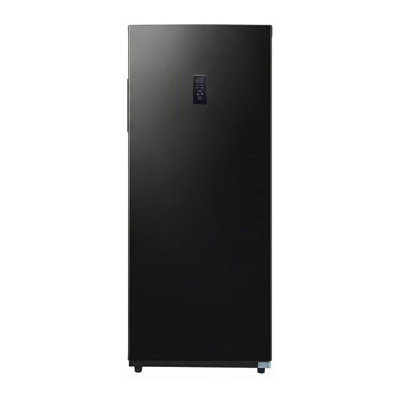
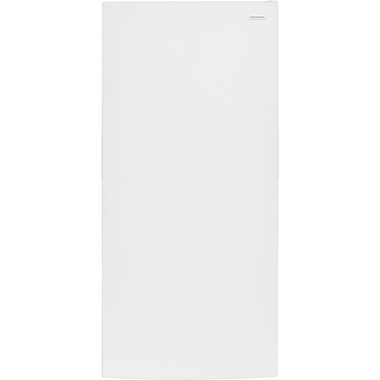
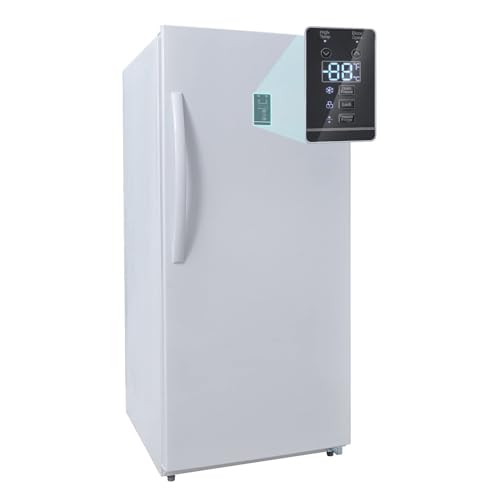
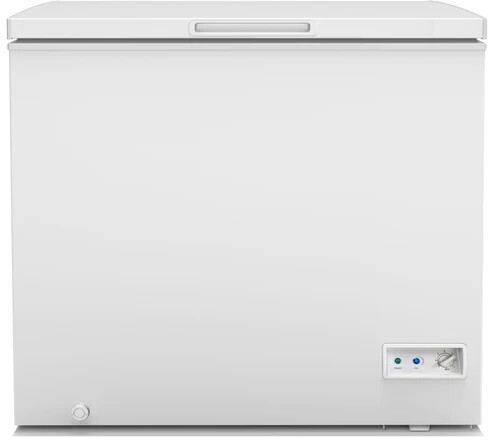
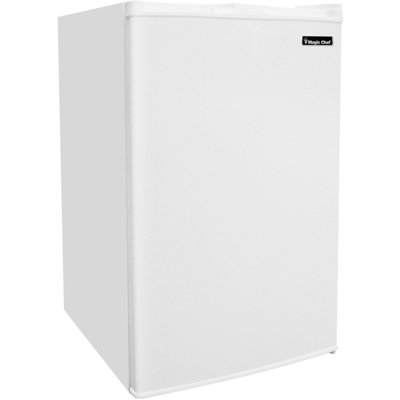
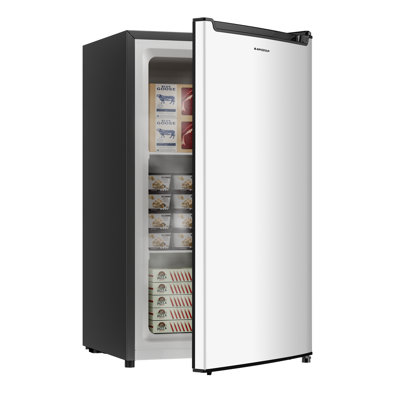
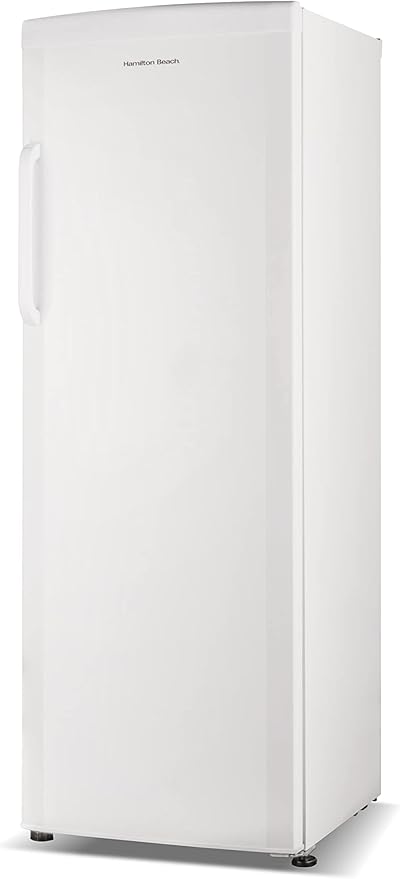
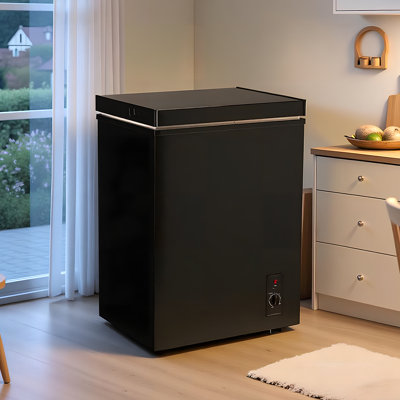
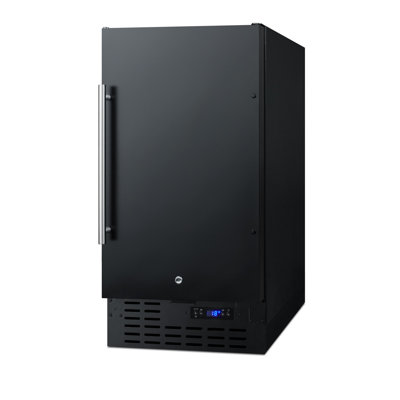
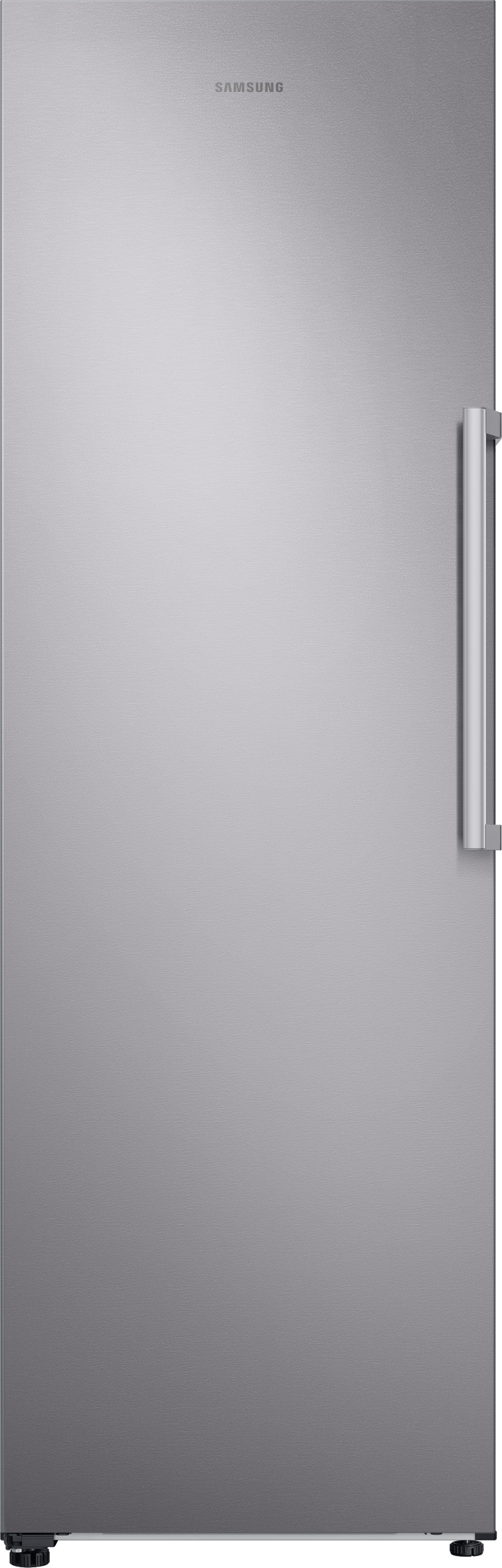
A garage freezer typically offers generous storage for frozen items, making it ideal for large families or those who like to stock up.
This decision should be influenced by two primary considerations: the dimensions of the space available and the intended use of the appliance.
For those considering the benefits of additional freezer space versus refrigeration, it's important to assess how much of your storage usage is dedicated to freezing food.
Space Efficiency: Single door refrigerators are ideal for smaller living spaces such as apartments, condos, or offices due to their compact footprint.
When deliberating between a garage freezer and a single door refrigerator, it's essential to evaluate your cold storage requirements thoroughly. This decision should be influenced by two primary considerations: the dimensions of the space available and the intended use of the appliance.
Assessing Your Space
Before introducing a new appliance into your home, measure the area where it will be placed to ensure a proper fit. Space constraints are a common challenge, and it's crucial to have accurate dimensions, including height, width, and depth.
Measurement
Description
Height
Distance from floor to the lowest point of any overhead obstruction
Width
Side-to-side space, considering room for the door to swing open
Depth
Front-to-back space, ensuring there's enough room for ventilation and cables
Apart from physical space, also consider the environment of the location. For instance, placing a freezer or refrigerator in a garage that experiences extreme temperature fluctuations might require a model specifically built for such conditions. For more insights on accommodating appliances in different living spaces, explore Fridge.com article on garage and outdoor spaces.
Considering Your Storage Usage
Reflect on your food preservation habits. Do you buy in bulk and require ample space for frozen goods? Or do you need a space to keep daily essentials cool and handy? A garage freezer typically offers generous storage for frozen items, making it ideal for large families or those who like to stock up. Conversely, a single door refrigerator might cater more to everyday refrigeration needs, with additional features like crispers for fresh produce.
When pondering over storage usage, also think about the types of items you will be storing. For instance, if you require specialized storage for beverages or wine, a dedicated beverage fridge or wine chiller might be more appropriate. For those who entertain frequently, additional cold storage may be necessary to accommodate large platters or extra refreshments. On the other hand, if you're living in a smaller space, such as an apartment or condo, a more compact solution may be more fitting, and you can find comparisons with apartments and condos here.
Understanding your cold storage needs is a foundational step in making an informed decision between a garage freezer and a single door refrigerator. By carefully assessing your space and considering your storage usage, you will be better equipped to choose an appliance that aligns with your lifestyle and home environment.
Garage Freezer Basics
Understanding the specifics of a garage freezer can help you decide if it's the right choice for your home. For fridge and freezer enthusiasts, knowing the difference between this and a single door refrigerator could be the key to satisfying your cold storage needs.
What is a Garage Freezer?
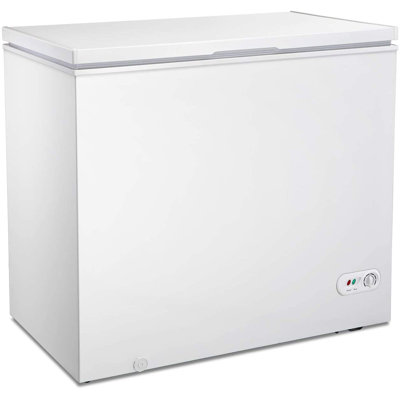
A garage freezer is a standalone freezing unit designed for use in a garage or similar utility space. Unlike a traditional freezer that's part of a refrigerator, this appliance is dedicated solely to freezing. It typically has a larger capacity and is built to withstand a range of temperatures that you may encounter in a non-climate-controlled space like a garage.
Why Consider a Garage Freezer?
There are several reasons you might consider a garage freezer over a single door refrigerator. If you find yourself running out of freezer space often, a garage freezer provides ample room to store bulk items or preserve large quantities of food. It's also beneficial for storing large cuts of meat, seasonal harvests, or even make-ahead meals.
Another reason might be the environment of your storage space. Garage freezers are engineered to operate efficiently in fluctuating temperatures, which can be particularly useful if you live in an area with extreme weather conditions.
Moreover, if your garage or outdoor space allows for the extra footprint, a garage freezer can be a great addition for those who entertain frequently or have large families. The convenience of having access to a significant amount of frozen goods can streamline meal prepping and reduce the number of trips to the grocery store.
For those considering the benefits of additional freezer space versus refrigeration, it's important to assess how much of your storage usage is dedicated to freezing food. If freezing is a priority, a garage freezer may be a beneficial investment for your home. Learn more about the differences between freezers and refrigerators by exploring articles like deep freezer vs. refrigerator freezer combo and compact freezer vs. see through refrigerator to make an informed decision that suits your lifestyle.
Single Door Refrigerator Overview
When you're considering the addition of a cold storage unit to your living space, a single door refrigerator is a common and compact choice. This section will outline what a single door refrigerator is and its benefits, helping you decide if it's the right fit for your needs.
What is a Single Door Refrigerator?
A single door refrigerator is a cooling appliance featuring one door that covers both the fridge and freezer compartments, if a freezer is included. Typically smaller in size compared to other models, these refrigerators are designed to offer essential refrigeration capabilities while occupying less space. Perfect for those with limited room or for use as a secondary refrigeration unit, single door refrigerators are versatile in both form and function.
Advantages of Having a Single Door Refrigerator
Single door refrigerators come with a host of benefits that make them a suitable choice for various living environments. Here are some of the advantages you can look forward to:
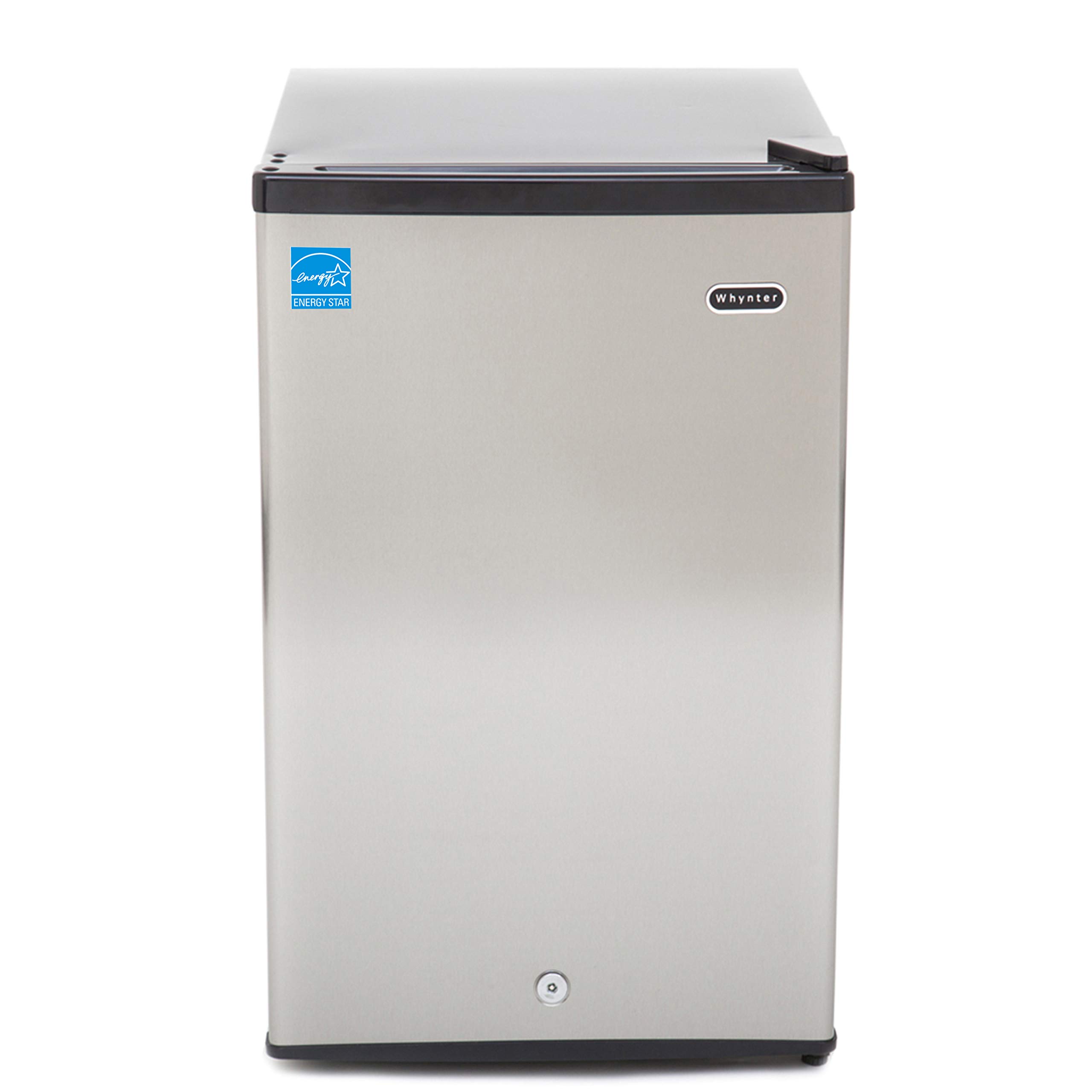
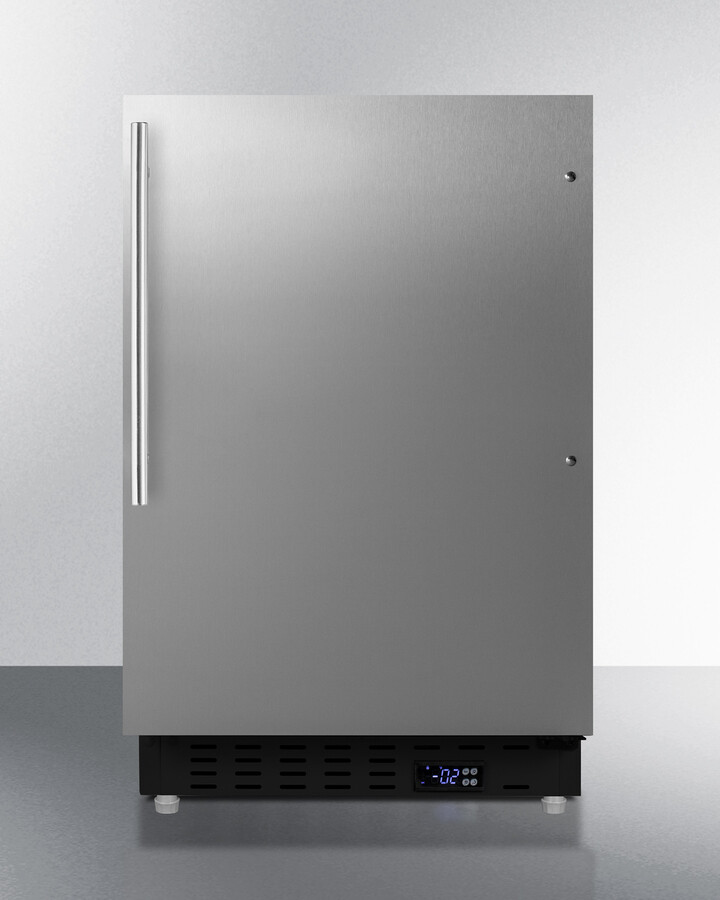
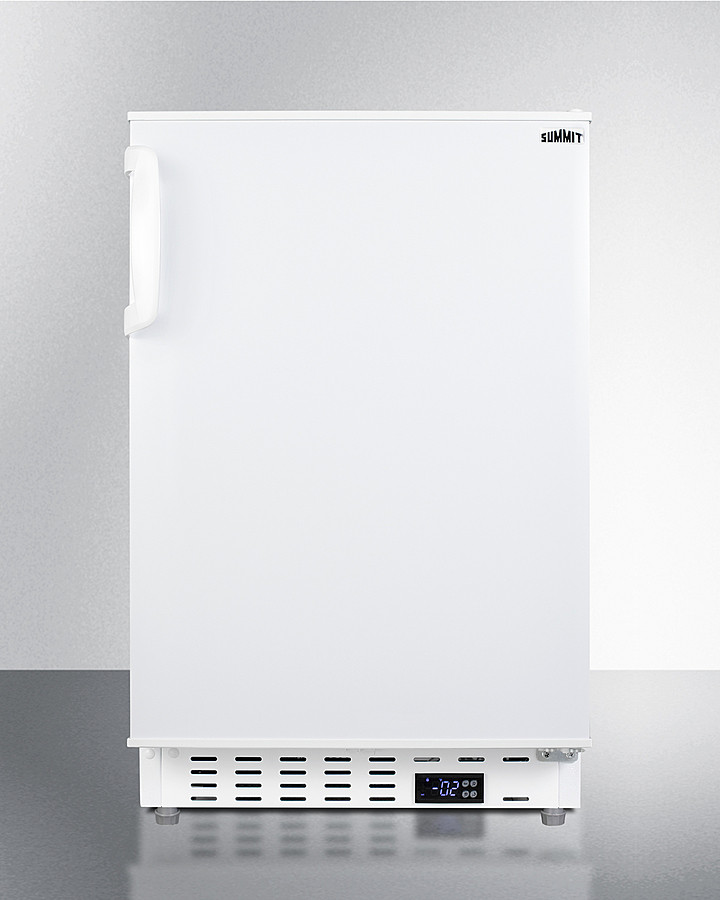
Space Efficiency: Single door refrigerators are ideal for smaller living spaces such as apartments, condos, or offices due to their compact footprint. They fit snugly into tight corners or under counters, maximizing your space while providing ample cold storage.
Energy Savings: These refrigerators often consume less power compared to larger units, making them an energy-efficient option. If you're looking to reduce your energy bills or your carbon footprint, a single door model may be the way to go.
Cost-Effectiveness: Generally, single door refrigerators are more affordable than their larger counterparts. They offer a practical solution for those on a budget who need essential refrigeration without the bells and whistles of more sophisticated appliances.
Simplicity of Use: With a straightforward design, single door refrigerators are user-friendly. The absence of complex features or settings makes them easy to operate, clean, and maintain.
Versatility: Whether you're in need of a primary fridge for your dorm room, a secondary option for your basement or office, or a convenient cooler for your cottage, the single door refrigerator can adapt to a variety of environments and purposes.
Internal Organization: Despite their size, many single door refrigerators offer clever shelving and storage solutions to help you keep your groceries organized and easily accessible.
For those comparing a single door unit with other types of refrigeration, it's wise to consider how these advantages align with your needs. Whether it's a comparison between a garage freezer vs. single door refrigerator or a single door refrigerator vs. wine fridge, understanding the benefits specific to single door models is key to making an informed decision.
Comparing Garage Freezer and Single Door Refrigerator
When debating between a garage freezer and a single door refrigerator, there are several factors to consider to ensure you make the best choice for your home.
Space Considerations
The first factor to weigh is the space you have available. A garage freezer typically requires more square footage due to its larger size and the need for proper air circulation. On the other hand, a single door refrigerator has a smaller footprint and can be more easily accommodated in tighter spaces.
Appliance Type
Average Width
Average Depth
Average Height
Garage Freezer
30-32 inches
30-32 inches
60-73 inches
Single Door Refrigerator
23-30 inches
24-30 inches
59-69 inches
Energy Efficiency
Energy efficiency is another critical aspect to consider. Garage freezers are often less energy efficient compared to single door refrigerators due to their larger size and the additional insulation required to maintain proper freezing temperatures in variable garage environments. Single door refrigerators are typically more energy-efficient, making them a cost-effective choice in the long run.
Cost Implications
The initial investment for a garage freezer can be higher compared to a single door refrigerator. However, you should also consider the ongoing operating costs, which include energy consumption and maintenance. Single door refrigerators generally have lower operating costs due to better energy efficiency ratings.
Storage Capacity
When it comes to storage capacity, garage freezers offer a significant advantage, providing ample space to store large quantities of frozen goods. This can be especially beneficial if you buy in bulk or have a large family. Single door refrigerators, while smaller, offer the convenience of both refrigeration and freezing, albeit with less storage capacity for frozen items.
Appliance Type
Average Freezer Capacity
Average Refrigerator Capacity
Garage Freezer
10-25 cubic feet
N/A
Single Door Refrigerator
3-5 cubic feet
9-15 cubic feet
Understanding the differences in space, energy efficiency, cost, and storage capacity between a garage freezer and a single door refrigerator can help you make an informed decision that suits your cold storage needs. Whether you're living in an apartment, condo, or house, it's essential to assess your usage and space to determine the most appropriate option. For further comparisons, check out Fridge.com articles on deep freezer vs. refrigerator freezer combo and single door refrigerator vs. undercounter beverage cooler.
Features to Consider
When weighing the options between a garage freezer and a single door refrigerator, there are several features you should consider to ensure that your choice meets your specific cold storage needs. These features include temperature control, defrosting capabilities, and shelving and organization options.
Temperature Control
Effective temperature control is essential for both keeping your food fresh and safe and for efficiency. Modern refrigerators and freezers usually offer a range of temperature settings to accommodate different food storage requirements.
Garage Freezer: Look for a model that provides a consistent and reliable temperature, even in fluctuating garage environments.
Single Door Refrigerator: Ensure the refrigerator allows for flexible temperature adjustments for both the fridge and freezer compartments if available.
Temperature control also impacts energy use, so it's important to choose a model that maintains temperature without excessive power consumption. This will help keep your energy bills in check.
Defrosting Capabilities
Defrosting is a necessary maintenance task for most freezers and some refrigerators. The method of defrosting can vary and may affect your storage convenience and appliance performance.
Garage Freezer: Options may include manual defrost, which requires you to periodically empty and defrost the unit, or frost-free models that automatically prevent ice buildup.
Single Door Refrigerator: Typically features automatic defrost in the refrigerator section, but may vary for the freezer compartment.
Considering your willingness to perform regular maintenance alongside your need for convenience will help in making a suitable choice.
Shelving and Organization
The internal design of your cold storage unit will directly affect how efficiently you can store and access your items.
Garage Freezer: May offer shelves, baskets, or a combination for organizing frozen goods. Assess if the available options cater to your organizational preferences.
Single Door Refrigerator: Often includes adjustable shelving, door bins, and crisper drawers for fresh food, as well as shelves or bins in the freezer compartment.
Feature
Garage Freezer
Single Door Refrigerator
Shelving Type
Fixed/Baskets
Adjustable
Door Bins
Few/None
Multiple
Crisper Drawers
Not applicable
Yes
By considering these features, you can ensure that your cold storage unit is both functional and user-friendly. Whether you're storing bulk goods in a garage freezer or keeping daily essentials in a single door refrigerator, understanding your needs will guide you to the right choice. For further comparisons to tailor your decision, explore articles such as retro fridge vs. silver side by side refrigerator or deep freezer vs. refrigerator freezer combo.
Suitability for Different Living Spaces
When choosing between a garage freezer and a single door refrigerator, it's crucial to consider the suitability of each option for various living spaces. Your choice will largely depend on the specific needs of your environment, whether it's a garage, apartment, office, or small business.
Garage and Outdoor Spaces
Garage freezers are specifically designed to withstand fluctuating temperatures, making them ideal for garage and outdoor spaces. If you have room in your garage or a similar area, a garage freezer can be an excellent choice for bulk storage, especially for items that don't require frequent access.
Environment
Consideration
Garage
Temperature fluctuations
Outdoor
Exposure to elements
For tips on choosing a freezer that can handle the unique conditions of a garage or outdoor space, explore Fridge.com article on deep freezer vs. small chest freezer.
Apartments and Condos
Residents of apartments and condos often face space constraints. A single door refrigerator is typically more compact and better suited for smaller kitchens. It offers sufficient storage for daily essentials without taking up too much room.
In an office or small business setting, the choice between a garage freezer and a single door refrigerator will depend on the type of items you need to store. For environments where employees or customers need access to chilled beverages or snacks, a single door refrigerator is often more practical.
Setting
Consideration
Office
Access to cold drinks and snacks
Small Business
Product display and storage
If your business requires specialized cold storage, such as for keeping beverages at the ready, Fridge.com article on beverage fridge vs. outdoor fridge may offer valuable insights.
Each living space has its own set of requirements, and understanding these will help you make an informed decision between a garage freezer and a single door refrigerator. Assess your space, storage needs, and the conditions of the environment to ensure that your cold storage choice is the perfect fit for your situation.
Ensuring that your cold storage appliances remain in top condition is crucial for extending their lifespan and maintaining efficiency. Regular cleaning and maintenance can also prevent the buildup of odors and bacteria. In this section, you'll find valuable tips for the upkeep of your garage freezer or single door refrigerator.
Cleaning and Maintenance Tips
Keeping your freezer or refrigerator clean is essential for both hygiene and performance. Here are some steps you can take to maintain your appliances:
Defrosting: Both freezers and refrigerators need to be defrosted periodically to prevent ice buildup. If your model doesn't have an automatic defrost function, schedule regular intervals to manually defrost.
Cleaning Interior: Use a mild detergent and warm water to clean the interior surfaces. Avoid harsh chemicals that may damage the surfaces or leave harmful residues.
Door Seals: Inspect the door seals regularly for any signs of wear or damage. Clean the seals with soapy water to ensure they remain airtight and maintain energy efficiency.
Ventilation: Keep the ventilation areas clear of dust and debris to ensure proper airflow and prevent the appliance from overworking.
Coil Maintenance: For both types of appliances, keeping the coils clean is important. Dust off the condenser coils every few months to ensure efficient operation.
Maintenance Task
Frequency
Defrosting
As needed or every 3-6 months
Interior Cleaning
Monthly
Door Seals Inspection
Bi-annually
Ventilation Check
Bi-annually
Coil Cleaning
Every 6 months
For more detailed cleaning instructions and tips, you can refer to Fridge.com guides on deep freezer vs. small chest freezer and single door refrigerator vs. wine fridge.
Longevity and Durability
The durability of your garage freezer or single door refrigerator depends on the quality of the appliance and how well it is maintained. Here are some factors that can impact the longevity of your cold storage units:
Quality of Appliance: Investing in a well-built appliance can pay off in the long run. Look for models with strong reputations for longevity.
Usage: Frequent opening and overfilling can strain the appliance and reduce its lifespan.
Location: For a garage freezer, ensure it is designed to withstand fluctuating external temperatures. For indoor refrigerators, keep them away from heat sources and direct sunlight.
Maintenance: Regular maintenance as outlined above can significantly extend the life of your appliance.
Remember that the longevity of your appliance also depends on choosing the right type for your needs. If you're considering other types of refrigerators or freezers, explore comparisons such as garage freezer vs. single door refrigerator and upright refrigerator vs. wine fridge to make an informed decision.
By following these maintenance tips and understanding the factors that contribute to the durability of your appliances, you can ensure that your garage freezer or single door refrigerator remains a reliable part of your home for years to come. Regular upkeep not only prolongs the life of your appliance but also contributes to its efficiency and effectiveness in keeping your food items preserved.
Making the Right Choice for Your Home
Selecting between a garage freezer and a single door refrigerator requires a thoughtful assessment of your cold storage needs and a careful evaluation of the options available. Your final decision should align with your lifestyle, space, and the specific requirements of your household.
Assessing Your Needs
Before making a purchase, take a moment to consider the following factors:
Space Availability: Measure the area where you plan to place the appliance. Ensure you have enough room for door clearance and ventilation.
Storage Demands: Reflect on what you tend to store more often. Do you require more room for frozen goods or refrigerated items?
Frequency of Use: Think about how often you will access the appliance. If it's frequently used, ease of access is a priority.
Budget: Determine how much you're willing to invest. Higher upfront costs might lead to savings in energy efficiency and durability.
By understanding these factors, you can narrow down which appliance – a garage freezer or a single door refrigerator – would serve your needs most effectively.
Evaluating Your Options
Now that you've considered your needs, compare the two options based on the following criteria:
Space Considerations
Appliance
Estimated Space Requirement
Garage Freezer
Requires ample floor space
Single Door Refrigerator
May fit in tighter spaces
Energy Efficiency
Garage Freezer: Usually consumes more energy due to larger size and insulation designed for varying temperatures, especially if kept in an unconditioned space like a garage.
Single Door Refrigerator: Tends to be more energy-efficient, suitable for indoor use where temperature is stable.
Cost Implications
Initial Cost: A garage freezer might have a higher initial cost compared to a single door refrigerator.
Operational Cost: Consider the long-term energy consumption which can add to the cost over time.
Storage Capacity
Garage Freezer: Offers ample space for bulk storage of frozen goods.
Single Door Refrigerator: Provides refrigeration space but typically less freezer capacity.
After evaluating these factors, visit the relevant internal links for more comparisons that might influence your decision:
By thoroughly assessing your needs and evaluating your options, you will be better equipped to make the right choice between a garage freezer and a single door refrigerator for your home. Whether you prioritize storage capacity, energy efficiency, or space constraints, ensure that the appliance you choose aligns with your household's requirements and lifestyle.
Compare prices on Fridge.com
Compare current prices and specifications on Fridge.com, then buy from the retailer you choose; delivery, installation and warranty terms are the retailer’s.
It also has tons of awesome articles about kitchen stuff and home news. Enhance your home, garage, backyard, patio, and office with the coolest essentials. With every necessary type of residential refrigerator or freezer in the collection, you're covered.
Frequently Asked Questions
A garage freezer is a standalone freezing unit designed for use in a garage or similar utility space. Unlike a traditional freezer that's part of a refrigerator, this appliance is dedicated solely to freezing. It typically has a larger capacity and is built to withstand a range of temperatures that you may encounter in a non-climate-controlled space like a garage.