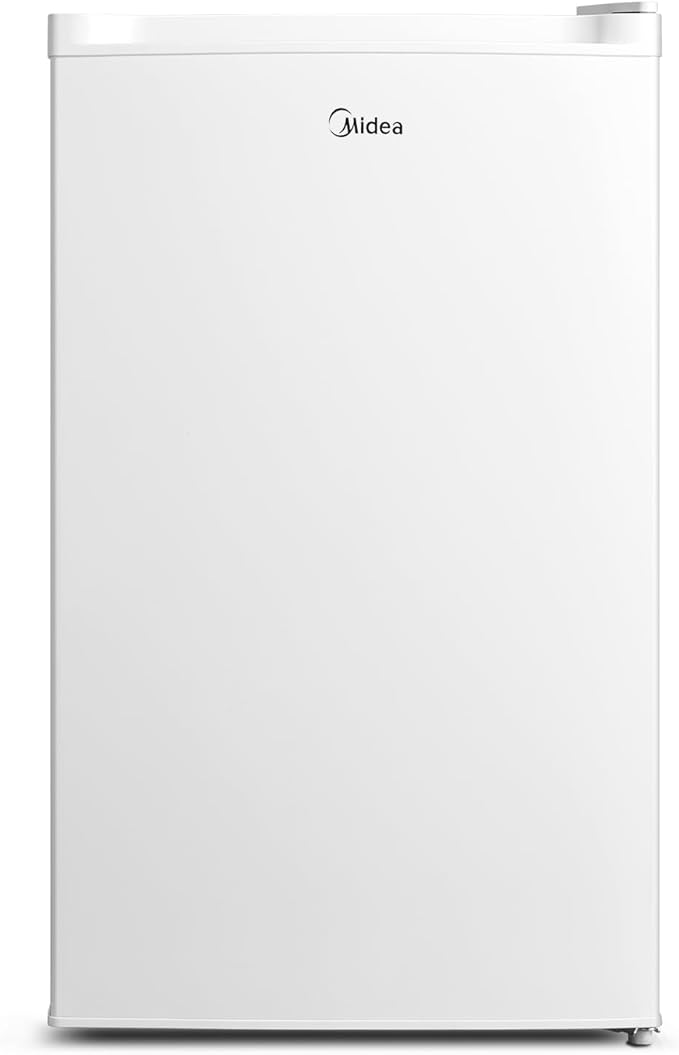
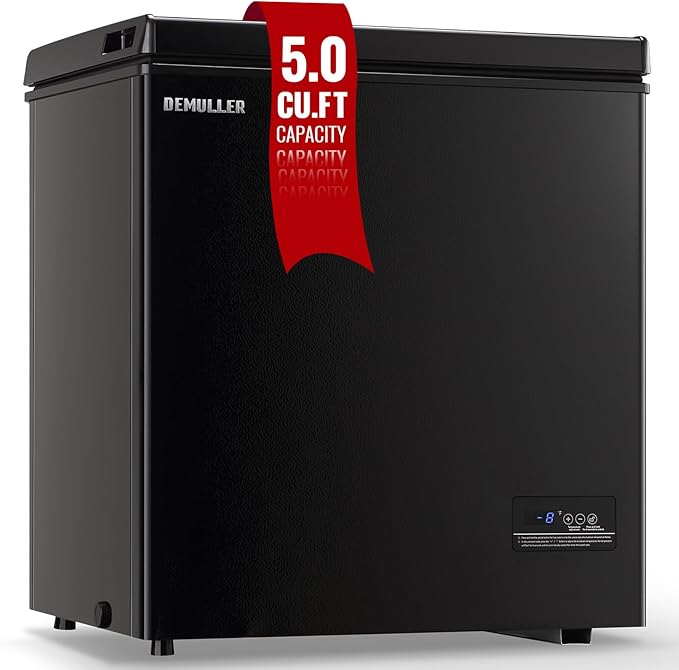
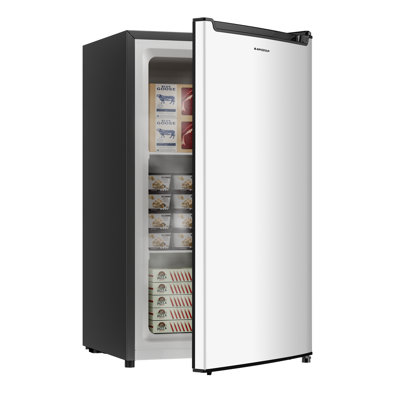
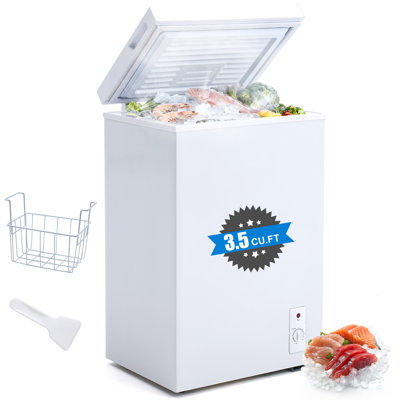
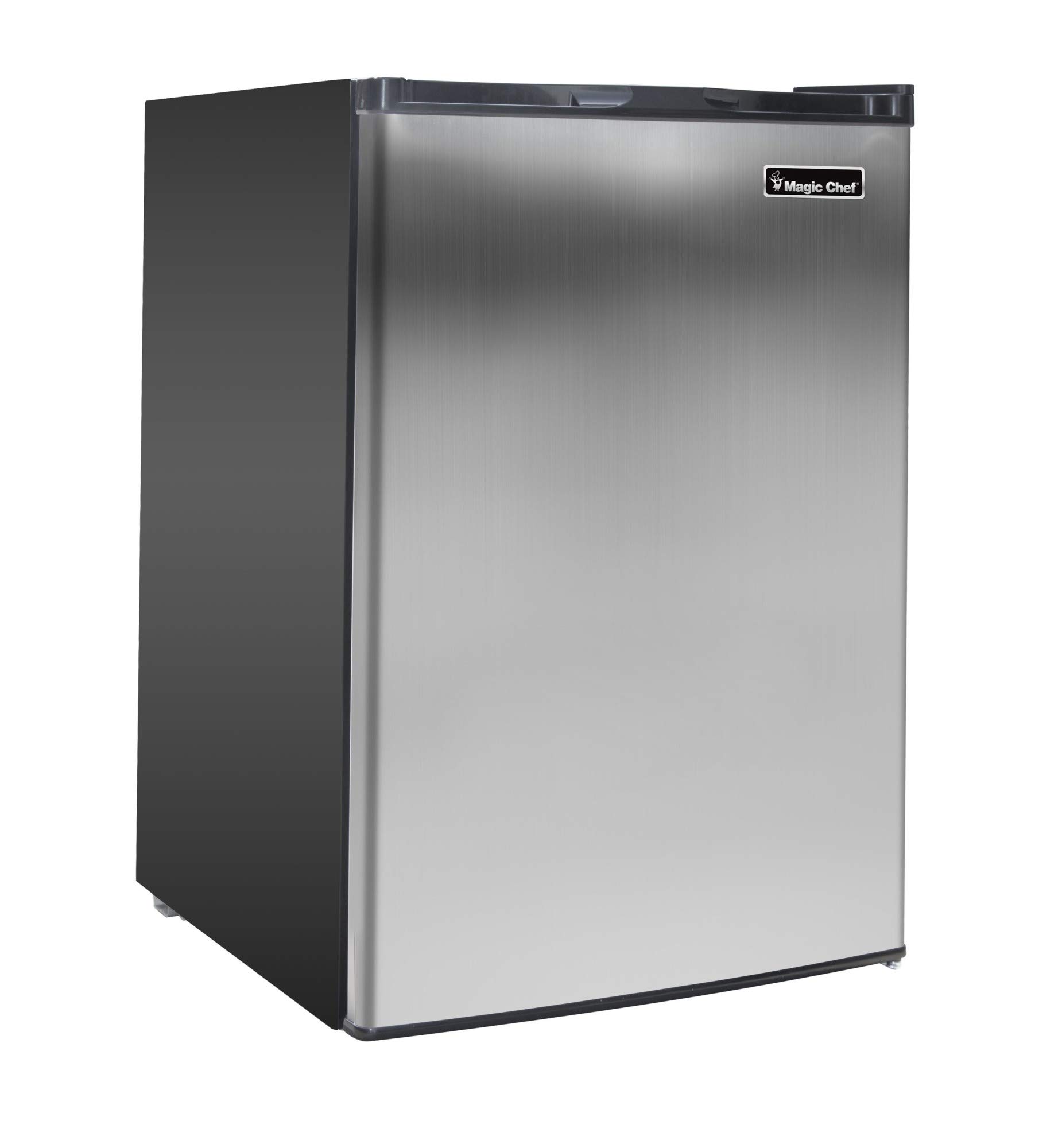
Deep freezers maintain a consistent low temperature ideal for long-term storage, typically 0°F to -10°F (-18°C to -23°C), with some units reaching -20°F (-29°C).
Fridge freezers are built for everyday use, holding the freezer compartment at the USDA-recommended 0°F (-18°C) and the refrigerator section at 34°F to 40°F (1°C to 4°C).
A deep chest freezer at $150 to $500 is one of the best-value appliance purchases available, offering the lowest cost per cubic foot of any cold storage appliance.
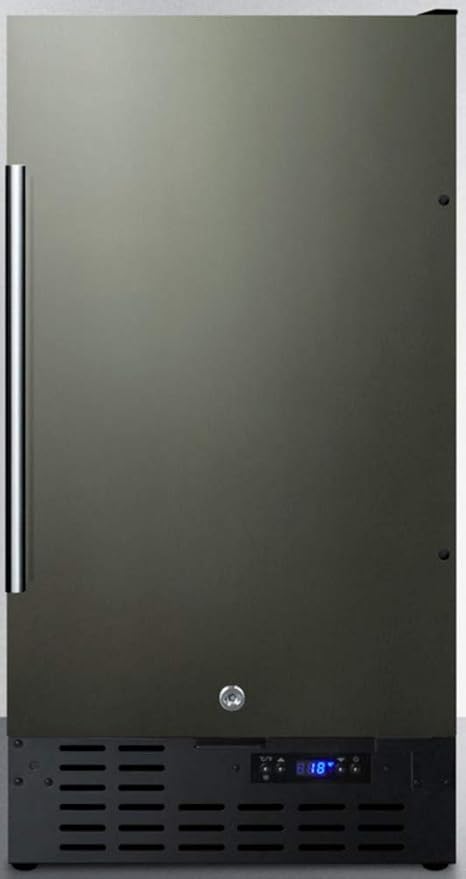
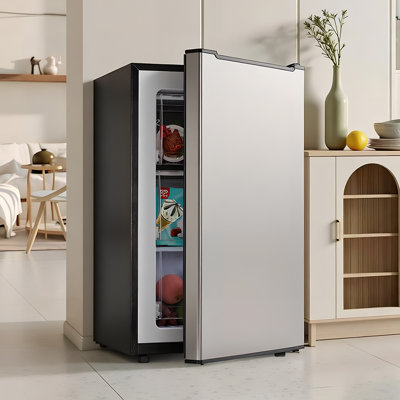
It comes as a top-opening chest model or a front-opening upright model, typically holds 5 to 25 cubic feet, and maintains 0°F to -10°F.
Deep freezer vs. fridge freezer comes down to scale and role. A deep freezer is a standalone unit dedicated entirely to frozen storage, holding roughly 5 to 25 cubic feet at 0°F or colder, while a fridge freezer combines a refrigerator with a smaller 4 to 9 cubic foot freezer compartment for everyday use. A 15 cubic foot chest freezer holds about 525 pounds of frozen food — two to three times the frozen capacity of a standard kitchen combo, whose 6 to 9 cubic foot freezer holds roughly 200 to 300 pounds. Most households that own a deep freezer also own a fridge freezer: the two work together rather than competing, with the combo handling daily access in the kitchen and the deep freezer handling bulk, long-term storage in a garage or basement.
What Is a Deep Freezer?
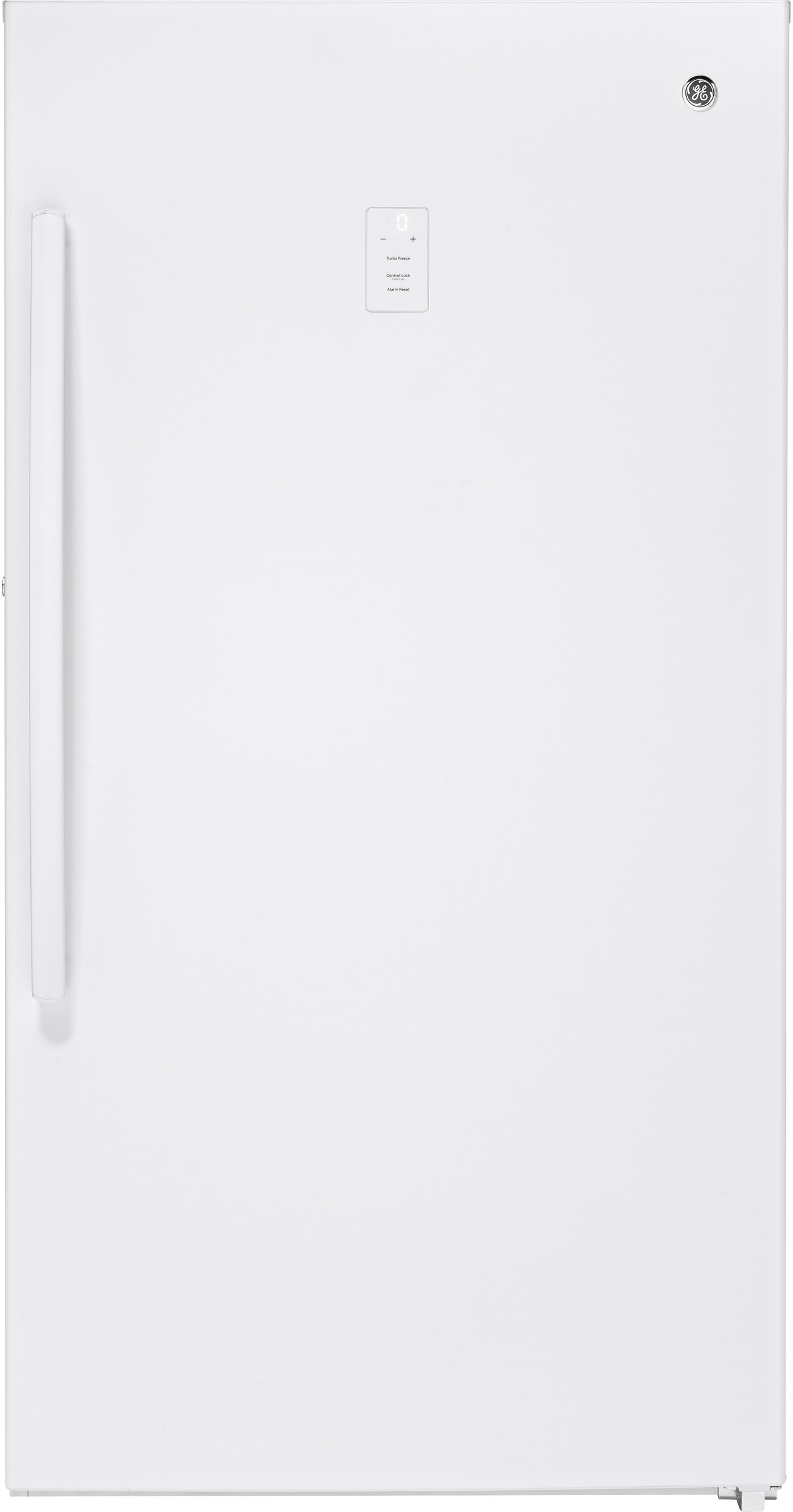
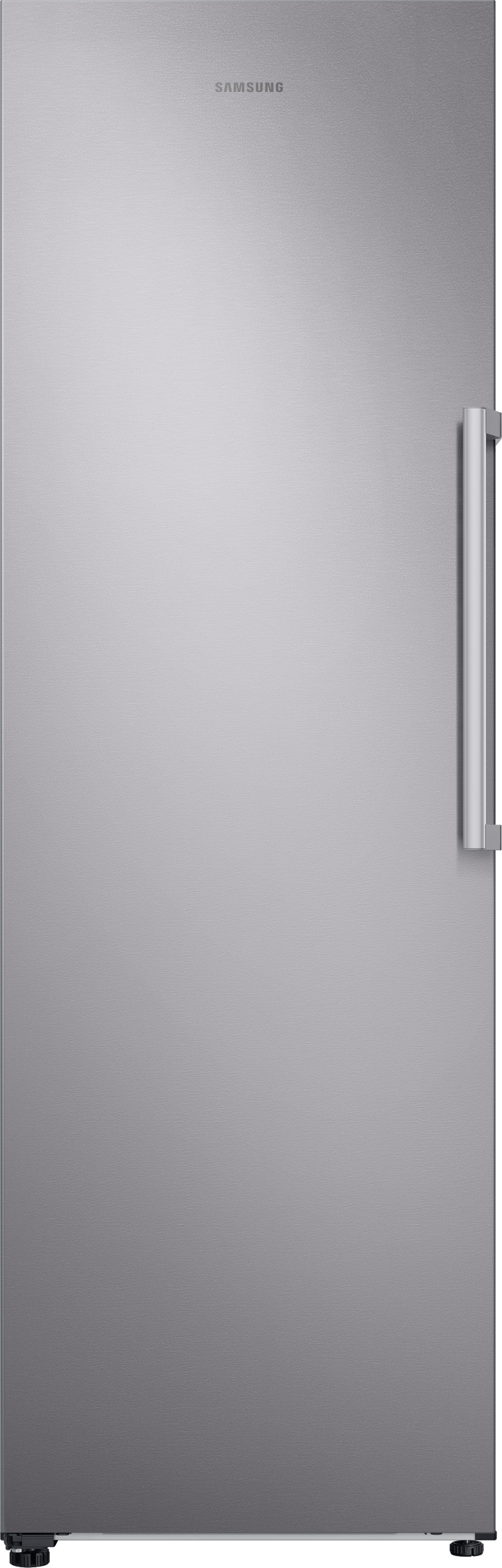
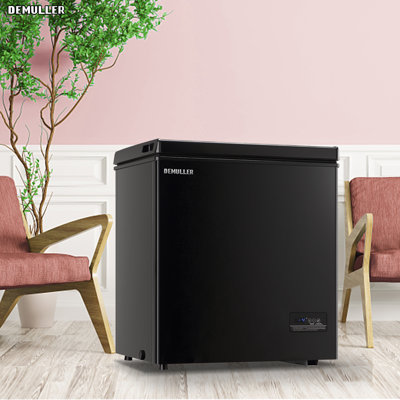
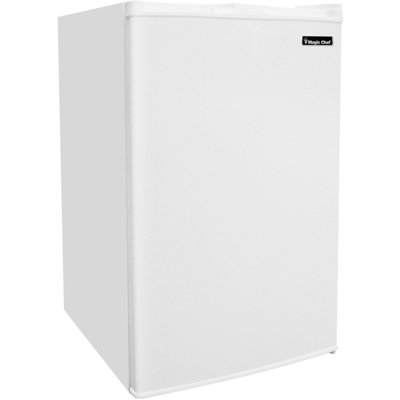
A deep freezer, also called a chest freezer or upright freezer, is a standalone appliance built solely to freeze and hold food at consistently low temperatures. It has no refrigerated section — the entire interior is a single frozen compartment. Deep freezers come in two designs: chest models open from the top and are the most space- and energy-efficient, while upright models open from the front and offer easier organization on shelves. Anything considered a "deep freezer" or "deep fridge" is this dedicated freezing unit, distinct from the freezer drawer built into a standard refrigerator.
What Is a Fridge Freezer?
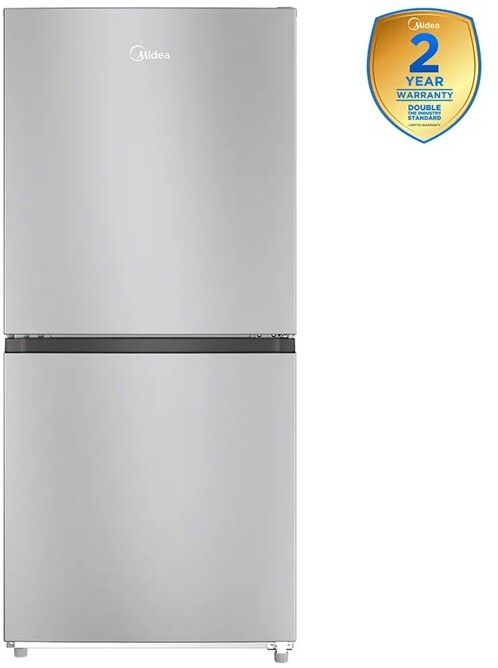
A fridge freezer is a combination unit with both a refrigerator and a freezer compartment in one appliance — the type found in most kitchens. Configurations include top-freezer, bottom-freezer, French door, and side-by-side. The freezer section is smaller than a deep freezer and is designed for short-term storage of frequently used frozen goods, while the fridge section keeps fresh food at 34°F to 40°F.
Key Differences at a Glance
The seven core differences between a deep freezer and a refrigerator's freezer show up in function, capacity, temperature, storage life, energy use, cost, and durability.
Capacity is the single biggest practical difference. A deep freezer provides 2 to 3 times more frozen capacity than the freezer section of a standard fridge freezer combo, which is why the two so often coexist in one home.
Deep Freezer Capacity
Deep freezers range from compact models to large units built for bulk storage, and their single large well easily holds oversized items like whole cuts of meat, bulk vegetables, and pre-prepared meals. A 15 cubic foot chest freezer holds roughly 525 pounds of frozen food — enough for a quarter cow plus months of meal prep.
Deep Freezer Type
Capacity (Cubic Feet)
Approx. Frozen Food
Compact
3 - 5
105 - 175 lbs
Medium
6 - 9
210 - 315 lbs
Large
10 - 20
350 - 700 lbs
Fridge Freezer Capacity
Fridge freezers combine refrigeration and freezing in one appliance, so the freezer compartment is smaller and better suited to a moderate amount of everyday frozen food. The compartmentalized design keeps items organized, but the sections are divided into smaller spaces that limit storage of larger items.
Temperature performance is where the two appliances diverge most for long-term preservation.
Deep Freezer Temperature Range
Deep freezers maintain a consistent low temperature ideal for long-term storage, typically 0°F to -10°F (-18°C to -23°C), with some units reaching -20°F (-29°C). Chest models are especially stable: the top-opening design retains cold air during lid openings, and thick insulation holds temperature during outages. This consistency keeps food frozen solid, reducing freezer burn and spoilage.
Feature
Temperature Range
Deep Freezer (chest)
0°F to -10°F (-18°C to -23°C)
Deep Freezer (some models)
down to -20°F (-29°C)
Fridge Freezer Temperature Range
Fridge freezers are built for everyday use, holding the freezer compartment at the USDA-recommended 0°F (-18°C) and the refrigerator section at 34°F to 40°F (1°C to 4°C). Budget models may cycle 3 to 5 degrees as the compressor turns on and off; premium dual-evaporator combos hold tighter tolerances. This is fine for shorter-duration storage but not as stable as a dedicated deep freezer for long-term preservation.
During a power outage, how long food stays frozen depends on the appliance's insulation and design. A full freezer holds cold far longer than a half-empty one, and keeping the door or lid closed is critical.
Type
Time Food Stays Frozen (full, door closed)
Fridge Freezer combo
24 - 36 hours
Deep Chest Freezer
36 - 48 hours
Deep Upright Freezer
24 - 36 hours
The chest freezer's superior insulation and top-opening design provide the longest protection. For a household storing hundreds of dollars of frozen meat, that extra 12 to 24 hours of hold time compared to a fridge freezer can prevent significant food loss during an extended outage.
Energy Efficiency
Both appliances differ sharply in running cost. A deep freezer's single-purpose design and heavier insulation make it more efficient per cubic foot than a dual-function combo.
Deep Freezer Efficiency
Because a deep freezer maintains one steady temperature and does not open frequently, it works less hard to hold its interior cold. A small chest model is remarkably cheap to run.
Type
Annual kWh
Annual Cost
Chest (7 cu ft)
130 - 220 kWh
$17 - $29
Chest (15 cu ft)
220 - 370 kWh
$29 - $48
Upright (14 cu ft)
350 - 500 kWh
$46 - $65
Adding a chest freezer to a home that already has a kitchen combo raises total annual cooling cost by only $17 to $48 — roughly $1.50 to $4 per month for dedicated bulk frozen storage. See also column freezer Vs. stainless steel refrigerator.
Fridge Freezer Efficiency
Handling both refrigeration and freezing pushes energy use higher, though modern models add adjustable thermostats and energy-saving modes to soften it.
Food preservation is a core reason to choose one appliance over the other, and each excels at a different job.
Deep Freezer Benefits
Deep freezers are built for long-term preservation. Their lower, steadier temperatures keep food at high quality for several months without significant loss, making them ideal for bulk meats, vegetables, and prepared meals. The extra space suits anyone who buys groceries in bulk or preps meals in advance.
Feature
Deep Freezer
Temperature Range
-10°F to 0°F
Ideal For
Long-term storage
Preservation Duration
Several months
Common Uses
Meats, bulk items, meal prep
Fridge Freezer Benefits
Fridge freezers offer refrigeration and freezing in one unit, giving quick access to both fresh and frozen foods — dairy, frozen vegetables, and ready-to-eat meals in the same place. Better organization and eye-level access make them convenient for daily use.
Design shapes how easily you find and retrieve items, and it is a genuine trade-off between the two appliances.
Deep Freezer Design
Deep freezers come as chest or upright models. Chest freezers open from the top; accessing items at the bottom can mean digging, but included baskets or dividers help organize the well. Upright deep freezers resemble refrigerators with front-opening doors and multiple shelves for easier access.
Feature
Chest Freezer
Upright Freezer
Accessibility
Moderate
High
Organization
Baskets/Dividers
Shelves
Space Efficiency
High
Moderate
Chest freezers offer more storage per cubic foot and lose less cold air when opened, so they are more energy-efficient, but they need more floor space and are harder to organize. Upright deep freezers make items easier to reach through shelves and compartments, but they are typically less energy-efficient and cost more. Labels, clear bags, bins, and a simple inventory list keep a chest freezer from becoming a buried maze.
Fridge Freezer Design
Fridge freezers combine both functions in top-freezer, bottom-freezer, French door, and side-by-side configurations, balancing convenience and versatility.
Feature
Top-Freezer
Bottom-Freezer
Side-by-Side
Accessibility
Moderate
High
High
Organization
Shelves/Compartments
Drawers/Shelves
Shelves/Compartments
Space Efficiency
High
Moderate
Moderate
Top-freezer models put the freezer above the fridge for easy frozen access but require bending to reach fresh food. Bottom-freezer models place the freezer below with pull-out drawers, keeping the fridge at eye level for daily use. Side-by-side models split the unit vertically for ample shelving, though the narrow compartments limit larger items.
Cost Considerations
Upfront price, energy use, and maintenance together determine the true cost of each appliance. Deep freezers are dramatically cheaper to buy and run; fridge freezers cost more because they do two jobs.
Type
Budget
Mid-Range
Premium
Fridge Freezer (top freezer)
$500 - $800
$800 - $1,200
$1,200 - $1,800
Fridge Freezer (French door)
$1,200 - $2,000
$2,000 - $3,500
$3,500 - $5,000+
Deep Chest Freezer (7 cu ft)
$150 - $300
$300 - $450
$450 - $600
Deep Chest Freezer (15 cu ft)
$300 - $500
$500 - $700
$700 - $900
A deep chest freezer at $150 to $500 is one of the best-value appliance purchases available, offering the lowest cost per cubic foot of any cold storage appliance. The payback from bulk meat buying alone — saving $3 to $10 per pound by purchasing whole cuts — can recoup the freezer's cost within a few months of use. For other refrigeration cost comparisons, see beer keg cooler Vs. black slate refrigerator.
Where each unit lives is part of the decision. The fridge freezer combo belongs in the kitchen — the central food hub accessed many times a day. The deep freezer belongs in the garage, basement, utility room, or large pantry.
Chest models need floor space (22 to 73 inches wide) plus overhead clearance for the lid.
Upright models need wall space (21 to 32 inches wide) plus front door-swing clearance.
Both need a 120V outlet and a moderate ambient temperature (55 to 90°F for standard models; wider for garage-ready units).
Fridge freezer combos last 12 to 18 years. Deep chest freezers last 10 to 20 years, among the most durable appliances in any home — their simple compressor, thermostat, and insulated-box design has very few failure points.
Practicality and Versatility
Real-world usage makes the choice clearer than specs alone.
Deep Freezer Usage Scenarios
Deep freezers shine wherever long-term storage and bulk freezing are priorities — large families, hunters, gardeners, and bulk buyers who want to save money and cut shopping trips. They are also ideal for seasonal items like garden produce and holiday meats.
Scenario
Benefits
Large Families
Ample space for bulk food storage, minimizing grocery trips
Hunters
Ideal for storing large quantities of meat
Gardeners
Perfect for preserving seasonal produce
Bulk Buyers
Economical storage for bulk-purchased frozen goods
Fridge Freezer Usage Scenarios
Fridge freezers suit everyday use in homes, apartments, and offices where quick access to both fresh and frozen food and a space-saving footprint matter most.
Scenario
Benefits
Home Kitchens
Convenient access to both fresh and frozen foods
Apartments
Space-saving design suitable for small living spaces
Offices
Keeps both snacks and frozen meals readily available
These are not really competitors — most homes benefit from both. The fridge freezer handles daily cold and frozen access in the kitchen; the deep freezer handles bulk, long-term storage elsewhere in the house. Together they form a complete cold storage system at a combined energy cost of roughly $63 to $142 per year — under $12 per month for 25 to 40+ cubic feet of total cold and frozen capacity. Choose a deep freezer alone if you already have a kitchen fridge and simply need overflow freezing; choose only a fridge freezer if your frozen needs are modest and space is tight. For a broader look at specialty cold units, see beverage cooler Vs. wine refrigerator. You can also compare fridge freezer combos and deep freezers directly by capacity, format, energy rating, and price.
FAQ
What is considered a deep freezer?
A deep freezer is a standalone appliance dedicated only to freezing, with no refrigerated section. It comes as a top-opening chest model or a front-opening upright model, typically holds 5 to 25 cubic feet, and maintains 0°F to -10°F. It differs from the freezer drawer built into a standard refrigerator, which is smaller and part of a combo unit.
What is a deep freezer used for?
Deep freezers are used for long-term, bulk frozen storage: stockpiling meat bought in bulk, freezing garden produce, storing hunted or fished game, meal prepping many portions at once, and holding seasonal or sale-priced frozen goods that would overflow a kitchen freezer.
Is a chest freezer better than a refrigerator freezer?
For long-term bulk storage, yes. A chest freezer holds more per cubic foot, runs cheaper (a 7 cubic foot model costs $17 to $29 per year), maintains steadier temperatures, and keeps food frozen 36 to 48 hours in a power outage versus 24 to 36 hours for a fridge freezer. A refrigerator's freezer is better for daily convenience and quick access. Most households use both.
What is the difference between a fridge and a freezer?
A fridge (refrigerator section) holds fresh food at 34°F to 40°F to slow spoilage; a freezer holds food at 0°F or below to keep it frozen for long-term storage. A fridge freezer combines both in one appliance, while a deep freezer is a freezer only.
Is a deep freezer or fridge freezer more energy efficient?
A deep freezer, especially a chest model, is far more efficient. It uses 130 to 500 kWh per year against a fridge freezer's 350 to 720 kWh, thanks to its single-purpose design, heavier insulation, and top-opening lid that retains cold air.
Do I need both a deep freezer and a fridge freezer?
If your kitchen freezer is regularly full, you buy meat in bulk, meal prep heavily, or preserve garden produce, a deep freezer adds the overflow capacity a combo cannot provide. If your frozen needs are modest and space is limited, a fridge freezer alone is enough.
How long does food stay frozen during a power outage?
A full deep chest freezer keeps food frozen 36 to 48 hours with the lid closed; a full fridge freezer or upright deep freezer holds 24 to 36 hours. Keep the door or lid shut and the appliance full to extend the hold time.
How much does a deep freezer cost?
Deep chest freezers run $150 to $600 for a 7 cubic foot model and $300 to $900 for a 15 cubic foot model, making them the lowest cost-per-cubic-foot cold storage available. Bulk meat savings of $3 to $10 per pound can recoup the price within a few months.
Free tool
Freezer BTU Calculator
Free interactive tool from Fridge.com — get a quick answer while you read.