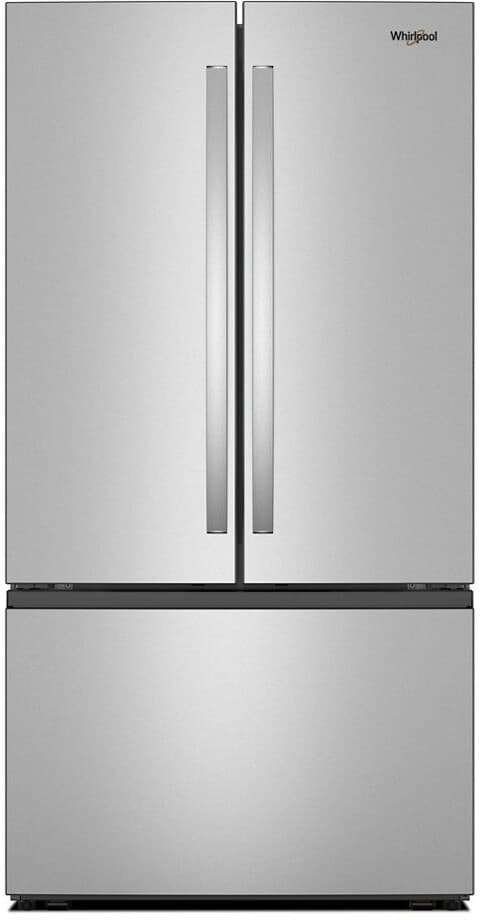
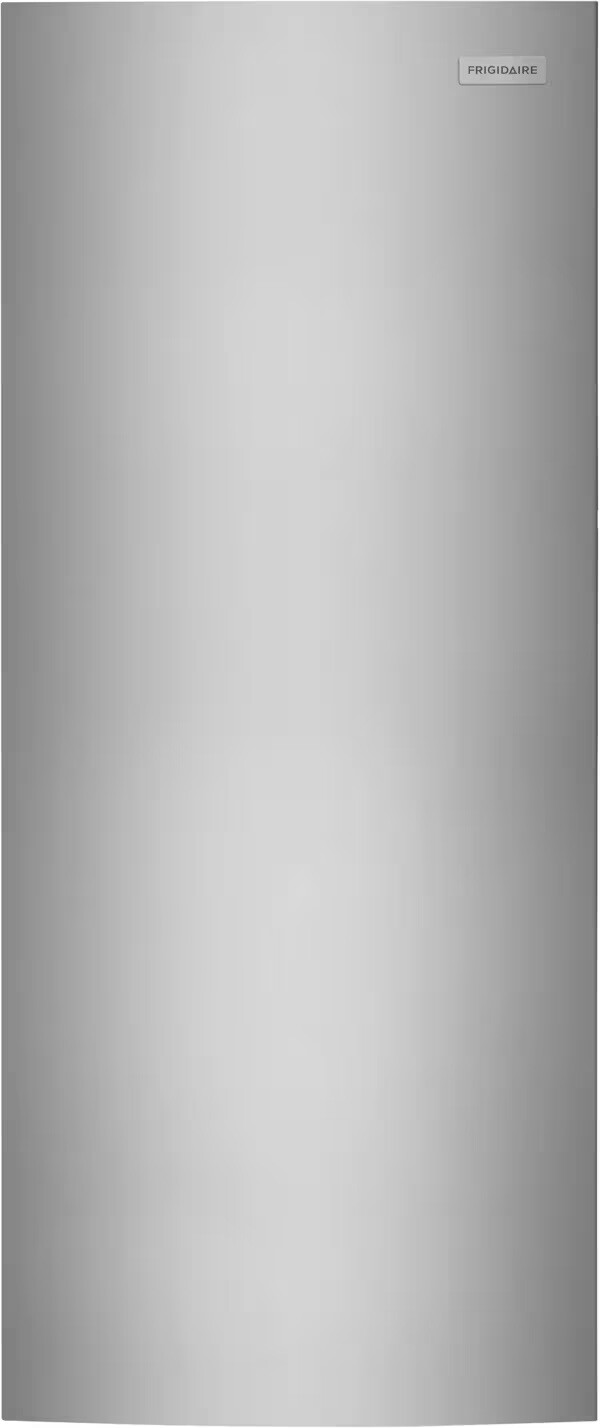
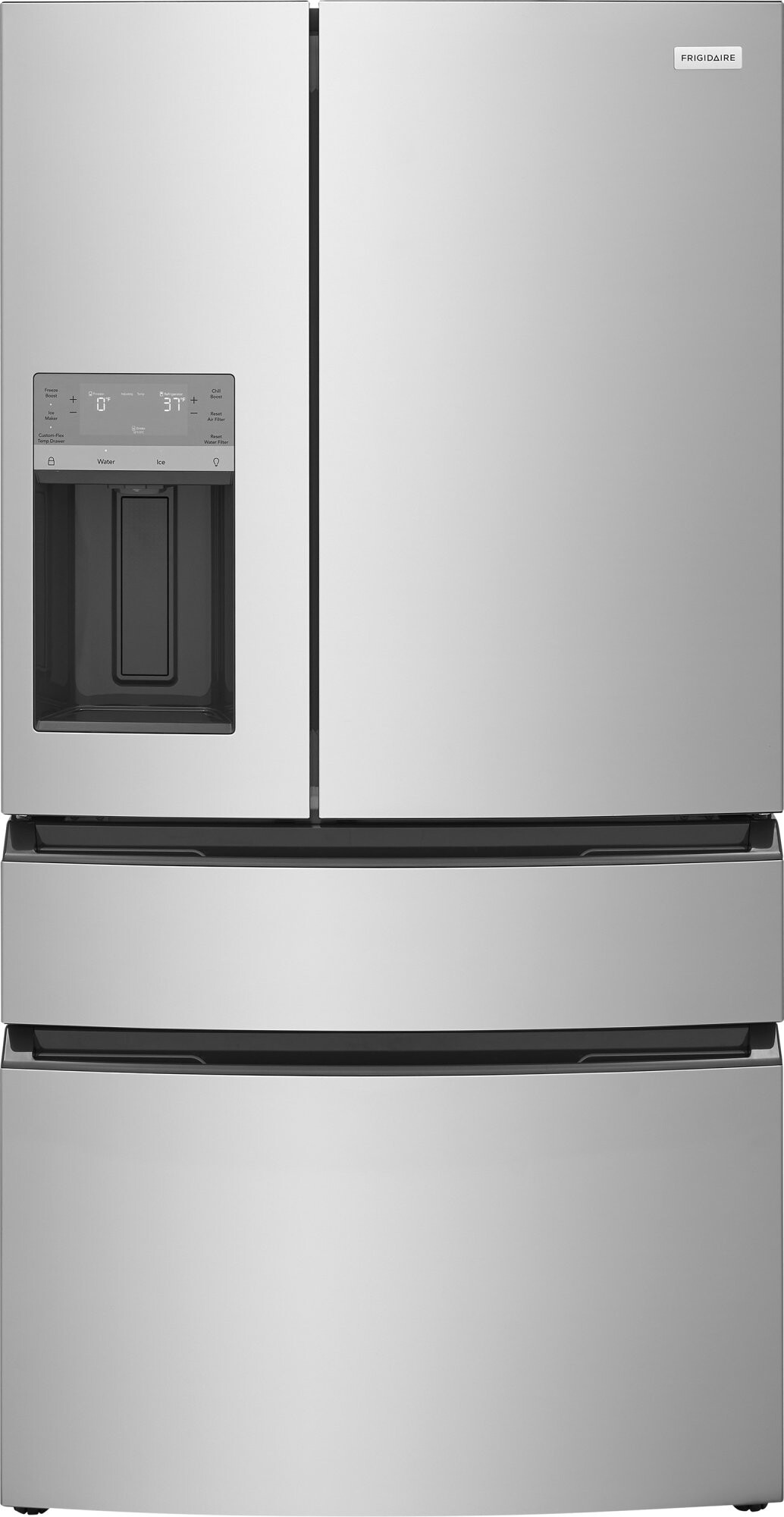
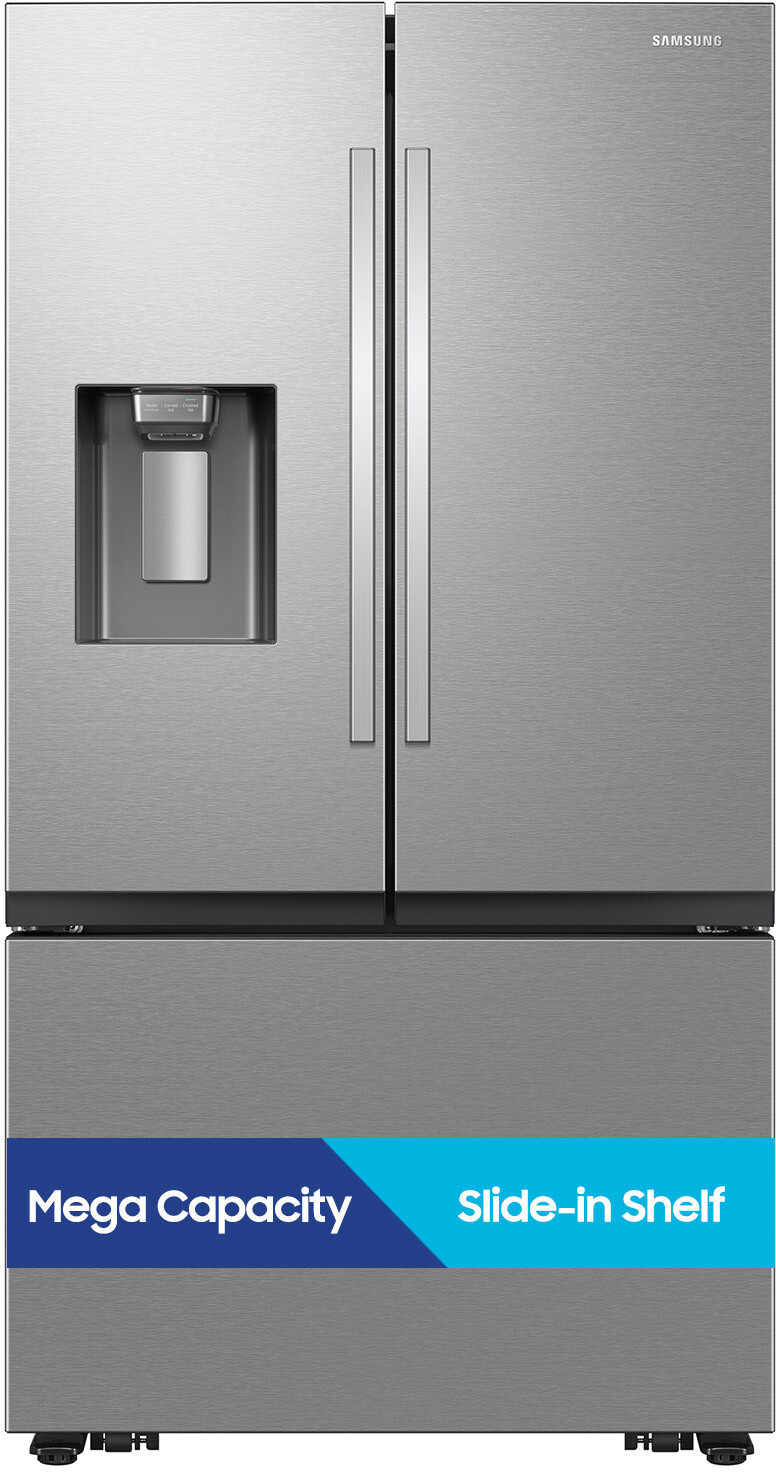
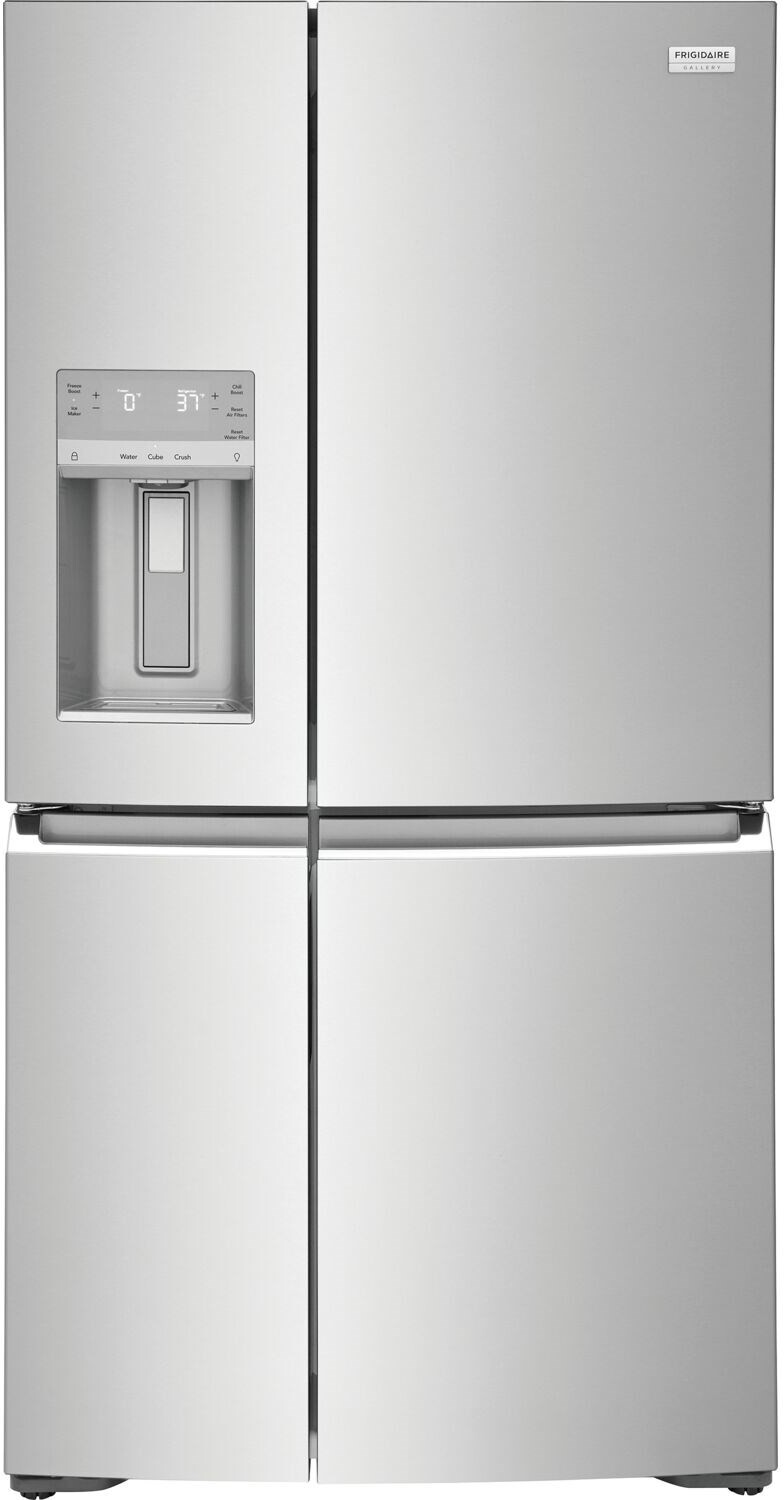
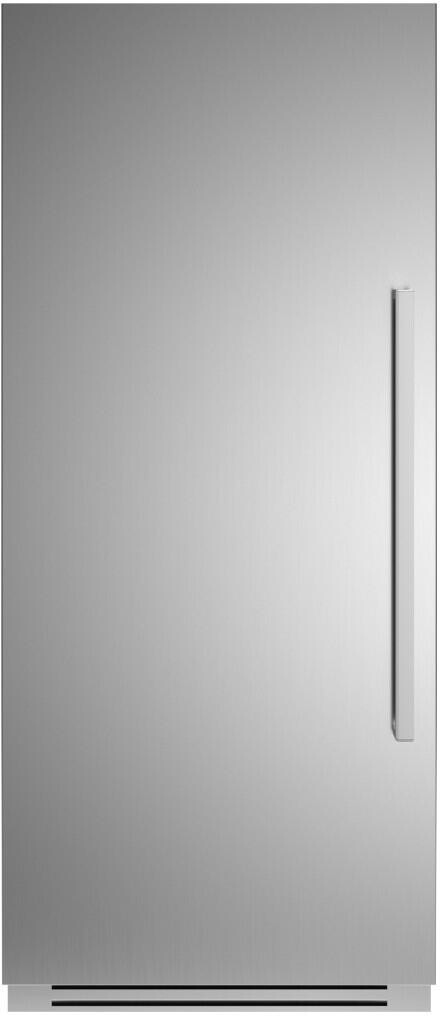
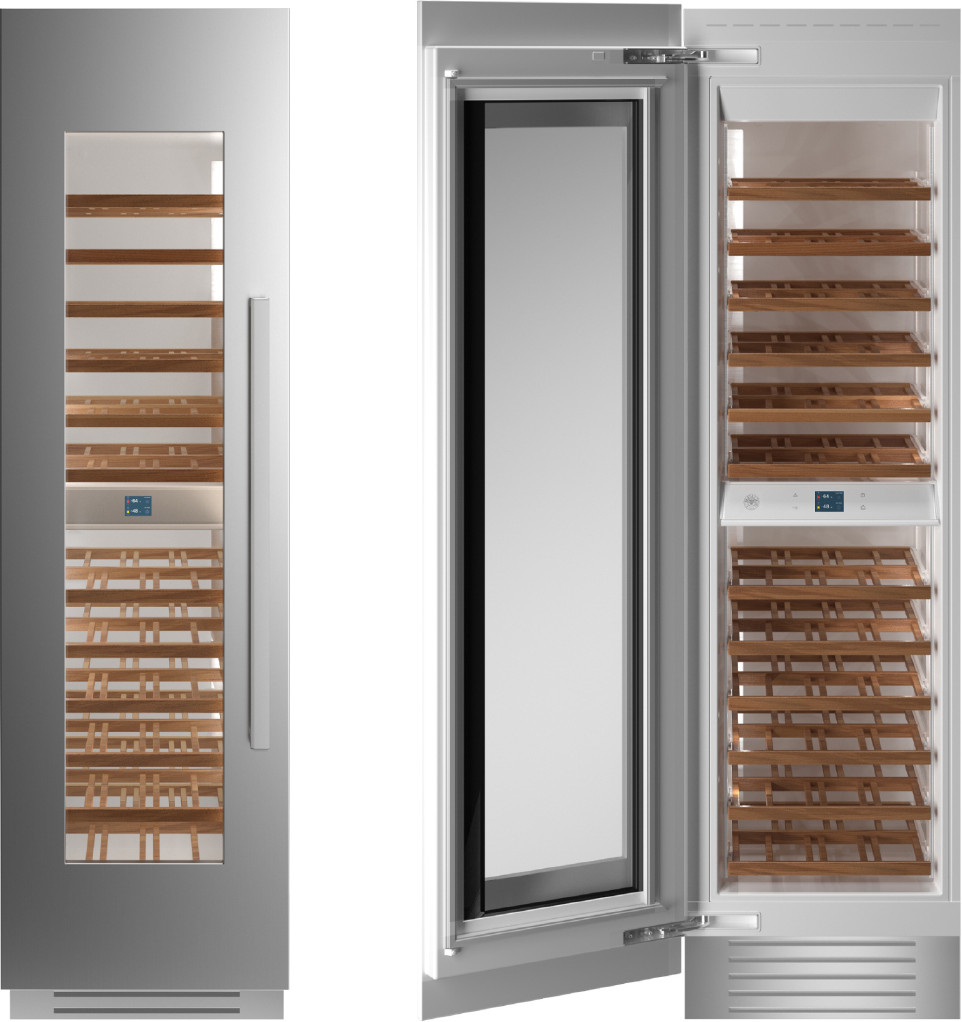
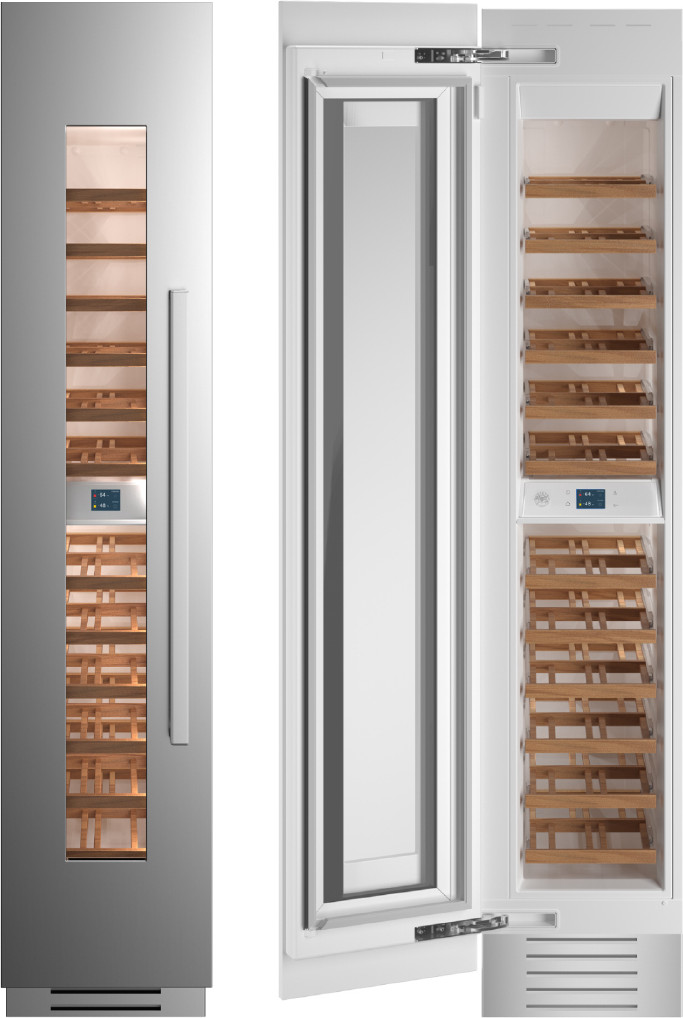
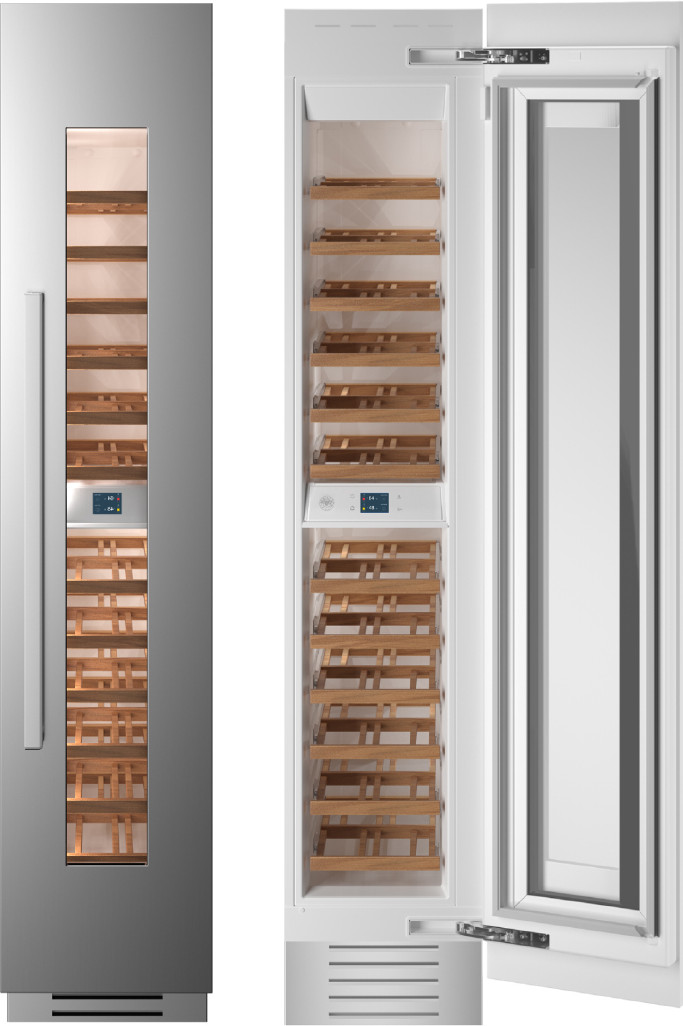
A fridge freezer combo maintains two temperature zones: 35 to 38°F for fresh food and 0°F for frozen food.
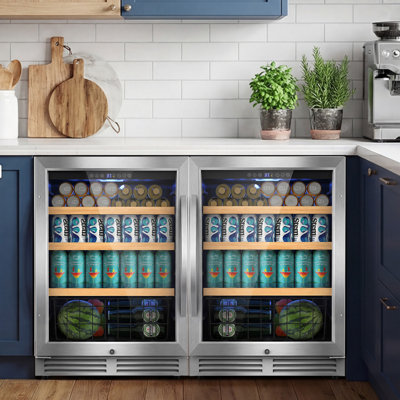
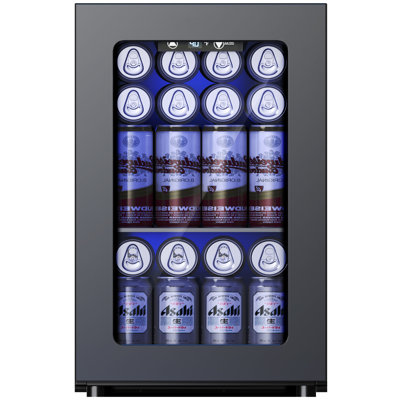
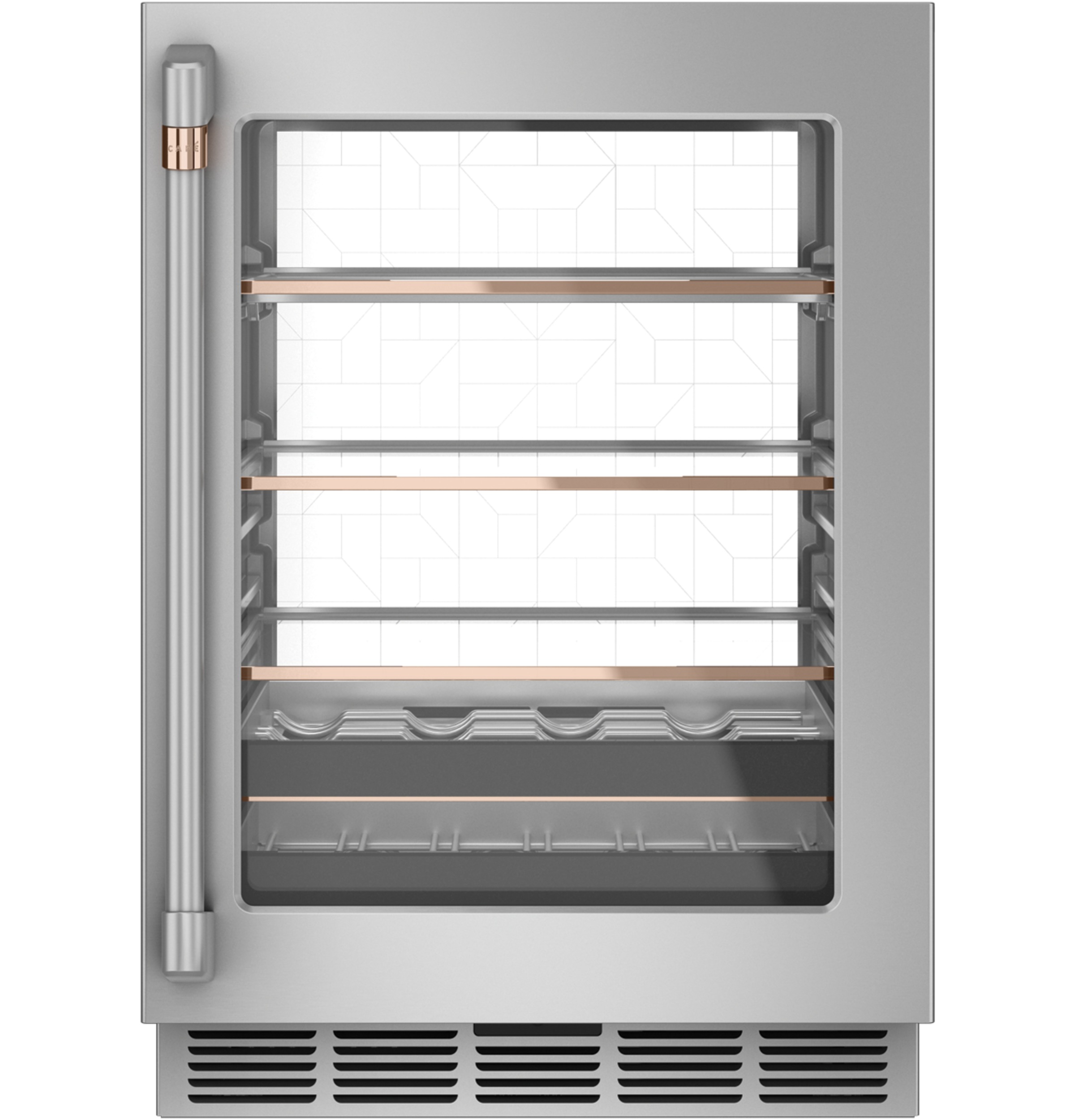
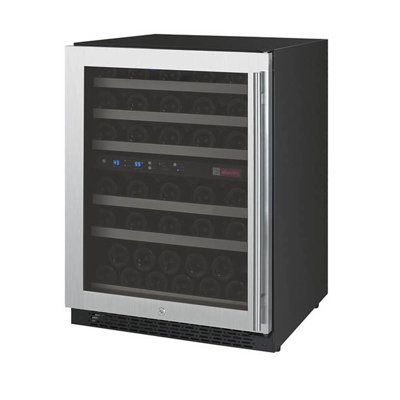
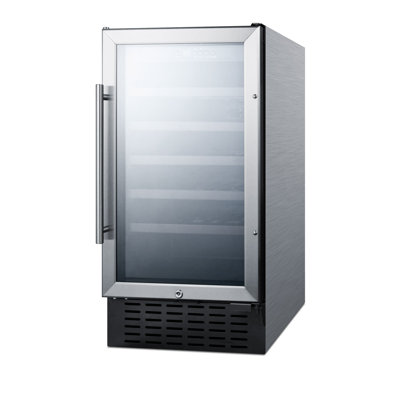
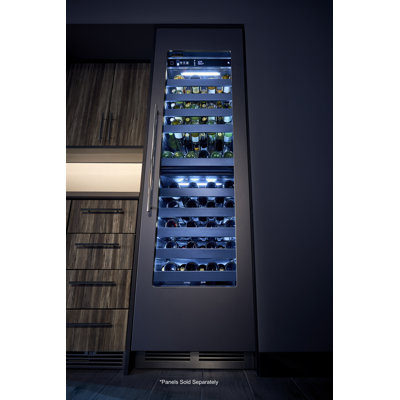
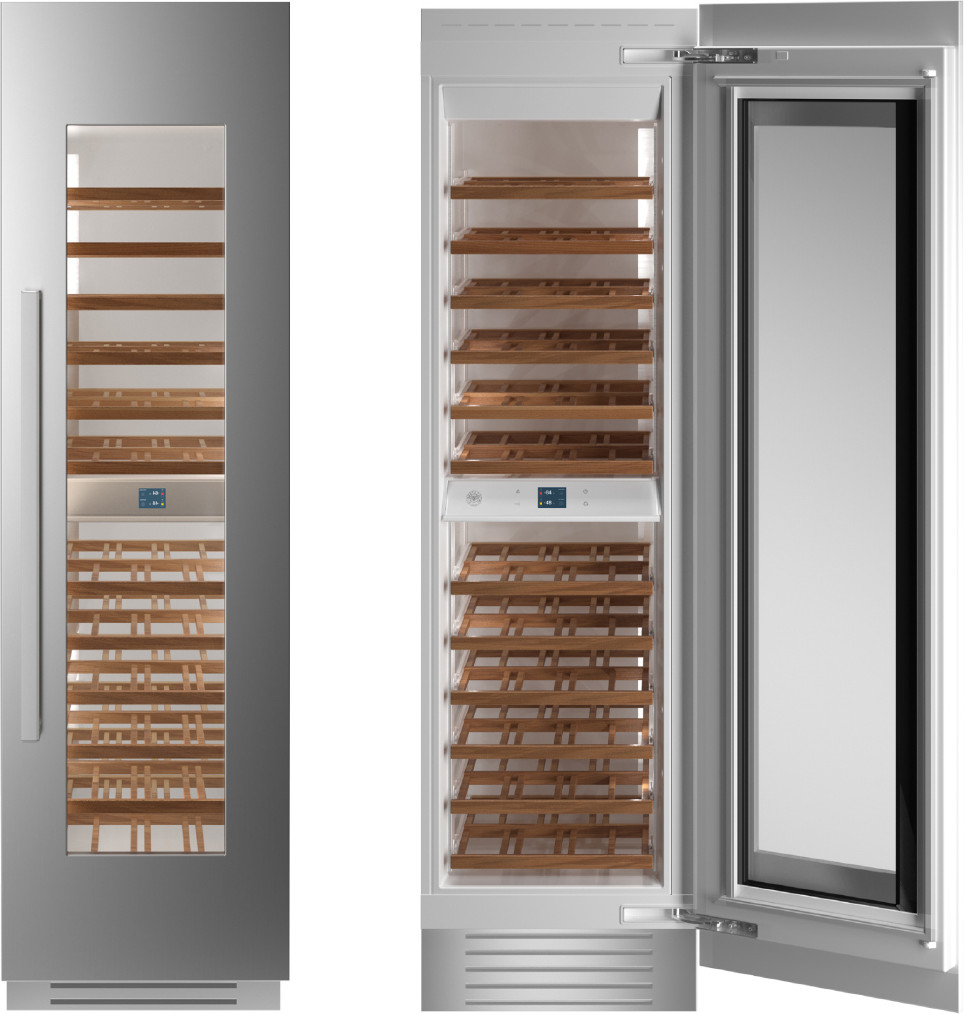
A wine cooler maintains 45 to 65°F with humidity control (50-70%), vibration dampening, and UV-filtered glass for wine preservation.
Standard fridge temperature (37°F) is too cold for wine — it mutes aromas, tightens tannins, and delivers a qualitatively worse tasting experience for any wine consumed directly from the fridge.
A wine cooler at 55°F cannot safely store dairy, meat, produce, or any perishable food that requires 40°F or below.
A fridge freezer combo and a wine cooler serve fundamentally different purposes despite both being cold storage appliances. The combo is your primary kitchen fridge — handling fresh food, frozen food, beverages, and everything else your household keeps cold. The wine cooler is a single-purpose appliance preserving wine at conditions no kitchen fridge can match. This comparison explains why you likely need both — and why the wine cooler cannot substitute for the combo or vice versa.
What Each Does
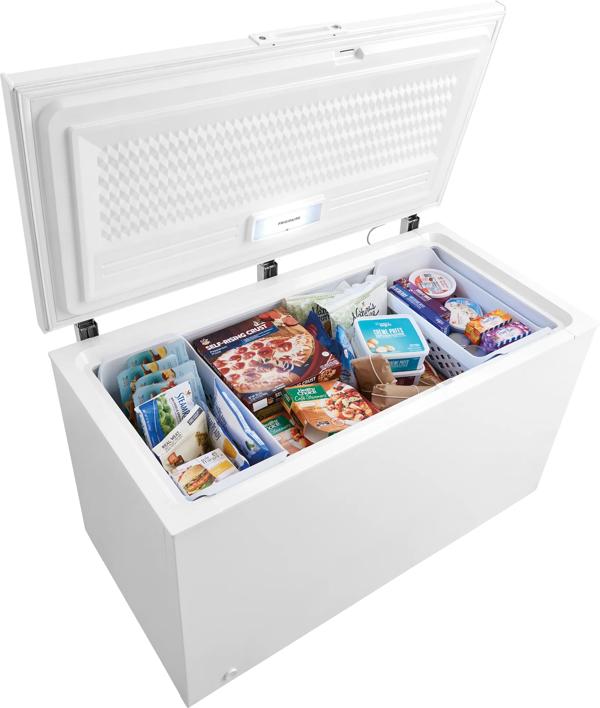
A fridge freezer combo maintains two temperature zones: 35 to 38°F for fresh food and 0°F for frozen food. Available in every configuration — top freezer, bottom freezer, French door, side-by-side — it handles all household food and beverage storage. Capacity ranges from 14 to 28 cubic feet. It is the central appliance of every kitchen.
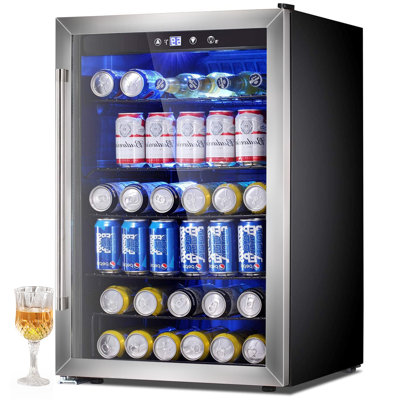
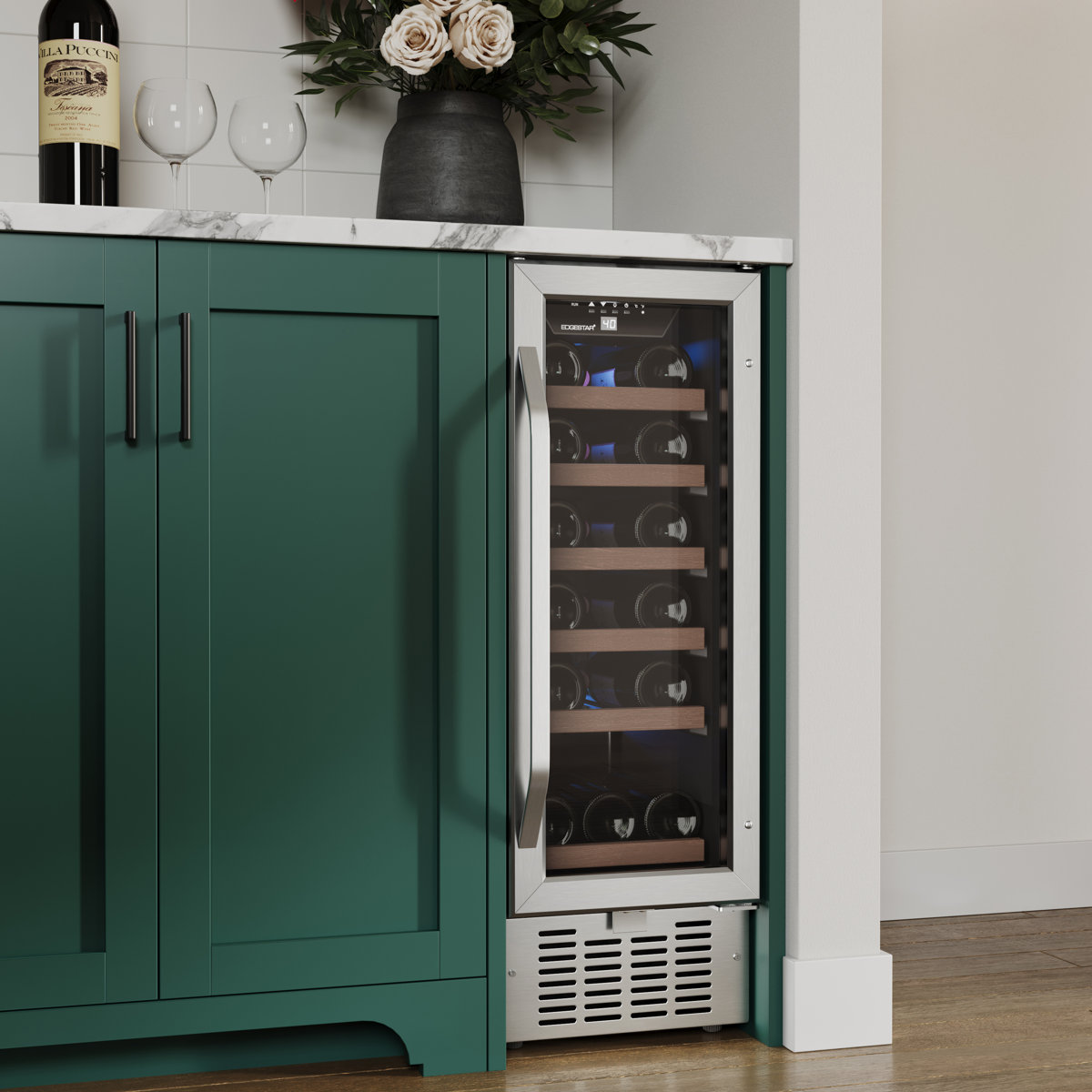
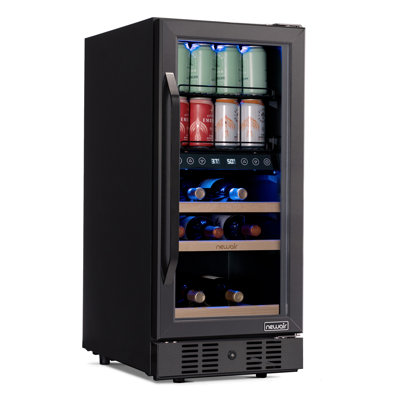
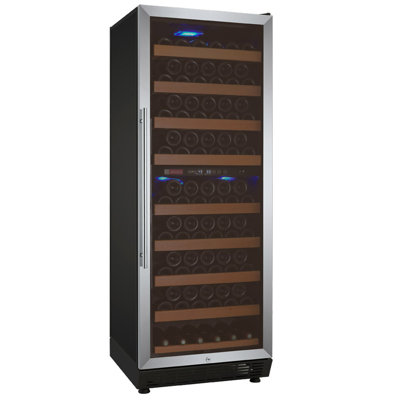
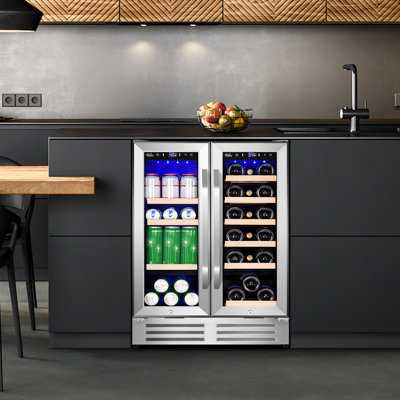
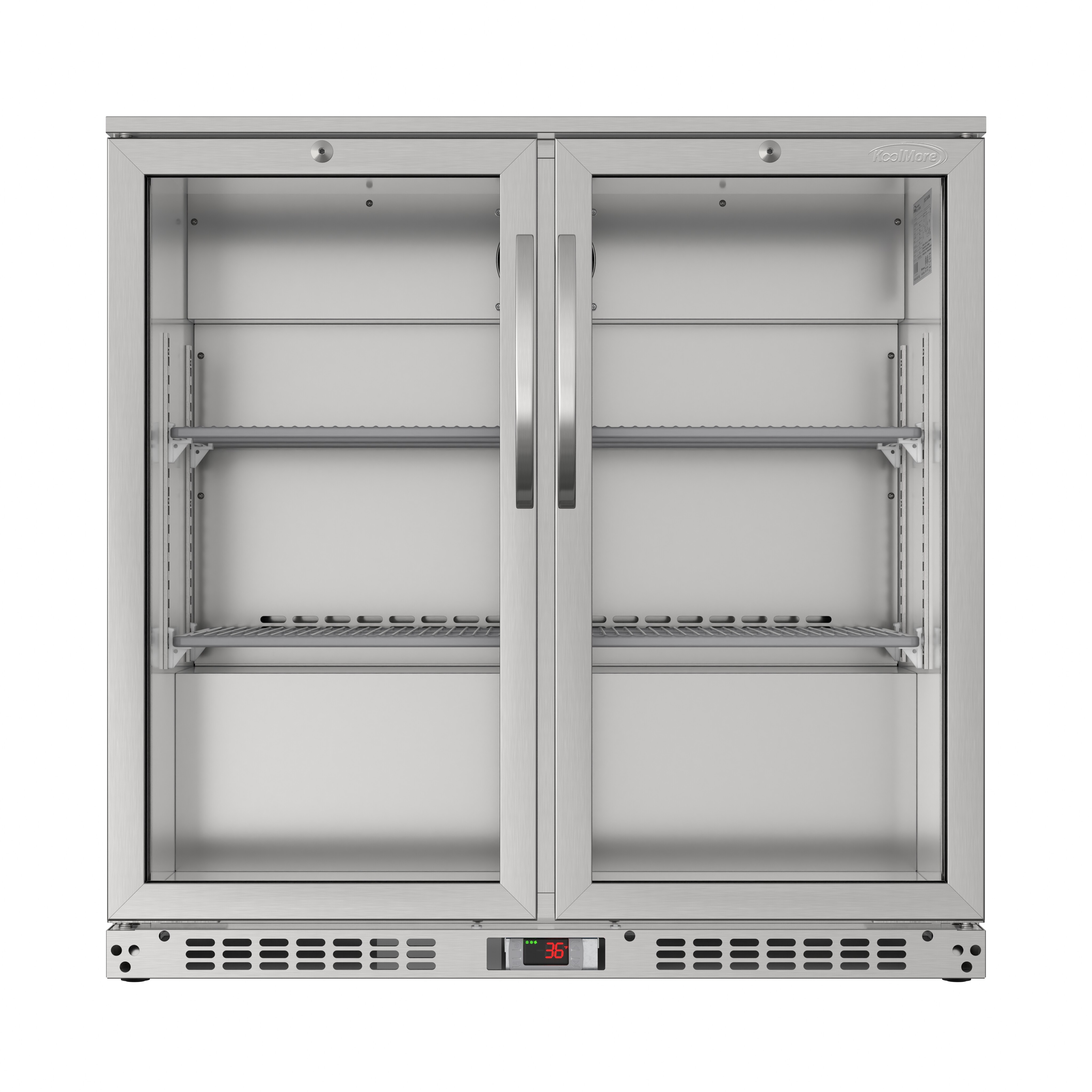
A wine cooler maintains 45 to 65°F with humidity control (50-70%), vibration dampening, and UV-filtered glass for wine preservation. It stores wine exclusively on horizontal racks. Capacity ranges from 6 to 200+ bottles. It protects wine from the four enemies of proper storage — wrong temperature, dry air, vibration, and light.
Why a Fridge Freezer Cannot Store Wine Properly
Standard fridge temperature (37°F) is too cold for wine — it mutes aromas, tightens tannins, and delivers a qualitatively worse tasting experience for any wine consumed directly from the fridge. Standard fridge humidity (30-40%) dries natural corks within weeks, allowing air to enter the bottle and oxidize the wine. Standard fridge vibration from the compressor disturbs sediment and accelerates chemical reactions. Standard fridge lighting (bright LEDs activating with every door opening) degrades light-sensitive organic compounds in wine.
A wine cooler addresses all four issues with precision engineering that a multi-purpose kitchen fridge cannot replicate.
A wine cooler at 55°F cannot safely store dairy, meat, produce, or any perishable food that requires 40°F or below. It has no freezer section. The horizontal bottle racks cannot hold food containers. The single temperature zone (or dual wine zones) does not accommodate the wide range of items a kitchen fridge manages daily.
Most wine-drinking households benefit from both appliances. The fridge freezer combo handles all food and everyday beverages in the kitchen. The wine cooler handles the wine collection in a bar, dining room, or kitchen wine station. The two appliances never compete for the same contents — they serve parallel roles with zero overlap.
Placement options for the wine cooler: under-counter in a kitchen island, built into a butler's pantry, freestanding in a dining room, under a bar counter, or in a dedicated wine area. The fridge freezer stays in its standard kitchen position.
Adding a 30-bottle wine cooler costs $13 to $26 per year in electricity — about $1 to $2 per month. The combined system runs $68 to $111 annually, which is modest for comprehensive food and wine storage.
Who Needs a Wine Cooler Alongside Their Fridge Freezer
You buy wine regularly and keep 6+ bottles on hand at any time. You store any bottle longer than one week before opening. You buy wine above $15 per bottle and want to protect your investment. You serve wine at dinner and want it at the correct temperature without counter-waiting. You host wine-focused gatherings where the collection should be displayed and accessible. If any of these apply, a wine cooler adds meaningful value alongside your fridge freezer combo.
You buy one bottle of wine at a time and drink it the same day. You prefer wine at whatever temperature the fridge provides. You do not collect or store wine. In this case, the fridge freezer combo handles your wine needs adequately for immediate consumption — chill the bottle for an hour in the fridge before serving, and the result is acceptable even if not optimal.
Compare prices on Fridge.com
Compare fridge freezer combos and wine coolers. Filter by capacity, configuration, bottle count, and price to build the complete cold storage and wine preservation system your household needs.
Frequently Asked Questions
For short-term chilling (1-2 hours before serving), yes. For storage beyond a few days, no. Standard fridge temperature (37°F) is too cold, humidity (30-40%) dries corks, and compressor vibration disturbs wine. A wine cooler at 45-65°F with environmental controls is the proper tool. Fridge.com has both.
Free tool
Wine Refrigerator Calculator
Free interactive tool from Fridge.com — get a quick answer while you read.