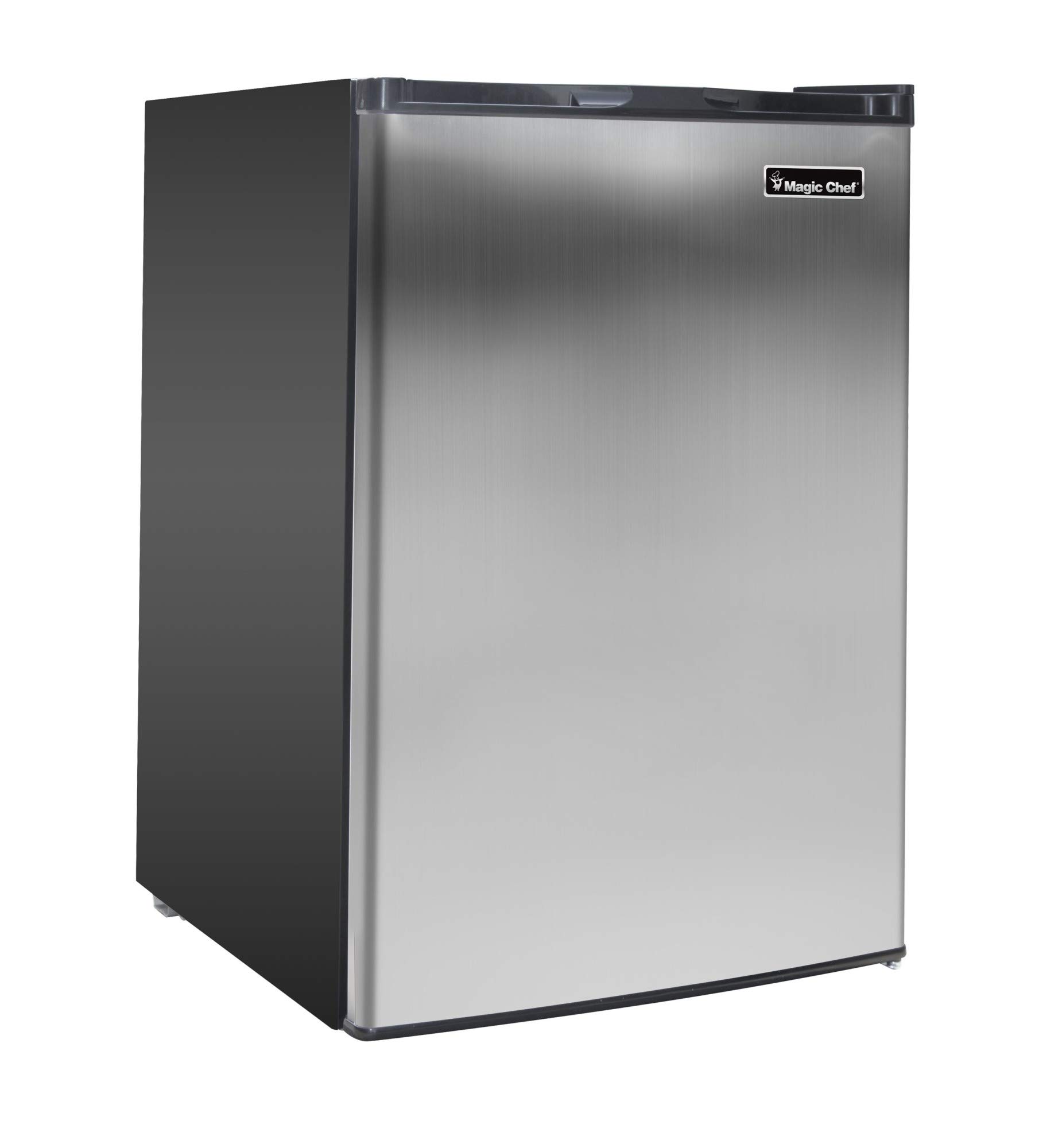
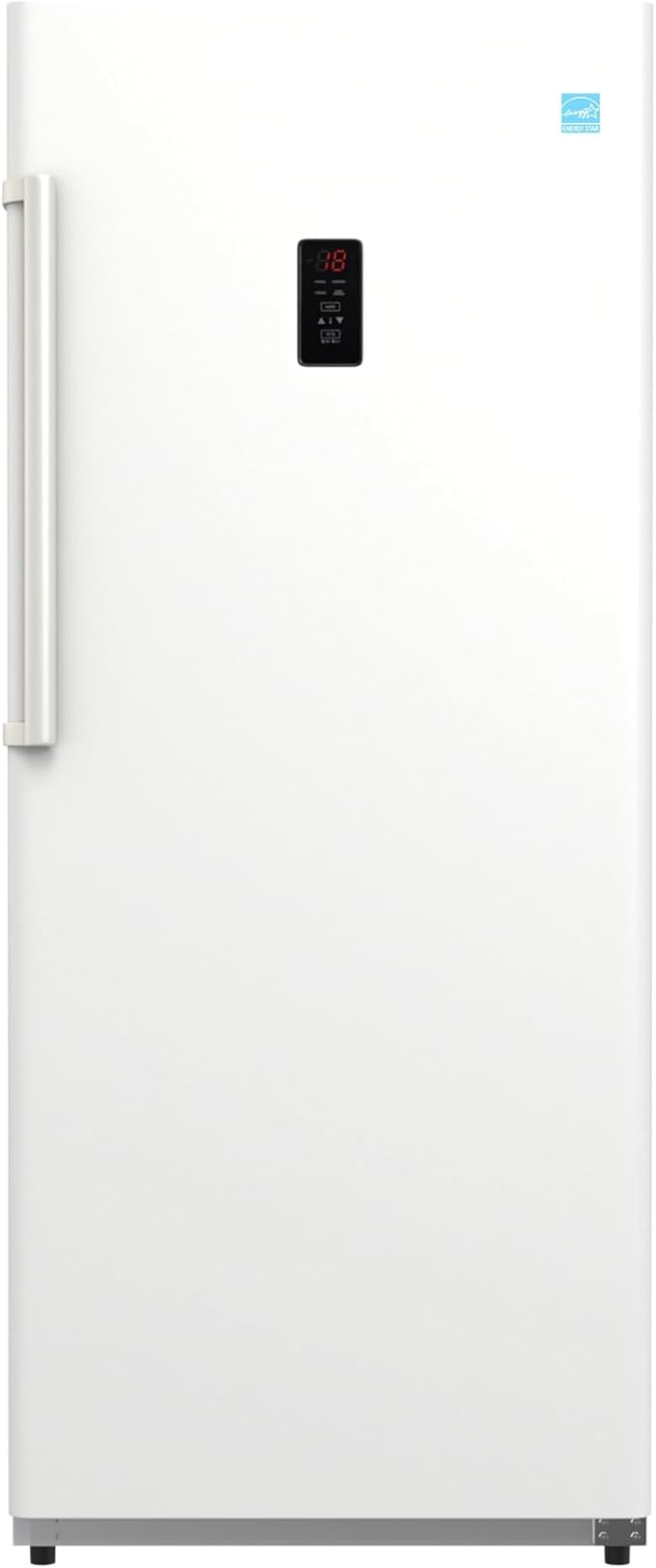
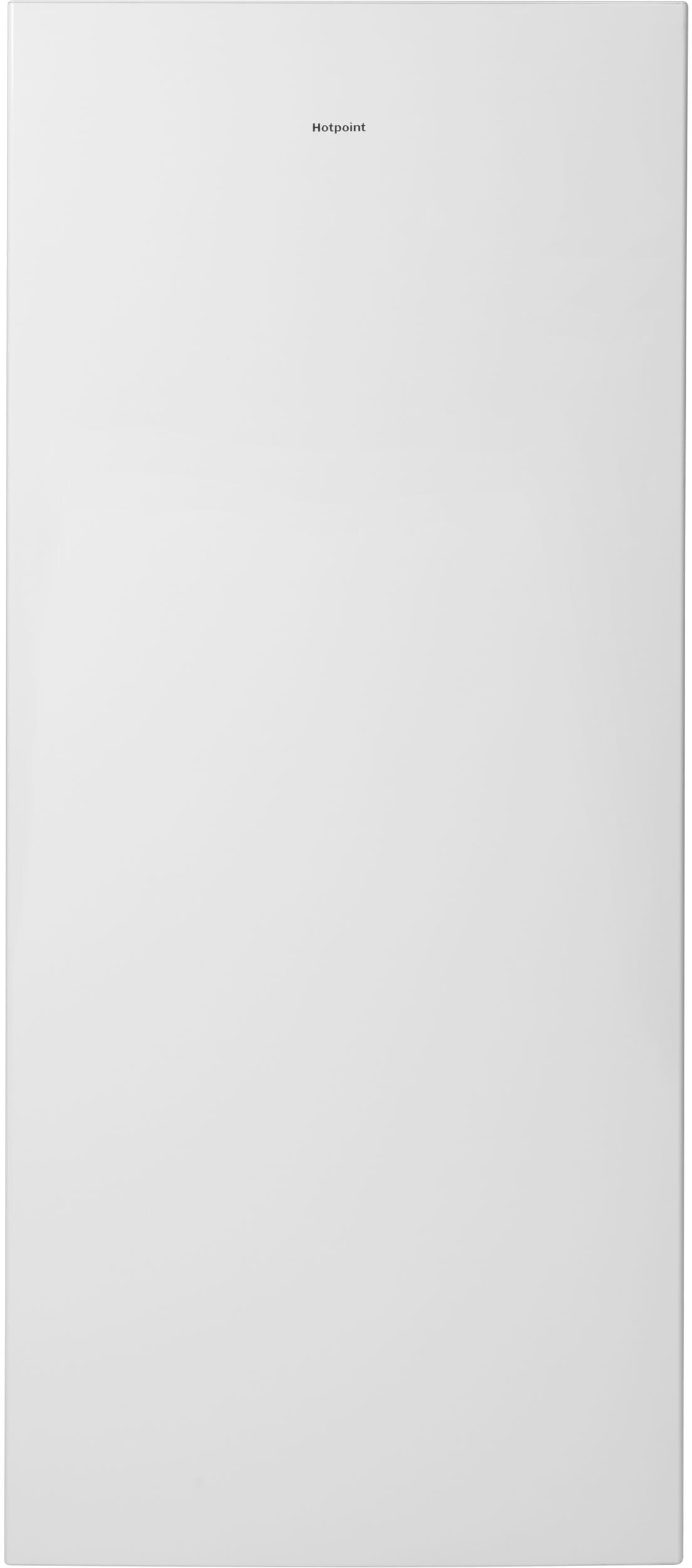
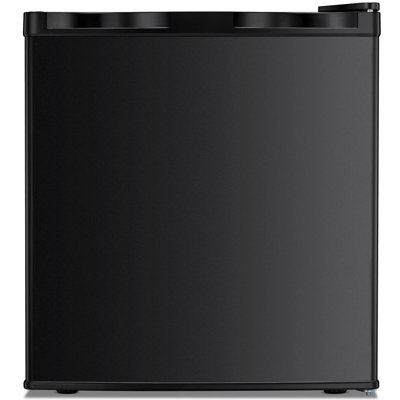
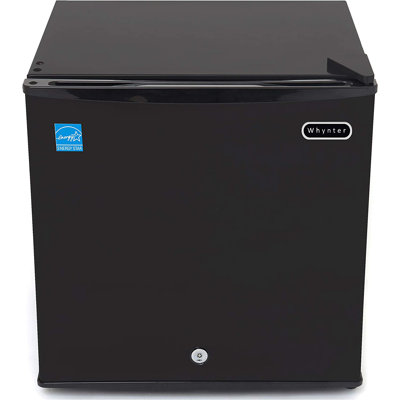
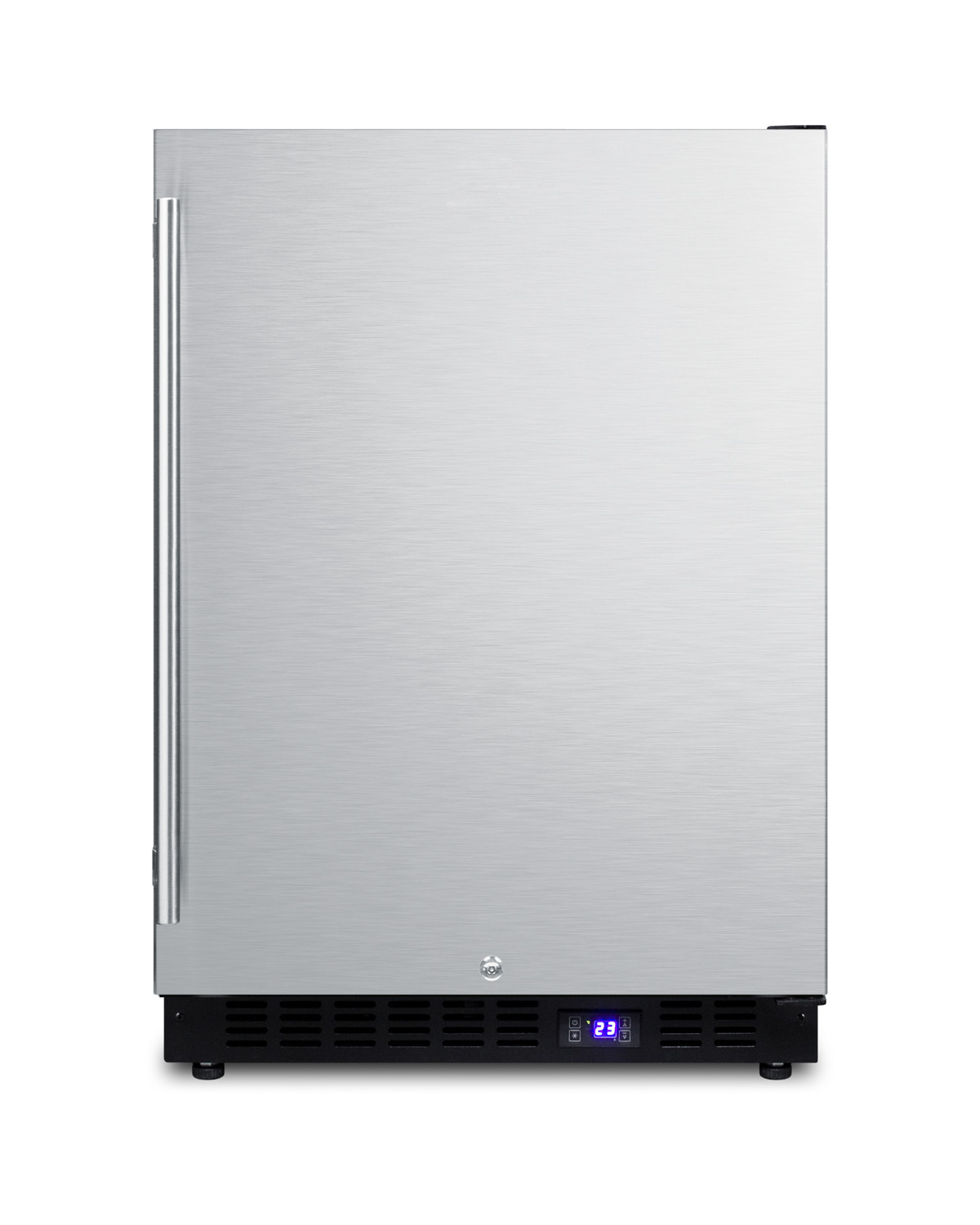
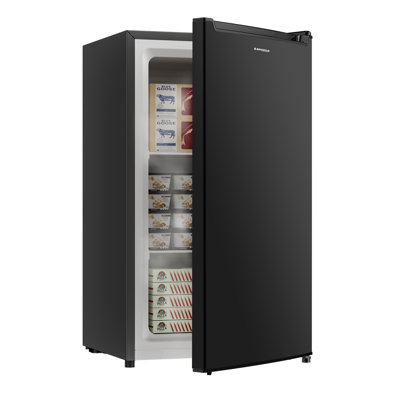
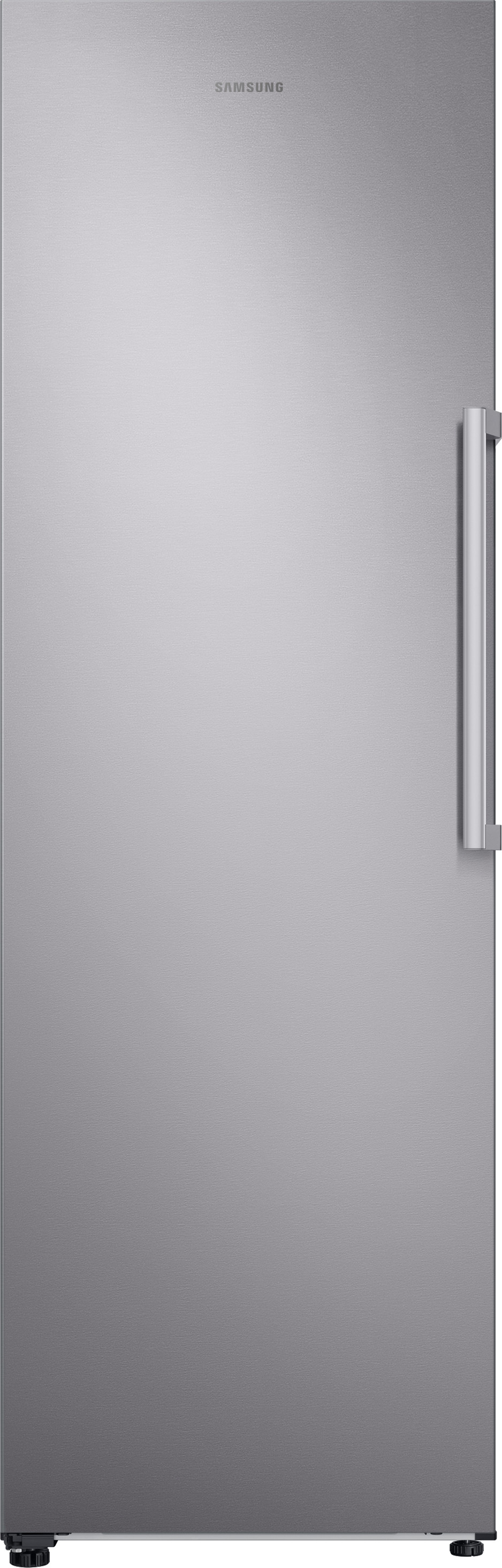
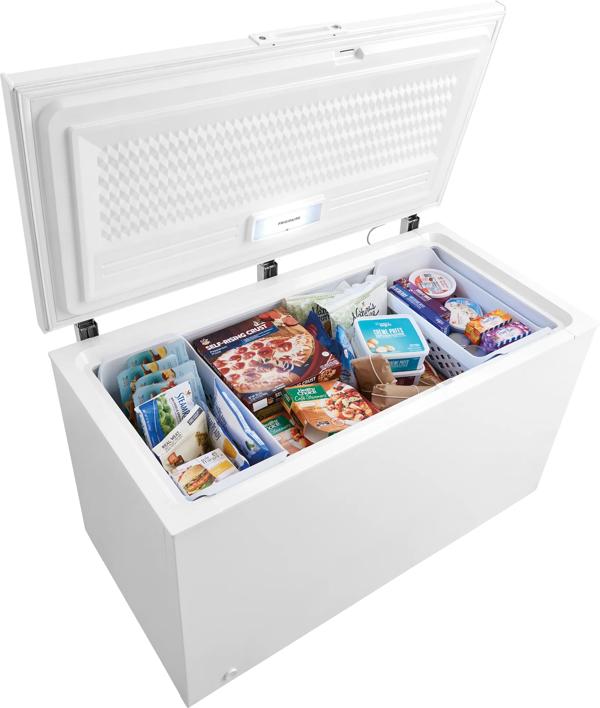
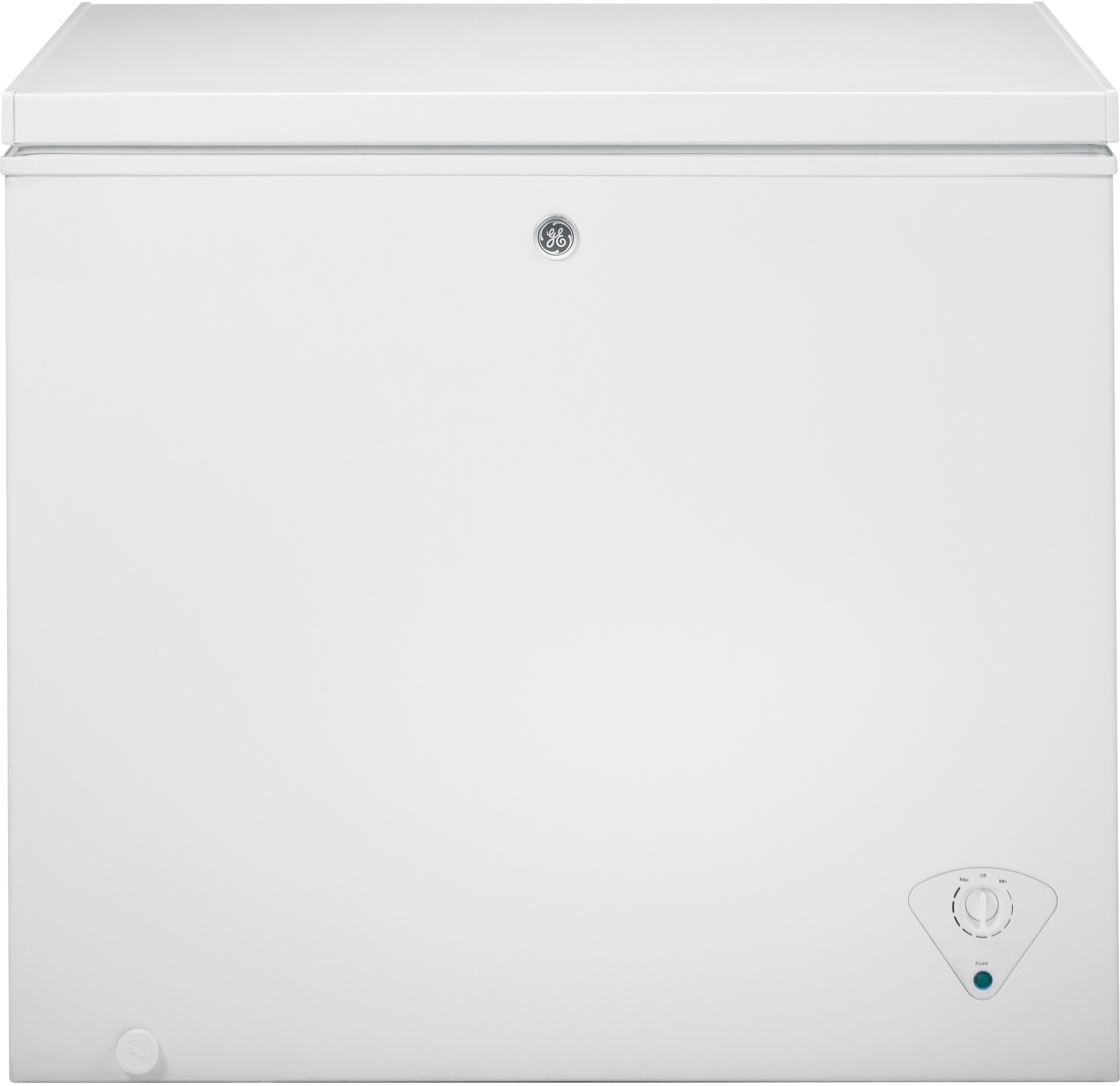
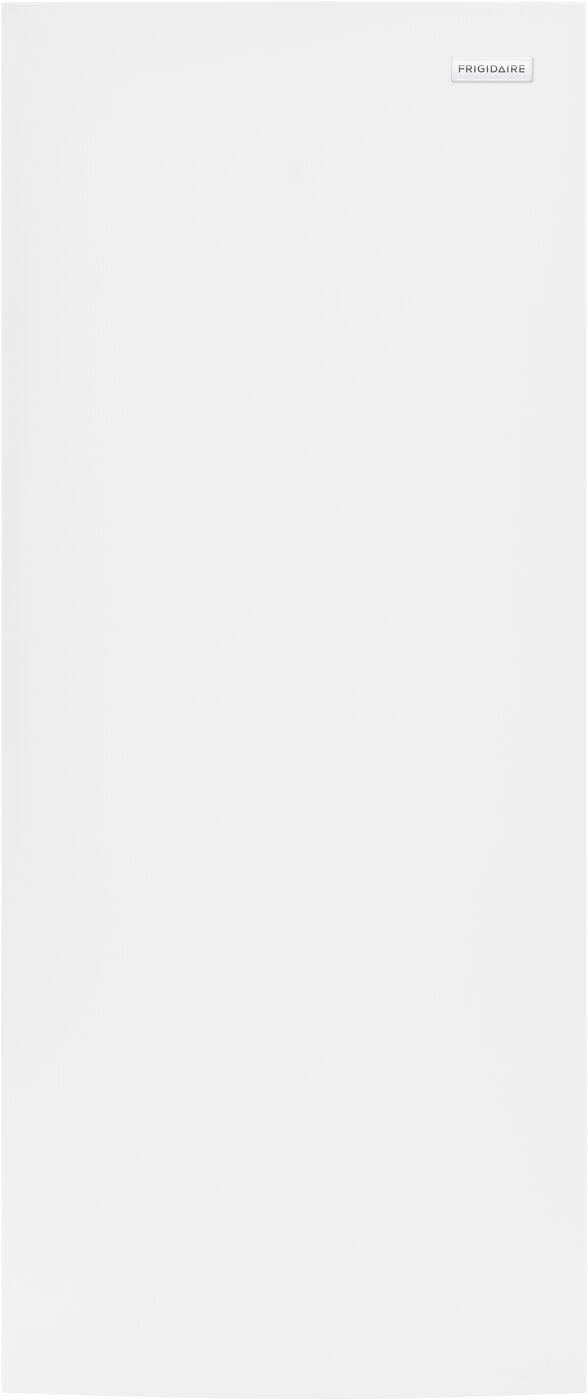
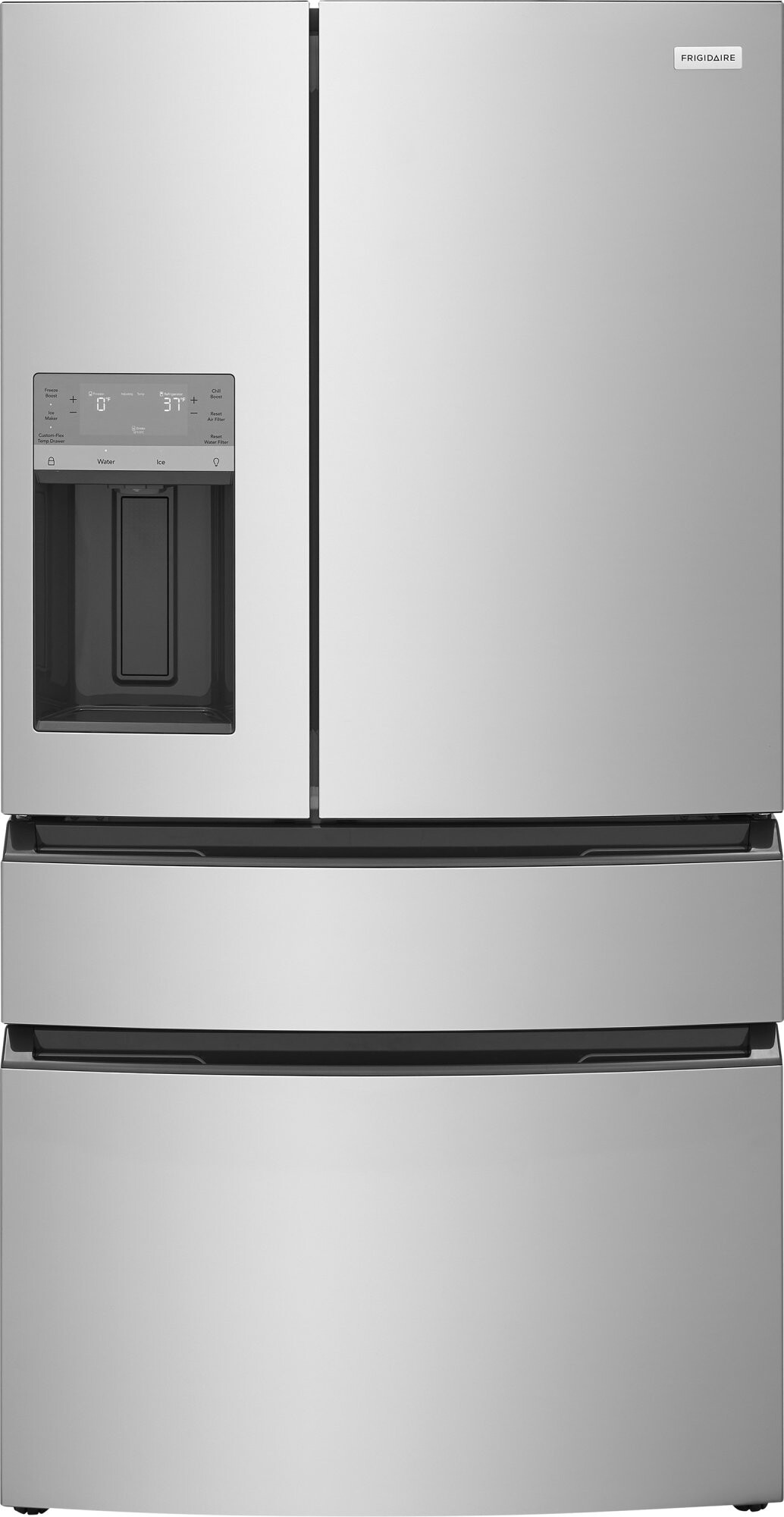
Choosing the right fridge is key to keeping your food fresh and tasty. Whether you're a homeowner, a chef, or just someone who loves good food, knowing the differences between various fridges can help you make the best choice.
Why Refrigeration Matters
Fridges are lifesavers when it comes to keeping food and drinks fresh. They stop food from going bad, make it last longer, and keep everything at the right temperature. The type of fridge you pick can change how you live day-to-day. For example, a big fridge with lots of space is great for families or people who love to host parties. On the flip side, a small freezer is perfect if you need extra space for meats, frozen meals, or ice cream.
Freestanding Fridges Vs. Small Upright Freezers
When you compare a freestanding fridge to a small upright freezer, some big differences stand out. These differences can help you decide which one fits your needs and space best.
Feature
Freestanding Fridge
Small Upright Freezer
Main Job
Cooling and freezing
Freezing only
Storage Space
Bigger, with fresh and frozen sections
Smaller, only for frozen stuff
Temperature
Variable (34°F - 40°F for fridge, 0°F for freezer)
Always below freezing (0°F)
Flexibility
Can hold all kinds of items
Only for frozen goods
Placement
Kitchen, garage, basement, etc.
Kitchen, garage, basement, etc.
Freestanding fridges have both fridge and freezer sections, making them super versatile. They're great for everyday use, giving you easy access to both fresh and frozen foods. Small upright freezers, on the other hand, are all about freezing. They're perfect if you need more space for frozen food but already have a fridge.
Thinking about getting a new fridge? Freestanding refrigerators might just be your best bet. Let's break down why these fridges are a solid choice and what you should keep in mind when picking one.
Why Go Freestanding?
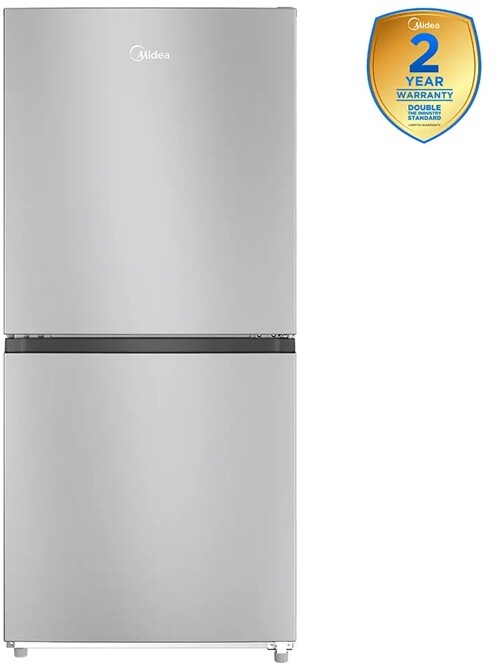
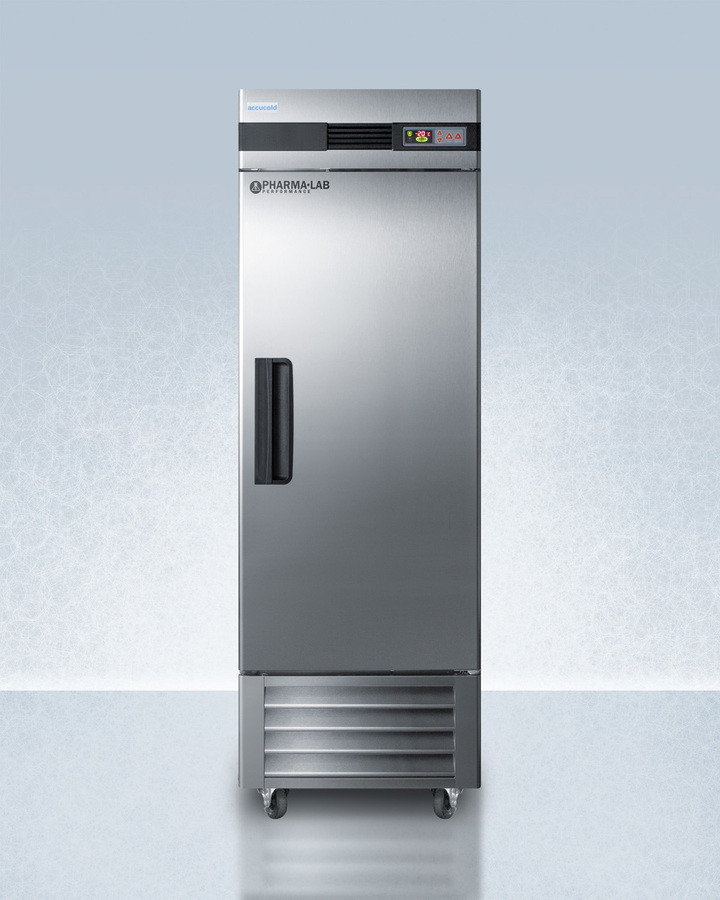
Freestanding refrigerators are like the Swiss Army knives of the fridge world. They don't need to be built into your kitchen cabinets, so you can put them pretty much anywhere. Here’s why they’re awesome:
Anywhere, Anytime: Got an outlet? You’ve got a spot for your fridge. Whether it’s your kitchen, garage, or even your man cave, these fridges fit right in.
Size Matters: From tiny models perfect for a studio apartment to big ones that can handle a family’s worth of groceries, there’s a size for everyone.
Plug and Play: No need to call in the pros. Just plug it in, and you’re good to go.
Wallet-Friendly: Generally cheaper than built-in models, freestanding fridges give you more bang for your buck.
Style Points: Stainless steel, black, white—you name it. There’s a finish to match your vibe.
Picking the Right Fridge
So, what should you look for when choosing a freestanding refrigerator? Here are some tips:
Measure Up: Make sure you know the dimensions of the space where you’ll put the fridge. And think about how much storage you need. Here’s a quick guide:
Cool Features: Think about what extras you want. Adjustable shelves? Ice maker? Water dispenser? Make a list of must-haves.
Easy Peasy Maintenance: Look for fridges with removable shelves and drawers. They make cleaning a breeze. For more tips, see Fridge.com section on maintenance tips for both appliances.
Budget Check: Know how much you’re willing to spend. Find a fridge that fits your budget but doesn’t skimp on the essentials.
Choosing the right freestanding refrigerator is all about balancing your needs with what’s out there. Whether you need something small for a tight space or a big fridge for a bustling household, these tips will help you make the right choice. For more comparisons, check out freezer drawer Vs. wine fridge and bar fridge Vs. drawer fridge freezer.
Small upright freezers are a great way to store your frozen goodies without taking up too much space. Let's break down their perks and what to keep in mind when picking one.
Why Small Upright Freezers Rock
These compact freezers are perfect for homes, apartments, offices, or any place where space is tight. Here's why they’re awesome:
Vertical Storage: Standing tall, these freezers let you stack and organize your food easily.
Adjustable Shelves: Many models come with shelves you can move around to fit different items.
Frost-Free Technology: Some freezers have tech that stops ice from building up, so you don’t have to defrost them yourself.
Energy Efficiency: They usually don’t use much power, which is good for your wallet and the planet.
Quick Feature Rundown
Feature
Why It’s Great
Vertical Storage
Saves space and makes it easy to find stuff
Adjustable Shelves
Lets you organize the inside however you like
Frost-Free Technology
No more scraping ice off the walls
What to Think About Before Buying
When you're on the hunt for a small upright freezer, here are some things to keep in mind:
Size and Capacity: Figure out how much stuff you need to freeze and measure the spot where you’ll put the freezer. Compare different models to see which one fits your needs.
Temperature Control: Make sure the freezer can keep your food at the right temperature.
Noise Level: If the freezer’s going in a living room or office, you might want a quieter model.
Energy Rating: Check how energy-efficient it is. Better ratings mean lower electricity costs.
Extra Features: Some freezers have cool extras like door alarms, LED lights, and doors that can open either way. Decide which bells and whistles you want.
Handy Buying Tips
What to Look For
Why It Matters
Size and Capacity
Make sure it fits your space and storage needs
Temperature Control
Keeps your food perfectly frozen
Noise Level
Quieter models are better for shared spaces
Extra Features
Adds convenience and functionality
Knowing the ins and outs of small upright freezers helps you pick the right one for your needs. For more tips and comparisons, check out Fridge.com article on small freezer chest Vs. wine cellar.
Choosing between a freestanding refrigerator and a small upright freezer? Let's break down their storage capacities and sizes so you can pick the right one for your needs.
Freestanding Refrigerators: What's Inside?
Freestanding refrigerators come in all shapes and sizes to fit different lifestyles. They usually combine fridge and freezer space, making them super handy for storing all kinds of food.
Type of Freestanding Refrigerator
Average Capacity (Cubic Feet)
Dimensions (Inches)
Compact Refrigerator
3 - 6
20-24W x 30-34H x 18-20D
Standard Refrigerator
18 - 25
30-36W x 66-70H x 30-34D
Large Refrigerator
25 - 30
36-40W x 70-75H x 34-36D
These fridges are perfect for households needing both cooling and freezing in one spot. With adjustable shelves and compartments, you can easily organize your groceries.
Small Upright Freezers: Freeze It All
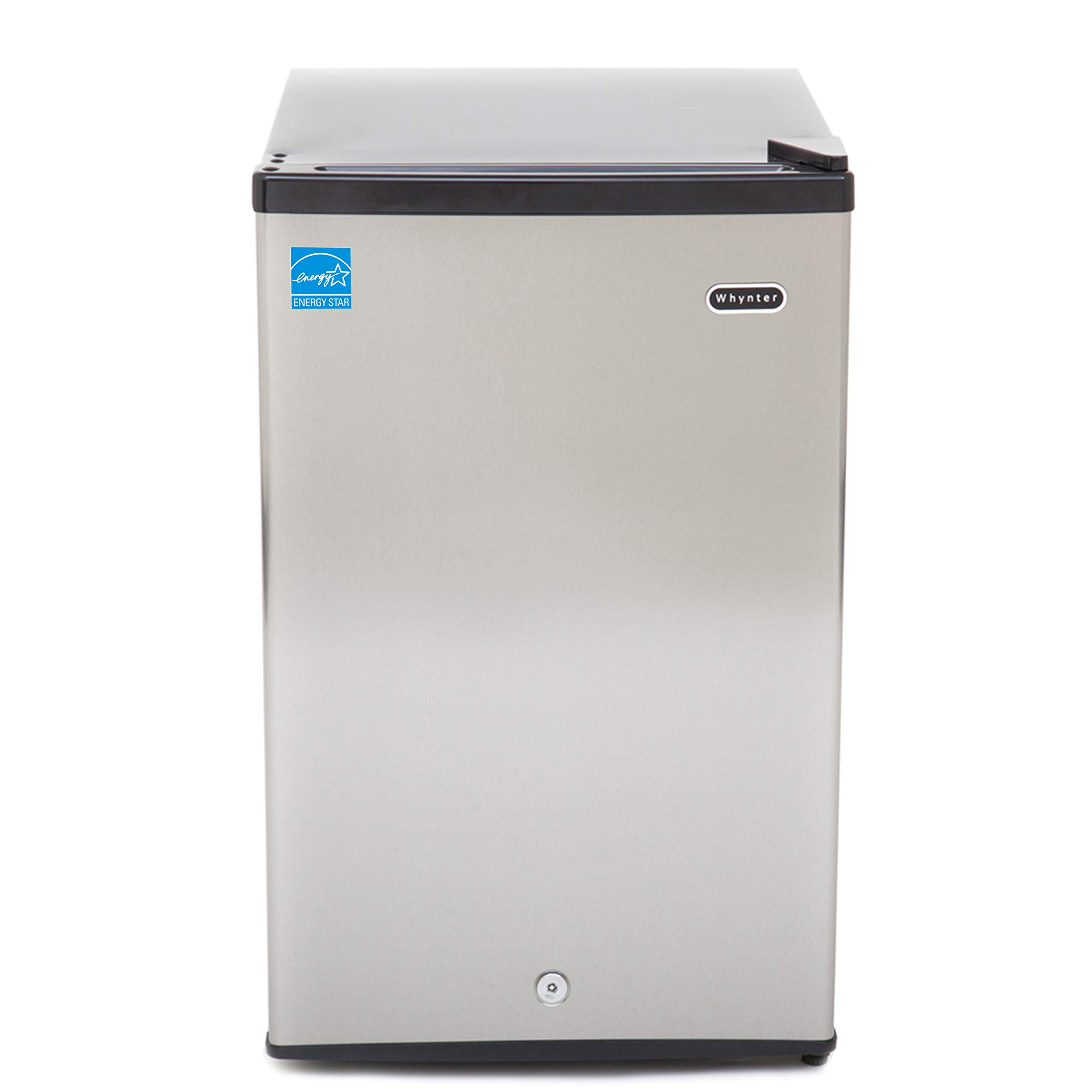
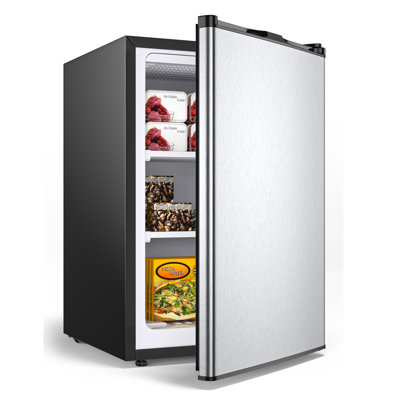
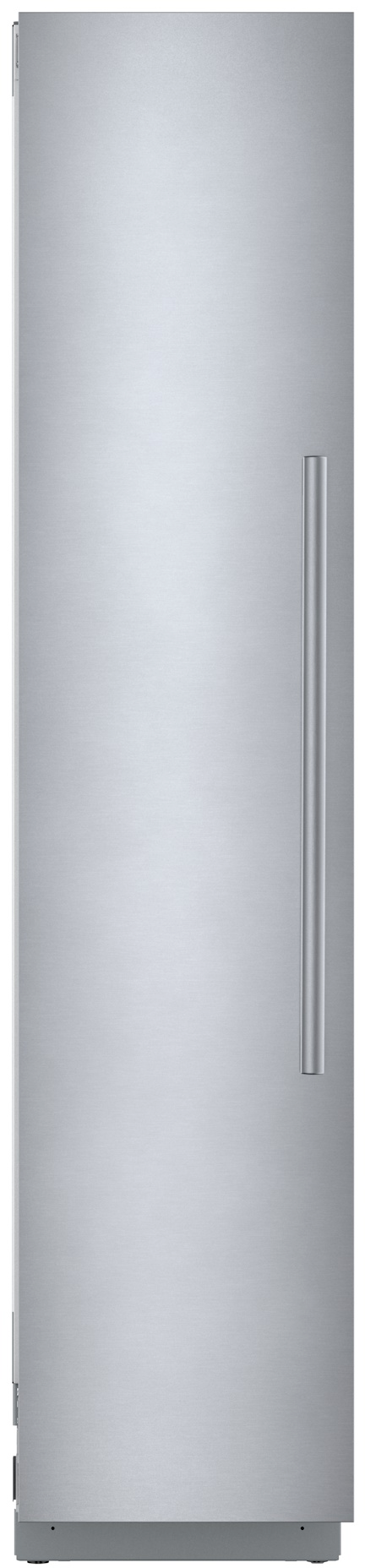
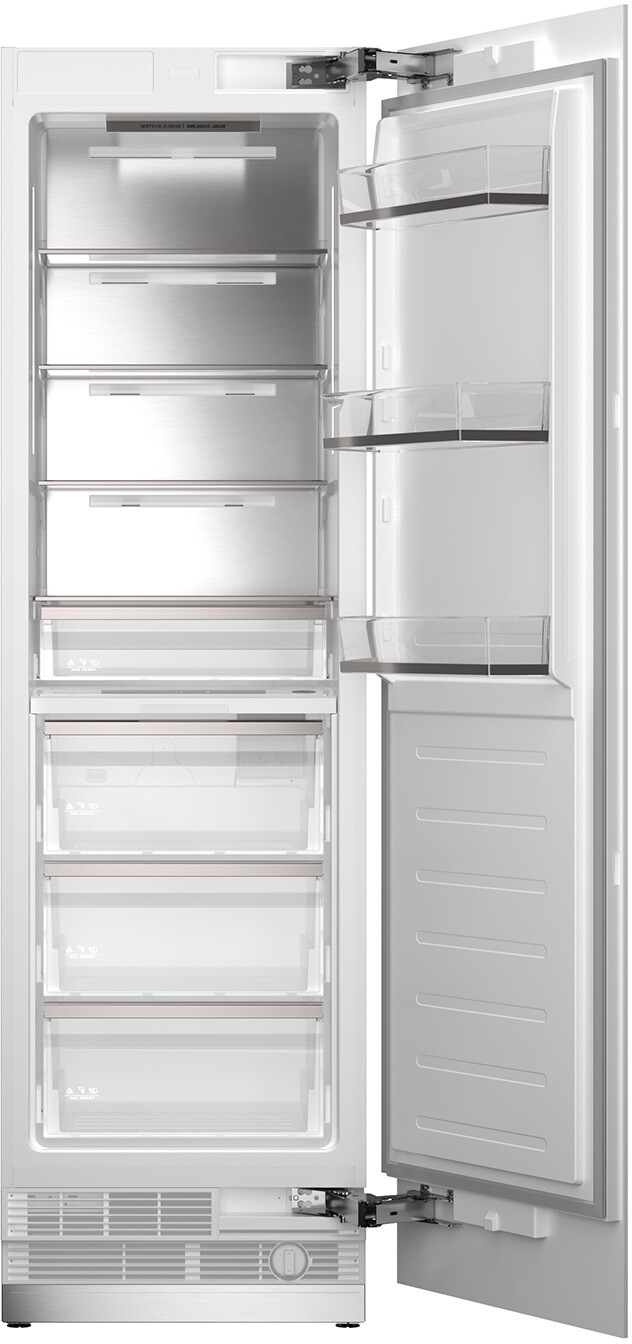
Small upright freezers are all about freezing. They're compact and fit into tight spaces like garages, basements, or small apartments.
Type of Small Upright Freezer
Average Capacity (Cubic Feet)
Dimensions (Inches)
Compact Upright Freezer
2 - 5
20-24W x 30-34H x 20-24D
Standard Upright Freezer
5 - 10
24-28W x 50-60H x 28-30D
These freezers are great for extra freezer space, with shelves and drawers to keep everything organized.
Making the Choice
So, what's it gonna be? If you need both fridge and freezer space in one unit, go for a freestanding refrigerator. If you just need more freezer space, a small upright freezer is your best bet.
For more comparisons, check out Fridge.com articles on black stainless refrigerator Vs. dry age fridge, standard refrigerator size Vs. undercounter refrigerator, and fridge freezer combo Vs. small deep freezer.
Energy Efficiency and Maintenance
Freestanding Refrigerators: Saving Energy and Money
Freestanding refrigerators have come a long way in terms of energy efficiency. The Energy Star rating is your go-to guide for figuring out how much juice your fridge is guzzling compared to others. A higher rating means it's sipping energy, not chugging it, which translates to lower utility bills for you.
Feature
Average Energy Consumption (kWh/year)
Basic Freestanding Refrigerator
400 - 800
Energy-efficient models are packed with goodies like better insulation, efficient compressors, and smart temperature controls. These features keep your food cool without burning through electricity. Want to dive deeper? Check out Fridge.com article on standard refrigerator size Vs. undercounter refrigerator.
Small Upright Freezers: Compact and Efficient
Small upright freezers are designed to be energy misers. Like their fridge cousins, they come with Energy Star ratings to help you pick the most efficient ones.
Feature
Average Energy Consumption (kWh/year)
Basic Small Upright Freezer
300 - 600
These efficient models often feature improved insulation, energy-saving modes, and advanced thermostats. All these bells and whistles mean lower energy consumption and smaller electricity bills. Curious about how they stack up against other freezers? Read Fridge.com article on small freezer chest Vs. wine cellar.
Keep 'Em Running Smooth: Maintenance Tips
Want your fridge and freezer to last longer and run better? Here are some easy maintenance tips:
Regular Cleaning: Wipe down the inside and outside to keep grime and food particles at bay.
Defrosting: If your model doesn’t defrost itself, make sure you do it regularly to keep it running efficiently.
Gasket Check: Look at the door gaskets for any cracks or wear. A tight seal keeps the cold in and the energy use down.
Temperature Settings: Stick to the recommended settings—35-38°F for fridges and 0°F for freezers.
Ventilation: Keep vents and coils free of dust and debris. Good airflow means better efficiency.
Follow these tips, and your appliances will thank you by running smoothly and efficiently. For more handy tips and comparisons, check out Fridge.com article on basement refrigerator Vs. beverage cellar.
Keeping your appliances energy-efficient and well-maintained means you get the best performance and savings. Whether you’re eyeing a freestanding refrigerator or a small upright freezer, you’ll find more insights in Fridge.com article on 4 door refrigerator Vs. side by side refrigerator.
Choosing between a freestanding fridge and a small upright freezer? Let's break it down. Each has its own perks and quirks that can sway your decision.
Freestanding Fridges: Style and Substance
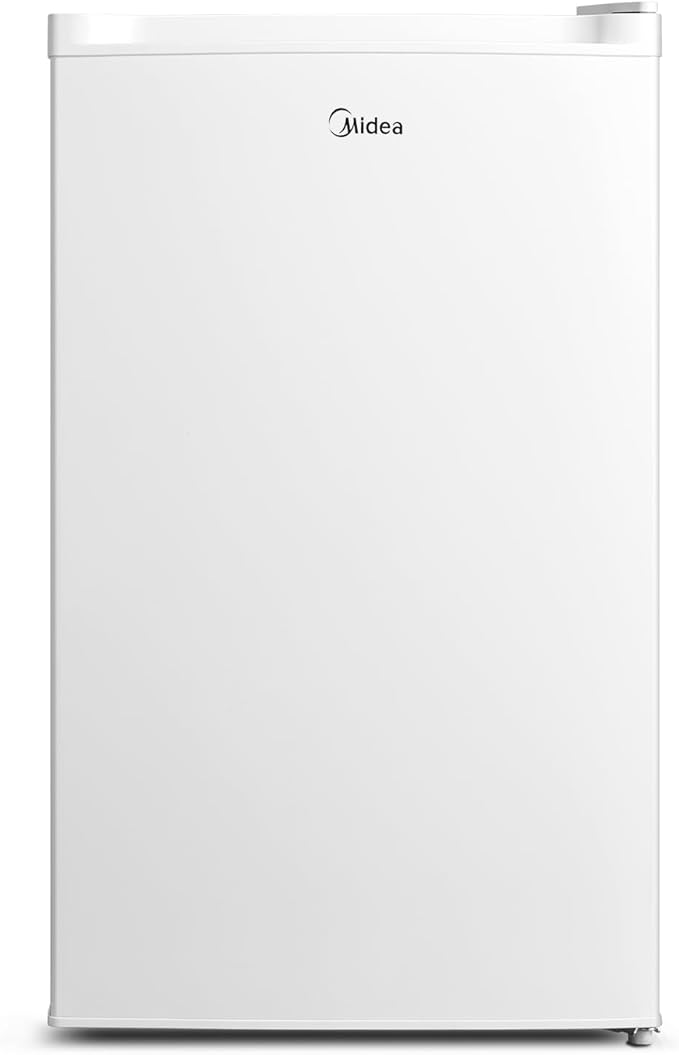
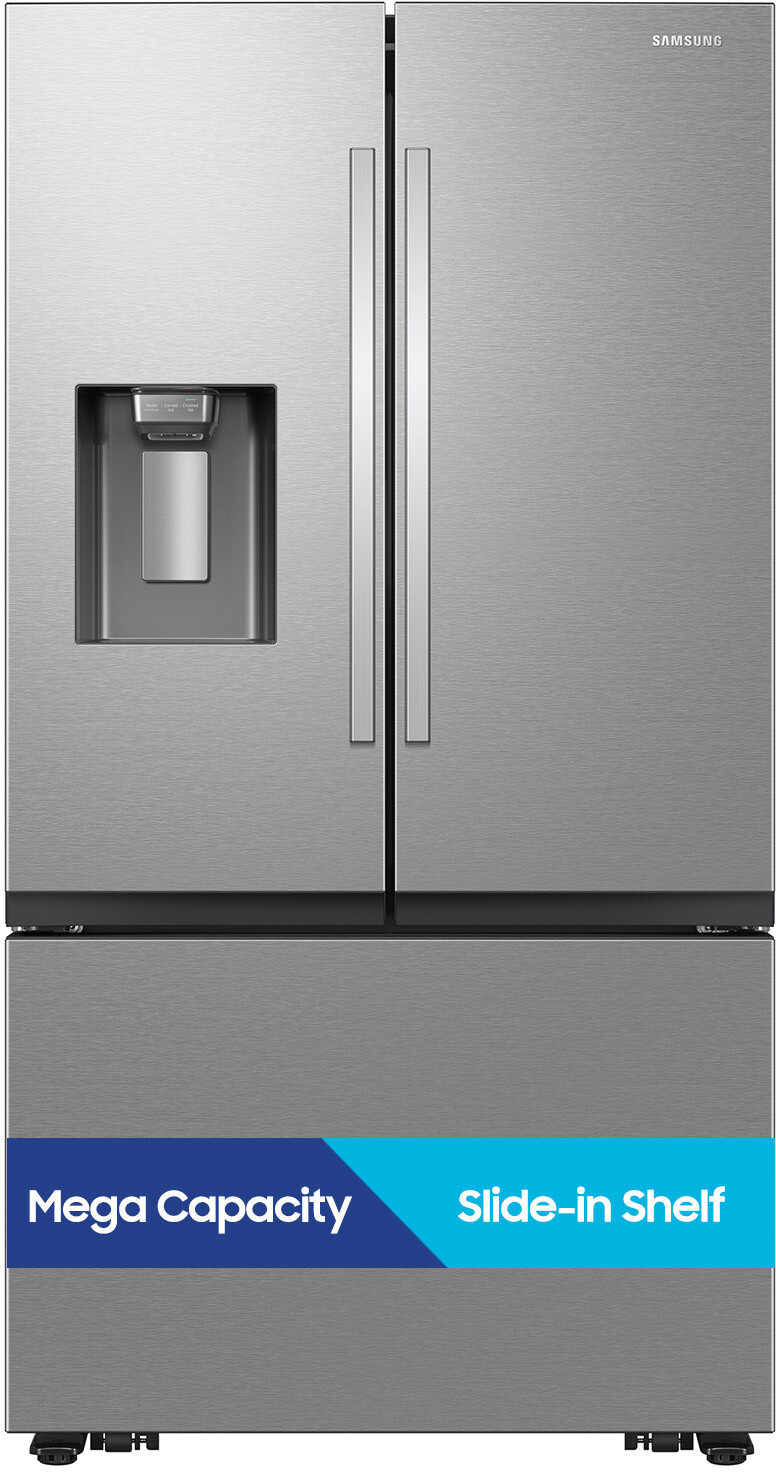
Freestanding fridges come in all shapes and sizes, making them a flexible choice for any kitchen. You can find them in finishes like stainless steel, black, and white, so matching your kitchen's vibe is a breeze. Plus, many models come loaded with extras like water dispensers, ice makers, and even smart tech.
Feature
Options Available
Finishes
Stainless Steel, Black, White
Extras
Water Dispensers, Ice Makers, Smart Tech
Door Styles
French Door, Side-by-Side, Top Freezer, Bottom Freezer
Curious about different fridge styles? Check out Fridge.com article on 4 door refrigerator Vs. side by side refrigerator.
Small Upright Freezers: Compact and Efficient
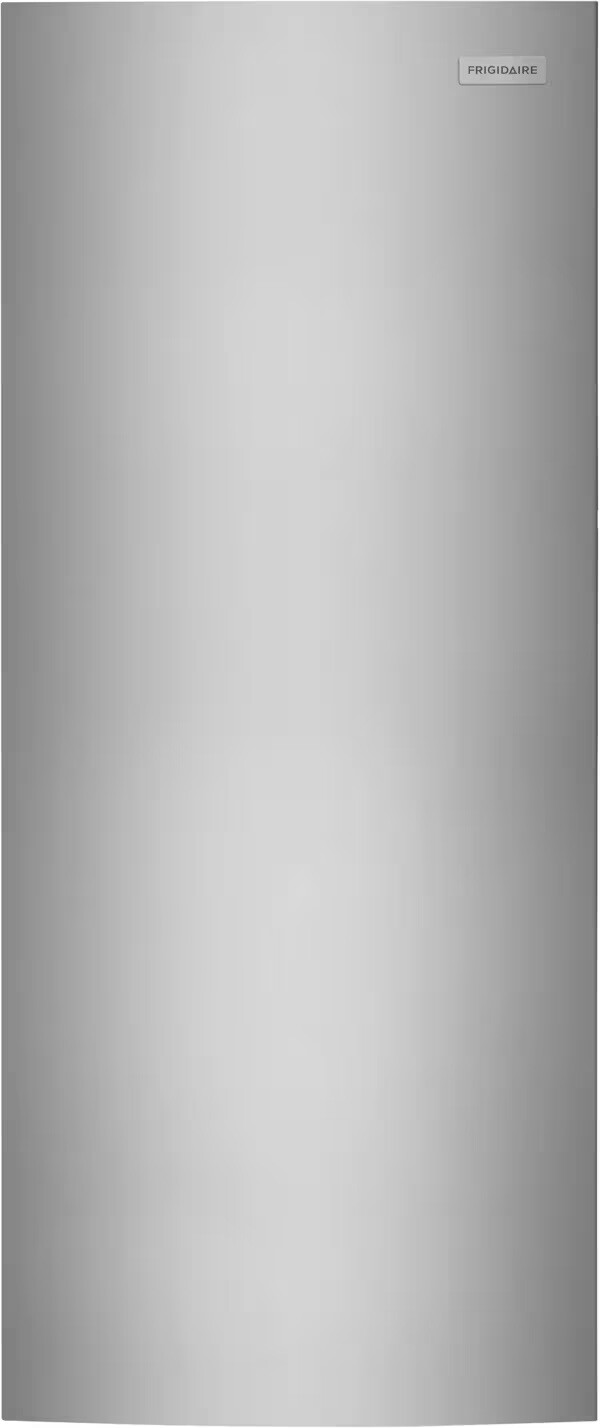
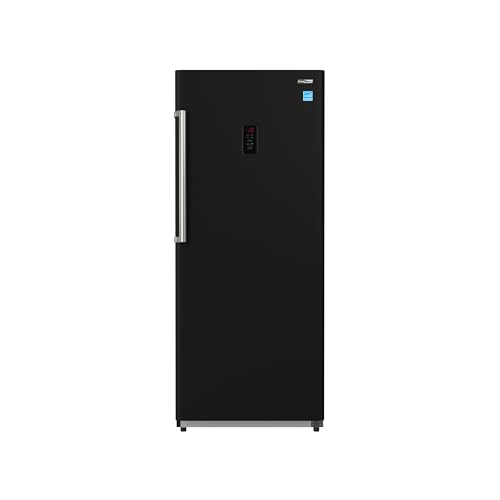
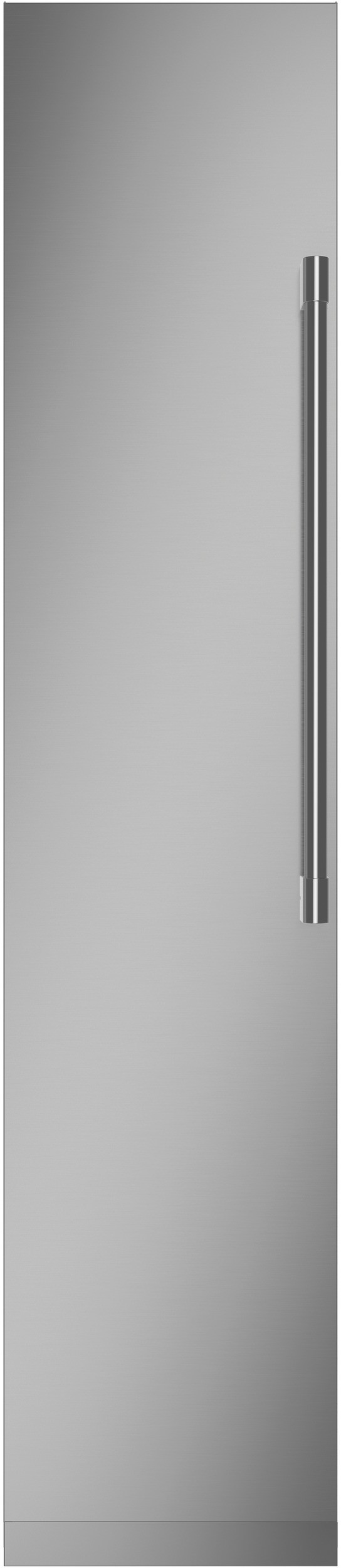
Small upright freezers are the go-to for tight spaces. They usually come in neutral colors like white or stainless steel, blending in easily. Some models even have reversible doors, adjustable shelves, and quick-freeze features to make life easier.
By weighing these design and placement factors, you can pick the appliance that fits your life and space. Whether you go for a freestanding fridge or a small upright freezer, make sure it suits your needs and blends into your home seamlessly.
Compare prices on Fridge.com
Compare current prices and specifications on Fridge.com, then buy from the retailer you choose; delivery, installation and warranty terms are the retailer’s.
It also has tons of awesome articles about kitchen stuff and home news. Enhance your home, garage, backyard, patio, and office with the coolest essentials. With every necessary type of residential refrigerator or freezer in the collection, you're covered.
Frequently Asked Questions
Freestanding refrigerators are like the Swiss Army knives of the fridge world. They don't need to be built into your kitchen cabinets, so you can put them pretty much anywhere. Here’s why they’re awesome:. Anywhere, Anytime: Got an outlet? You’ve got a spot for your fridge. Whether it’s your kitchen, garage, or even your man cave, these fridges fit right in. Size Matters: From tiny models perfect for a studio apartment to big ones that can handle a family’s worth of groceries, there’s a size for everyone. Plug and Play: No need to call in the pros. Just plug it in, and you’re good to go. Wallet-Friendly: Generally cheaper than built-in models, freestanding fridges give you more bang for your buck. Style Points: Stainless steel, black, white—you name it. There’s a finish to match your vibe.