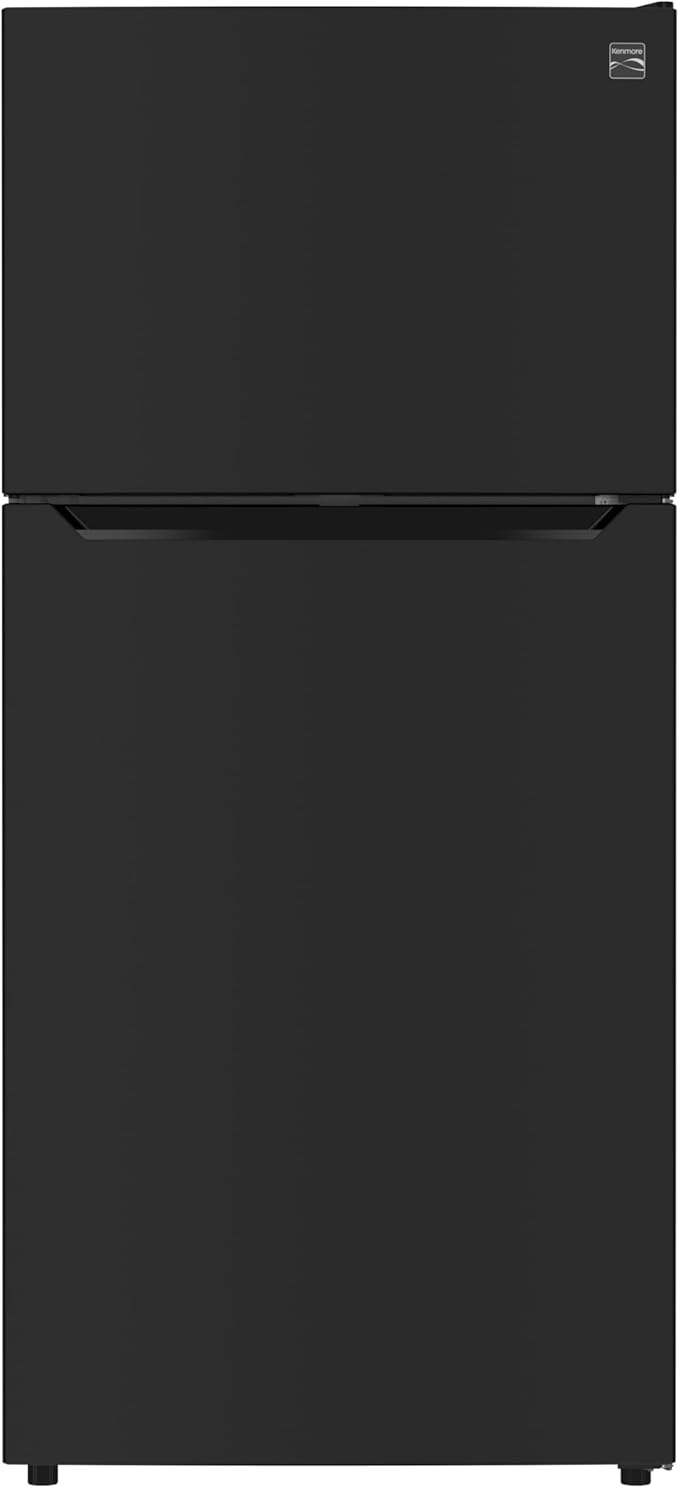
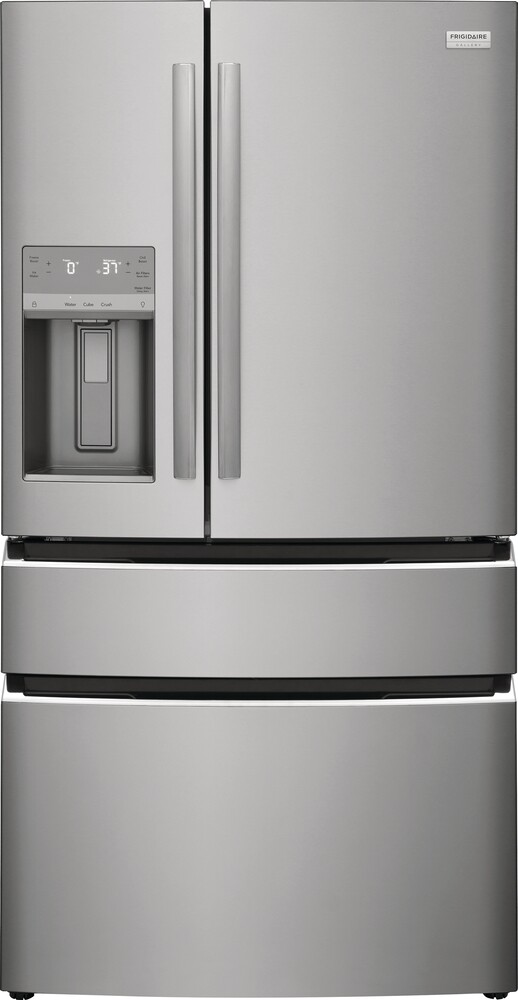
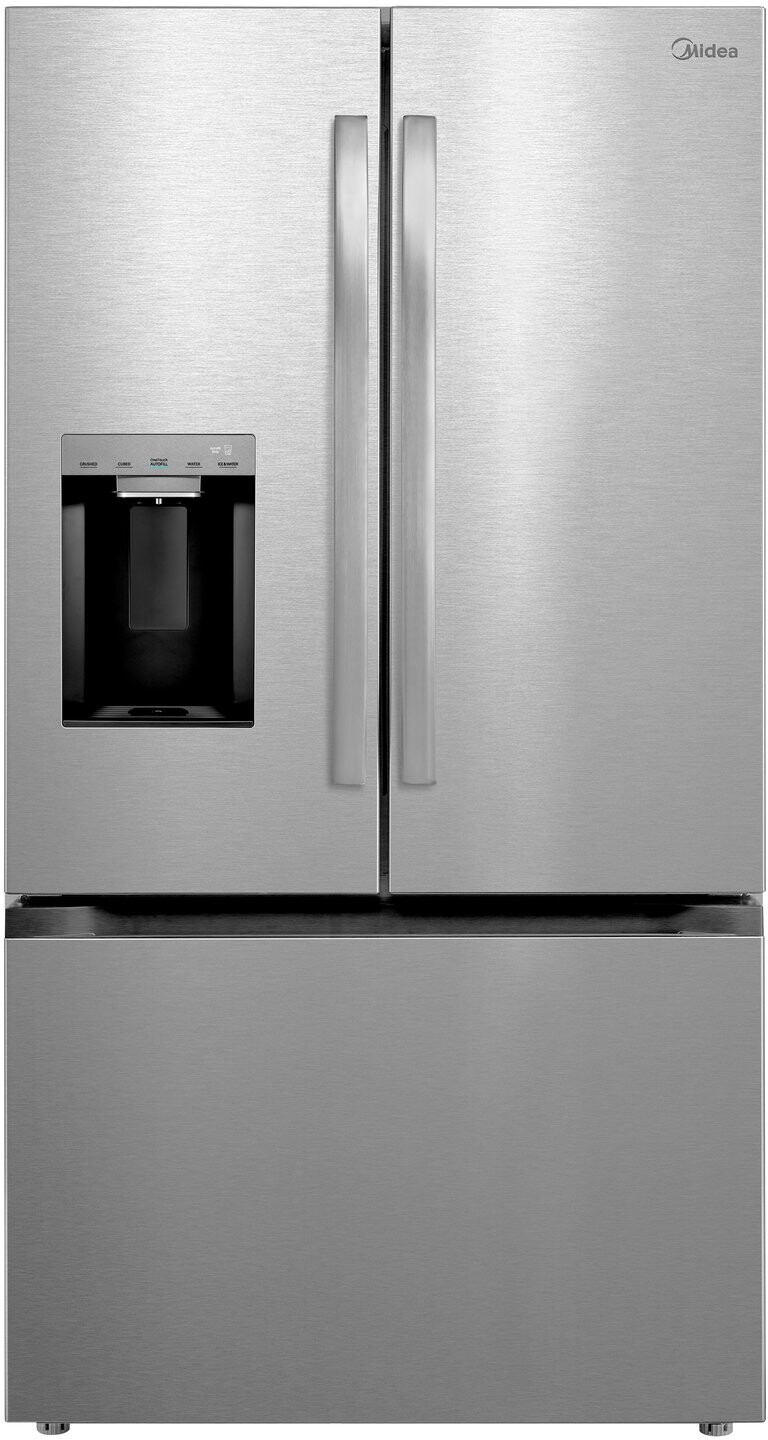
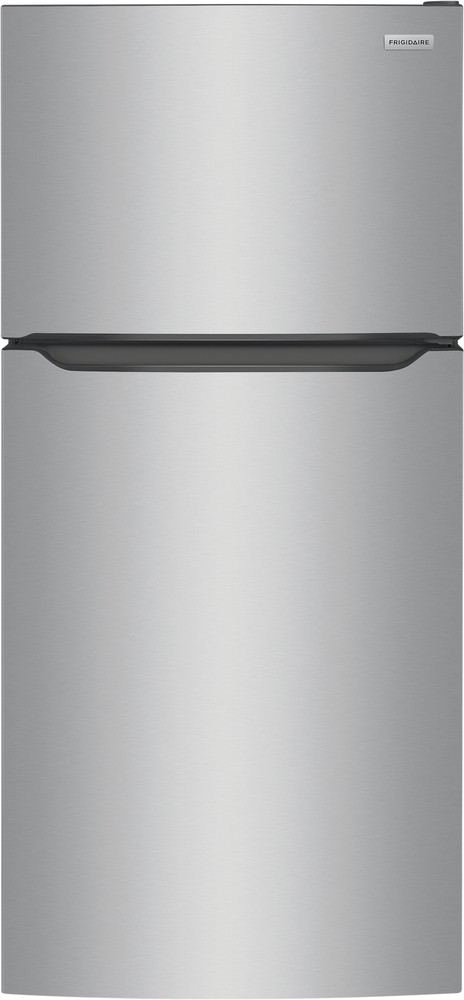
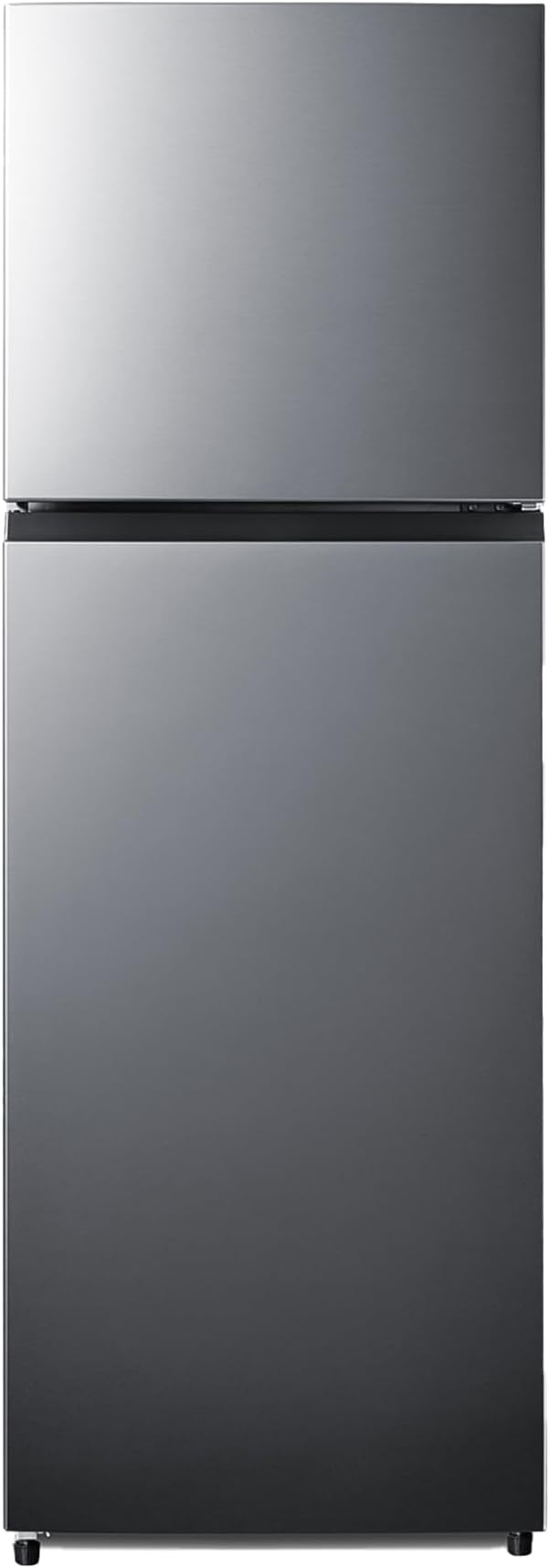
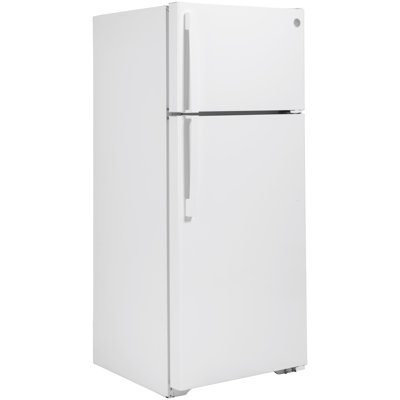
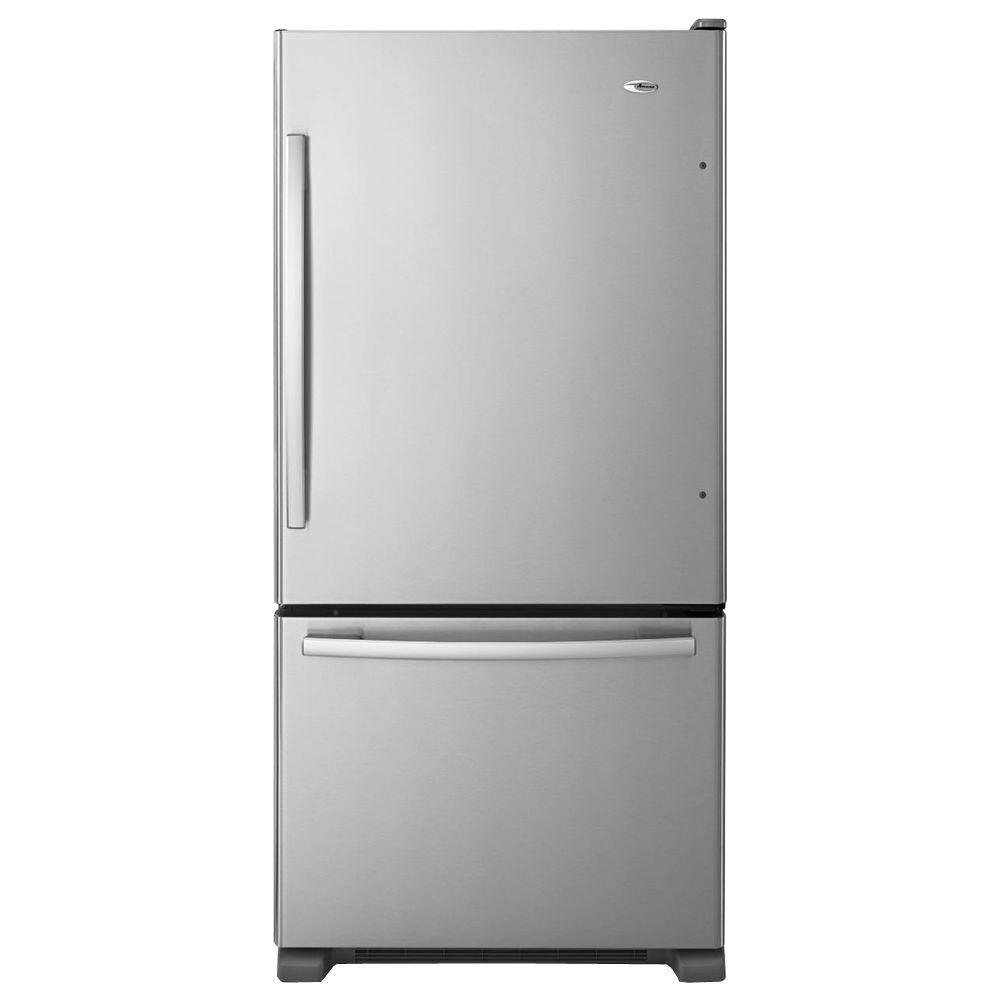
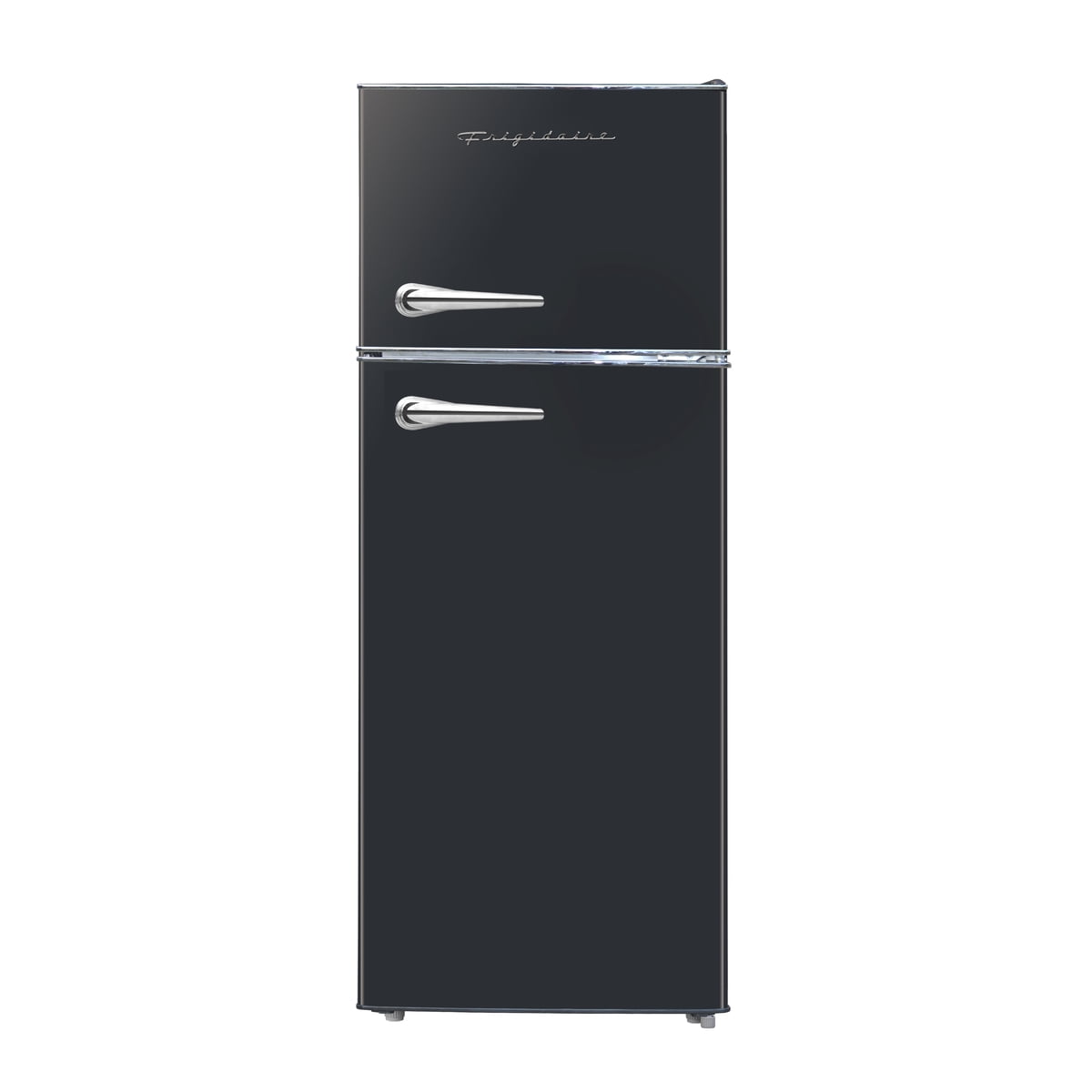
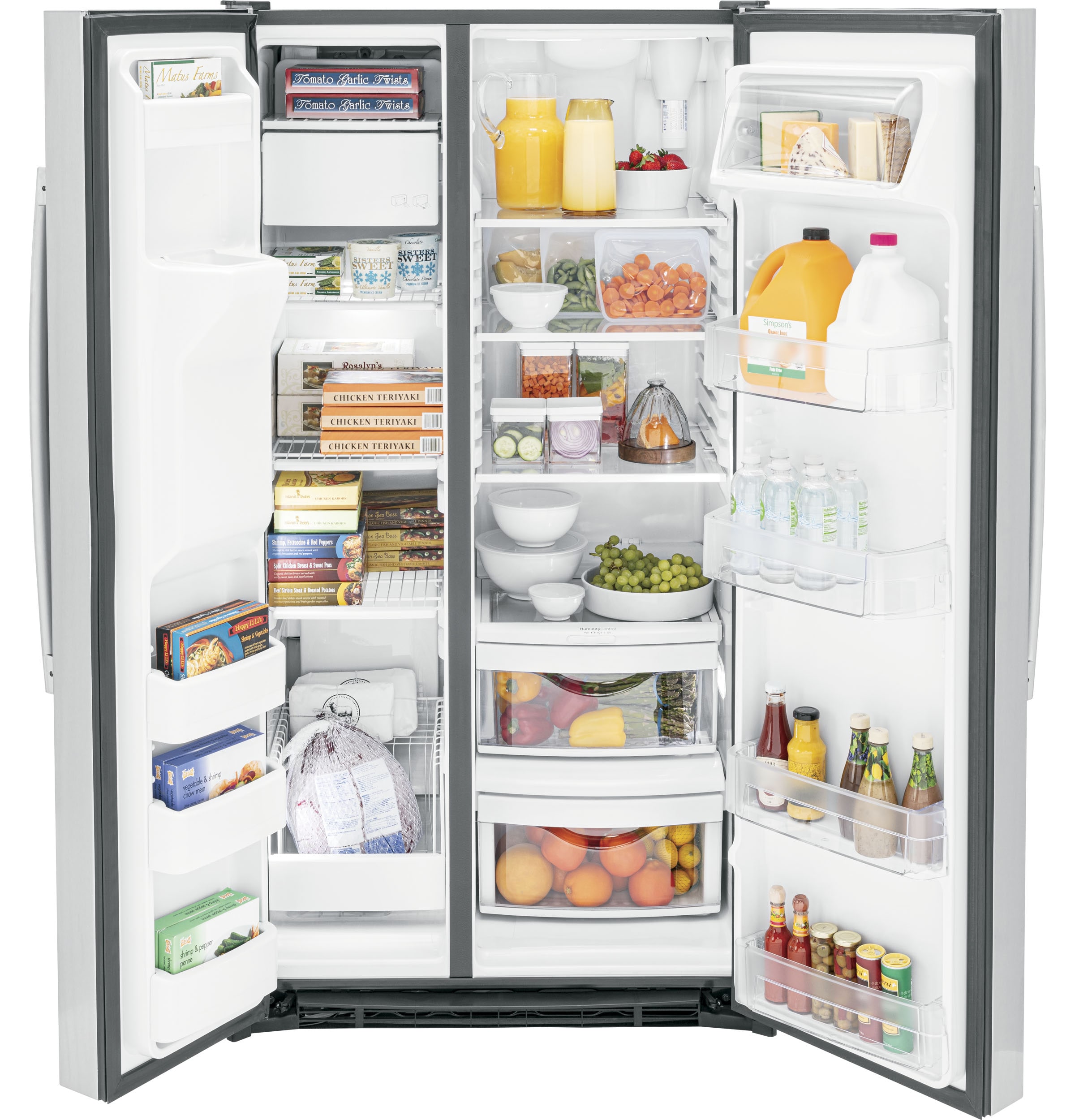
Freestanding fridges are refrigerators that stand on their own—not built into cabinetry. They can be moved, need no custom installation, and are the norm in most homes. This guide covers types, sizes, and what to look for when choosing a freestanding refrigerator.
What Freestanding Means
Freestanding refrigerators have finished sides and back and sit on the floor. They plug into a standard outlet and need clearance for the door to open. No cabinet cutout or trim kit is required. They are the opposite of built-in units, which are designed to sit flush with cabinets.
Freestanding units are movable. You can slide them out to clean the coils, replace them without modifying cabinetry, or take them with you if you move. Built-in units are integrated into the kitchen design and typically require professional installation and removal. For most homes, freestanding is the practical choice.
The U.S. Department of Energy (DOE) sets efficiency standards for refrigerators regardless of installation type. Freestanding and built-in units are tested the same way. ENERGY STAR certification applies to both. When comparing, focus on capacity, layout, and the EnergyGuide label.
Freestanding refrigerators vent from the back. They need 2 to 4 inches of clearance at the rear so the condenser can reject heat. Pushing the unit flush against the wall traps heat and forces the compressor to work harder. Built-in units often have front venting so they can be fully enclosed; freestanding units cannot be enclosed without blocking ventilation.
The finished sides of a freestanding unit mean it can stand in the middle of a room or against a wall without looking unfinished. Built-in units have unfinished sides that are hidden by cabinetry. If you are not doing a full kitchen remodel, a freestanding unit is the standard choice.
Top-freezer, bottom-freezer, French door, and side-by-side are all available as freestanding units. Compact (under 18 cu ft), apartment (10–18 cu ft), and full-size (22–28+ cu ft) refer to capacity. Choose by layout and how much storage you need.
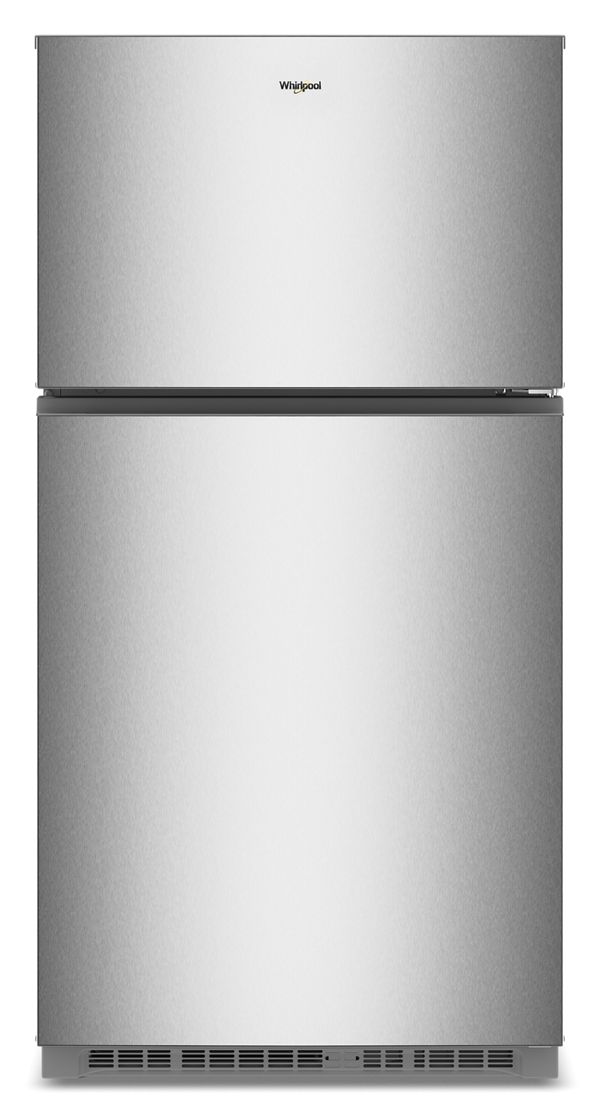
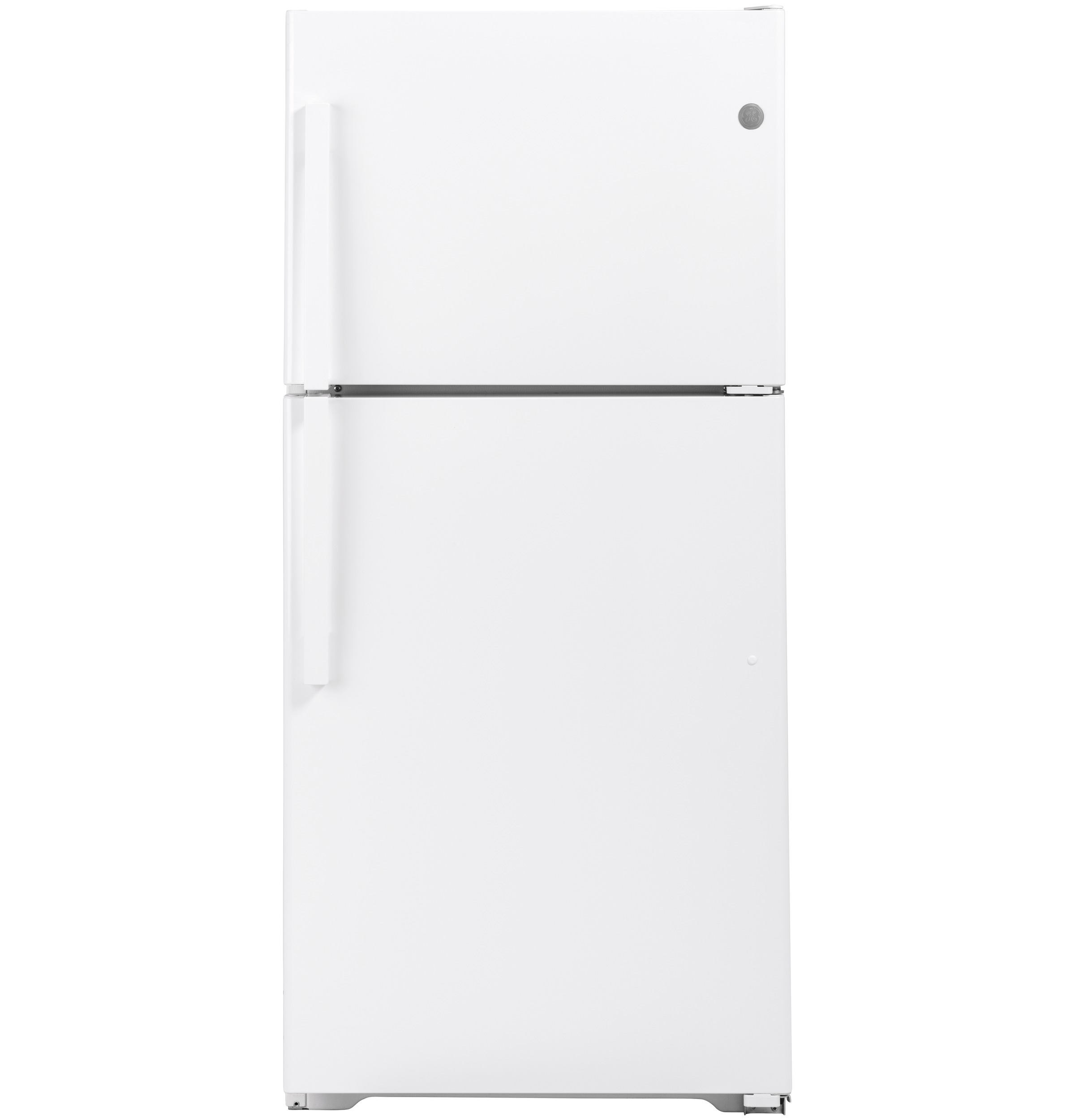
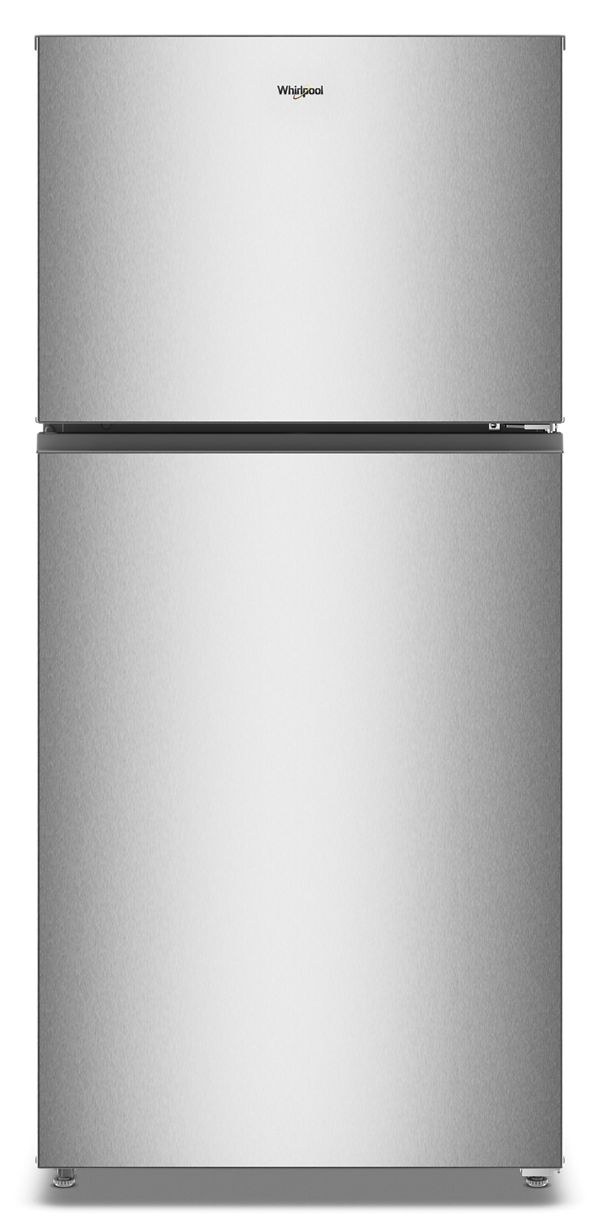
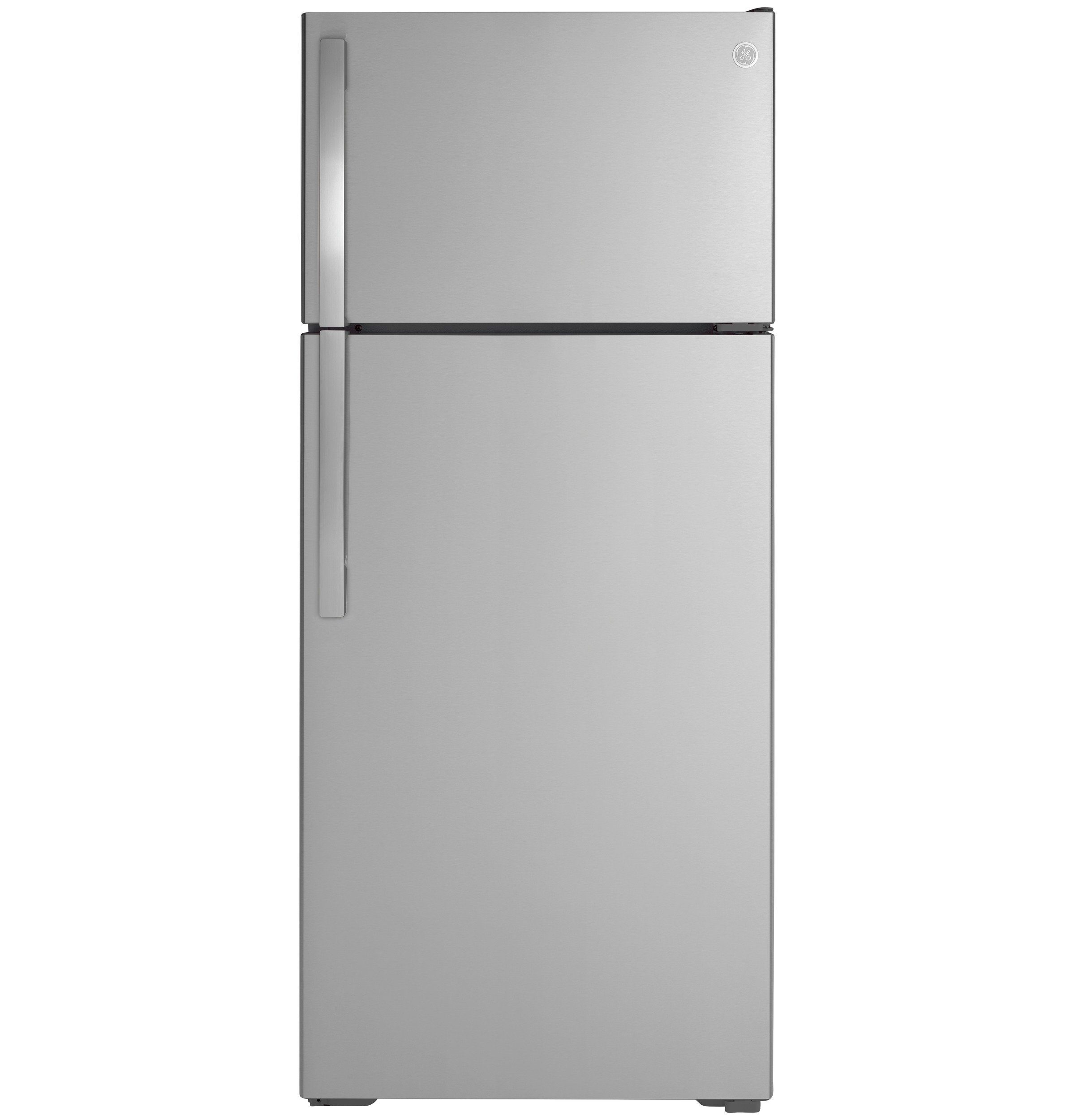
Top-freezer units have the freezer above the refrigerator. They are simple, reliable, and often the least expensive. Bottom-freezer units have a freezer drawer below; the refrigerator is at eye level. French door units have two fridge doors and a freezer drawer; they offer wide access and flexible storage. Side-by-side units have the fridge on one side and freezer on the other; narrow doors suit tight kitchens.
Capacity determines how much you can store. The USDA recommends 40°F or below for the refrigerator and 0°F or below for the freezer. All freestanding refrigerators maintain these temperatures. Match capacity to your household size and shopping habits.
Top-freezer models tend to use less energy per cubic foot because the freezer is at the top where cold air naturally settles. French door and bottom-freezer models put the refrigerator at eye level, which many users prefer for daily access. Side-by-side units have narrow doors that fit in tight spaces but may have a narrower freezer that cannot accommodate wide items like pizza boxes.
Counter-depth freestanding units are shallower (24–28 inches) and align with standard cabinets. Standard-depth units (30–34 inches) stick out more but offer more capacity. In a small kitchen, counter-depth may be the only option. In a larger kitchen, standard-depth offers more storage for the same footprint.
Compact units (under 18 cubic feet) suit one- or two-person households and small kitchens. Apartment-size units (10 to 18 cubic feet) suit renters and tight spaces. Full-size units (22 to 28+ cubic feet) suit families and anyone who stocks up.
The DOE measures capacity using standardized procedures. Numbers are comparable across brands. A 20-cubic-foot unit has roughly 14 cubic feet of refrigerator space and 6 cubic feet of freezer—enough for a family of four. Larger households may want 24 to 28 cubic feet.
The USDA FoodKeeper app and storage guidelines emphasize that proper refrigeration extends the safe storage time of perishables. A refrigerator that is too small forces you to overcrowd shelves, which blocks airflow and can raise the temperature. Match capacity to your typical grocery load. If you buy in bulk or cook from scratch often, err on the side of more capacity.
Households that entertain frequently may need extra capacity for party platters, beverages, and leftovers. A 22-cubic-foot unit may be sufficient for daily use but cramped during the holidays. Consider your peak usage when sizing, not just average usage.
Placement and Ventilation
Leave clearance at the back and sides per the manual so the condenser can reject heat. Do not push the fridge flush against the wall. Ensure the door can open fully.
Condenser coils need airflow. The manual specifies clearance—typically 2 to 4 inches at the back and 1 to 2 inches on the sides. Blocking ventilation causes the compressor to overwork and can shorten the unit's life. Clean the coils every 6 to 12 months; dirty coils increase energy use by 10 to 30 percent, according to the DOE.
Door swing matters. Ensure there is room for the door to open 90 degrees or more. In a tight kitchen, a unit with a reversible door may help. Check the manual for door reversal instructions.
Place the refrigerator away from heat sources. Ovens, dishwashers, and direct sunlight raise the ambient temperature and force the compressor to run more often. The U.S. Energy Information Administration (EIA) notes that refrigeration accounts for a meaningful share of household electricity use; placement in a cool location reduces that load.
Measure the delivery path before purchasing. Full-size refrigerators are heavy and bulky. Ensure the unit can fit through doorways, around corners, and into the kitchen. Some units require removal of doors or handles to fit through narrow openings. Check the manufacturer's dimensions and your home's layout.
The DOE sets efficiency standards for refrigerators. ENERGY STAR certifies models that exceed them. The EnergyGuide label shows estimated yearly kWh. The U.S. Energy Information Administration (EIA) reports that refrigeration accounts for a meaningful share of household electricity use.
At typical rates (15 cents per kWh), a 20-cubic-foot freestanding fridge might use 400 to 600 kWh per year—roughly $60 to $90. Larger units use more; compact units use less. ENERGY STAR models typically use 15 to 20 percent less than the minimum standard.
ENERGY STAR-certified refrigerators use at least 15 percent less energy than the federal minimum. Over the life of the appliance, that can save hundreds of dollars. The yellow EnergyGuide label on each unit shows estimated yearly cost based on national average electricity rates; adjust for your local rates from the EIA.
Older refrigerators—10 or 15 years old—may use twice as much energy as new models. Replacing an old unit with an ENERGY STAR model can cut your refrigeration bill significantly. The savings may offset the cost of a new unit within a few years, depending on your current unit's age and efficiency.
Freestanding is the choice when you want flexibility, easier installation, and lower cost. Built-in units integrate with cabinetry and require professional installation. Freestanding units can be moved, replaced without cabinet work, and placed anywhere with floor space and power.
Renters should choose freestanding. Homeowners doing a remodel can choose either based on design goals and budget. For most homes, freestanding is the practical option.
Freestanding units are easier to replace. When the unit fails or you want to upgrade, you unplug it, move it out, and bring in a new one. No cabinet work, no trim kit, no need to match an existing opening. Built-in units require finding a replacement that fits the same dimensions or modifying the cabinetry.
Clean the condenser coils every 6 to 12 months. Check the door seal periodically. Wipe the interior occasionally. Keep the refrigerator at 37–40°F and the freezer at 0°F. Proper care extends the life of the unit.
Dirty condenser coils reduce heat rejection and force the compressor to run longer. The DOE notes that coils coated with dust and pet hair can increase energy use by 10 to 30 percent. Locate the coils—often at the back or bottom of the unit—and vacuum or brush them clean. Unplug the unit before cleaning if the coils are in an area where you might touch electrical components.
A worn door gasket allows cold air to escape and warm air to enter. Test the seal by closing the door on a dollar bill; if it slides out easily, the gasket may need replacement. Wipe the gasket with a damp cloth to remove debris that can prevent a tight seal. Replace the gasket if it is cracked, torn, or no longer flexible.
Common Mistakes to Avoid
Do not push the refrigerator flush against the wall. Rear clearance is essential for the condenser to reject heat. Blocking ventilation causes overheating, increased energy use, and shortened compressor life. Follow the manual's clearance requirements.
Do not ignore the door seal. A damaged or dirty gasket wastes energy and can allow the refrigerator to drift above safe temperature. The USDA recommends 40°F or below for the refrigerator and 0°F or below for the freezer. A failing seal makes it harder for the unit to maintain those temperatures.
Do not overload the refrigerator. Crowding blocks airflow and creates hot spots. Perishables in the back or in crowded drawers may not stay cold enough. Leave space between items for air to circulate. Organize so that the most perishable items are in the coldest zones.
Freestanding refrigerators are standalone, movable units with finished sides and back. They plug into a standard outlet and need no cabinet cutout. Choose by layout (top-freezer, bottom-freezer, French door, side-by-side), capacity (10–28+ cu ft), and dimensions. The DOE sets efficiency standards; ENERGY STAR certifies efficient models. Leave clearance for ventilation and door swing. Clean condenser coils and check door seals regularly. For more help comparing models and current prices, browse refrigerators.
Frequently Asked Questions
A freestanding fridge is a refrigerator that stands on its own and does not require built-in installation. It has finished sides and back, plugs into a standard outlet, and can be placed wherever you have floor space and power.
From Fridge.com research
Figures below come from data Fridge.com builds and maintains. Each links to the record behind it.
Fridge.com Energy Index, built on U.S. EPA and DOE ENERGY STAR records
Across 5,455 ENERGY STAR certified refrigerators and freezers from 263 brands, median use is 360 kWh per year.