Freestanding drawer refrigerators have pull-out drawers and fit under a counter; upright refrigerators have a front-opening door and stand at full height. They serve different roles. This guide compares drawer and upright refrigerators so you can choose the right option for your space and needs.
Drawer Refrigerator
Drawer units are about 34 in. tall and sit under a counter. You open drawers to access contents. Capacity is often 5–15 cu ft. No door swing, so they fit in tight spaces. Used as a second fridge or beverage center.
Drawer refrigerators are designed for under-counter installation. They have one or more horizontal drawers that pull out. No door means no door swing—they fit in alcoves, islands, and bars where a full-height unit would not. The U.S. Department of Energy (DOE) measures capacity in cubic feet; 5 to 15 cubic feet provides meaningful storage for a secondary location.
Drawer units typically do not have a freezer. They are refrigerator only, running at 37–40°F as the USDA recommends. They hold beverages, condiments, and some fresh food. They are not designed for full grocery storage or frozen items.
Drawer refrigerators complement a main refrigerator. They add cold storage in a specific location—often near a prep area, bar, or island. They cannot replace a primary fridge.
The drawer design offers ergonomic benefits. You pull out a drawer to access contents at waist level rather than bending into a deep cabinet. Drawers can be organized by type—one for beverages, one for overflow produce. The lack of a door swing makes them suitable for tight spaces. Installation requires a 34- to 35-inch cabinet opening and adequate ventilation.
Upright Refrigerator
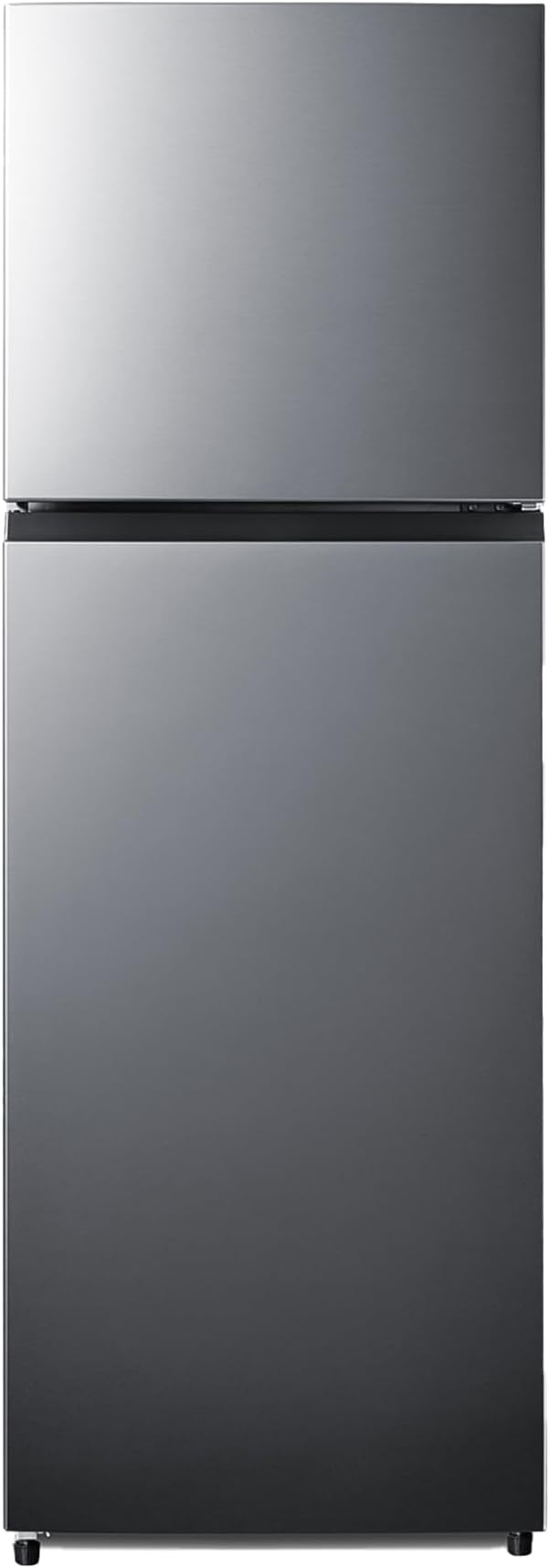
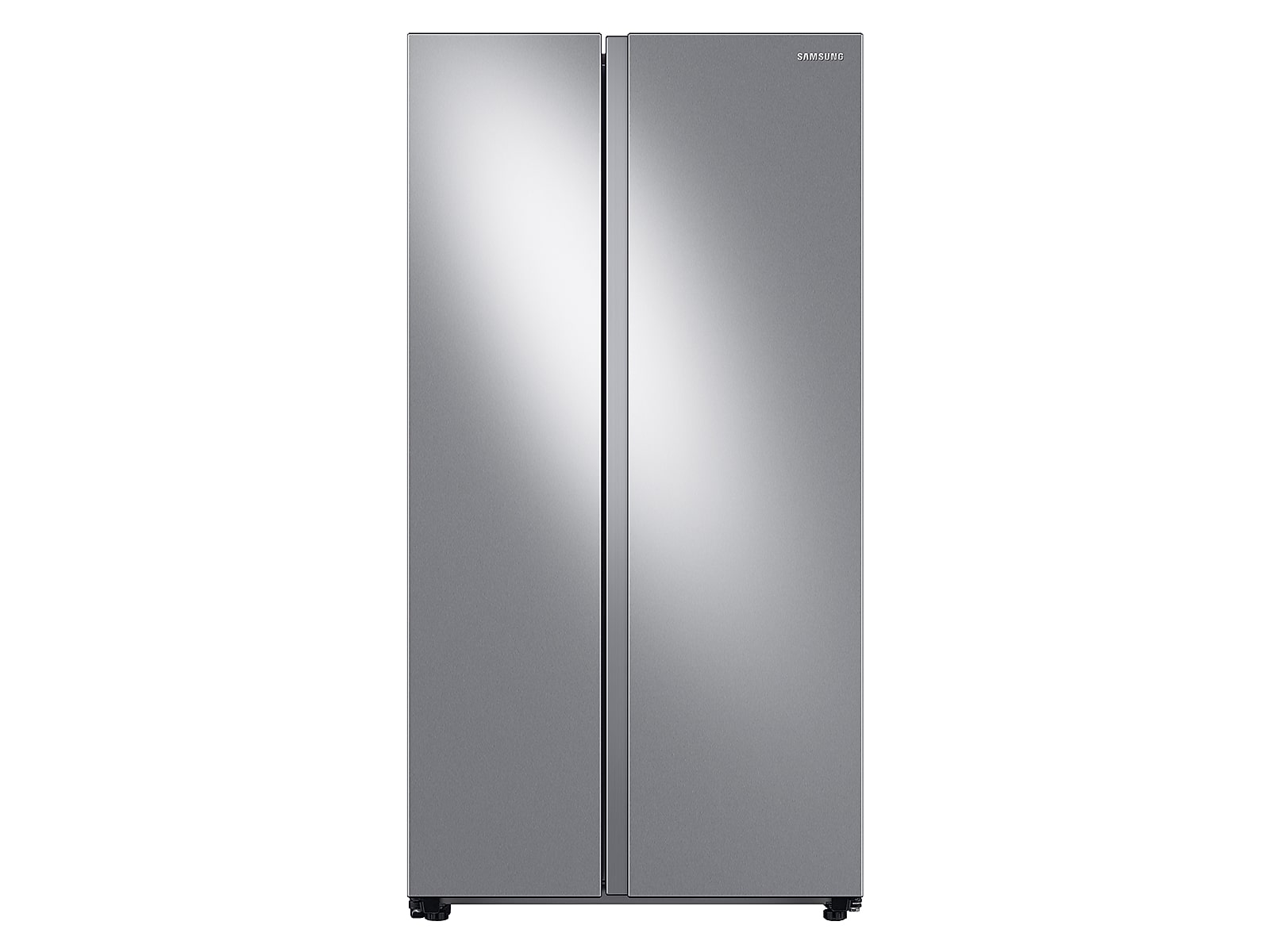
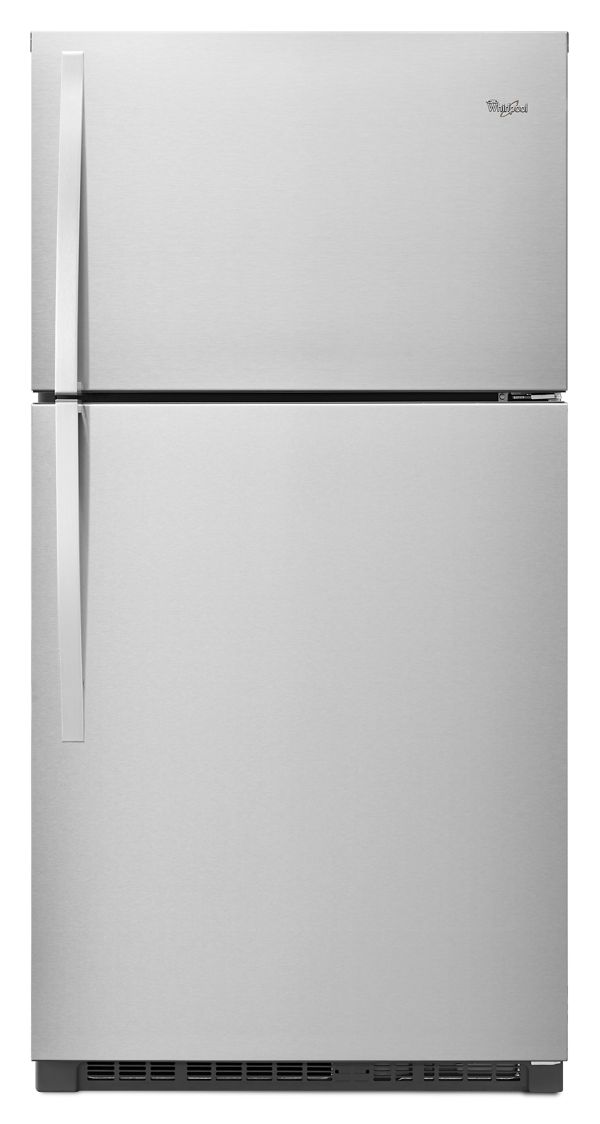
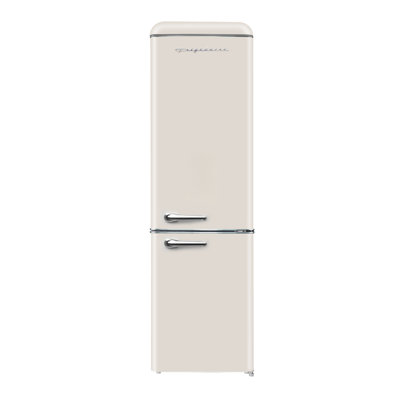
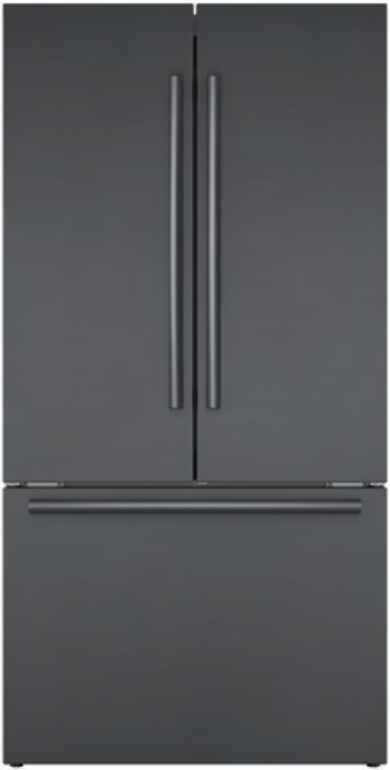
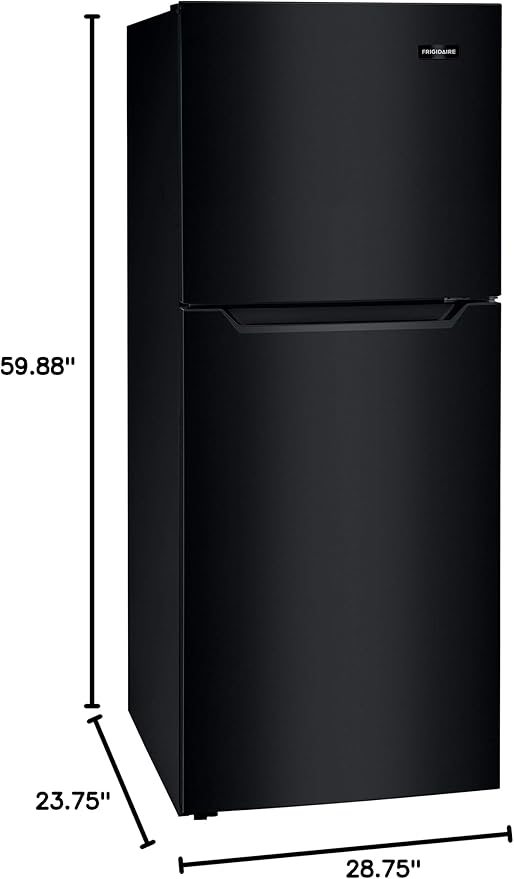
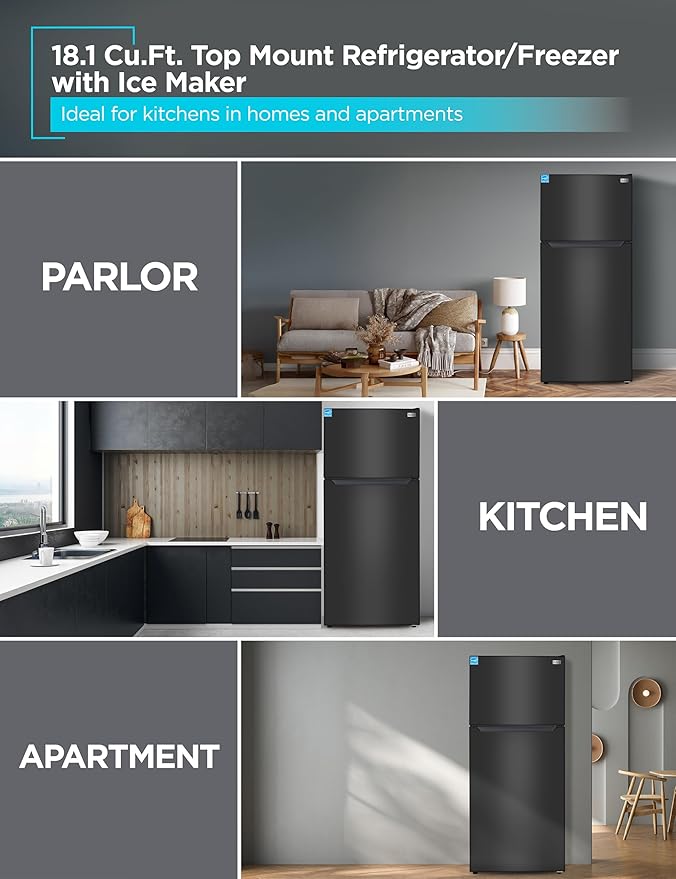
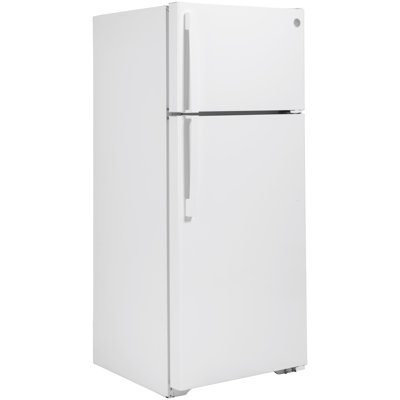
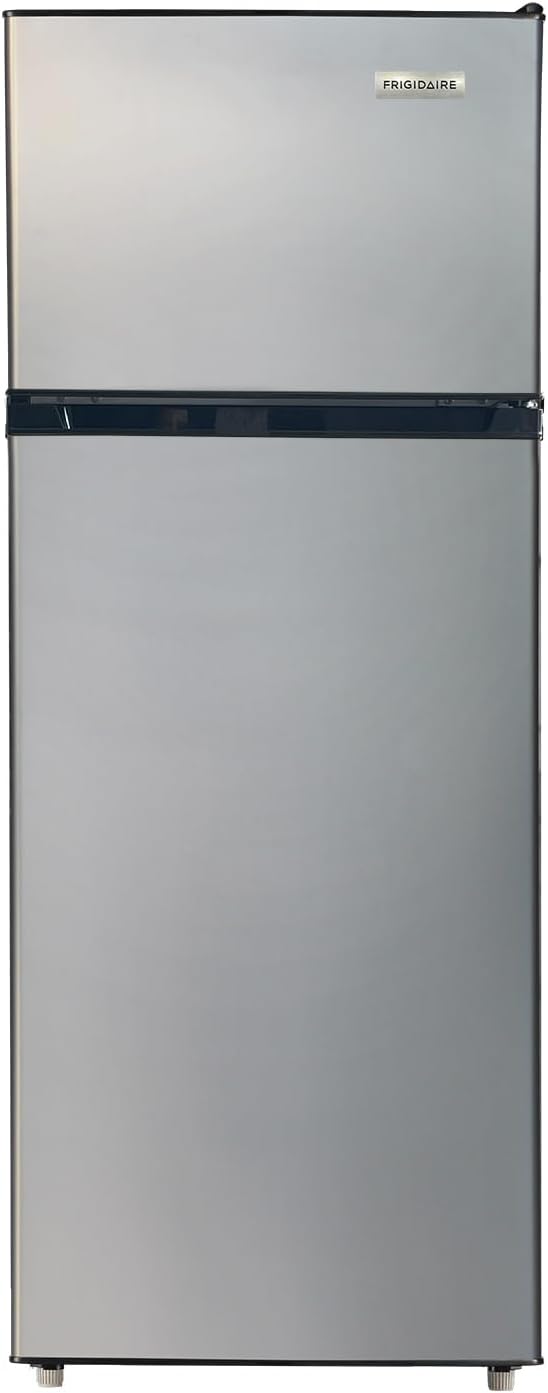
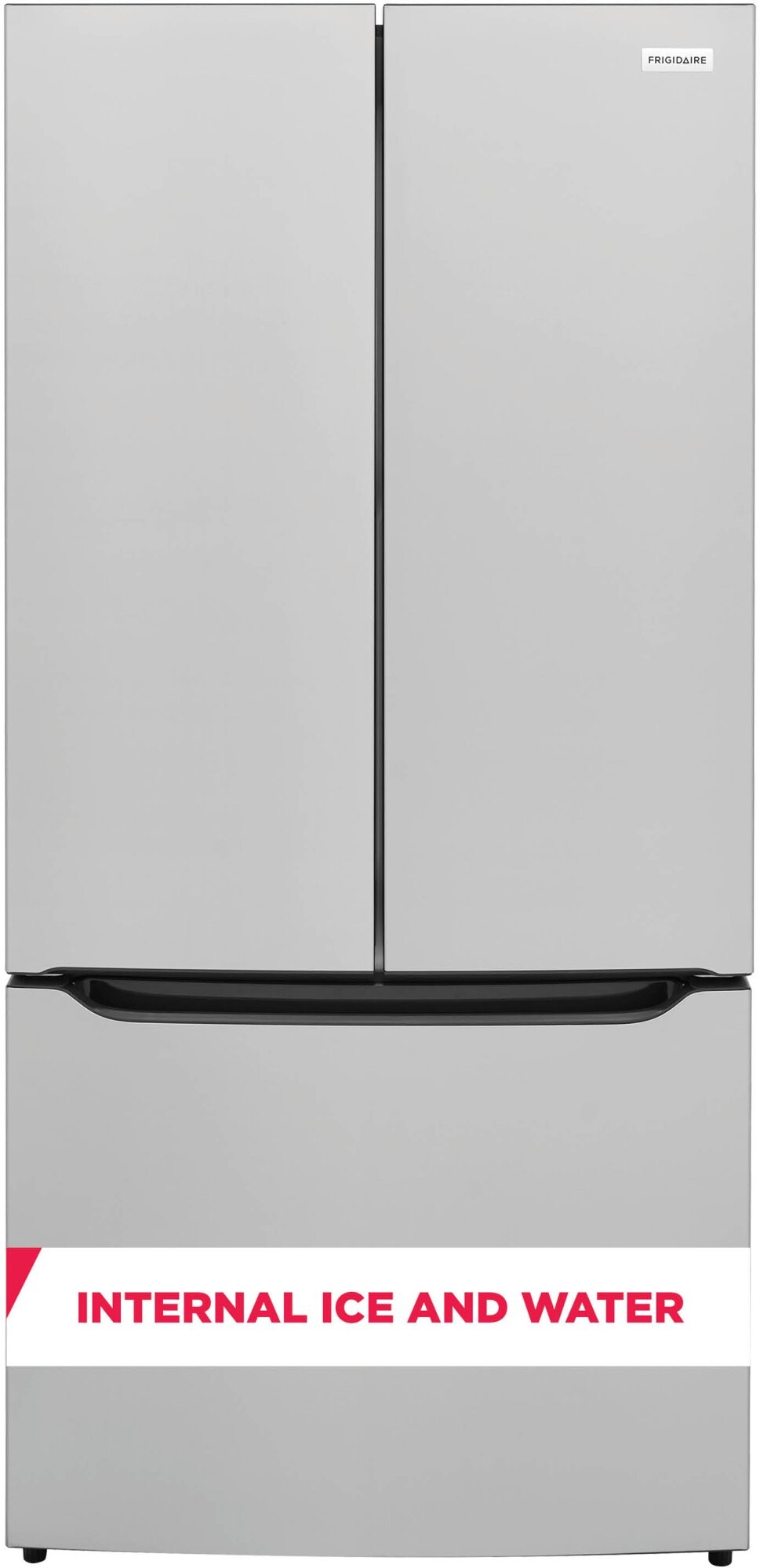
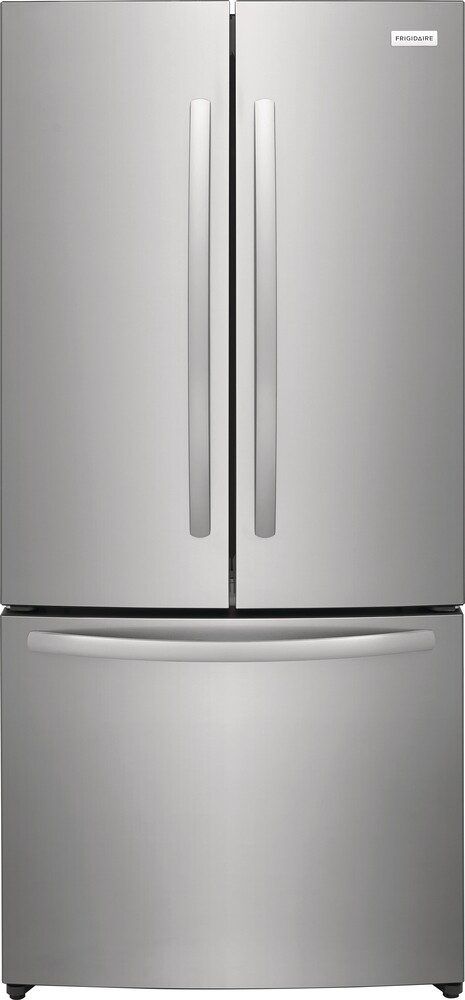
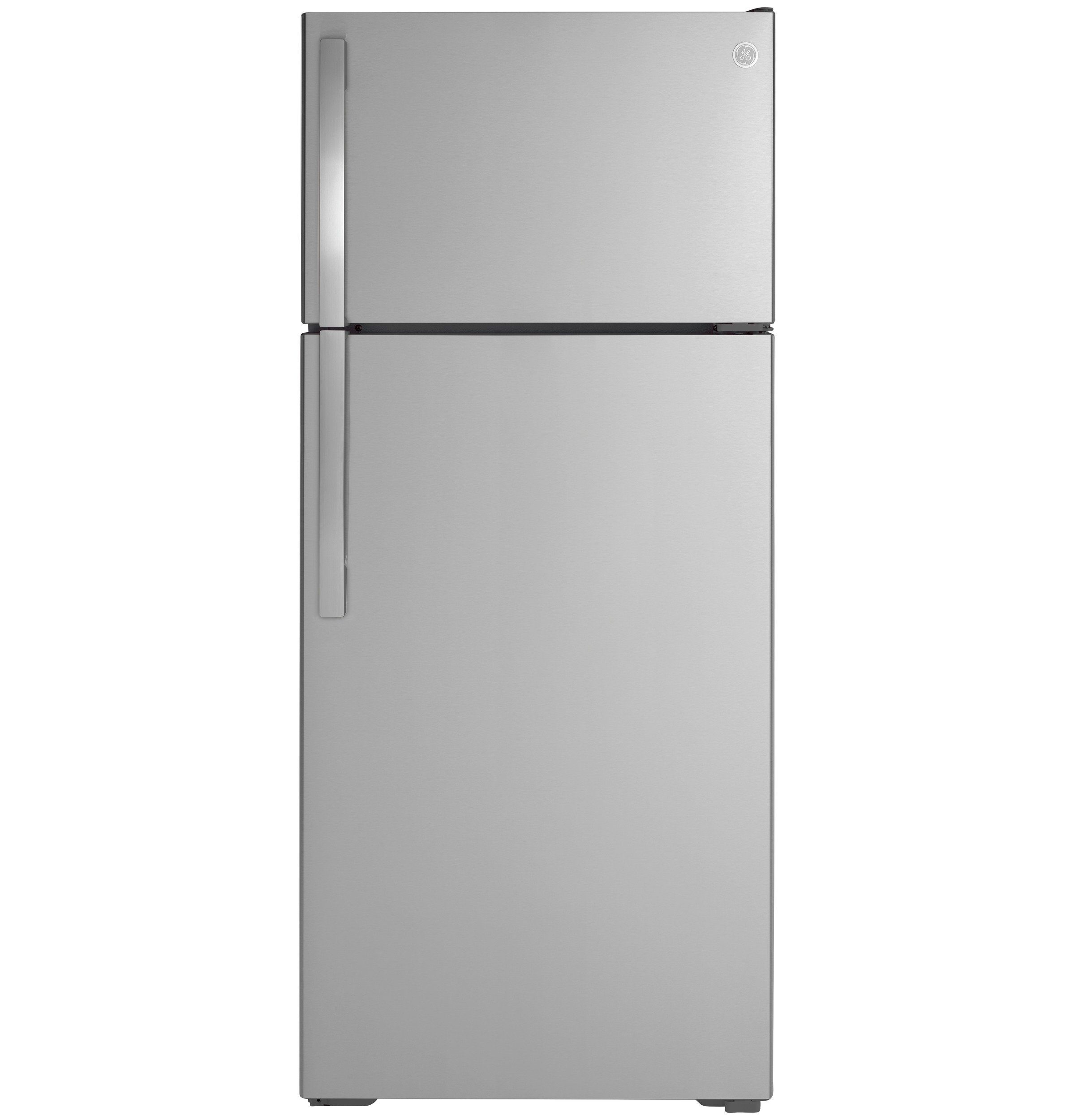
Upright refrigerators are 60–67 in. tall with a door (or doors) that open from the front. They hold 10–28+ cu ft and usually include a freezer. They are the standard main kitchen fridge.
Upright refrigerators have a freezer compartment—top, bottom, or side. They maintain 40°F or below in the refrigerator and 0°F or below in the freezer. They hold fresh food, dairy, produce, leftovers, and frozen items. They are the primary food storage for most households.
Upright refrigerators need floor space and door clearance. A 36-inch-wide unit needs room for the door to open—typically 90 degrees or more. They are not portable; they are placed and left. They require a standard fridge opening between cabinets or in an alcove.
The DOE sets efficiency standards for refrigerators. ENERGY STAR certifies efficient models. The EnergyGuide label shows estimated yearly kWh. Upright refrigerators are full-size appliances tested under federal standards.
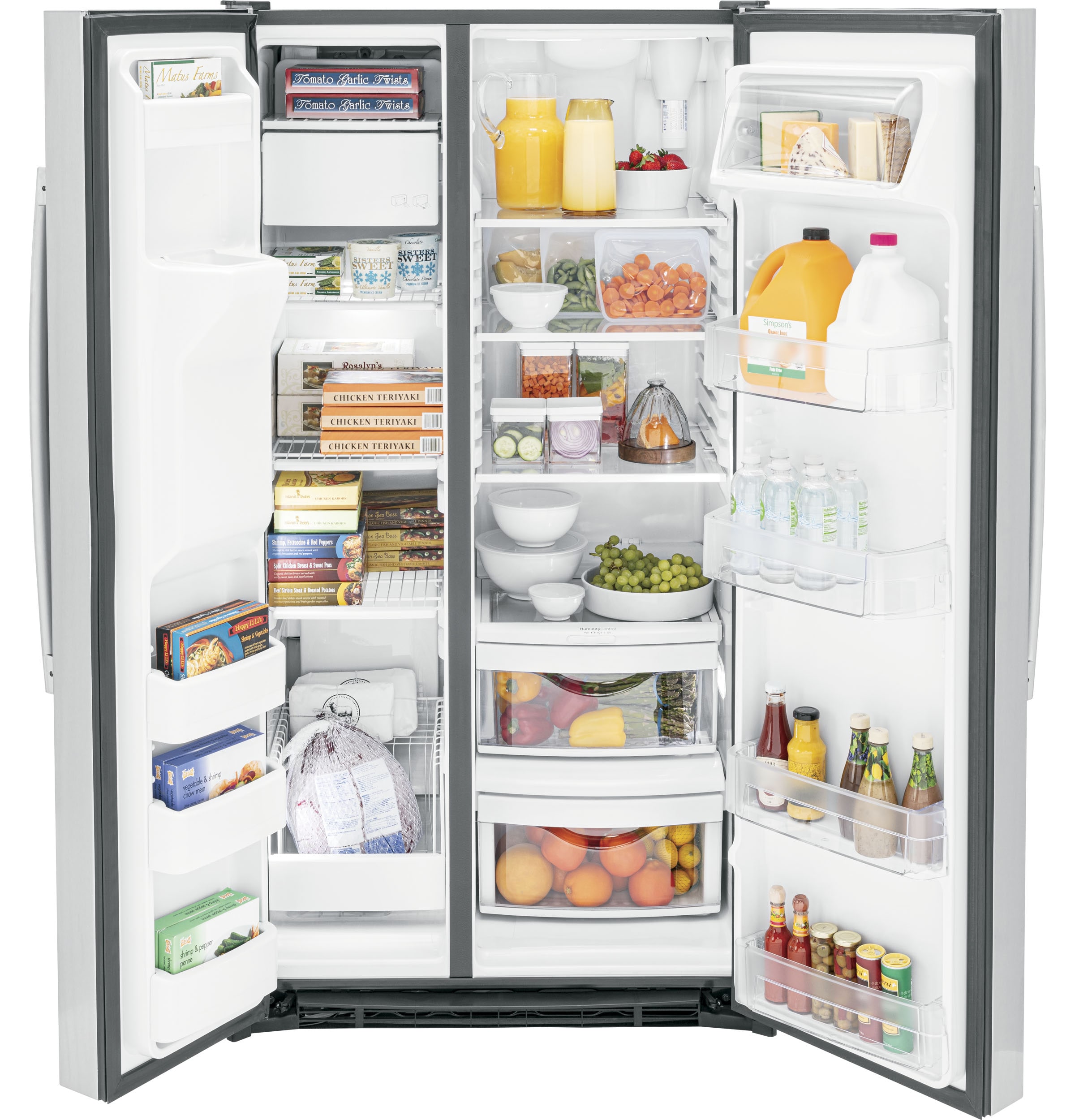
Upright refrigerators offer features that drawer units lack: adjustable shelves, humidity-controlled crispers, ice makers, and water dispensers. These features support daily meal prep and food storage. The freezer compartment stores frozen vegetables, meat, ice cream, and prepared meals—essential for most households. The USDA recommends 40°F or below for the refrigerator and 0°F or below for the freezer.
Capacity and Freezer
Drawer refrigerators hold 5 to 15 cubic feet with no freezer. Upright refrigerators hold 10 to 28+ cubic feet with a freezer compartment. The USDA recommends 0°F or below for frozen food. Only an upright with a freezer can achieve that.
Drawer units cannot store frozen items. If you need ice, frozen meals, or long-term frozen storage, an upright is required. The capacity gap is large—a drawer unit is supplementary, not a primary fridge. If you need a main fridge for groceries and frozen food, an upright (or another full-size layout) is required.
The USDA FoodKeeper app and storage guidelines emphasize that frozen food must be kept at 0°F or below to maintain safety and quality. Refrigerated food should be kept at 40°F or below. Drawer refrigerators meet the refrigerator requirement but cannot provide freezer storage. An upright refrigerator meets both requirements in a single unit.
Drawer refrigerators need under-counter space—typically a 24- to 30-inch width and 34- to 35-inch height. They fit in kitchen islands, bars, and butler's pantries. Upright refrigerators need a 30- to 36-inch opening and floor space for the door to open.
Drawer units pull out—no door swing. Upright units need room for the door to open 90 degrees or more. In a kitchen with space for a full-height unit, an upright is the main fridge. In an island with under-counter space, a drawer unit adds secondary storage.
Drawer units require a cabinet opening with precise dimensions. Standard widths are 24 and 30 inches; height is typically 34 inches. Ventilation requirements vary—some units vent from the front and can be fully enclosed; others need rear clearance. Upright refrigerators need space for the door to swing open and adequate clearance at the back for the condenser.
The DOE sets efficiency standards for refrigerators. Upright refrigerators are the primary category; drawer units may be classified by size. ENERGY STAR certifies efficient models. The U.S. Energy Information Administration (EIA) reports average electricity prices.
At typical rates, an upright might use 400 to 600 kWh per year; a drawer unit might use 200 to 300 kWh. At 15 cents per kWh, an upright might cost $60 to $90 per year; a drawer unit might cost $30 to $45 per year. Both need ventilation—drawer units under a counter need rear or front clearance; uprights need space around the condenser. Blocking vents causes overheating.
The U.S. Energy Information Administration (EIA) reports average electricity prices by region. ENERGY STAR-certified refrigerators use at least 15 percent less energy than the federal minimum. When comparing models, check the EnergyGuide label for estimated yearly kWh. Proper ventilation helps both types run efficiently and last longer.
When to Choose Each
Choose an upright refrigerator for the main kitchen fridge—daily groceries, leftovers, freezer storage. Upright refrigerators are for primary food storage. They cannot be replaced by a drawer unit.
Choose a drawer refrigerator for a bar, island, or second cooling zone where you need beverages and overflow storage. Drawer refrigerators are supplementary. You can add a drawer unit to complement an upright.
Some kitchens have both. An upright in the main kitchen handles daily food storage. A drawer unit in an island or bar keeps drinks cold and provides overflow. The combination gives flexibility for entertaining and bulk storage.
Households that entertain frequently may value a drawer unit for drink storage—keeping wine, beer, and mixers cold without crowding the main fridge. Home offices or basement bars can use a drawer unit as the sole cooling appliance if the space is used only for beverages. For a primary residence with regular cooking and grocery shopping, an upright refrigerator is essential.
Both drawer and upright refrigerators require similar maintenance: periodic cleaning of the interior, wiping door or drawer gaskets, and cleaning condenser coils if accessible. Do not use a drawer refrigerator as a primary fridge—it lacks the capacity and freezer for full grocery storage. Do not ignore ventilation requirements; blocking vents causes overheating and shortened compressor life.
Do not assume a drawer unit will fit any cabinet opening. Measure the space before purchasing. Drawer units that vent from the front can be fully enclosed; those that vent from the back need clearance. Follow the manufacturer's installation instructions.
Summary
Drawer refrigerators are under-counter units with 5–15 cubic feet and no freezer; upright refrigerators are full-height primary fridges with 10–28+ cubic feet and a freezer. The USDA recommends 40°F or below for refrigerated food and 0°F or below for frozen food. Use an upright for the main kitchen fridge. Use a drawer unit for a bar, island, or second cooling zone. The DOE sets efficiency standards; ENERGY STAR certifies efficient models. For more help comparing models and current prices, browse drawer and upright refrigerators.
Frequently Asked Questions
An upright refrigerator is a full-height unit (about 60–67 inches) with one or more front doors and typically 10–28+ cu ft. It includes a freezer section and is the standard main kitchen refrigerator.
From Fridge.com research
Figures below come from data Fridge.com builds and maintains. Each links to the record behind it.
Fridge.com Energy Index, built on U.S. EPA and DOE ENERGY STAR records
Across 5,455 ENERGY STAR certified refrigerators and freezers from 263 brands, median use is 360 kWh per year.